I Robert
I Robert in London was a rustic Italian-Mediterranean trattoria on 54 Curzon Street in Mayfair. Known for house-made pasta, must-try dishes included pork cheek pappardelle (£12), house tagliolini with rabbit ragù (£14) and a generous charcuterie board with bread, olives and a small carafe of wine (£15.50). The restaurant offered relaxed neighbourhood dining with exposed brick, hanging salami and scratchy gramophone jazz, delivering notable value for central Mayfair. Operated by Arkadiy Novikov, I Robert drew a mixed international crowd and earned praise for its pasta and approachable pricing. Note: the venue is now permanently closed; this listing captures its dining legacy and signature plates.
- Address
- 54 Curzon Street, London, W1J 8PG, United Kingdom
- Phone
- 020 7495 3960
- Website
- irobert.london
- Directions
- Get directions
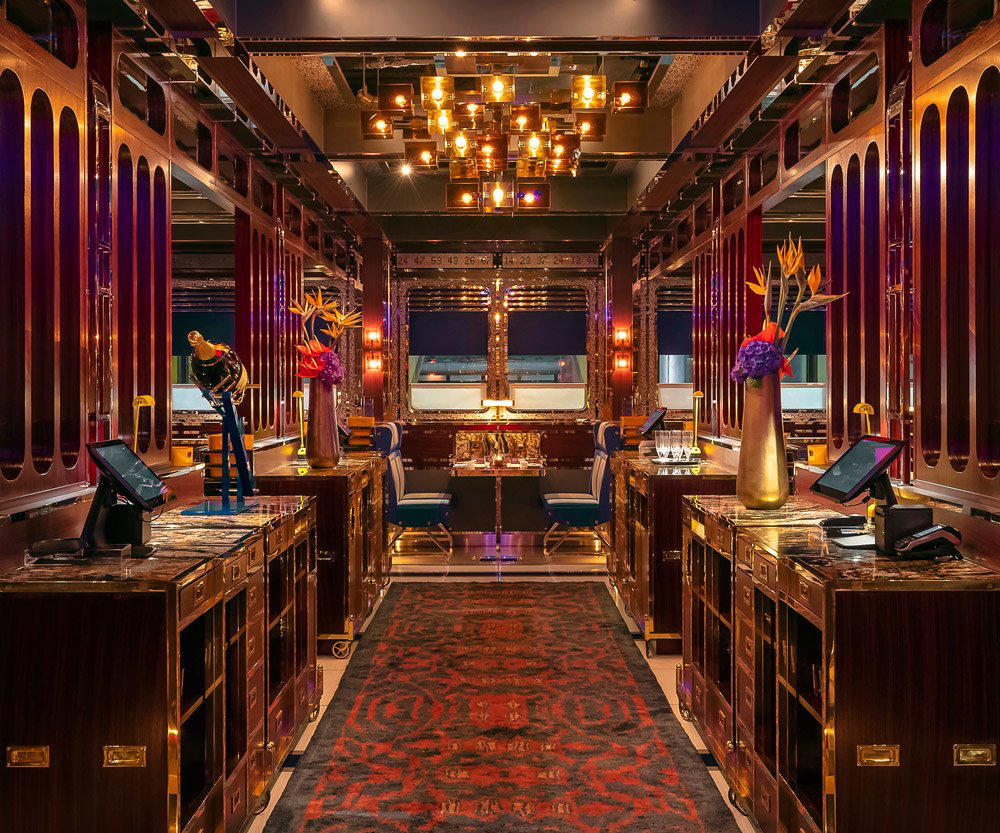
I Robert opened as a compact Italian trattoria on 54 Curzon Street, just off Green Park, and presented a clear invitation: direct, well-made Italian and Mediterranean plates in the heart of Mayfair. The first thing regulars recall is the smell of cured meat and fresh pasta in the air, the sight of hanging salami and chalkboard menus, and the steady rhythm of gramophone jazz. I Robert in London positioned itself as a neighbourhood lunch and dinner spot, serving high-quality pasta and charcuterie at prices that surprised visitors used to Mayfair rates. Menu items such as pork cheek pappardelle (£12) and tagliolini with rabbit ragù (£14) became quick markers of the restaurant’s approach to hearty, ingredient-led cooking.
The kitchen’s focus on accessible flavour and hand-rolled pasta set I Robert apart in a part of the city known for more ostentatious dining. The restaurant’s vision came from Arkadiy Novikov’s desire to create an unpretentious alternative to nearby flashy venues. While specific chef names are not in public sources, the kitchen emphasized traditional techniques and house-made pasta as a backbone of the menu. The restaurant’s philosophy favoured value and familiarity over spectacle: rustic cooking, clear flavour profiles, and honest portioning.
Reviews from 2015 and subsequent guest notes highlighted solid execution on pasta and a convivial atmosphere, which helped the restaurant earn a loyal, international clientele without requiring a formal tasting menu or elaborate service rituals. The menu progression at the restaurant revolved around a short, focused menu built for sharing and comfort. Start with the charcuterie board: high-quality cured meats, olives, crusty bread and a small carafe of wine, an economical staple priced at £15.50 that framed the meal.
Pasta was central; pork cheek pappardelle arrived rich and slow-cooked, with broad ribbons of house-made pappardelle catching a glossy, reduced sauce for deep, meaty flavour. The house tagliolini featured delicate, thin strands of egg pasta folded into a rabbit ragù studded with finely chopped vegetables that held their bite. Desserts remained classic and restrained, with crème brûlée among the listed sweets. Cooking techniques were direct—slow braising, precise pasta drying and fast sautés—designed to highlight ingredient quality rather than culinary theatrics.
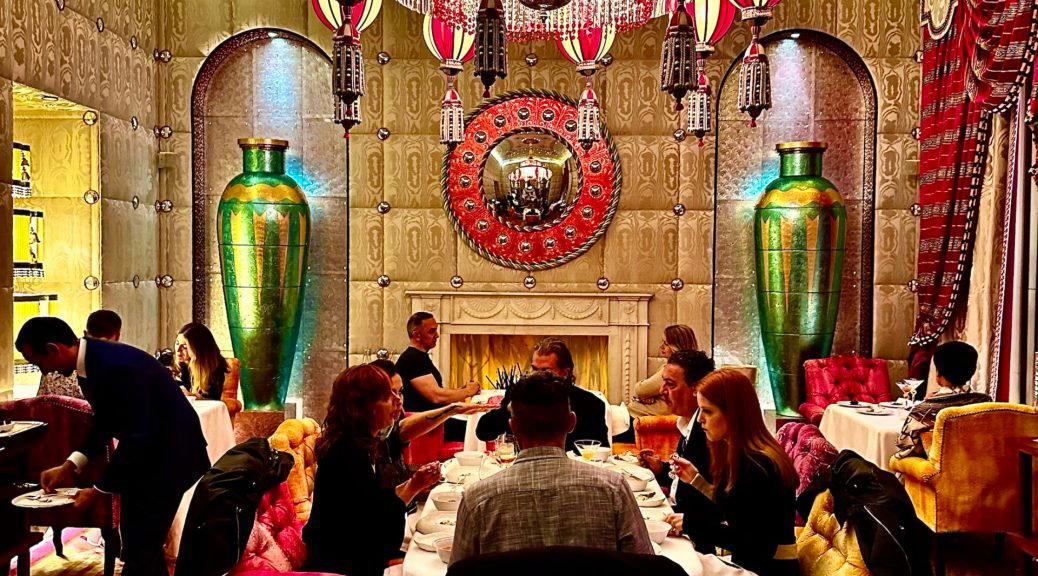
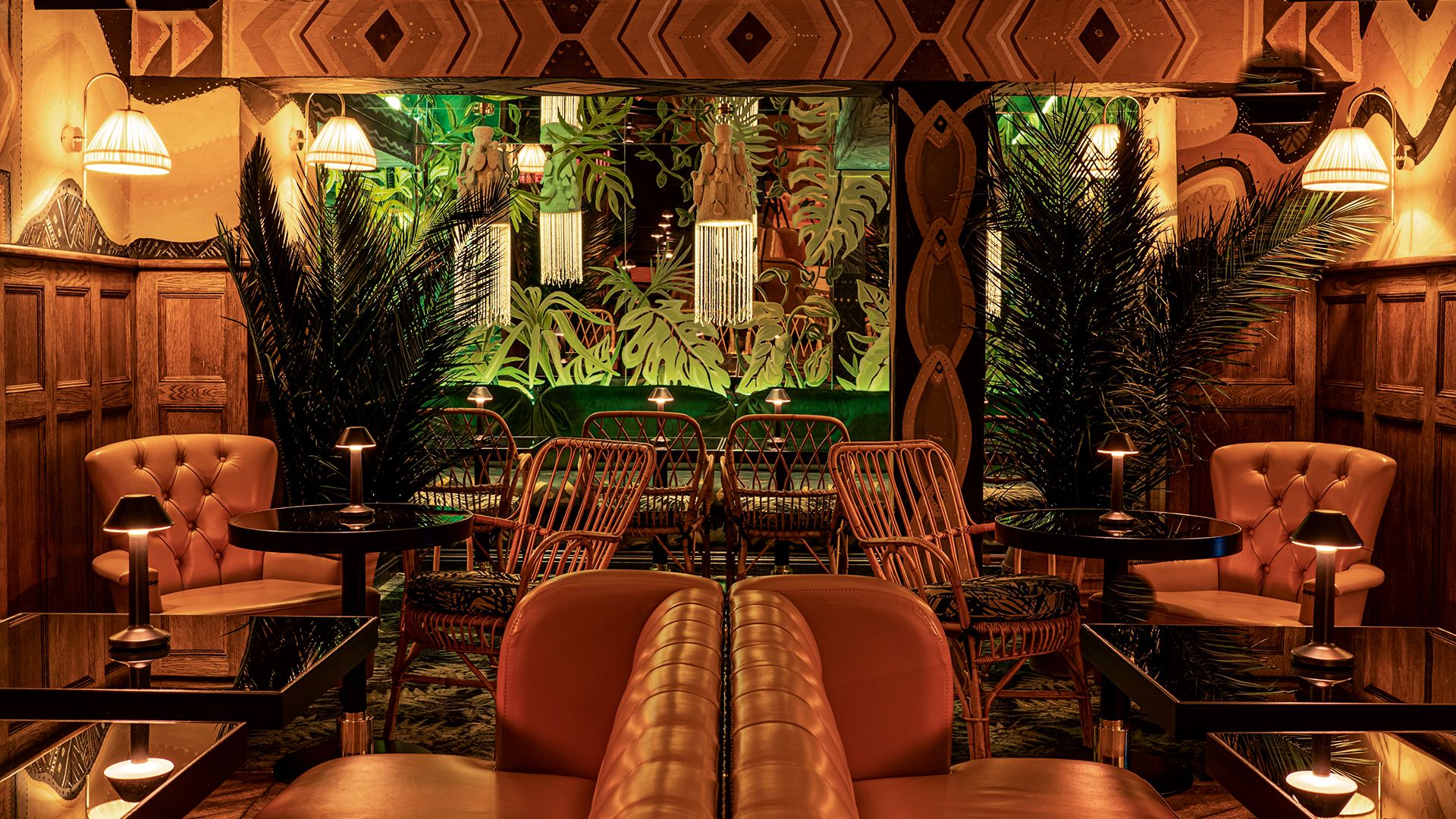
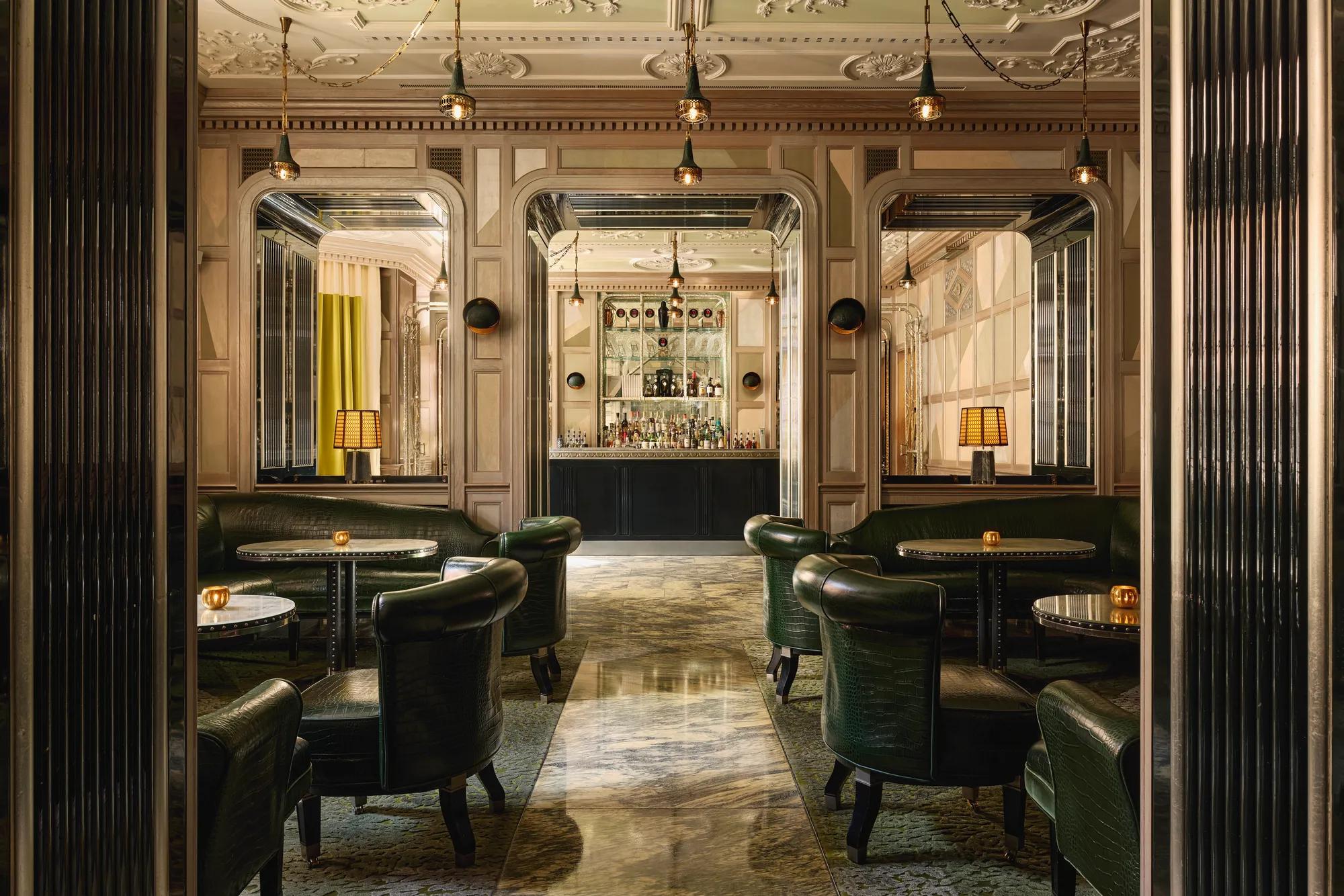
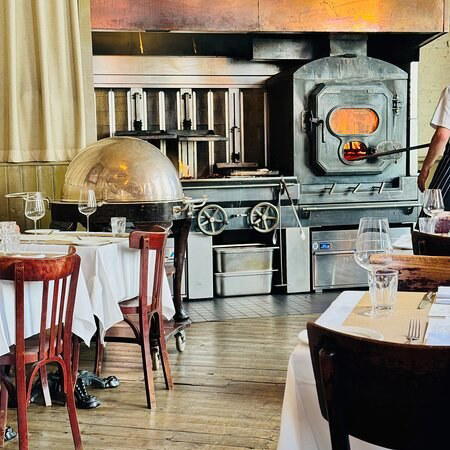
The beverage program was serviceable, with staff offering wines by the glass on request, though the wine list was not presented as an extensive cellar. Seasonal rotations were not well documented, but the restaurant’s core dishes reflected Italy’s regional simplicity paired with Mediterranean produce when available. Inside, the restaurant combined contemporary art and rustic fittings to create an unforced, lived-in feeling. Exposed brick, small tables, chalkboards, and hanging cured meats gave the room texture; tables were compact, favoring intimate two-top dining and quick lunches.
Colourful art pieces — including the Kate Boxer work that inspired the restaurant’s name and logo — added modern contrast to the otherwise casual décor. Service ranged from attentive and warm to brisk and functional, depending on the shift; this variability became part of the venue’s character, appealing to diners who wanted fast, honest cooking rather than ceremonious pacing. The location, a short walk from the Royal Academy and Green Park, made the restaurant convenient for museum lunches and post-stroll meals. For anyone researching or remembering the restaurant, practical notes matter.
At the time of its operation the site listed hours as Monday–Saturday, 11:30am–10pm, and menu prices suggested a moderate spend for Mayfair: most mains fell in the low to mid double digits. Dress leaned casual smart—neat but comfortable—and reservations were accepted though peak lunchtime could be busy. Keep in mind this information reflects the restaurant’s operating period and published details prior to closure. The restaurant left a clear impression: a modest yet well-executed Italian kitchen in a premium London postcode, known for house-made pasta, good value and an unshowy dining rhythm.
While the restaurant is now permanently closed, its pork cheek pappardelle and rabbit tagliolini remain memorable examples of how focused cooking and fair pricing can resonate in Mayfair. For travellers and food lovers tracing London’s recent dining history, the restaurant’s combination of simple techniques, bold cured meats and neighbourhood ease is worth remembering and celebrating.
Comparable Venues Nearby
Comparable venues nearby, for context on price, style, and recognition.
| Venue | Cuisine | Price | Notes |
|---|---|---|---|
| I RobertThis venue — the venue you are viewing | Dining | Not listed | Not listed |
| Le Chabanais | Dining | Not listed | Mayfair |
| Polpo | Venetian Bacaro Small Plates | $$ | Soho |
| Blanchette | Modern French Tapas | $$ | Soho |
| Zeen | Dining | Not listed | Euston |
| Trenta | Dining | Not listed | Paddington |
Continue exploring