Blanchette

Blanchette on D'Arblay Street brings the French small-plates format to the heart of Soho, operating in a register that sits well below the Michelin-starred heavyweights of Mayfair and Chelsea. The format rewards sharing and casual repetition rather than occasion dining, making it one of the more practical French options in a neighbourhood better known for ramen counters and late-night pizza.
Pearl is the En Primeur Club membership app — saves, bookings, and concierge access live there. Same editors, same standards.
- Address
- 9 D'Arblay St, London W1F 8DR, United Kingdom
- Phone
- +44 20 7439 8100
- Website
- blanchettelondon.co.uk
- Directions
- Get directions
 Saves & bookings on Pearl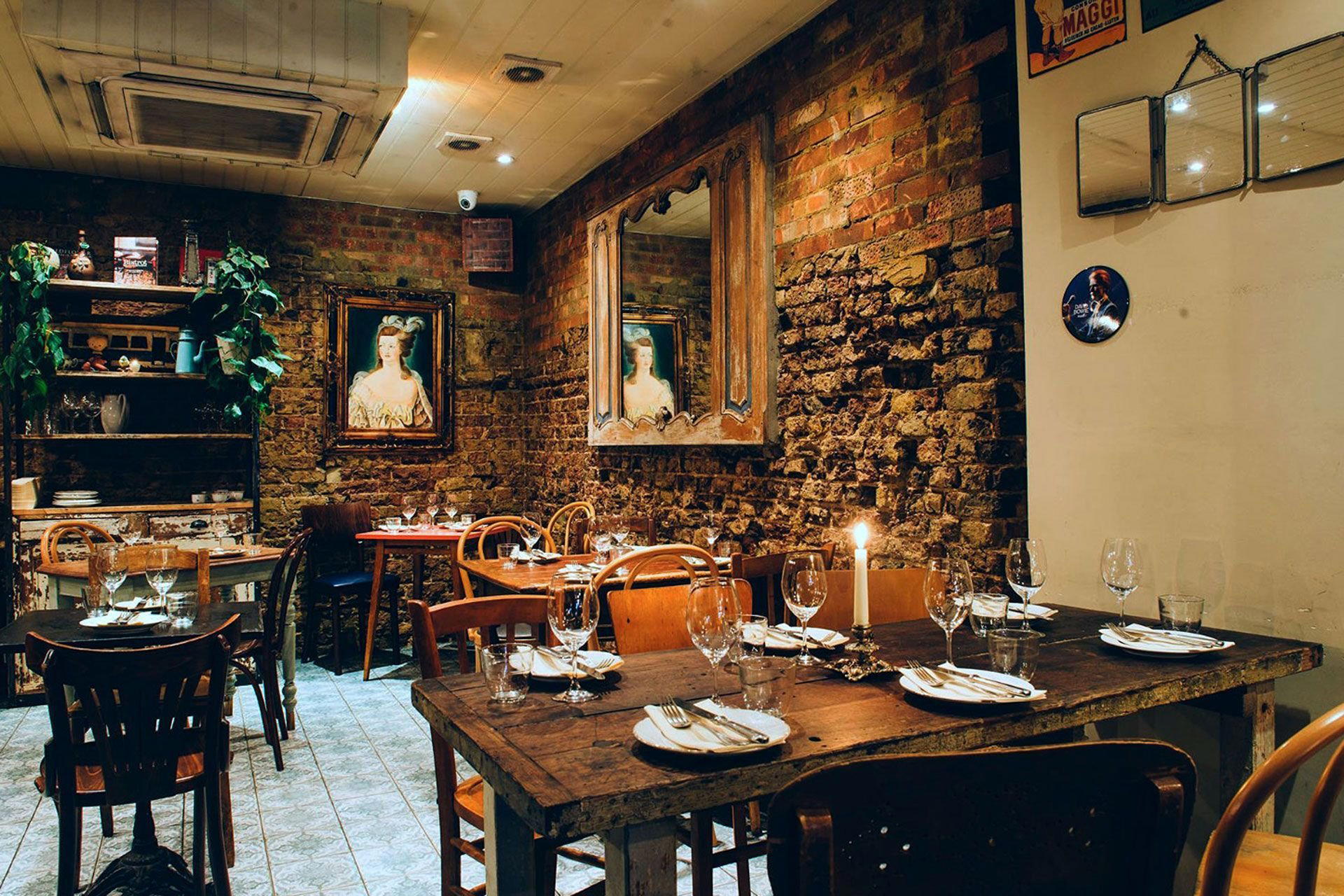
Soho's French Small-Plates Tradition, and Where Blanchette Sits in It
Blanchette is a restaurant in Soho, London, serving Modern French Tapas at a price point of about $60 per person. From the white-tablecloth formality of Restaurant Gordon Ramsay and Sketch's Lecture Room and Library at one end, to neighbourhood wine bars serving charcuterie boards at the other, the London market has long sorted itself into tiers based on price, formality, and occasion type. Blanchette, on D'Arblay Street in Soho, has carved its position in the middle of that range: a small-plates French format that reads as casual but considered, aimed at the kind of diner who wants Gallic sensibility without booking two months in advance or committing to a set-menu price point that rivals a short-haul flight.
That positioning has evolved. The Fat Duck in Bray and L'Enclume in Cartmel, it carried a certain novelty charge. Sharing plates in a French context felt like a correction to the stuffy plat principal model. By the mid-2020s, that format is the norm in Soho rather than the exception, and venues operating within it now compete on execution, wine list depth, and atmosphere rather than structural innovation alone.
D'Arblay Street: A Soho Address That Does Most of the Work
Soho's W1F postcode functions as a self-selecting filter for a certain type of hospitality. The streets around Carnaby and Berwick Street attract a mix of creative industry workers, out-of-towners who know the area by reputation, and habitual Londoners for whom the neighbourhood is a default meeting point. D'Arblay Street sits between those poles: recognisable without being a tourist artery, dense enough with restaurants that a diner who walks past and doesn't book can usually find a comparable option nearby.
For Blanchette, that address both helps and pressures. It places the restaurant in a high-footfall zone where word-of-mouth travels quickly, but it also means the comparison set is immediately visible. The French-leaning small-plates format has to justify itself against a Soho baseline that includes sharp Italian, credible Japanese, and confident modern British operations, all within a few minutes' walk. The venues that sustain themselves in this environment over multiple years do so through consistency rather than launch energy alone.
How the Format Has Shifted Since Opening
Blanchette's arc reflects a wider pattern in London's mid-market French dining. The early version of the small-plates bistro concept often leaned heavily on recognisable French touchstones rendered in shareable portions: escargot, bone marrow, cheese boards designed for the table rather than the individual. As the format matured across the city, the more durable operations moved toward greater specificity, tighter wine programming, seasonal rotation, and a kitchen identity that went beyond repackaging brasserie classics.
This evolution mirrors what happened at the more formal end of London's French-influenced tier. CORE by Clare Smyth and The Ledbury represent Modern European rigour at a price and commitment level that Blanchette's format never competes with directly. But the pressure those Michelin-starred rooms generate filters down: London diners who eat regularly across price points carry higher baseline expectations, and informal venues absorb those expectations whether or not they set out to. A casual French plate in 2025 is being mentally benchmarked against a more demanding standard than the same plate in 2013.
The format that feels energetic and exploratory on year one can feel formulaic by year five unless the kitchen maintains genuine rotation and the room keeps a reason to return beyond habit. The venues that manage this tend to do so through strong wine-by-the-glass programmes, a front-of-house culture that rewards regulars, and menu updates timed to season rather than to convenience.
Eating at Blanchette: What the Format Delivers
For a diner coming to D'Arblay Street without a fixed occasion in mind, the practical logic of the Blanchette format is clear. Small plates across two or three people allow a wider cross-section of the menu than a traditional two-course French structure, and the price per head at informal Soho operations of this type typically lands in a range that permits spontaneity. This is not the register of Dinner by Heston Blumenthal or the destination-led calculation required for a trip to Moor Hall in Aughton or Gidleigh Park in Chagford. The decision to go is lighter, and it should be.
The wine list at French-leaning London bistros of this tier has become a genuine differentiator over the past decade. Natural and low-intervention French bottles now appear with regularity on lists in this category, positioned against a background of more recognisable regional names. Venues that curate this thoughtfully rather than defaulting to a generic Franco-Italian by-the-glass selection tend to hold a more loyal afternoon and early-evening crowd, particularly in a Soho demographic that leans knowledgeable about wine without necessarily wanting a formal sommelier consultation.
Planning a Visit
Blanchette is located at 9 D'Arblay Street, London W1F 8DR.
| Venue Type | Booking Lead Time | Typical Price Band | Format | Nearest Tube Zone |
|---|---|---|---|---|
| Blanchette (D'Arblay St, Soho) | Same-week to two weeks | ££–£££ | Sharing plates | Zone 1 (Oxford Circus / Tottenham Court Road) |
| Comparable Soho French bistro | Same-day to one week | ££ | À la carte | Zone 1 |
| Mayfair modern French (Michelin-adjacent) | Two to six weeks | ££££ | Set or à la carte | Zone 1 |
| Destination fine dining (outside London) | One to three months | ££££+ | Tasting menu | N/A |
Further afield, Hand and Flowers in Marlow, hide and fox in Saltwood, Le Bernardin in New York City, and Atomix in New York City represent the kind of operations that define what serious cooking looks like at different price points and on different continents.
Recognition, Side-by-Side
Comparable venues nearby, for context on price, style, and recognition.
Recognition history
Dated appearances from independent guides and award organizations, with the underlying list record or original source where available.
Opinionated About Dining Casual in Europe Recommended
Opinionated About Dining



At a Glance
- Cozy
- Intimate
- Trendy
- Elegant
- Date Night
- Group Dining
- Casual Hangout
- Private Dining
- Extensive Wine List
Current opening hours
- Monday
- 12–11 PM
- Tuesday
- 12–11 PM
- Wednesday
- 12–11 PM
- Thursday
- 12–11 PM
- Friday
- 12–11 PM
- Saturday
- 12–11 PM
- Sunday
- Closed
Hours can change for holidays and private events. Last verified .
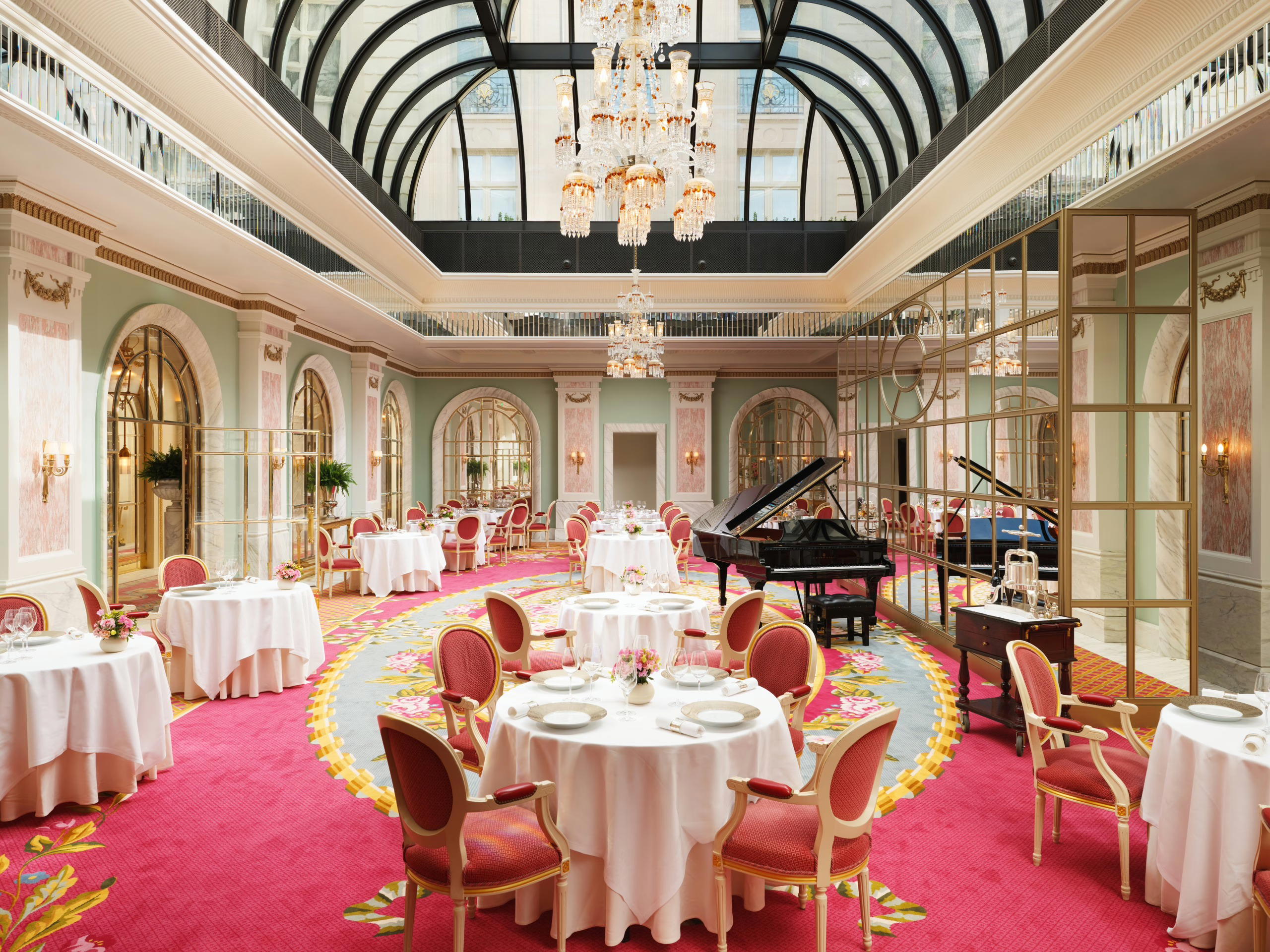
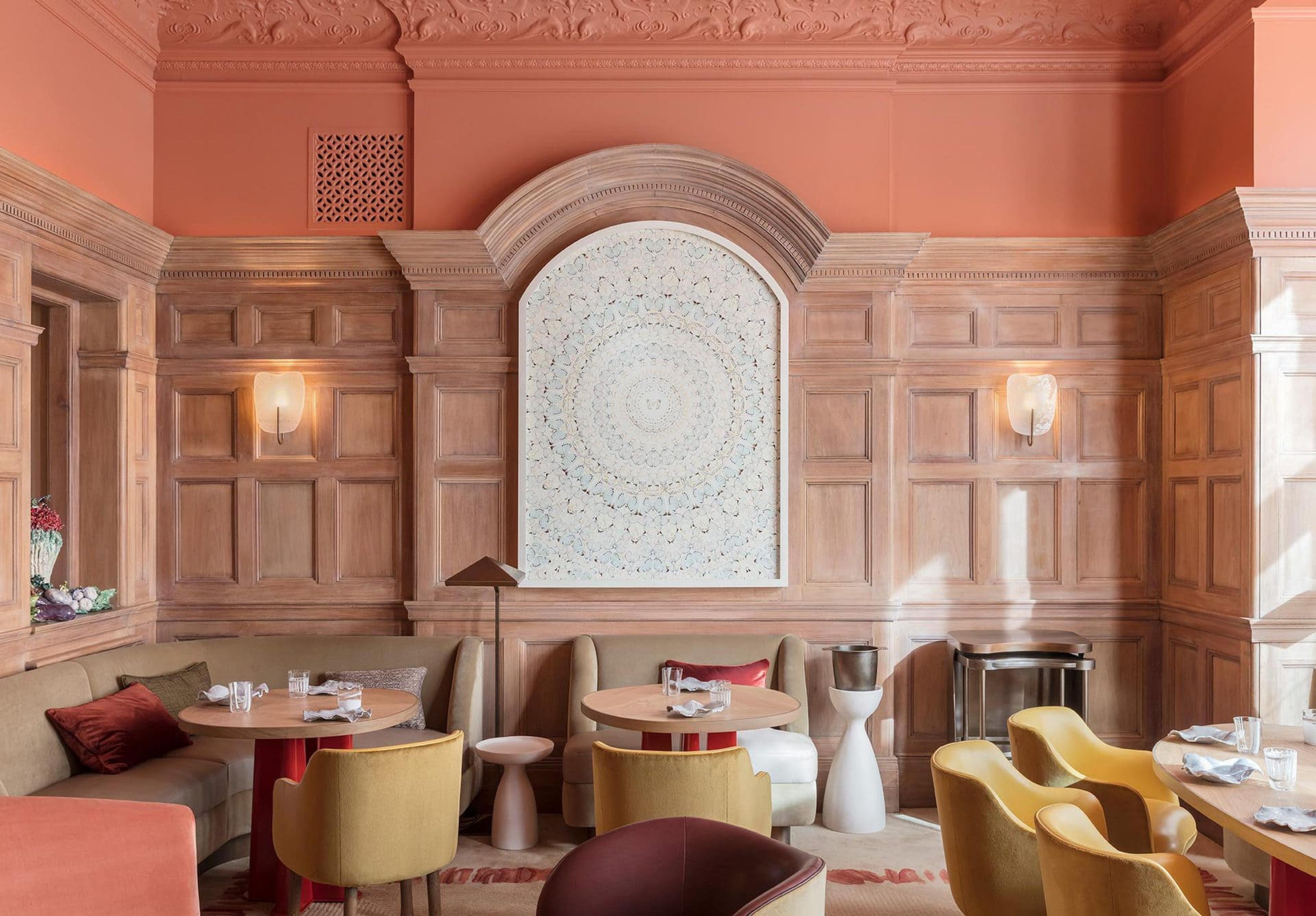
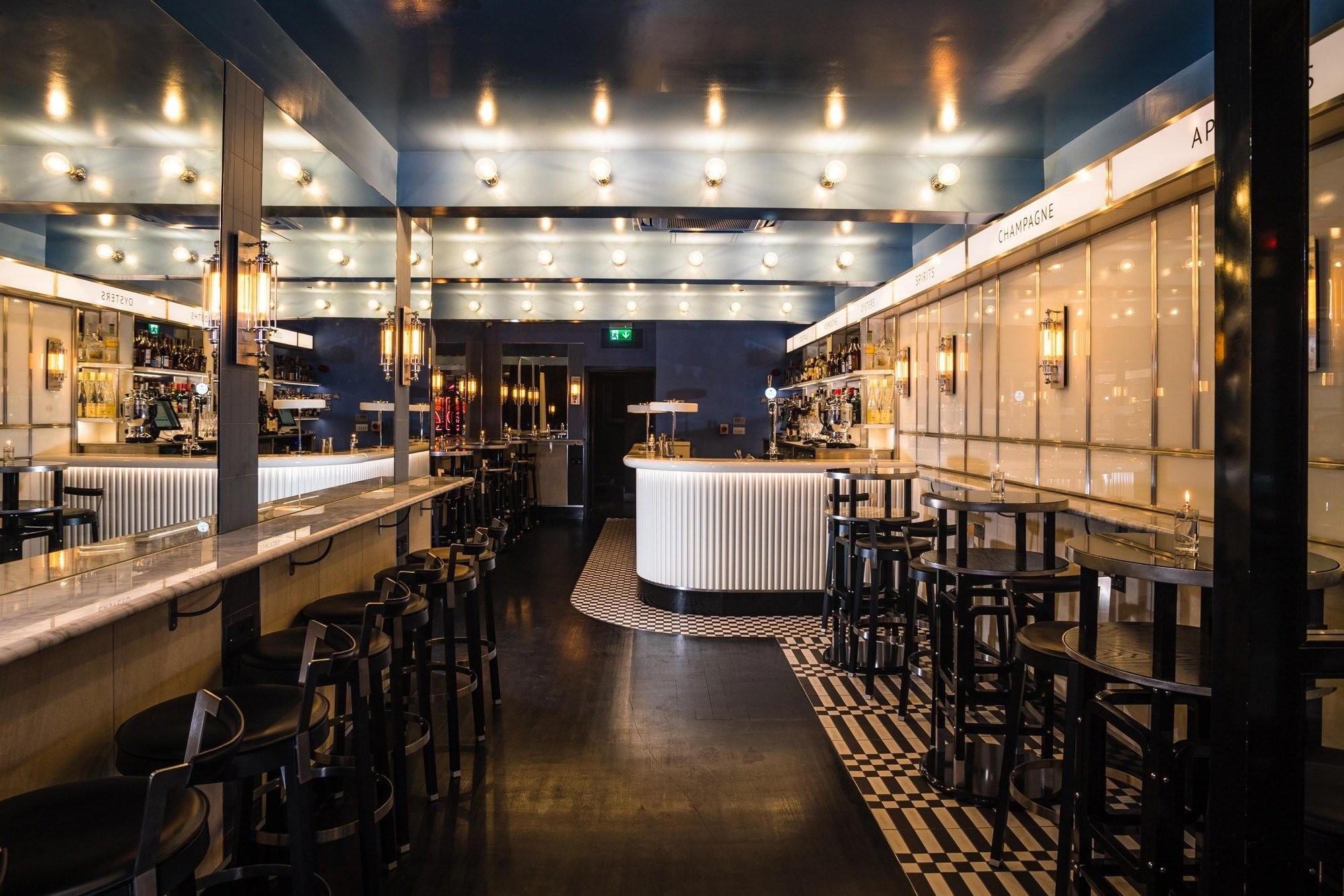
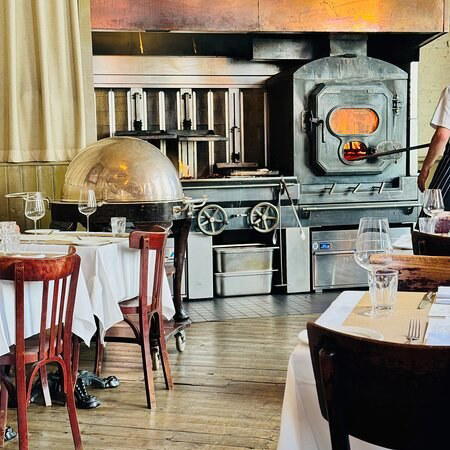
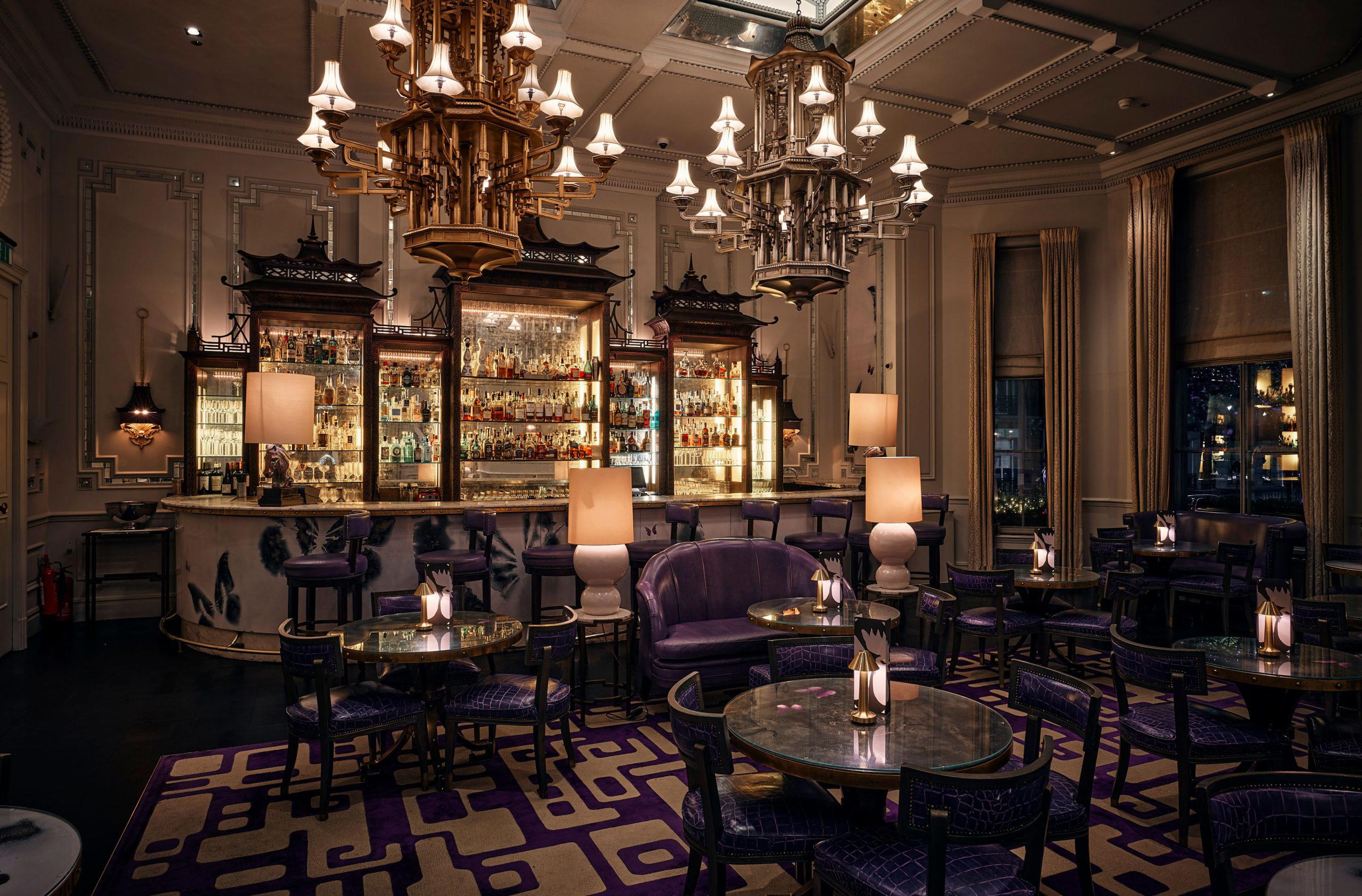
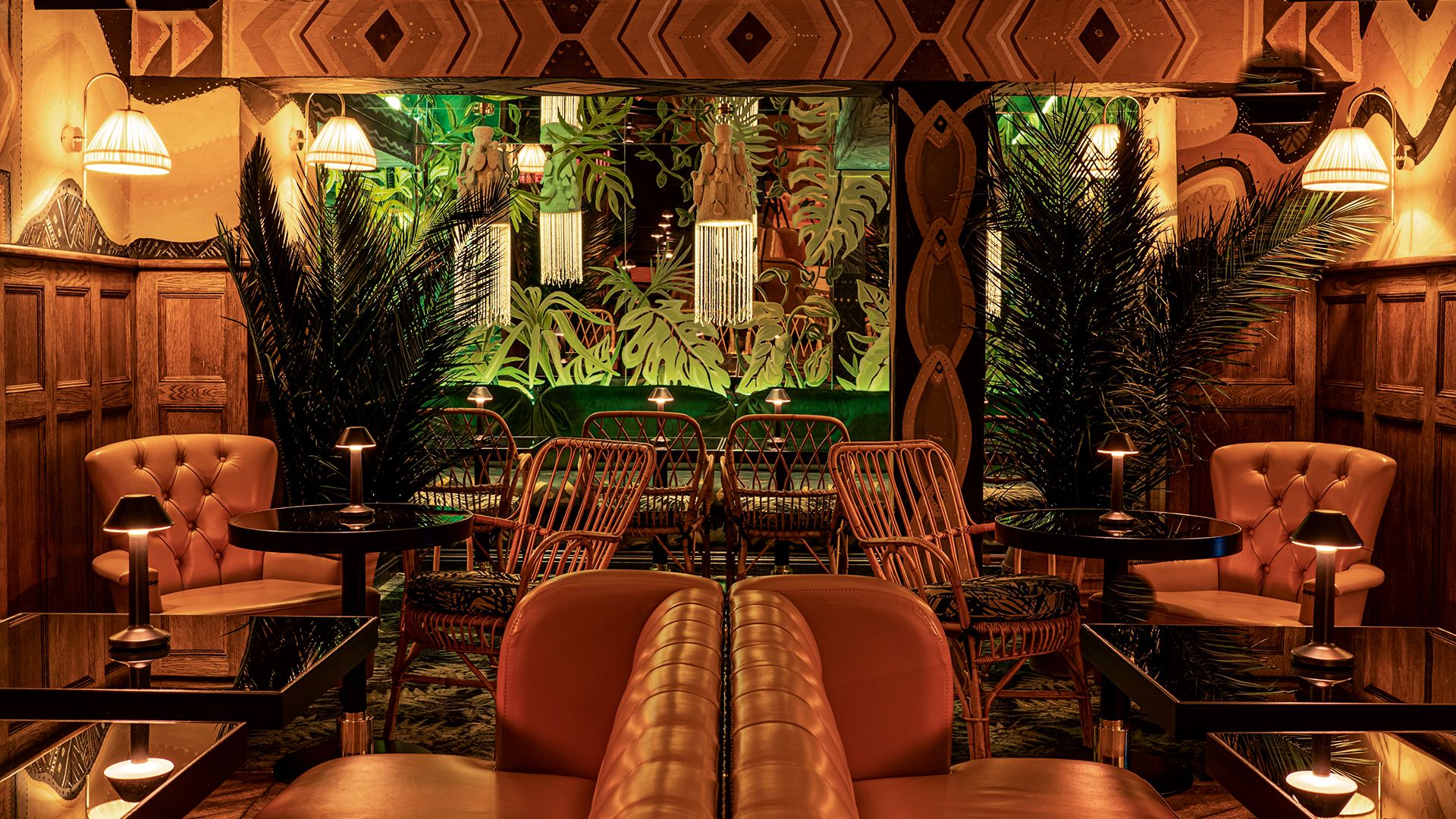
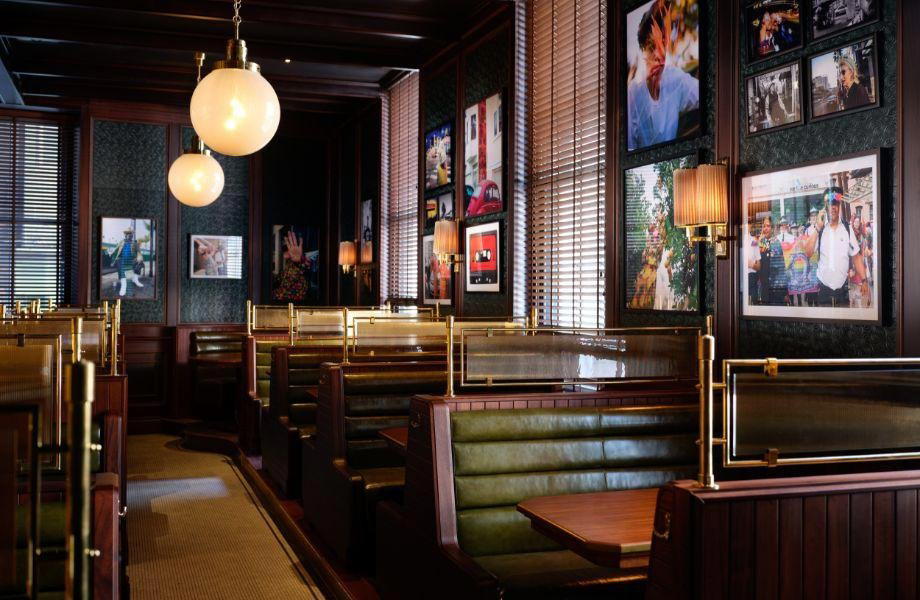
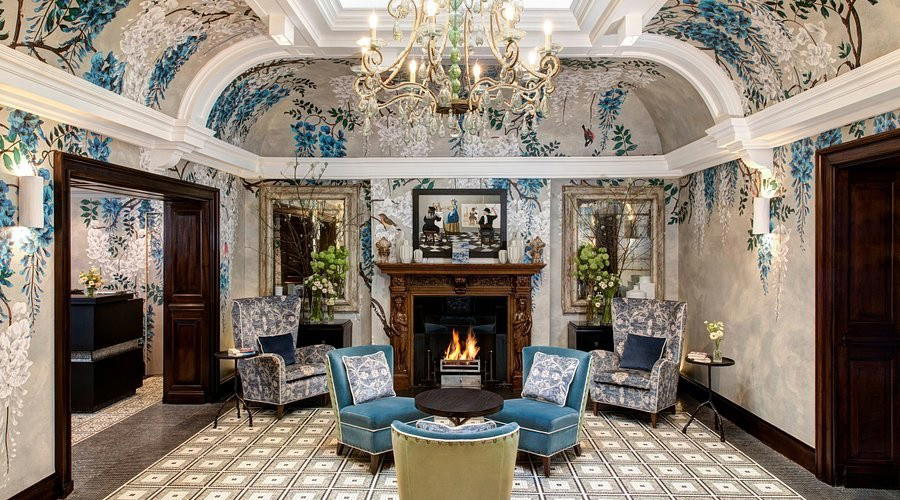
Cozy and convivial with bare-brick walls, quirky decor, and a buzzy yet conversational atmosphere enhanced by French memorabilia and soft lighting.