Polpo
Polpo on Beak Street sits in the Soho tradition of casual, ingredient-led dining where the sourcing does the talking. The kitchen draws on Venetian cicchetti conventions, small plates built around produce rather than technique, placing it in a distinct tier from London's formal Italian rooms. It operates at a price point and pace that suits Carnaby's after-work crowd as much as a planned dinner.
Pearl is the En Primeur Club membership app — saves, bookings, and concierge access live there. Same editors, same standards.
- Address
- 41 Beak St, Carnaby, London W1F 9SB, United Kingdom
- Phone
- +44 20 4537 4341
- Website
- polpo.co.uk
- Directions
- Get directions
 Saves & bookings on Pearl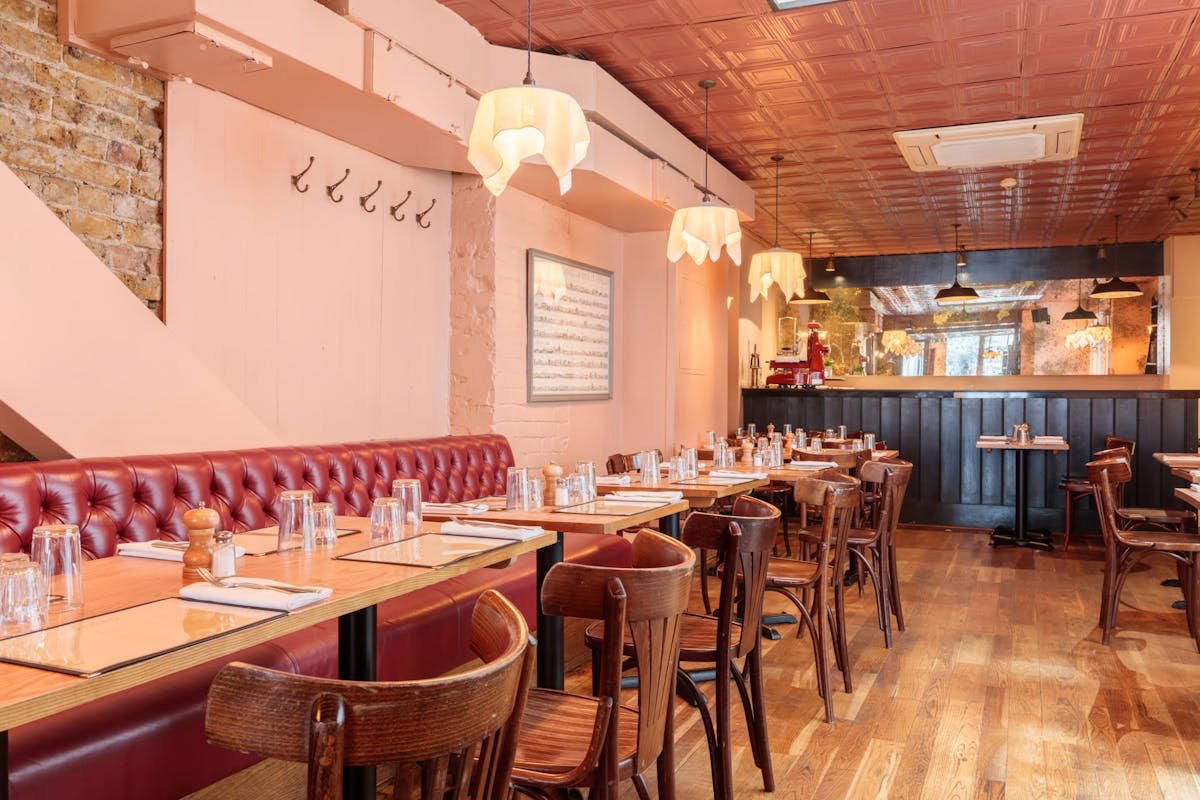
Soho's Cicchetti Tradition and Where Polpo Fits
London's Italian dining scene has long split between the white-tablecloth trattorias of Mayfair and the looser, more democratic rooms that took root in Soho and Fitzrovia through the 2000s and 2010s. Polpo on Beak Street belongs firmly to the second current: a Venetian cicchetti format that privileges small, shareable plates over the set-piece pasta course, and where the logic of the menu follows the market rather than the brigade. That positioning puts it in a different competitive set entirely from the city's destination Italian rooms, and closer in spirit to the bacari of Venice than to anything Mayfair serves.
The bacaro tradition that Polpo references is built on economy of means: a short list of small plates, a glass of house wine, and ingredients chosen for what is available rather than what is expensive. In Venice, that means cured fish, seasonal vegetables, and crostini assembled at the counter. The London translation has always required some adjustment, supply chains, seasonal rhythms, and the expectations of a Soho crowd all shift the calculus, but the underlying logic of ingredient-first cooking survives the transplant. Dishes that read as simple on the menu tend to expose sourcing quality more directly than complex preparations, which is the inherent challenge and the appeal of the format.
Carnaby and Beak Street: What the Location Signals
Beak Street sits at the edge of the Carnaby grid, a few minutes' walk from Regent Street to the east and Berwick Street market to the north. The area has supported a dense cluster of independent restaurants and bars for decades, partly because the street pattern and building stock favour smaller operators over the large-format venues that dominate the West End's main arteries. That neighbourhood context shapes who walks through the door at Polpo: the early evening crowd skews toward Soho workers and shoppers rather than pre-theatre diners or expense-account tables, which in turn shapes the pace and price expectation of the room.
Berwick Street market, a short walk north on Beak Street, has historically been one of central London's more reliable sources of seasonal produce, a proximity that matters more for ingredient-led kitchens than for those running fixed menus from consolidated suppliers. Whether or not a kitchen actively uses a street market, the neighbourhood's proximity to that kind of supply creates a cultural expectation around freshness and seasonality that restaurants in the area absorb over time.
The Cicchetti Format: Why Sourcing Is the Point
The cicchetti model creates a specific accountability around ingredients. At a tasting counter, technique and sequencing can carry a dish even when a single ingredient underperforms. At a small-plates bacaro, there is nowhere to hide: a crostino topped with a single anchovy, a plate of cured meat, a dish of dressed vegetables, each one asks its ingredients to carry the whole weight. This is a harder brief than it looks, and it explains why the leading bacari in Venice (and their London counterparts) tend to be attentive about where things come from.
That attentiveness distinguishes the cicchetti format from the broader category of Italian casual dining, which in London has expanded into a wide tier of quality and ambition. At the level Polpo operates, it means a shorter, more deliberate menu where the kitchen has made decisions about sourcing rather than defaulting to consolidated catering suppliers. The difference shows most clearly in the simpler preparations, where there is nothing else to evaluate.
This is the editorial argument for paying attention to where Polpo sits in its category: not because it competes with Sketch's Lecture Room or Restaurant Gordon Ramsay on technical ambition, but because within its own format, the ingredient-led small plate, the bacaro-style service, the deliberate informality, it represents a specific choice about how Italian food in London can work.
How Polpo Compares Within London's Casual Italian Field
London's casual Italian field has grown considerably more crowded since Polpo opened in Soho. Natural wine bars with kitchen annexes, Italian-leaning small-plates rooms, and counter-service pasta operations all compete for the same mid-market diner. What separates the more deliberate operators from the noise is usually a consistent approach to ingredient quality that holds across seasons and doesn't drift toward the cheapest available option when margins tighten.
The Venetian reference point matters here because it sets a specific expectation: this is not the Roman trattoria tradition, not the Neapolitan pizza tradition, and not the northern Italian fine-dining tradition that filtered through France into rooms like Dinner by Heston Blumenthal's historical British-Italian borrowings. It is a canal-city tradition of small, composed bites and a glass of something cold, scaled to a West End room and a London price point. That specificity gives the kitchen a clear brief and gives diners a clear expectation.
For comparison at the far end of the ambition spectrum, Le Manoir aux Quat' Saisons in Great Milton, L'Enclume in Cartmel, and Moor Hall in Aughton all operate within a sourcing-first philosophy too, but they have the kitchen infrastructure, growing gardens, and long tasting formats to build elaborate arguments around their ingredients. Polpo's argument is made in two bites. The brevity is the discipline.
Planning Your Visit
Polpo sits at 41 Beak Street, Carnaby, London W1F 9SB. Reservations are recommended. Dress code is smart casual. Budget: Polpo is in the mid-range price tier. Context: The room suits solo diners at the counter, pairs, and small groups equally, the format is designed for sharing and the pace is set by the table rather than the kitchen.
If you are building a broader UK dining itinerary, The Fat Duck in Bray, Gidleigh Park in Chagford, and the Hand and Flowers in Marlow represent the range of formal and relaxed registers available within an hour or two of London.
Cuisine and Recognition
Comparable venues nearby, for context on price, style, and recognition.
| Venue | Cuisine | Price | Notes |
|---|---|---|---|
| PolpoThis venue — the venue you are viewing | Venetian Bacaro Small Plates | $$ | Not listed |
| Fifth Element - Italian | Authentic Italian Pasta & Pizza | $$ | Fitzrovia |
| Cotto | Authentic Neapolitan Italian | $$ | Waterloo |
| Pizza Pilgrims Exmouth Market | Neapolitan Pizza | $$ | Clerkenwell |
| Mele e Pere | Italian Trattoria | $$ | Soho |
| Lisa's | Authentic Italian | $$ | North Kensington |
Continue exploring
More in London
Restaurants in London
Browse all →
Bars in London
Browse all →
Hotels in London
Browse all →
Wineries in London
Browse all →
At a Glance
- Cozy
- Intimate
- Trendy
- Lively
- Casual Hangout
- Group Dining
- Date Night
- Open Kitchen
- Extensive Wine List
Current opening hours
- Monday
- 12–11 PM
- Tuesday
- 12–11 PM
- Wednesday
- 12–11 PM
- Thursday
- 12–11 PM
- Friday
- 12–11 PM
- Saturday
- 12–11 PM
- Sunday
- 1–9 PM
Hours can change for holidays and private events. Last verified .
Candle-lit, relaxed, and cozy with an informally chic setting that transports diners to the backstreets of Venice.