Le Chabanais
Le Chabanais in London is a Contemporary French bistro on Mount Street that paired British seasonal produce with Parisian technique. Must-try plates included Dover sole on the bone with brown-butter and chives, veal sweetbreads with toasted almonds and green beans, and the pommes darphin finished in duck fat. The restaurant offered a three-course à la carte format priced around £75 with wine, presented in an opulent Mayfair dining room and a 30ft black marble basement bar. Though its run was brief, Le Chabanais left a vivid mark with tactile, carefully plated dishes, precise saucing at its best, and a raw, unapologetic dining personality.
- Address
- 8 Mount Street, London, W1K 3NF, United Kingdom
- Phone
- 020 7491 7078
- Website
- lechabanaislondon.com
- Directions
- Get directions
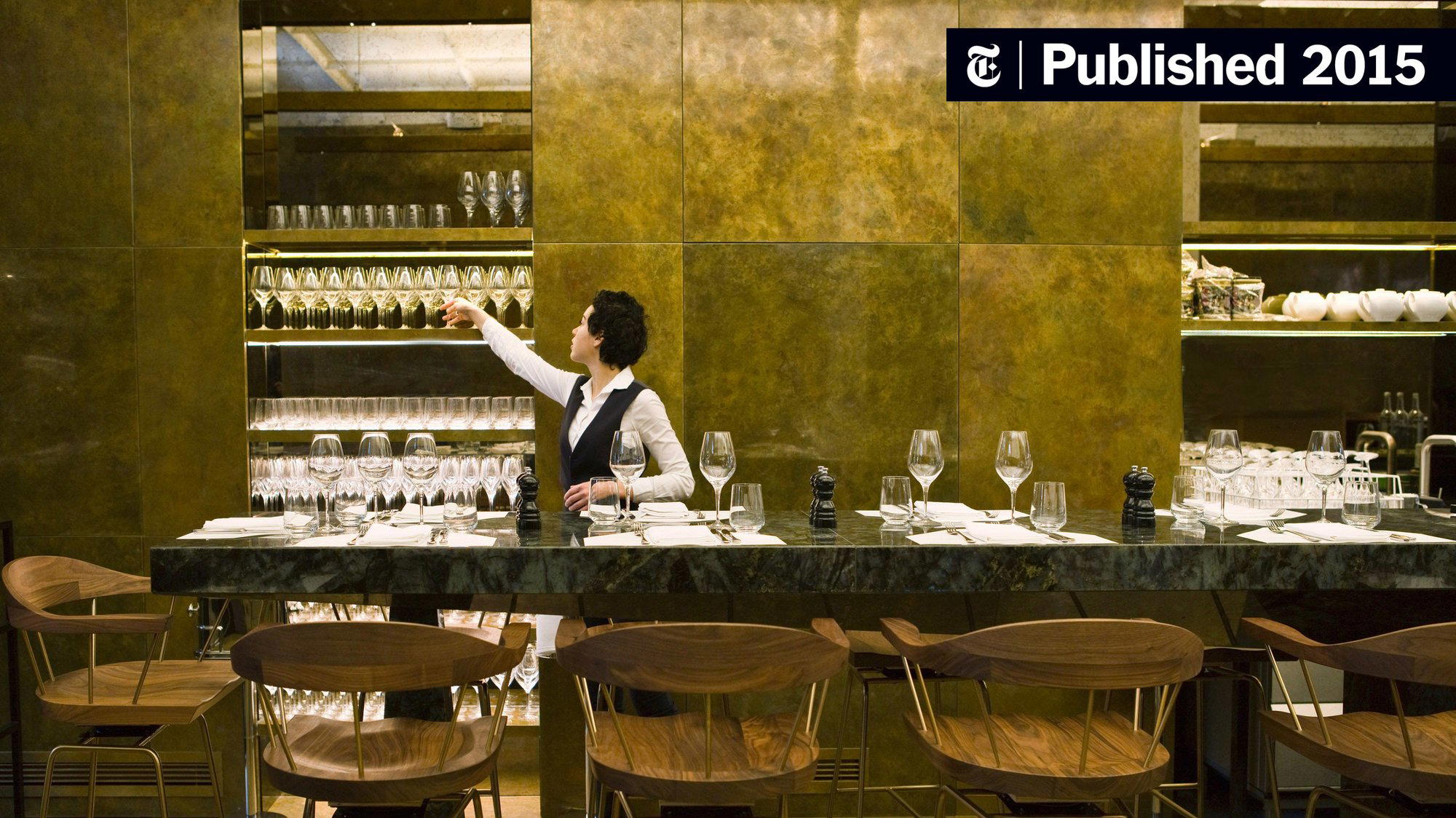
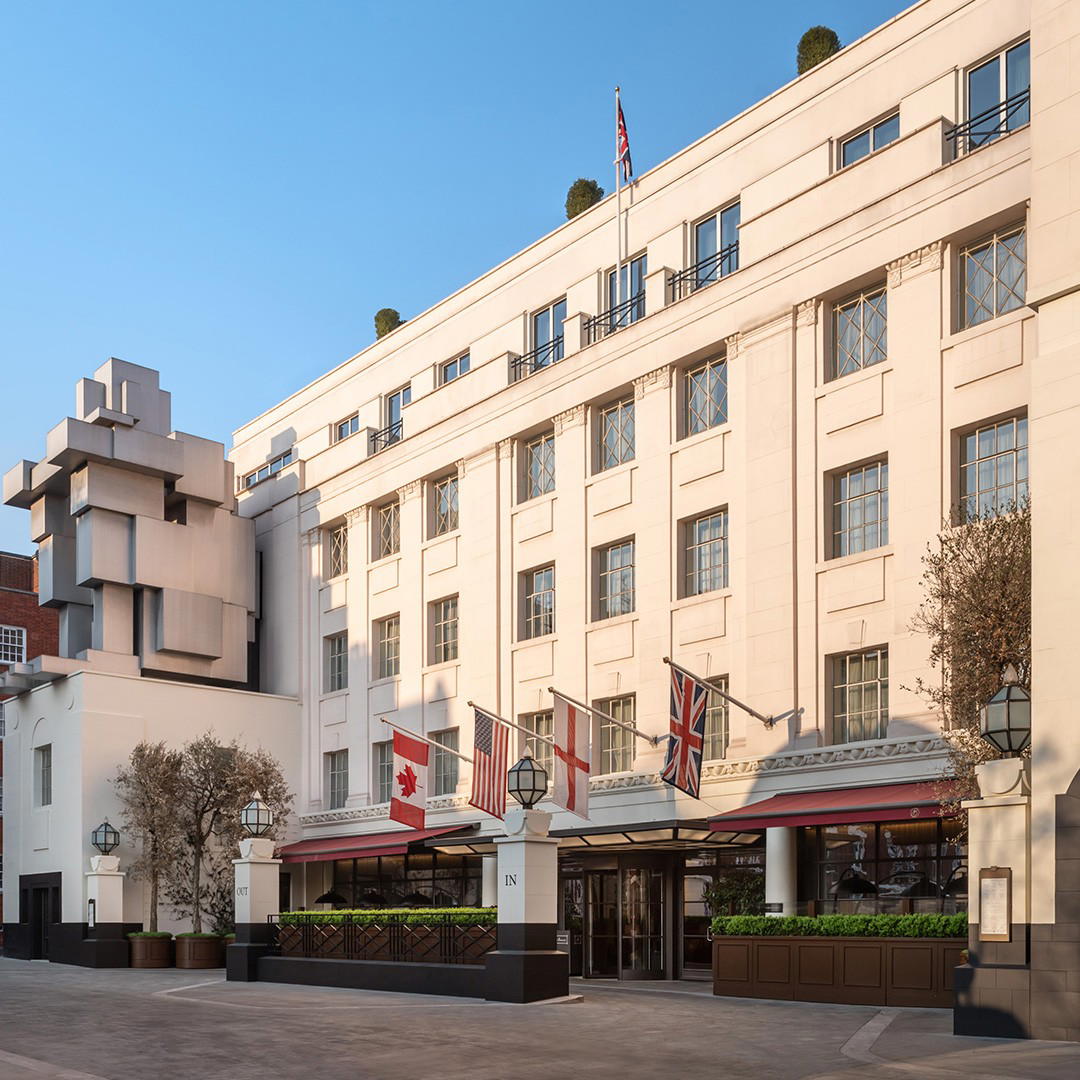
Le Chabanais opened on 8 Mount Street in Mayfair and arrived with a clear identity: a Contemporary French bistro in London that used British ingredients and Paris-trained technique. From the first service in May 2015, the kitchen aimed to present a three-course à la carte menu that felt direct and seasonal. The opening scene combined a high-gloss Mayfair address with a compact, lively dining room and a 30ft black marble basement bar where diners sat close to service. Early menus priced the three-course experience at about £75 with wine, and the restaurant quickly became a talking point for London fine dining and French bistro practice.
That initial momentum was mixed with mechanical problems and uneven execution, and the venue ultimately closed after a brief, intense run, leaving behind sharp memories of certain standout dishes. The restaurant’s vision traced back to Paris influence and a kitchen led by Paul Boudier, who had trained under chefs associated with Le Chateaubriand. Inaki Aizpitarte helped shape the concept before ending his formal ties later in 2015. Le Chabanais presented itself as French in technique and British in sourcing: seasonal fish, organ meats, and market vegetables anchored the menu.
There are no recorded major awards in the source material, but the project drew high-profile press attention in 2015 for both its ambition and its uneven moments. What made Le Chabanais special was that it tried to marry Parisian risk-taking with Mayfair formality, offering plates that sometimes landed precisely and sometimes missed, a risk that produced fierce reviews and a strong local conversation about value in London gastronomy. On the culinary side, the menu favored clear flavors and firm technique. Signature dishes included Dover sole cooked on the bone, often finished with brown butter and chives; veal sweetbreads paired with toasted almonds and crisp green beans; and a rustic bread, butter and radish starter seasoned simply with sea salt.
Sides such as pommes darphin were fried in duck fat and aimed for deep color and a silky interior. Cooking methods focused on straightforward pan-roasting, careful saucing, and classic French timing. The kitchen showed its best work with delicate offal and perfectly timed fish, though reviews recorded lapses, like a missing sauce on the sole. Seasonal rotation was central: menus were built around British produce and market catches, so guests could expect variations with the seasons rather than a fixed tasting route.
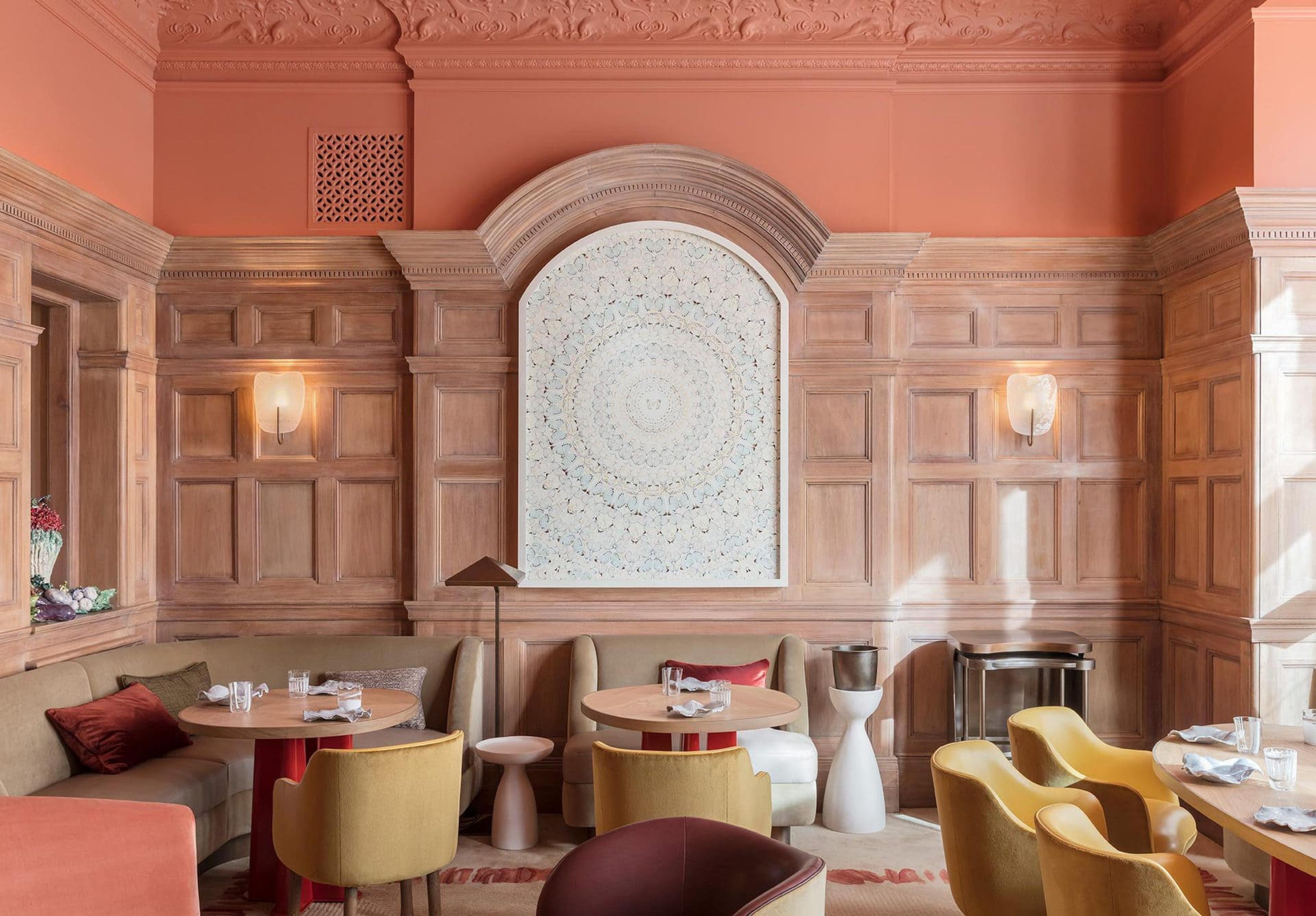
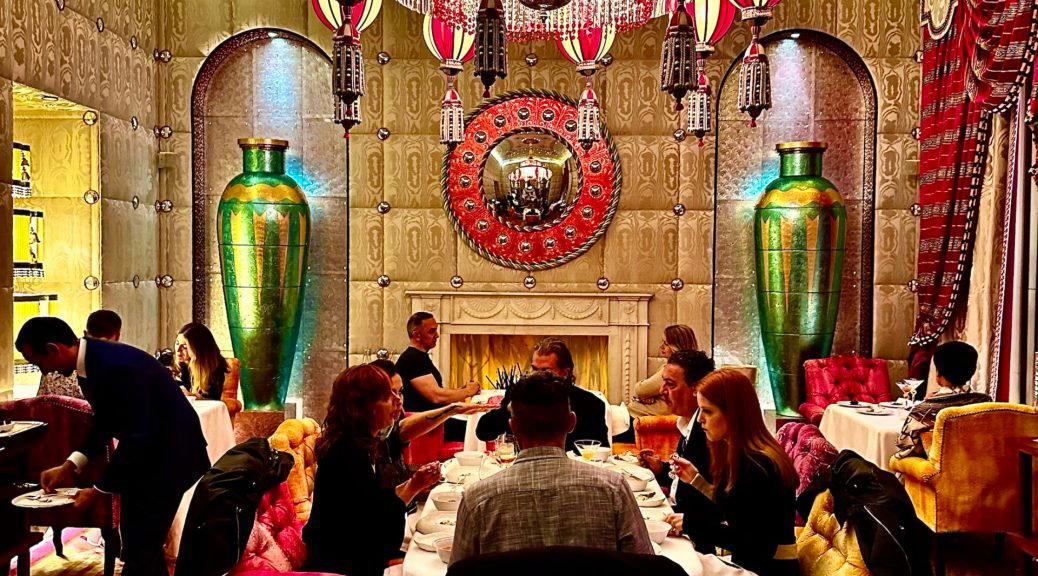
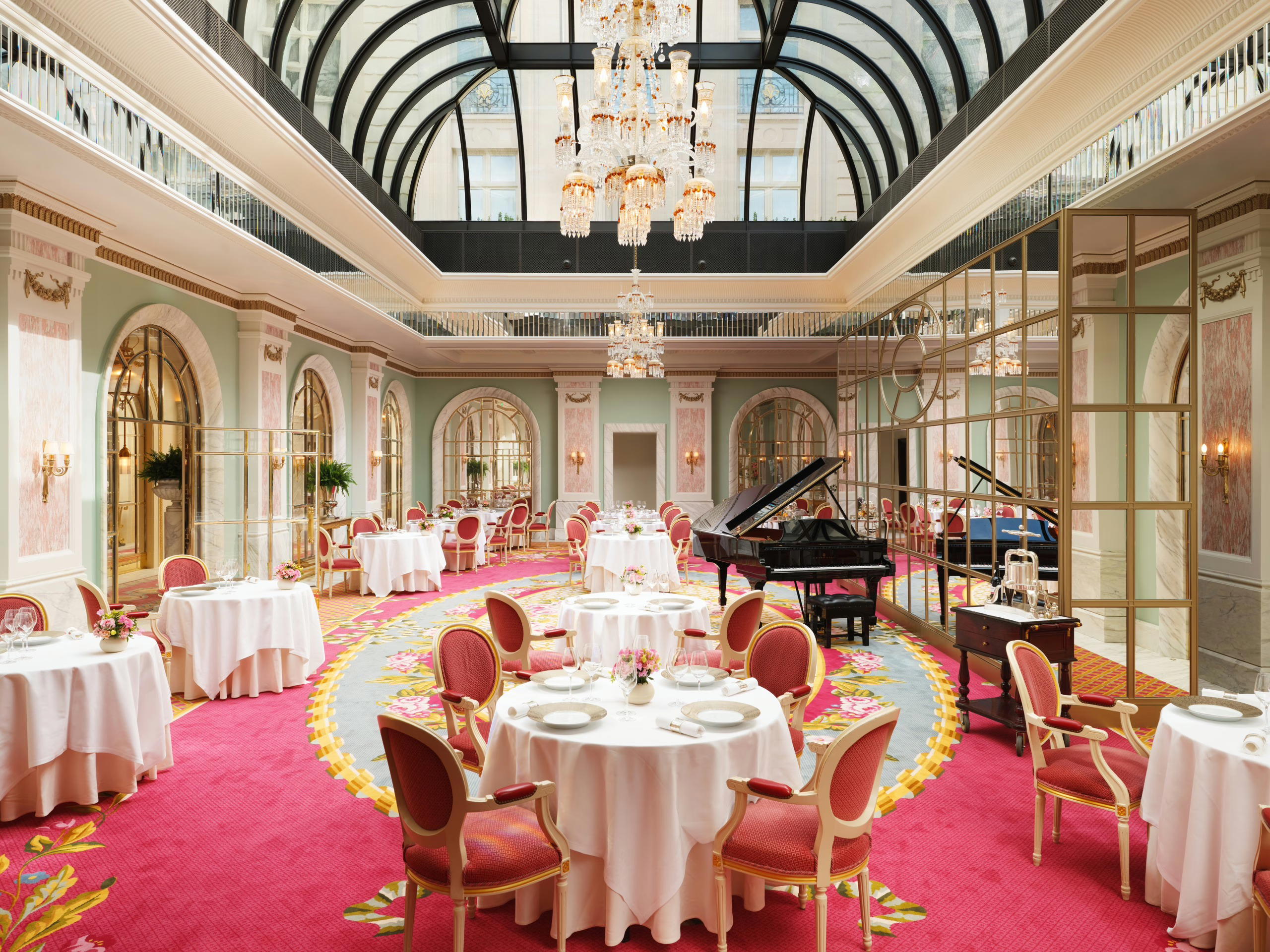
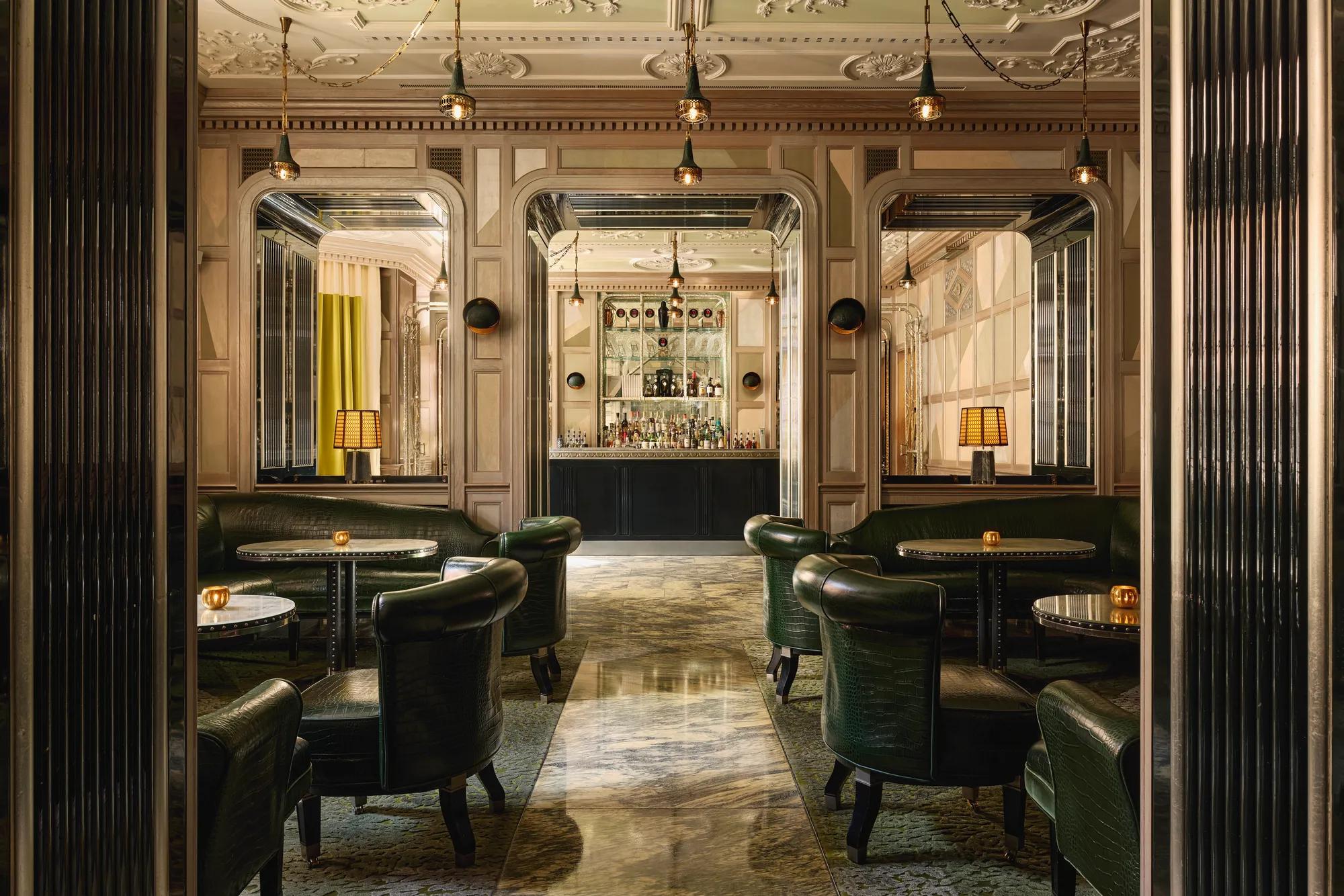
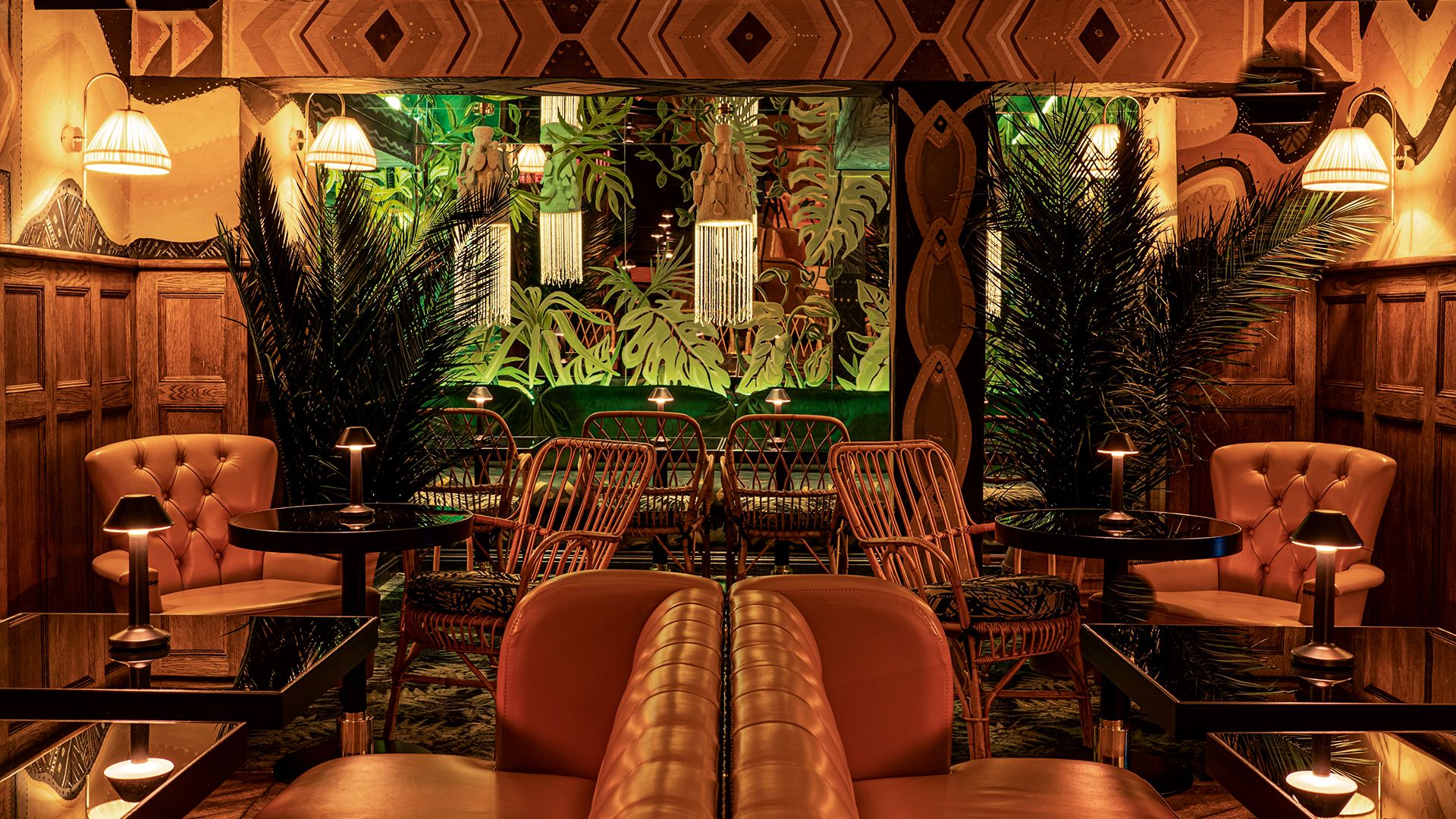
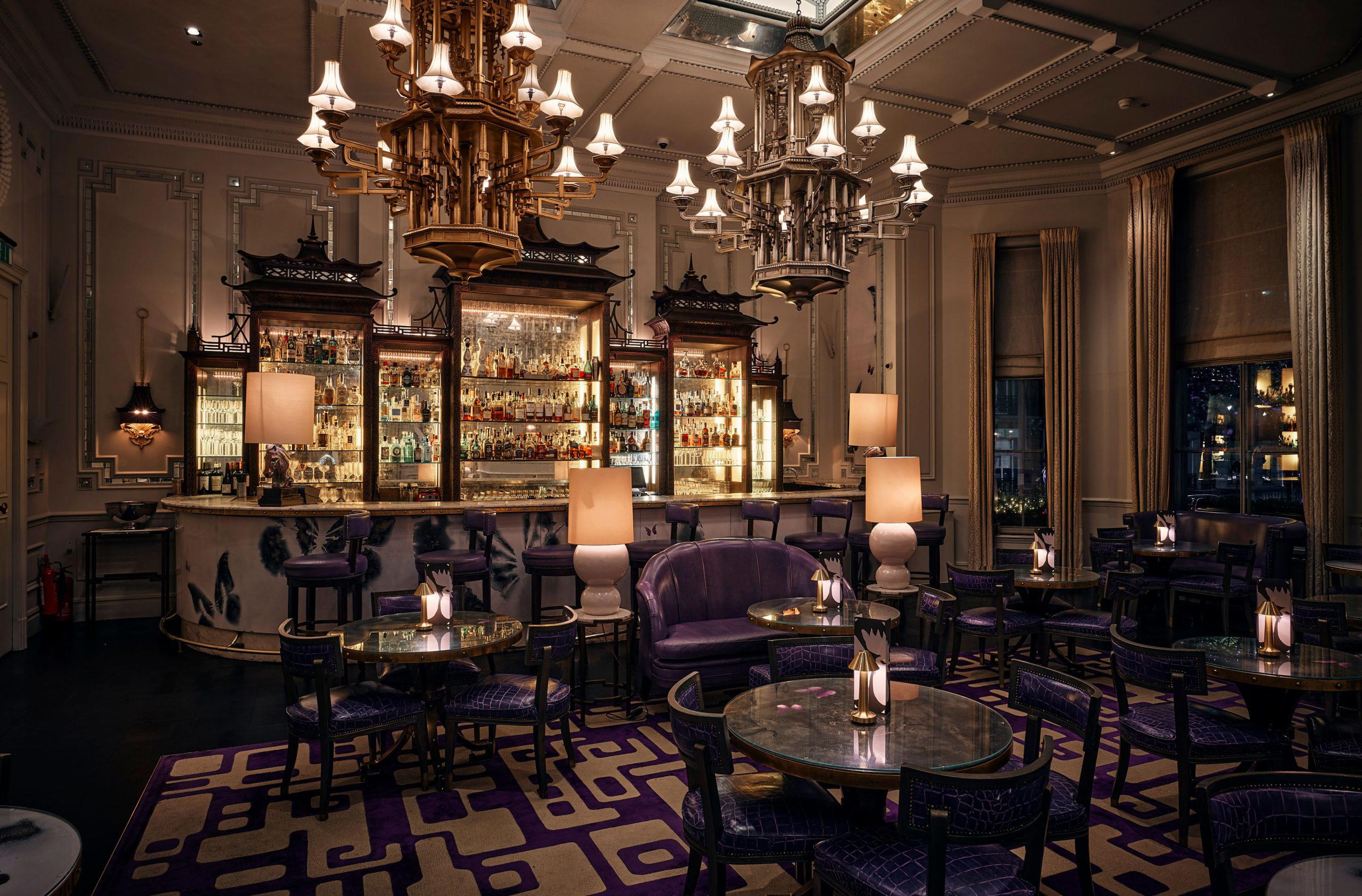
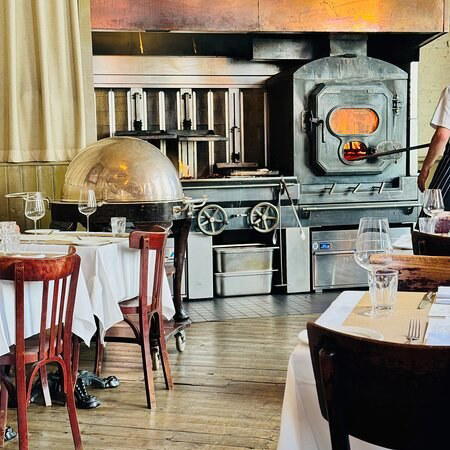
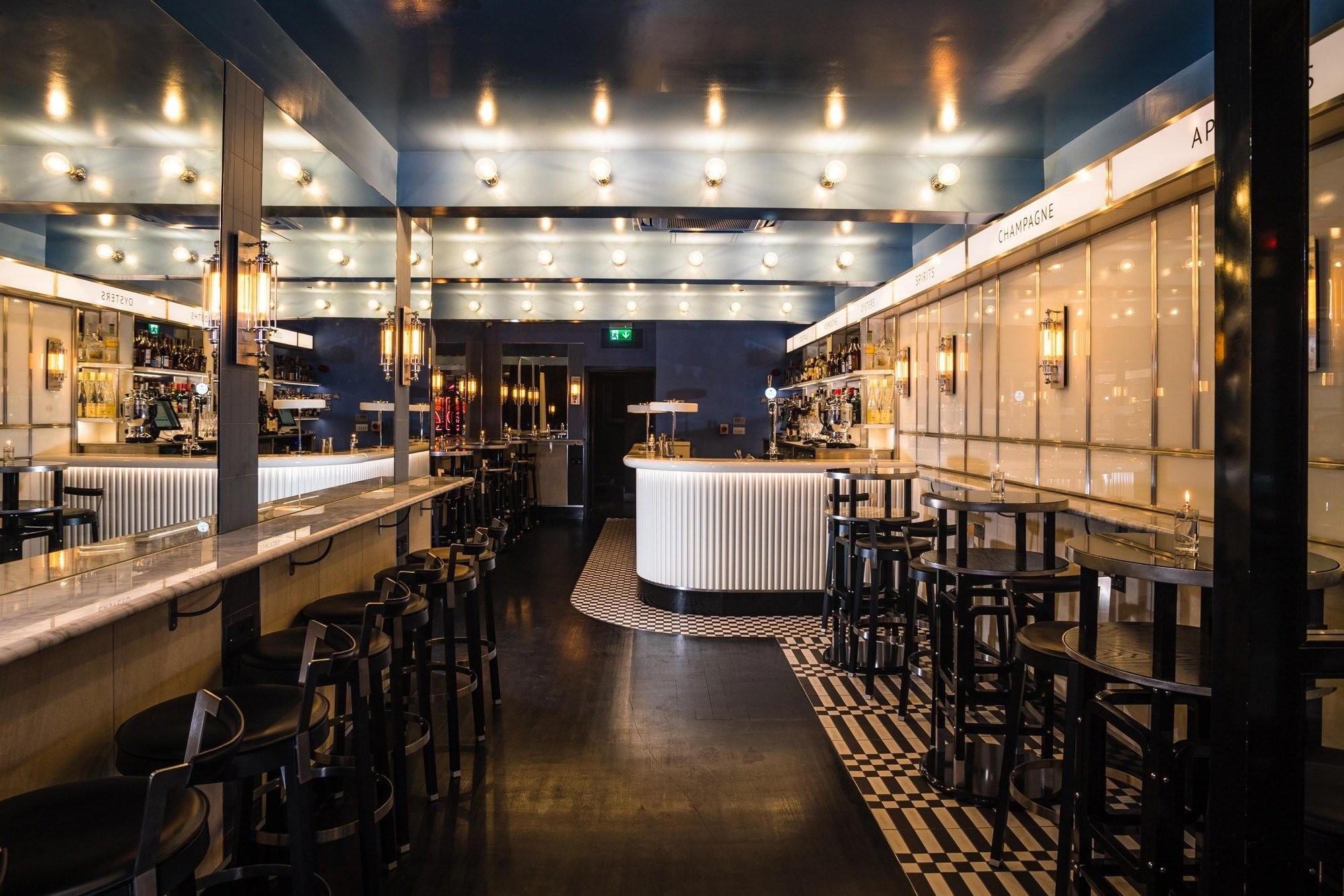
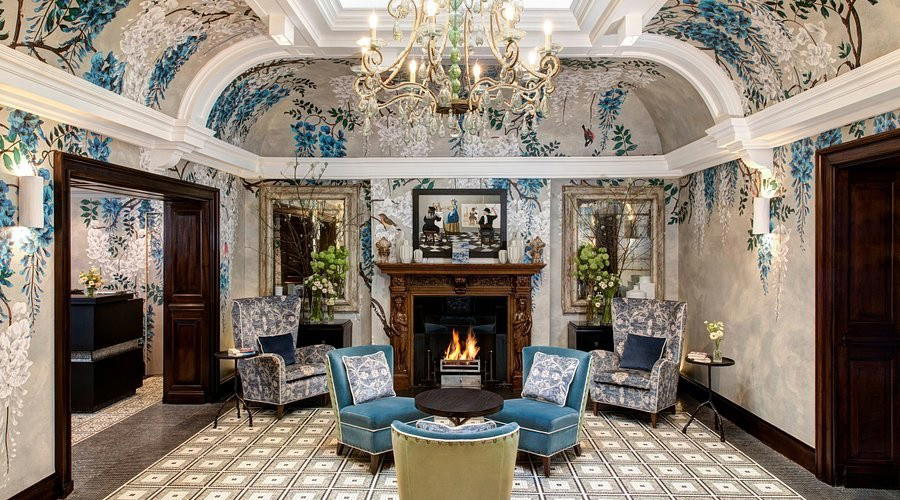
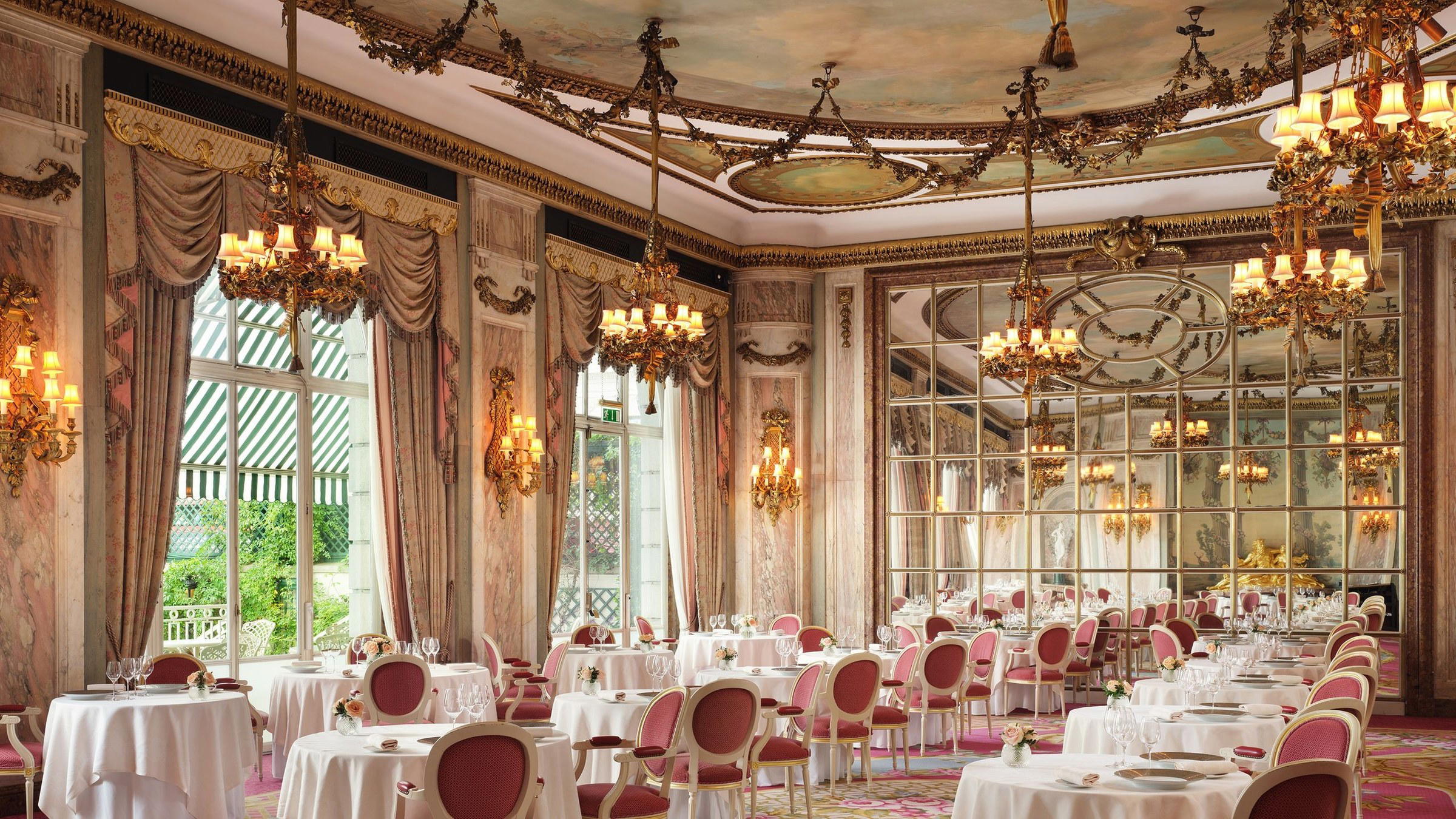
The restaurant deliberately avoided a tasting menu, preferring a three-course experience that emphasized choice and immediate satisfaction. The interior combined Mayfair polish with bold touches. Dining rooms featured brass-heavy fittings, close tables that encouraged energy rather than hushed formality, and a sizeable basement bar with a single long black marble counter for more animated evenings. The space held approximately 90 covers with a private dining room seating around 10, lending itself to both intimate gatherings and larger social bookings.
Service was traditional table service rather than theatrical; staff focused on dish timing, wine pours, and explanations of British sourcing when patrons asked. The atmosphere could shift from quietly refined at midday to louder and more sociable at dinner, reflecting the venue’s attempt to balance bistro informality with Mayfair expectations. For those researching Le Chabanais, the best time to visit when it was open was early evening on weekdays to secure a table and experience calm, deliberate service. Dress code leaned toward smart casual to refined evening wear given the Mayfair location.
Reservations were recommended due to limited covers and the appeal to both local diners and visiting foodwriters; no online booking link was listed in source material, so phone reservations were the primary route. Prices reflected Mayfair positioning: expect roughly £75 for a three-course meal including wine pairings in the period described. Le Chabanais remains an interesting chapter in London dining history: a Modern French bistro in Mayfair that tested the line between Parisian experimentation and British seasonal values. If you study recent London gastronomy, Le Chabanais offers lessons in ambitious imports, the importance of operational stability, and moments of genuine culinary pleasure.
Explore Le Chabanais for its menu architecture, the work of Paul Boudier, and its short but memorable run in Mayfair’s dining scene.
Reputation & Price
Comparable venues nearby, for context on price, style, and recognition.
| Venue | Cuisine | Price | Notes |
|---|---|---|---|
| Le ChabanaisThis venue — the venue you are viewing | Mayfair, Dining | Not listed | Not listed |
| Mr Ji | Camden, East-West Asian Fusion | $$ | Not listed |
| Sichuan Fry and Dumpling Shack | Not listed | $$ | London Fields, Sichuan Fried Chicken & Dumplings |
| The Rex Deli | Mayfair, Modern Deli & Gastropub | $$ | Not listed |
| ZAFFRAN UK | Marylebone, Authentic Halal Indian | $$ | Not listed |
Continue exploring