Hutch's
Our verdict
Hutch's has anchored Delaware Avenue's dining scene for decades, representing the kind of white-tablecloth American restaurant that Buffalo's Elmwood Village corridor still sustains with genuine loyalty. The kitchen draws on classical technique applied to regional ingredients, placing it in a tier above the city's casual bar-and-grill majority. For visitors exploring Buffalo beyond its wings-and-beef-on-weck reputation, Hutch's offers a more considered entry point.

Pearl is the En Primeur Club membership app — saves, bookings, and concierge access live there. Same editors, same standards.
- Address
- 1375 Delaware Ave, Buffalo, NY 14209
- Phone
- (716) 885-0074
- Hours
- Mon–Thu 4:30–10 PMFri 4:30–11 PMSat 4–11 PMSun Closed
- Website
- hutchsrestaurant.com
- Directions
- Get directions
The menu
What to order
- Hutch's Steak Frites
- Shrimp & Lobster Bisque
- Prime Grind Meatballs
Delaware Avenue and the Tradition of the Neighborhood Institution
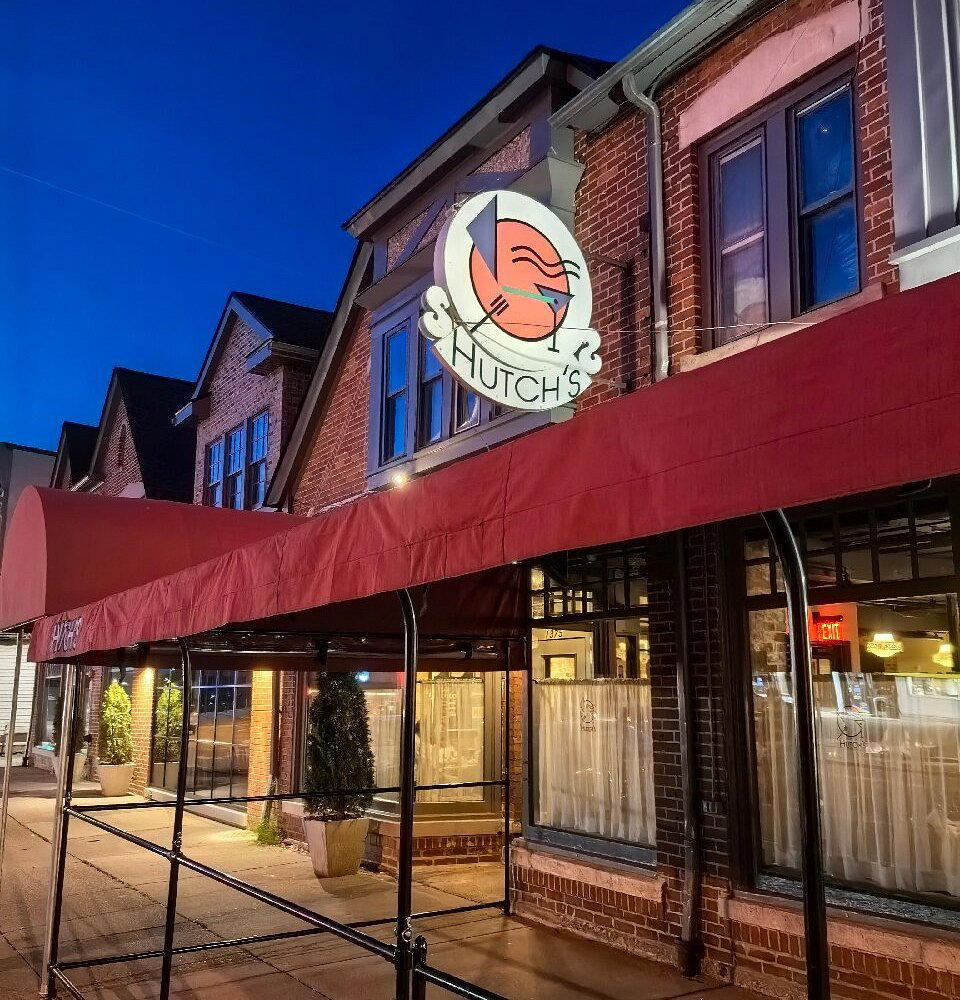
There is a particular kind of American restaurant that survives not through reinvention but through consistency: white tablecloths, a room that rewards dressing up without requiring it, and a menu that holds classical technique as its steady reference point. Along Delaware Avenue in Buffalo's Elmwood Village corridor, Hutch's at 1375 Delaware Ave has occupied that role across multiple decades, outlasting trend cycles that have reshaped dining rooms in cities far larger than Buffalo. The building carries the quiet authority of a place that does not need to announce itself.
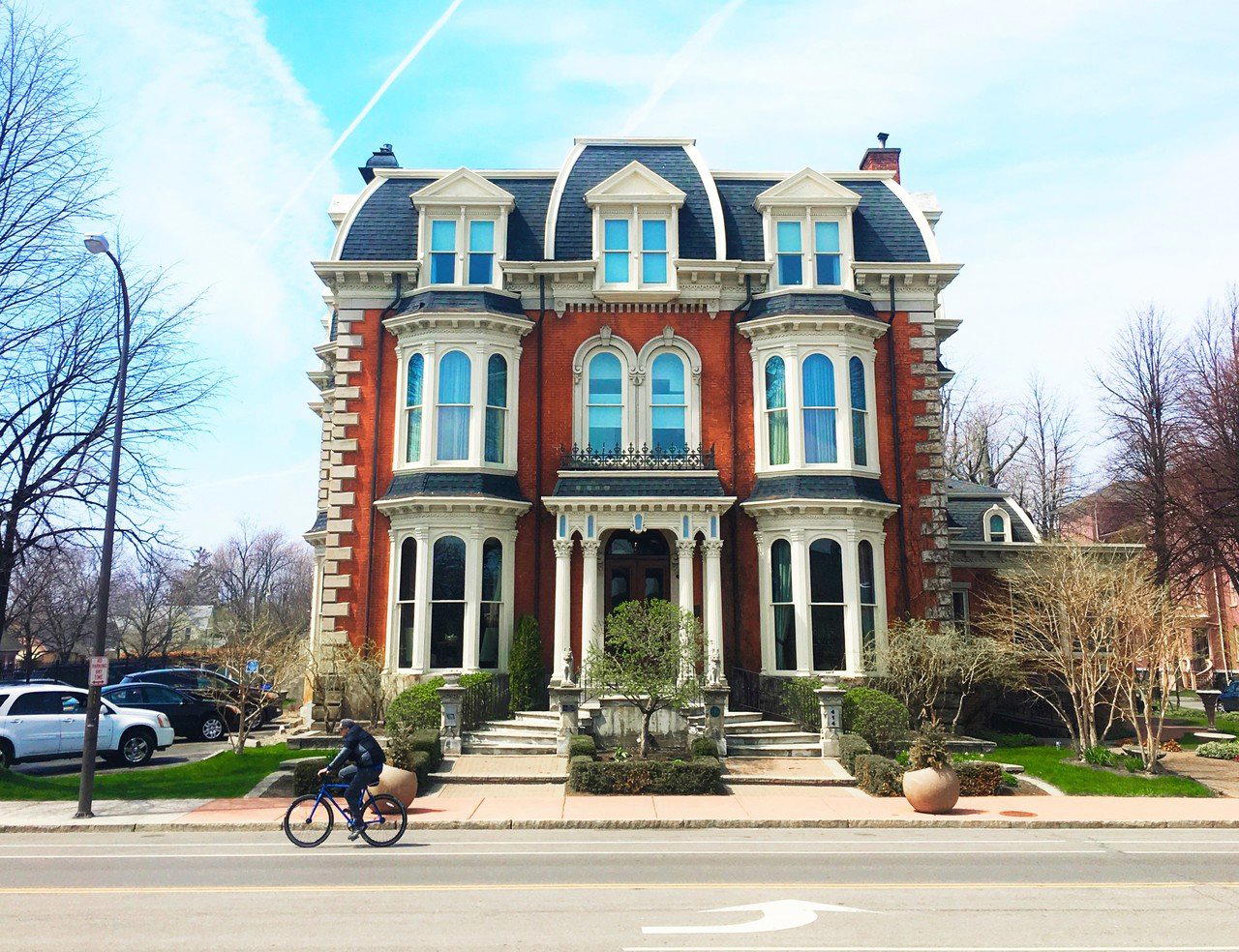
Delaware Avenue itself functions as one of Buffalo's more architecturally coherent dining corridors, lined with residential-scale buildings that keep the street human in proportion. Restaurants here compete less on foot traffic and more on accumulated local trust. Hutch's sits in that environment as a representative of a specific American dining tradition: the independent fine-casual establishment that serves as the default for milestone dinners, anniversary reservations, and the kind of professional lunch that still happens over a proper table. Understanding what Hutch's represents requires understanding what that category has become nationally.
Where Hutch's Sits in Buffalo's Dining Tier
Buffalo's restaurant scene divides more clearly than many mid-sized American cities. At one end, the city's bar-food identity is internationally fixed: the chicken wing was developed here, the beef-on-weck sandwich is a regional constant, and the Anchor Bar remains the anchoring reference point for that tradition. Visitors arrive with those expectations already formed. At the other end, a smaller group of independently operated restaurants holds the city's more formal dining ground, and Hutch's has long been placed in that upper tier.
Within the immediate neighborhood, the competitive set includes restaurants like Betty's and Amy's Place, which represent a more casual, community-oriented register, and Billy Club, which occupies a bar-forward position. Hutch's does not compete in those registers. For a city without Michelin coverage, that upper-independent tier carries weight that it might not in a market like New York or Chicago.
Nationally, the restaurants that hold Hutch's cultural position in their cities often get overlooked in broader critical conversations precisely because they are not metropolitan. Operations like Le Bernardin in New York City, Alinea in Chicago, or The French Laundry in Napa set the formal dining reference points for their regions; the independently sustained fine-casual restaurant in a smaller American city occupies a structurally different but locally equivalent function. Hutch's is Buffalo's version of that function.
The Cultural Roots of the American Fine-Casual Format
The white-tablecloth American restaurant as a format has a specific cultural lineage. It descends from the French service traditions that shaped American fine dining through the mid-twentieth century, then adapted through the 1980s and 1990s into something more localized: menus that spoke American in terms of ingredient and portion while retaining European structural logic in courses and presentation. Restaurants like Emeril's in New Orleans defined one version of that synthesis. Blue Hill at Stone Barns in Tarrytown and Single Thread Farm in Healdsburg represent a later, more agricultural iteration of the same impulse.
Hutch's sits in the middle generation of that evolution: a restaurant that predates the farm-to-table vocabulary but applies classical discipline to American ingredients in a way that aligns with its broader historical moment. That positioning is neither a criticism nor a commendation. It is a description of where the restaurant sits in a long tradition, and it explains why the dining room draws a consistent local audience rather than a destination-seeking one. The room rewards those who know what they want from it.
That cultural lineage also explains the role these restaurants play in cities without dense fine-dining markets. In markets like Los Angeles, a restaurant such as Providence competes against dozens of peers at a similar technical level. In San Diego, Addison occupies a rarefied tier within a larger field. In Buffalo, the upper-independent tier is narrower, which means the restaurants within it carry more of the city's formal dining identity by necessity. That concentration of local expectation shapes how a place like Hutch's functions: it is not simply a restaurant but a civic dining reference point.
What to Expect at the Table
What the American fine-casual format at this price and positioning tier typically delivers is a menu structured around classical mains, a wine list oriented toward French and domestic producers, and a service register that is professional without being theatrical. The experience at The Inn at Little Washington or Atomix in New York City sets one end of the formal spectrum; Hutch's operates well below that level of ceremony, closer to the neighborhood-institution register that Lazy Bear in San Francisco or 42N at The Flats occupy in their respective local contexts.
For visitors arriving from cities with deeper fine-dining markets, the value of Hutch's lies less in technical competition with destination restaurants and more in what it represents locally: a room where Buffalo's professional and cultural class has been marking occasions for years. That social function is itself a form of quality signal. Restaurants that sustain genuine local loyalty across decades are not doing so accidentally.
Planning Your Visit
Hutch's is located at 1375 Delaware Ave in Buffalo's Elmwood Village area, accessible by car or a short ride from downtown Buffalo. The Delaware Avenue corridor has on-street parking and is walkable from several nearby hotels. Given the restaurant's position in Buffalo's upper-independent dining tier, reservations are advisable, particularly for weekend evenings when demand from local diners concentrates. Visitors using Buffalo as a regional base for exploring western New York wine country or Niagara-on-the-Lake can position a Hutch's dinner as part of a broader regional itinerary. For a fuller view of where Hutch's sits relative to the rest of the city's dining options, see our full Buffalo restaurants guide.
Frequently asked questions
What part of town is Hutch's in?
Hutch's is located at î1375 Delaware Ave, Buffalo, NY 14209, Buffalo.
Is Hutch's a good restaurant for a special occasion dinner in Buffalo's Elmwood Village?
Hutch's at 1375 Delaware Ave is positioned precisely for this purpose — it occupies the fine-casual register that Buffalo's Elmwood Village corridor has historically supported for milestone dinners and long-standing reservations. The restaurant's durability in that neighbourhood signals the kind of room and service standard that special-occasion dining requires. Reserving in advance and confirming any specific requirements directly with the venue is recommended.
What's the best thing to order at Hutch's?
Hutch's sits in Buffalo's fine-casual tier, where the menu is built around the kind of consistent American cooking that keeps regulars returning for years. Without a current verified menu on record, the safest approach is to ask your server what has been on the menu longest — at a Delaware Ave institution of this standing, those dishes exist for a reason.
How far ahead should I plan for Hutch's?
Hutch's draws a loyal Buffalo clientele from the Elmwood Village area and beyond, and tables at established neighborhood institutions of this type tend to fill on weekends. Booking at least a week out for Friday or Saturday is a reasonable baseline; checking directly with the restaurant for holiday periods is advisable.
What's the defining dish or idea at Hutch's?
The defining idea at Hutch's is continuity itself. In a Buffalo dining scene that divides sharply between bar-food identity and higher-end ambition, Hutch's occupies the durable middle ground of the white-tablecloth neighborhood restaurant — a format that succeeds through reliability rather than novelty. That positioning on Delaware Avenue, in a corridor that has historically rewarded places with staying power, tells much of the story.
Can Hutch's handle vegetarian requests?
American fine-casual kitchens at Hutch's tier typically accommodate vegetarian requests, though the menu's backbone tends to be protein-driven in the classic tradition of this format. Contacting the restaurant directly at 1375 Delaware Ave, Buffalo, will confirm current vegetarian options before your visit.
A Pricing-First Comparison
Comparable venues nearby, for context on price, style, and recognition.
| Venue | Cuisine | Price | Notes |
|---|---|---|---|
| Hutch'sThis venue — the venue you are viewing | Contemporary American Bistro | $50–100 | Not listed |
| Patina 250 | Modern American Fine Dining | $50–100 | Central, Modern American Fine Dining |
| Buffalo Proper | Modern American Gastropub | Not listed | Allentown, Modern American Gastropub |
| Johnny D's | Modern American Steakhouse | Not listed | Central, Modern American Steakhouse |
| The Dapper Goose | Modern New American | $50–100 | Grant-Amherst, Modern New American |
Continue exploring
More in Buffalo
Restaurants in Buffalo
Browse all →
Bars in Buffalo
Browse all →
Hotels in Buffalo
Browse all →

Details
- Cozy
- Elegant
- Intimate
- Sophisticated
- Date Night
- Group Dining
- Special Occasion
- Private Event
- Private Dining
- Craft Cocktails
- A La Carte
- Family Style
- Vegetarian Friendly
- Vegan Options
- Gluten Free Options
Current opening hours
- Monday
- 4:30–10 PM
- Tuesday
- 4:30–10 PM
- Wednesday
- 4:30–10 PM
- Thursday
- 4:30–10 PM
- Friday
- 4:30–11 PM
- Saturday
- 4–11 PM
- Sunday
- Closed
Hours can change for holidays and private events. Last verified .
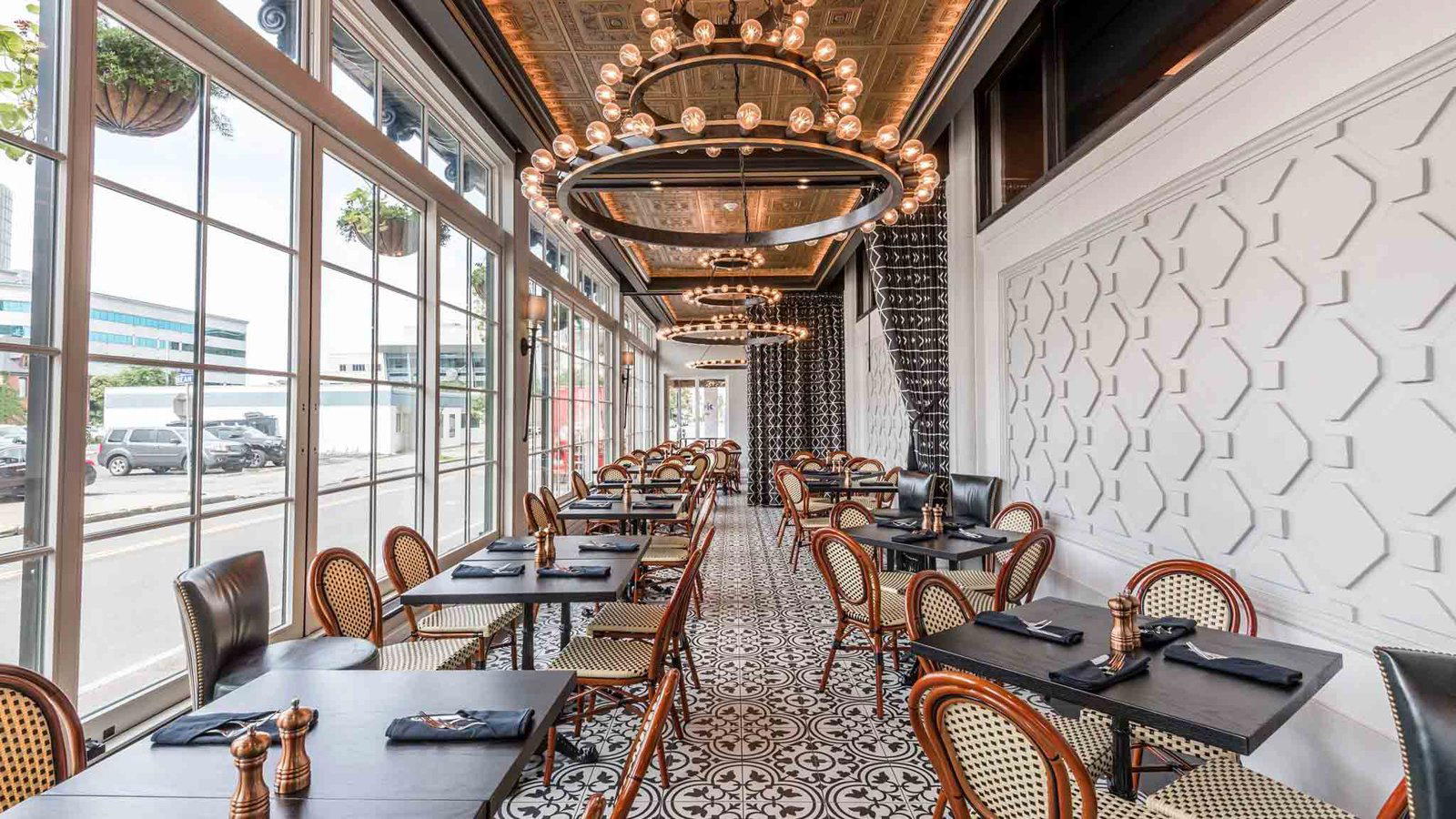
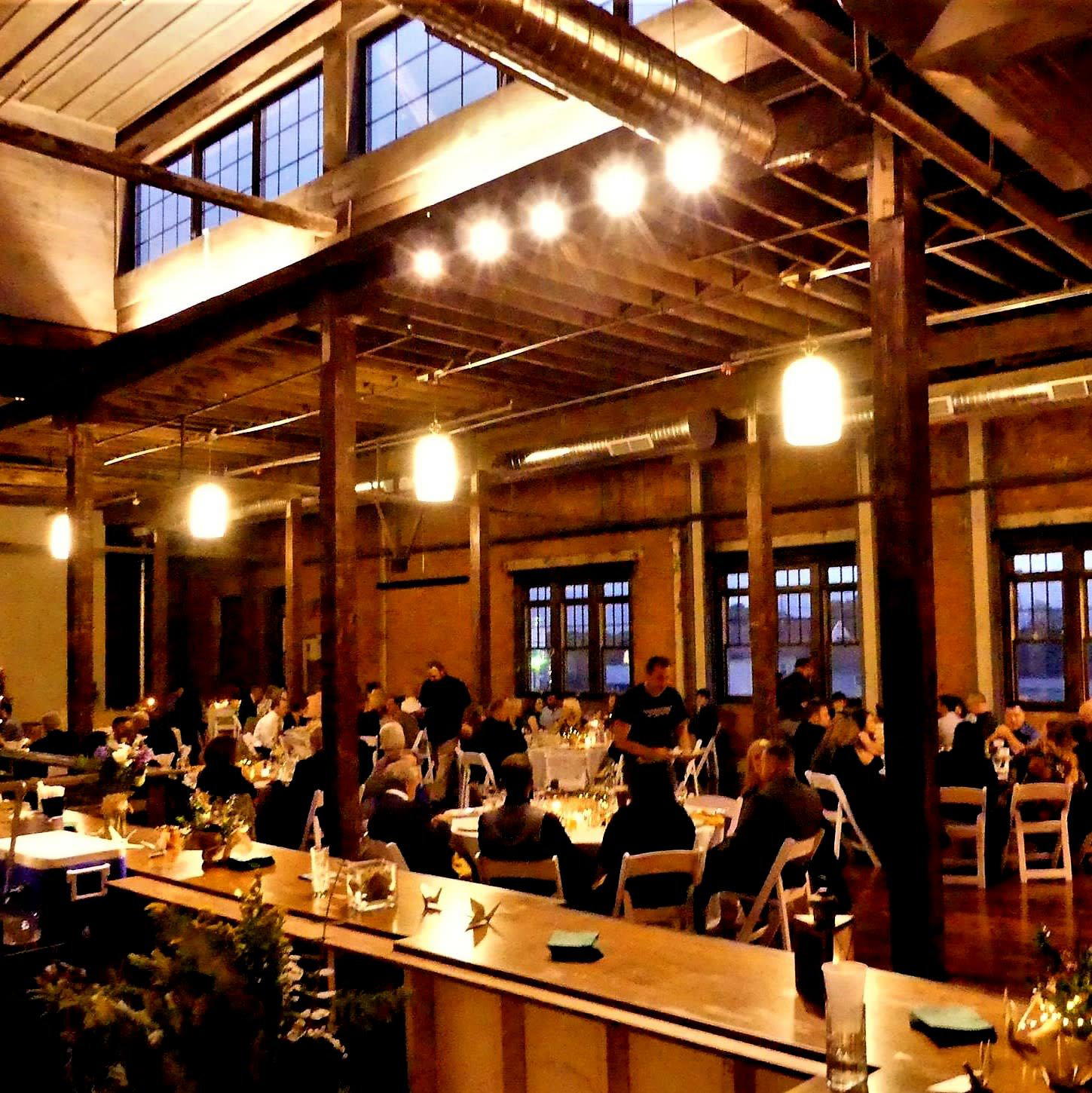
Comfortable and intimate atmosphere combining bistro charm with elegant dining suitable for gatherings.