HUMO
HUMO sits at 1311 PR-25 in San Juan, operating in a city whose dining scene has grown considerably more serious over the past decade. The name alone signals intent: smoke, fire, and the kind of cooking that announces itself before you reach the door. For visitors planning around San Juan's more sought-after tables, HUMO belongs in the conversation early.
Pearl is the En Primeur Club membership app — saves, bookings, and concierge access live there. Same editors, same standards.
- Address
- 1311 PR-25, San Juan, 00907, Puerto Rico
- Phone
- +19394891386
- Website
- opentable.com
- Directions
- Get directions
 Saves & bookings on Pearl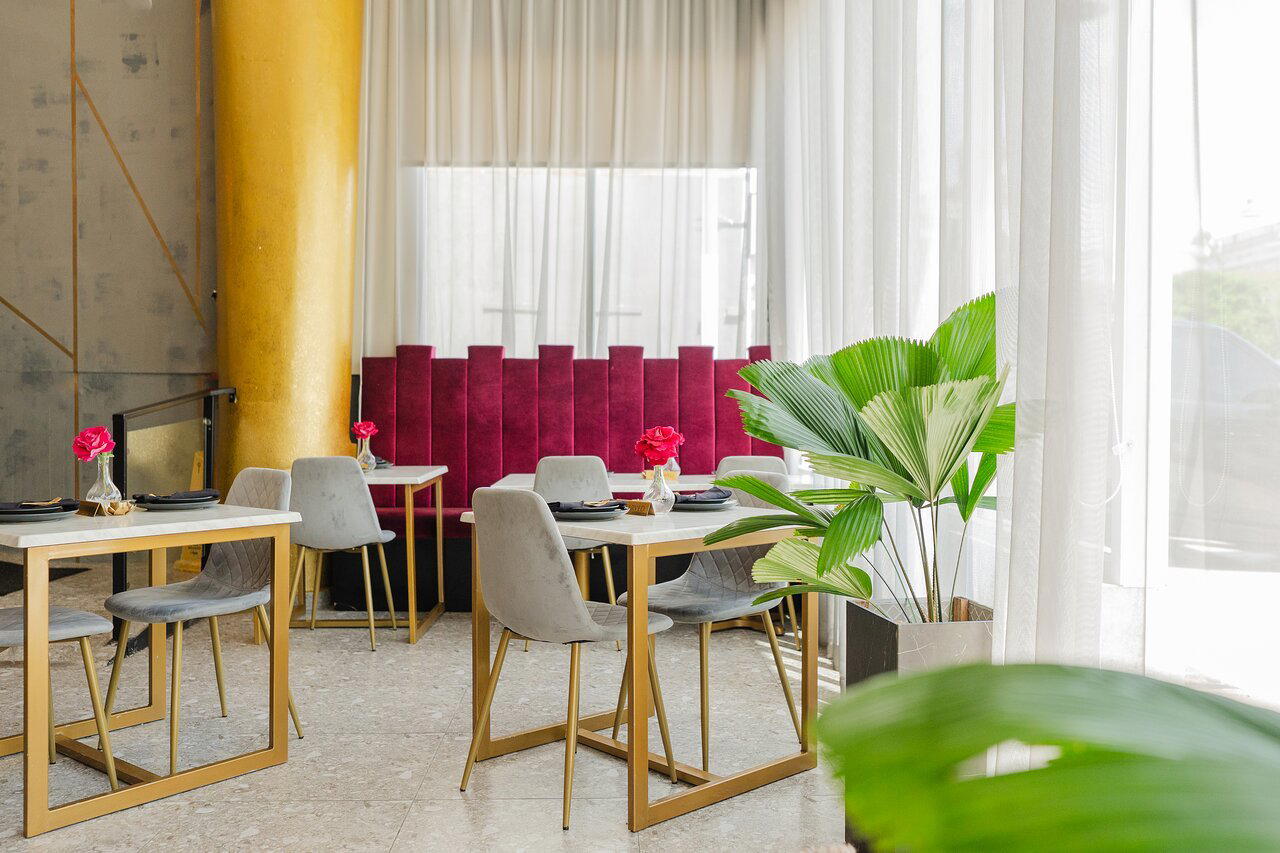
Fire and Planning: How to Approach HUMO in San Juan
HUMO is a restaurant at 1311 PR-25 in San Juan, Puerto Rico, serving International with Asian Twist cuisine and priced at about $60 per person. The city that once organized itself around hotel dining rooms and casual beachfront seafood now supports a tier of destination-grade tables that require advance planning, local knowledge, and a willingness to work around limited availability. HUMO, located at 1311 PR-25 in the 00907 zip code, sits inside that newer, more demanding category. The address alone places it in a part of the city where serious operators have been quietly building some of Puerto Rico's most considered dining experiences.
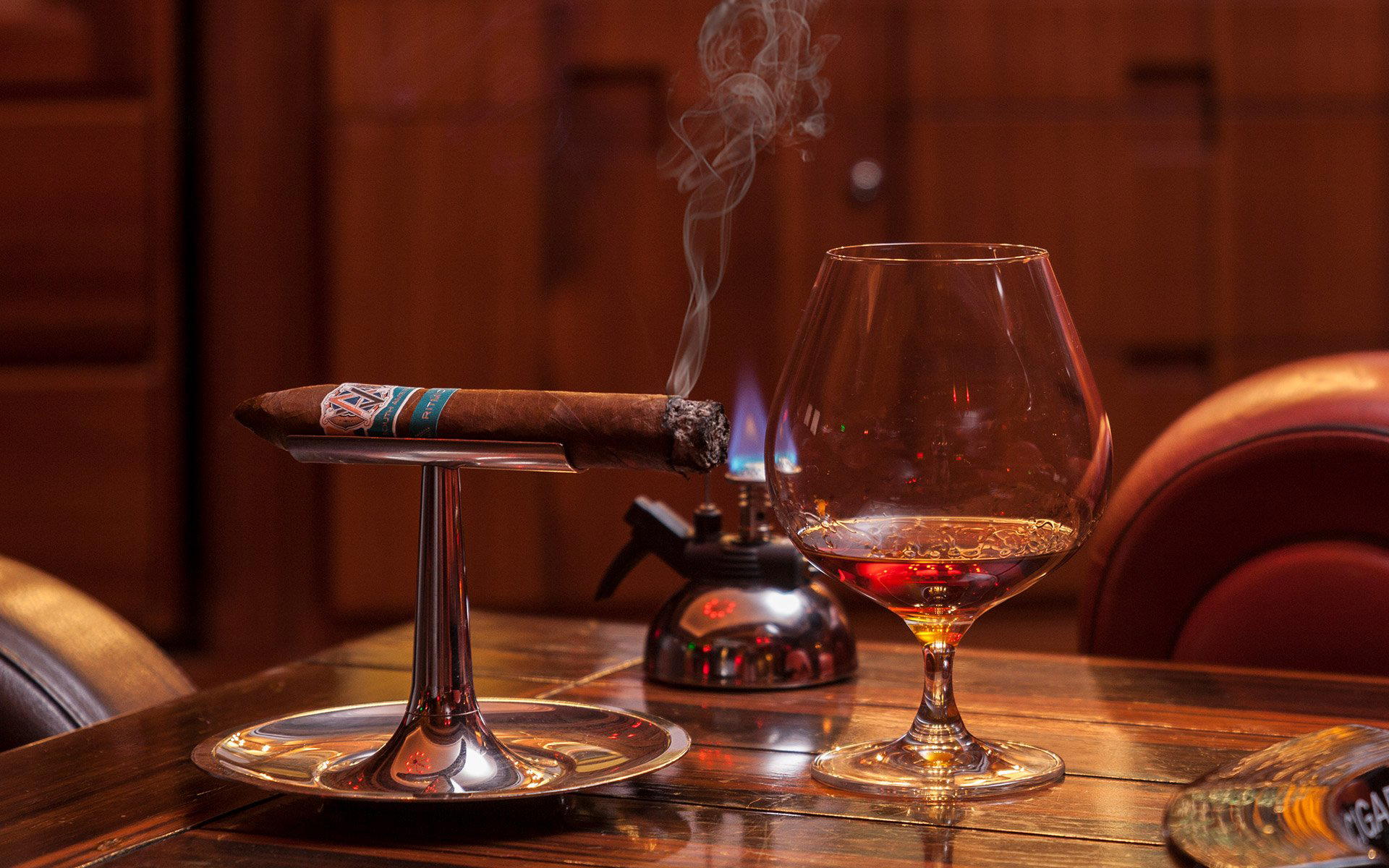
The name carries its own instruction. "Humo" is Spanish for smoke, and the restaurant leans into fire-forward cooking in a San Juan dining scene increasingly influenced by open-fire technique and elemental methods. Across Latin America and the Caribbean, wood-fire and ember-driven cooking has moved from a regional vernacular into a deliberate culinary position, one that chefs and operators use to signal an approach to ingredients as much as a method. HUMO occupies that territory in San Juan, where the cook-with-fire tradition runs deep but the self-conscious, technique-focused version of it is newer and harder to find.
What the Booking Logic Tells You
In cities where fire-forward restaurants have broken through to serious critical recognition, the booking dynamic tends to follow a predictable pattern: early adopters spread the word, availability tightens, and by the time a restaurant appears on broader travel radar, walk-in access has effectively closed. San Juan is not yet at the saturation point of, say, a New York or Mexico City table where you might be competing months out, but the better addresses in the 00907 corridor are increasingly operating on a reservation-first basis. Visitors who treat HUMO as a same-week decision rather than a pre-trip commitment are likely to find limited room.
The practical calculus for anyone traveling to San Juan for dinner is to build the itinerary around the table, not around the hotel or the beach schedule. That is the approach that works at the higher end of the San Juan market, whether you are looking at 1919 Restaurant on the Modern American side or fire-centric addresses like HUMO that occupy a different lane. Checking availability before arrival is one useful logistical step.
The Scene Around PR-25
The 1311 PR-25 address places HUMO within reach of Miramar and the Condado corridor, a stretch of San Juan where dining ambition has consolidated. The neighbourhood dynamic here differs from Old San Juan's more tourist-facing restaurant density. Along and adjacent to PR-25, operators tend to be working toward a local clientele first, which shapes both the menu logic and the atmosphere in ways that visitors often find more interesting than the obvious hotel-adjacent options.
San Juan's fire-cooking tier sits in a recognizable regional context. Across Puerto Rico, the tradition of cooking over wood and charcoal runs through everything from the lechoneras of the mountain corridor, like the celebrated Lechonera Los Pinos in Cayey, to the more refined open-flame formats now appearing in the capital. HUMO's positioning connects those two registers: the elemental, smoke-forward cooking that is part of the island's food culture, refracted through a more considered urban restaurant format. That translation from countryside vernacular to city dining room is where the concept works best.
For reference, the approach is not entirely unlike what has happened in meat-focused fire cooking at the upper end of other markets. Addresses like Carne Mía in Aguada or La Faena in Guaynabo represent versions of that same ambition deployed across different parts of the island, each with its own interpretation of what serious grilled and smoked cooking looks like in a Puerto Rican context.
Placing HUMO in the Broader San Juan Table
Any honest assessment of where HUMO sits relative to San Juan's competitive dining set has to acknowledge what the city's better restaurants are collectively doing. The last several years have produced a meaningful group of addresses operating at a level that competes credibly with the Caribbean region's strongest offerings. Amor y Sal, Areyto Modern Cuisine by Chef Jason González, AQA Oceanfront, and ARYA each represent different points on a spectrum that now spans seafood-forward, modern Caribbean, and globally inflected formats. HUMO anchors a different corner of that spectrum, one defined by fire and smoke rather than technique-driven plating or ocean-to-table sourcing.
For travelers who have benchmarked their dining expectations against fire-focused restaurants at a global level, places like Atomix in New York City or even the technically ambitious seafood work at Le Bernardin represent different ends of the same premium dining conversation. HUMO is working closer to the elemental end of that range, where the cooking method itself carries the conceptual weight. That is a harder position to sustain at a consistently high level, which is also why the restaurants that do it well tend to develop loyal followings quickly. You can also browse our full San Juan restaurants guide to map the full range of options before committing to an itinerary.
Planning Practically
HUMO is recommended for reservations, and its current hours are Mon: Closed; Tue: 5-11 PM; Wed: 5 PM-1 AM; Thu: 5-11 PM; Fri: 5 PM-12 AM; Sat: 5 PM-12 AM; Sun: Closed. What is consistent across San Juan's better fire-cooking addresses is that demand exceeds casual walk-in availability on most nights, particularly Thursday through Saturday. Building HUMO into the trip before departure, rather than after arrival, is the move that separates a confirmed table from a waitlist position.
For visitors covering more of Puerto Rico beyond San Juan, the island's fire-cooking tradition surfaces in different forms at addresses like Escobar in Canovanas, BODEGA in Caguas, and Charco Azul in Vega Baja, each worth noting as part of a broader island dining itinerary. Within San Juan itself, CAÑA in Carolina and Bottles Dorado in Dorado extend the metropolitan dining orbit further, while El Dorado in Playita and Brazo Gitano Franco in Mayaguez round out a picture of an island food scene operating with considerably more range than its reputation sometimes suggests.
How It Stacks Up
Comparable venues nearby, for context on price, style, and recognition.
| Venue | Cuisine | Price | Notes |
|---|---|---|---|
| HUMOThis venue — the venue you are viewing | International with Asian Twist | $$$$ | Not listed |
| ARYA | International Rooftop | $$$ | Condado |
| Levant San Juan | Modern Mediterranean by Chef Michael White | $$$$ | Condado |
| Bodegas Compostela | Traditional Spanish Tapas & Wine | $$$$ | Alto del Cabro |
| YOKO | Creative Japanese Fusion | $$$$ | Parque |
| STK San Juan | Modern Steakhouse | $$$$ | Condado |
At a Glance
- Elegant
- Sophisticated
- Modern
- Intimate
- Date Night
- Special Occasion
- Private Dining
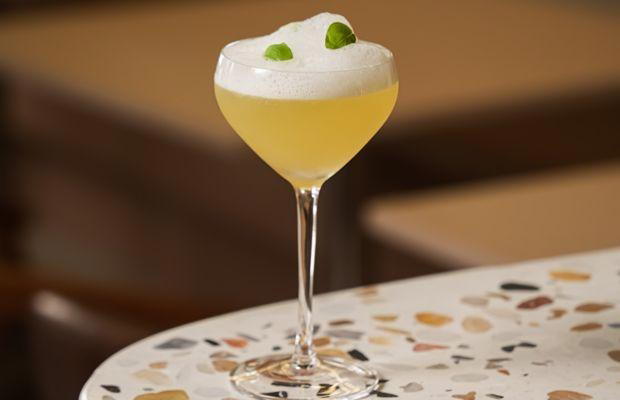
- Craft Cocktails
Current opening hours
- Monday
- Closed
- Tuesday
- 5–11 PM
- Wednesday
- 5 PM–1 AM
- Thursday
- 5–11 PM
- Friday
- 5 PM–12 AM
- Saturday
- 5 PM–12 AM
- Sunday
- Closed
Hours can change for holidays and private events. Last verified .
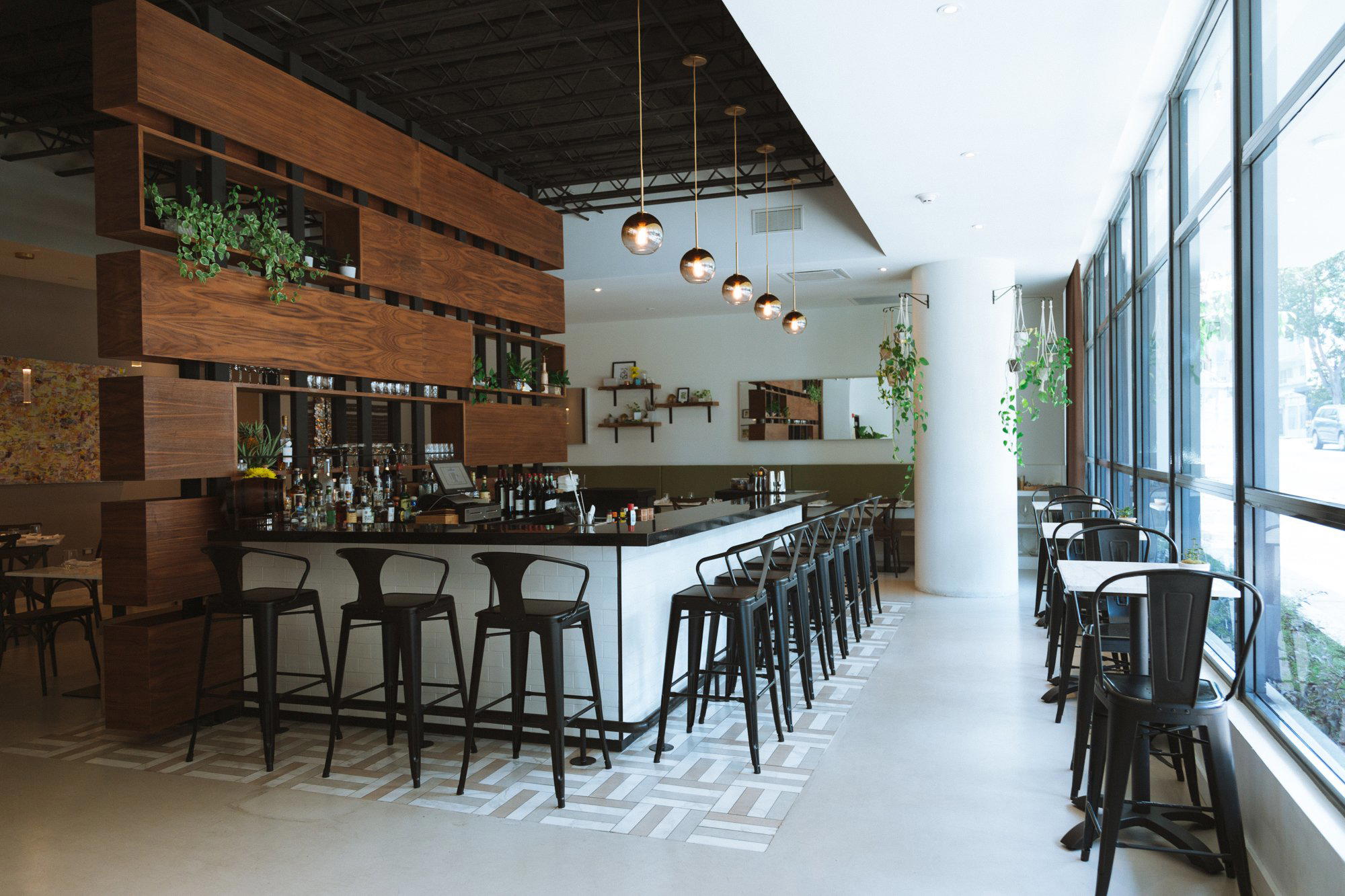
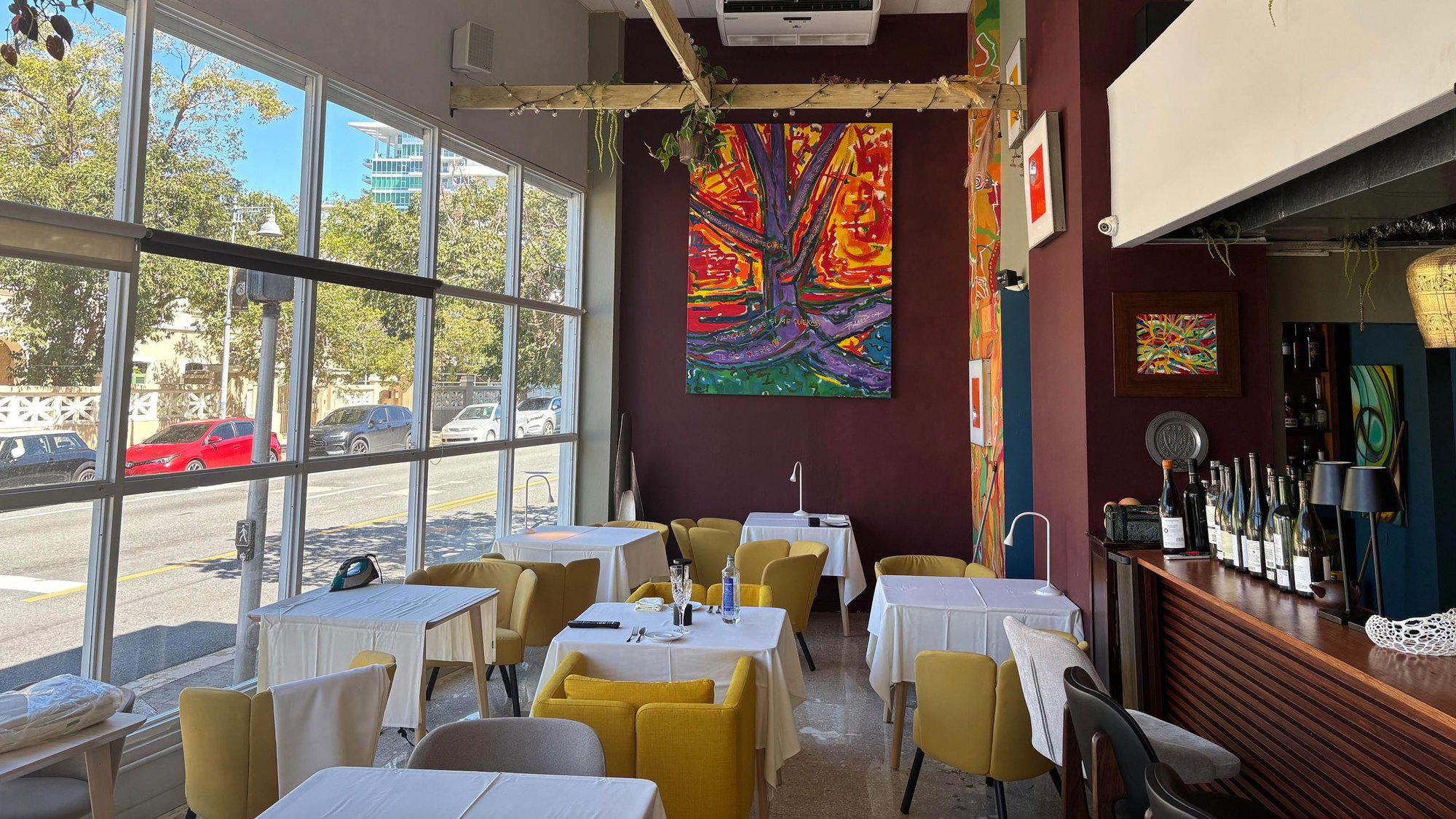
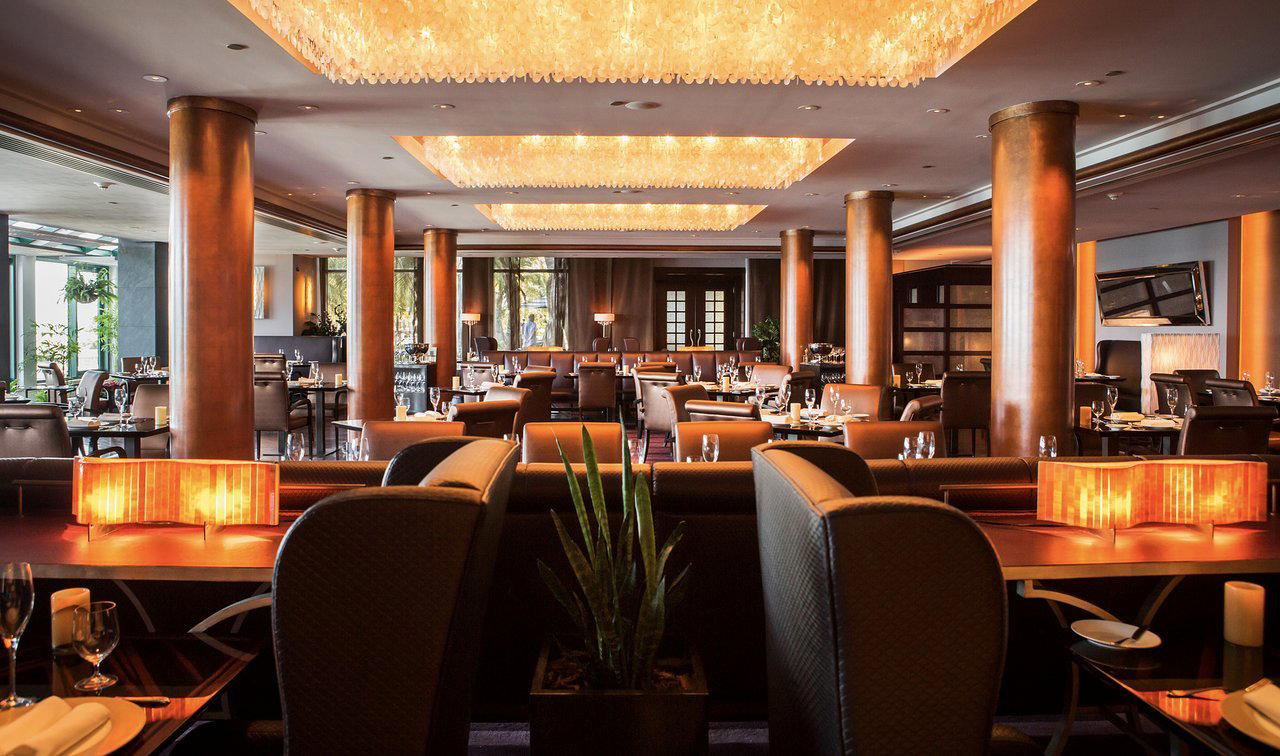
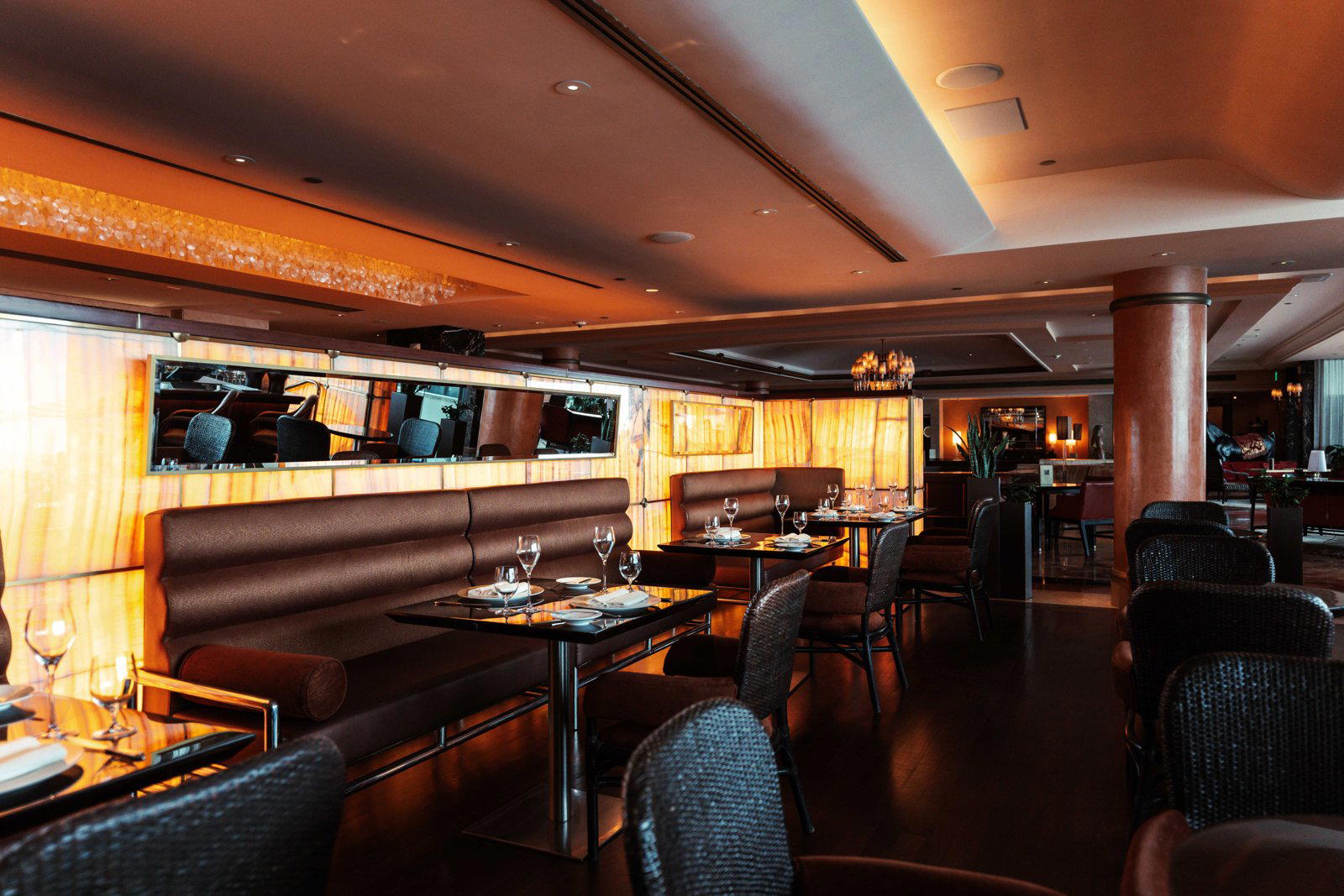
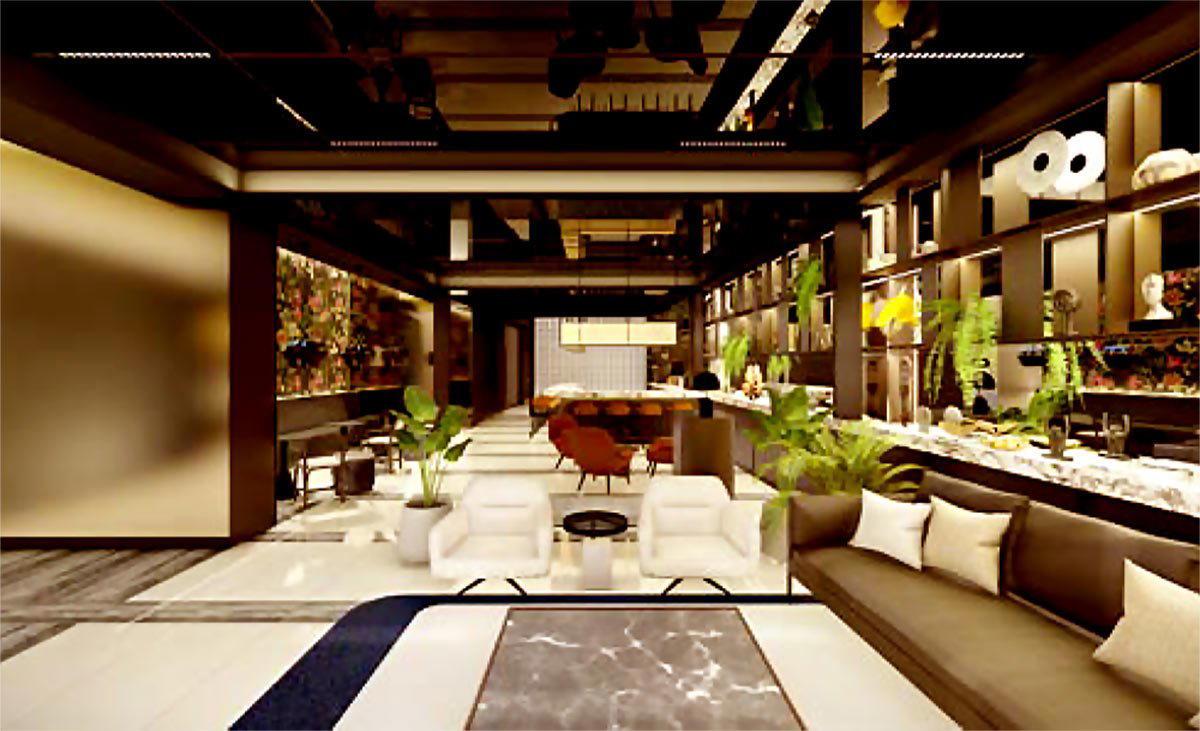
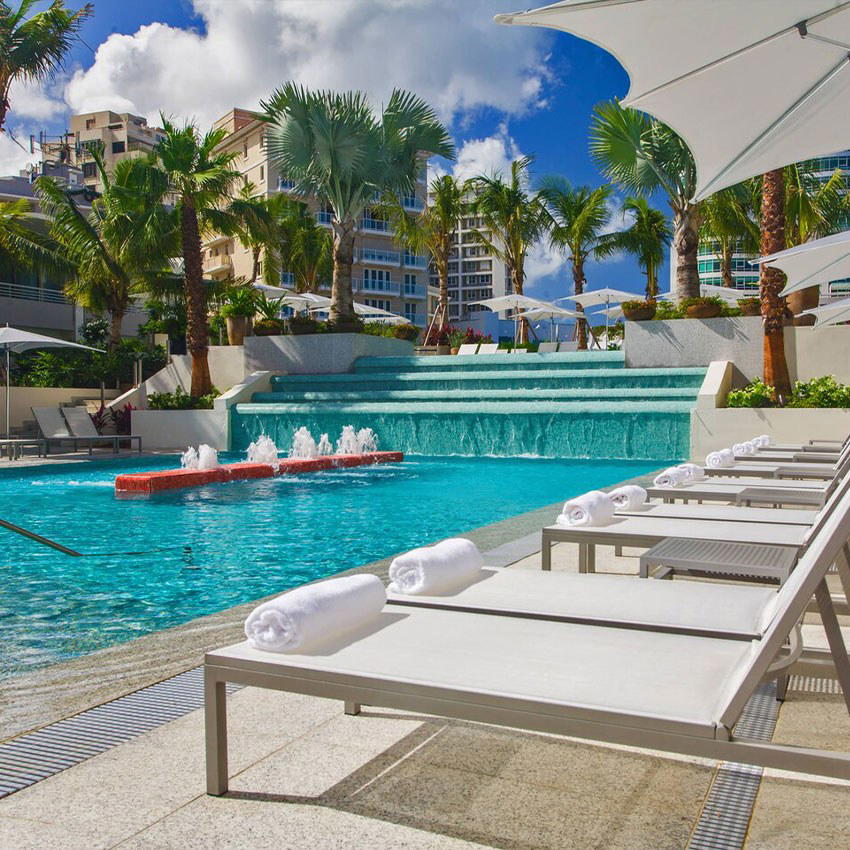
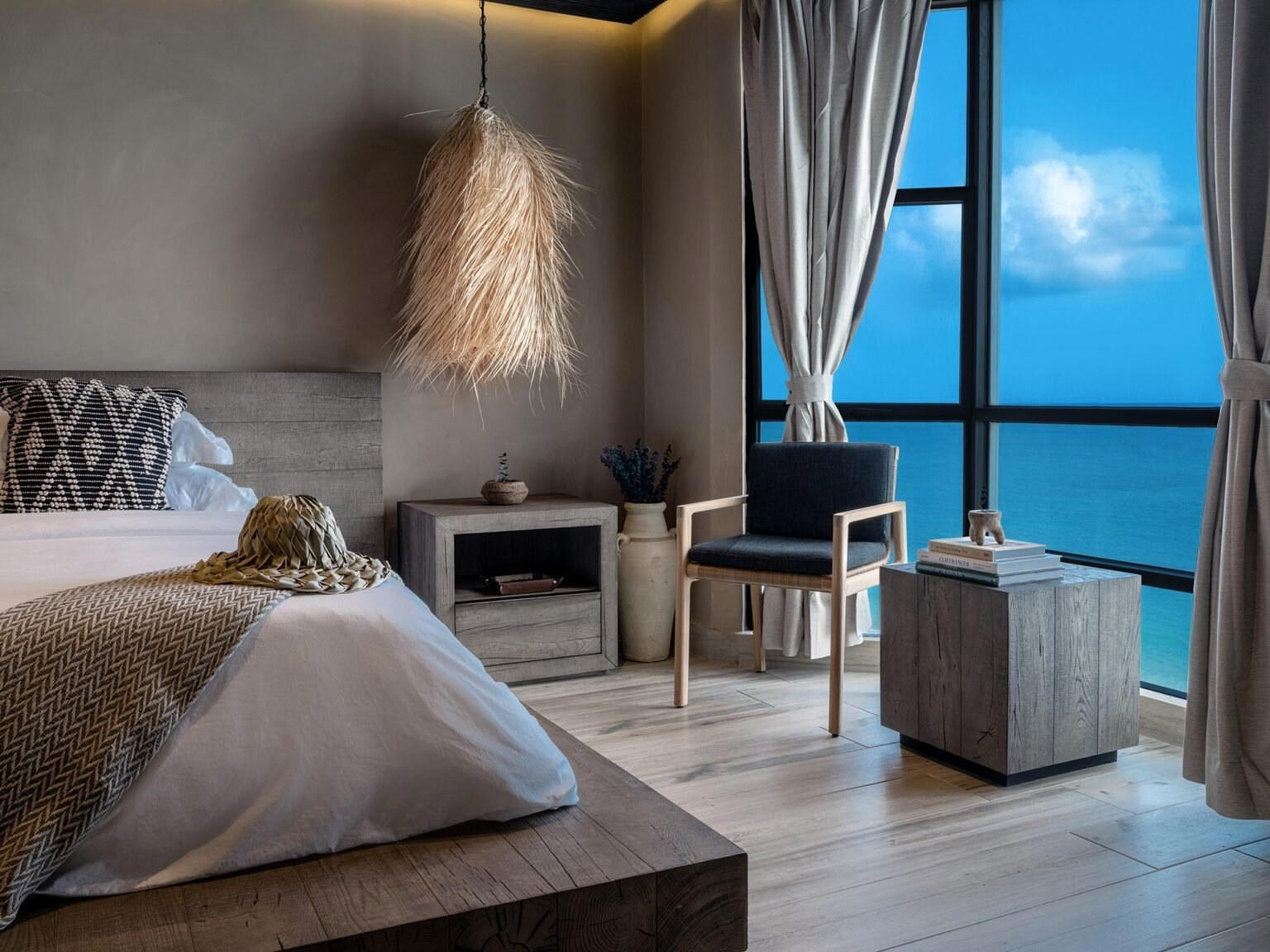
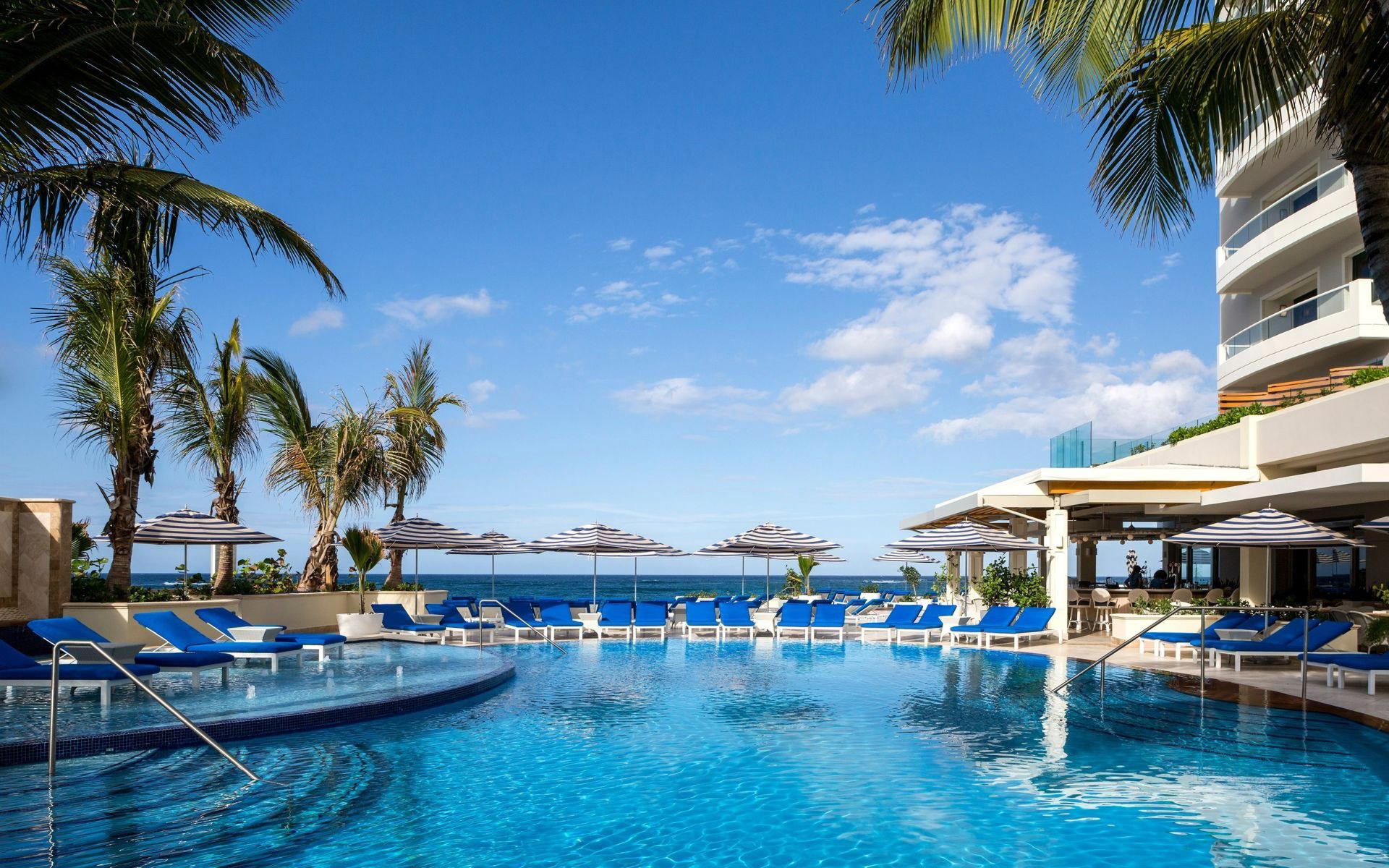
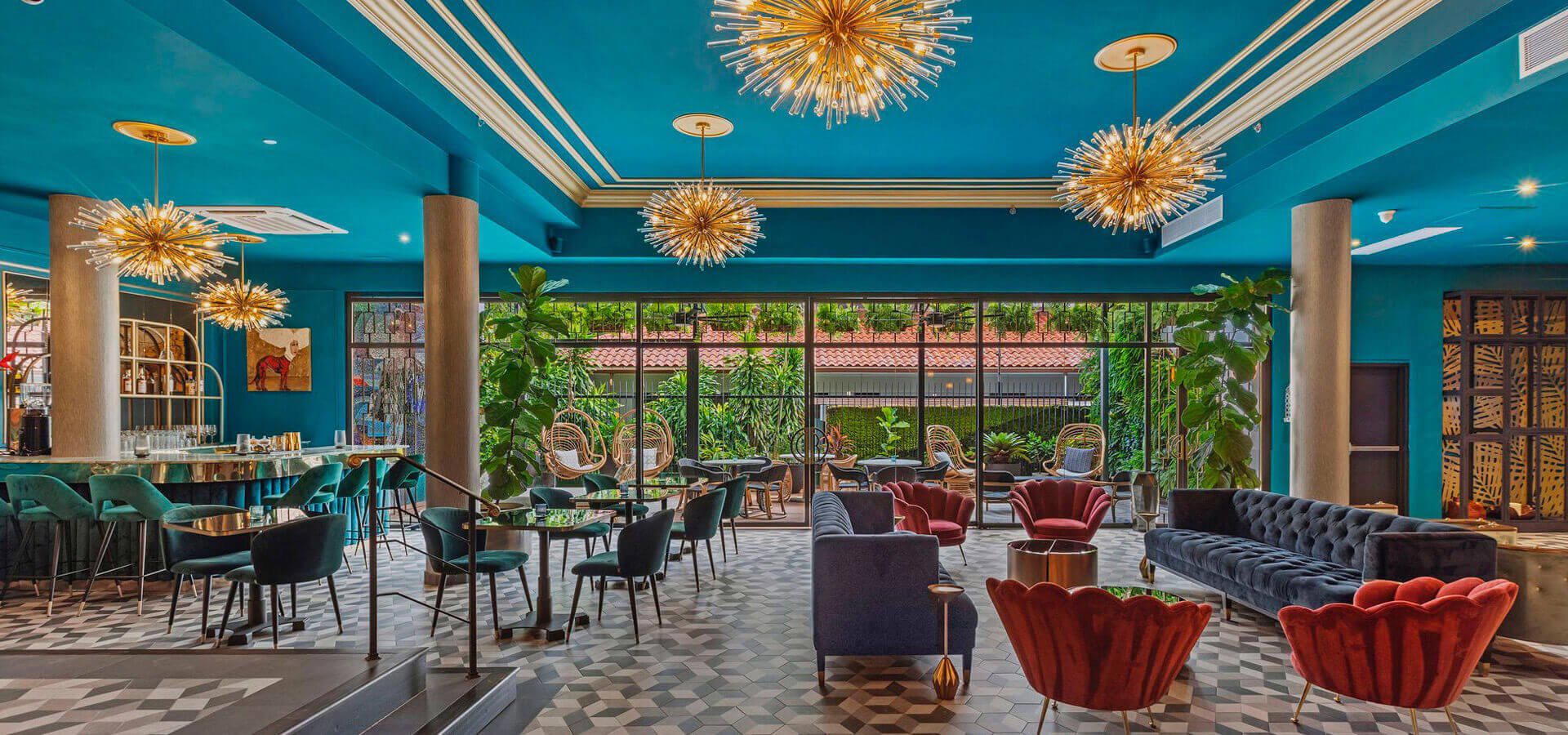
Dimly lit, gold-accented space blending modern elegance with a warm, seductive atmosphere.