Hôtel Bella Tola et Saint-Luc SPA
Our verdict
In the high Val d'Anniviers above Sierre, Hôtel Bella Tola et Saint-Luc SPA occupies a position that few Alpine properties can claim: genuine altitude, genuine quiet, and a spa culture rooted in mountain tradition rather than resort theatre.

Pearl is the En Primeur Club membership app — saves, bookings, and concierge access live there. Same editors, same standards.
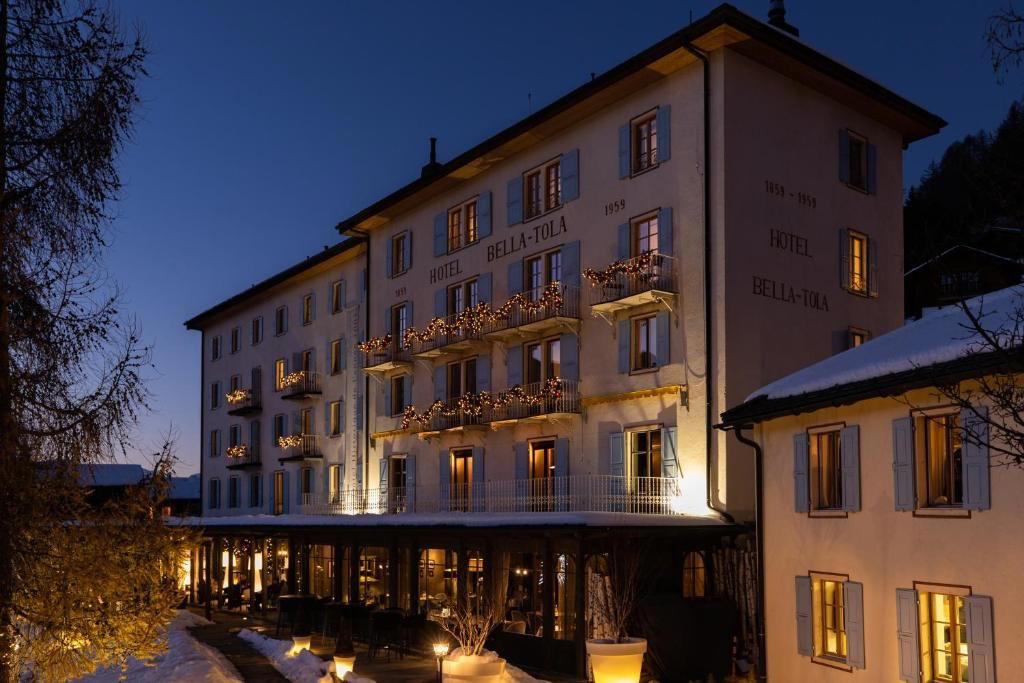
Where the Valais Goes Quiet
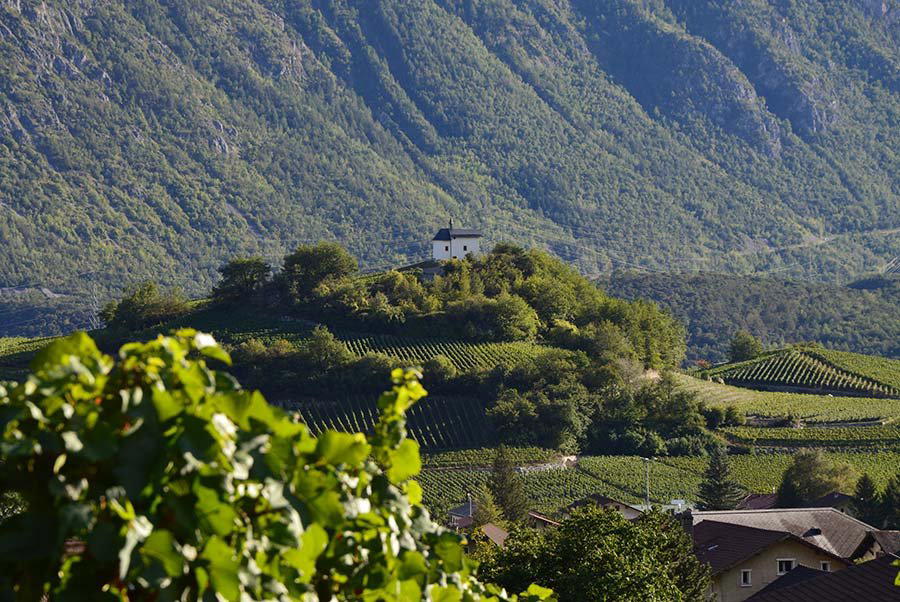
Saint-Luc sits at roughly 1,650 metres in the Val d'Anniviers, a lateral valley cutting south from the Rhône between Sierre and Zinal. Unlike Verbier or Crans-Montana, the Val d'Anniviers has resisted the infrastructure build-out that turned much of Alpine Switzerland into year-round resort corridors. Saint-Luc itself remains a working village first, a ski and hiking destination second, and a luxury accommodation cluster third — in that order of priority. That sequence matters. It shapes what a stay here actually feels like: morning light on the Bella Tola peak rather than gondola queues, snow on footpaths that haven't been landscaped for tourism, and a pace that the bigger Valais resorts traded away a long time ago. For a broader picture of what Saint-Luc has to offer, see our full Saint Luc restaurants guide.
Alpine Sourcing and the Valais Larder
The culinary identity of the Valais is one of the most ingredient-specific in Switzerland. The canton produces Raclette AOP, Gruyère-adjacent raw-milk cheeses from high summer pastures, Walliser Roggenbrот (a dense rye bread with protected designation), dried meats from air-cured beef that spend months hanging in mountain air, and apricots grown on the valley floors around Sion at an elevation that concentrates their sugar content beyond what lowland fruit achieves. These aren't decorative regional touches — they are the structural base of Valaisan cooking, and any serious Alpine hotel in this canton either sources from this tradition or works in deliberate contrast to it.
Hotels operating at altitude in the Val d'Anniviers sit close to these supply chains by geography. Dairy cooperatives in the valley still practice transhumance, moving herds to higher pastures in summer and returning for winter, which creates a seasonal rhythm in the cheese and cream supply that a kitchen positioned here can access directly. The window for high-pasture dairy runs roughly June through September, aligning with the valley's walking and mountaineering season. A stay timed to that period puts guests within reach of ingredients at their peak, raw-milk cheese made from milk produced at 2,000 metres carries a complexity that lowland equivalents simply do not replicate.
This sourcing context distinguishes the better Alpine properties from those that import a generic luxury hotel food programme unchanged from their city equivalents. Switzerland's leading tables, including Schloss Schauenstein in Fürstenau, Memories in Bad Ragaz, and focus ATELIER in Vitznau, have made regional sourcing a structural commitment rather than a menu note. The same discipline, applied at a traditional Valais hotel, produces a dining experience grounded in place rather than abstracted from it.
SPA Culture at Altitude: A Different Register
Mountain spa properties in Switzerland split into two camps. The first camp scales its wellness offer to match its room count, building large aquatic facilities, treatment menus measured in pages, and programming that could be transplanted to any European city without losing coherence. The second camp orients its spa around the physical experience of being at altitude: cold air, low humidity, mineral water, and the particular muscular fatigue that comes from serious walking or skiing at 2,000 metres. Properties in the second camp are rarer and, for a specific kind of traveller, considerably more useful.
Saint-Luc's position in the Val d'Anniviers places any spa offer here in the context of genuine mountain exertion. The Bella Tola massif offers marked walking routes that gain serious elevation, and the ski area, while compact by Swiss standards, covers terrain that rewards technical skiers. The spa function at a property like this addresses a real physiological need rather than performing wellness theatre. That framing changes what you look for: not square metres of treatment space, but the quality of thermal recovery and the proximity of outdoor access to indoor restoration.
Positioning in the Swiss Alpine Hotel Set
Switzerland's hotel sector at the premium end has polarised. On one side, internationally branded properties in Geneva, Zurich, and Lausanne compete on service standards and dining programmes anchored by named chefs, properties whose dining rooms sit in the same conversation as Cheval Blanc by Peter Knogl in Basel, La Table du Lausanne Palace, or L'Atelier Robuchon in Geneva. On the other side, independent Alpine properties in less trafficked valleys maintain a different set of values: building access, seasonal fidelity, and the kind of quiet that requires no infrastructure to deliver.
Hôtel Bella Tola et Saint-Luc SPA belongs to that second cohort. In Vals, 7132 Silver represents the architect-driven end of this niche. The Val d'Anniviers represents something quieter and less designed.
Planning a Stay
The Val d'Anniviers is accessible by PostBus from Sierre, which connects to the main SBB rail network on the Lausanne-Brig-Milan corridor. Sierre is approximately 90 minutes from Geneva by direct rail and around two hours from Zurich, making the valley a viable long-weekend destination for travellers based in either city. The PostBus frequency reduces in winter and outside peak season, so travellers without a car should confirm current timetables before arrival. The village of Saint-Luc sits above Vissoie, the valley's main junction, adding another 20 minutes by road or bus to the approach.
The hiking season runs from June through October, with the most reliable conditions in July and August. The ski season typically opens in December and runs to April, with snowpack at this altitude generally more reliable than lower Valais resorts. Timing a visit to the shoulder periods, late June before summer crowds, or early March when ski conditions remain strong but accommodation pressure eases, provides the combination of access and quiet that the valley does leading.
Travellers interested in Switzerland's broader dining scene during the same trip can reference Hotel de Ville Crissier, Einstein Gourmet in Sankt Gallen, Magdalena in Schwyz, Maison Wenger in Le Noirmont, IGNIV Zürich by Andreas Caminada, Colonnade in Lucerne, and La Brezza in Ascona as reference points across Swiss price tiers and cuisines. For travellers comparing against international benchmarks, Le Bernardin in New York City and Atomix in New York City represent the discipline of sourcing-led menus at a global level.
Frequently asked questions
Is Hôtel Bella Tola et Saint-Luc SPA suitable for children?
Saint-Luc at 1,650 metres in the Val d'Anniviers offers access to hiking trails and ski terrain that families typically use across different ability levels. The property's spa orientation is more aligned to adults seeking quiet, though the village setting itself is low-traffic and unhurried. Families travelling with older children who are comfortable in an Alpine environment will find the location practical.
What's the overall feel of Hôtel Bella Tola et Saint-Luc SPA?
The property sits in Saint-Luc, a village in the Val d'Anniviers that has deliberately avoided the scale and commercial density of resorts like Verbier. The address on Rte Principale 8 places it at the centre of a quiet community rather than a purpose-built ski complex. The SPA designation suggests a wellness-led register, consistent with the restrained, slower-paced character of the wider valley.
How does Hôtel Bella Tola et Saint-Luc SPA compare to other spa hotels in the Val d'Anniviers?
The Val d'Anniviers has remained one of the less commercially developed lateral valleys in the Swiss Alps, which limits the number of dedicated spa properties in the area. Travellers choosing the valley specifically do so for the quieter pace that larger resort towns have lost.
What do regulars order at Hôtel Bella Tola et Saint-Luc SPA?
What can be said is that the Valais canton produces Raclette AOP and a range of raw-milk cheeses that feature across the region's hotel dining, and properties at this altitude in the Val d'Anniviers typically draw on local sourcing given proximity to established Valais producers. For confirmed current offerings, contacting the hotel directly is the most reliable route.
Side-by-Side Snapshot
| Venue | Cuisine | Price | Awards | Notes |
|---|---|---|---|---|
| Hôtel Bella Tola et Saint-Luc SPAThis venue — the venue you are viewing | Creative Swiss Regional | $50–100 | Not listed | Not listed |
| Schloss Schauenstein | Creative Swiss Country Fine Dining | $300–500 | 3 Michelin Stars · World's 50 Best #52 | Modern European, Creative |
| Memories | Modern Swiss Alpine Cuisine | $300–500 | 3 Michelin Stars · La Liste Top Restaurants | Modern Swiss |
| focus ATELIER | Modern French Fine Dining | $200–300 | 2 Michelin Stars · La Liste Top Restaurants | Modern Swiss, Creative |
| IGNIV Zürich by Andreas Caminada | Modern Swiss Fusion Sharing | $150–200 | 2 Michelin Stars · La Liste Top Restaurants | Sharing |
| La Table du Lausanne Palace | Contemporary French Fine Dining | $200–300 | 2 Michelin Stars · La Liste Top Restaurants | Modern French |
Continue exploring
More in Saint Luc
Restaurants in Saint Luc
All restaurants in Saint Luc →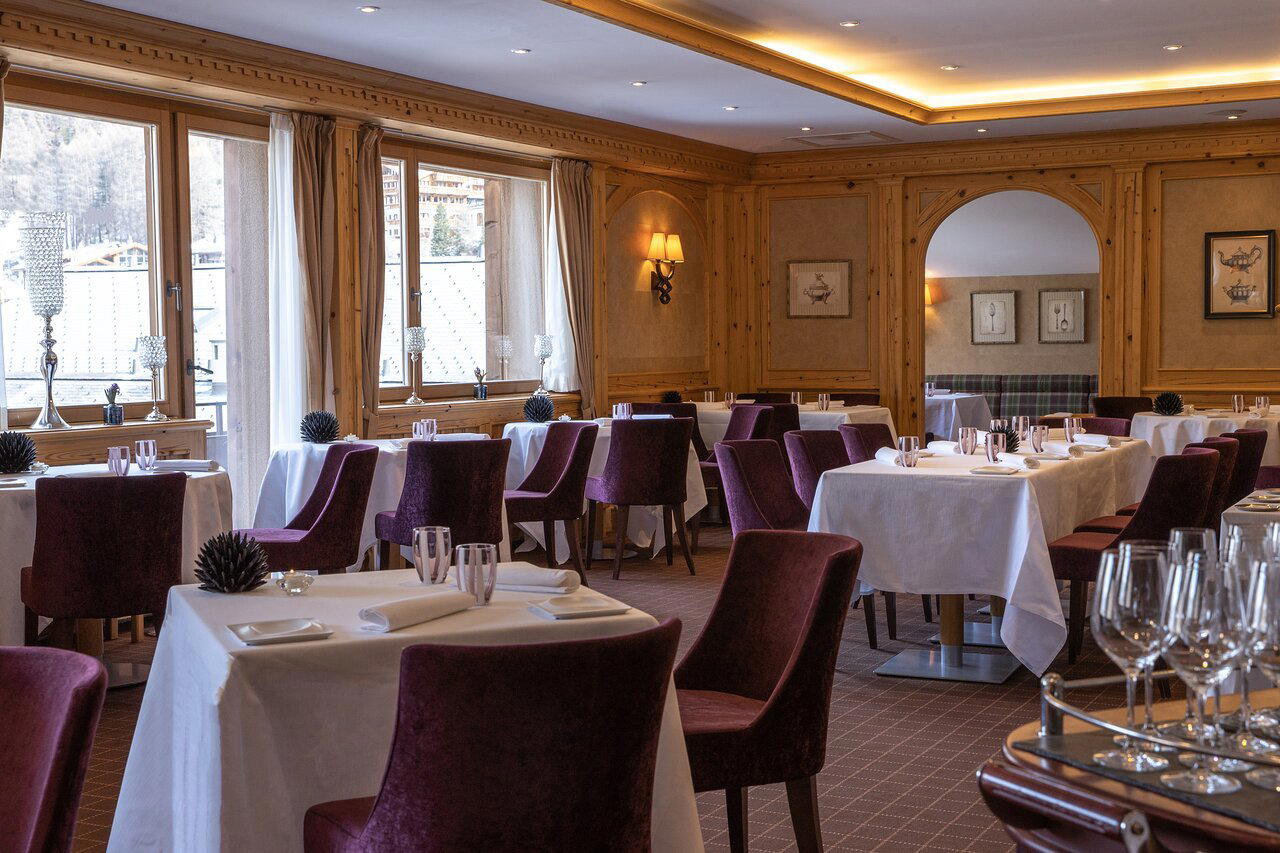
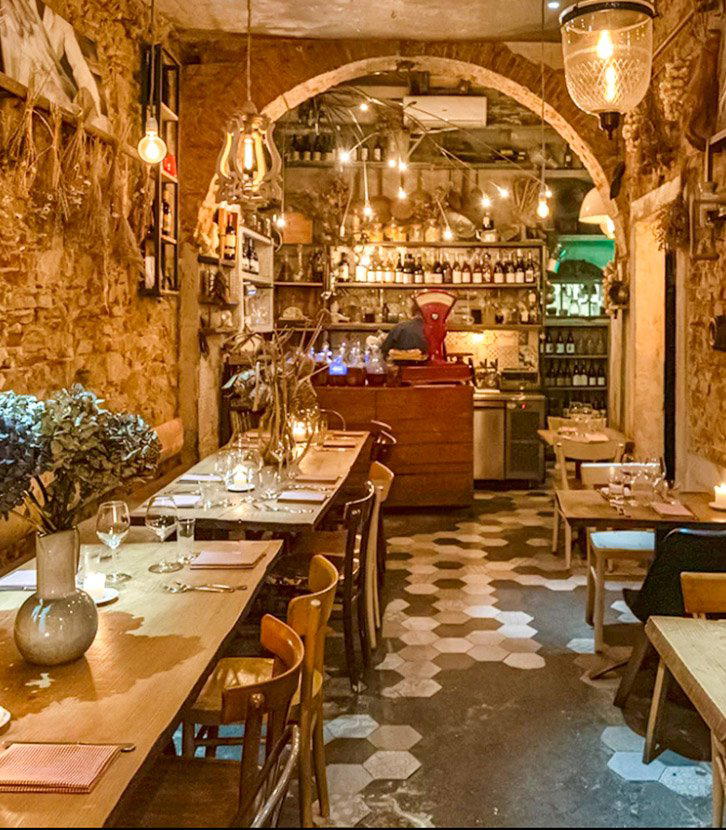
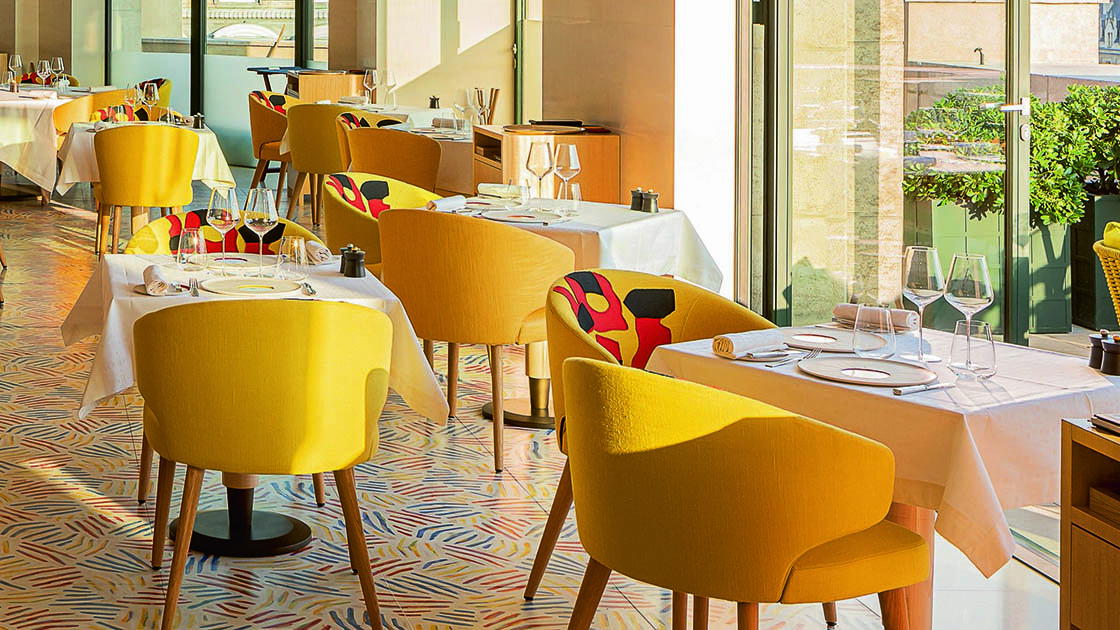
Bars in Saint Luc
Browse all →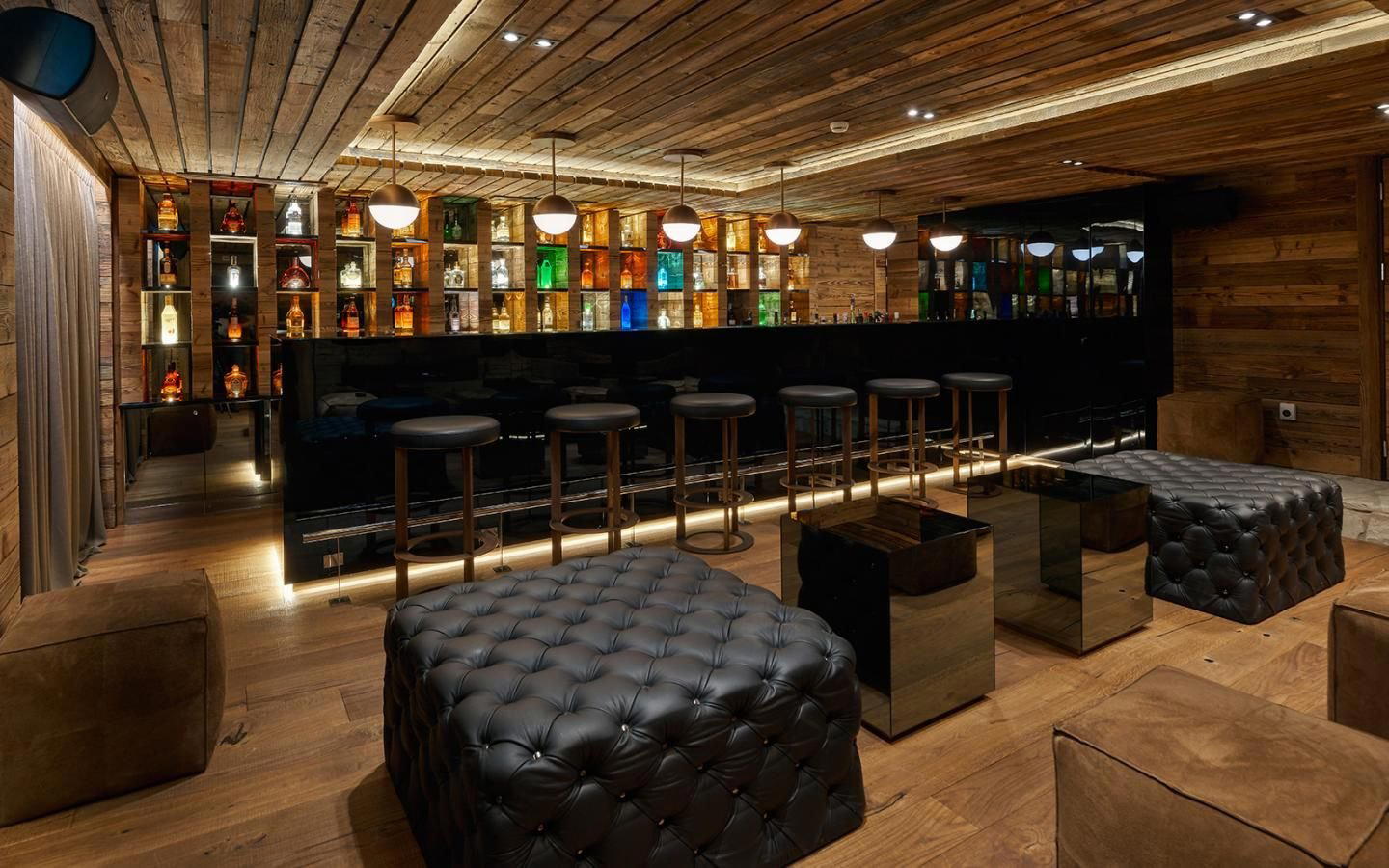
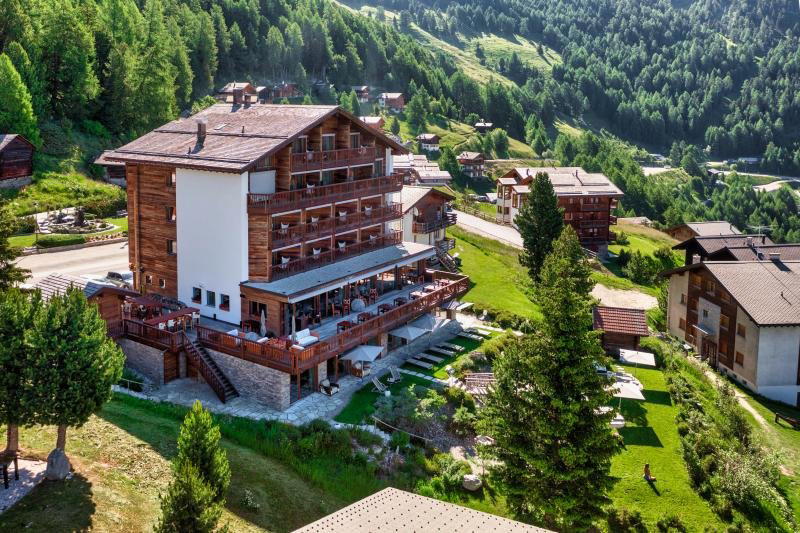
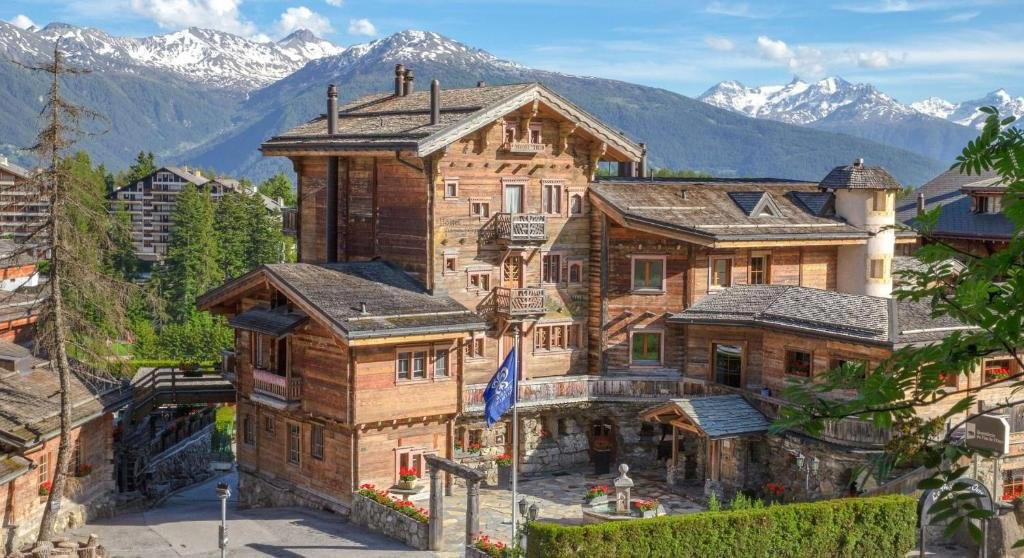
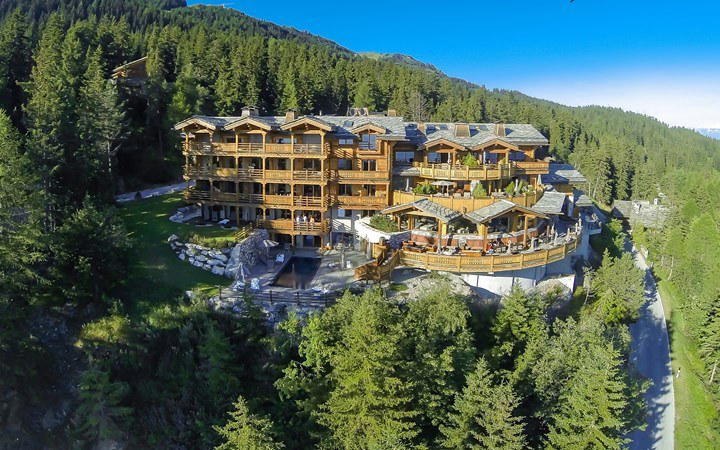
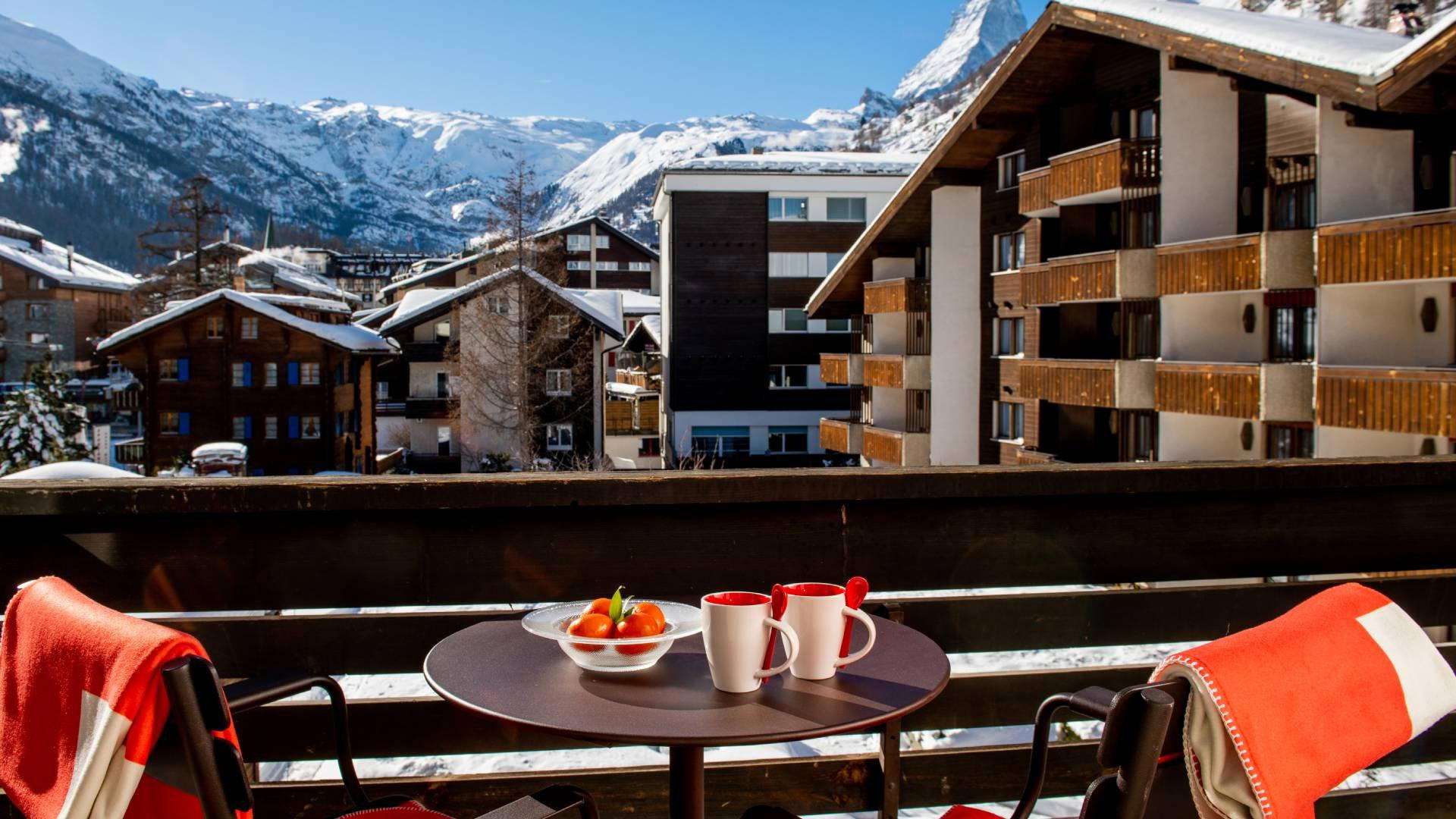
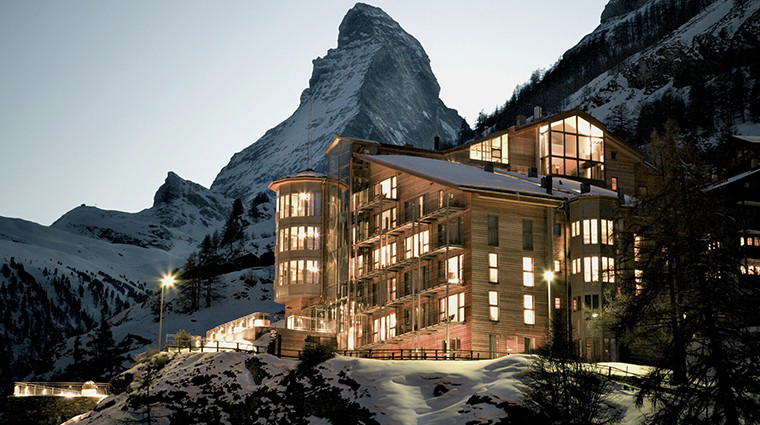
Hôtel Bella Tola et Saint-Luc SPA
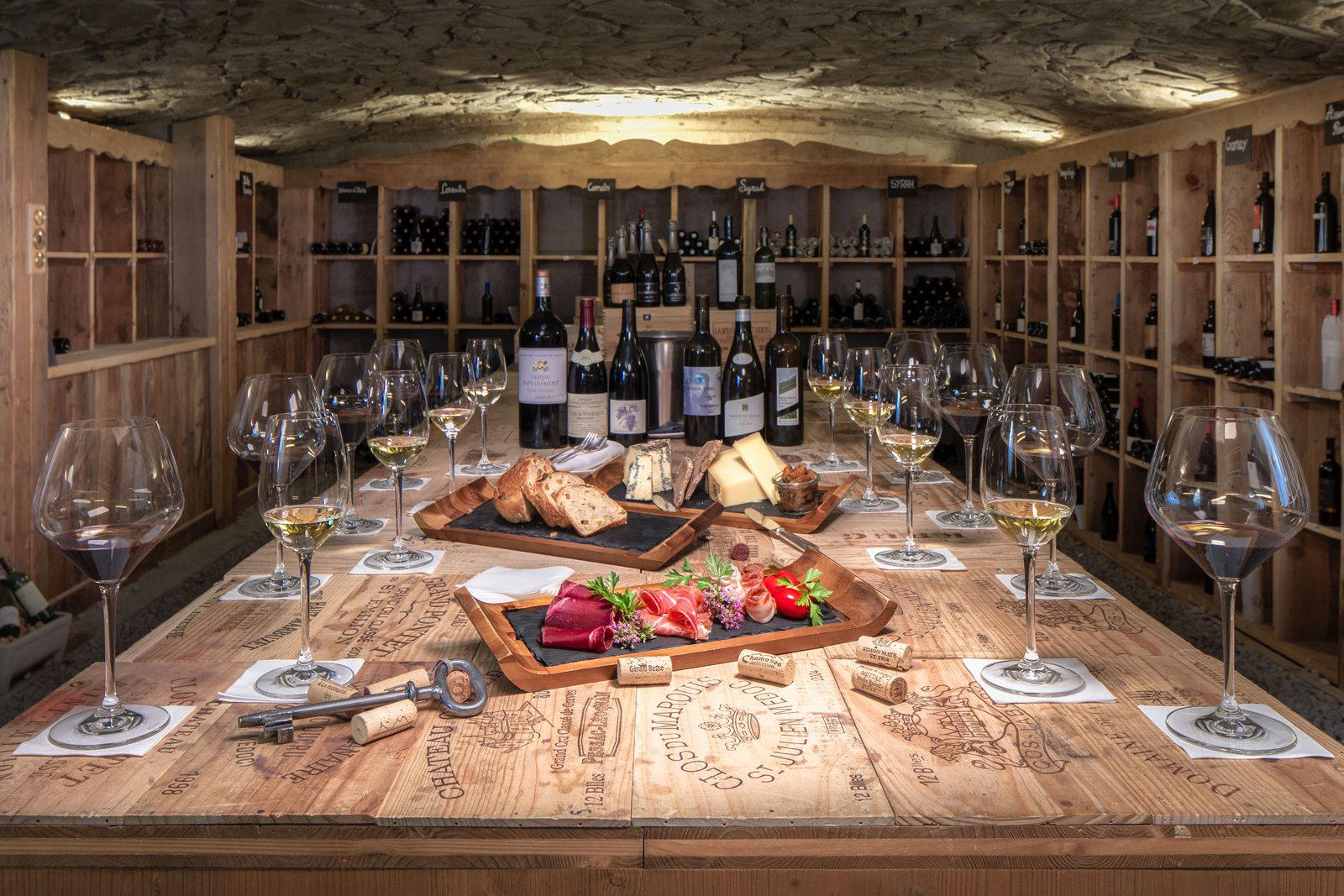
The wine
- Wine program
- Curated wine list
- Extensive wine list
Details
- Classic
- Cozy
- Elegant
- Scenic
- Rustic
- Special Occasion
- Family
- Celebration
- Hotel Restaurant
- Terrace
- Historic Building
- Extensive Wine List
- Local Sourcing
- Mountain
- Garden
- A La Carte
- Set Menu
- Wine
- Vegetarian Friendly
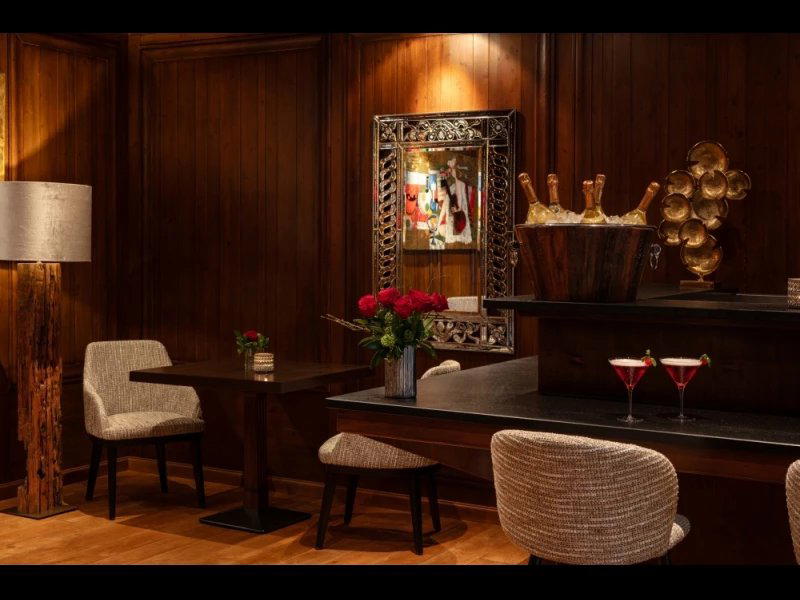
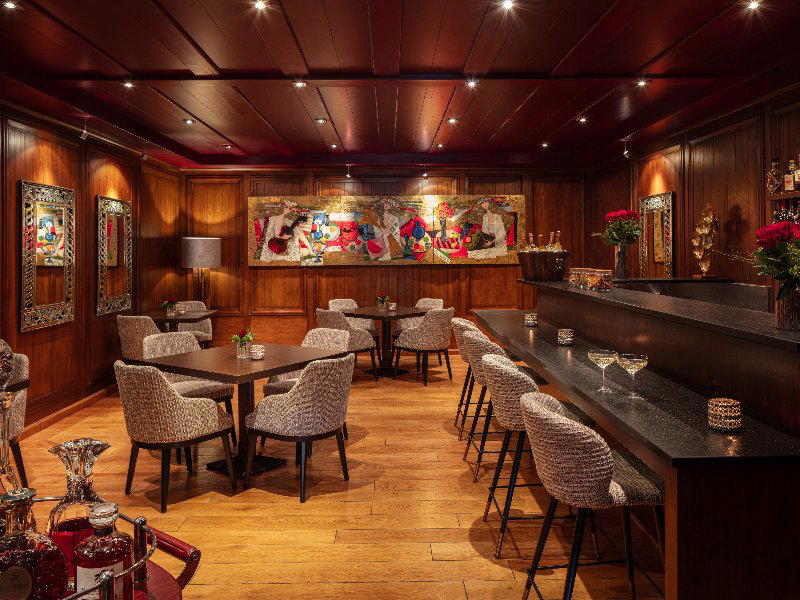
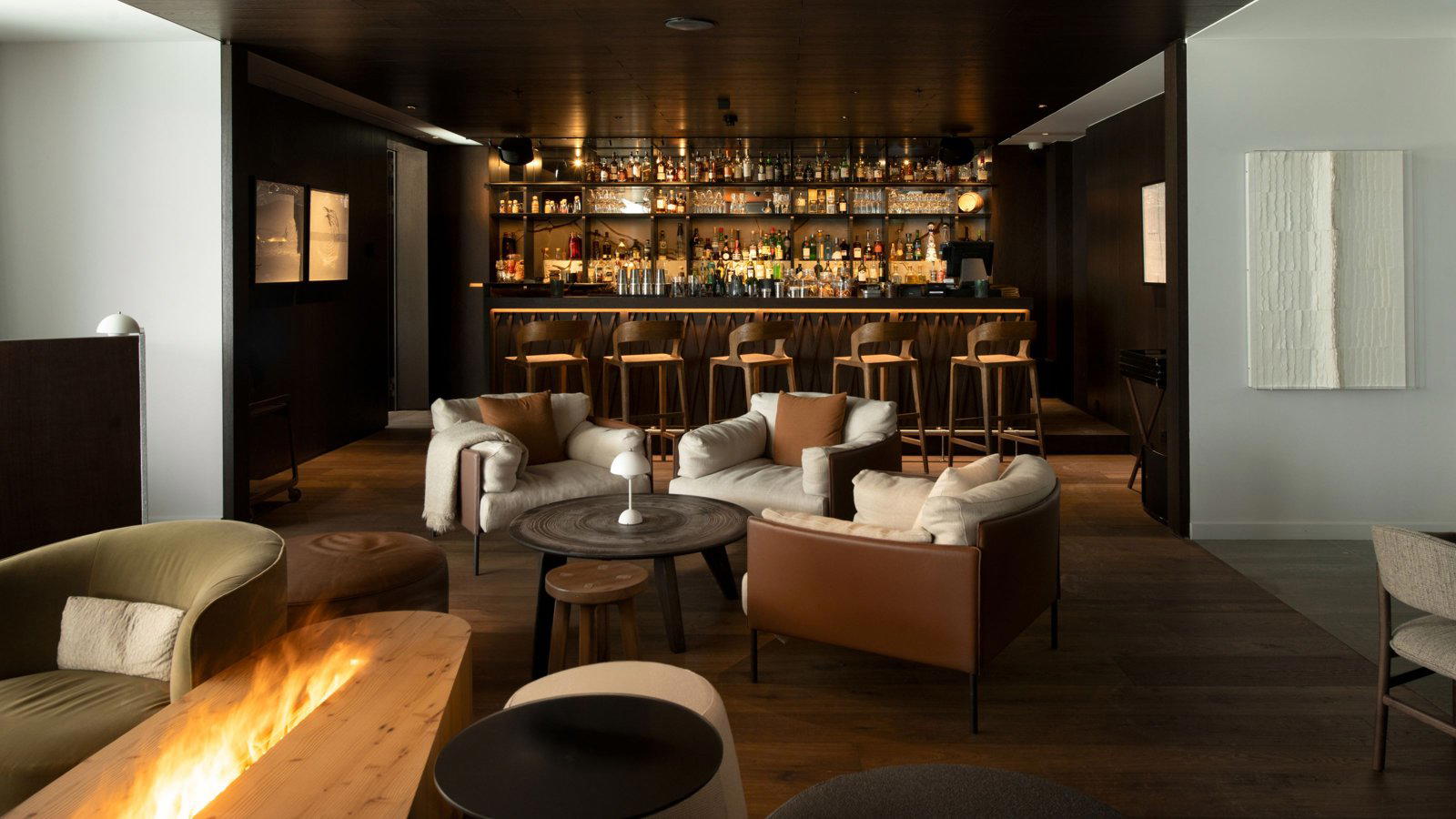
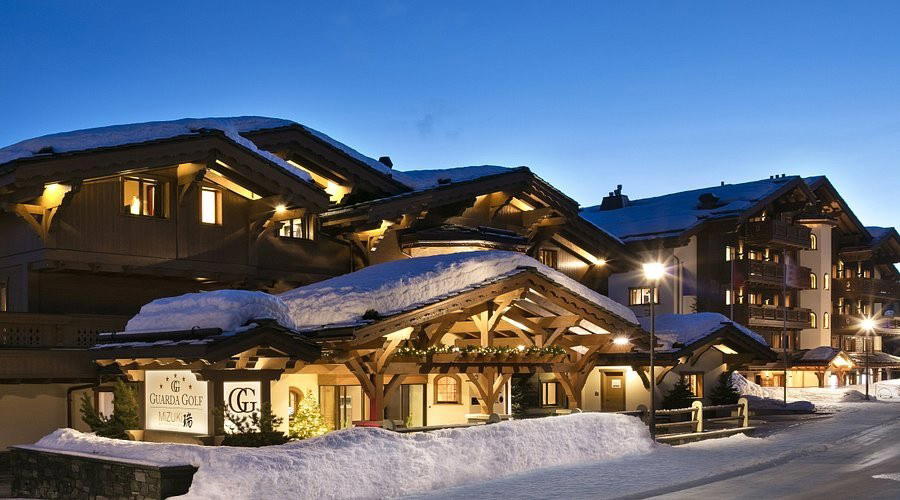
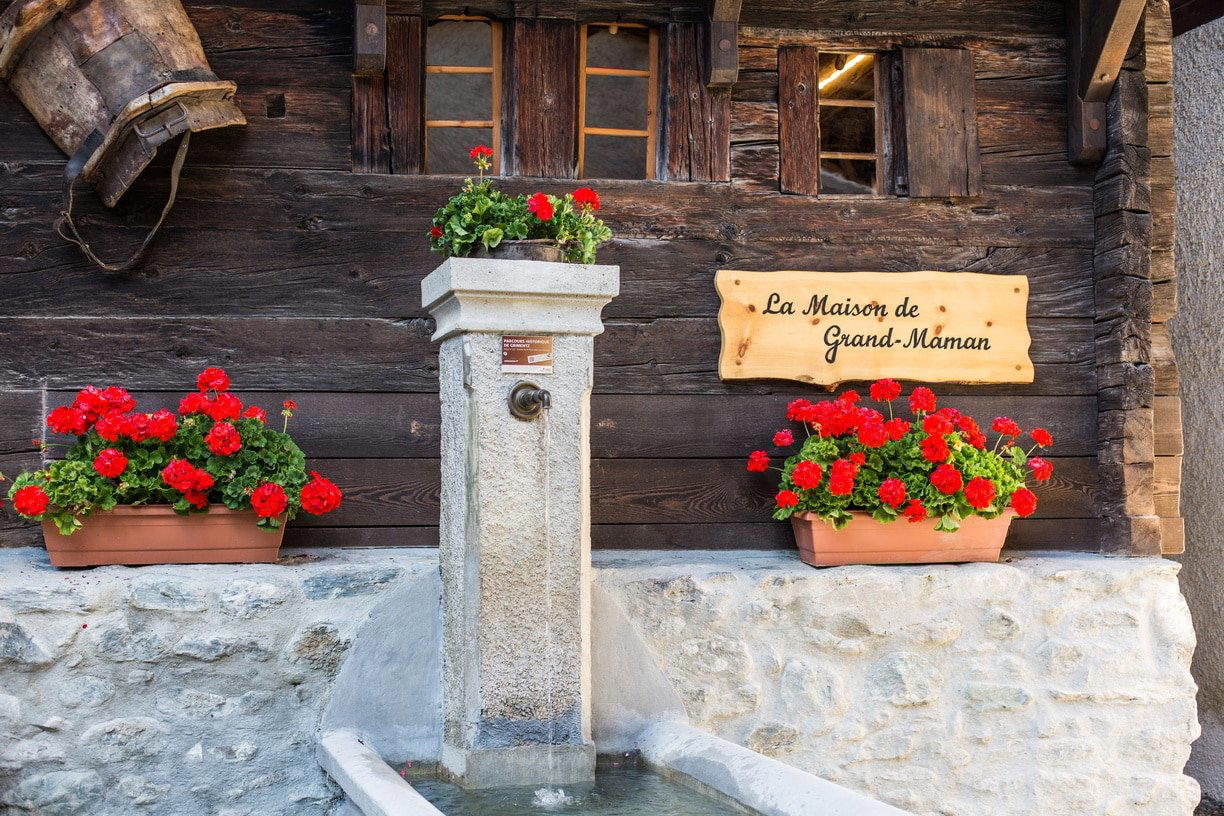
Cozy alpine atmosphere with fireplace in Le Tzambron and elegant historic decor with period photos in Chez Ida's veranda.