Restaurant Alpenland
Our verdict
Situated in the quiet Bernese Oberland village of Lauenen, Restaurant Alpenland operates within Hotel Alpenland on Hinterseestrasse, where the surrounding alpine terrain sets the culinary context as much as any kitchen philosophy. The restaurant sits in a region where ingredient sourcing is shaped by altitude, season, and proximity to some of Switzerland's most productive mountain pastures. For the full picture of Lauenen's dining options, see our full Lauenen restaurants guide.

Pearl is the En Primeur Club membership app — saves, bookings, and concierge access live there. Same editors, same standards.
The menu
What to order
- Lamb’s lettuce salad
- Swiss specialties
- Sliced veal in creamy sauce
Where the Bernese Oberland Shapes What Arrives on the Plate
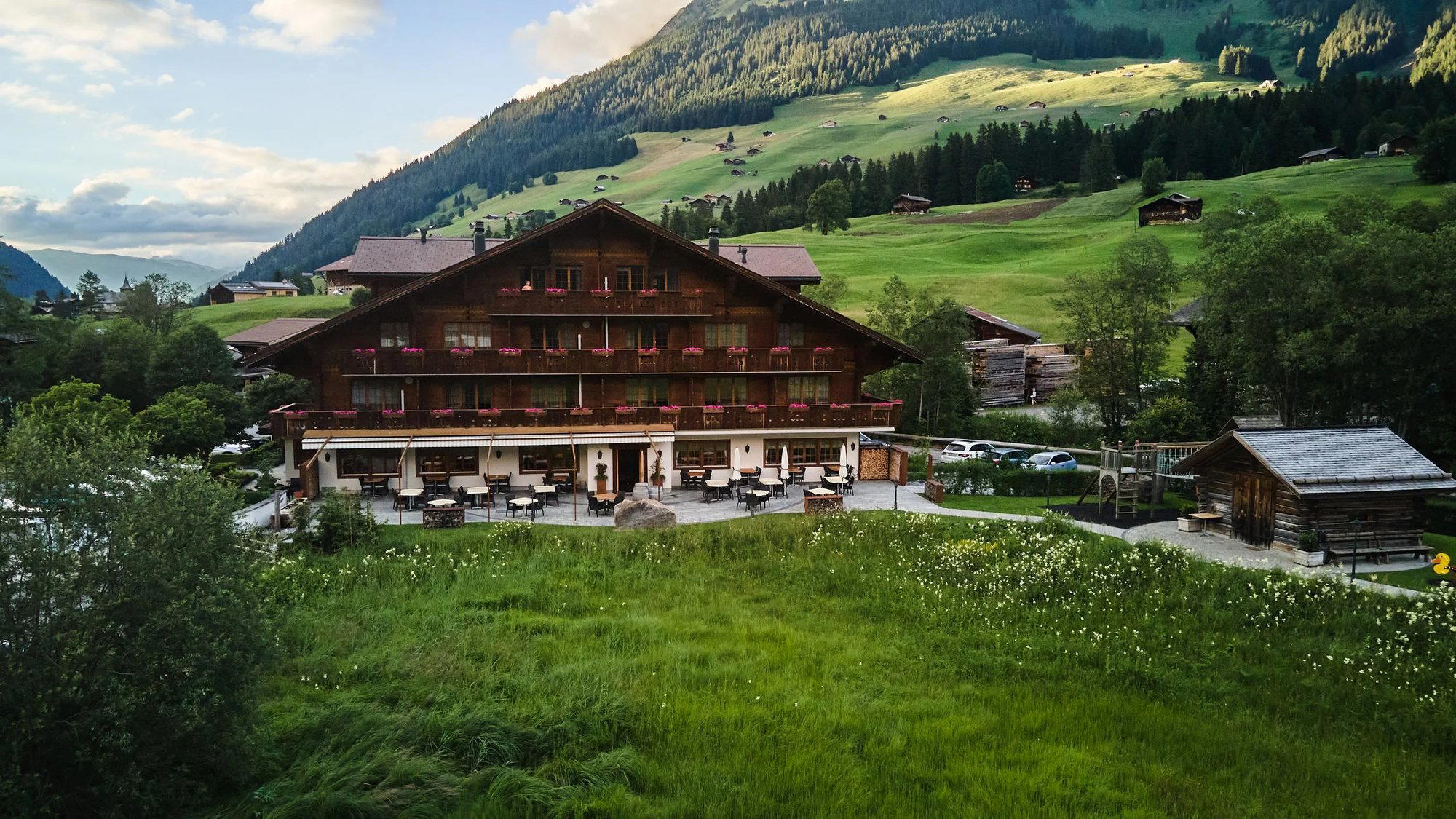
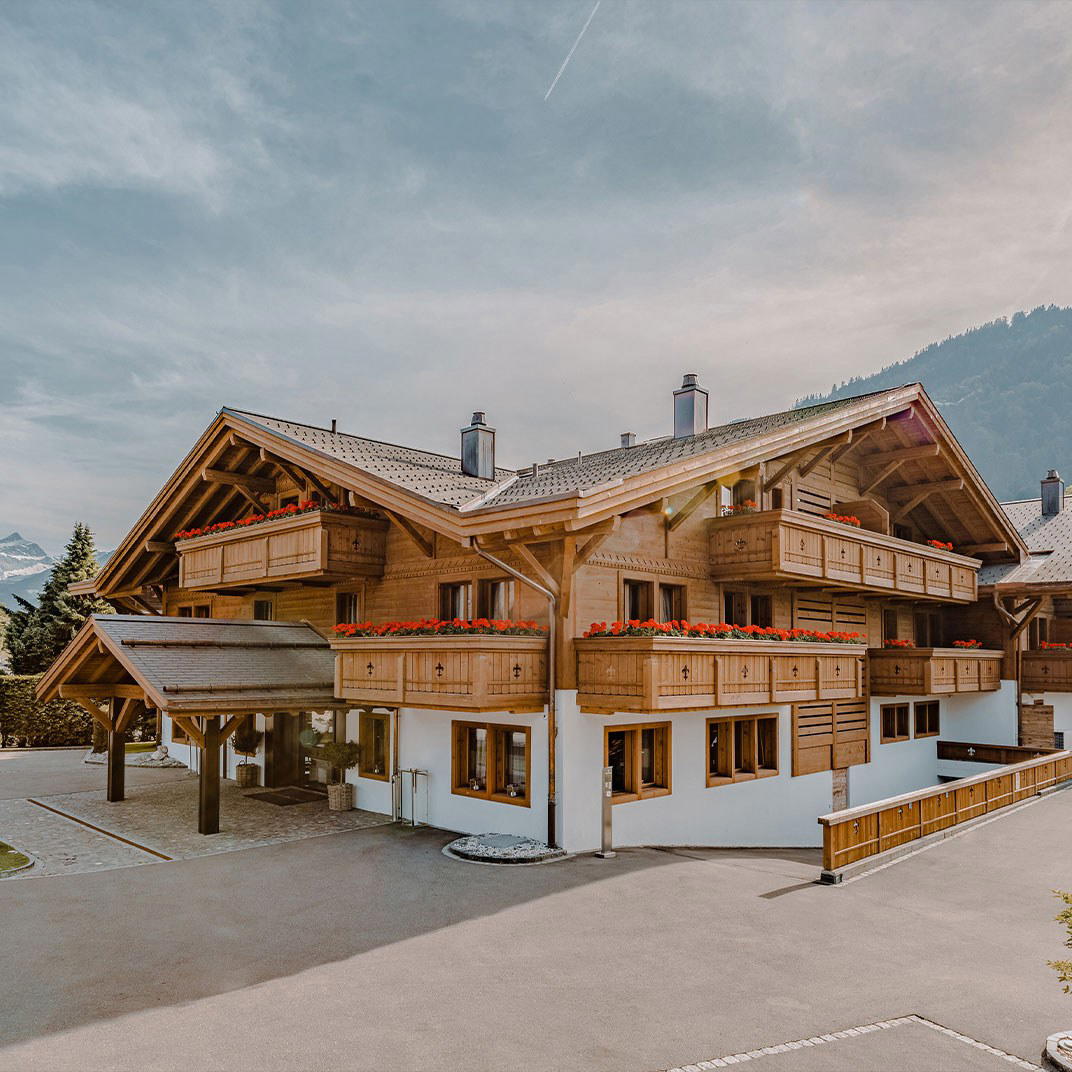
Approach Lauenen from Gstaad along the narrow valley road and the village announces itself gradually: a cluster of dark-timbered chalets, a church spire, and the kind of silence that only comes when the mountains have closed off a place from through-traffic. Restaurant Alpenland sits inside Hotel Alpenland on Hinterseestrasse, in a setting where the physical environment is not incidental to the dining experience but foundational to it. This is a part of Switzerland where what you eat is directly shaped by what grows, grazes, and matures within a short radius of where you are sitting.
That geography matters more than it might seem. The Bernese Oberland's alpine pastures produce milk and cheese of a character that is difficult to replicate at lower altitudes. The shorter growing season at elevation concentrates flavour in herbs, roots, and berries in ways that flatland agriculture cannot easily reproduce. Restaurants in this region that pay attention to sourcing are working with a larder that has genuine provenance value, not a marketing proposition. For context on how Switzerland's serious kitchens approach this question, the work being done at Schloss Schauenstein in Fürstenau and at Memories in Bad Ragaz illustrates what committed alpine sourcing looks like at the award-recognised end of the spectrum.
The Sourcing Logic of High-Altitude Switzerland
Lauenen sits at roughly 1,240 metres above sea level, within the broader orbit of Gstaad but removed from its commercial centre. That elevation and relative isolation place it in a supply chain that is shorter and more seasonal than urban Swiss restaurants can access. Cheese from Gruyère and Simmental producers, game from local hunters during autumn, dairy from herds that spend summer on high pastures: these are the categories of ingredient that define traditional Bernese Oberland cooking. A hotel restaurant in this location has the option to work with that supply chain closely or to default to the same wholesale networks available anywhere in Switzerland. The distinction between the two approaches is usually visible in what appears on the menu and audible in how the kitchen team describes what they are serving.
Swiss mountain cooking, at its most grounded, is not a cuisine of elaboration. It is a cuisine of transformation: raw milk into cheese, summer abundance into preserved winter provisions, foraged herbs into preparations that last. The leading expressions of it treat seasonal scarcity as a structuring principle rather than a constraint. Kitchens at focus ATELIER in Vitznau and Magdalena in Schwyz have demonstrated how modern Swiss cooking can draw on this tradition without becoming nostalgic about it. The question for any restaurant working in Lauenen's register is how consciously it engages with that inheritance.
The Hotel Restaurant Format in Alpine Switzerland
Hotel restaurants in the Swiss Alps occupy a particular structural position. They serve a captive audience of guests who have often travelled specifically to be in that landscape, which means the dining room carries a representational weight that a standalone city restaurant does not. When the setting is as charged as the Bernese Oberland, there is an implicit expectation that the food will engage with that setting, not simply provide sustenance alongside it. The format at Restaurant Alpenland, within Hotel Alpenland, places it in this category: a kitchen with a built-in reason to source locally and a clientele predisposed to care about the connection between place and plate.
This is a different competitive context from the grand hotel dining rooms in Switzerland's larger resort towns. Da Vittorio in St. Moritz and La Table du Lausanne Palace in Lausanne operate at the high end of international hotel dining with corresponding price points and production values. A village hotel in Lauenen is operating in a different register, one where intimacy and directness of sourcing can be genuine differentiators rather than secondary considerations. The smaller the hotel, in general, the shorter the distance between the kitchen's ambitions and what actually arrives at the table.
Dining in Lauenen: Practical Orientation
Lauenen is a 15-minute drive from Gstaad, and the road does not run public transport frequently, which means arriving by car or arranging transfer from Gstaad is the practical reality for most visitors. The village is not set up for walk-in dining in the way that a resort town centre is, and Restaurant Alpenland functions primarily within the rhythms of its hotel operation. Reaching out to the hotel directly to confirm availability and current hours before making the drive from Gstaad is sensible, particularly outside peak winter and summer seasons when mountain hotels in the region often adjust their schedules. For a broader sense of what the Lauenen dining scene looks like, our full Lauenen restaurants guide covers the options in context.
Switzerland's wider fine dining circuit, for those combining a Lauenen visit with broader travel, includes strong representations in Basel at Cheval Blanc by Peter Knogl, in Lucerne at Colonnade, and in Zurich at IGNIV Zürich by Andreas Caminada. For mountain-adjacent dining at award level, 7132 Silver in Vals and Maison Wenger in Le Noirmont offer useful reference points for the range available in Swiss mountain and rural settings. Geneva's L'Atelier Robuchon and La Brezza in Ascona extend the picture toward the French and Italian-influenced Swiss edges. It is the smaller, location-specific kitchens that treat their alpine address as a sourcing brief.
For international comparisons on what it means for a kitchen to build its identity around provenance rather than technique alone, Hotel de Ville Crissier within Switzerland and, further afield, Le Bernardin in New York and Atomix in New York each demonstrate, in very different idioms, that sourcing conviction and culinary coherence tend to move together. Einstein Gourmet in Sankt Gallen sits at the Swiss urban end of the same conversation.
Frequently asked questions
Can I bring kids to Restaurant Alpenland?
As a hotel restaurant at Hotel Alpenland on Hinterseestrasse 5 in Lauenen, the format is structured around resident guests of varying ages and travel arrangements. Alpine hotel dining rooms in Switzerland at this village scale typically accommodate families without issue, though confirming directly with the hotel before arrival is advisable given Lauenen's limited public transport access.
Is Restaurant Alpenland formal or casual?
Lauenen is a working alpine village, not a resort centre, and Hotel Alpenland reflects that character. Hotel dining rooms in this part of the Bernese Oberland tend toward relaxed table settings suited to guests returning from walks or ski days, rather than the dressed formality found closer to central Gstaad. Expect a tone that fits the dark-timbered chalet surroundings of the valley.
Is Restaurant Alpenland worth visiting if you're staying in Gstaad rather than in Lauenen?
The drive from Gstaad to Lauenen runs approximately 15 minutes along a narrow valley road with infrequent public transport, so a visit requires a car or pre-arranged transfer. Restaurant Alpenland sits within Hotel Alpenland in a village at roughly 1,240 metres, which places it firmly outside Gstaad's commercial dining circuit. The draw is the setting itself: a quiet Bernese Oberland valley removed from the resort's busier core.
What should I order at Restaurant Alpenland?
Hotel restaurants at this altitude in the Bernese Oberland routinely draw on regional dairy, mountain cheese, and valley-sourced produce, so dishes rooted in that high-altitude supply logic are a reasonable expectation. Contacting Hotel Alpenland directly at the Hinterseestrasse 5 address will give you the current menu picture.
At-a-Glance Comparison
Comparable venues nearby, for context on price, style, and recognition.
| Venue | Cuisine | Price | Notes |
|---|---|---|---|
| Restaurant AlpenlandThis venue — the venue you are viewing | Traditional Swiss with Modern Touches | $30–50 | Not listed |
| Bad Eptingen | Traditional Swiss | Not listed | Eptingen |
| La Cruna | Traditional Swiss and Grisons Regional Cuisine | $50–100 | Sedrun |
| Berghotel Chetzeron | Swiss Alpine Cuisine | Not listed | Crans-Montana |
| Café de Ville | Swiss Grand Café | $30–50 | Old Town Lucerne |
| Olympia | Modern Swiss Fusion | Not listed | Breitfeld |
Continue exploring
More in Lauenen
Restaurants in Lauenen
All restaurants in Lauenen →
Bars in Lauenen
Browse all →

Details
- Cozy
- Rustic
- Scenic
- Classic
- Family
- Group Dining
- Casual Hangout
- Terrace
- Standalone
- Extensive Wine List
- Local Sourcing
- Mountain
- A La Carte
- Vegetarian Friendly
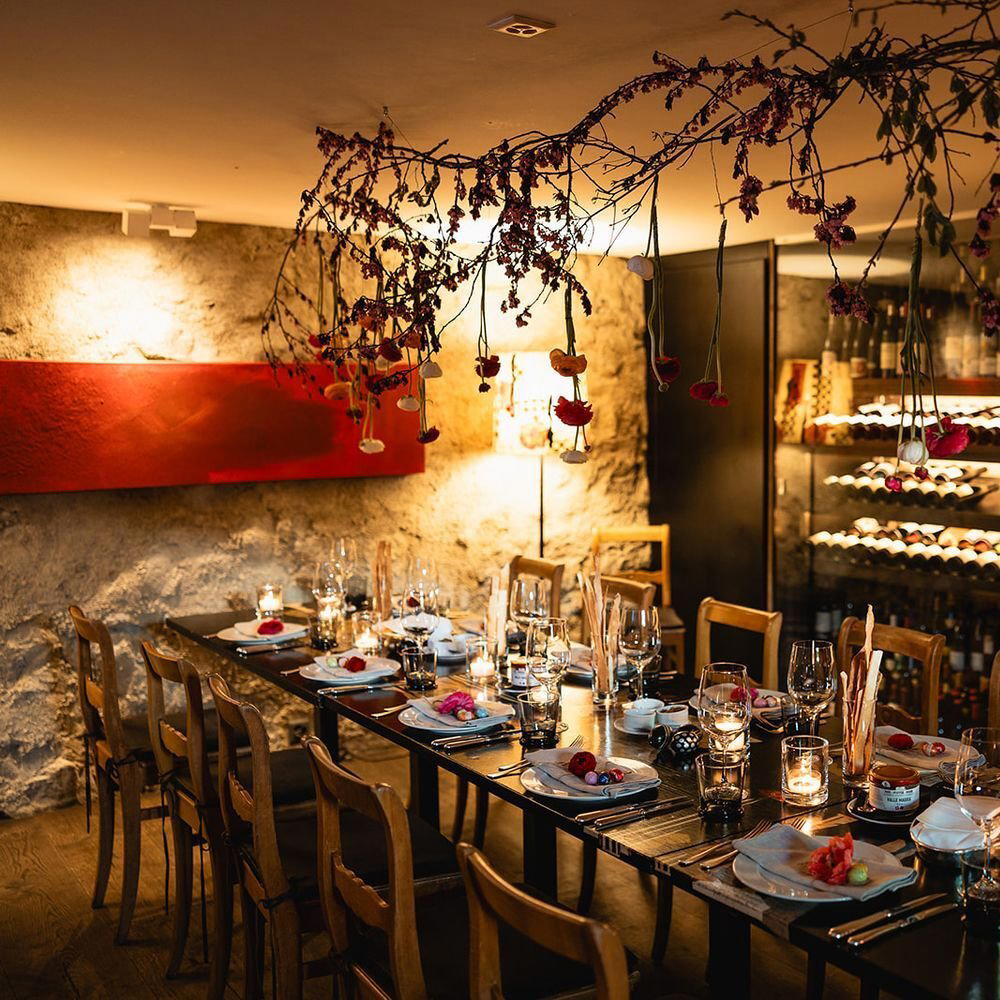
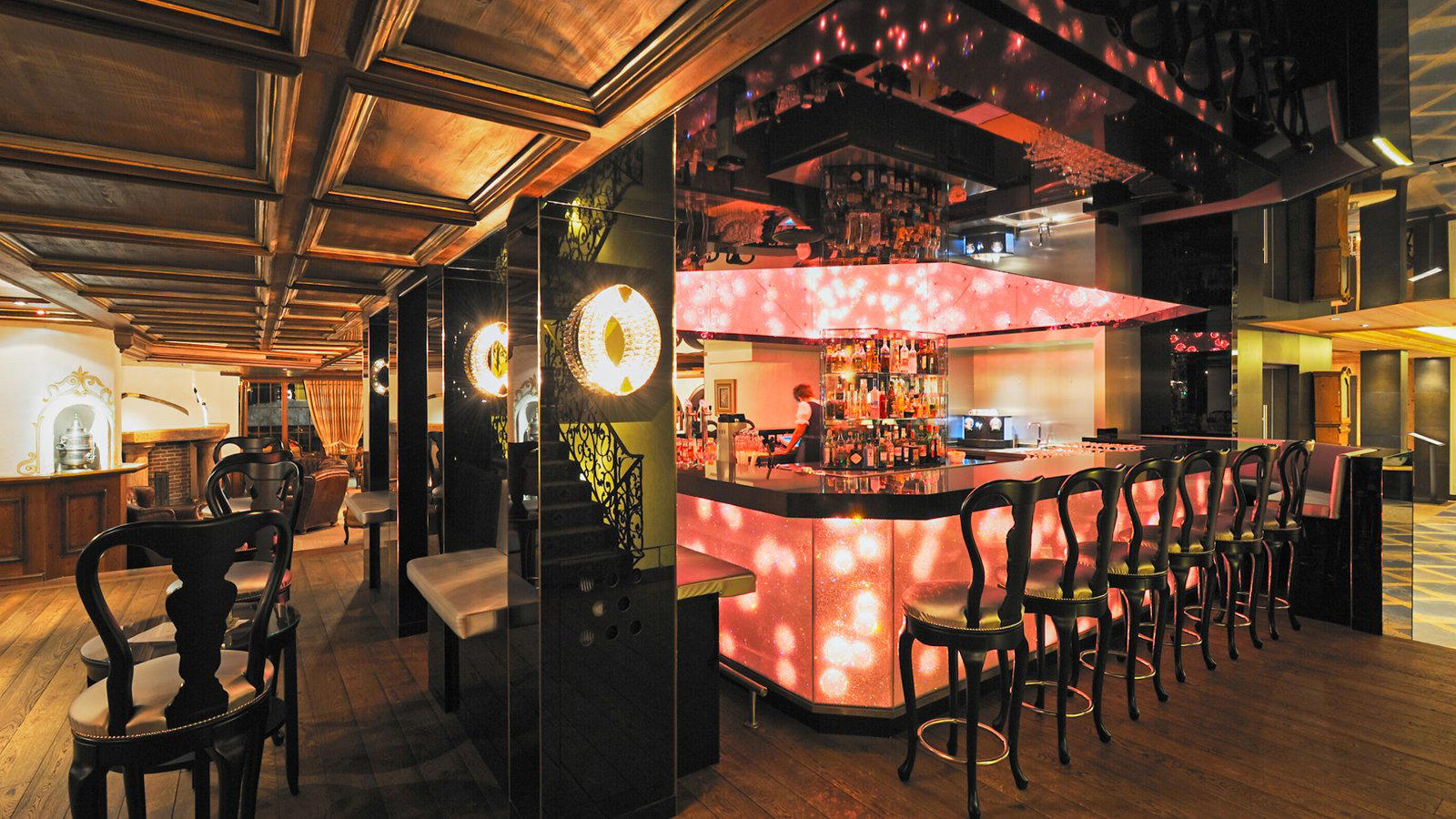
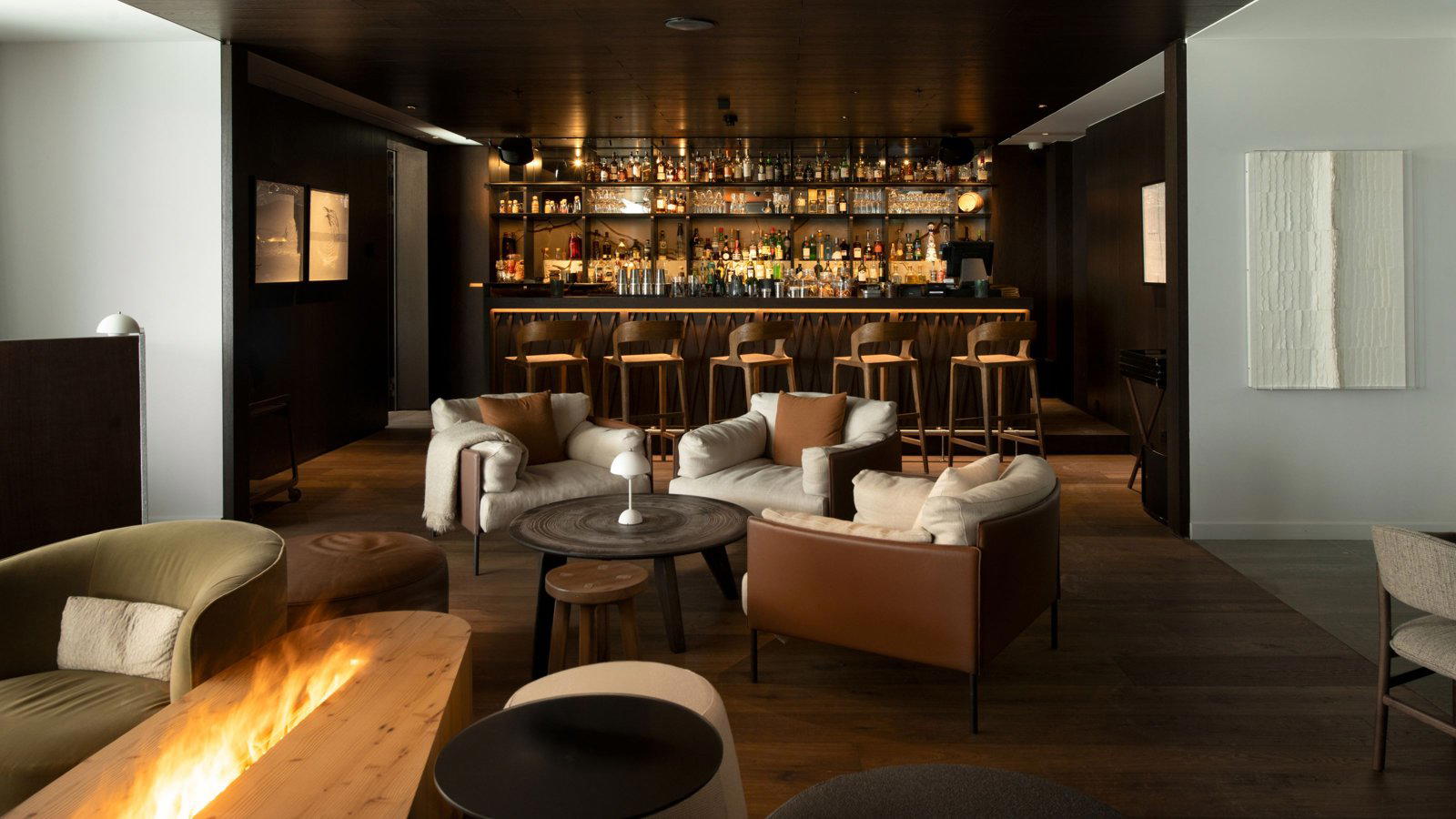
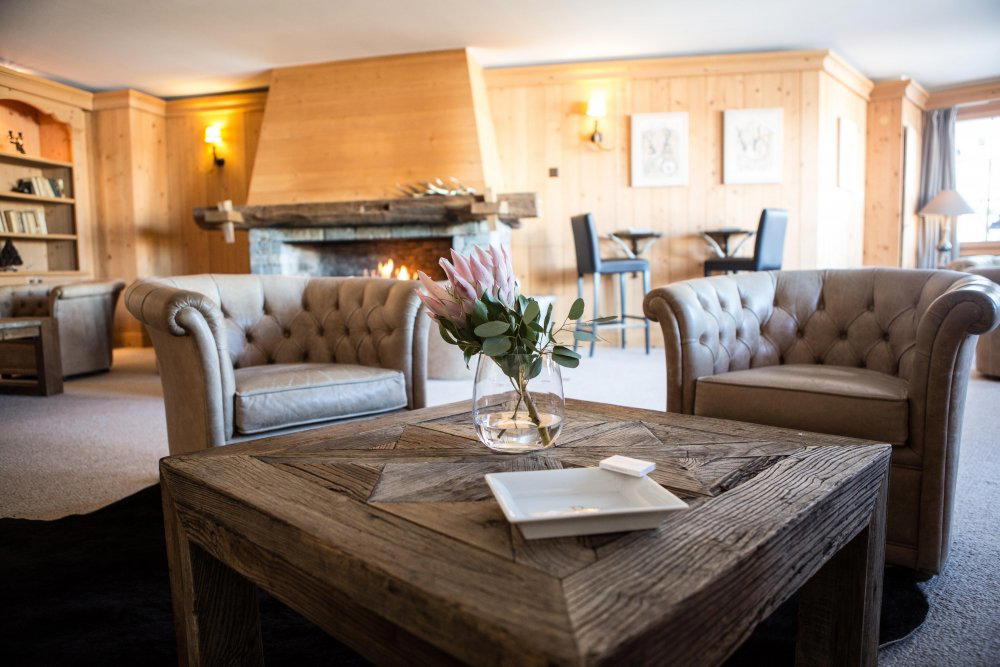
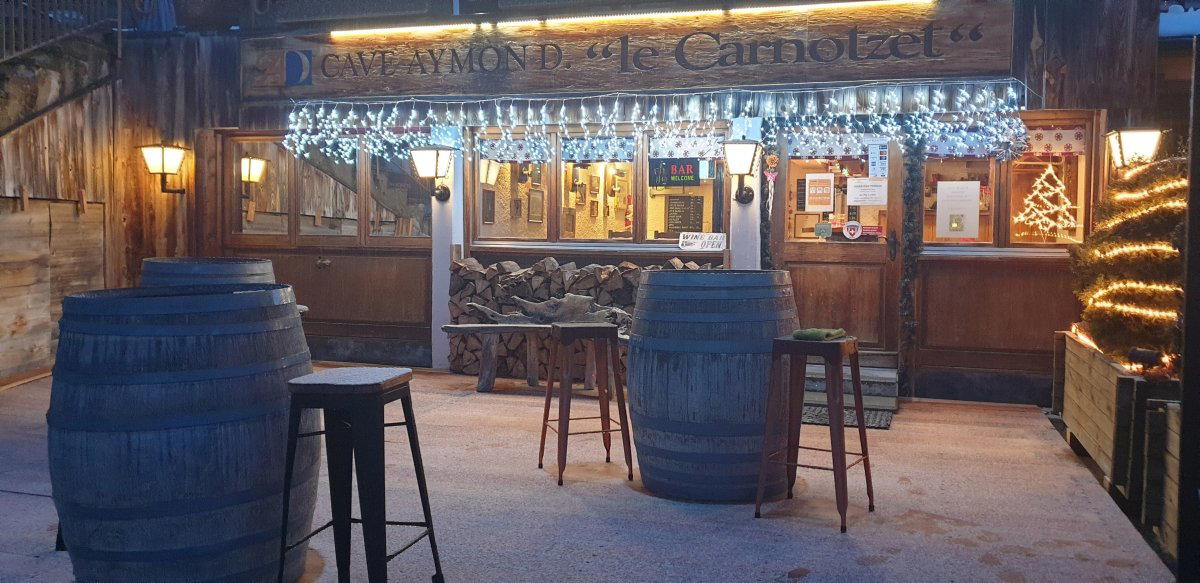
Warm, welcoming, and chalet-like, with a cozy alpine atmosphere.