Google: 3.1 · 138 reviews
In the foothills of the Hautes-Pyrénées, Séméac's Eco House Espace Bellevue sits within reach of one of France's most ingredient-rich landscapes, where mountain pastures, market gardens, and small-scale producers shape what appears on the table. The property's eco-conscious framing places it in a growing tier of French regional addresses that take sourcing seriously rather than decoratively. A practical base for exploring Tarbes and the wider Pyrénées region.
 Discover on Pearl
Pearl is the En Primeur Club membership app — saves, bookings, and concierge access live there. Same editors, same standards.
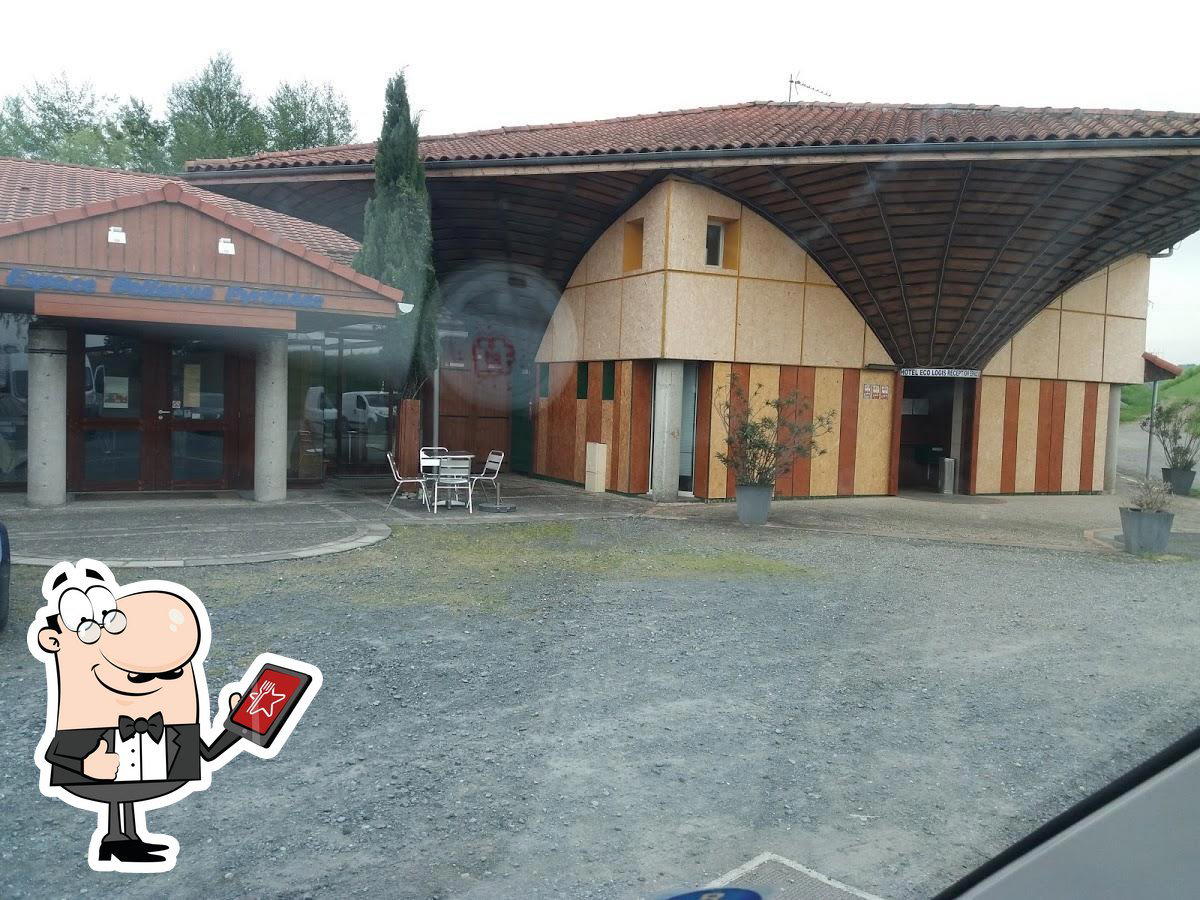
Where the Pyrénées Shape the Plate
The Hautes-Pyrénées department produces at a scale that larger French regions rarely match for variety. Within a short drive of Séméac, you have lamb raised on high-altitude pastures, trout from fast-moving Pyrenean streams, and market gardens benefiting from a microclimate that extends the growing season into late autumn. This is the ingredient context in which a venue like Hotel Restaurant Eco House Espace Bellevue Pyrénées operates. Sourcing in this corner of southwestern France is less a marketing decision than a practical reality: proximity to producers is a structural advantage that the leading regional kitchens have always exploited.
Séméac itself sits immediately north of Tarbes, the departmental capital, which means the address functions as a gateway rather than a destination in isolation. The town is quiet, residential, and without the gastronomic density of, say, Biarritz to the west or Pau to the north, which places venues here in a different competitive position. They serve a local clientele with genuine expectations rather than a tourist circuit looking for spectacle. That dynamic tends to reward consistency over theatre.
The Eco Framework and What It Signals for Sourcing
Across France, the past decade has seen a measurable shift toward properties that attach an ecological commitment to their hospitality offer. The motivations vary: some are cost-driven, others respond to guest demand, and a smaller group reflects a genuine operational philosophy. The "Eco House" framing at Espace Bellevue places it within this category, though the practical expression of that commitment, from procurement choices to waste management, is what separates the substantive from the superficial in this tier.
In the Pyrénées context, an eco-conscious sourcing approach aligns naturally with the regional food tradition. Southwestern France has long maintained a culture of direct producer relationships, rooted in the garbure (a dense vegetable and preserved meat soup native to Gascony), confit techniques that developed from whole-animal use, and a cheese tradition, particularly the Ossau-Iraty AOC, that depends on maintaining traditional pastoral systems. A kitchen in this region that takes its sourcing seriously inherits a rich supply chain rather than having to build one from scratch. Compare this with the challenge facing highly awarded destination restaurants in more isolated French settings: Bras in Laguiole, for instance, built a sourcing philosophy in the Aubrac that required decades of producer relationships, while Auberge du Vieux Puits in Fontjoncouse operates in similarly intimate proximity to its Languedoc suppliers.
The Séméac address benefits from Tarbes's weekly markets, which rank among the more serious in the southwest for seasonal produce. The Bigorre noir pig, a native breed that almost disappeared and was revived through conservation farming in the Hautes-Pyrénées, is one of the region's most notable ingredient stories. Bigorre noir charcuterie is now recognized with a protected designation, and kitchens in this department that build menus around such products connect directly to that agricultural history.
Regional Dining in the Shadow of the Mountains
The dining culture of the Hautes-Pyrénées sits between two stronger gravitational pulls: the Basque culinary influence to the southwest, which has produced some of France's most technically ambitious restaurants, and the broader Gascon tradition to the north, where richness and preservation techniques dominate. The local kitchen in this corridor tends toward the latter, with duck fat, preserved meats, and legumes forming a backbone that contemporary kitchens either work within or push against.
France's most recognized restaurants in the southern and southwestern arc operate at a different scale and ambition. Mirazur in Menton and AM par Alexandre Mazzia in Marseille represent one pole of southern French dining, where international recognition and creative ambition define the offer. L'Oustau de Baumanière in Les Baux occupies the luxury-provincial tier. Séméac operates at neither of those registers. What it offers is proximity to an ingredient culture that the destination restaurants further afield would need to import.
For readers who trace sourcing seriously, the Hautes-Pyrénées is worth attention on its own terms. The Tarbes bean, a locally grown haricot with protected geographical status, is a case in point: cultivated in the Adour valley since the 16th century and still grown by a small number of farms, it represents the kind of hyperlocal ingredient that rarely survives commercial scaling. Kitchens that incorporate it into their menus are, in effect, participating in its preservation.
Planning a Stay: What to Know
Séméac's position adjacent to Tarbes makes it direct to reach by train from Paris Montparnasse (the TGV serves Tarbes directly) or from Toulouse, roughly an hour and a half by road. The town is also a practical base for touring the Pyrénées National Park, Lourdes (12 kilometres), and the Cirque de Gavarnie further south. Visitors combining the regional landscape with an interest in food provenance will find the Hautes-Pyrénées more rewarding than its relative obscurity on the French gastronomic circuit might suggest.
As with much of provincial France, the rhythm of service here follows local convention: longer lunch service, earlier dinner sittings, and a kitchen calendar tied more closely to market days and seasonal availability than is typical of urban restaurants. For context on how French regional dining at its most ambitious operates across the country, our guides to addresses including Flocons de Sel in Megève, Auberge de l'Ill in Illhaeusern, Georges Blanc in Vonnas, and Troisgros - Le Bois sans Feuilles in Ouches illustrate how differently the same sourcing-first philosophy can express itself across French regions. Beyond France, the sourcing-led approach has shaped leading rooms from Le Bernardin in New York City to Christopher Coutanceau in La Rochelle and La Marine in Noirmoutier-en-l'île. Closer to home, our full Semeac restaurants guide covers the broader local offer.
For specific hours, booking arrangements, and current menu details, contacting the property directly through local directory listings is advisable, as those details were not available at time of writing. The address at 48 Rue du 8 Mai, Séméac, places it within the northern residential fringe of Tarbes, accessible by road from the town centre in under ten minutes.
Comparison Snapshot
These are the closest comparables we have in our database for quick context.
| Venue | Cuisine | Price | Awards |
|---|---|---|---|
| Hotel Restaurant Eco House Espace Bellevue PyrénéesThis venue — the venue you are viewing | |||
| Alléno Paris au Pavillon Ledoyen | Creative | €€€€ | Michelin 3 Star |
| Kei | Contemporary French, Modern Cuisine | €€€€ | Michelin 3 Star |
| L'Ambroisie | French, Classic Cuisine | €€€€ | Michelin 3 Star |
| Le Cinq - Four Seasons Hôtel George V | French, Modern Cuisine | €€€€ | Michelin 3 Star |
| Mirazur | Modern French, Creative | €€€€ | Michelin 3 Star |
Continue exploring
More in Semeac
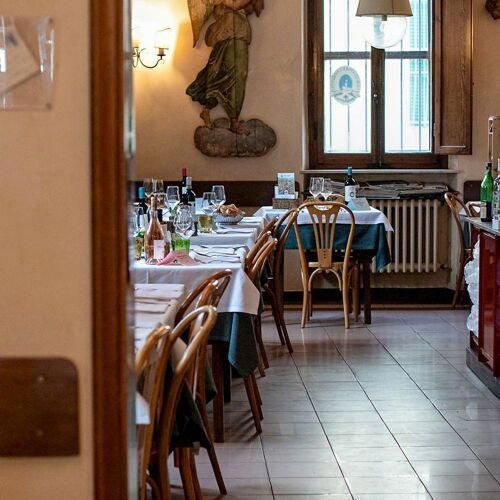
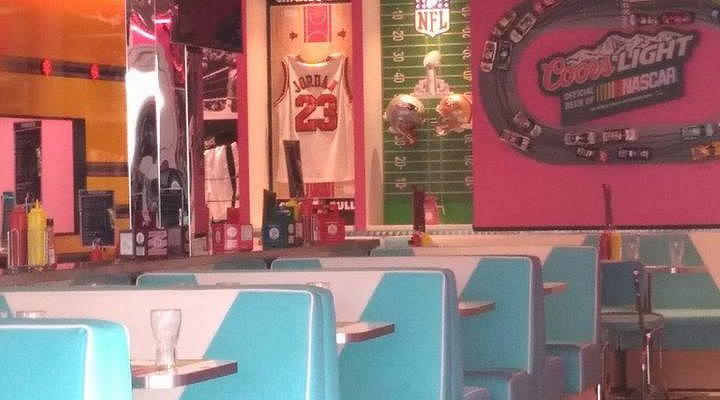
Restaurants in Semeac
Browse all →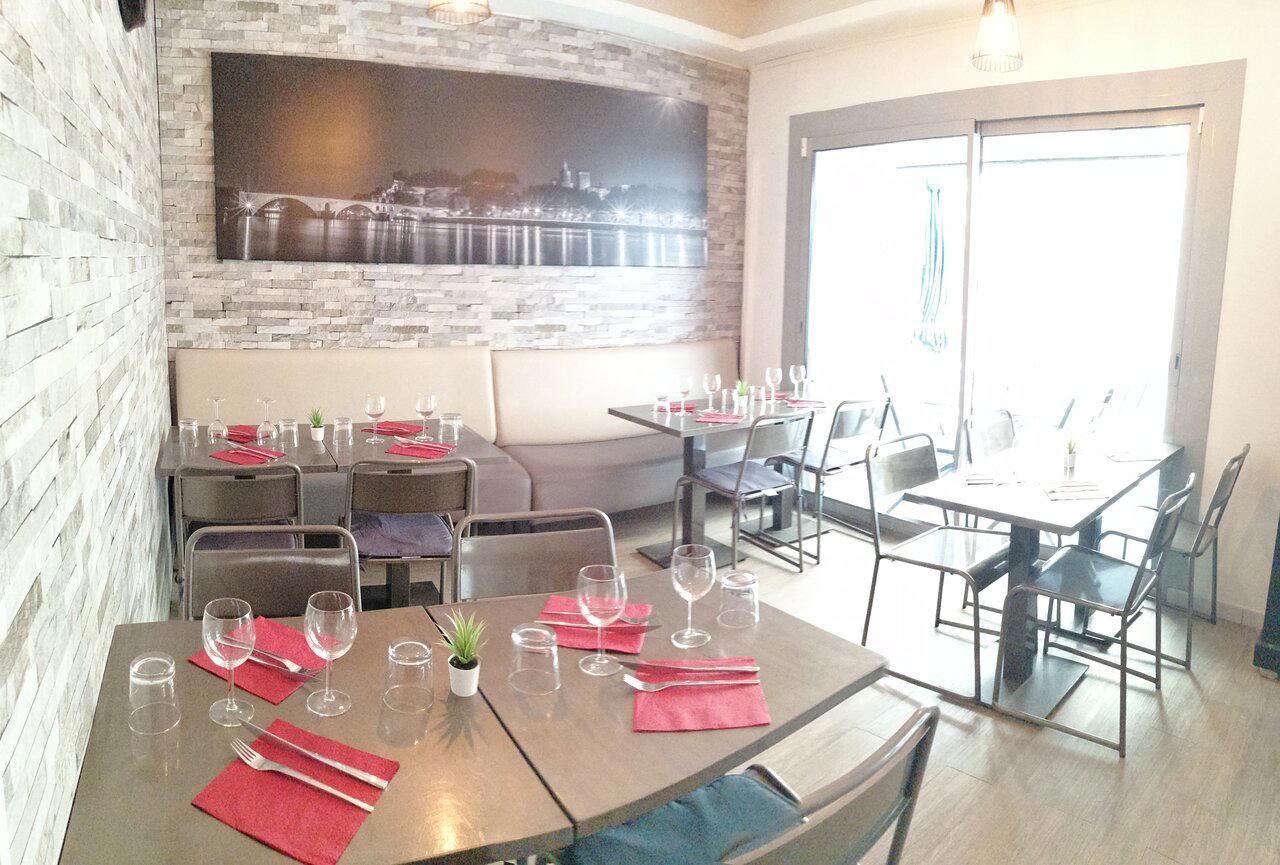
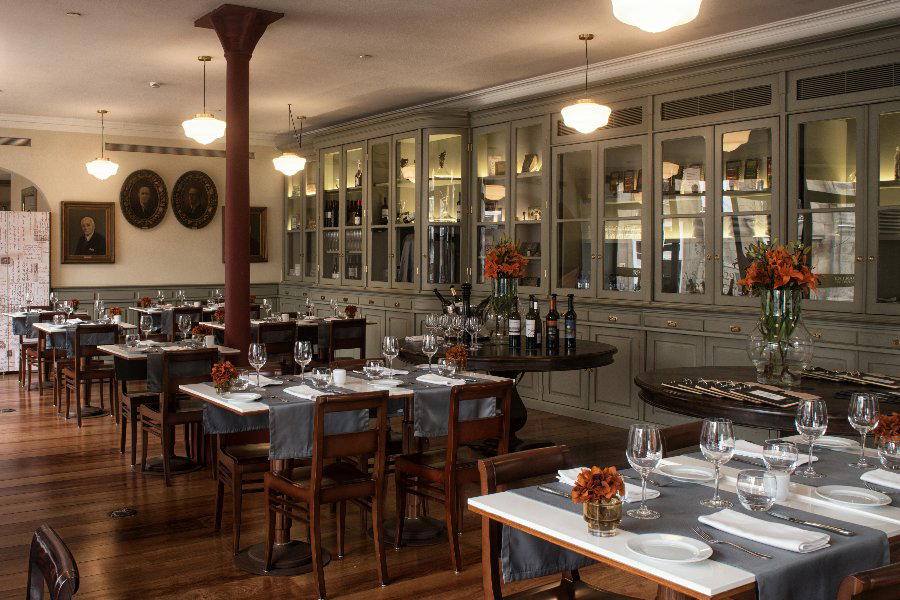
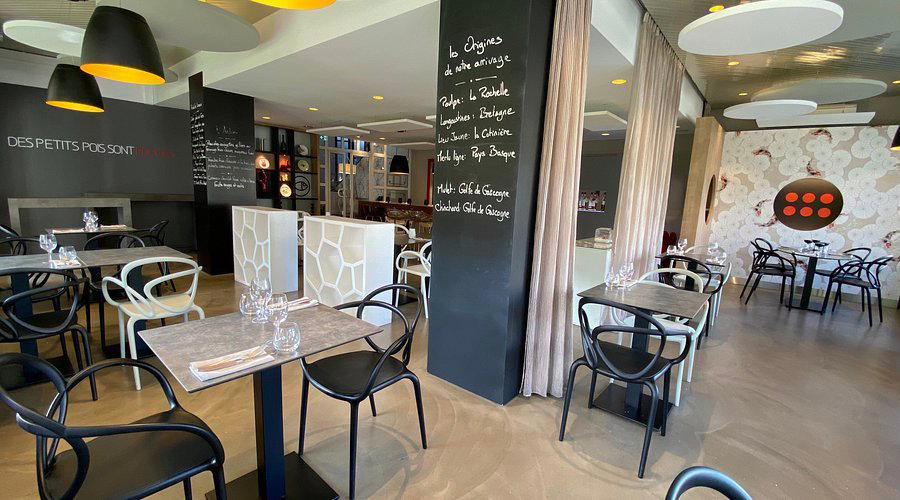
Hotels in Semeac
Browse all →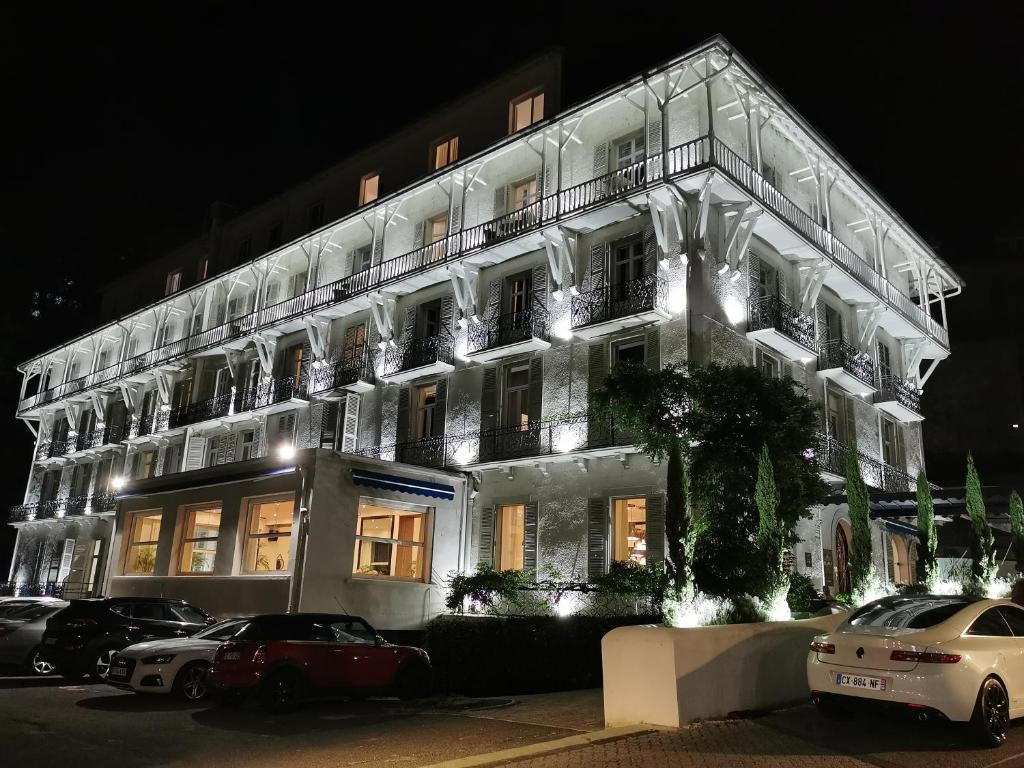
Wineries in Semeac
Browse all →
At a Glance
- Rustic
- Cozy
- Family
- Group Dining
- Casual Hangout
- Hotel Restaurant
- Garden
- Waterfront
- Terrace
- Beer Program
- Local Sourcing
- Waterfront
- Garden
Casual, family-oriented atmosphere with a focus on comfort and accessibility rather than fine dining elegance.