Our verdict
Hotel Costes occupies a particular position in the Paris hotel dining scene: a 1er arrondissement address at 7 Rue de Castiglione where the courtyard restaurant has been a fixture of the city's fashion-adjacent social circuit for decades. The kitchen leans toward polished French brasserie cooking, but the room itself is the primary event, dim, layered, and draped in red velvet that absorbs the ambient noise of a perpetually full house.

Pearl is the En Primeur Club membership app, where members save venues, book tables and use the concierge.
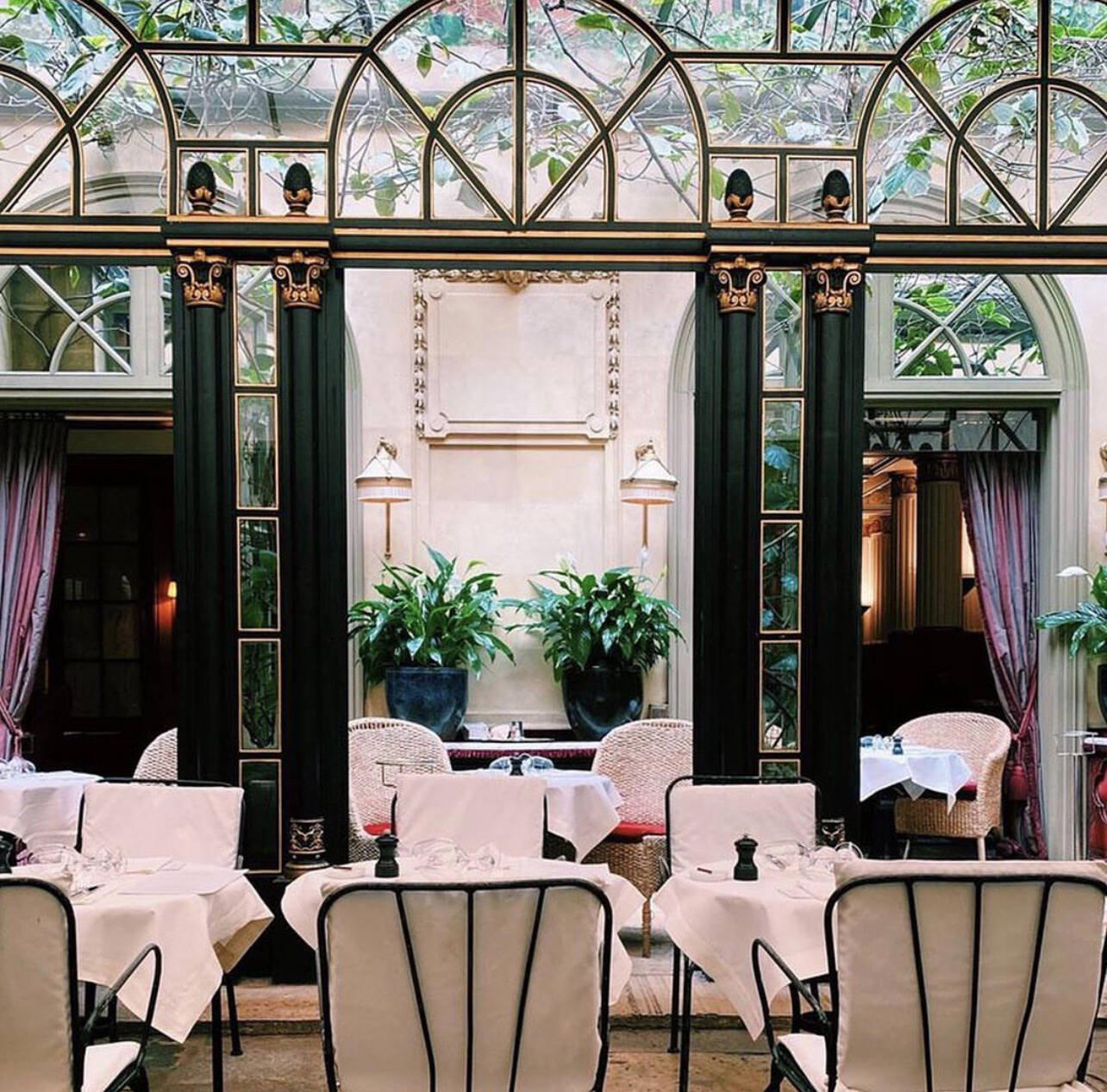
The Room Before the Menu
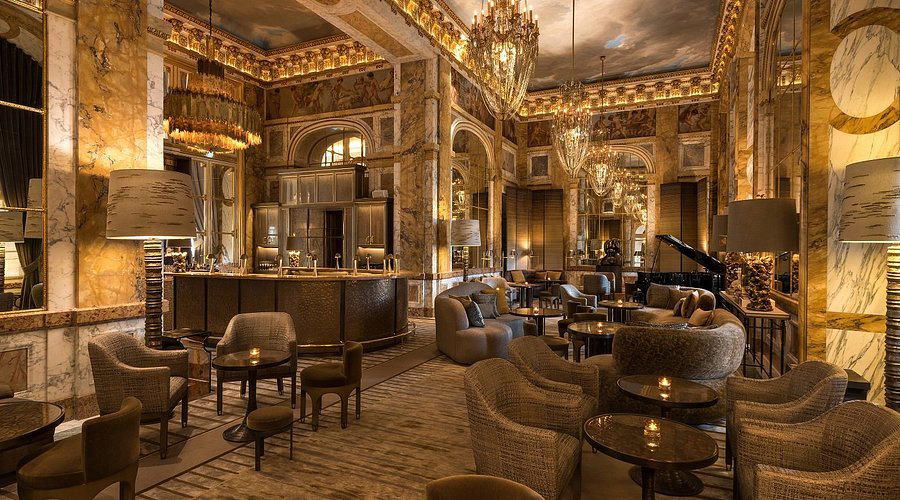
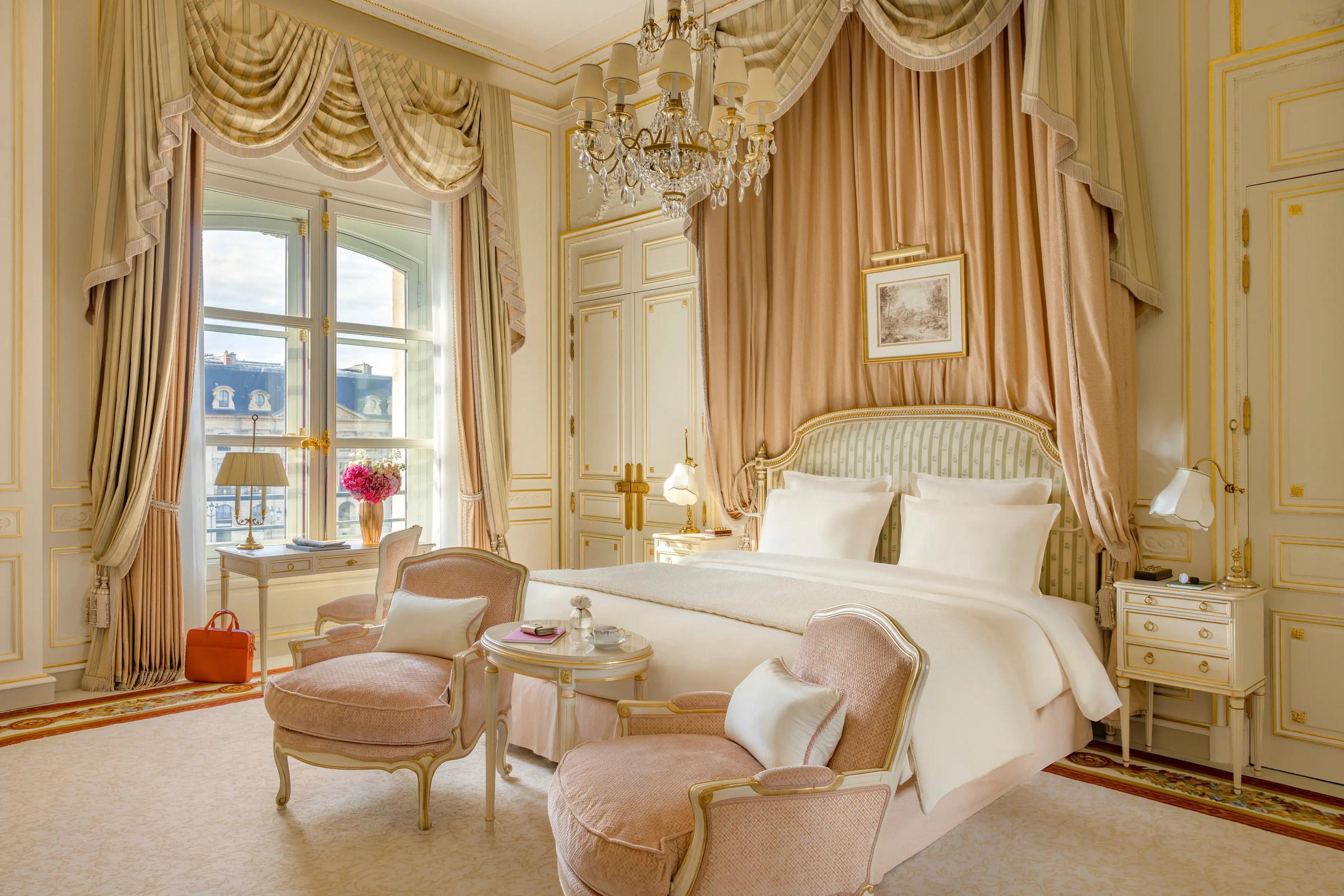
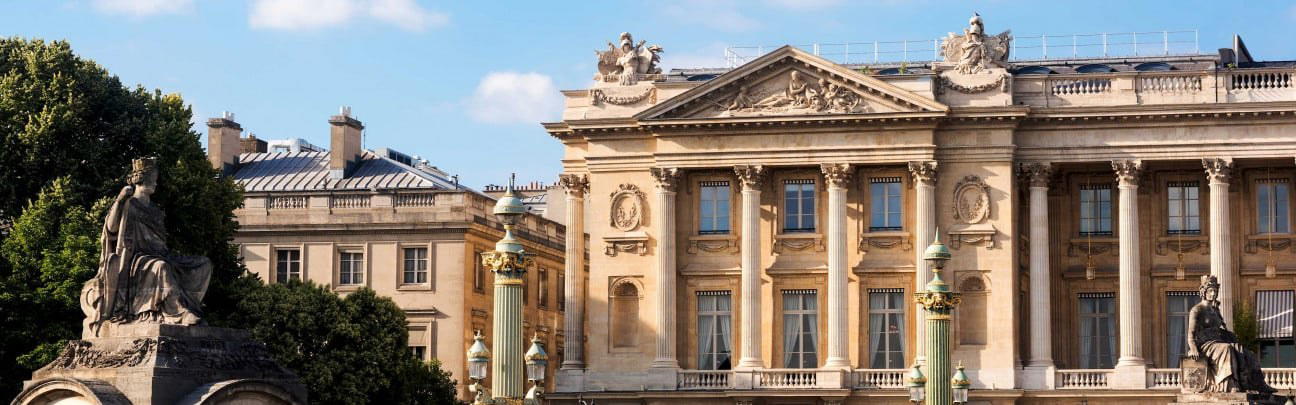
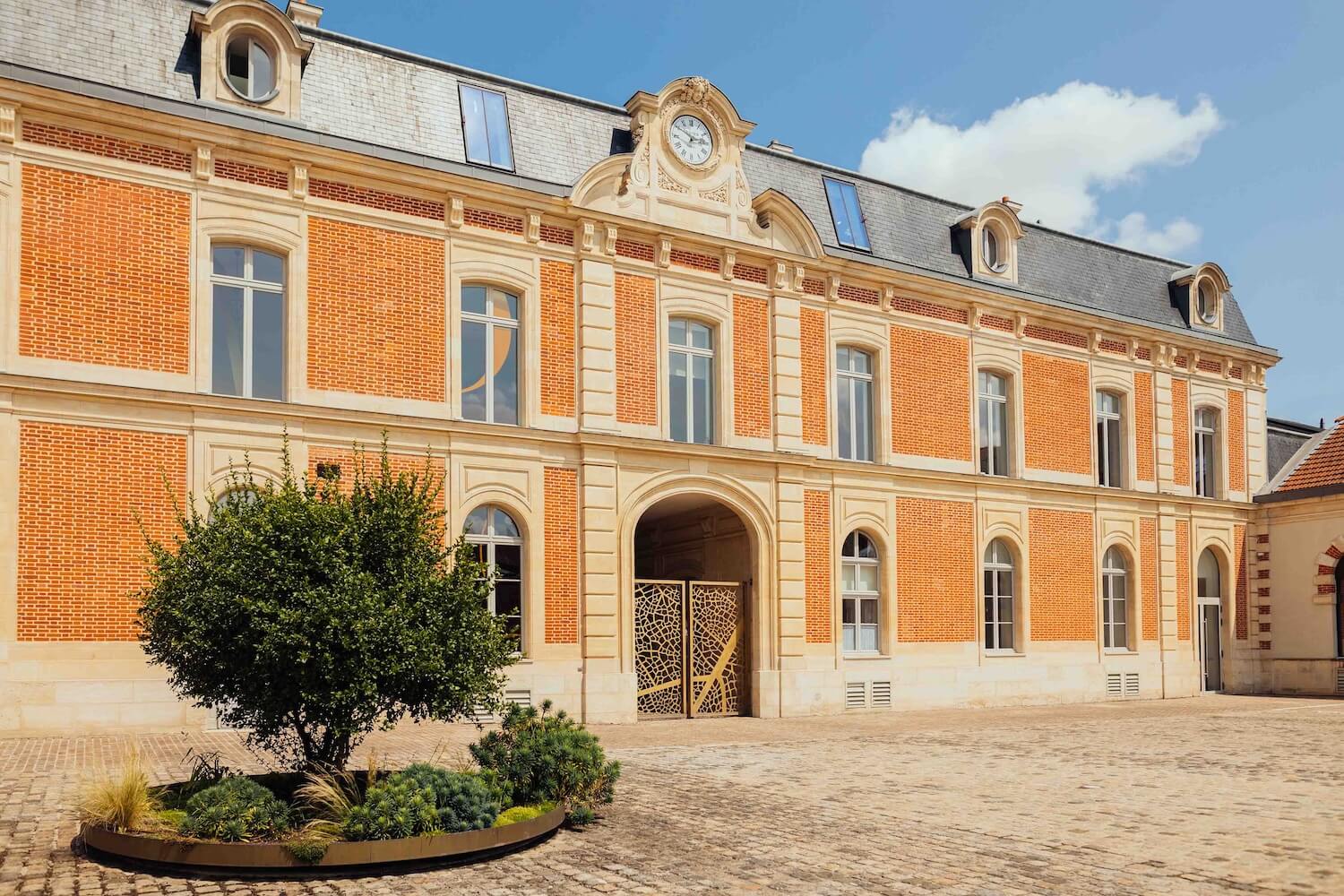
On Rue de Castiglione, a short walk from Place Vendôme, the entrance to Hotel Costes offers no dramatic signage or doorman theatrics. The address is known well enough not to need them. Inside, the courtyard restaurant operates as a kind of controlled theatre: red velvet banquettes, low-slung lighting, and a density of tables that keeps the room loud even when voices stay low. The aesthetic belongs to a specific moment in Paris hotel design from the 1990s, when Jacques Garcia's interiors defined the template for what dark, layered, historically-inflected luxury looked like. Decades later, that template has been widely imitated, but the original still occupies this address in the 1st arrondissement.
The scene here is not primarily about the food, and any honest account of Hotel Costes has to begin with that fact. The crowd is fashion-week adjacent year-round, heavy with editors, casting directors, and the kind of international travellers for whom the room itself constitutes the destination. That social function does not disqualify the kitchen; it simply establishes the correct frame. Paris has a long tradition of restaurants where the dining room is as much a stage as a place to eat, and Hotel Costes operates squarely within that tradition.
Where the Kitchen Fits in Paris Hotel Dining
Paris hotel restaurants in 2024 occupy a wider range than they did fifteen years ago. At one end, properties like Le Cinq at the Four Seasons Hôtel George V have built fully autonomous fine-dining reputations, with Michelin recognition and tasting menus that compete with destination restaurants rather than hotel dining rooms. At the other end, hotel restaurants function primarily as amenity spaces, with menus calibrated to a broad clientele rather than a specific culinary point of view.
Hotel Costes sits between those poles, closer to the brasserie-luxe register than to the Michelin-seeking tier occupied by Alléno Paris au Pavillon Ledoyen or Arpège. The menu covers classical French territory with a lightness of touch that suits a room where many diners are eating between appointments rather than treating dinner as the primary event of the evening. That positioning is a choice, not a limitation, and it reflects how the property has consistently read its audience.
For a more ingredient-driven counterpoint within the French hotel dining category, Le 1947 at Cheval Blanc in Courchevel represents the direction several luxury properties have moved toward: sourcing-led menus with named producers and seasonal specificity that anchors the kitchen in something other than general luxury positioning. The contrast is instructive. Hotel Costes has not moved in that direction, and that consistency is itself an editorial statement about what the property believes its dining room is for.
The French Restaurant Tradition Hotel Costes Represents
French gastronomy outside Paris has long operated on a sourcing logic that the capital's most social dining rooms have sometimes resisted. The traditions represented by Bras in Laguiole, Auberge du Vieux Puits in Fontjoncouse, or Auberge de l'Ill in Illhaeusern are rooted in specific terroirs, with menus that make geographic origin the organizing principle of the cooking. The same logic runs through Flocons de Sel in Megève and Troisgros in Ouches, where the kitchen's relationship to its immediate landscape defines what lands on the plate.
Paris restaurants have historically had a more complicated relationship with that terroir-first model. The city aggregates supply from across France, which gives its kitchens access to everything and a specific relationship to nothing. The most serious Paris addresses, including L'Ambroisie and Kei, have navigated this by building direct relationships with named producers, essentially recreating the terroir logic in an urban context. Hotel Costes, true to its positioning, does not advertise that kind of procurement narrative. The menu reads as confident French brasserie cooking rather than sourcing-first gastronomy.
That is not a criticism. Paris has always needed rooms where you can eat well without the meal becoming a seminar on French agricultural geography. The question, for a reader deciding where to book, is whether the room and the occasion match the register of the food, and at Hotel Costes they do.
Planning a Visit
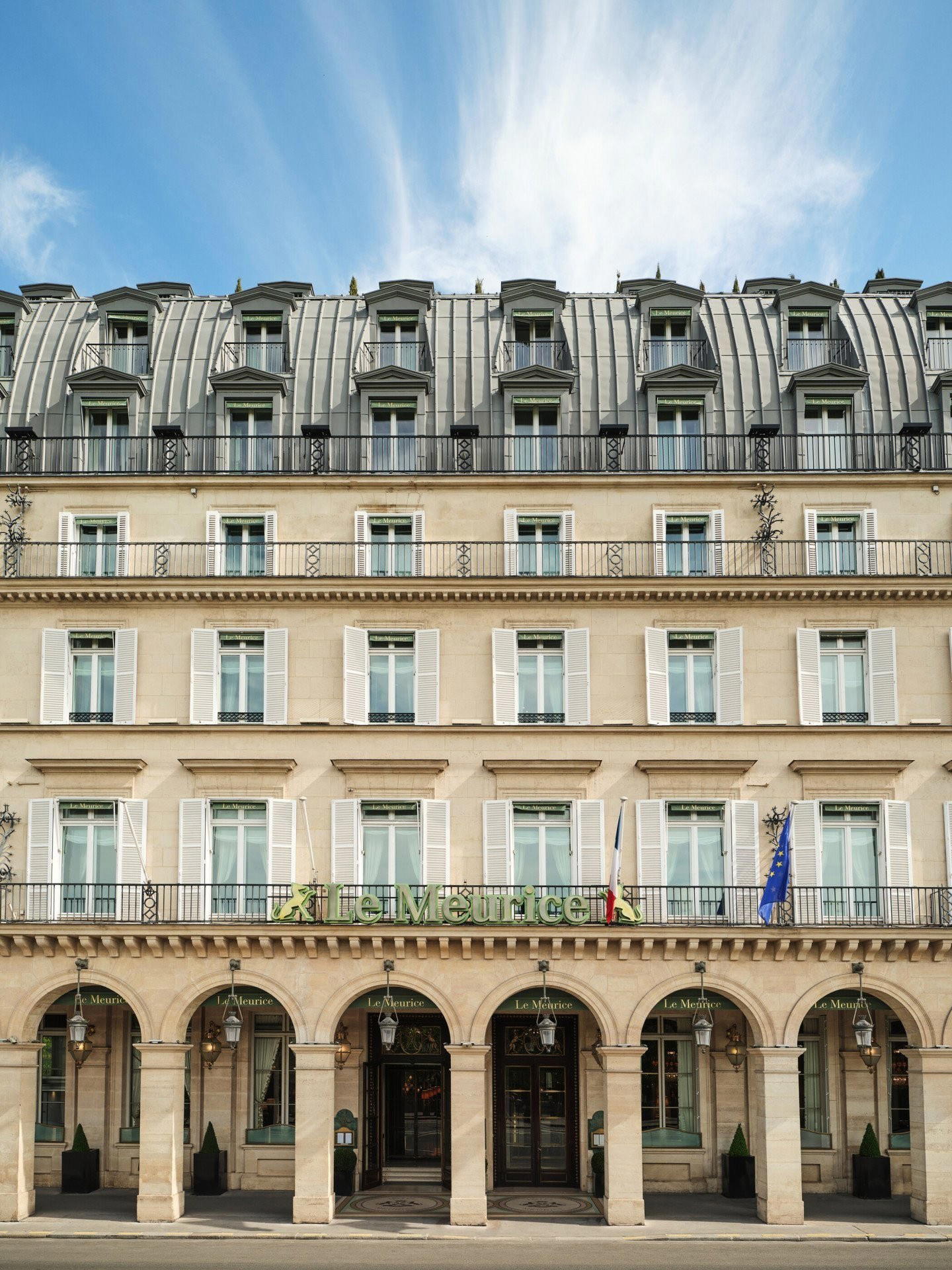
The hotel sits at 7 Rue de Castiglione in the 1st arrondissement, a short walk from the Tuileries Garden and Place Vendôme, making it convenient for guests staying in the Rive Droite luxury corridor. The restaurant is accessible to non-hotel guests, though during fashion weeks and major Paris events the room fills early and stays full late. Those visiting for the atmosphere rather than a quiet meal will find the peak evening service, roughly 8pm to 10pm, gives the room its full character. Lunch draws a lighter crowd and a less charged atmosphere, which suits certain purposes better than others. For context on the wider Paris dining scene, our full Paris restaurants guide covers the range from brasserie through three-star, with entries across all arrondissements.
For comparison points across French cooking more broadly, Paul Bocuse's Auberge du Pont de Collonges, Georges Blanc in Vonnas, and La Table du Castellet each represent different regional expressions of classical French cooking, none of which overlap with what Hotel Costes does. For international reference points where the room and the food carry roughly equal weight, Le Bernardin in New York and Lazy Bear in San Francisco show how differently the balance can be struck in other cities and formats. Mirazur in Menton represents the opposite end of the sourcing spectrum, where garden-to-plate logic governs every element of the menu.
Frequently asked questions
Is hotel costes a family-friendly restaurant?
Hotel Costes on Rue de Castiglione skews toward an older, fashion-conscious crowd drawn to the 1st arrondissement's proximity to Place Vendôme. The dim lighting, late-running service, and social atmosphere make it a better fit for adults. Families with young children would find the pacing and room energy mismatched with a casual meal.
What's the overall feel of hotel costes?
The dining room operates at a low hum of deliberate theatrics: dark interiors, a courtyard that draws Paris's fashion and media set, and service pitched at style over efficiency. It sits in the 1st arrondissement, steps from Place Vendôme, which shapes both the clientele and the room's self-awareness. This is a venue where being seen and the act of dining carry equal weight.
Is Hotel Costes worth visiting for dinner if you're not a hotel guest in Paris?
Hotel Costes at 7 Rue de Castiglione draws non-guests regularly, particularly during Paris fashion weeks when the courtyard becomes one of the more reliably attended dining rooms in the 1st arrondissement. The experience is weighted toward the room and the crowd rather than destination cooking, so visitors whose priority is the kitchen alone may find other Paris addresses more focused. For those interested in a Parisian hotel dining room where the social dynamic is part of the proposition, it remains a consistent reference point.
What's the must-try dish at hotel costes?
For dish-level specifics, checking directly with the hotel at 7 Rue de Castiglione before your visit is the most reliable approach.
What's the address for hotel costes?
hotel costes is located at 7 Rue de Castiglione, 75001 Paris, France, Paris.
How hard is it to get a table at hotel costes?
Securing a table depends heavily on timing and whether you are staying at the hotel, which carries an implicit advantage. The restaurant's position in the 1st arrondissement, near Place Vendôme and the Tuileries Garden, keeps demand consistent year-round, particularly during fashion weeks. Walk-ins at peak hours are generally unreliable; a reservation made in advance is the standard approach.
What's hotel costes best at?
Hotel Costes earns its place in Paris not on kitchen credentials alone but on the coherence of the total room experience: the courtyard setting, the crowd it reliably attracts, and the sense that the 1st arrondissement address is fully understood and deployed. For a hotel restaurant in Paris, the atmosphere has remained more consistent than many peers that have cycled through chef changes and rebrands over the same period.
Quick Comparison
| Venue | Cuisine | Price | Awards | Notes |
|---|---|---|---|---|
| hotel costesThis venue (the venue you are viewing) | French Fine Dining | $100–150 | Not listed | Not listed |
| Plénitude | Modern French Sauce-Led Fine Dining | $300–500 | 3 Michelin Stars · World's 50 Best #14 | Contemporary French |
| Pierre Gagnaire | Avant-Garde French Fine Dining | $200–300 | 3 Michelin Stars · World's 50 Best #17 | French, Creative |
| Alléno Paris au Pavillon Ledoyen | Modern French Fine Dining | $150–200 | 3 Michelin Stars · World's 50 Best #79 | Creative |
| Kei | Modern French with Japanese Influences | $300–500 | 3 Michelin Stars · World's 50 Best #93 | Contemporary French, Modern Cuisine |
| Le Cinq - Four Seasons Hôtel George V | Modern French Fine Dining | $300–500 | 3 Michelin Stars · World's 50 Best #24 | French, Modern Cuisine |
Continue exploring
More in Paris
Restaurants in Paris
All restaurants in Paris →
Bars in Paris
All bars in Paris →



Details
- Elegant
- Sophisticated
- Well Known
- Trendy
- Date Night
- Special Occasion
- Business Dinner
- Hotel Restaurant
- Design Destination
- Craft Cocktails
- Street Scene
- A La Carte
- Cocktails
- Wine
- Vegetarian Friendly
Luxurious and refined, with a polished high-end atmosphere.