
Michelin Plate
Our verdict
Inside a restored 18th-century monastery in Casteggio, Hosteria La Cave Cantù holds a 2025 Michelin Plate for cooking that bridges the traditions of Oltrepò Pavese with occasional cross-cultural influences. The owner-chef's personalised menu and his Ecuadorian wife's wine list make this a serious but informal stop in one of Lombardy's lesser-visited wine corridors.

Pearl is the En Primeur Club membership app, where members save venues, book tables and use the concierge.
The menu
What to order
- Carnaroli with nettle shrimp and aioli
- Tiramisu
Monastery Walls, Oltrepò Pavese Roots
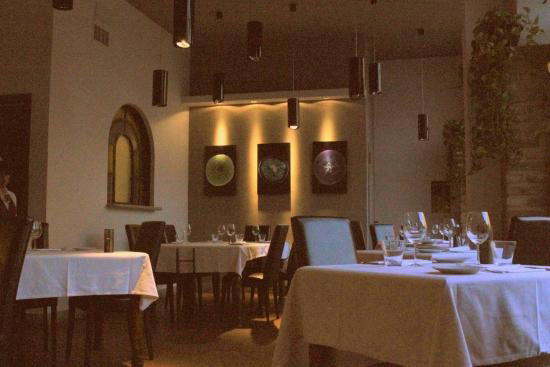
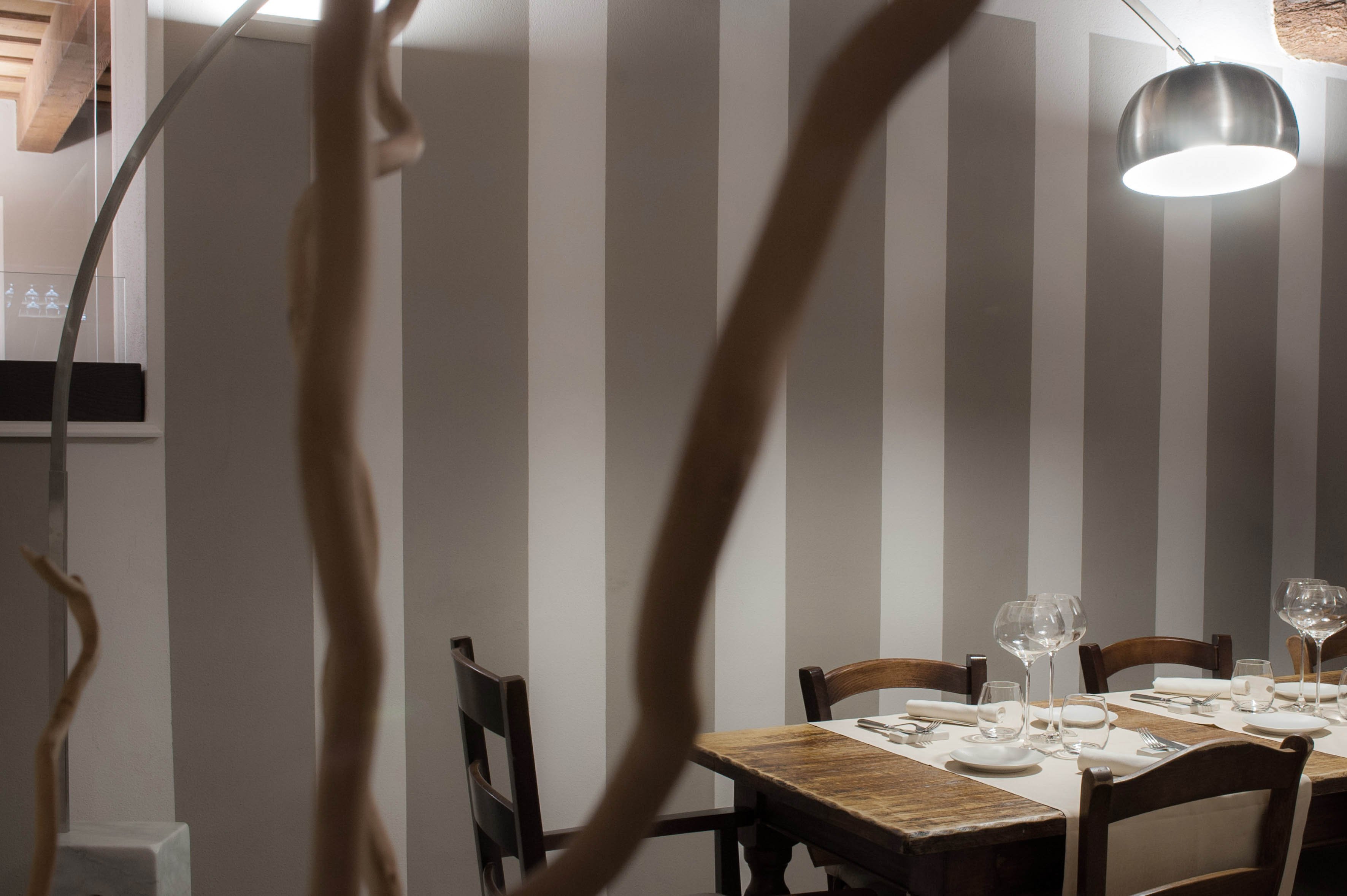
The approach to Hosteria La Cave Cantù sets the register immediately. The restaurant occupies part of an 18th-century Cantù monastery on Via Circonvallazione, a building that now serves triple duty as heritage site, museum, and library. Stone and aged timber frame the dining rooms in a way that no interior designer could fabricate convincingly; the patina is documentary, earned over centuries. An outdoor space extends the experience in warmer months, and a dedicated car park signals that the kitchen is drawing guests from beyond the immediate town.
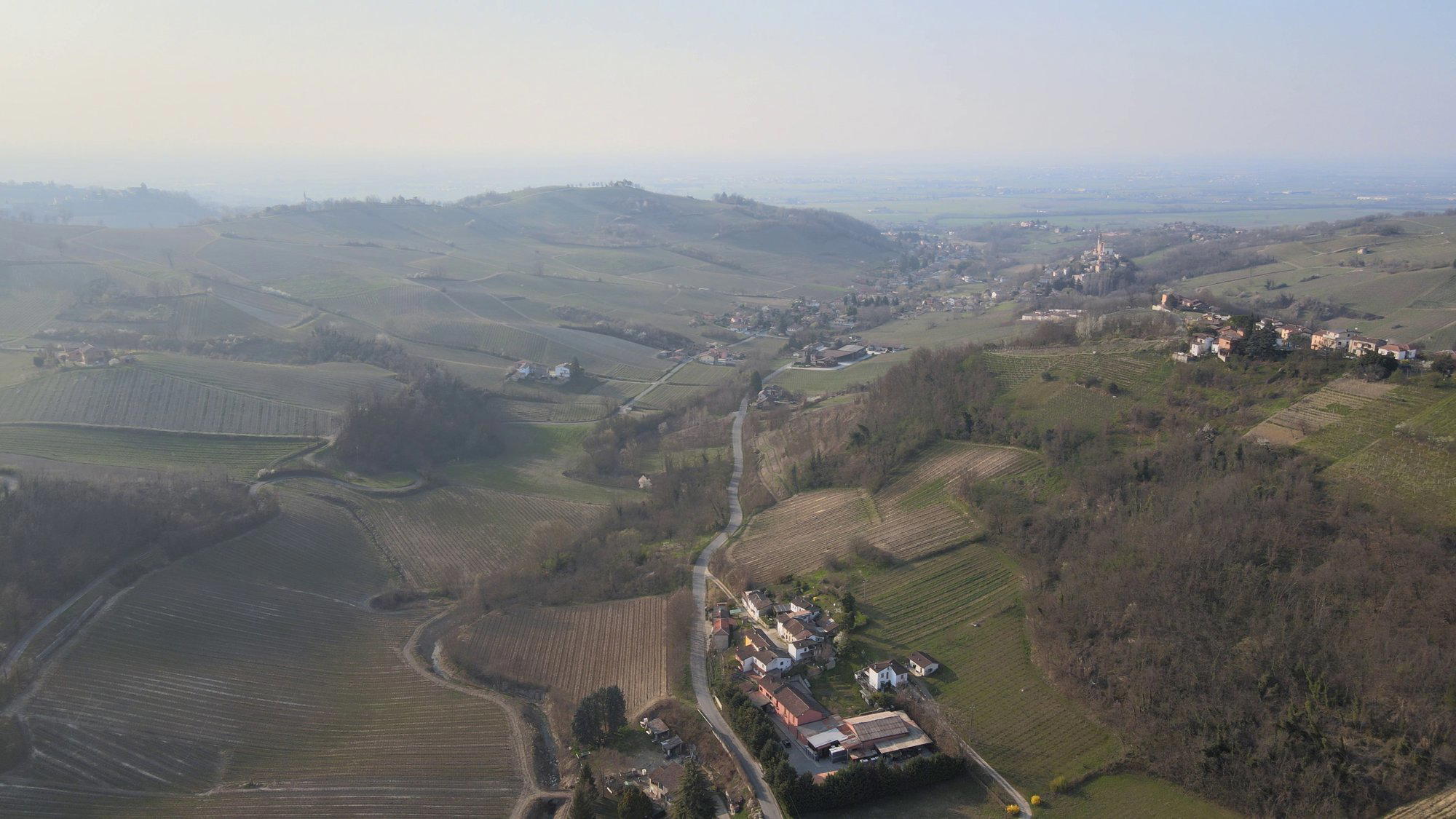
Casteggio sits in the Oltrepò Pavese, the wedge of Lombardy that dips south of the Po between Piedmont and Emilia-Romagna. The zone does not carry the international name recognition of the Langhe or Franciacorta, but it has sustained a wine and food culture of genuine depth. Its hillside vineyards produce Bonarda, Barbera, Riesling Italico, and a range of sparkling wines made by the traditional method, and the local trattoria tradition has always leaned toward generous, ingredient-forward cooking rather than studied minimalism. Hosteria La Cave Cantù operates within that tradition while adding a layer of ambition that earns it a position in a different conversation. For a fuller picture of where to eat across the area, see our full Casteggio restaurants guide.
What the Michelin Plate Actually Signals Here
Northern Italian fine dining has a recognisable architecture. Hosteria La Cave Cantù sits one tier down at €€€, which in this context means a restaurant doing serious work without the infrastructure overhead of the starred circuit.
The 2025 Michelin Plate is not a star, but it is a deliberate editorial signal from the Guide: the kitchen produces cooking that merits attention and meets a consistent technical standard. In Oltrepò Pavese, where Michelin rarely pauses, that recognition carries local weight. It places the restaurant in a regional cluster that includes kitchens committed to quality without positioning themselves as destination-dining propositions on the scale of Osteria Francescana in Modena or Piazza Duomo in Alba. The comparison is not to diminish; it is to locate.
The Cooking: Personal and Placed
The Oltrepò Pavese tradition defaults to earthiness: stuffed pastas, slow-braised meats, seasonal fungi, and the kind of cooking where the primary flavour comes from the ingredient rather than the technique. Hosteria La Cave Cantù works within that frame but does not stay wholly inside it. The owner-chef produces what Michelin describes as personalised cuisine with occasional exotic influence, the latter traceable to his wife's Ecuadorian background. She runs the front of house and oversees the wine list, which the Guide specifically commends.
Result, as the Michelin description notes, is colourful, generous, and attentive to presentation without tipping into the studied plating of creative-tasting-menu kitchens. This places it in a productive middle ground: the cooking reads as Lombard in its generosity and ingredient orientation but carries inflections that set it apart from the plainer trattoria register. For readers interested in how Italian regional kitchens translate internationally, it is worth noting how far the cuisine travels: 8½ Otto e Mezzo Bombana in Hong Kong and cenci in Kyoto each adapt Italian frameworks to very different local contexts, a reminder that the regional source material retains its identity under pressure.
The Wine Dimension
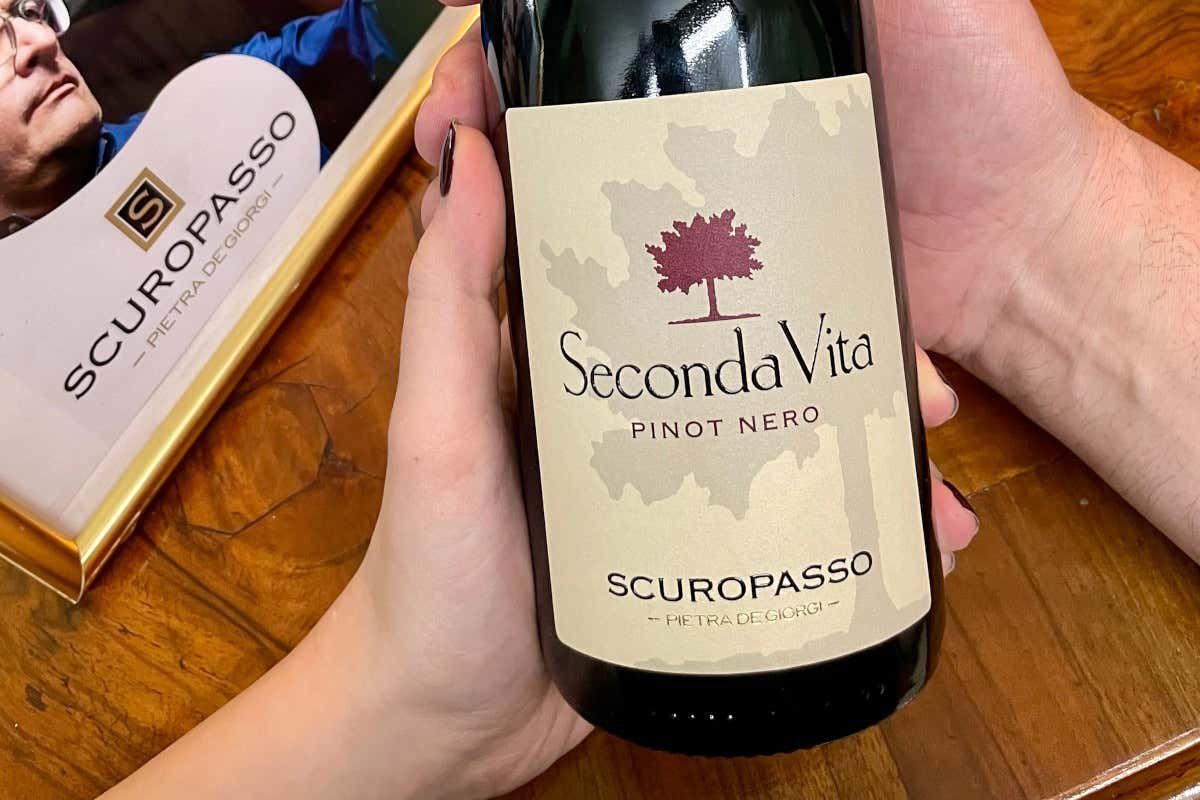
Oltrepò Pavese has a complicated wine reputation. Its output is large, its quality variable, and its public profile lower than the Piedmont appellations immediately to the west. But the zone produces wines of real character when growers and producers take it seriously: structured Bonarda with dark fruit and earthy grip, Barbera with good acid tension, and Pinot Nero that has historically supplied base wine for much of Italy's sparkling production. A restaurant with a serious wine programme in this zone has access to a regional cellar that most urban diners have never encountered.
Fact that the wine list is specifically called out by the Michelin inspectors, and that it is overseen by someone with both personal investment in the hospitality and cross-cultural perspective, suggests a list with range rather than a reflexive local-wines-only approach. For those arriving primarily as wine tourists, our full Casteggio wineries guide maps the production context around the town.
Setting and Atmosphere
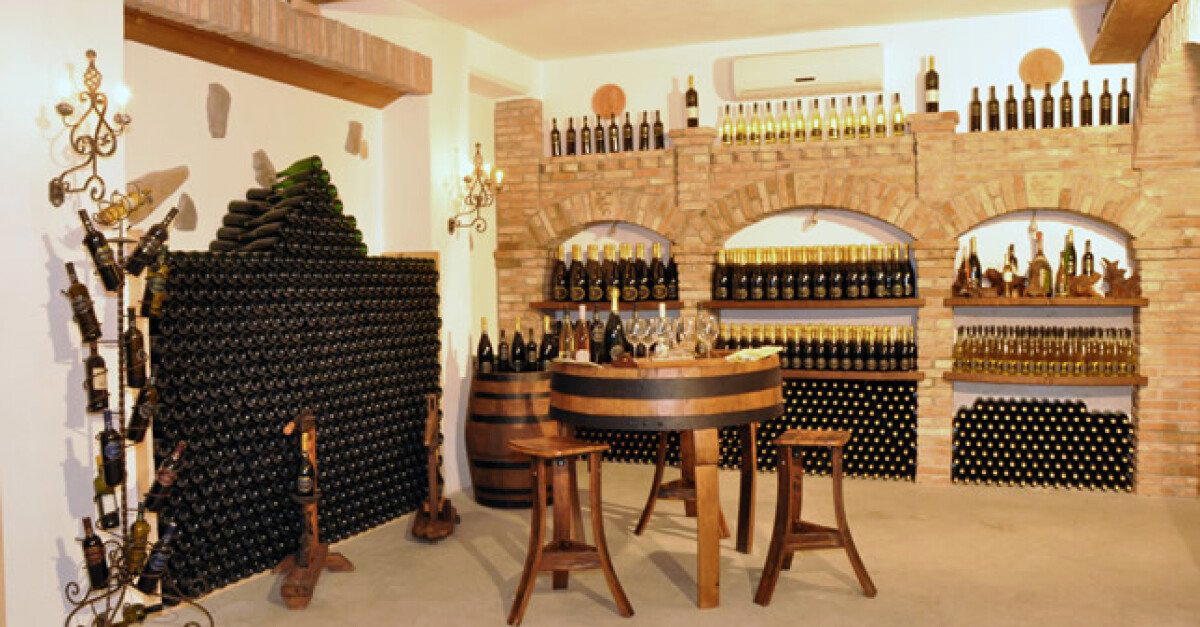
Italy's restaurant culture has a particular relationship with historic buildings. At the high end, venues such as Enoteca Pinchiorri in Florence and Casa Perbellini 12 Apostoli in Verona operate inside buildings whose age is part of the formal offer. Hosteria La Cave Cantù shares the structural circumstance but not the formal register. The monastery setting here is backdrop rather than scenography; Michelin notes a friendly ambience across the dining rooms and the wine cellar, which points toward a room that feels inhabited rather than curated for effect. The outdoor space adds a seasonal dimension that works particularly well during the temperate months of spring and early autumn in the Po Valley.
For context on where to stay nearby, our full Casteggio hotels guide covers the accommodation options in the area. Those building a broader itinerary around northern Italian cooking at this level might also consider Uliassi in Senigallia, Reale in Castel di Sangro, or Quattro Passi in Marina del Cantone In the Alpine north, Atelier Moessmer Norbert Niederkofler in Brunico represents the most rigorous iteration of locavore mountain cooking in Italy, a different tradition but useful for framing the spectrum.
Planning Your Visit
Frequently asked questions
What's the pricing like at Hosteria La Cave Cantù?
Pricing at Hosteria La Cave Cantù is listed as €€€.
How It Stacks Up
| Venue | Cuisine | Price | Awards | Notes |
|---|---|---|---|---|
| Hosteria La Cave CantùThis venue (the venue you are viewing) | Modern Italian Fine Dining | $50–100 | Michelin Plate | Not listed |
| Atelier Moessmer Norbert Niederkofler | Modern Alpine Fine Dining | $300–500 | 3 Michelin Stars · World's 50 Best #38 | Italian, Creative |
| Dal Pescatore | Classic Italian Fine Dining | $200–300 | 3 Michelin Stars · World's 50 Best #38 | Italian, Italian Contemporary |
| Enoteca Pinchiorri | Contemporary Italian Fine Dining | $200–300 | 3 Michelin Stars · World's 50 Best #32 | Italian - French, Italian Contemporary |
| Enrico Bartolini | Modern Italian Fine Dining | $300–500 | 3 Michelin Stars · World's 50 Best #85 | Creative |
| Osteria Francescana | Avant-Garde Italian Contemporary | $300–500 | 3 Michelin Stars · World's 50 Best #1 | Progressive Italian, Creative |
Recognition history
Dated appearances from independent guides and award organizations, with the underlying list record or original source where available.
Michelin Plate
Michelin
Full recognition history (3 entries)
Michelin Plate
Michelin
Michelin Plate
Michelin
Continue exploring
More in Casteggio
Restaurants in Casteggio
All restaurants in Casteggio →
Bars in Casteggio
Browse all →

Hosteria La Cave Cantù
The wine
- Wine program
- Deep wine list
- Extensive wine list
Details
- Elegant
- Rustic
- Intimate
- Cozy
- Date Night
- Special Occasion
- Business Dinner
- Historic Building
- Wine Cellar
- Private Dining
- Extensive Wine List
- A La Carte
- Wine
- Vegetarian Friendly
- Vegan Options
Current opening hours
- Monday
- Closed
- Tuesday
- Closed
- Wednesday
- Closed
- Thursday
- Closed
- Friday
- Closed
- Saturday
- 7:45–10:30 PM
- Sunday
- Closed
Hours can change for holidays and private events. Hours as of .
Friendly ambience in dining rooms and wine cellar with attractive outdoor space.