Ezio Poggio

Ezio Poggio gives Val Borbera a clear white-wine argument: Timorasso grown in the Piedmont Apennines, shaped by sustainable farming and a cellar program built around stainless steel, lees ageing, and patience before release. The appeal is not scale or spectacle, but a focused look at a grape that has helped redraw southeastern Piedmont’s identity beyond its better-known reds.
Pearl is the En Primeur Club membership app — saves, bookings, and concierge access live there. Same editors, same standards.
- Address
- Vignole Borbera, Alessandria, Italien
- Directions
- Get directions
 Saves & bookings on Pearl
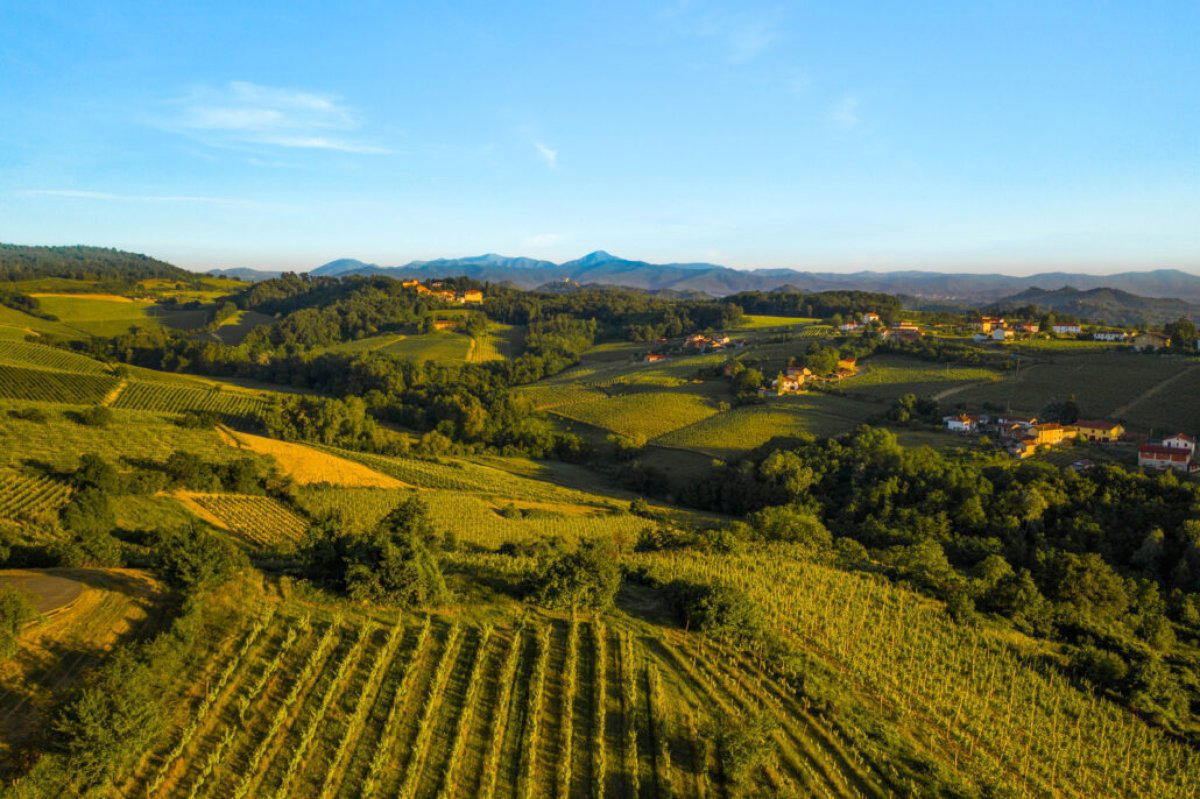
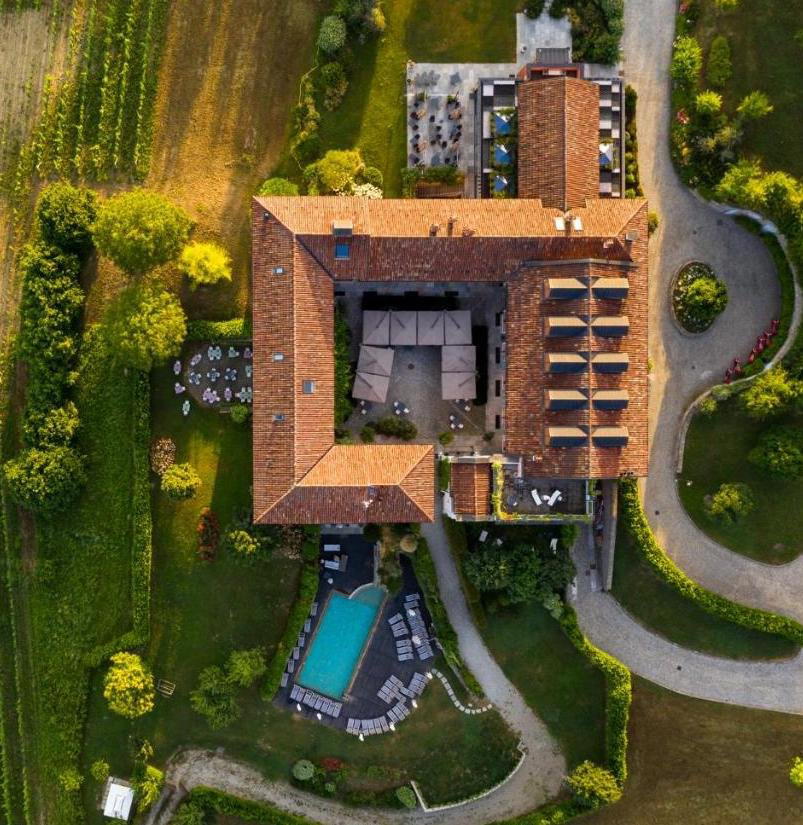
The approach to Vignole Borbera sets a quiet frame for Ezio Poggio. The picture is not of a large, highly programmed destination, but of a small family winery in the Val Borbera Apennine hills. Its appeal is rural and restrained: a scenic, intimate address where the focus is the rediscovery of Timorasso, the historic grape that gives the estate its clearest identity.
What can be stated with confidence is that the winery is associated with respectful, low-intervention viticulture and with a quiet hill-country atmosphere. The useful editorial read is therefore simple: Ezio Poggio is best approached as a hidden-gem Val Borbera winery for people interested in Timorasso and a rural family-estate setting.
Val Borbera Timorasso, read through place and restraint
Piedmont is often discussed through its famous red-wine traditions, but Ezio Poggio’s identity points in another direction: Timorasso. It is the confirmed center of the estate’s story, tied to the rediscovery of a historic local variety and to a quieter part of the region’s wine landscape.
Val Borbera gives that story a specific atmosphere. The setting is rural, scenic, and tucked into the Apennine hills around Vignole Borbera. That does not require unsupported claims about exact vineyard practices, wine names, cellar techniques, or tasting notes. The grounded point is that winery’s identity is place-led: a small family winery using Timorasso as the lens through which visitors can understand this corner of southeastern Piedmont.
The phrase “low-intervention” is most useful here when kept modest. It should not be expanded into claims about certification, farming conversions, cellar equipment, fining choices, or specific production methods. In the confirmed record, it means that the estate’s public character is respectful and restrained, with viticulture presented as part of the rural Val Borbera environment rather than as a high-gloss hospitality concept.
A small estate format with a quiet rural character
The winery’s strongest hospitality signal is its scale. It is described as a small family winery with a classic, intimate feel. That makes it different from a venue built around spectacle, nightlife, or elaborate service claims. The draw is the combination of Timorasso, family-estate atmosphere, and the slower rhythm of the Val Borbera hills.
For visitors, that means expectations should stay grounded. Those details may matter when planning, but they should be confirmed directly with the winery rather than assumed from a guide page.
That kind of venue rewards a different mindset from a checklist-driven tasting crawl. The better reason to choose the winery is not because of an asserted award, a ranked score, a named cuvée, or a long list of services. It is because the estate represents a small-scale Val Borbera expression of Timorasso and low-intervention viticulture. The appeal is narrow in the clearest sense: specific, rural, and rooted in one historic grape.
How to place it in a Vignole Borbera wine itinerary
The winery works well for travelers who want Vignole Borbera to be more than a passing stop. It is a strong fit for an itinerary shaped around the Val Borbera Apennine hills, the rediscovery of Timorasso, and a quieter rural wine experience. The confirmed price level is $$, which places it in a moderate bracket without supporting any more precise claim about tasting fees, bottles, or visit costs.
For trip planning around the area, use Vignole Borbera as the anchor and keep the rest flexible. Other dining in Vignole Borbera can be considered generically around a winery visit, but no specific peer venue should be treated as a comparison here. The winery is the only named venue needed because the page’s strongest evidence is about its own setting and wine focus rather than a broader ranked scene.
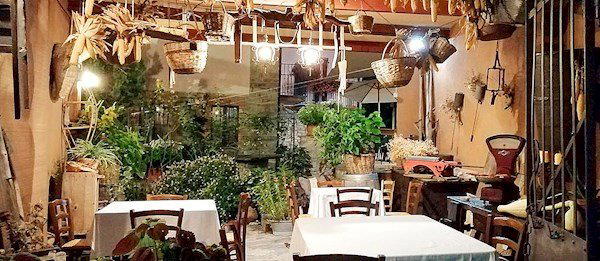
The critical read is simple: choose the winery for Timorasso in context. Visitors looking for a loud, urban, highly polished venue may be chasing the wrong signal. The reward here is quieter and more specific: a small family winery in the Val Borbera Apennine hills, with a rustic and intimate atmosphere, a hidden-gem feel, and a focus on respectful, low-intervention viticulture around a historic grape.
Recognition history
Dated appearances from independent guides and award organizations, with the underlying list record or original source where available.
Falstaff Winery - Listed
Falstaff
Continue exploring
More in Vignole Borbera
Wineries in Vignole Borbera
Browse all →

Bars in Vignole Borbera
Browse all →
Restaurants in Vignole Borbera
Browse all →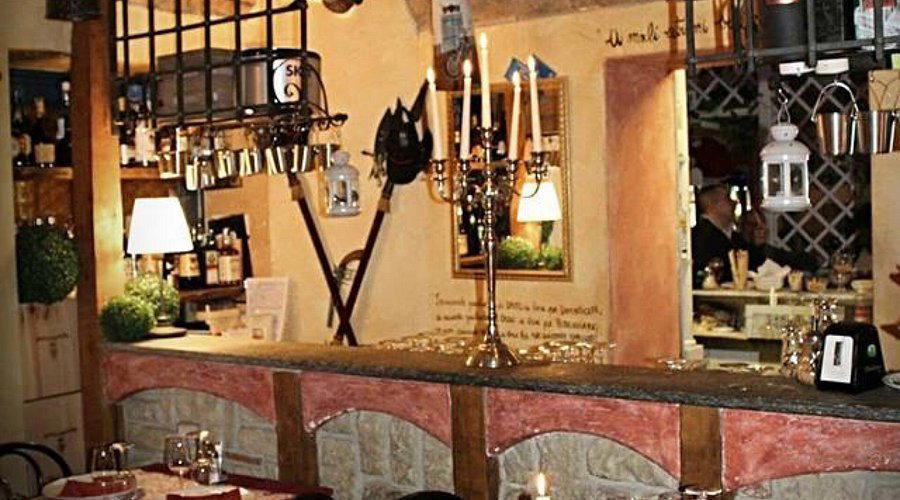

At a Glance
- Rustic
- Scenic
- Classic
- Intimate
- Wine Education
- Solo Exploration
- Group Outing
- Romantic Getaway
- Vineyard Tour
- Estate Grounds
- Private Tasting
- Sustainable
- Vineyard
- Mountain
- Colli Tortonesi DOC / Terre Di Libarna (piedmont)
- Timorasso
- Barbera
- Dolcetto
- Croatina
- Still White
- Still Red
- Sparkling
- Guided Tasting
- Private Appointment
- Cellar Tour
Small family winery in the Val Borbera Apennine hills with a quiet, rural atmosphere focused on the rediscovery of the historic Timorasso grape and respectful, low‑intervention viticulture.