The Building as Context
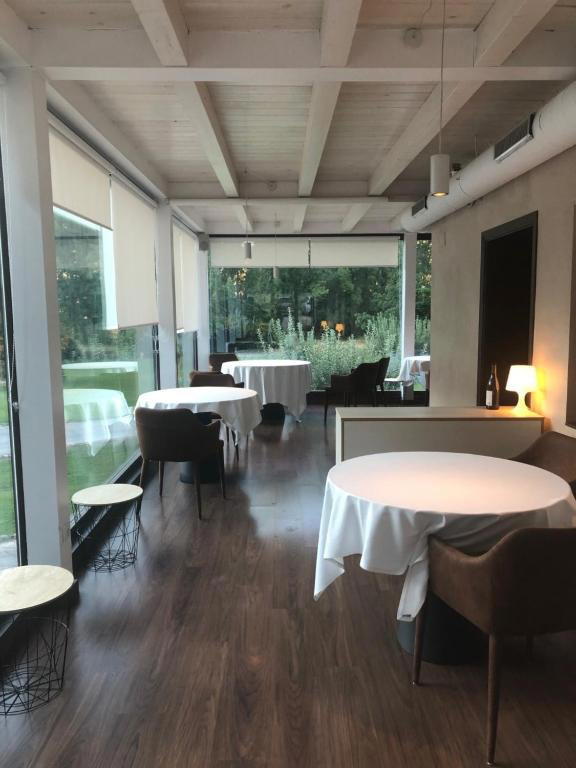
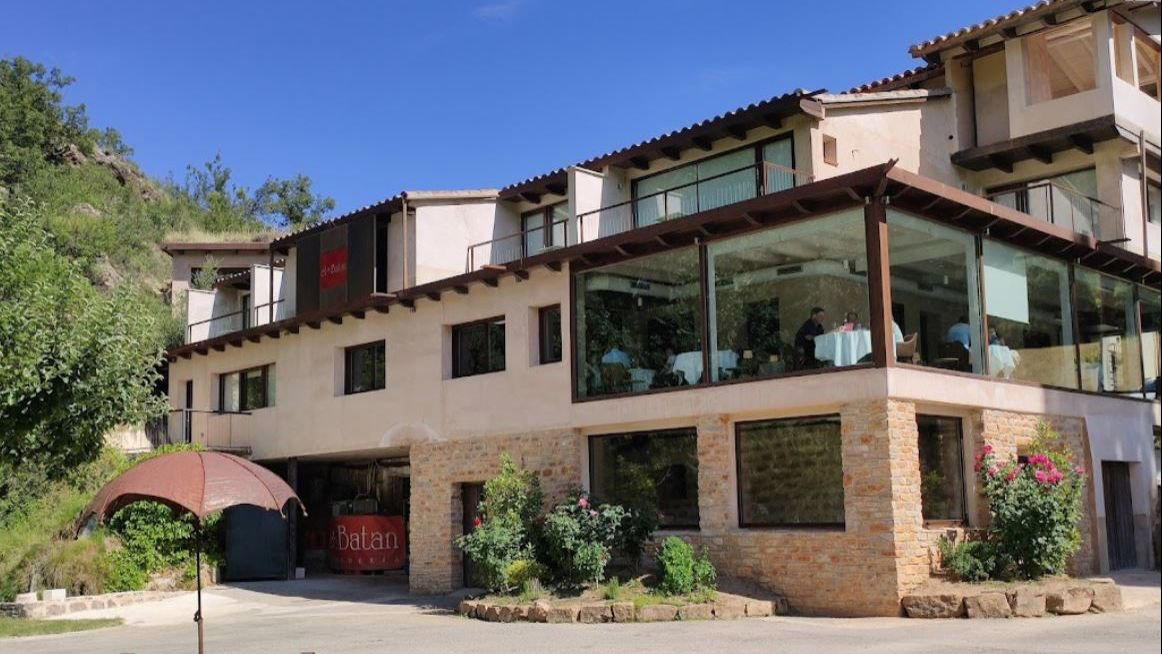
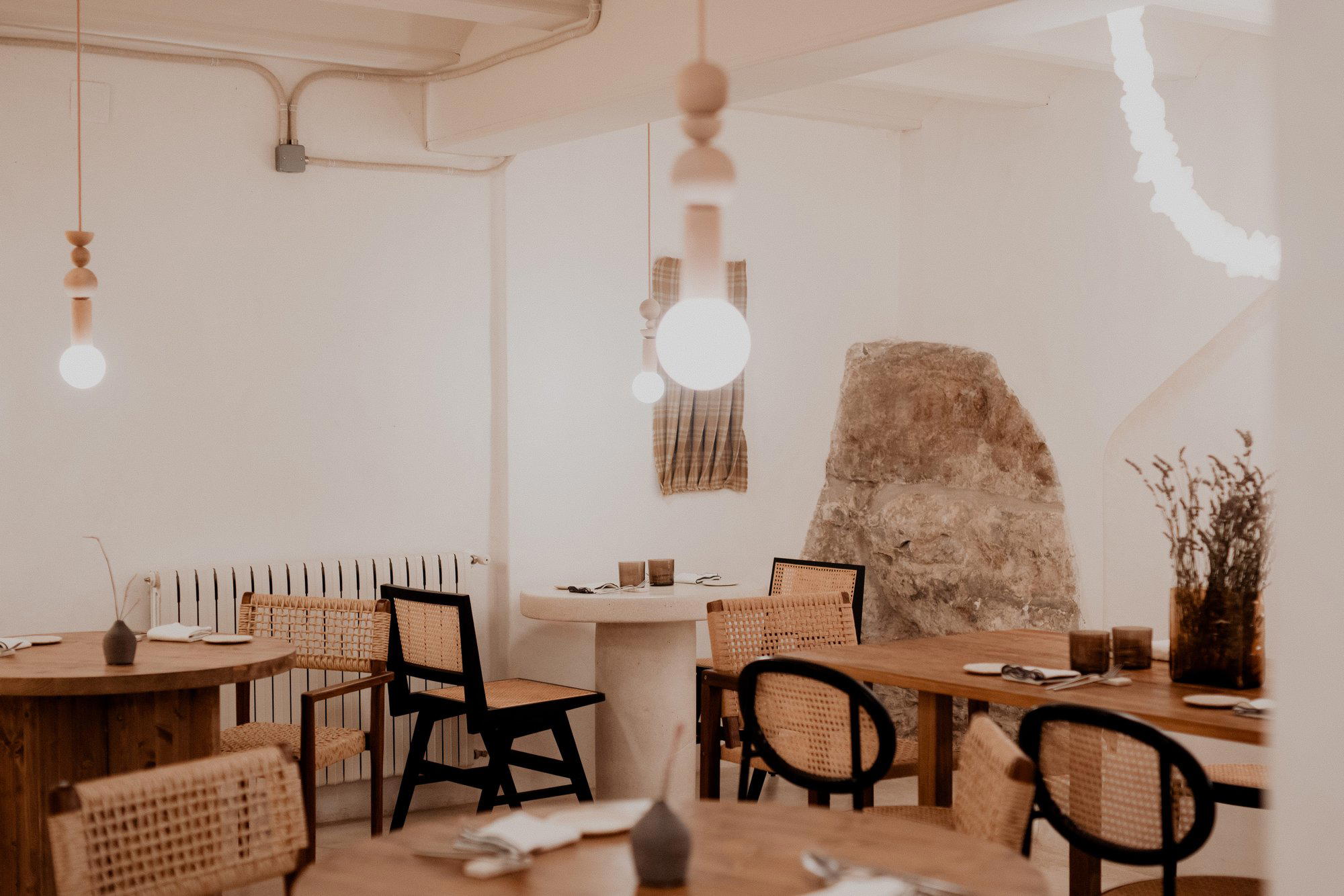
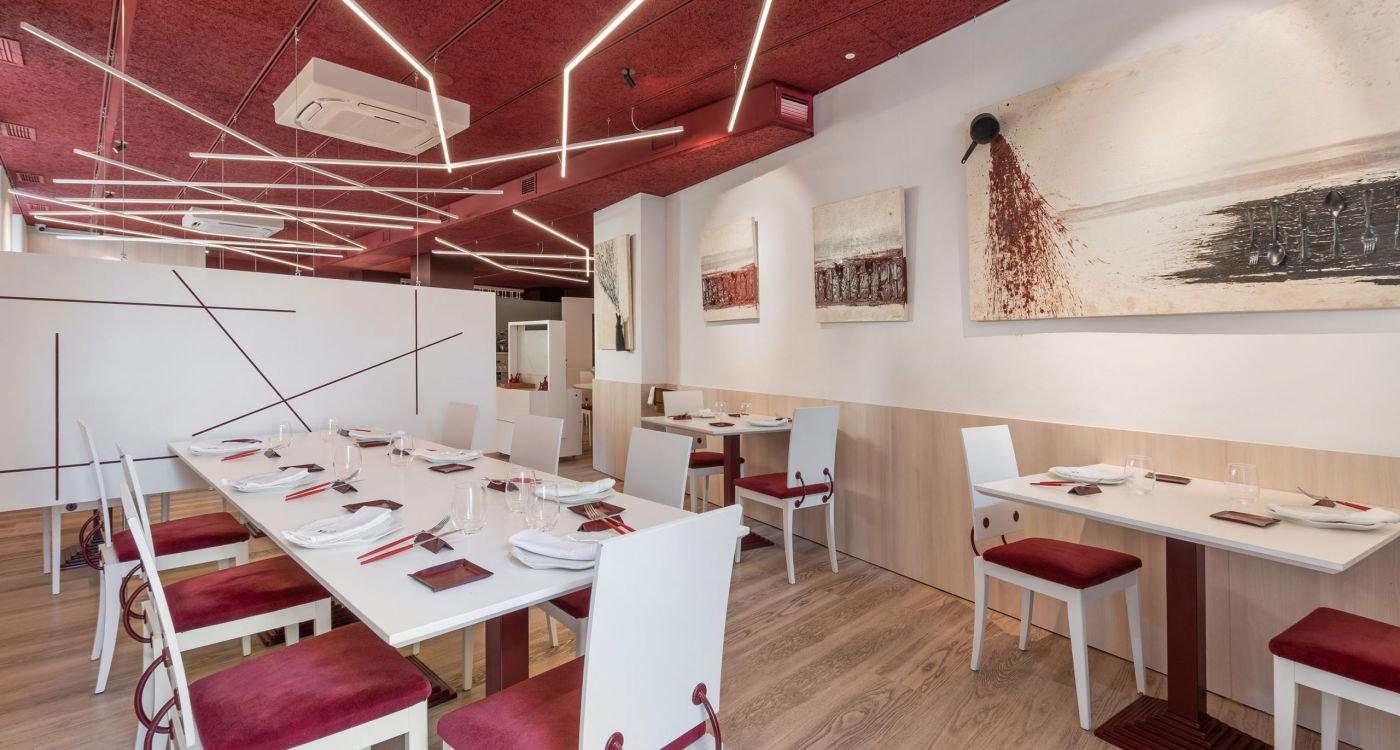
The former wool factory preserves its original structure, and the dining room reads as an extension of the landscape outside rather than a break from it. Regional rustic furnishings, stone walls, and windows positioned to draw in countryside views across the Guadalaviar frame a room with seating for just 18 guests. That capacity is not incidental: at 18 covers, the kitchen operates at a scale that makes close attention to each plate structurally possible, not just aspirational. The sound of the river and the presence of waterfalls on the property pull the outside world into the experience in a way that a city restaurant cannot replicate.
The property also offers guestrooms alongside a second, more casual restaurant called Alba del Sur, giving the option to arrive the evening before and leave the following morning, which is the sensible approach given that Tramacastilla sits at altitude in a landscape that rewards time rather than a rushed visit. For those planning a wider stay in the region, our full Tramacastilla de Tena hotels guide covers the broader accommodation picture.
Cooking From the Territory
In the broader context of Spanish fine dining, ingredient sourcing has become a central organising principle at the top tier. The three-star houses, from Azurmendi in Larrabetzu to Quique Dacosta in Dénia, have each built a sourcing identity around their specific geography. The approach at El Batán belongs to that same logic, scaled down to a single province. Teruel is a territory that Spanish gastronomes know primarily through its cured ham, but the broader larder of the Sierra de Albarracín, its forests, rivers, market gardens, and meadows, is considerably wider than that single product suggests.
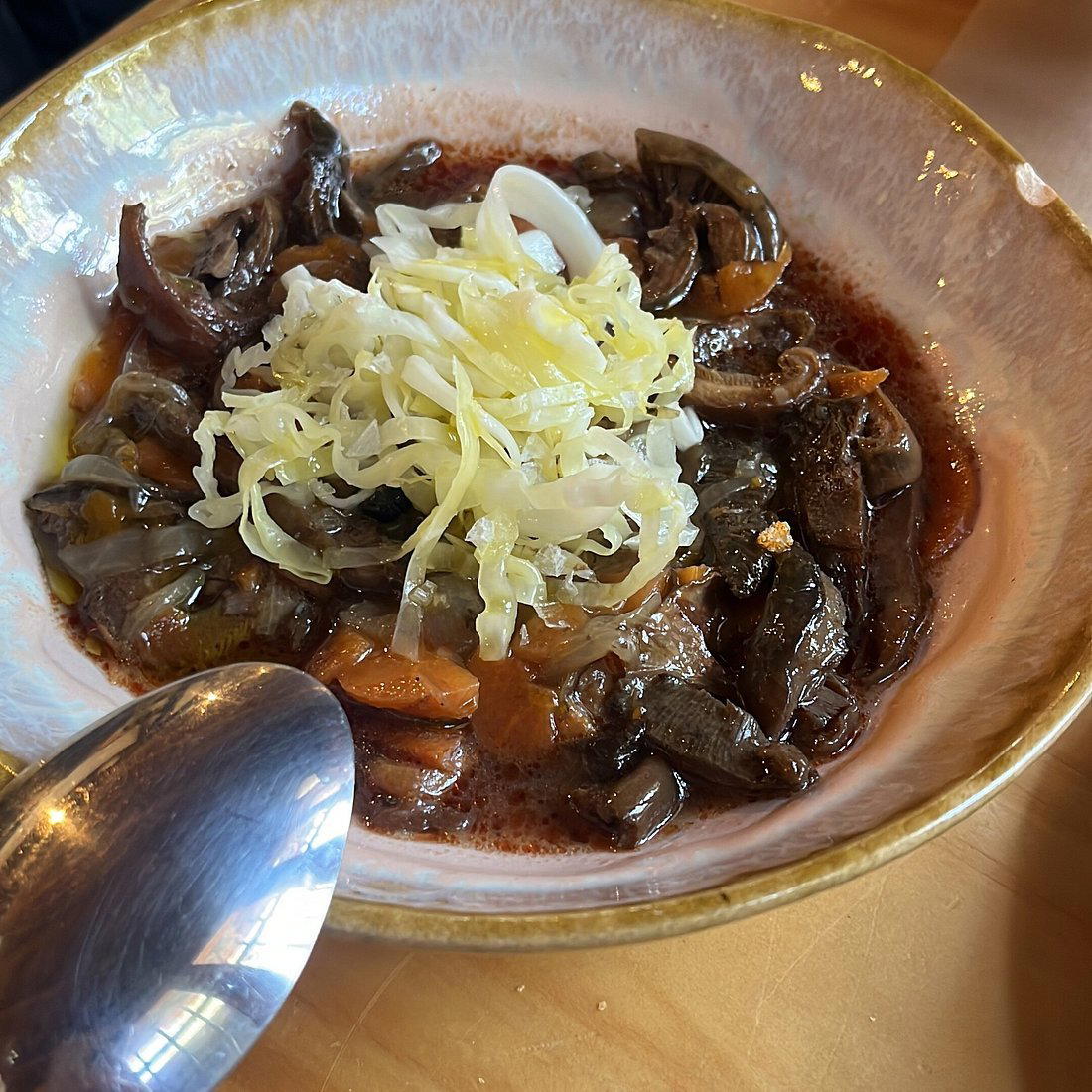
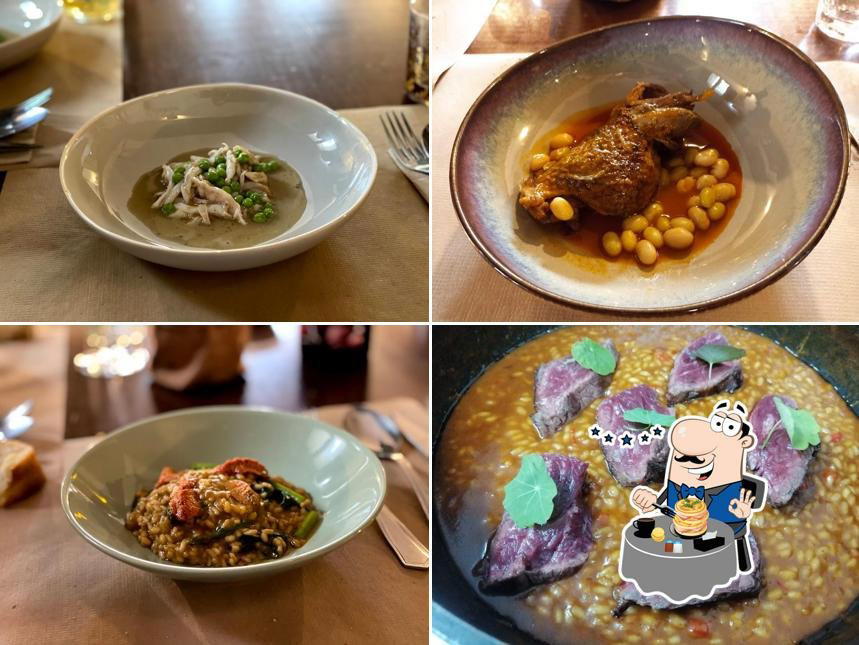
The Tierra tasting menu makes the sourcing argument explicit. Truffles from the surrounding woodland, trout from the Guadalaviar, vegetables from local garden plots, and wild ingredients from the meadows above the valley form the core material. This is not generic farm-to-table positioning. The truffle connection is particularly concrete: the province of Teruel is one of Spain's most significant black truffle producing zones, with harvests from the Gúdar-Javalambre and Albarracín massifs representing a substantial share of national production. A kitchen at this altitude, drawing directly from those forests, has access to that ingredient at a proximity and freshness that urban restaurants cannot match regardless of budget.
Chef María José Meda arrived at this territory through her own path rather than a conventional brigade lineage, and the Michelin assessment describes her approach as contemporary with a creative touch, departing from the standard regional cooking that dominates the area's more traditional tables. At 18 seats, that departure is legible in a way it could not be at higher capacity: the tasting menu format allows each course to carry the sourcing argument forward without compromise to throughput.
Where El Batán Sits in the Spanish Fine Dining Map
Spain's Michelin-starred restaurant count has expanded considerably over the past decade, and the distribution of those stars has shifted. The Basque Country and Catalonia remain the densest clusters, with addresses like Martin Berasategui in Lasarte-Oria and Cocina Hermanos Torres in Barcelona anchoring well-established circuits. Madrid, through addresses like DiverXO, and the Atlantic south, through Aponiente in El Puerto de Santa María, complete the main map for international visitors planning a Spain restaurant itinerary.
Aragón sits outside those established circuits. The 2024 recognition does not just validate El Batán in isolation: it marks Teruel's Sierra de Albarracín as territory worth routing through, which is a different kind of endorsement. For an international visitor building a Spain trip around restaurants, El Batán represents the case for a diversion into less-travelled Spain, at a price point that makes the decision easier than it would be if it required €€€€ spend in addition to the logistics.
For comparison further afield, Ricard Camarena in València offers another example of the region-specific, ingredient-led approach at a different scale, and Valencia's proximity to southern Aragón makes a combined itinerary geographically coherent. For international context on what contemporary fine dining looks like at similar ambition levels, Frantzén in Stockholm and FZN by Björn Frantzén in Dubai offer useful points of comparison, though their urban, high-capacity formats represent a very different operating model.
The Local Dining Picture
El Batán does not operate in isolation from the village's dining scene, though Tramacastilla is small enough that the options are limited. Lavedán offers regional cuisine as a counterpoint to El Batán's more contemporary approach, and the presence of both restaurants in a village of this scale reflects how the Sierra de Albarracín has developed a degree of food tourism infrastructure around its landscape and protected designation products. For a complete picture of eating and drinking in the area, our full Tramacastilla de Tena restaurants guide covers the range. Those planning a broader visit will find useful orientation in our Tramacastilla de Tena bars guide, our wineries guide, and our experiences guide for the area.
Planning the Visit
El Batán operates Wednesday through Sunday, closing on Monday and Tuesday. Lunch service runs 1:30 PM to 3:00 PM; dinner service runs 9:00 PM to 10:00 PM. The tight service windows at both meal periods reflect the limited cover count and the format's attention to pacing. Tramacastilla de Tena is accessible by road via the A-1512 through the Guadalaviar valley, with Teruel city (the provincial capital) to the south providing the nearest significant transport connection. The drive through the Sierra de Albarracín is the proper start to the experience: the landscape context is inseparable from what arrives on the plate. Given the single sitting per service and the 18-seat capacity, advance booking is advisable, particularly for weekend evenings and during truffle season in winter and early spring, when the Tierra menu is at its most material-specific.