

Michelin Plate · Macarfi 7.5 Food Rating
Our verdict
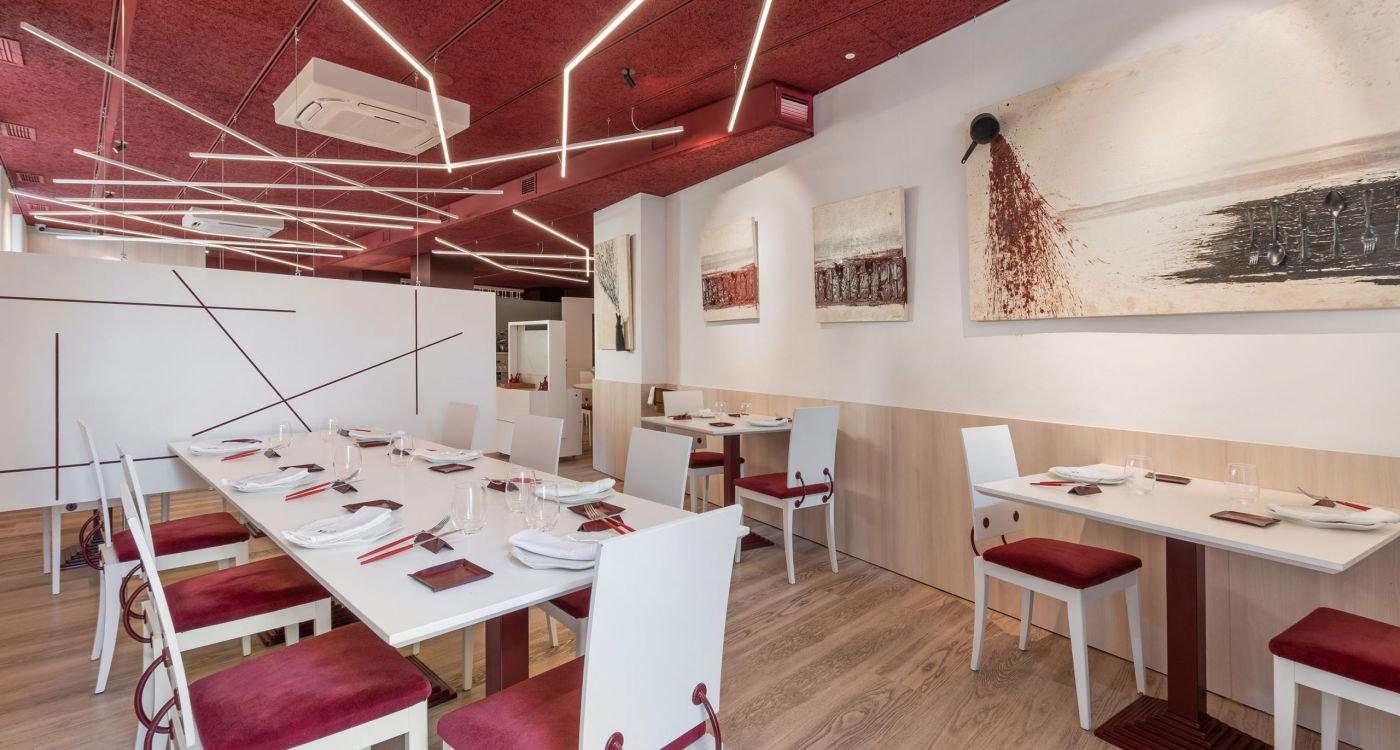
On a pedestrian street in Teruel's medieval old quarter, Método builds its menus around two deliberately chosen ingredients, beef and tuna, sourced from selected suppliers and treated with the kind of precision the Michelin Plate recognition (2024 and 2025) confirms.

Pearl is the En Primeur Club membership app, where members save venues, book tables and use the concierge.
The menu
What to order
- Menú de Degustación
- Menú Temático de Atún
- Tuna
- Pig’s ears
The contemporary format in a setting this historic is a well-worn Spanish restaurant move, but Método applies it with a discipline that separates it from the usual old-town bistro register. Where many restaurants in similar locations spread their menus wide to capture passing trade, Método has done the opposite: it has narrowed down to two anchor ingredients and built its identity around sourcing and presentation rather than breadth.
The Sourcing Argument: Beef and Tuna as Editorial Choices
The decision to frame a restaurant around beef and tuna, and to hold that focus across extensive menus, reflects a particular moment in Spanish contemporary dining. Ingredient-led restaurants across the country, from Ángel León's work at Aponiente in El Puerto de Santa María to the produce obsession that runs through Ricard Camarena's operation in València, have demonstrated that a clearly argued sourcing position can carry a menu's intellectual weight as effectively as technical pyrotechnics. Método applies a version of that logic at a different price point and in a very different city.
Beef and tuna are not arbitrary choices. At Método, suppliers are described as carefully selected, which in this context implies direct relationships and traceability, the minimum conditions for making an ingredient-first claim hold up on the plate.
The emphasis on meticulous presentation alongside sourcing integrity is the other half of the argument. Presentation-focused contemporary cooking can tip into formalism that obscures rather than reveals an ingredient. Done well, it does the opposite: it gives the diner a frame for understanding why the sourcing decision was made. That calibration, between what an ingredient is and how it is shown, is where a restaurant at this level earns or loses its credibility. The multi-starred tier, Arzak in San Sebastián, El Celler de Can Roca in Girona, Disfrutar in Barcelona, DiverXO in Madrid, Azurmendi in Larrabetzu, Martin Berasategui in Lasarte-Oria, Mugaritz in Errenteria, and Quique Dacosta in Dénia, operates in a different economic and conceptual register entirely. Método's consecutive Michelin Plate recognitions in 2024 and 2025 place it in the tier of restaurants Michelin considers worthy of noting without yet awarding a star: consistent quality, a clear identity, and cooking that meets a threshold.
For international context, contemporary ingredient-focused restaurants operating at this tier have equivalents in other cities, see César in New York City or Jungsik in Seoul, where a defined sourcing position and presentation discipline define the offer without requiring a multi-course tasting format or a starred price ceiling.
In Teruel itself, the contemporary dining options are limited enough that Método operates with few direct peers. Yain, which works within a traditional cuisine framework, represents the city's other serious dining reference, though the two restaurants address the question of what to eat in Teruel from different directions entirely. The €€€ price range puts it in the bracket where booking ahead is advisable rather than optional, the combination of limited provincial seating capacity and a loyal local following means the restaurant can fill without any reliance on walk-in traffic. Visiting Teruel without a reservation at a restaurant of this standing is a risk not worth taking, particularly at weekends or during the region's festival periods.
Teruel is accessible by train from Valencia (roughly two hours) and by road from Zaragoza and Madrid, though it sits far enough off the main tourist circuits that few visitors build an itinerary around it. For those who do, the Michelin Plate is a credible signal that the detour has a clear culinary justification. The menus are described as extensive, which in the Spanish contemporary format typically implies several courses structured around the kitchen's current ingredient focus, arriving hungry and unhurried is the correct approach.
For further context on eating, drinking, and staying in the city, see our full Teruel restaurants guide, our full Teruel hotels guide, our full Teruel bars guide, our full Teruel wineries guide, and our full Teruel experiences guide.
Frequently asked questions
Is Método more mid-range or high-end?
Pricing at Método is listed as €€€.
Do they take walk-ins at Método?
No reservation contact details are publicly listed for Método, which makes advance planning advisable before visiting. The restaurant sits at Calle Francisco Piquer 6 in Teruel's old quarter, and given the €€€ price range and Michelin Plate standing, capacity is limited. Arriving without a booking carries real risk, particularly at weekends.
| Venue | Cuisine | Price | Awards | Notes |
|---|---|---|---|---|
| MétodoThis venue (the venue you are viewing) | Modern Mediterranean-Asian Fusion | $30–50 | Michelin Plate · Macarfi 7.5 Food Rating | Not listed |
| Aponiente | Avant-Garde Marine Seafood | $200–300 | 3 Michelin Stars · World's 50 Best #84 | Progressive - Seafood, Creative |
| Arzak | Contemporary Basque Fine Dining | $300–500 | 3 Michelin Stars · World's 50 Best #31 | Modern Basque, Creative |
| DiverXO | Avant-Garde Spanish Tasting Menu | $300–500 | 3 Michelin Stars · World's 50 Best #4 | Progressive - Asian, Creative |
| El Celler de Can Roca | Creative Catalan Fine Dining | $300–500 | 3 Michelin Stars · World's 50 Best #2 | Progressive Spanish, Creative |
| Quique Dacosta | Avant-Garde Spanish Fine Dining | $300–500 | 3 Michelin Stars · World's 50 Best #65 | Creative |
Recognition history
Dated appearances from independent guides and award organizations, with the underlying list record or original source where available.
Michelin Plate
Michelin
Macarfi 7.5 Food Rating
Macarfi
Full recognition history (4 entries)
Michelin Plate
Michelin
Michelin Plate
Michelin
Continue exploring
More in Teruel
Restaurants in Teruel
All restaurants in Teruel →
Wineries in Teruel
Browse all →
Details
- Modern
- Elegant
- Cozy
- Sophisticated
- Date Night
- Special Occasion
- Group Dining
- Open Kitchen
- Extensive Wine List
- Craft Cocktails
- Local Sourcing
- Tasting Menu
- Wine
- Cocktails
- Beer
- Vegetarian Friendly
- Vegan Options
Current opening hours
- Monday
- Closed
- Tuesday
- 1:30–3:45 PM, 8:30–10:45 PM
- Wednesday
- 1:30–3:45 PM, 8:30–10:45 PM
- Thursday
- 1:30–3:45 PM, 8:30–10:45 PM
- Friday
- 1:30–3:45 PM, 8:30–10:45 PM
- Saturday
- 1:30–3:45 PM, 8:30–10:45 PM
- Sunday
- Closed
Hours can change for holidays and private events. Hours as of .
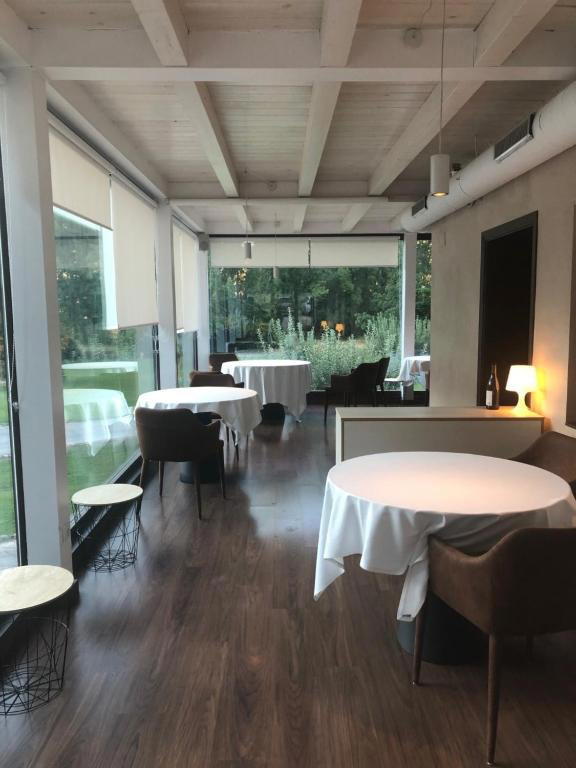
Warm wood-lined dining room with elegant yet relaxed atmosphere accented by urban skateboard decor, balancing sophistication and vibrancy.