Sierra Alta


Michelin Plate · Macarfi 7.5 Food Rating
Our verdict
A rustic restaurant on the CM-2106 road through the Serranía de Cuenca, Sierra Alta positions itself around what the surrounding terrain actually produces: game meat and wild mushrooms in season, firewood heat in winter, and a cooking style that treats the landscape as its larder. For travellers passing the source of the Cuervo river, it functions as both a meal and a reason to slow down.

Pearl is the En Primeur Club membership app, where members save venues, book tables and use the concierge.
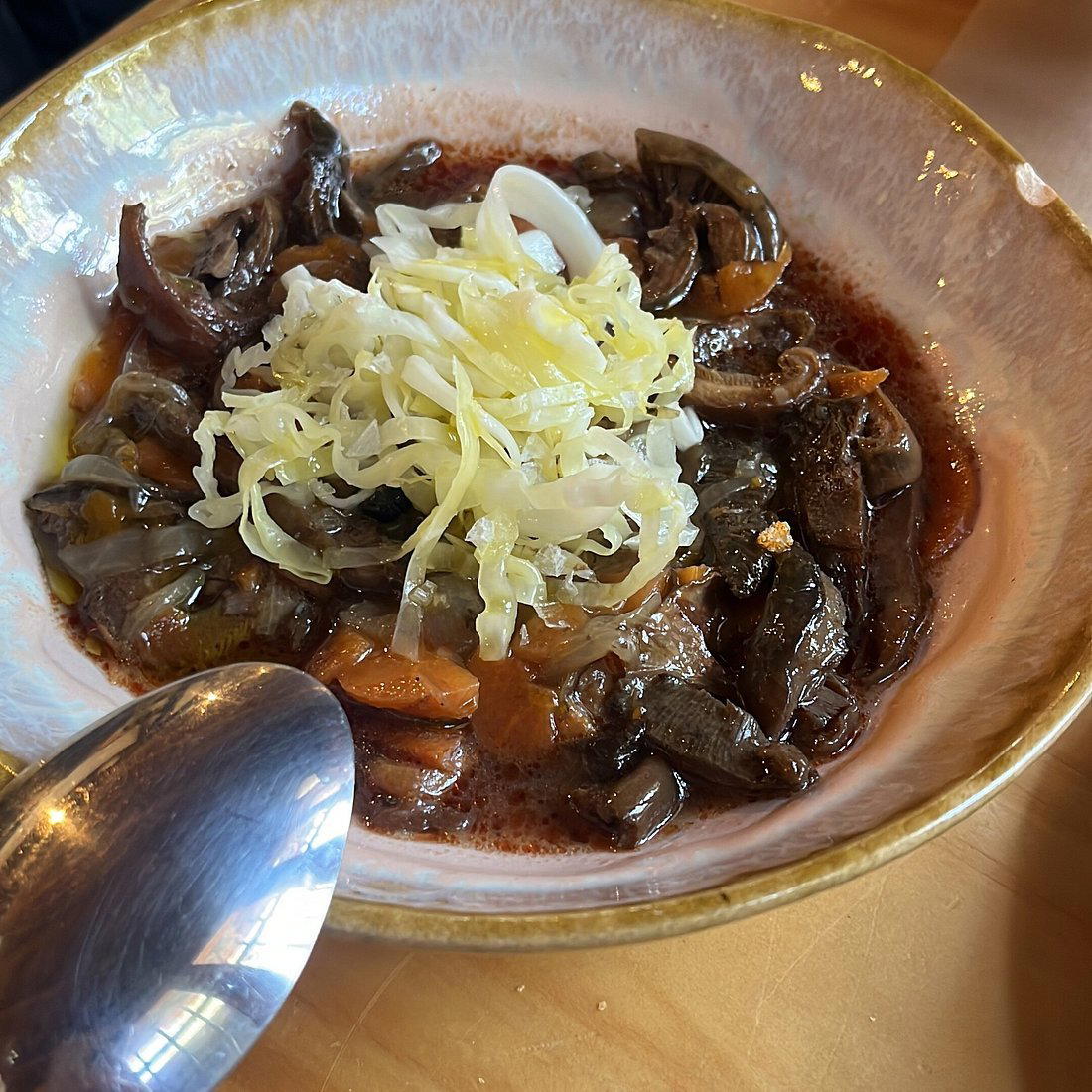
The menu
What to order
- Revuelto de boletus y perrechicos
- Morteruelo
- Ajoarriero
- Deer loin
- Entrecôte
- Pickled niscalos
Where the Serranía Sets the Menu
The road into the Serranía de Cuenca does not ease you in gently. By the time you reach the CM-2106 stretch near Vega del Codorno, the pine forest has closed in, the altitude has climbed, and the towns have thinned to a handful of stone buildings and river crossings. Sierra Alta sits at one of those pauses in the road, directly opposite the turn-off to the source of the Cuervo river, a location that reads as a geographic statement about what the kitchen intends to cook. The building itself, rustic in construction, warmed by firewood in the colder months, is less a decorative choice than a practical one: this is what the region looks like, and the food follows the same logic.
That kind of place-driven cooking is rarer than the language around it suggests. Across Spain's fine-dining tier, houses like El Celler de Can Roca in Girona, Disfrutar in Barcelona, and Arzak in San Sebastián engage with regional identity through technical transformation. Sierra Alta operates at a different register entirely: the connection between terrain and plate is direct and seasonal, not mediated by technique. That is not a lesser ambition, it is a different discipline, and in a region as geographically specific as the Serranía de Cuenca, it demands genuine knowledge of what the land produces and when.
The Sourcing Logic of the Serranía
The Serranía de Cuenca is not a broadly known food region, and that relative obscurity is part of what makes its produce worth paying attention to. The area's altitude, humidity, and pine and oak woodland create conditions for wild mushroom growth that are among the most productive in Castilla-La Mancha. Boletus edulis, cep, porcini, appears here in autumn alongside perrechicos (Saint George's mushrooms) in spring, two species with quite different flavour profiles that between them frame much of the restaurant's seasonal range. The boletus and perrechico scrambled egg dish noted in Sierra Alta's awards record is the kind of preparation that works precisely because it does not compete with the ingredient: egg and fat carry mushroom flavour without obscuring it, and the dish's simplicity is a direct argument for the quality of what was foraged.
Game is the other pillar. The Serranía's forests and river valleys support boar, deer, and smaller game birds, and a kitchen positioned in this terrain has access to animals whose flavour reflects diet and environment rather than rearing conditions. Game meat cooked in the tradition of inland Castilla, long braises, wood fire, uncomplicated seasoning, asks the sourcing to do the work, which means it rewards restaurants that have consistent access to good local supply. Sierra Alta's positioning directly on the hunting and foraging routes of the region, rather than in a larger town serving approximations of that cuisine, gives it a structural advantage in sourcing that is harder to replicate elsewhere.
For context on what sourcing-led Spanish cooking looks like at different price tiers and scales, Quique Dacosta in Dénia and Ricard Camarena in València both work from strong regional ingredient identities on the Mediterranean coast. Aponiente in El Puerto de Santa María takes coastal sourcing into progressive territory. Sierra Alta operates without the technical ambition of those kitchens, but its commitment to the specific produce of a specific stretch of mountain terrain is the same structural logic applied at a different scale and register.
Firewood, Season, and the Winter Case
The firewood heating is worth taking seriously as a practical consideration. The Serranía de Cuenca sits at elevations that make winter visits genuinely cold, and the internal atmosphere of a room heated by burning wood shifts how a meal feels in a way that radiators do not replicate. For visitors timing a trip around the mushroom season, roughly October through December for boletus, April and May for perrechicos, the temperature and the menu align. A winter visit to Sierra Alta combines the most interesting section of the seasonal menu with the atmospheric element the restaurant is most associated with.
Spring visits centred on perrechicos offer a lighter version of the same logic: the fireside warmth is less central, but the mushrooms are at their most distinctive, with a flavour that is more floral and delicate than autumn boletus. Those making the trip primarily for the source of the Cuervo river, a short detour from the restaurant's roadside position, will find the spring and early summer months give the most accessible walking conditions alongside a menu still drawing on seasonal produce.
Getting There and Planning the Visit
Sierra Alta sits on the CM-2106, a secondary road that connects the Serranía's interior villages and is not served by public transport at this stretch. Arriving by car from Cuenca takes roughly an hour through mountain roads that require attention, particularly in winter when ice is possible. The restaurant's location makes it a natural stopping point on a longer Serranía circuit rather than a standalone urban dining destination, and the surrounding area warrants exploration: the Cuervo river source is a short walk, and the broader protected natural area of the Serranía de Cuenca offers terrain that justifies a full day or overnight stay.
For those planning a wider visit to the area, our full Vega del Codorno hotels guide covers accommodation options in and around the village. The restaurant sits within a region where planning the full itinerary in advance is worth the effort, see also our full Vega del Codorno restaurants guide, our full Vega del Codorno bars guide, our full Vega del Codorno wineries guide, and our full Vega del Codorno experiences guide for what else the area offers beyond the table.
The Broader Picture: Spain's Rural Kitchens
The contrast with Spain's headline dining addresses is instructive rather than competitive. Restaurants like DiverXO in Madrid, Azurmendi in Larrabetzu, Martin Berasategui in Lasarte-Oria, and Mugaritz in Errenteria operate within a fine-dining framework where technique, narrative, and international recognition form part of the value proposition. Sierra Alta belongs to a different and arguably more vulnerable category: the rural Spanish kitchen that derives its authority from proximity to specific ingredients and fidelity to regional tradition rather than from innovation or awards culture. These restaurants are harder to find, less documented, and often more dependent on repeat local custom than on destination visitors. For travellers prepared to plan the drive, they frequently offer the clearest read on what a region actually tastes like. In the Serranía de Cuenca, Sierra Alta makes that case through boletus in autumn, perrechicos in spring, game on the table in season, and a fire that earns its place in the room.
For reference on what ambitious sourcing-led cooking looks like in an international context, Le Bernardin in New York City and Atomix in New York City represent the technical and tasting-menu end of that spectrum, useful comparators for understanding what Sierra Alta is not, and why that matters.
Frequently asked questions
Is Sierra Alta child-friendly?
The rustic, nature-facing setting on the CM-2106 road opposite the Cuervo river source makes Sierra Alta a practical choice for families visiting the Serranía de Cuenca. Traditional game and mushroom dishes are the kitchen's focus, so children who eat straightforwardly will find the menu accessible, though it skews firmly toward seasonal, foraged produce rather than adapted children's plates.
Is Sierra Alta better for a quiet night or a lively one?
Sierra Alta is a rural restaurant in the Serranía de Cuenca's interior, surrounded by pine forest and positioned on a secondary road with no nearby village centre, so the atmosphere leans decisively toward quiet. The firewood heating and traditional format place it in the category of destination lunches or unhurried winter evenings rather than late-night gatherings.
What kind of recognition has Sierra Alta received?
Sierra Alta has received recognition including: Completely surrounded by nature, in the heart of the Serranía de Cuenca and opposite the turn-off that takes us to the source of the Cuervo river, this rustic restaurant is perfect if you are looking for a little disconnection, or the warmt….
What do regulars order at Sierra Alta?
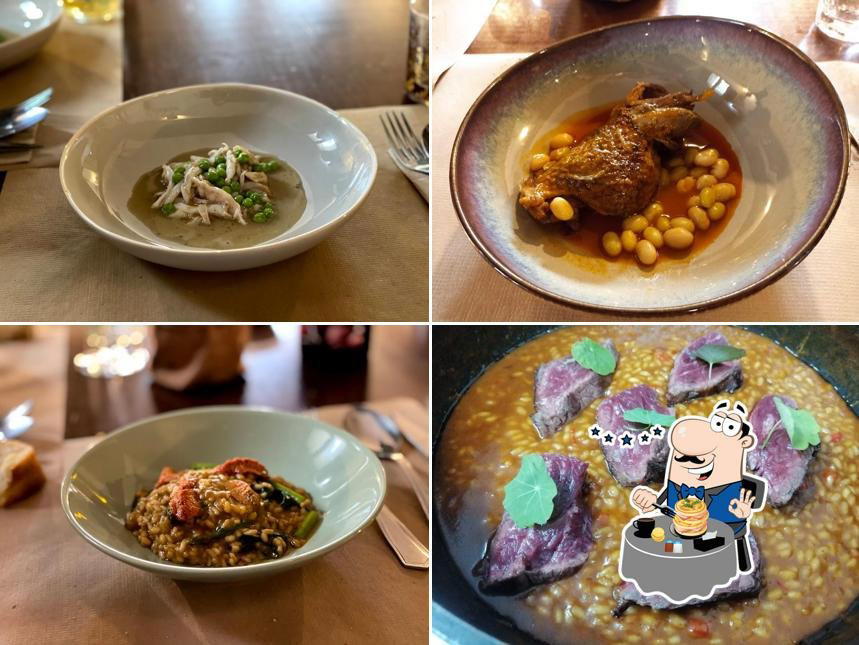
The boletus and perrechicos scrambled egg dish, the Revuelto de boletus y perrechicos, is the one item the venue's own write-up singles out as a standout. Beyond that, the kitchen's emphasis on game meats and wild mushrooms in season defines what the regulars return for, with the menu tracking whatever the Serranía's forests and hunting grounds are producing at a given time.
Comparable Spots, Quickly
Comparable venues nearby, for context on price, style, and recognition.
| Venue | Cuisine | Price | Awards | Notes |
|---|---|---|---|---|
| Sierra AltaThis venue (the venue you are viewing) | Traditional Spanish Mountain Cuisine | $30–50 | Michelin Plate · Macarfi 7.5 Food Rating | Not listed |
| Casa Regina | Traditional Sevillian tapas bar | $30–50 | Not listed | Santa Catalina |
| Central Bar by Ricard Camerena | Modern Spanish Tapas | $20–30 | Macarfi 7 Food Rating | El Mercat |
| Los Caballeros | Traditional Riojan Cuisine | $30–50 | Michelin Plate | Santo Domingo de la Calzada |
| Villa Indiano | Traditional Valencian Rice Specialties | $30–50 | Macarfi 6.9 Food Rating · We're Smart World 1 Radish | Burjassot |
| Mesón Nelia | Modern Cuenca Cuisine | $30–50 | Michelin Bib Gourmand · Macarfi 7 Food Rating | Villalba de la Sierra |
Recognition history
Dated appearances from independent guides and award organizations, with the underlying list record or original source where available.
Michelin Plate
Michelin
Macarfi 7.5 Food Rating
Macarfi
Continue exploring
More in Vega del Codorno
Restaurants in Vega del Codorno
All restaurants in Vega del Codorno →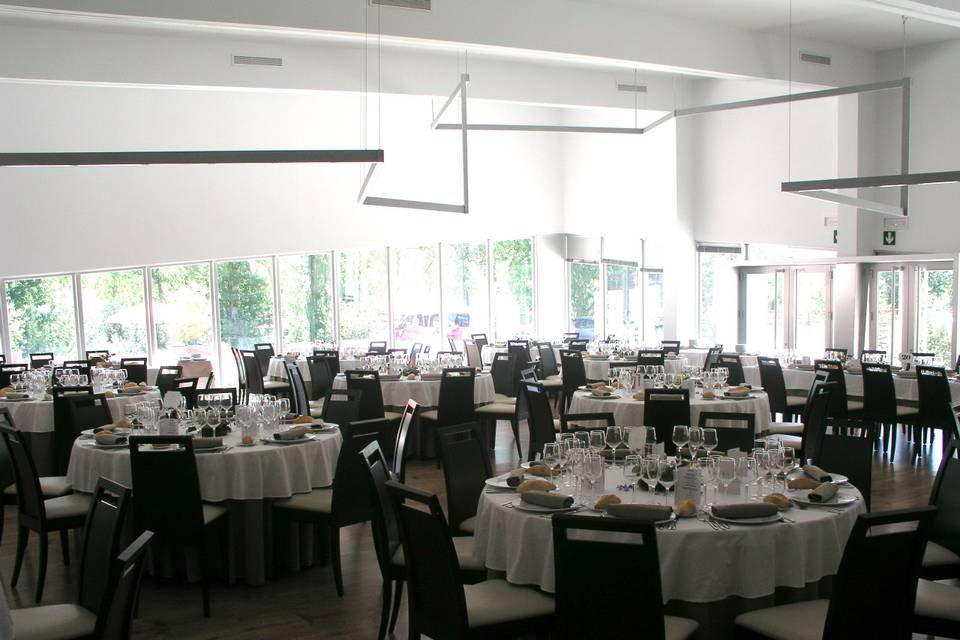
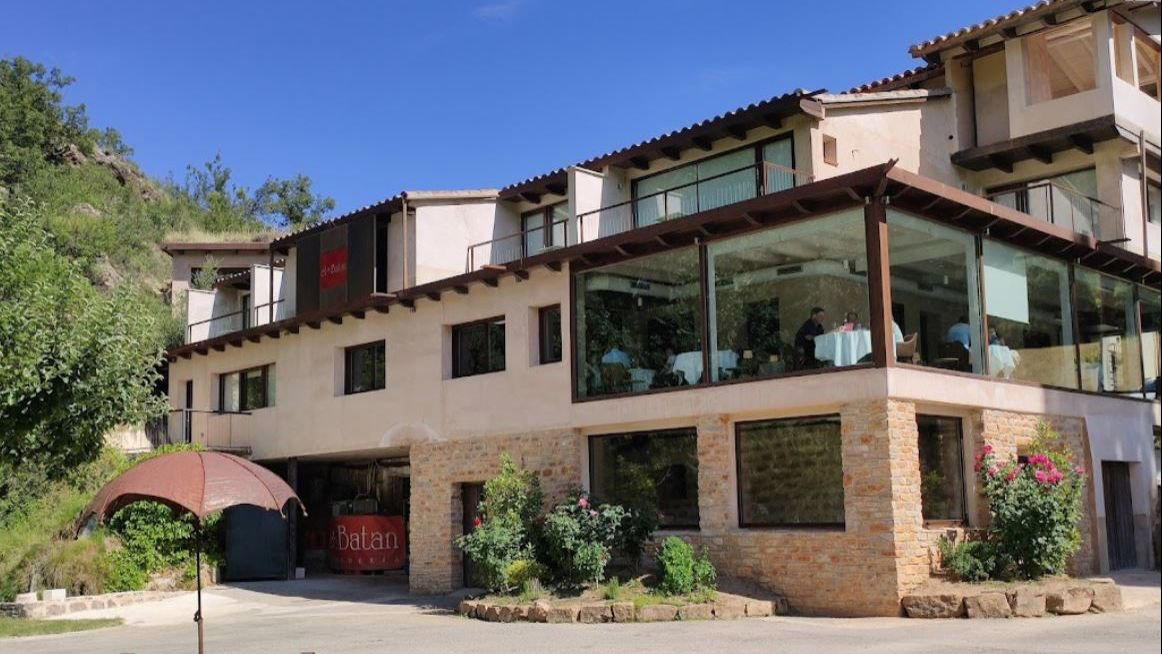
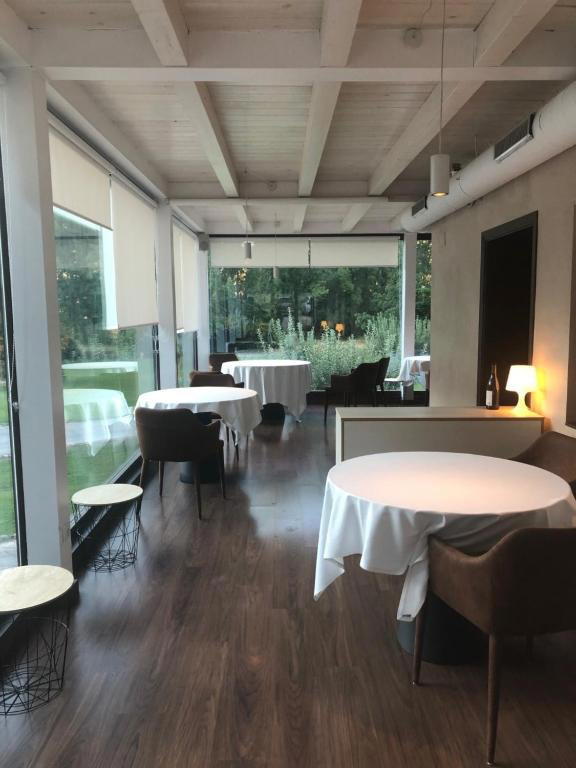
Hotels in Vega del Codorno
Browse all →
Details
- Rustic
- Scenic
- Cozy
- Classic
- Family
- Group Dining
- Celebration
- Special Occasion
- Terrace
- Garden
- Panoramic View
- Standalone
- Beer Program
- Farm To Table
- Local Sourcing
- Organic
- Mountain
- Garden
- A La Carte
- Family Style
- Wine
- Beer
- Vegetarian Friendly
- Gluten Free Options
Current opening hours
- Monday
- 12–5 PM
- Tuesday
- Closed
- Wednesday
- Closed
- Thursday
- 12–5 PM
- Friday
- 12–5 PM
- Saturday
- 12–5 PM
- Sunday
- 12–5 PM
Hours can change for holidays and private events. Hours as of .
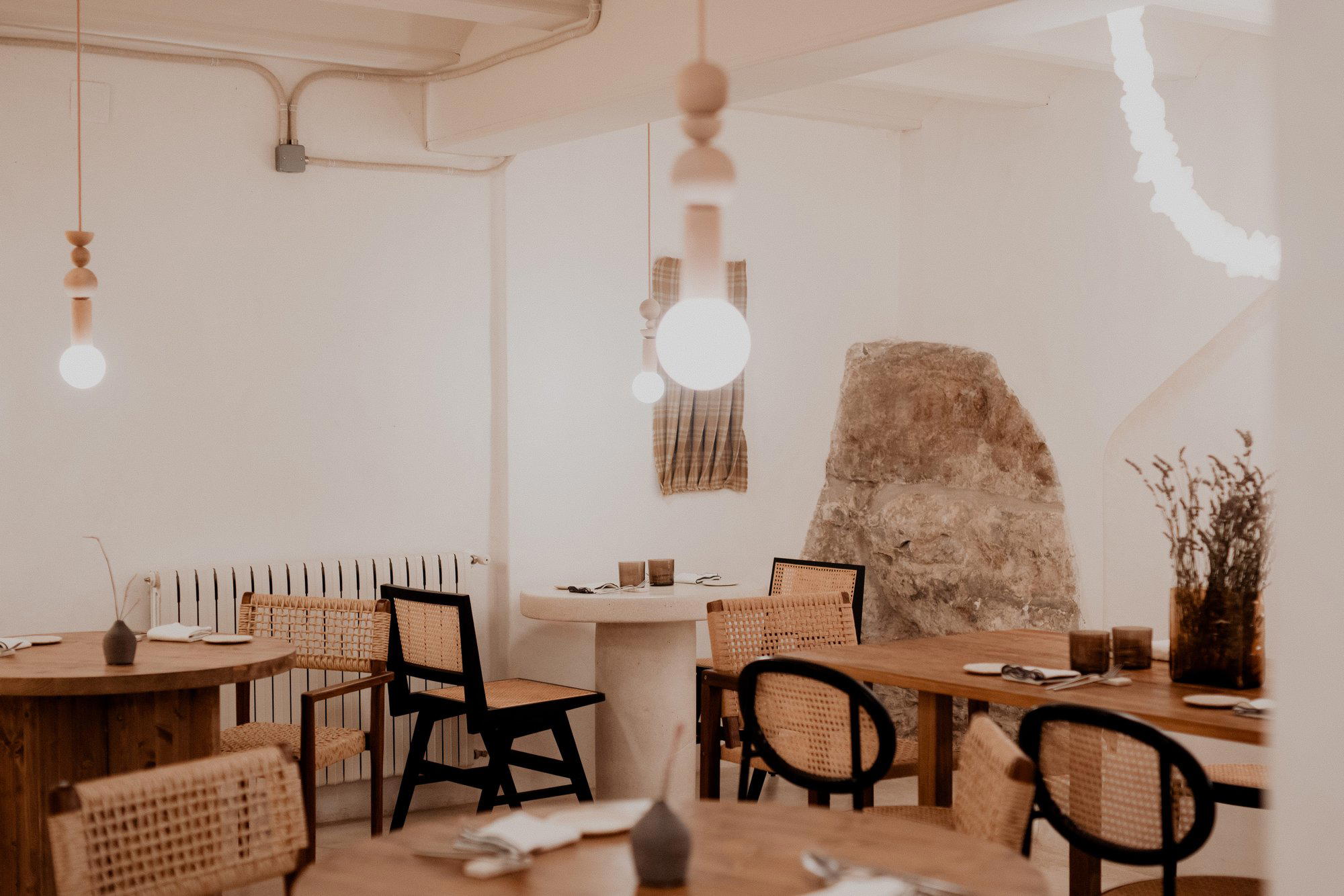
Warm and welcoming rustic setting with firewood warmth in winter, natural surroundings, and a cozy family-run atmosphere that combines tradition with contemporary touches.