Hongsi Korean Table
In Gyeongju, where the Silla dynasty's culinary heritage runs as deep as its royal tombs, Hongsi Korean Table occupies a specific niche: a sit-down Korean table format grounded in regional ingredients and traditional preparation. The address on Hwarang-ro places it within reach of the city's historic core, making it a reference point for visitors seeking Korean food with genuine local roots rather than tourist-facing approximations.
Pearl is the En Primeur Club membership app — saves, bookings, and concierge access live there. Same editors, same standards.
- Address
- 17-5 Hwarang-ro, Seonggeon-dong, Gyeongju, Gyeongsangbuk-do, Südkorea, Gyeongju-si, Nord-Gyeongsang, 38143
 Saves & bookings on Pearl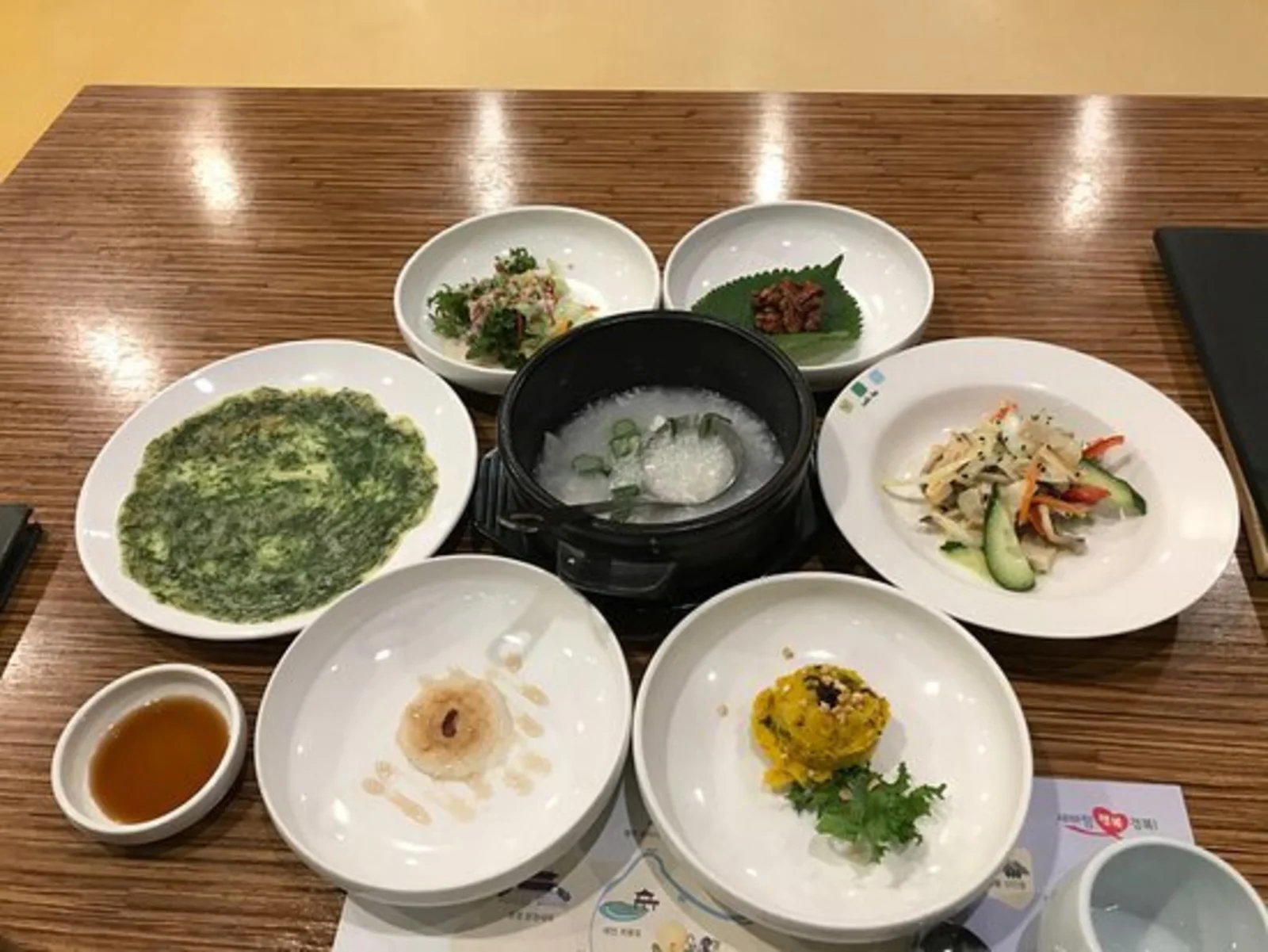
Gyeongju's Table Tradition and Where Hongsi Korean Table Sits Within It
Gyeongju is not a dining city in the way Seoul or Busan are dining cities. It is a heritage city first, and its food culture has historically been shaped by that identity: temple cuisine influences from the surrounding Buddhist sites, Silla-era ceremonial food traditions, and a deep reliance on Gyeongsangbuk-do's agricultural output rather than imported or cosmopolitan ingredients. The restaurants that work here tend to work because they understand that context, not despite it. Hongsi Korean Table, located at 17-5 Hwarang-ro in Seonggeon-dong, operates within that tradition.
Hwarang-ro is one of the city's more historically resonant addresses, running through a district associated with the Hwarang warrior youth corps of the Silla kingdom. The built environment here skews low, traditional, and unhurried in a way that stands in sharp contrast to Seoul's premium Korean dining scene, where venues like Mingles in Seoul or Atomix in New York City have repositioned Korean cooking as a global fine-dining proposition. In Gyeongju, the frame of reference is different, and Hongsi Korean Table's positioning reflects that local register.
Ingredient Sourcing as the Defining Logic of Regional Korean Dining
The ingredient sourcing argument for Korean regional cooking is, at this point, well-established in culinary discourse but imperfectly executed in practice. The distinction matters because Gyeongsangbuk-do's agricultural profile is genuinely distinct: the region produces specific varieties of perilla, dried anchovy from the southern coast, ganjang (soy sauce) aged through winters that are colder than those of Jeolla-do, and root vegetables shaped by the rocky inland terrain around Gyeongju's surrounding mountains. A Korean table format that draws on these inputs produces a different result from one that sources centrally from Garak Market in Seoul.
This is the argument that the better Gyeongju tables make implicitly through their menus. It is the same logic that makes Gyeongju Wonjo Kongguk a reference point for the city's soybean-based food culture, or that gives Hwangnam Bread its claim on local identity despite being a bakery product rather than a traditional preparation. Place-specific sourcing is not a marketing position in this context; it is the structural reason why eating in Gyeongju can be meaningfully different from eating Korean food anywhere else.
Across South Korea, the venues making one coherent case for regional ingredient identity tend to operate at the intersection of traditional format and deliberate supply sourcing. Seoul's premium tier, represented by Onjium at the ₩₩₩₩ level and contemporary Korean venues like 7th Door and Eatanic Garden, has largely resolved this by building direct supplier relationships with specific farms and fisheries. Gyeongju's dining scene is smaller and less formally structured, but the geographic proximity to primary producers here is an advantage that well-run local tables can convert into genuine quality signals without the infrastructure those Seoul venues require.
The Korean Table Format in a Heritage City Context
The jeong-sik or banchan-centered Korean table format, where a central protein or grain dish is surrounded by an array of small side preparations, is not a fixed genre. Its character shifts substantially depending on where it is practiced. In Gyeongju, that format carries the residue of royal court food traditions from the Silla period and the temple food conventions of the surrounding Buddhist mountain sites, including Bulguksa and Namsan. The result, at its leading, is a table that is more restrained, more fermented, and more vegetable-forward than the Korean meals a visitor might default to in a coastal city like Busan.
This is worth stating plainly for travelers who arrive expecting the grilled pork and soju culture of Jeju's 88돼지 or Black Pork BBQ in Seogwipo, or the galbi-centered formats of venues like Gobojeong Galbi in Suwon. Gyeongju's Korean table tradition is organized differently. Fermented pastes, dried fish preparations, and seasonal vegetable side dishes tend to carry more structural weight than large-format grilled proteins. The restaurant sits in that lineage.
Gyeongju as a Dining Destination
For visitors planning around food, Gyeongju rewards a certain kind of patience. The city is most accessible from Busan by KTX rail, a journey of under forty minutes to Singyeongju station, which puts it within range of a day trip from the coast or a logical stop on a route through the Gyeongsang provinces. The dining options here are more limited in number than in a major metro, which means that venue selection matters more than it would in Seoul or Busan, where the category depth gives visitors room to course-correct.
For context on how Gyeongju fits within the wider Korean dining conversation, maps the city's food scene by category and neighborhood. The picture that emerges is of a city where traditional formats and local ingredient identity are the dominant organizing logic, rather than the chef-driven innovation that defines Seoul's premium tier or the seafood-forward energy of Busan's harbor districts. Venues in this context are also worth placing against the broader Korean regional dining map: Baegyangsa Temple in Jangseong-gun and Injegol in Inje County offer useful comparison points for how Korean regional food culture plays out in heritage-adjacent locations elsewhere in the country.
The restaurant is priced at about $12 per person. What can be said is that Gyeongju's Korean table options generally sit below Seoul's premium tier on price, and that the city's visitor base, which skews toward domestic heritage tourism and international travelers on the Gyeongju-Busan corridor, tends to favor accessible rather than tasting-menu-level price points. For travelers calibrating expectations, Dining Room (다이닝룸) in Busan and Doosoogobang in Suwon offer reference points for how Korean regional dining presents at different price registers across the country.
Comparable Spots, Quickly
Comparable venues nearby, for context on price, style, and recognition.
| Venue | Cuisine | Price | Notes |
|---|---|---|---|
| Hongsi Korean TableThis venue — the venue you are viewing | Traditional Korean Hanjeongsik | $$ | Not listed |
| MapleTree House | Korean BBQ | $$ | 이태원동 |
| 동백삼계탕 | Korean Samgyetang (Ginseng Chicken Soup) | $$ | Haeundae |
| 제주몬트락 | Jeju Black Pork BBQ | $$ | Gangnam |
| ì¸í¸ë¼ë°ì´í¸ | korean | Not listed | Millak-dong |
| Baekyangsa Temple for Jeong Kwan | Korean Temple Food | $$ | Jangseong |
At a Glance
- Cozy
- Intimate
- Family
- Celebration
- Special Occasion
- Historic Building
Cozy traditional atmosphere with wooden floors, trees in the dining area, interesting art and houseplants, and natural sunlight.