HolyBelly occupies a particular position in the 10th arrondissement's café scene: a morning and midday address on Rue Lucien Sampaix where the cooking is taken seriously enough to draw queues, and the atmosphere is relaxed enough that nobody minds waiting. It sits in a tier of Paris all-day spots that have reframed what a neighbourhood breakfast counter can mean.
Pearl is the En Primeur Club membership app — saves, bookings, and concierge access live there. Same editors, same standards.
- Address
- 5 Rue Lucien Sampaix, 75010 Paris, France
- Phone
- +33 1 82 28 00 80
- Website
- holybellycafe.com
- Directions
- Get directions
 Saves & bookings on Pearl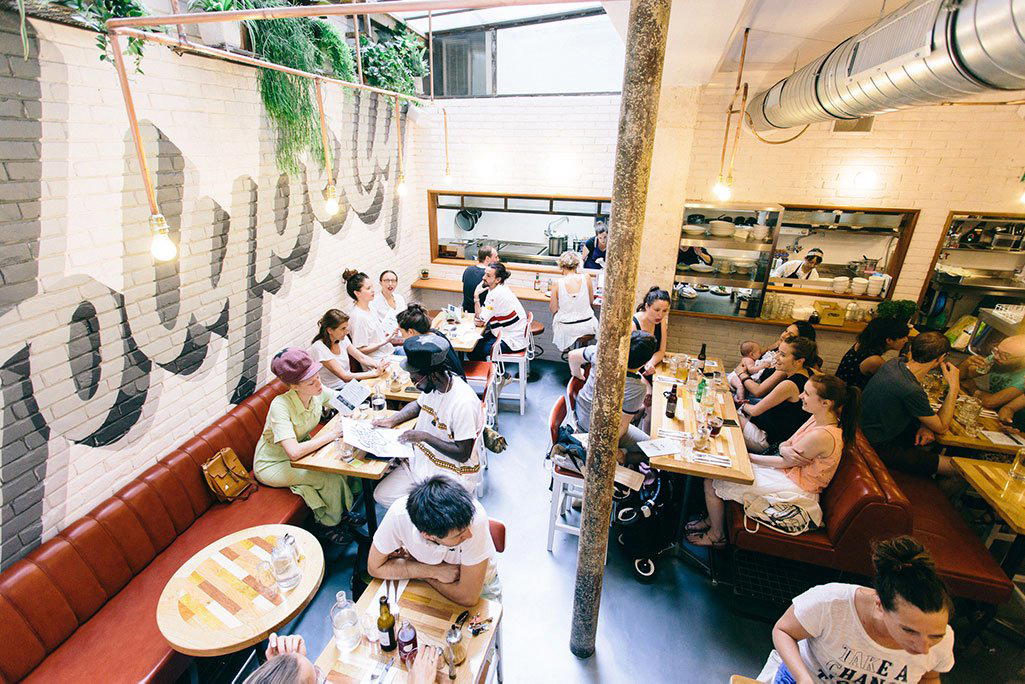
The Canal Saint-Martin Context
The 10th arrondissement has spent the past decade producing a specific kind of dining address: places that look casual but cook deliberately. The stretch of streets flanking Canal Saint-Martin, running north from République toward Gare du Nord, now holds some of the city's most debated breakfast and brunch spots, drawing weekend queues that would embarrass several white-tablecloth rooms nearby. HolyBelly at 5 Rue Lucien Sampaix sits squarely inside that movement, and it is worth understanding the movement before considering the address.
Paris's relationship with breakfast as a serious meal has always been complicated. The city that produced elaborate dinner rituals, and gave the world institutions like L'Ambroisie and Arpège, historically dismissed the morning hours as croissant-and-coffee territory. What changed was a generational shift in how Paris absorbed North American and Australian café culture without simply copying it. The Canal Saint-Martin neighbourhood was where that shift landed most visibly, and HolyBelly became one of the clearest examples of the result.
What the Room Communicates
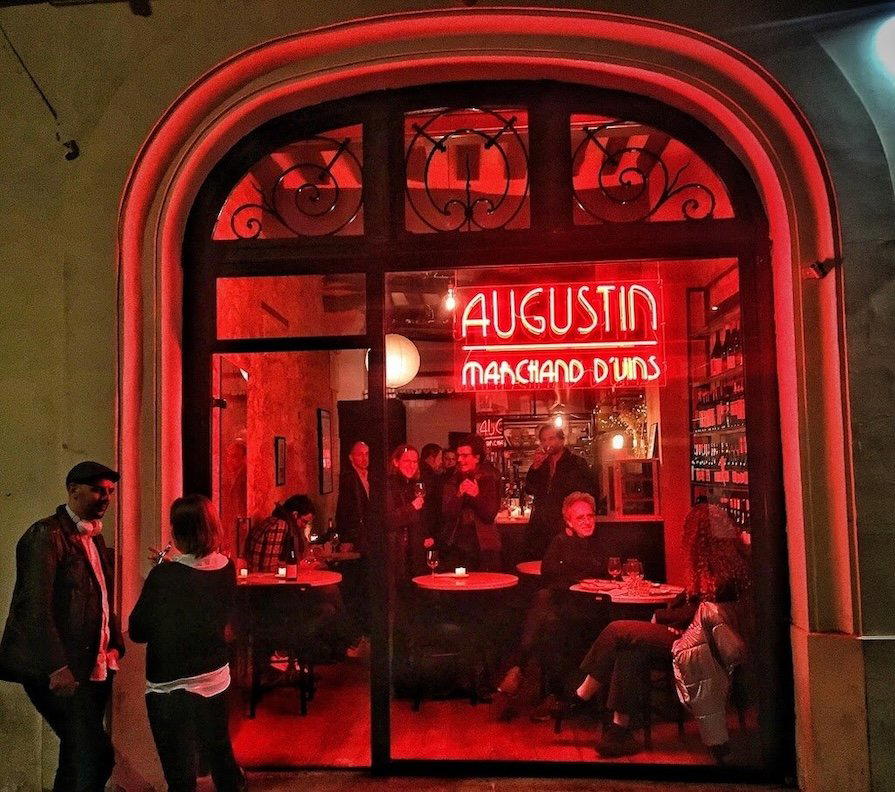
Approaching from the canal side, the format signals itself immediately: a narrow shopfront, light through floor-height windows, a room that reads as genuinely busy rather than performed. The interior operates in the register of a neighbourhood spot that has been thought through rather than styled. Industrial without being cold, the space manages the difficult trick of feeling neither like a tourist-facing brunch concept nor a self-consciously bare local haunt. The noise level at peak hours carries the particular texture of a room where most tables know each other or have decided they are comfortable not knowing each other.
This kind of environment, common across Melbourne or East London, remains less standard in Paris than the city's current café reputation suggests. The 10th has more of these rooms than other arrondissements, which is partly why it has attracted the particular crowd that it has: creative professionals, English-speaking expats, Parisians who follow food conversations online. For visitors comparing this address to the formal register of Le Cinq or Kei, the contrast is the point rather than a compromise.
The All-Day Format and What It Demands
All-day dining in Paris sits in an awkward commercial position. The city's lunch culture remains strong, dinner bookings remain the serious money, and morning covers have historically been thin. The cafés and bistrots that tried to compete on all three often did none particularly well. What the Canal Saint-Martin generation figured out was that morning and midday, done with the same ingredient seriousness as dinner, could sustain a room on its own terms, especially in a neighbourhood where daytime foot traffic was growing alongside the residential demographic shift.
HolyBelly runs within that logic. The cooking is framed around breakfast and lunch rather than attempting to be all things at all hours, which gives the kitchen a coherence that more ambitious all-day formats sometimes lose. Across France more broadly, the destinations that hold attention over time, from Flocons de Sel in Megève to Bras in Laguiole, tend to be those with a clearly defined scope. At the neighbourhood café level, the same principle applies.
Coffee and Beverage as Editorial Signals
The editorial angle that cuts deepest at HolyBelly is not the food in isolation but the relationship between the kitchen and the coffee program. In a city where café culture long meant a single espresso standing at a zinc bar, the emergence of specialty coffee addresses has been slower and more contested than in London or Berlin. HolyBelly arrived in a period when Parisian coffee was beginning to split between the traditional model and the specialty approach imported from Australasia and Scandinavia.
The beverage program here belongs to the specialty side of that divide, which for a certain type of visitor is itself the point of the address. The coffee culture that produced this kind of operation in Paris is worth comparing to international equivalents: what cities like New York produce at the high end, at places like Le Bernardin in terms of beverage seriousness, or what the West Coast communicates through format discipline at spots like Lazy Bear in San Francisco, trickles down into café culture in ways that shape what a room like this one can and should offer.
Curation philosophy at a café of this type is, in effect, the wine list equivalent for morning hours: each element on the drinks menu is a position statement about what the operators believe the customer deserves to be served. Seasonal filter coffees, carefully sourced espresso bases, and non-alcoholic pairings for food are not afterthoughts but the primary editorial argument of the space.
Where HolyBelly Sits in the Paris Dining Spectrum
It is clarifying to map this address against the broader Paris dining spectrum rather than against its immediate competitors on Rue Lucien Sampaix. The city's highest-regarded formal rooms, including Alléno Paris au Pavillon Ledoyen and Le Cinq, operate in a tier defined by evening tasting menus, extensive cellar depth, and tableside service. The regional anchors, from Mirazur in Menton to Troisgros in Ouches and the long-established Paul Bocuse and Auberge de l'Ill, represent a different register entirely: destination dining with rooms, legacy reputations, and multi-course formats. What HolyBelly represents is the other end of seriousness: an address where the ambition is compressed into a shorter menu and a tighter daily window, but where the intent is just as deliberate.
For visitors building a Paris itinerary that spans both ends of that spectrum, including formal evenings at Les Prés d'Eugénie or a side trip to Auberge du Vieux Puits or Georges Blanc, a morning at HolyBelly reads differently than it would as a standalone destination. Our full Paris restaurants guide maps this spectrum in more detail across all price tiers and neighbourhoods. For regional comparison, La Table du Castellet in Le Castellet shows how similar ingredients-first thinking plays out in a southern French context.
Planning Your Visit
HolyBelly operates as a daytime address, which means the practical calculus is different from booking an evening restaurant. Weekend mornings on Rue Lucien Sampaix see queues that form before opening, particularly from spring through early autumn when the Canal Saint-Martin neighbourhood draws the highest visitor density alongside its resident crowd. Arriving on a weekday, particularly in the quieter months between November and February, reduces wait time substantially and changes the atmosphere toward something closer to a working neighbourhood café than a destination brunch. The address is walkable from République and Goncourt metro stations, placing it at the intersection of the 10th and 11th arrondissement food corridors, both of which reward extended exploration on foot.
How HolyBelly Paris compares with similar nearby venues.
| Venue | Cuisine | Price |
|---|---|---|
| Habile. | Modern Cuisine | €€ |
Continue exploring
More in Paris
Restaurants in Paris
Browse all →
Bars in Paris
Browse all →
Hotels in Paris
Browse all →
At a Glance
- Cozy
- Trendy
- Lively
- Brunch
- Casual Hangout
- Open Kitchen
- Local Sourcing
Current opening hours
- Monday
- Closed
- Tuesday
- Closed
- Wednesday
- Closed
- Thursday
- Closed
- Friday
- Closed
- Saturday
- Closed
- Sunday
- Closed
Hours can change for holidays and private events. Last verified .
Cozy dining room with alcoves, plants, and lively service in a mix of French and English.