Hofkellerei Vaduz

Falstaff Winery - 2 Stars
Our verdict
Hofkellerei Vaduz occupies a particular position in Liechtenstein's compact dining scene: a winery-rooted address at Feldstrasse 4 in the capital that connects the principality's agricultural heritage to its table. In a country where provenance is as much a point of civic pride as culinary credential, that connection carries weight beyond the merely regional.

Pearl is the En Primeur Club membership app, where members save venues, book tables and use the concierge.
The menu
What to order
- Käsknöpfle
- Winzersalate
- Pinot Noir from Herawingert
- Chardonnay from Herawingert
A Capital Where the Vineyard Is the Credential
Liechtenstein's dining scene operates on a scale that most European capitals cannot imagine. Vaduz, a city of fewer than 6,000 residents, has nonetheless developed a recognisable tier of serious restaurants, from the modern-cuisine ambition of Torkel to the classical register of Marée and the neighbourhood-anchored consistency of Adler. Within that compact field, Hofkellerei Vaduz occupies a different category of authority: it is rooted in the principality's own viticultural history, which gives it a provenance argument that purely culinary addresses cannot replicate.
The address, Feldstrasse 4, sits within the ordered grid of central Vaduz, close enough to the Kunstmuseum and the Rhine-facing slopes that define the city's geography. Approaching it, you are already inside the argument the place makes about itself, that Liechtenstein's land produces something worth drinking and, by extension, worth eating alongside. That argument is not rhetorical. The country's vineyards, largely planted on south-facing Rhine valley slopes, have a documented winemaking tradition that predates most of the restaurants in our full Vaduz restaurants guide.
The Sourcing Logic Behind a Princely Cellar
Across Europe, the most durable wine-and-food addresses share a structural advantage: the grape and the kitchen draw from the same agricultural radius. This is the model that gives credibility to estate-rooted dining in Burgundy, Alto Adige, and the Wachau, and it is the model that Hofkellerei Vaduz inherits by position. The Hofkellerei, the court cellar, is the official winery of the Princely House of Liechtenstein, an institution with centuries of documented involvement in the region's viticulture. That historical depth is a category of trust signal that no new-build restaurant can manufacture.
What this means at the table is that the sourcing logic runs in one direction: local first, by constitutional instinct rather than trend-following. The vineyards that supply the cellar are not distant suppliers selected through procurement; they are part of the same compact geography that defines the city itself. For a dining experience built around provenance, that compression of distance between vine and glass is the central credential. Comparable estate-dining arguments are made at addresses like Alain Ducasse at Louis XV in Monte Carlo or Aqua in Wolfsburg, where institutional backing reinforces the kitchen's authority. Hofkellerei Vaduz operates on a smaller register but with an equally coherent institutional rationale.
Within the broader Liechtenstein dining picture, this sourcing orientation connects to a wider pattern. Addresses like Vivid in Triesen, Weinlaube in Schellenberg, and TANG Restaurant in Ruggell each express a regional identity shaped by the same Rhine valley geography. Hofkellerei Vaduz operates at the institutional apex of that identity.
What the Cellar Signals About the Table
The relationship between a historic wine cellar and a dining programme is not automatic. Many celebrated wine estates offer perfunctory food as an afterthought to bottle sales. The more serious model, and the one that justifies editorial attention, is where the cellar's depth actively shapes what arrives on the plate: seasonal pairings driven by what the current vintage does well, dishes structured around the weight and acidity of the house's own production rather than around imported reference points.
In this respect, Hofkellerei Vaduz sits in an interesting comparative position. High-volume destinations built on wine-and-food integration, from addresses like Aponiente in El Puerto de Santa María with its marine terroir logic, to the tasting-format discipline of Lazy Bear in San Francisco or the Korean-American precision of Atomix in New York, all share a commitment to sourcing as the structural spine of the menu. The scale at Hofkellerei Vaduz is different, but the underlying premise is the same: the origin of ingredients, in this case the principality's own vineyards, is not a marketing layer but a culinary framework.
Diners who have engaged seriously with this category of address, whether at Le Bernardin in New York, 8½ Otto e Mezzo Bombana in Hong Kong, or Amber in Hong Kong, will recognise the logic even if the geography is unfamiliar. Provenance-led dining asks you to trade the predictability of a globally consistent kitchen for the specificity of a place. At Hofkellerei Vaduz, the place is unusually specific: a principality of 160 square kilometres with a documented viticultural identity.
Reading Vaduz Through Its Wine Culture
Vaduz's dining scene cannot be read without accounting for the wine culture that underlies it. The Rhine valley corridor that runs through Liechtenstein and into the Swiss canton of St. Gallen produces predominantly Pinot Noir and Chardonnay, grapes that express the cooler alpine influence on what is otherwise a continental climate. This is not a high-volume wine region, production figures are modest by any European comparison, which means the wines that do reach the table carry a scarcity argument that amplifies rather than contradicts their quality case.
For visitors arriving in Vaduz from wine regions with more global recognition, the Hofkellerei's cellar represents a category of rarity that addresses like Alléno Paris au Pavillon Ledoyen or Alinea in Chicago cannot offer: wines that are effectively unavailable outside this geography. That is a legitimate reason to be at the table, separate from any assessment of the food programme itself.
Reaching Hofkellerei Vaduz is direct for visitors already in the capital; it is a short walk from the main concentration of Vaduz's cultural and civic buildings. For those arriving from Zurich or St. Gallen, direct bus services connect to the principality without requiring a car, and the Rhine valley train corridor provides an alternative entry point via Sargans or Buchs on the Swiss side of the border.
Practical Orientation
Hofkellerei Vaduz is located at Feldstrasse 4 in central Vaduz. Given the limited data publicly available on hours and booking channels, visitors planning a specific visit should contact the cellar directly or confirm current access arrangements before travelling. In a city this size, the gap between a formal visit and a drop-in tasting experience can be significant, and the Hofkellerei's institutional character suggests advance enquiry is the right protocol. For a broader map of Vaduz's dining options, including comparable estate-heritage addresses for context, the EP Club Vaduz guide provides a full peer-set overview.
Frequently asked questions
Does Hofkellerei Vaduz work for a family meal?
Unlikely as a casual family lunch stop. Vaduz operates at mid-to-upper Swiss pricing tiers, and an address tied to the Princely House of Liechtenstein at Feldstrasse 4 carries institutional weight that sets a particular tone. It is better suited to visitors with a specific interest in regional wine and provenance-led eating than to groups looking for flexible, relaxed dining.
What's the overall feel of Hofkellerei Vaduz?
The Princely House connection gives the address a quality rare in a city of under 6,000 people: genuine institutional authority rather than aspirational positioning. Expect a setting defined by the cellar's credentials rather than contemporary hospitality theatre. For anyone arriving with an interest in the Rhine valley wine corridor that runs through Liechtenstein, that framing matters considerably.
Is the Hofkellerei Vaduz wine available to buy outside Liechtenstein?
Liechtenstein's total vineyard area is roughly 15 hectares, which means the Princely House's production is produced in volumes too small to sustain broad international distribution. Visiting Hofkellerei Vaduz at Feldstrasse 4 remains the most direct route to accessing wines from this estate, a reality that makes the address itself the point of access for collectors and wine-focused travellers.
What do regulars order at Hofkellerei Vaduz?
Lead with the wine list. The Hofkellerei's primary credential is the Princely House's own estate production, drawn from approximately 15 hectares of Rhine valley vineyard, among the smallest institutionally-backed wine programmes in Europe. The wines of the estate are the reason to be here; the food order should follow from them rather than the other way around.
What's Hofkellerei Vaduz's location?
Hofkellerei Vaduz is located at Feldstrasse 4, 9490 Vaduz, Liechtenstein, Vaduz.
Comparable Venues
Comparable venues nearby, for context on price, style, and recognition.
| Venue | Cuisine | Price | Awards | Notes |
|---|---|---|---|---|
| Hofkellerei VaduzThis venue (the venue you are viewing) | Alpine Regional with Wine Pairing | $30–50 | Falstaff Winery - 2 Stars | Not listed |
| Adler | Regional Alpine Cuisine | Not listed | Not listed | Vaduz center |
| Marée | Classic Mediterranean Fine Dining | $100–150 | Michelin Plate · Relais Chateaux Award | Vaduz |
| Torkel | Modern European Fine Dining | Not listed | 1 Michelin Star · Wine Enthusiast Best Winery Restaurant 2026 | Vaduz |
| TANG Restaurant | Traditional Chinese with Regional Fusion | Not listed | Not listed | Ruggell |
| Weinlaube | Classic Regional Alpine Cuisine | $50–100 | Michelin Plate | Schellenberg |
Recognition history
Dated appearances from independent guides and award organizations, with the underlying list record or original source where available.
Falstaff Winery - 2 Stars
Falstaff
Continue exploring
More in Vaduz
Restaurants in Vaduz
All restaurants in Vaduz →
Bars in Vaduz
Browse all →

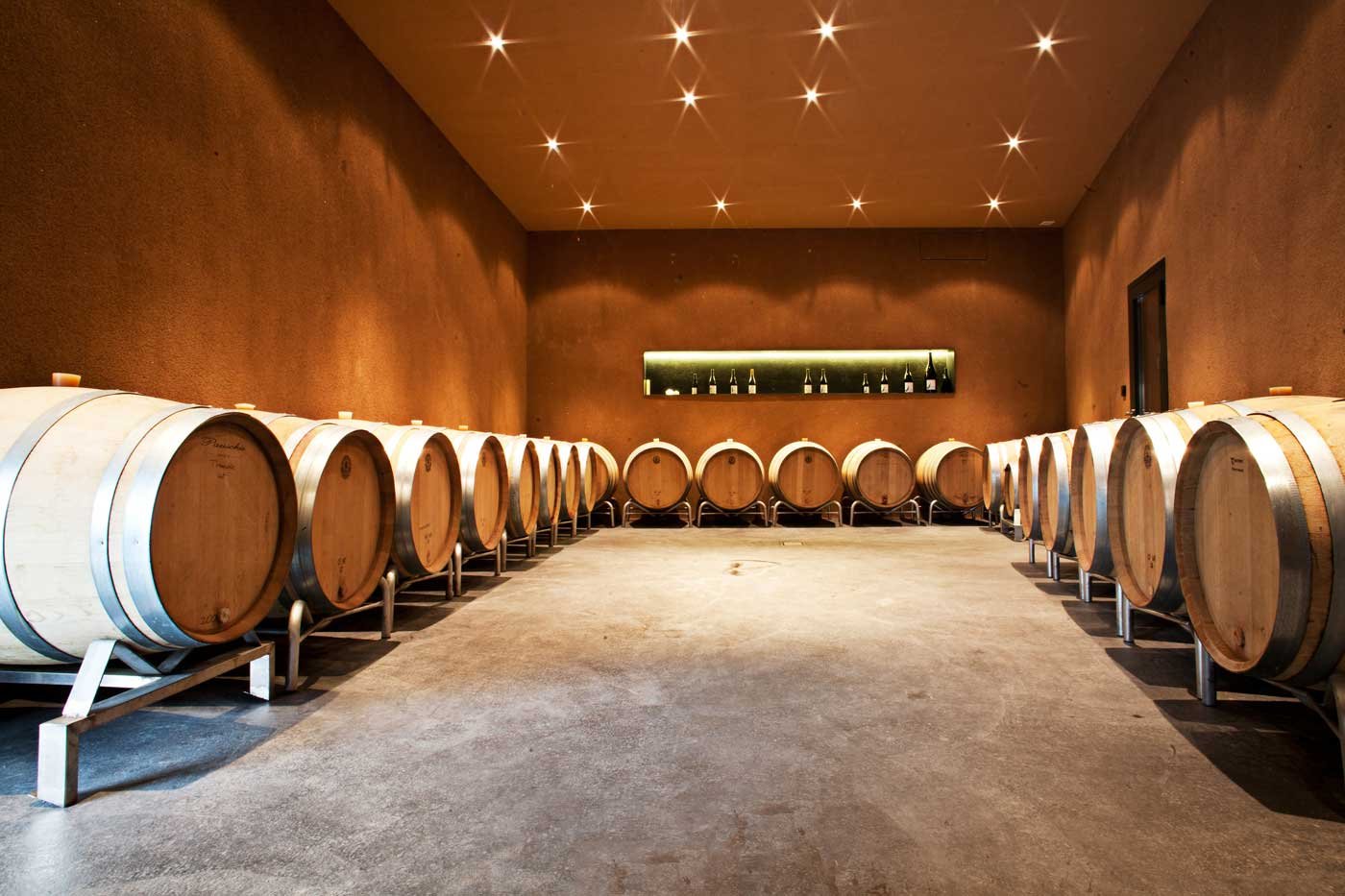
Hofkellerei Vaduz
The wine
- Wine program
- Deep wine list
- Extensive wine list
- Sommelier-led
Details
- Elegant
- Romantic
- Scenic
- Sophisticated
- Date Night
- Business Dinner
- Celebration
- Special Occasion
- Private Event
- Wine Cellar
- Terrace
- Panoramic View
- Historic Building
- Private Dining
- Garden
- Extensive Wine List
- Sommelier Led
- Local Sourcing
- Organic
- Vineyard
- Mountain
- A La Carte
- Buffet
- Pinot Noir
- Chardonnay
- Local Wines
- Vegetarian Friendly
Current opening hours
- Monday
- 9 AM–6 PM
- Tuesday
- 9 AM–6 PM
- Wednesday
- 9 AM–6 PM
- Thursday
- 9 AM–6 PM
- Friday
- 9 AM–6 PM
- Saturday
- 10 AM–5 PM
- Sunday
- Closed
Hours can change for holidays and private events. Hours as of .
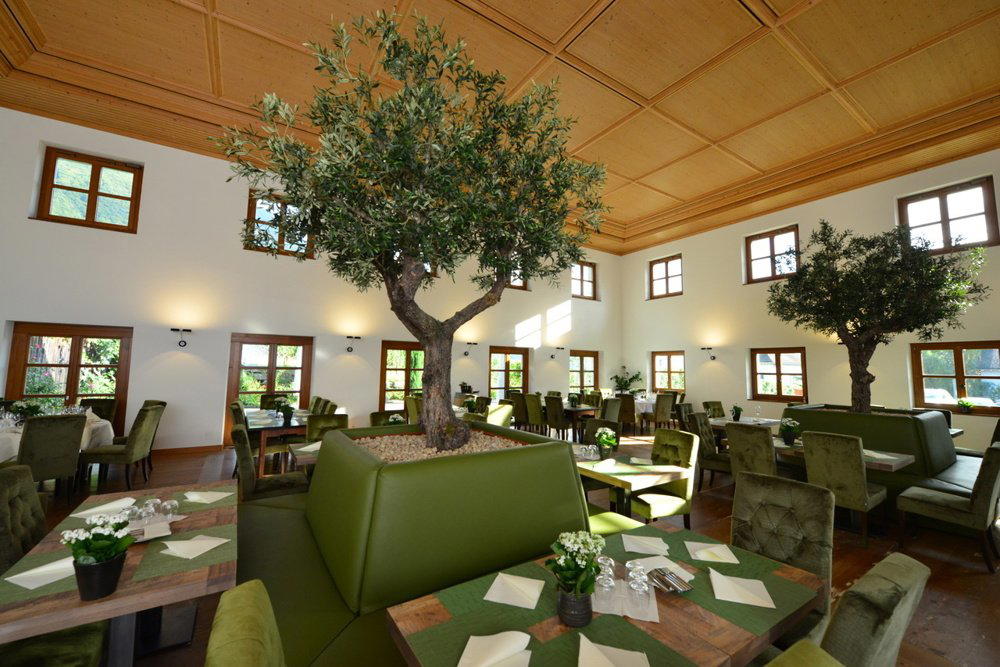
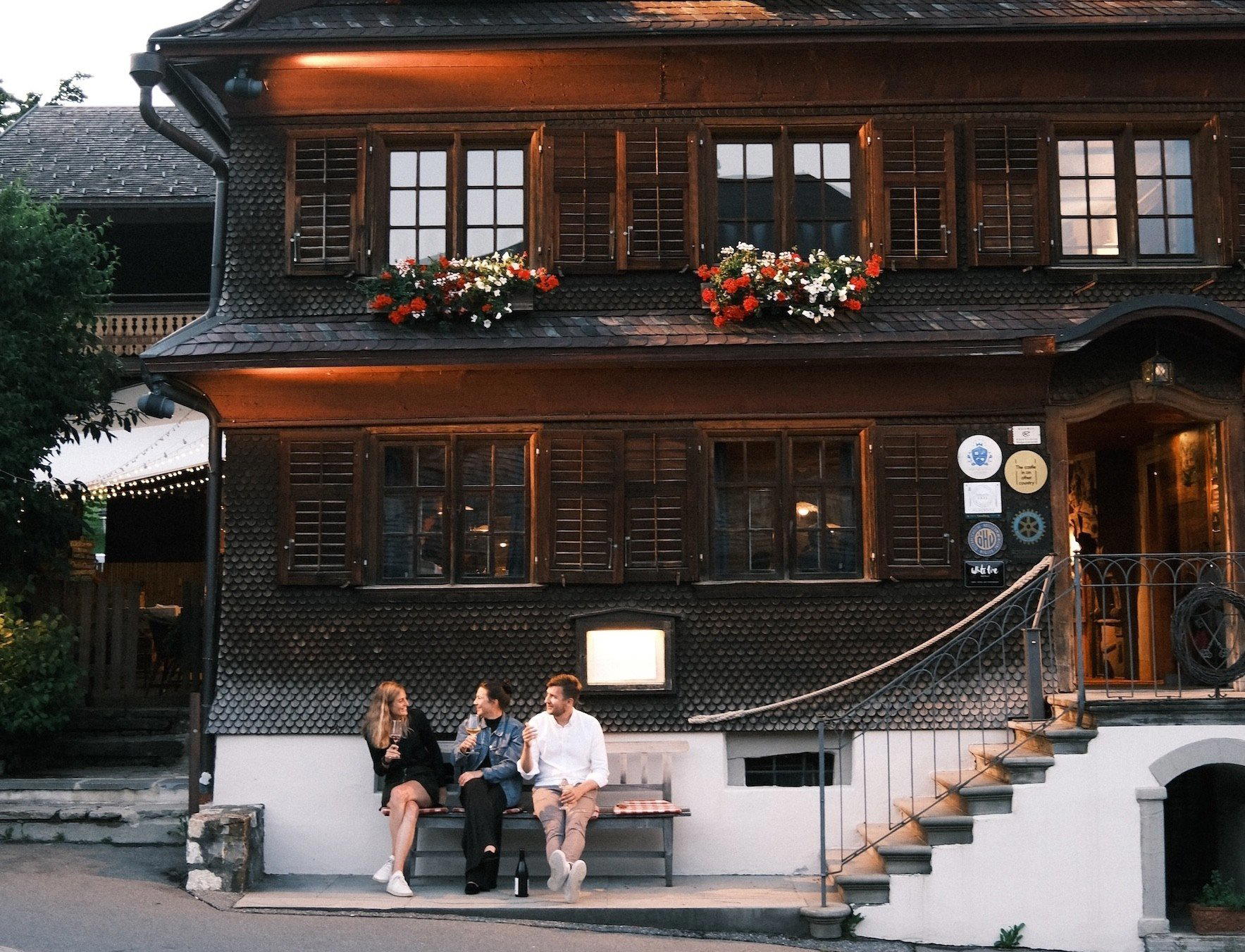
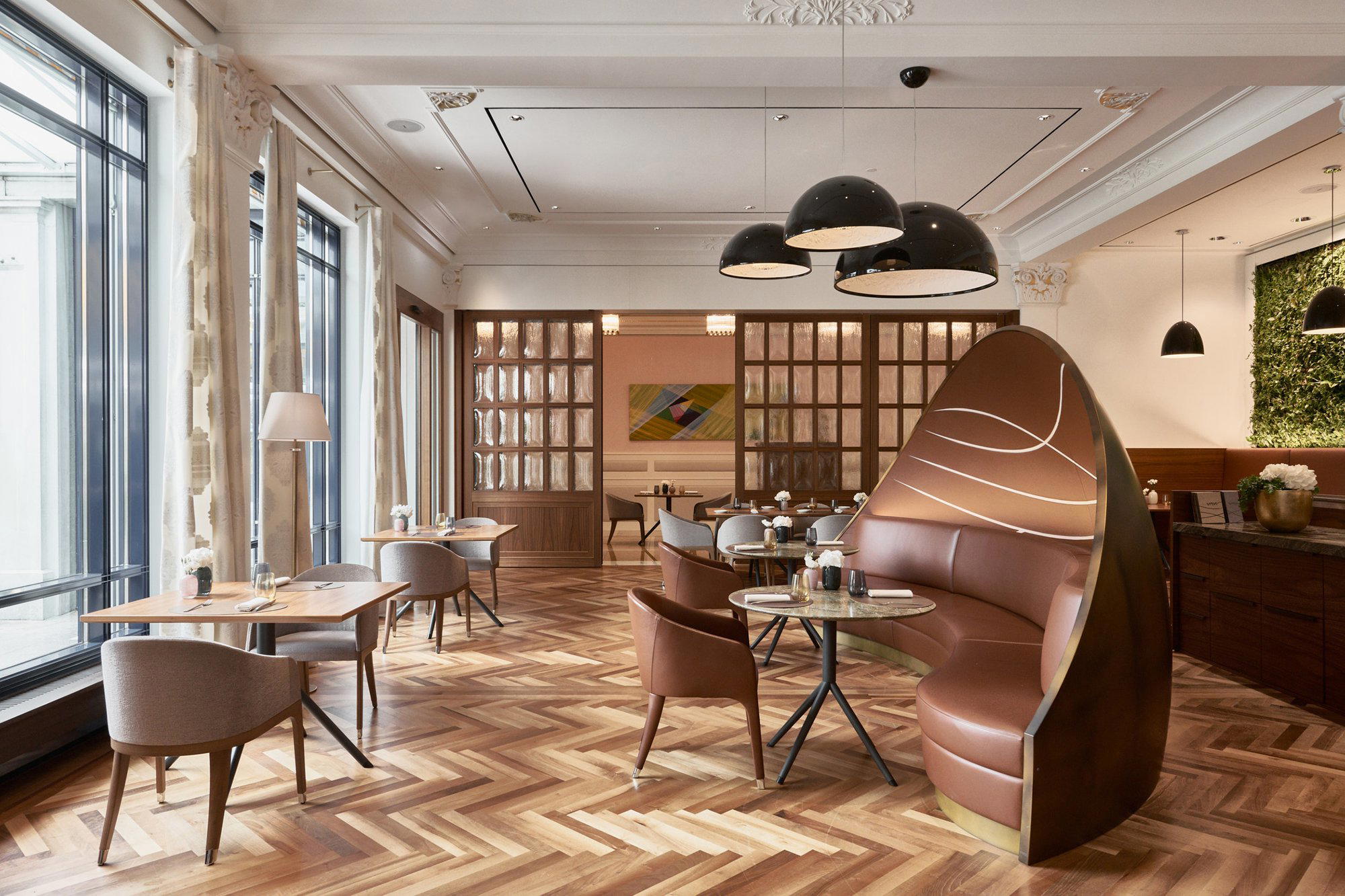
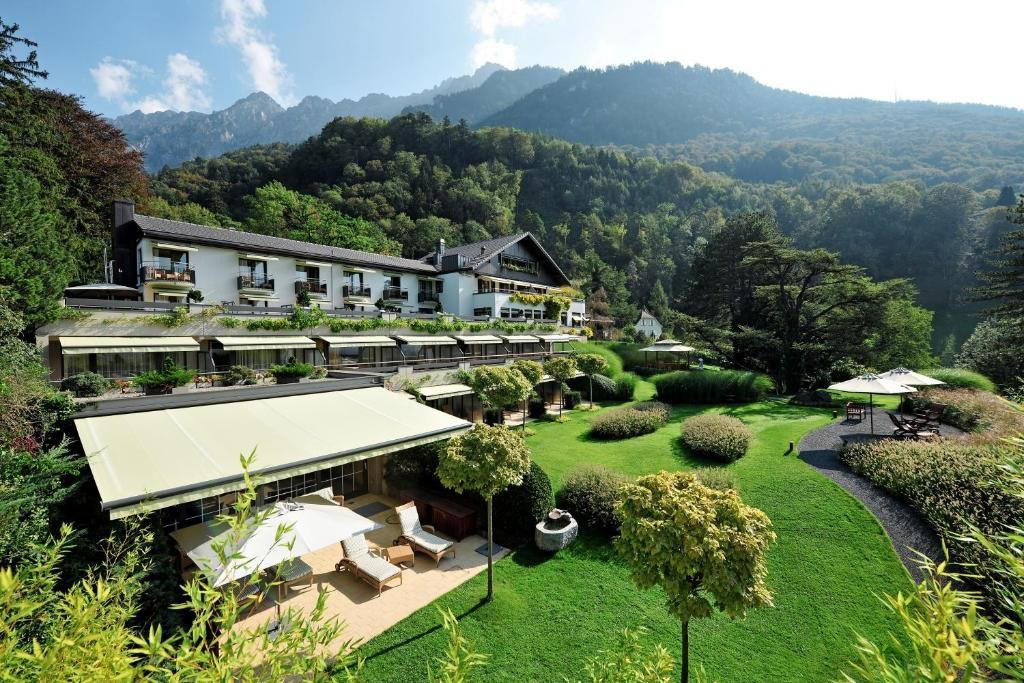
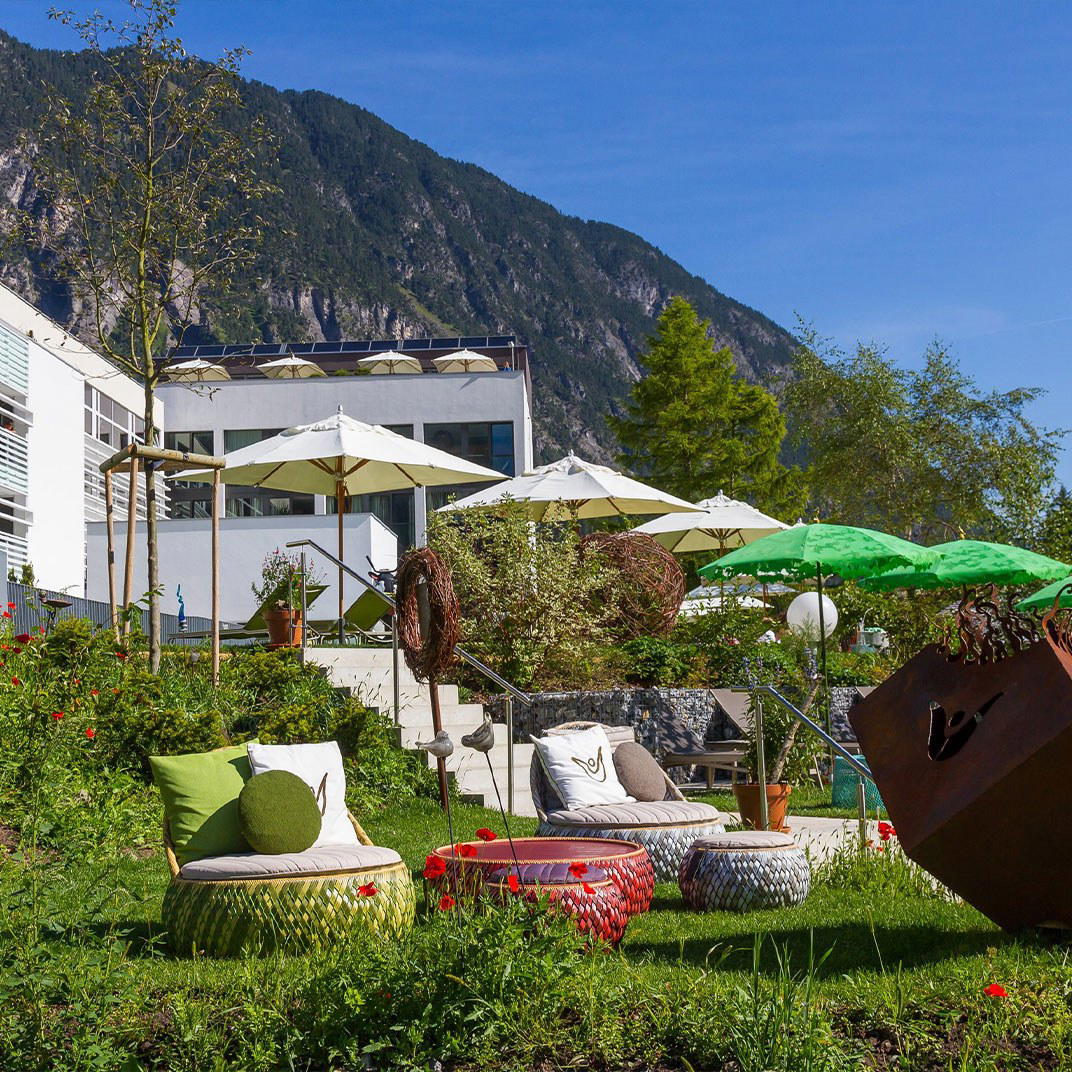
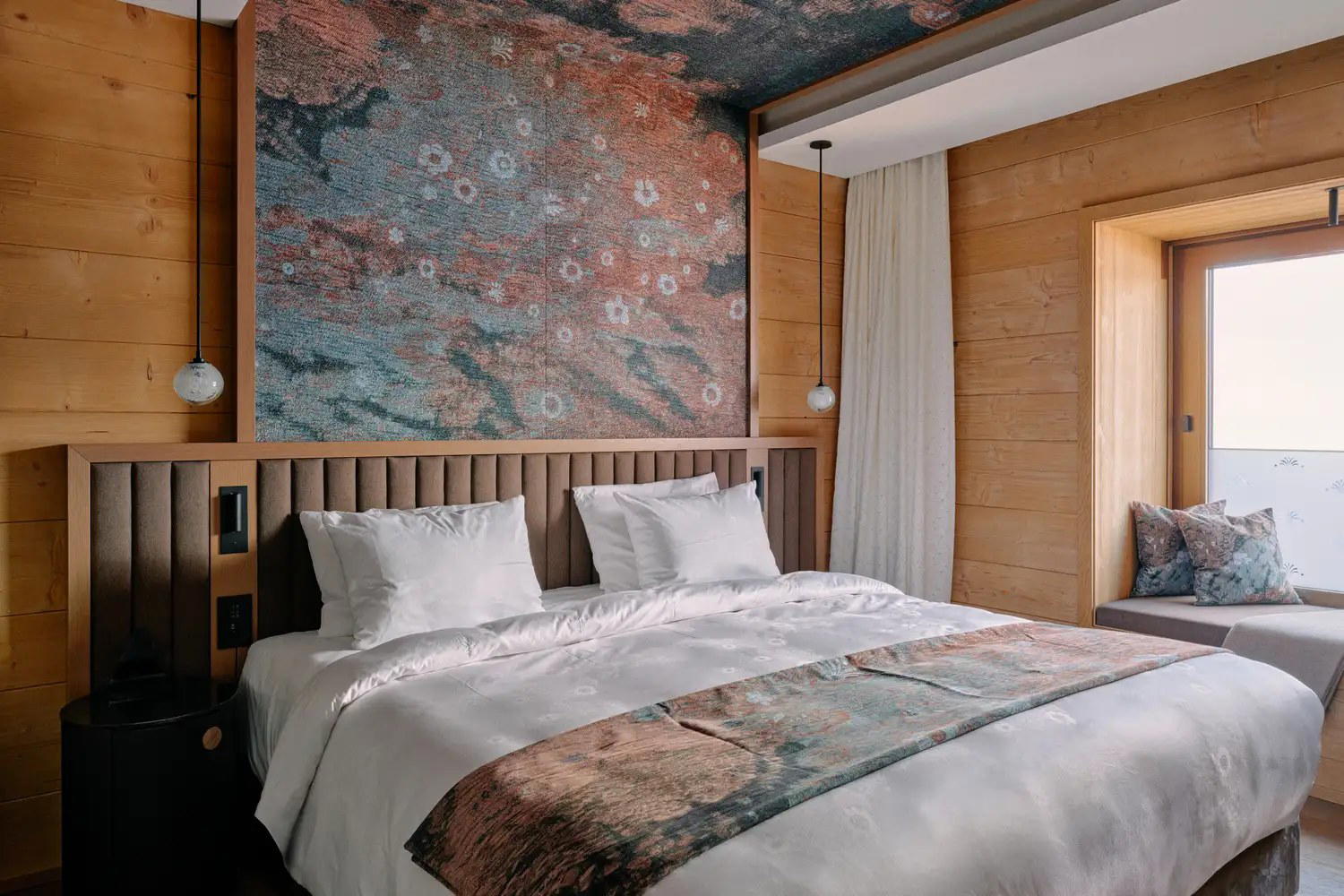
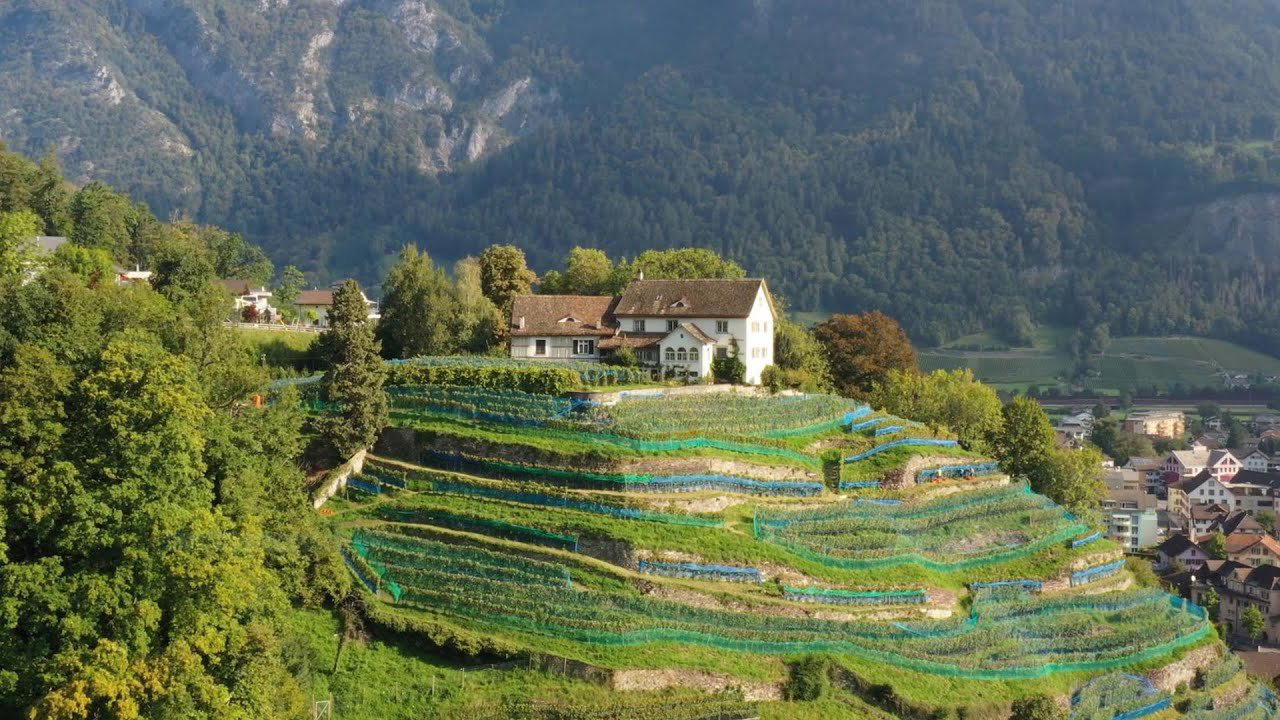
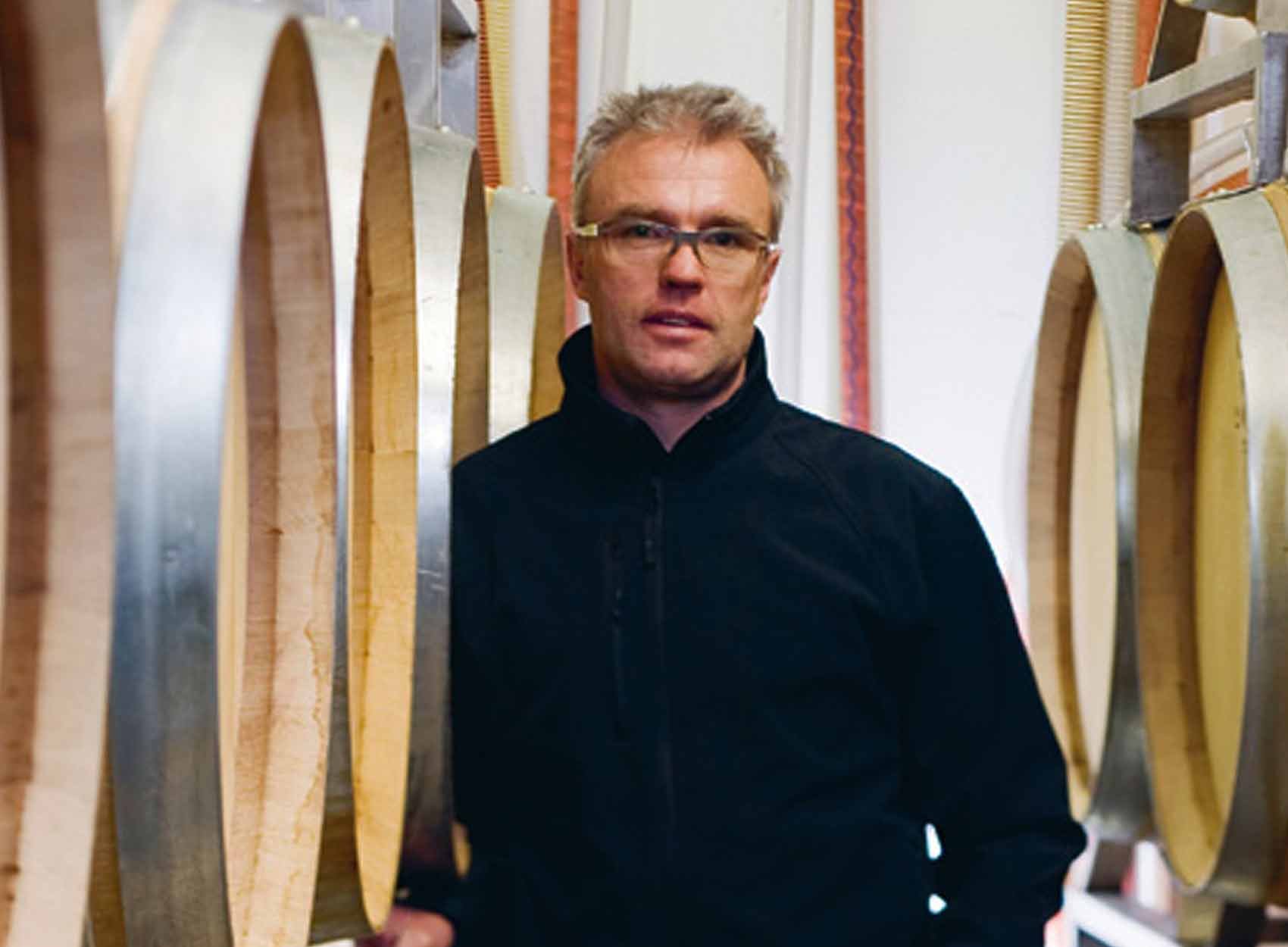
Stylish and refined atmosphere in a historic setting with views of the castle and vineyards; the Barrique hall offers an imposing wine cellar ambiance for celebrations.