TANG Restaurant
Our verdict
Located on Dorfstrasse in Ruggell, TANG Restaurant occupies a quiet corner of Liechtenstein's northern reaches, where the country's compact scale and agricultural surrounds shape what ends up on the plate. In a dining scene dominated by a handful of serious kitchens, TANG offers a distinct address for those passing through or staying in the Rhine Valley corridor.

Pearl is the En Primeur Club membership app, where members save venues, book tables and use the concierge.
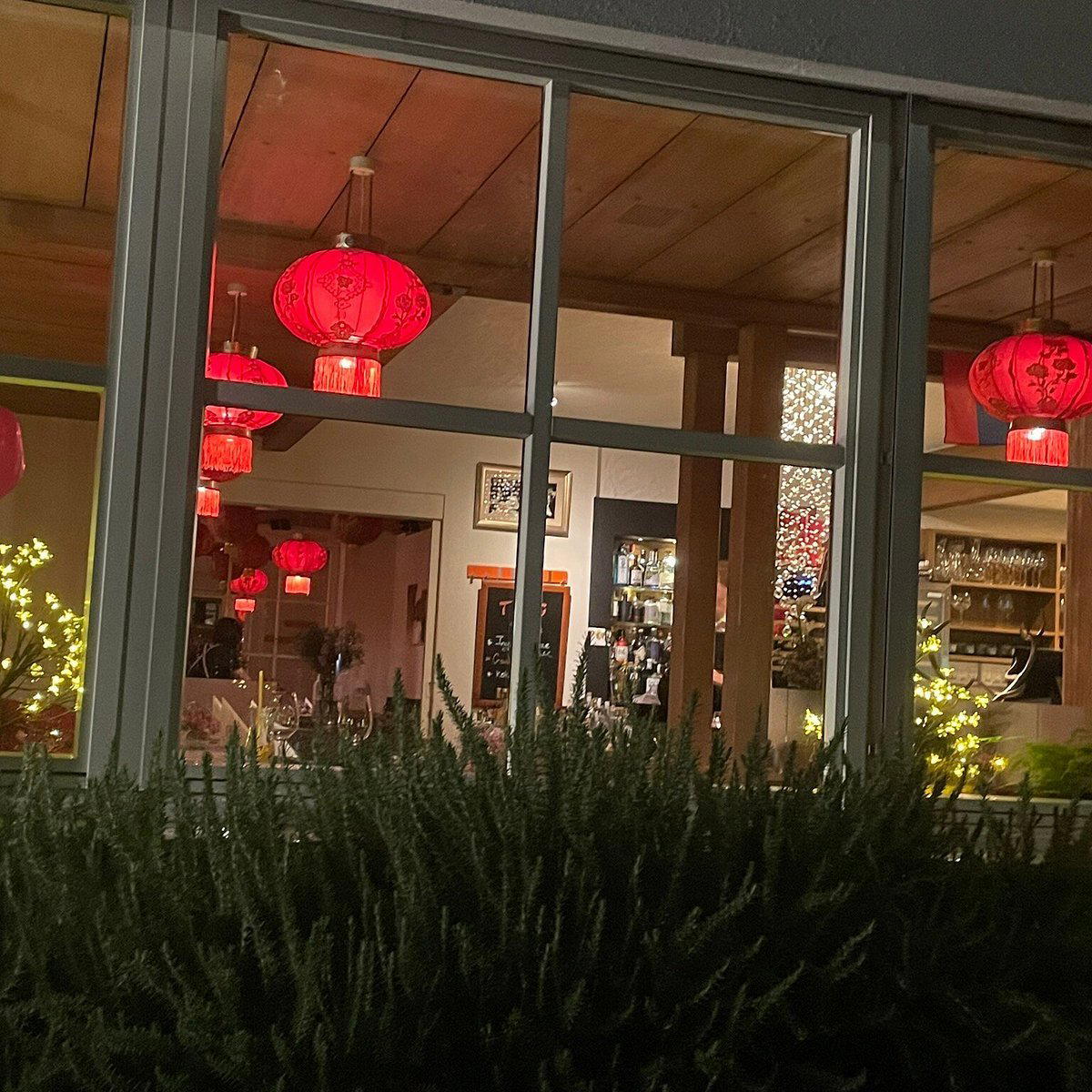
Ruggell, Liechtenstein, and the Logic of Cooking Small
Liechtenstein's restaurant scene operates under constraints that most European diners never have to consider. The country covers roughly 160 square kilometres, shares no major international airport, and is flanked by Switzerland to the west and Austria to the east. What this geography produces, at its better tables, is a cooking culture that draws from two strong culinary traditions simultaneously, while remaining tied to a local agricultural base that is, by necessity, tightly managed and seasonal. Ruggell sits at the northern tip of the country, close to the Rhine floodplain, in a village where farming and light industry still define the daily rhythm more than tourism does. TANG Restaurant at Dorfstrasse 29 occupies that context directly. For a broader orientation to eating in the area, see our full Ruggell restaurants guide.
Approaching the Address
Ruggell does not announce itself. The village moves from residential streets to open agricultural land within a few minutes of walking, and Dorfstrasse runs through the kind of modest village centre that still has a working relationship with the land around it. A restaurant at this address is not performing rurality for urban visitors; the setting is simply where it is. That distinction matters when thinking about ingredient sourcing in a place like this. In Liechtenstein's northern communities, proximity to Swiss and Austrian producers means the supply chain is short by default, not by marketing choice. The Rhine Valley floor produces vegetables and dairy; the surrounding hills support livestock. A kitchen operating here works with that supply or works against it, and the better establishments in the country tend to work with it.
Where TANG Sits in the Liechtenstein Dining Pattern
Liechtenstein's serious dining options are concentrated in Vaduz, the capital, where addresses like Torkel in Vaduz anchor the upper tier of modern cuisine at the $$$ price point. Outside the capital, the picture is more varied. Vivid in Triesen and Weinlaube in Schellenberg each represent different registers of the country's dining offer, and Ruggell, as the northernmost significant settlement, adds a further geographic note to the spread. TANG's position in Ruggell means it is unlikely to be drawing from a Vaduz dining crowd looking for a capital-adjacent option; its audience is more likely composed of local regulars, cross-border visitors from the Swiss Rhine Valley, and travellers making a deliberate stop rather than a casual detour.
The sourcing question is worth pressing on here. In countries of Liechtenstein's scale, ingredient provenance becomes a structural reality rather than a trend. A kitchen in Ruggell cannot easily source from distant suppliers without that distance showing in price and logistics. Swiss Alpine dairies, Austrian grain producers, and the Rhine Valley's own vegetable growers form the practical radius. This is the same material logic that drives sourcing at landmark European restaurants, from the farm-first discipline at Arpège in Paris to the coastal hyper-locality practised at Aponiente in El Puerto de Santa María, though at very different scales of ambition and recognition. The principle that a kitchen's sourcing decisions shape its identity as much as its technique is consistent across those contexts.
The Broader Alpine Sourcing Framework
Understanding what a restaurant in this corner of Europe is likely working with requires understanding the regional agricultural calendar. Spring in the Rhine Valley brings asparagus, early greens, and river fish. Summer extends into stone fruit, tomatoes, and courgette from local kitchen gardens. Autumn delivers game from the surrounding hills, root vegetables, and mushrooms from the forested slopes between Liechtenstein and Austria. Winter menus in Alpine-adjacent regions tend toward preservation, dairy-richness, and cured product. These seasonal rhythms are not unique to Liechtenstein; they mirror the pattern across German-speaking Alpine Europe. But in a country this size, the relationship between season and plate is more direct, because there is less infrastructure to buffer against it.
For comparison, consider how ingredient sourcing defines the editorial identity of recognised kitchens elsewhere. Atelier Crenn in San Francisco has built a certified organic sourcing framework into its operational model. Lazy Bear in San Francisco draws from a narrow network of regional producers as a structural commitment, not a marketing afterthought. Aqua in Wolfsburg operates in a German context where proximity to north European produce networks shapes the menu calendar. These examples illustrate how geography and sourcing decisions create identity at a table, a logic that applies with equal force to a small kitchen in Ruggell.
What to Expect From a Table in Ruggell
What can be said with confidence is that a restaurant operating on Dorfstrasse in Ruggell exists within a particular culinary gravitational field: German-speaking Alpine cooking traditions, Swiss-influenced dairy and charcuterie culture, and Austrian techniques for game and root vegetables. These are the inherited frameworks that any serious kitchen in this location is either working within or deliberately departing from. Diners who have spent time at comparable Alpine tables, from casual gasthauses to the more formal end of Austrian and Swiss restaurant culture, will find the broader flavour vocabulary familiar, even if the specific execution varies. Those arriving from farther afield, accustomed to the reference points of major dining cities, may find that the compressed scale of Liechtenstein's food culture produces something more concentrated and less mediated than they expect.
Planning a Visit
For context on what a full day of eating and drinking in Liechtenstein might look like at the upper end of the market, the Vaduz options remain the reference point. Torkel sits at the $$$ tier with a modern cuisine framework. Cross-referencing with international benchmarks from recognised programmes, the broader European Alpine dining scene has produced Michelin-recognised tables in Switzerland and Austria that set the regional standard; Liechtenstein itself operates outside the Michelin guide's coverage area, which means local reputations are built through word of mouth and repeat custom rather than guide recognition. That absence of formal critical infrastructure is itself a data point: tables here earn their standing differently than their Swiss neighbours across the Rhine.
Frequently asked questions
Can I bring kids to TANG Restaurant?
TANG sits on Dorfstrasse 29 in Ruggell, a quiet residential village in northern Liechtenstein, which generally suggests a relaxed, unhurried pace rather than a high-energy urban dining room. Village restaurants in this part of the Rhine Valley tend toward informal hospitality, though that should be verified rather than assumed.
What's the overall feel of TANG Restaurant?
Ruggell is a small agricultural village at the northern tip of Liechtenstein, and TANG's address on Dorfstrasse places it within that unpretentious, low-traffic setting. The context points toward an intimate, neighbourhood-scale room rather than a destination-format dining hall. Liechtenstein's serious restaurant scene is thin by European standards, the country covers roughly 160 square kilometres, which means a restaurant operating here tends to serve a local and repeat clientele rather than a tourist flow.
Is TANG Restaurant one of the few dining options in Ruggell itself?
Ruggell is a village of under 2,000 residents in the northernmost commune of Liechtenstein, and full-service restaurant addresses within the village are scarce. Most of Liechtenstein's recognised dining options are concentrated in Vaduz, the capital, a short drive south. TANG on Dorfstrasse 29 therefore occupies a relatively rare position as a sit-down restaurant within Ruggell's own boundaries, making it a practical base for visitors exploring the country's northern Rhine plain rather than anchoring a trip in the capital.
What should I order at TANG Restaurant?
Restaurants in this corner of Liechtenstein and the adjacent Rhine Valley typically work within a Central European and Alpine framework shaped by seasonal availability. Contacting TANG directly at Dorfstrasse 29 in Ruggell before your visit is the most reliable way to understand the current menu.
Where do I go for TANG Restaurant?
TANG Restaurant is located at Dorfstrasse 29, 9491 Ruggell, Liechtenstein, Ruggell.
Quick Comparison
Comparable venues nearby, for context on price, style, and recognition.
| Venue | Cuisine | Price | Awards | Notes |
|---|---|---|---|---|
| TANG RestaurantThis venue (the venue you are viewing) | Traditional Chinese with Regional Fusion | Not listed | Not listed | Not listed |
| Vivid | Contemporary European with Regional Focus | Not listed | Not listed | Triesen |
| Hofkellerei Vaduz | Alpine Regional with Wine Pairing | $30–50 | Falstaff Winery - 2 Stars | Vaduz |
| Adler | Regional Alpine Cuisine | Not listed | Not listed | Vaduz center |
| Weinlaube | Classic Regional Alpine Cuisine | $50–100 | Michelin Plate | Schellenberg |
| Marée | Classic Mediterranean Fine Dining | $100–150 | Michelin Plate · Relais Chateaux Award | Vaduz |
Continue exploring
More in Ruggell
Restaurants in Ruggell
All restaurants in Ruggell →
Bars in Ruggell
Browse all →

Details
- Cozy
- Casual Hangout
- Date Night
- Craft Cocktails
- Local Sourcing
- A La Carte
- Vegetarian Friendly
- Vegan Options
Current opening hours
- Monday
- Closed
- Tuesday
- 5–11 PM
- Wednesday
- 11 AM–2 PM, 5–11 PM
- Thursday
- 11 AM–2 PM, 5–11 PM
- Friday
- 11 AM–2 PM, 5–11 PM
- Saturday
- 11 AM–2 PM, 5–11 PM
- Sunday
- 11 AM–2 PM, 5–10 PM
Hours can change for holidays and private events. Hours as of .
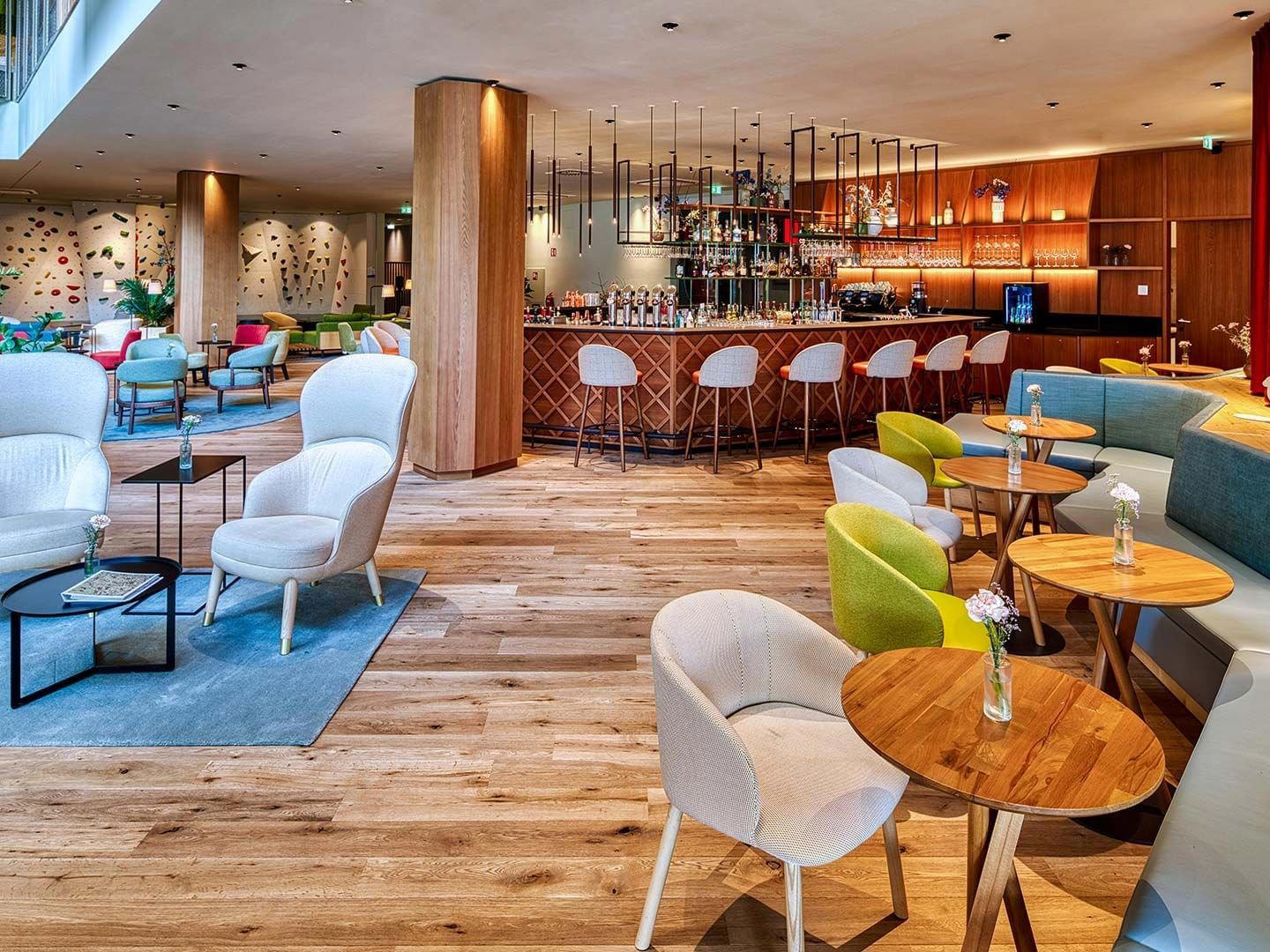
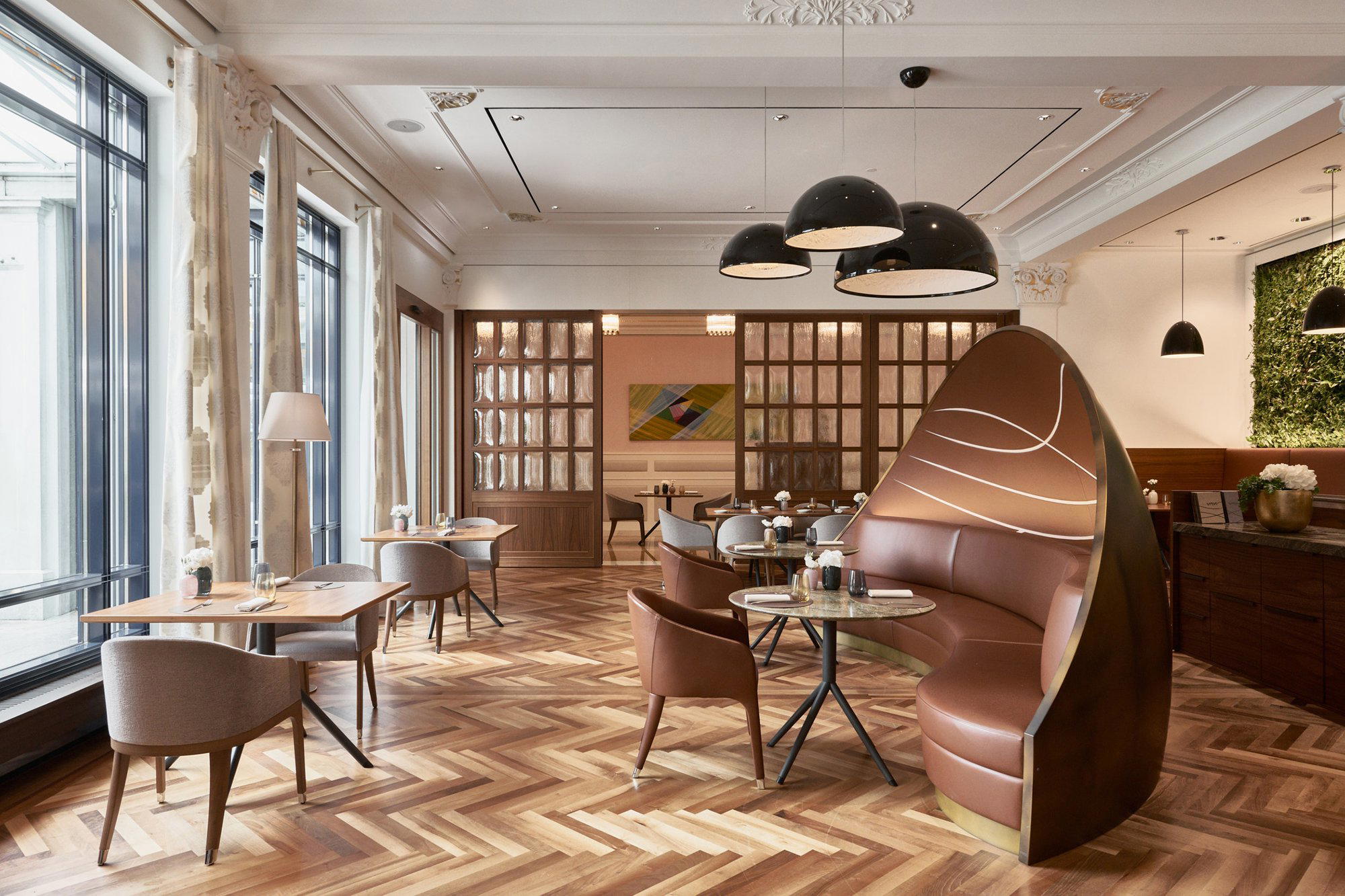
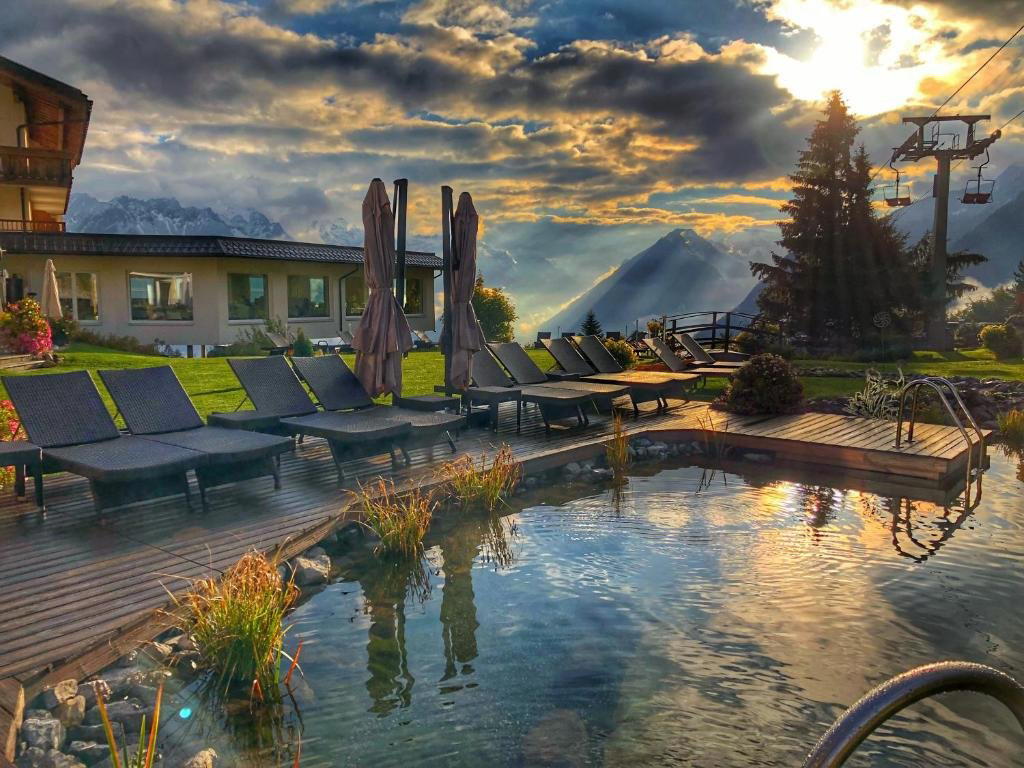
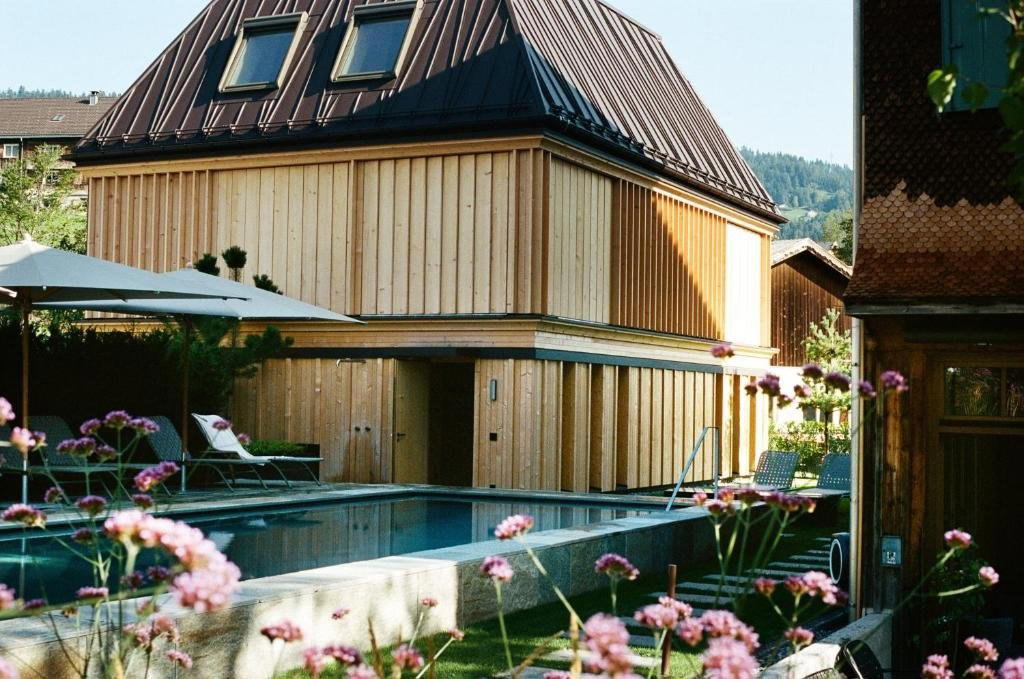
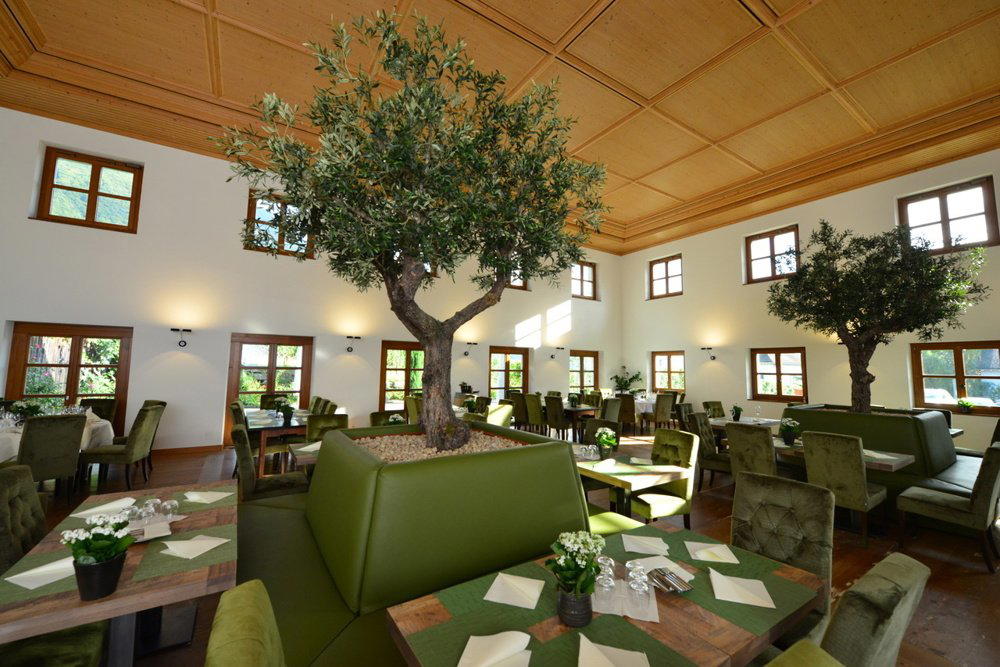
Warm, inviting, and hospitable atmosphere with stylish and welcoming decor.