Vivid

Our verdict
Vivid occupies a quiet address on Landstrasse in Triesen, one of Liechtenstein's smaller residential communes, where the dining scene rewards those who seek beyond the capital's more familiar options. With the Rhine valley and Alpine foothills as the region's pantry, restaurants here operate within a Central European sourcing tradition that prizes seasonal proximity over global reach. A considered choice for travellers moving through the Rhine corridor between Switzerland and Austria.

Pearl is the En Primeur Club membership app, where members save venues, book tables and use the concierge.

Dining in the Rhine Valley: What Triesen's Position Means for the Plate
Liechtenstein's dining scene is frequently collapsed into a single reference point, Vaduz, but the country's eleven communes each carry distinct residential and agricultural characters that shape where and how people eat. Triesen, positioned along the Landstrasse corridor in the southern part of the principality, sits closer to the canton of St. Gallen than to the Vaduz restaurant cluster, and that geography matters. The Rhine plain here transitions into the lower Alpine slopes within a short distance, giving kitchens in this zone access to a sourcing radius that spans valley-floor agriculture and upland pasture in a way that the capital's more urban dining rooms cannot always replicate with the same immediacy. Vivid, at Landstrasse 80, occupies that geography directly.
For context on the broader Liechtenstein dining tier, our full Triesen restaurants guide maps the commune's options relative to the principality's wider restaurant spread. Triesen does not generate the same volume of dining traffic as Vaduz, which means that the venues operating here tend to serve a local and regional clientele rather than tourist-led demand, a distinction that often shapes sourcing discipline and menu cadence in ways that higher-traffic dining rooms do not have to maintain.
The Central European Sourcing Tradition and Why Proximity Matters
Across the German-speaking Alpine arc, from Baden-Württemberg through Switzerland and into Austria, the most credible kitchens have long framed their menus around what arrives from the nearest reliable source rather than what can be airfreighted to approximate a global dining standard. This is not a recent trend driven by sustainability marketing; it is a structural feature of how Central European gastronomy developed through centuries of hard winters, defined seasons, and regional trade networks that made proximity a practical necessity before it became an editorial stance.
Liechtenstein sits at the intersection of those traditions. Swiss dairy and charcuterie culture, Austrian alpine produce, and the Rhine valley's own vegetable and fruit cultivation create a sourcing context that is genuinely pluralistic in a compact geographic footprint. A kitchen in Triesen that takes that context seriously has access to ingredients that would require significant logistical effort for a restaurant in, say, central London or urban Tokyo. The distance between the Rhine plain's market gardens and a kitchen on the Landstrasse is, in many cases, measured in kilometres rather than supply-chain links.
That proximity model contrasts sharply with how the world's most celebrated rooms, places like Arpège in Paris or Aponiente in El Puerto de Santa María, have built entire culinary identities around the radical reduction of sourcing distance. What distinguishes those rooms from a regional restaurant doing something similar is scale of ambition and resource, not the underlying logic. A small kitchen in a residential Liechtenstein commune operates within the same sourcing philosophy, constrained by different means but oriented by the same practical geography.
Triesen Within the Liechtenstein Dining Tier
Liechtenstein's restaurant infrastructure is thin by the standards of comparable European micro-states. Monaco, for example, supports operations like Alain Ducasse at Louis XV on the back of concentrated wealth and international tourism. Liechtenstein's dining economy is quieter, more locally oriented, and more dependent on cross-border traffic from Switzerland and Austria than on destination dining seekers. That context shapes what venues here can sustain in terms of format, team size, and menu complexity.
The principality's most visible dining reference is Torkel in Vaduz, which operates in the modern cuisine tier at the $$$ price band and represents the country's strongest case for serious dining with formal hospitality infrastructure. Beyond Vaduz, venues like Weinlaube in Schellenberg and TANG Restaurant in Ruggell demonstrate that the principality's dining activity is distributed across its communes rather than concentrated entirely in the capital. Vivid in Triesen adds to that distribution, serving the southern commune's residents and those passing through the Rhine corridor on routes between the Swiss cantons and the Austrian Vorarlberg.
What the Landstrasse Address Signals
Landstrasse is Triesen's central artery, a working road that carries everyday commerce rather than tourism infrastructure. A restaurant at this address is not making a pitch to visitors oriented by a hotel concierge recommendation, it is positioned for the community it sits within, and for travellers moving through the region who are paying enough attention to notice what exists off the main Vaduz circuit. That positioning tends to reward a certain kind of reader: one who has already worked through the principality's headline options and is now asking what exists at the next level of granularity.
For a broader frame of reference on what serious dining looks like at this scale of operation in other low-profile European locations, the trajectory of places like Aqua in Wolfsburg, a three-Michelin-star room in a German industrial city not known for gastronomy, demonstrates that geography and dining ambition do not have to align in predictable ways. The comparison is not about equivalence of award status; it is about the principle that a location's anonymity is not a reliable guide to what its kitchens are doing.
Planning a Visit to Vivid
Vivid is located at Landstrasse 80, 9495 Triesen, Liechtenstein. Triesen is accessible from Vaduz in under ten minutes by road and sits within direct reach of the Swiss city of Buchs (canton St. Gallen), which connects to the Swiss rail network. For travellers arriving by rail, Buchs SG station provides the most direct regional access point, with Liechtenstein served by local bus connections into and through the communes. Because Liechtenstein operates no airport and has minimal dedicated tourism infrastructure, most visitors to Triesen arrive via Switzerland or Austria by private vehicle or regional public transport.
Visitors should verify directly before travel, as restaurants in lower-traffic communes in the region do not always maintain consistent public-facing digital presence. The address at Landstrasse 80 provides a fixed reference point for planning purposes.
For those building a longer Liechtenstein or Rhine valley itinerary, the comparison tier is useful: Torkel in Vaduz represents the principality's most formal dining option, while Vivid in Triesen offers an alternative to that capital-centric frame. Internationally, travellers who track dining rooms that operate seriously in unexpected geographic contexts might also look at the contrast with urban fine dining programs in major cities, from Le Bernardin in New York to Amber in Hong Kong, to calibrate what different resources and contexts produce.
Frequently asked questions
Can I bring kids to Vivid?
Vivid sits on Landstrasse 80, Triesen's main working road rather than a tourist strip, which suggests a local, everyday character more than a formal special-occasion room. Contacting the venue directly before visiting with young children is advisable.
Is Vivid a good dining option for visitors already based in Vaduz?
Triesen sits less than ten minutes from Vaduz by road, making Vivid at Landstrasse 80 a practical extension of any Vaduz-centred itinerary. Liechtenstein's restaurant infrastructure is thin relative to comparable European micro-states, so a dining address in Triesen represents a genuine addition to the country's limited options rather than a redundant detour.
What's the must-try dish at Vivid?
No menu data is currently documented for Vivid. Liechtenstein kitchens within the Alpine German-speaking arc frequently work with regional sourcing traditions, proximity to Swiss, Austrian, and Rhine Valley producers is a structural advantage for any serious operation in Triesen. For current dishes, reaching out to Vivid at Landstrasse 80 before your visit is the most reliable approach.
In Context: Similar Options
Comparable venues nearby, for context on price, style, and recognition.
| Venue | Cuisine | Price | Awards | Notes |
|---|---|---|---|---|
| VividThis venue (the venue you are viewing) | Contemporary European with Regional Focus | Not listed | Not listed | Not listed |
| Hofkellerei Vaduz | Alpine Regional with Wine Pairing | $30–50 | Falstaff Winery - 2 Stars | Vaduz |
| TANG Restaurant | Traditional Chinese with Regional Fusion | Not listed | Not listed | Ruggell |
| Adler | Regional Alpine Cuisine | Not listed | Not listed | Vaduz center |
| Marée | Classic Mediterranean Fine Dining | $100–150 | Michelin Plate · Relais Chateaux Award | Vaduz |
| Weinlaube | Classic Regional Alpine Cuisine | $50–100 | Michelin Plate | Schellenberg |
Recognition history
Dated appearances from independent guides and award organizations, with the underlying list record or original source where available.
World Culinary Awards Liechtenstein's Best Hotel Restaurant 2025 #1
World Culinary Awards
Continue exploring
More in Triesen
Restaurants in Triesen
All restaurants in Triesen →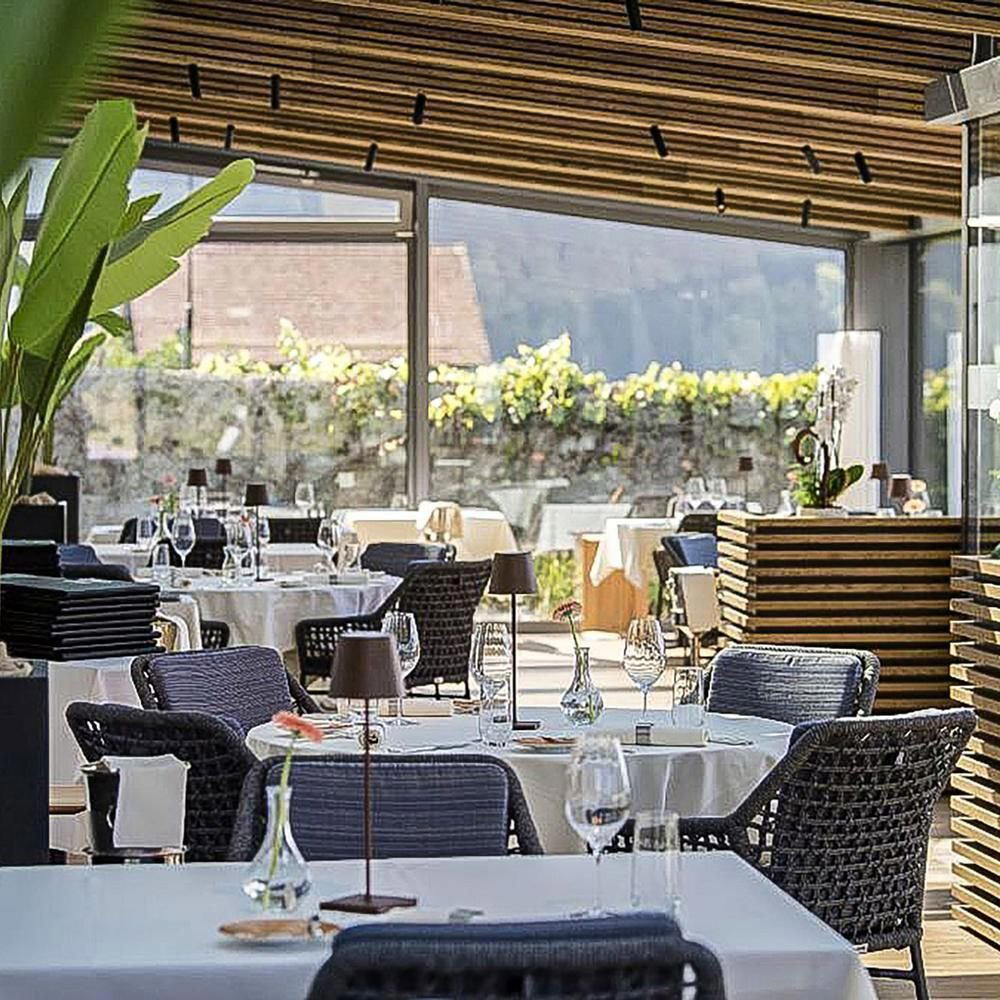
Bars in Triesen
Browse all →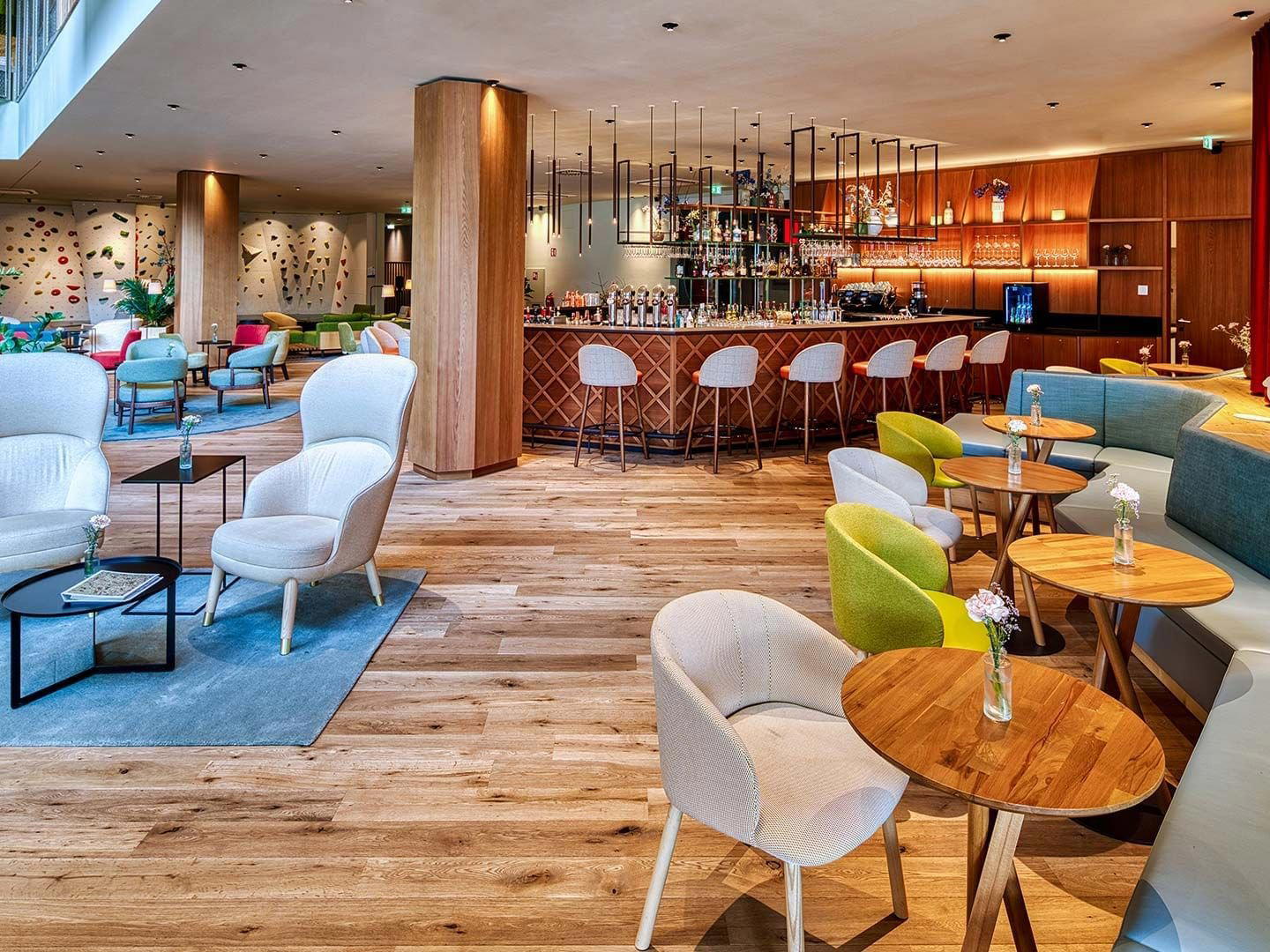

Details
- Elegant
- Cozy
- Sophisticated
- Date Night
- Business Dinner
- Special Occasion
- Terrace
- Extensive Wine List
- Local Sourcing
- A La Carte
- Vegetarian Friendly
Current opening hours
- Monday
- 11:30 AM–2 PM, 6:30–10 PM
- Tuesday
- 11:30 AM–2 PM, 6:30–10 PM
- Wednesday
- 11:30 AM–2 PM, 6:30–10 PM
- Thursday
- 11:30 AM–2 PM, 6:30–10 PM
- Friday
- 11:30 AM–2 PM, 6:30–10 PM
- Saturday
- Closed
- Sunday
- Closed
Hours can change for holidays and private events. Hours as of .
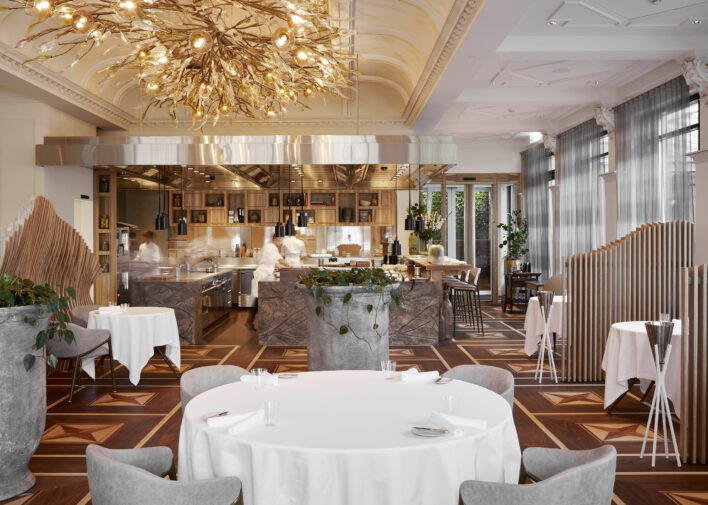
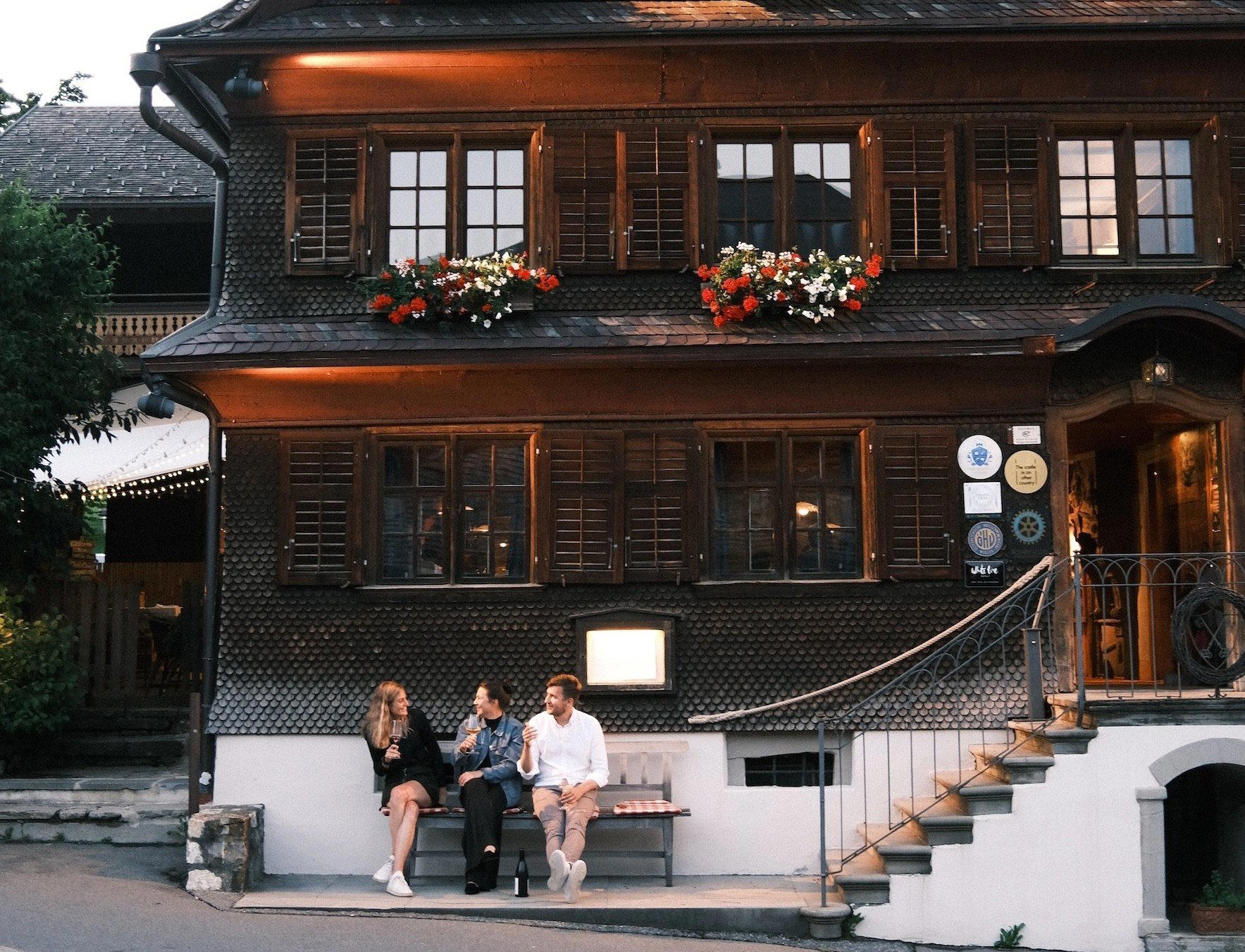
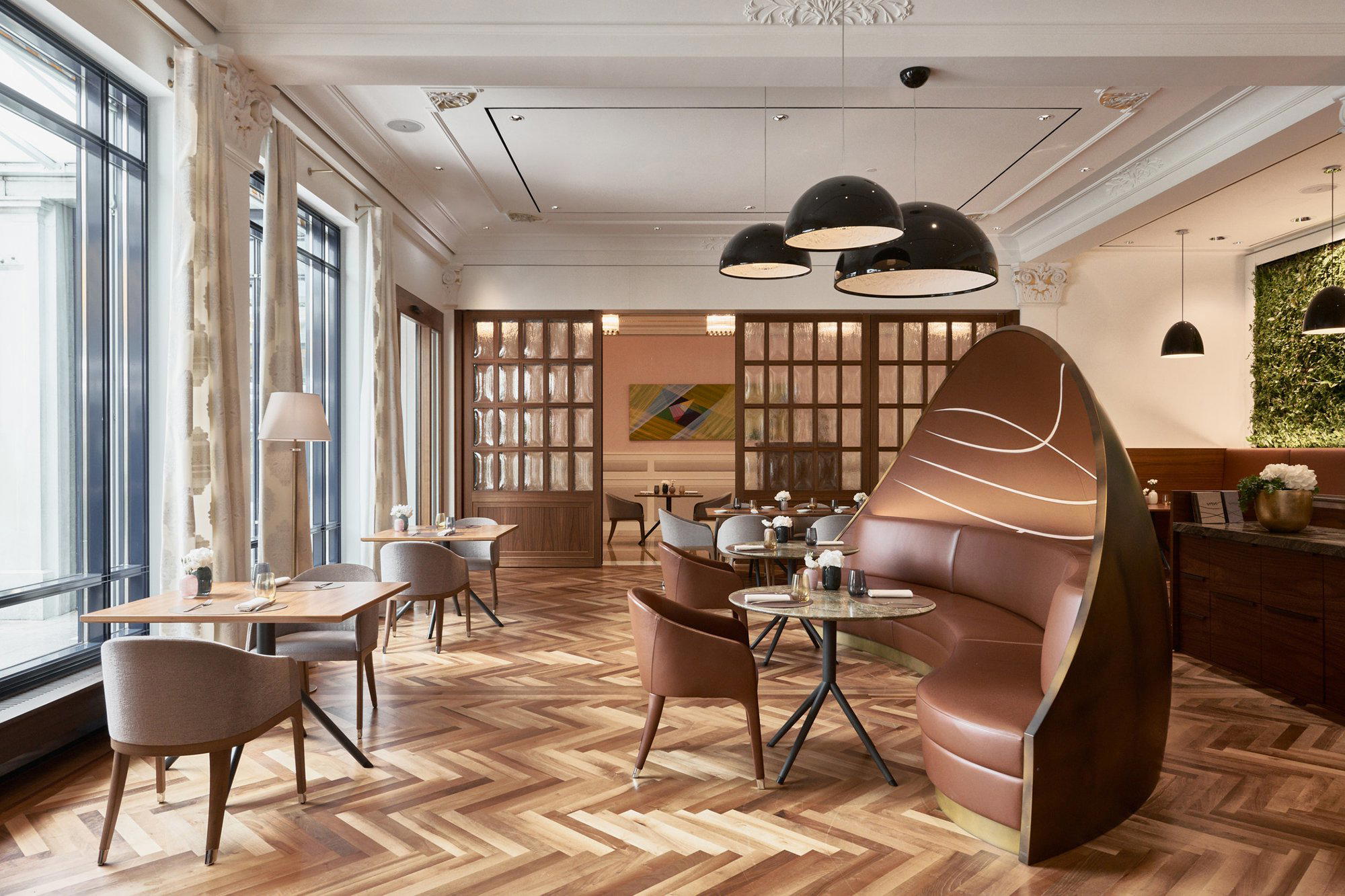
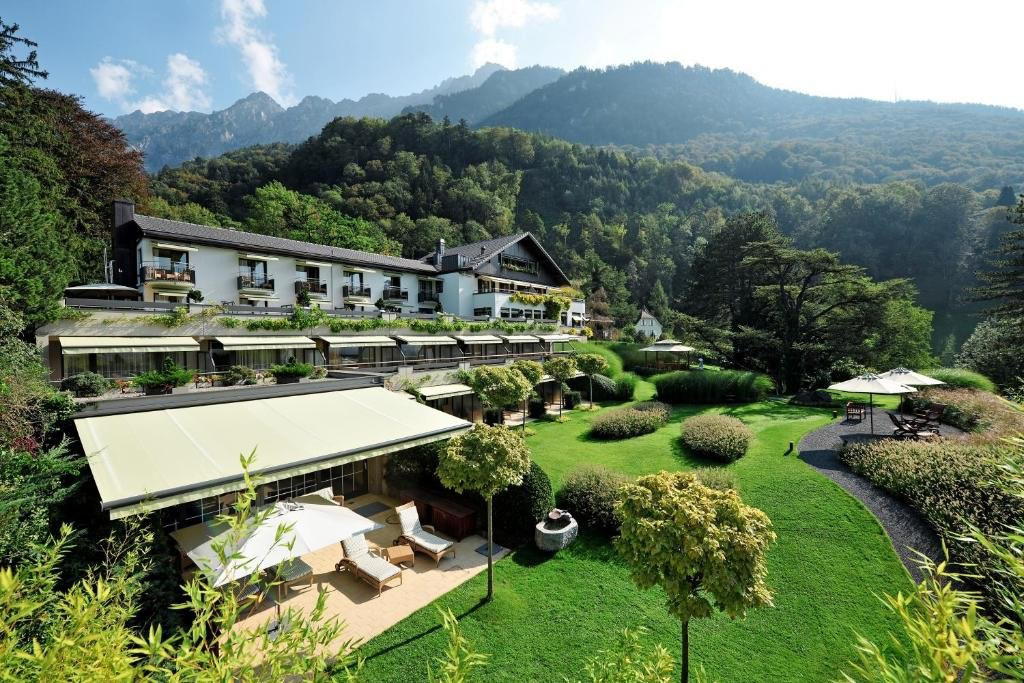
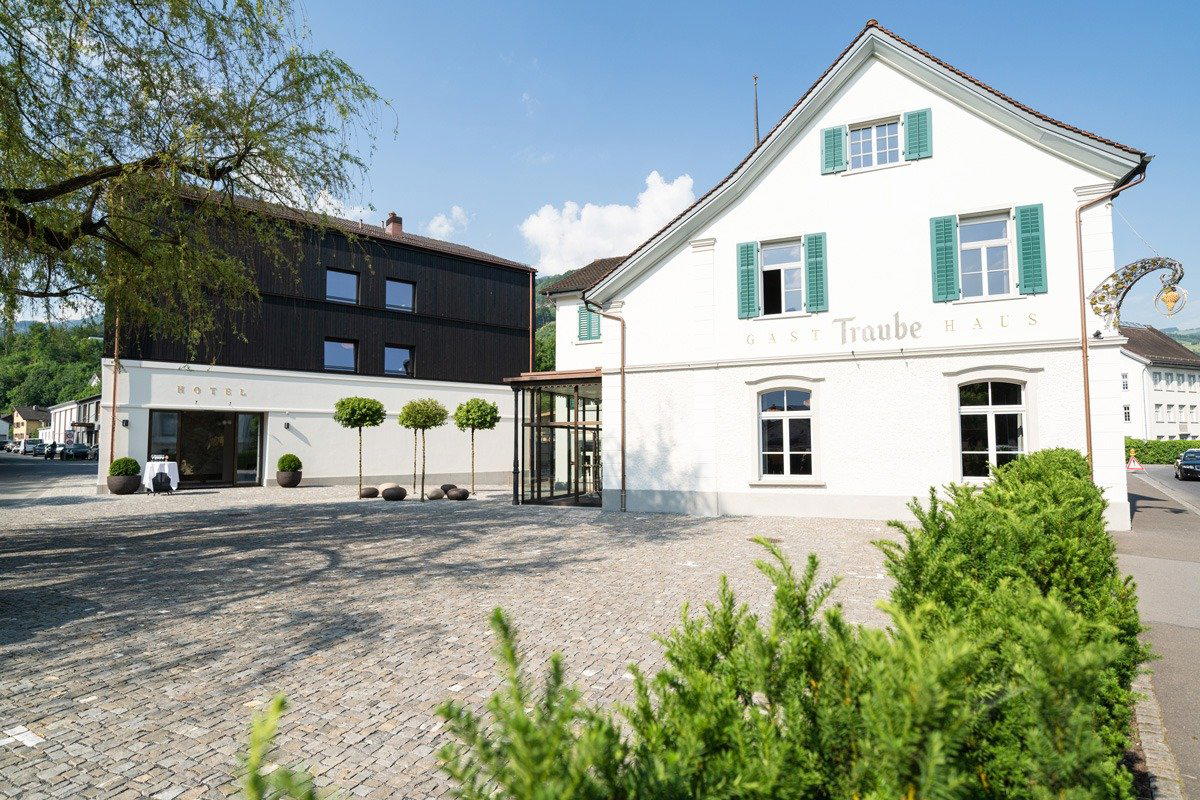
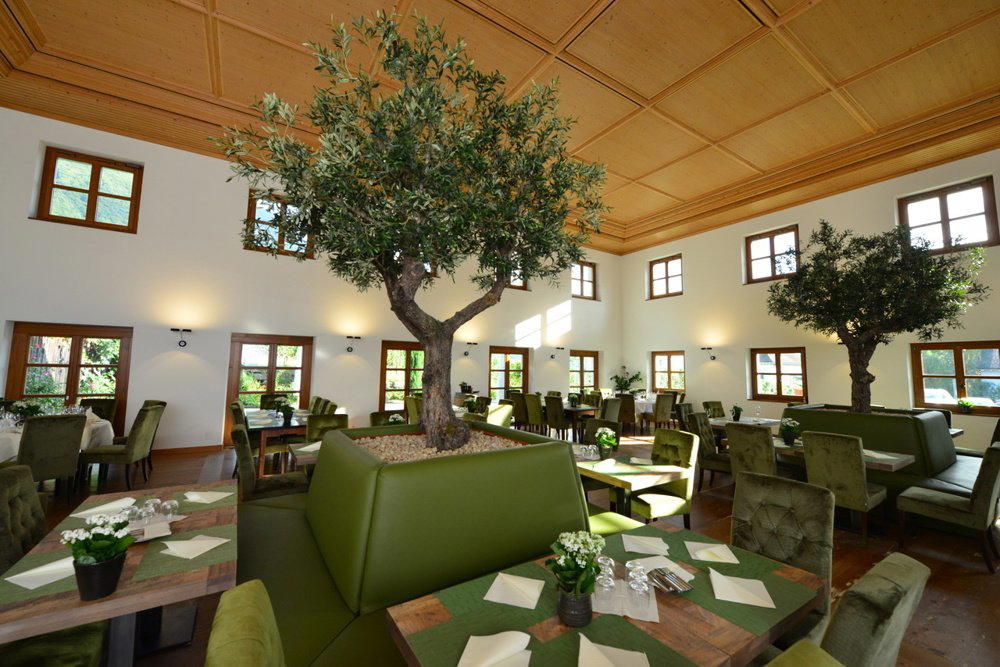
Cosy with stylish ambiance, beautiful terrace, and focus on lively, enjoyable regional dining.