
Falstaff Winery - Listed
A small alpine wine project above Göfis, Chesa Druschauna reads less like mainstream Austrian cellar tourism and more like a revived local agricultural tradition. Its south-southeast slope, elevation above 600 meters, and focus on Chardonnay, Blaufränkisch, Roesler and Pinot Noir make it a sharp case study in Vorarlberg’s mountain viticulture.

Pearl is the En Primeur Club membership app — saves, bookings, and concierge access live there. Same editors, same standards.
- Address
- Göfis, Mountain country, Vorarlberg, Österreich
- Directions
- Get directions

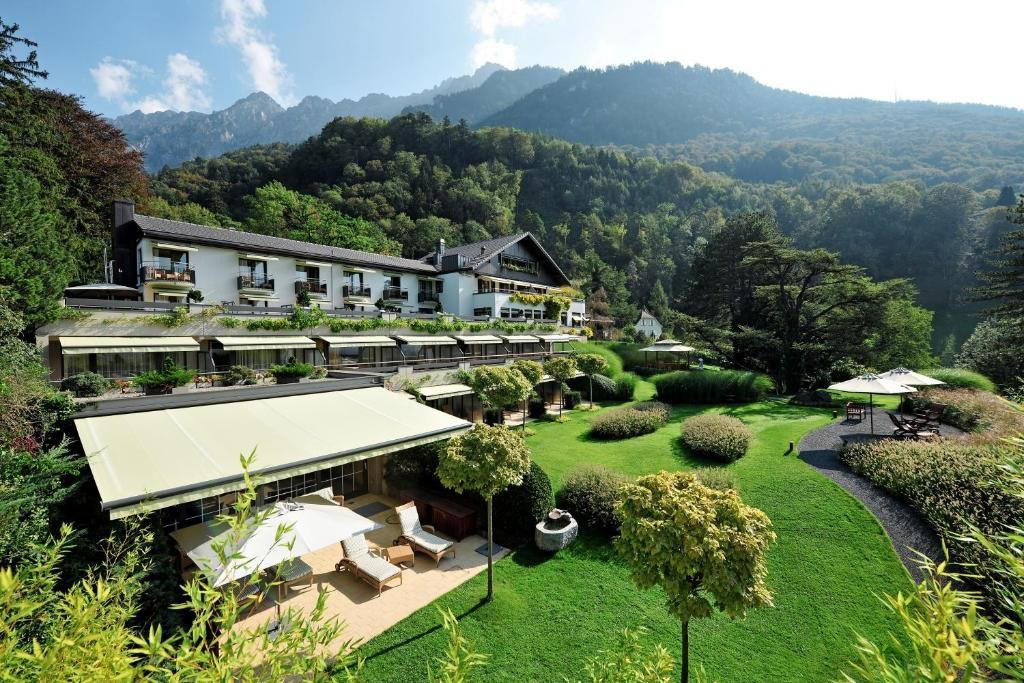
Chesa Druschauna in Gofis is best understood as a small alpine vineyard project rather than a large hospitality venue. The picture is deliberately modest: a vineyard on a south-southeast slope above Göfis, shaped by a rugged, mountain-influenced microclimate and by an atmosphere that is intimate, traditional and focused on craftsmanship. For travellers researching wine in this part of Vorarlberg, the appeal is the setting and scale rather than a broad visitor-center model.
That restraint is important. Many wine destinations are easy to describe through established appellations, long tasting lists, formal cellar doors or high-production visibility. Chesa Druschauna asks for a narrower reading. The facts point to a small project working in an alpine context, where exposure, slope and mountain weather are central to how the place should be understood. The page should not be read as a promise of specific services, grape varieties, awards, tours, opening hours or hospitality formats unless those details are confirmed directly before a visit.
Alpine exposure shapes the argument in the glass
The defining feature is the site itself: a south-southeast slope above Göfis. In an alpine vineyard context, orientation and exposure are not decorative details. They shape how a small vineyard project presents itself, especially in a place where the surrounding mountains and a rugged microclimate are part of the identity. Chesa Druschauna’s editorial interest begins with that terrain.
The atmosphere is also part of the draw. Rather than being described as a large visitor center or a polished tourism complex, Chesa Druschauna is as intimate and traditional, with an emphasis on craftsmanship. That gives the venue a different kind of appeal from a conventional wine stop built around scale, volume or a broad menu of amenities. It is more useful to frame it as a scenic, rustic and relatively hidden alpine project in Gofis.
Because the information is concise, it is better to avoid overclaiming. The safest and most accurate reading is that Chesa Druschauna’s significance comes from its small scale, its mountain setting and its craft-focused identity.
A small alpine project, not a broad visitor-center model
Chesa Druschauna’s price marker is $$. That gives a basic planning cue, but it should not be stretched into claims about specific tasting fees, bottle prices, menu formats or inclusions.
The venue’s strength is the clarity of its setting. A south-southeast slope above Göfis, a mountain-influenced microclimate and an intimate, traditional atmosphere combine to create a place that reads as local and craft-led. For visitors, that means the most grounded expectation is not a large-scale wine-tourism operation, but a small alpine vineyard project with a scenic and rustic character.
This distinction matters for planning. If you are building an itinerary around Gofis, Chesa Druschauna belongs in the category of quiet, place-specific stops rather than high-capacity destinations. Its identity is narrow but coherent: small, alpine, traditional, craftsmanship-focused and connected to the landscape above the village.
How to place it within a Gofis wine itinerary
For a Gofis itinerary, Chesa Druschauna works well as a landscape-led point of interest. The facts support a visit concept centered on the alpine setting, the slope above Göfis and the project’s intimate character. They do not support claims about lunch, dinner, take-out, delivery, formal dining, guided tours, appointment requirements, language of service or a particular beverage program.
For broader planning around the village, use Chesa Druschauna as a small-scale reference point within Gofis rather than as proof of a large local wine circuit. Other dining or drinking options in Gofis can be considered separately, but they should not be treated as direct evidence for what Chesa Druschauna offers.
The editorial case for Chesa Druschauna is simple and grounded: it is a small alpine vineyard project in Gofis, set on a south-southeast slope, shaped by a rugged mountain microclimate and presented with an intimate, traditional, craftsmanship-focused atmosphere. Go for the sense of place, the scenic rustic setting and the quieter character of a hidden local project, while confirming any practical visit details before making plans.
Recognition history
Dated appearances from independent guides and award organizations, with the underlying list record or original source where available.
Falstaff Winery - Listed
Falstaff
Continue exploring
More in Gofis
Wineries in Gofis
Browse all →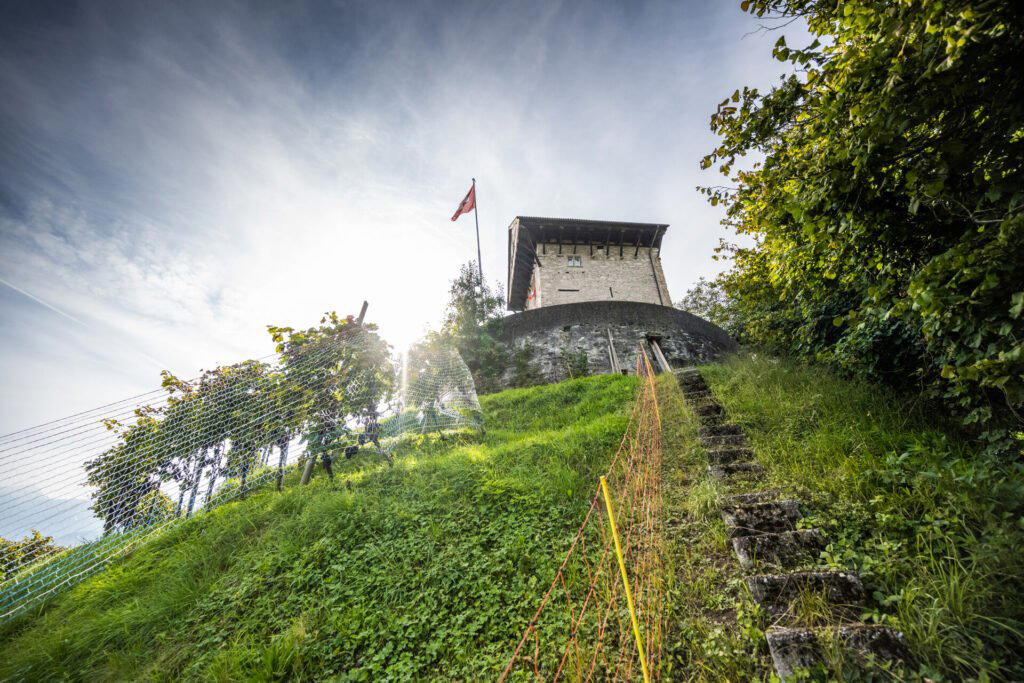
Bars in Gofis
Browse all →

Restaurants in Gofis
Browse all →
Details
- Scenic
- Rustic
- Intimate
- Romantic Getaway
- Group Outing
- Solo Exploration
- Wine Education
- Vineyard Tour
- Estate Grounds
- Panoramic View
- Mountain
- Vineyard
- Chardonnay
- Blaufränkisch
- Roesler
- Pinot Noir
- Still White
- Still Red
- Vineyard Tour
- Producer Led Tasting
- German
Small alpine vineyard project on a south-southeast slope above Göfis, with a rugged mountain-influenced microclimate; atmosphere is intimate and traditional, focused on craftsmanship rather than a large visitor center.