Huus Quell



1 Michelin Key · TIME 2026 TIME World's Greatest Places · Travel + Leisure It List Hotels
A Michelin Selected wellness resort in the Appenzell hills, Huus Quell pairs sustainably sourced local timber construction with biohacking spa treatments and textile-led room interiors by Jakob Schlaepfer, the Swiss house that supplies Dior and Chanel. The 30-room property sits at the more considered end of Swiss alpine hospitality, where provenance and material specificity matter as much as thread count. Doubles from $550.

Pearl is the En Primeur Club membership app — saves, bookings, and concierge access live there. Same editors, same standards.
- Address
- Dorfstrasse 40, 9108 Gonten, Switzerland
- Phone
- +41 71 511 05 00
- Website
- appenzellerhuus.ch
- Directions
- Get directions
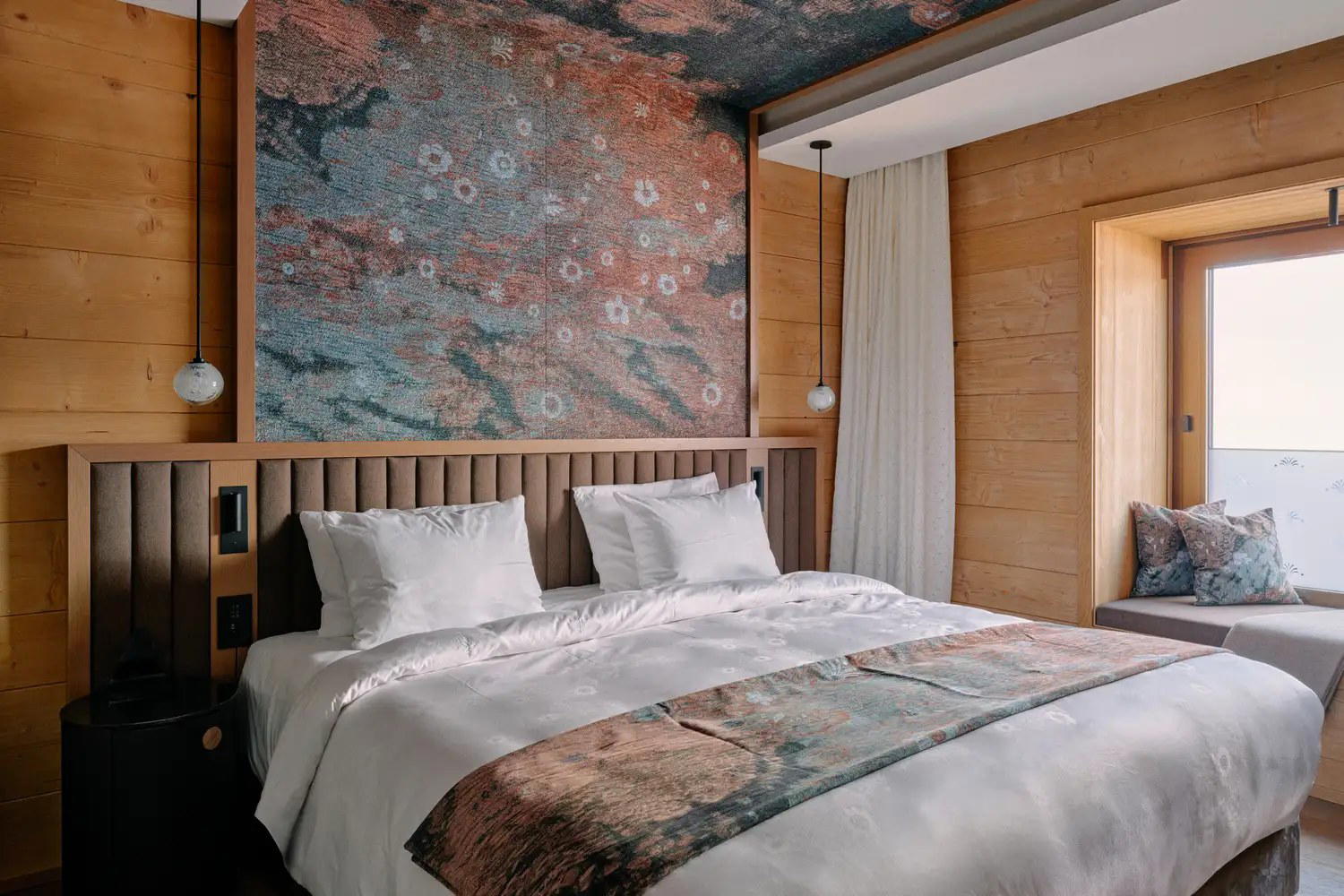
Where Appenzell Tradition Meets Progressive Hospitality
The Appenzell region resists the kind of luxury branding that has transformed Gstaad, St. Moritz, and Verbier into global resort shorthand. Rolling pastures, half-timbered farmhouses, and a landscape largely unchanged since the 19th century make it among the most quietly compelling corners of Switzerland, and one of the least represented in premium travel programming. That context matters when placing Huus Quell, because the resort succeeds precisely by refusing to import a generic alpine luxury template into a region that has its own deeply rooted material culture.
The construction methodology alone marks a departure from standard Swiss resort development. Built entirely from locally sourced woods using no nails or metal framing, the structure is carbon-neutral and owes more to traditional alpine craft than to contemporary resort architecture. At a moment when sustainability language is cheap and ubiquitous in hospitality, the specificity here is harder to dismiss: the materials, the methods, and the sourcing are all traceable. Michelin Selected the property in its 2025 hotels programme, placing it in a peer group that rewards this kind of considered positioning alongside properties like Matterhorn FOCUS in Zermatt and The Capra in Saas-Fee, which similarly prioritise material and environmental intent over sheer scale.
The Dining Programme: Local Sourcing With a Global Wine Cellar
Swiss hotel dining has long oscillated between two poles: the grand dining room anchored by a celebrity chef and the casual alpine Stube serving regional standards. The culinary approach at Huus Quell sits outside both conventions. Cuisine is sourced almost entirely from the immediate region, which in Appenzell means some of the most respected dairy and agricultural produce in Switzerland. The Appenzeller cheese tradition alone, with its centuries-old herbal-brine recipe, gives local kitchens a raw-ingredient advantage that chefs in Geneva or Zurich would need to import.
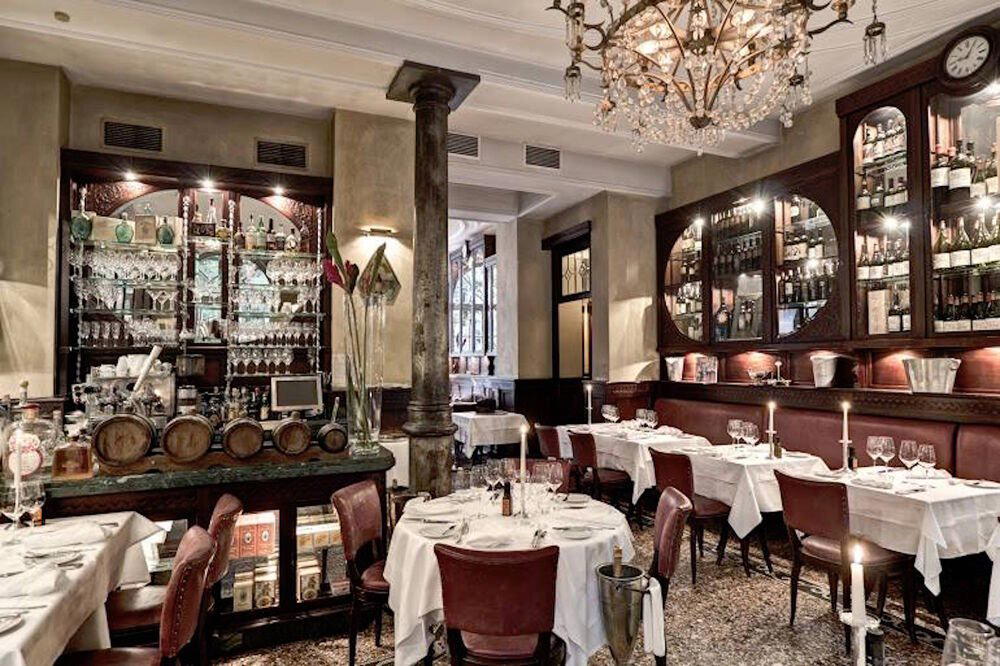
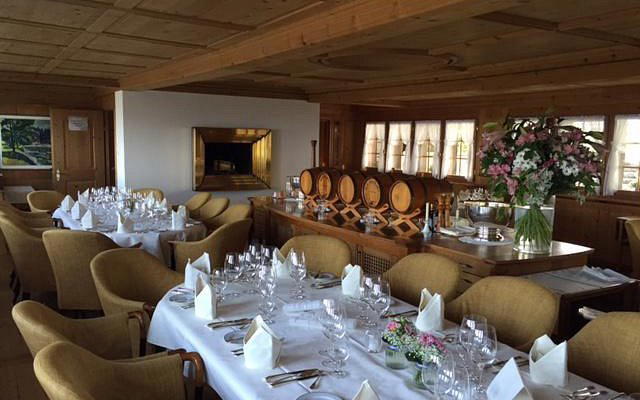
The one deliberate departure from strict localism is the wine programme. Six cellars feature labels from the founder's personal collection, drawn from producers across Europe and beyond. This is a deliberate editorial decision in the dining experience: the food anchors to place, but the wine programme opens outward. For guests who approach meals primarily through the lens of the glass, that breadth is a meaningful signal. It suggests a kitchen designed for conversation between the regional and the international rather than a purist local-only thesis.
In the broader Swiss hotel dining scene, where properties like Grand Resort Bad Ragaz and The Alpina Gstaad anchor their restaurants to Michelin-starred chefs and formal dining formats, Huus Quell occupies a different register. The dining here is an extension of the wellness and provenance philosophy rather than a standalone gastronomic destination. Guests arriving specifically for the restaurant experience should calibrate expectations accordingly; guests arriving for a coherent, values-led stay will find the food programme adds to rather than interrupts the overall logic of the place.
Spa and Wellness: Traditional Craft and Biohacking in the Same Building
Swiss spa culture has historically privileged thermal water and classical treatment formats: the grand balneal tradition you find at Bad Ragaz or the alpine mineral pools of the Graubünden. Huus Quell's approach takes the traditional framework, saunas and steam rooms alongside established therapeutic modalities, and layers onto it cryotherapy, infrared treatments, and other recovery technologies more commonly found in urban performance wellness facilities than in a hillside Appenzell resort.
That combination places the property in a growing tier of European wellness hotels that treat the spa as a dual-purpose space: one for decompression through familiar, slow traditions and another for recovery optimisation through precision interventions. Neither approach cancels the other out here. For guests who arrive after athletic exertion or extended travel, the contrast between a traditional sauna sequence and a cryo session is a genuinely useful one. For those drawn primarily to classic Swiss spa culture, the traditional programme stands independently without requiring engagement with the biohacking component.
The Rooms: 30 Keys and a Textile Pedigree
At 30 rooms, Huus Quell operates at a scale that distinguishes it from the grand-hotel category represented by properties like Badrutt's Palace or Victoria-Jungfrau. The intimacy is structural: a property of this size cannot replicate the anonymous luxury of a 200-key operation, and the interiors reflect that constraint productively. Pillows, drapes, and wall coverings have been custom designed by Jakob Schlaepfer, the St. Gallen-based textile house that has supplied Dior and Chanel. The appointment is not incidental; it places the rooms in a material conversation with the region's textile heritage, St. Gallen being historically one of Europe's most important embroidery and fabric production centres.
Plastics are largely excluded from the rooms and broader property, a detail that reads as coherent rather than performative given the overall material philosophy. Doubles start from $550, positioning the property in a mid-to-upper tier for Swiss boutique wellness resorts rather than at the stratospheric price points of the country's grand hotels. For context, that entry point is considerably below the rack rates at Les Trois Rois in Basel or The Woodward in Geneva, making Huus Quell one of the more accessible points of entry into premium Swiss hospitality with genuine provenance credentials.
Gonten and the Appenzell Context
Gonten sits in the inner-Appenzell canton, one of the smallest and most traditional administrative regions in Switzerland. The village itself is not a destination in the conventional sense; there is no ski infrastructure at scale, no major shopping, and no après culture. What it offers is a version of rural Swiss life that tourists experience from a distance in most alpine resorts but that Gonten actually provides: working farms, cheese dairies, and hiking paths connecting to the surrounding hills. For guests accustomed to the managed spectacle of Zermatt or the social-scene density of Verbier, the register here requires adjustment. For guests arriving specifically to disconnect, the absence of distraction is the point.
The nearest larger towns are Appenzell village, reachable in a few minutes by road, and St. Gallen, the regional capital, which offers broader dining and cultural resources. For comparison with other properties in the EP Club Swiss portfolio, sister hotel Appenzeller Huus Löwen and Appenzeller Huus Huus Loewen sit within the same Gonten cluster, offering different formats within the same regional vernacular. For guests considering Huus Quell as part of a broader Swiss itinerary that includes properties in Lucerne, Bern, or the Bernese Oberland, see our guides to Mandarin Oriental Palace, Luzern, Hotel Bellevue Palace Bern, and Beau-Rivage Palace in Lausanne. Our full Gonten guide covers the wider regional context.
Planning Your Stay
Bookings for Huus Quell are leading approached directly through the property, as website and third-party availability can vary for boutique operations of this scale. The $550 entry price for doubles applies as a baseline; suite and higher categories will carry a premium above that figure. Given the property's size and the specificity of the wellness programme, availability can tighten during peak Swiss travel periods, particularly summer and the autumn foliage window in September and October, when the Appenzell hills are at their most photographed. Arriving by rail is practical: Gonten has its own stop on the Appenzell–Wasserauen narrow-gauge line, making the transfer from St. Gallen direct without a car. For guests building a wider Switzerland stay, properties in Arosa, Andermatt, or Crans-Montana offer complementary wellness orientations at different altitudes: see Tschuggen Grand Hotel in Arosa, The Chedi Andermatt, and Hostellerie du Pas de l'Ours in Crans-Montana.
Pricing, Compared
Comparable venues nearby, for context on price, style, and recognition.
| Venue | Price | Awards | Notes |
|---|---|---|---|
| Huus QuellThis venue — the venue you are viewing | Not listed | 1 Michelin Key · TIME 2026 TIME World's Greatest Places | Not listed |
| Appenzeller Huus – Huus Loewen | Not listed | Michelin Selected · Preferred Hotels Member | Gonten, Luxury boutique hotel seamlessly blending modern design with traditional Appenzell heritage and craftsmanship. |
| Appenzeller Huus Löwen | Not listed | Michelin Selected · Preferred Hotels Member | Gonten, Traditional Appenzell Huus with modern updates |
| Swiss Diamond Hotel Lugano | $200–300 | Michelin Selected | Vico Morcote, Luxury Italian-style lakeside resort blending contemporary elegance with refined comfort and personalized hospitality. |
| FIVE Zurich | $300–500 | Not listed | Wiedikon, High-energy luxury lifestyle city resort with a strong party and dining focus set on the Uetliberg hillside. |
| Hotel Atlantis by Giardino | Not listed | Not listed | Friesenberg, Contemporary luxury resort blending 1960s modernist architecture with refined 2015 renovation; urban retreat positioned as design destination with Mediterranean-style hospitality. |
Recognition history
Dated appearances from independent guides and award organizations, with the underlying list record or original source where available.
Michelin 1 Key
Michelin
TIME 2026 TIME World's Greatest Places
TIME
Travel + Leisure It List Hotels
Travel + Leisure
Full recognition history (4 entries)
Michelin Selected
Michelin
Continue exploring
More in Gonten
Hotels in Gonten
Browse all →
Bars in Gonten
Browse all →
Restaurants in Gonten
Browse all →


Details
- Modern
- Cozy
- Elegant
- Scenic
- Sophisticated
- Wellness Retreat
- Romantic Getaway
- Anniversary
- Infinity Pool
- Rooftop Pool
- Panoramic View
- Destination Spa
- Pool
- Spa
- Indoor Pool
- Outdoor Pool
- Sauna
- Fitness Center
- Restaurant
- Wi Fi
- Concierge
- Room Service
- Mountain
- Elevator
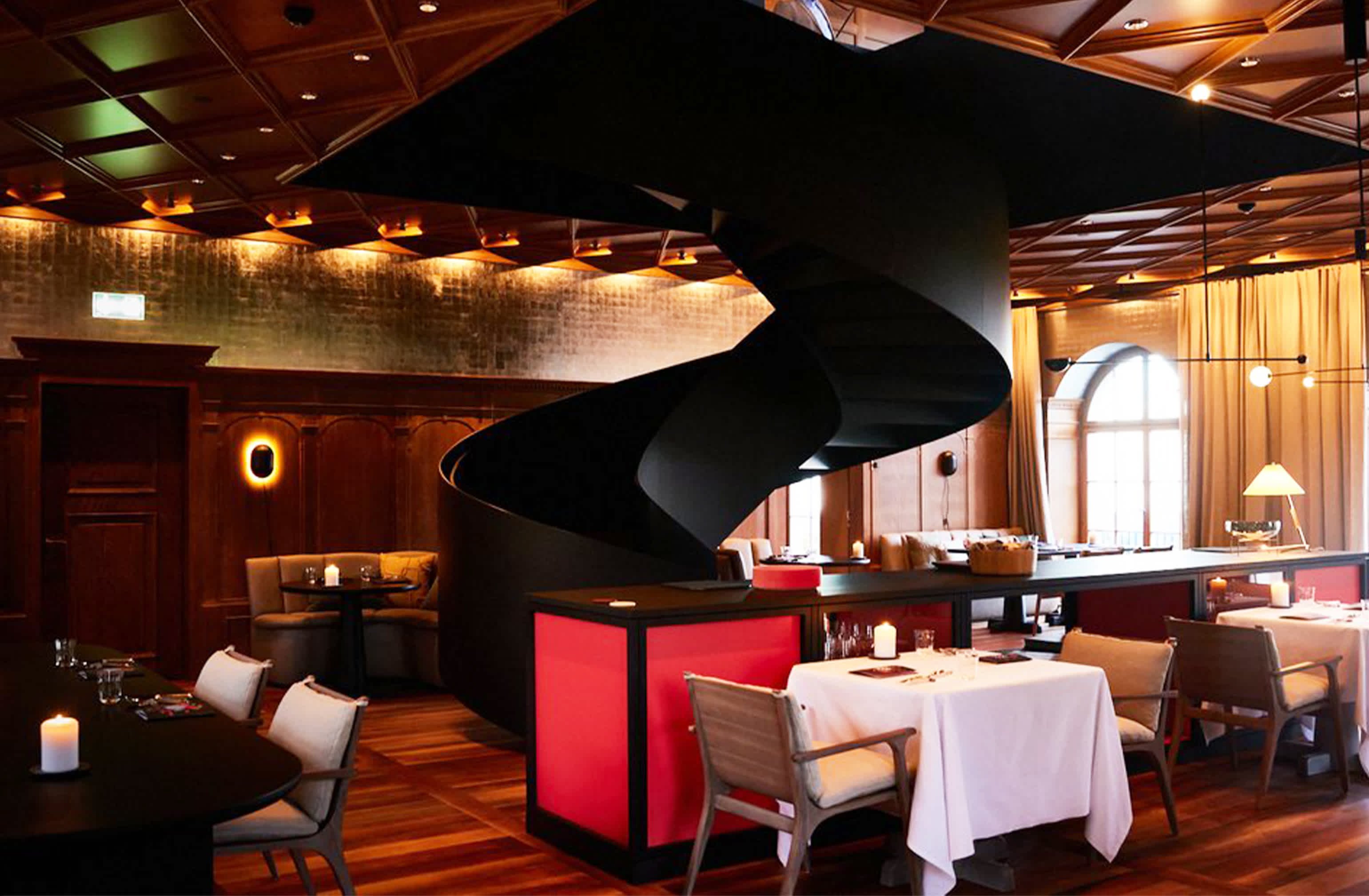
Balance of traditional Alpine coziness and contemporary luxury with natural materials like Swiss moon wood, soft lighting, and restorative serenity.