Hofgut Hohenkarpfen

Michelin Plate
Our verdict
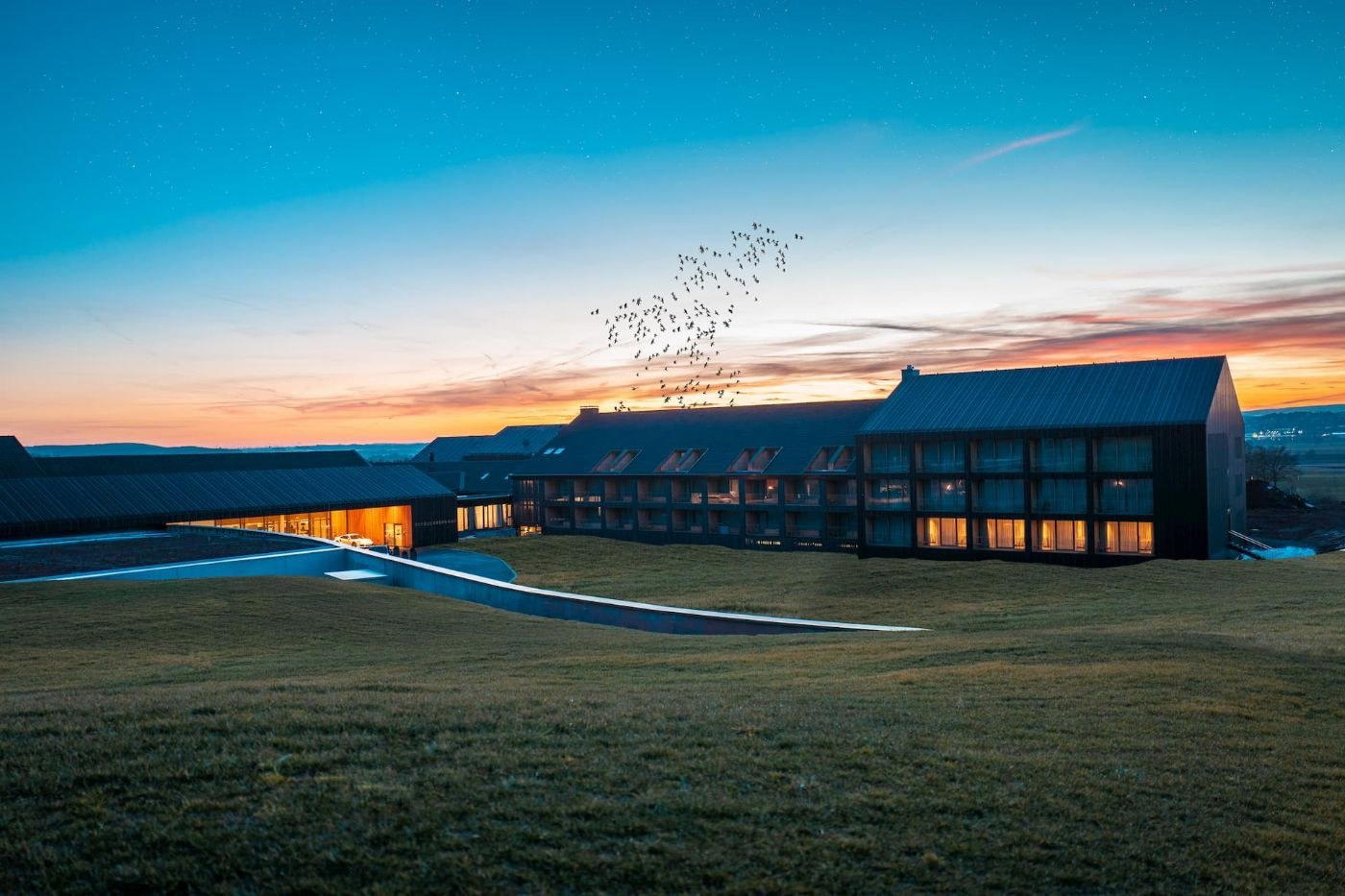
Occupying a heritage-protected farmstead inside Baden-Württemberg's oldest nature reserve, Hofgut Hohenkarpfen holds a Michelin Plate (2024) for modern cuisine that weaves regional and international influences together. The terrace looks out across the Swabian Alb, and the converted barn now houses minimalist hotel rooms alongside an art museum.

Pearl is the En Primeur Club membership app — saves, bookings, and concierge access live there. Same editors, same standards.
The menu
What to order
- Black Angus Beef Carpaccio
- Irish Stewed Cheeks
- New Zealand Rack of Lamb
- Cod Fillet
- Caramelized Boskop Apple
A farmstead at the edge of a nature reserve
There is a particular kind of arrival that resets your expectations before you have even sat down. Approaching Hofgut Hohenkarpfen across the plateau above Hausen ob Verena, the building announces itself slowly: a cluster of pale stone structures inside the Hegau-Quertal, which Baden-Württemberg designates as its oldest nature reserve. The horizon opens wide here — the Swabian Alb rolling in every direction, the farmstead sitting at its centre with the composed confidence of something built to last. The estate itself is over 300 years old, and the heritage protection classification on its buildings means nothing has been hurried or cheapened to modernise it.
That physical context is not incidental to what is served inside. Restaurants that sit inside protected agricultural landscapes tend to occupy a different relationship with sourcing than urban fine-dining addresses. The supply chain is, by necessity and proximity, short. Baden-Württemberg has a well-documented tradition of estate-linked cooking, where the setting and the plate are understood as the same conversation — a tradition that also runs through the region's stronger Michelin addresses, including Schwarzwaldstube in Baiersbronn, which holds three stars while remaining deeply anchored to its Black Forest surroundings.
Where the food comes from, and why it matters here
The Michelin Plate recognition Hofgut Hohenkarpfen holds for 2024 signals cooking that meets a defined standard of quality without carrying the weight of a starred classification. At the €€€ price tier, it positions the estate in a category occupied by serious regional kitchens rather than destination tasting-menu restaurants. For comparison, the upper tier of German fine dining, venues like Aqua in Wolfsburg or Vendôme in Bergisch Gladbach, both operating at €€€€, builds its identity around creative elaboration. The Hohenkarpfen kitchen works with a different premise: modern cuisine that incorporates classic and regional influences alongside international, sometimes Asian, touches, with the estate's location doing a significant part of the editorial work.
Cooking in this part of Baden-Württemberg has always drawn on a larder shaped by elevation and season. The Swabian Alb sits at roughly 700 to 1,000 metres across its plateau, producing lamb, dairy, root vegetables, and spelt with characteristics that reflect the altitude and the brevity of the growing season. A dairy once occupied the room where guests now eat, a detail that is not merely atmospheric. It tells you something about what the estate produced and likely still sources. Kitchens that operate inside working or former agricultural estates rarely need to reach far for their base ingredients, and the regional anchoring of the menu here reads as a function of geography rather than a marketing decision.
The international and Asian touches within the cuisine place it inside a broader shift visible across mid-tier German restaurants over the last decade: the move away from purely classical European frameworks toward selective incorporation of Japanese technique, Southeast Asian spicing, or Korean fermentation without abandoning the regional base. Venues like Loumi in Berlin and Haubentaucher in Rottach-Egern represent the urban expression of the same tendency. At Hohenkarpfen, the countryside setting gives the hybrid approach a specific grounding that urban equivalents sometimes lack.
The terrace, the barn, and the art museum
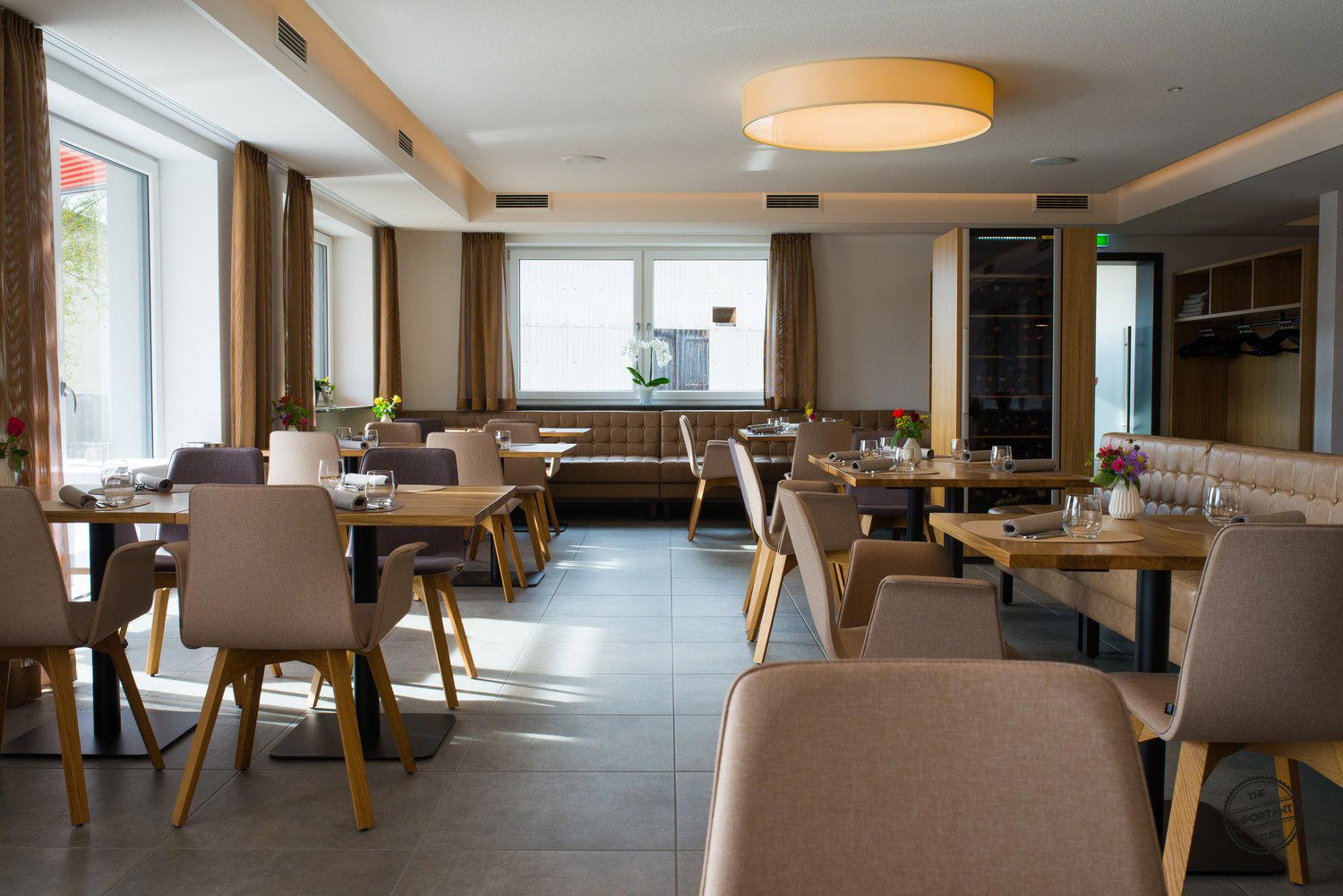
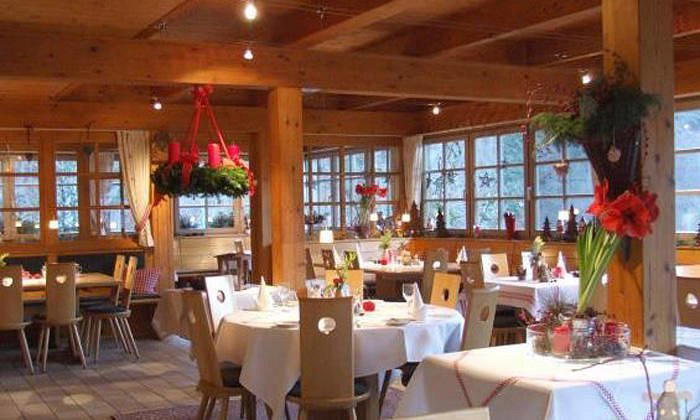
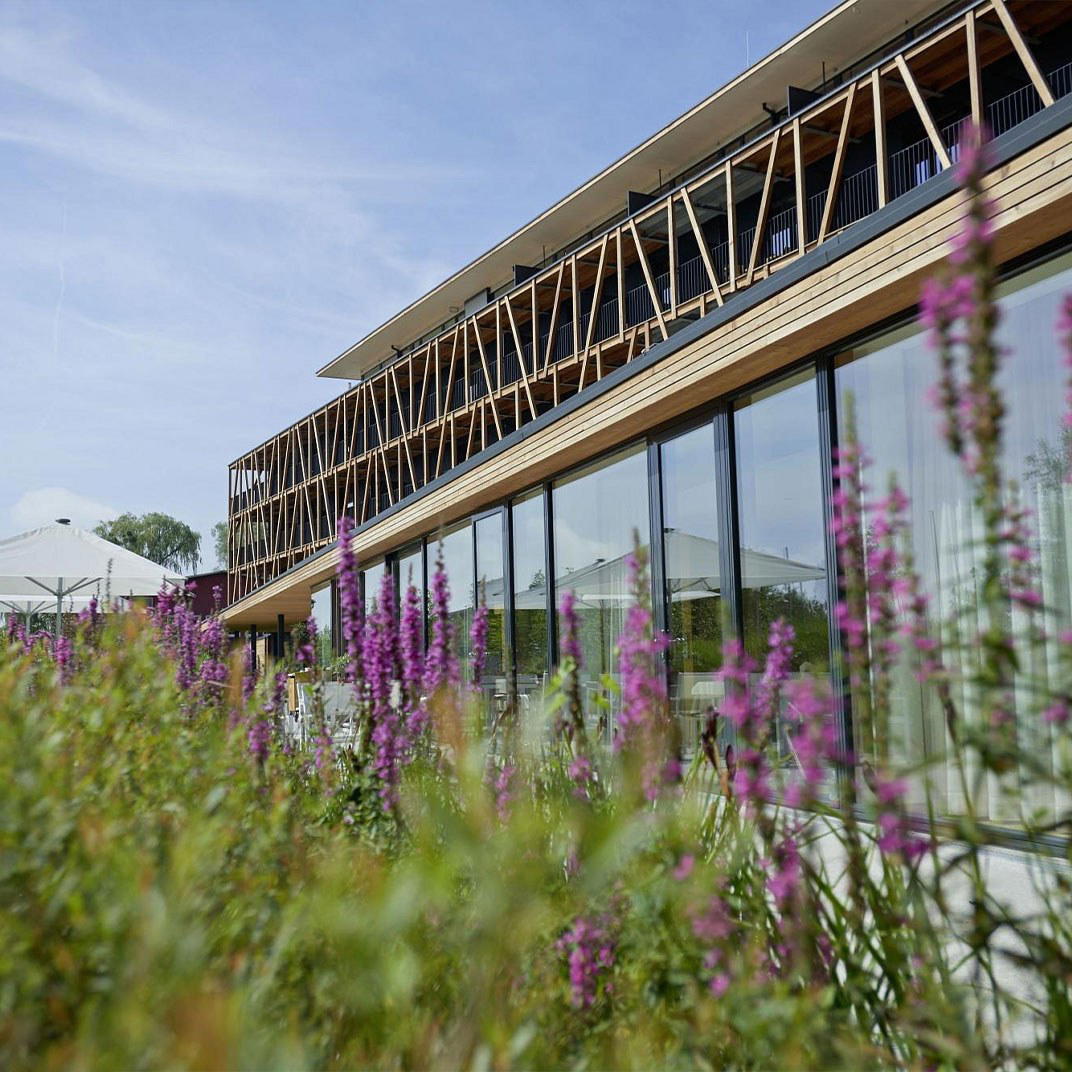
The former dairy is the main dining room. The former barn has been converted into hotel accommodation, minimalist guestrooms that use the heritage structure without overcrowding it with period detail. This is a model increasingly common in German rural hospitality, where agricultural buildings are repurposed into design-led stays rather than demolished or left derelict. The restraint of the minimalist approach suits the stone walls and proportions of a working barn better than any period reconstruction would.
Terrace is the argument for timing your visit carefully. Booking a table outside places you inside one of Baden-Württemberg's genuinely distinctive dining backdrops, not a cultivated garden view but an open agricultural plateau with nature reserve designation on either side. The estate also houses an art museum worth factoring into a half-day or full-day visit rather than treating the meal as a standalone stop. Combining lunch or dinner with the museum extends the logic of the estate as a cultural address rather than purely a restaurant destination.
Across German rural restaurants at the €€€ tier, that volume and score combination is comparatively rare, it suggests the estate draws visitors repeatedly rather than once, which is itself an indication of an experience that holds up on return. For context on what consistently high-performing German regional restaurants look like at higher Michelin tiers, Waldhotel Sonnora in Dreis and Schanz in Piesport offer useful peer comparisons, both operating as estate-adjacent addresses with strong regional anchoring.
Planning a visit
Hausen ob Verena is a small municipality in the Tuttlingen district, and Hofgut Hohenkarpfen sits above the town on the plateau rather than in its centre. The address is Hohenkarpfen 1, 78595 Hausen ob Verena, the road up to the estate makes the rural character of the location clear from the approach. The price tier of €€€ places a meal in a range accessible without the prior planning required at starred tasting-menu destinations; that said, the terrace tables and the combination of dining plus museum visit makes advance booking advisable, particularly in the warmer months when outdoor dining is at a premium. Those combining the meal with an overnight stay in the converted barn should note the minimalist room format, which suits couples and solo travellers more than large family groups. For broader context on what else the area offers, see our full Hausen ob Verena restaurants guide, our Hausen ob Verena hotels guide, our bars guide, our wineries guide, and our experiences guide. Travellers making a wider circuit of southern Germany's quality restaurant scene might also consider JAN in Munich, ES:SENZ in Grassau, or Victor's Fine Dining by Christian Bau in Perl as part of the same regional itinerary. For those whose interests extend to Berlin's more creative end of the spectrum, CODA Dessert Dining and Restaurant Haerlin in Hamburg represent the urban counterpoint to what Hohenkarpfen offers. And for Rhineland and Mosel comparisons, Bagatelle in Trier rounds out the peer picture.
Frequently asked questions
Can I bring kids to Hofgut Hohenkarpfen?
What is the atmosphere like at Hofgut Hohenkarpfen?
What dish is Hofgut Hohenkarpfen famous for?
At-a-Glance Comparison
| Venue | Cuisine | Price | Awards |
|---|---|---|---|
| Hofgut HohenkarpfenThis venue (the venue you are viewing) | Modern European with Regional German Influences | $100–150 | Michelin Plate |
| Schwarzwaldstube | French, Classic French | Not listed | Michelin 3 Star |
| Aqua | Contemporary German, Italian/Japanese, Creative | Not listed | Michelin 3 Star |
| CODA Dessert Dining | Creative | Not listed | Michelin 2 Star |
| Tantris | Modern French, French Contemporary | Not listed | Michelin 2 Star |
| Vendôme | Modern European, Creative | Not listed | Michelin 2 Star |
Recognition history
Dated appearances from independent guides and award organizations, with the underlying list record or original source where available.
Michelin Plate
Michelin · 2026 Michelin Plate
Full recognition history (3 entries)
Michelin Plate
Michelin
Michelin Plate
Michelin
Continue exploring
More in Hausen ob Verena
Restaurants in Hausen ob Verena
All restaurants in Hausen ob Verena →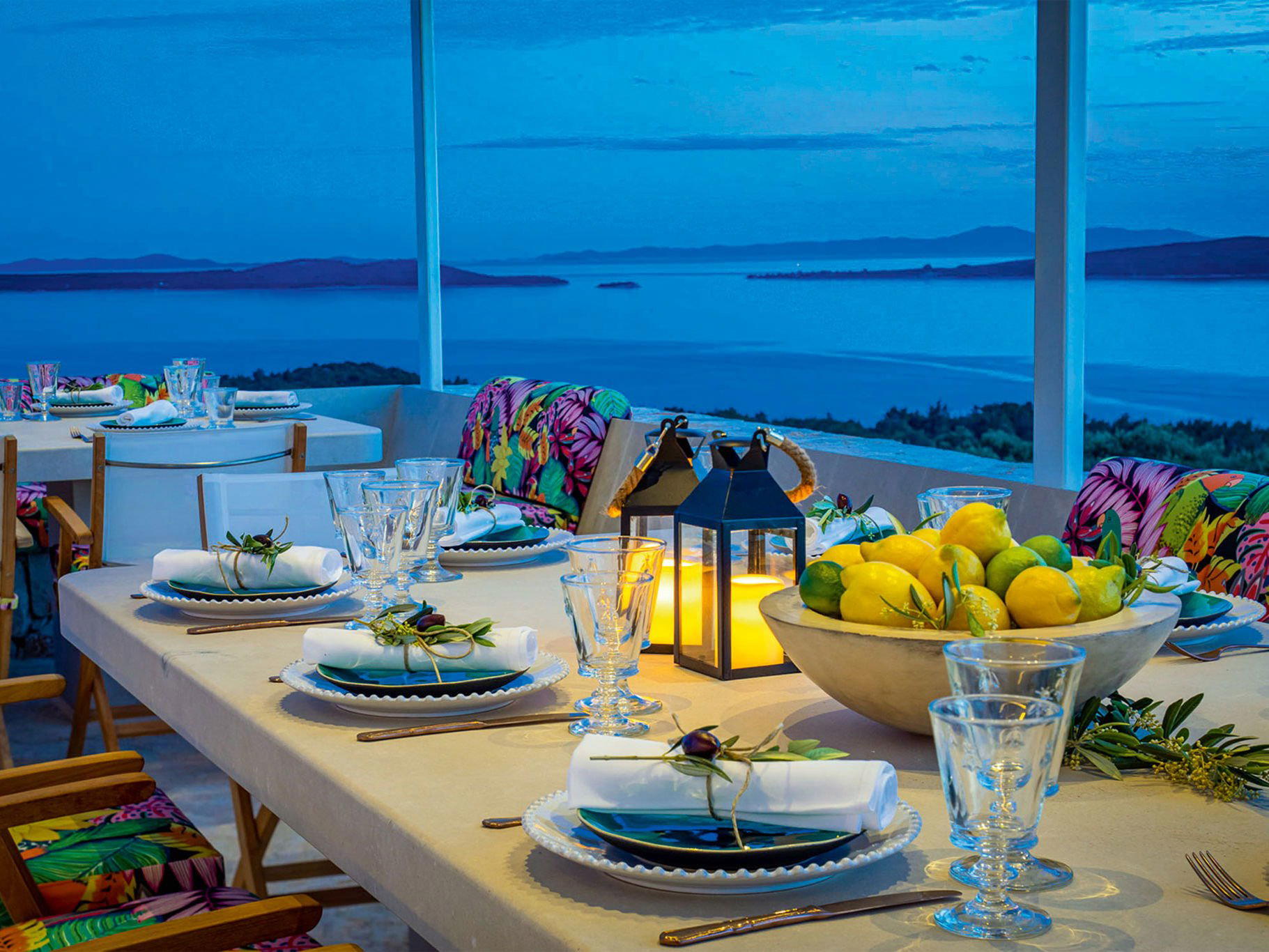
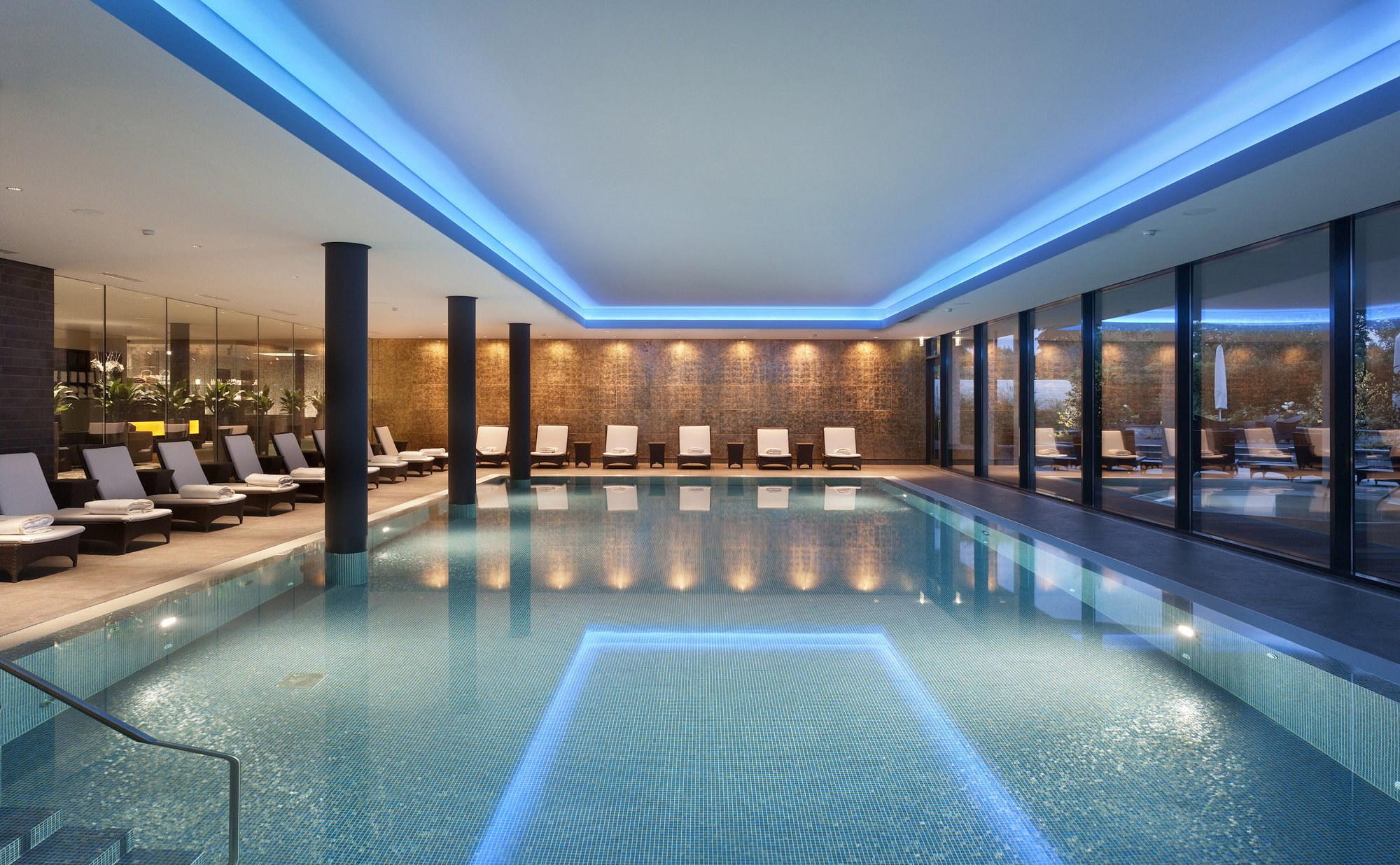
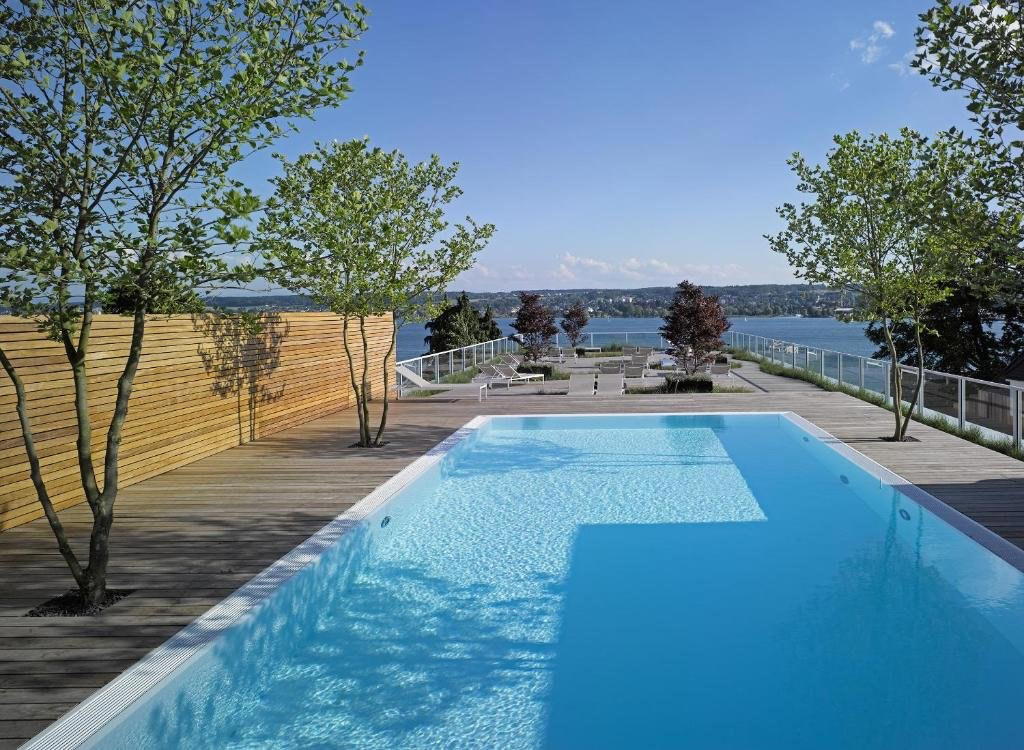
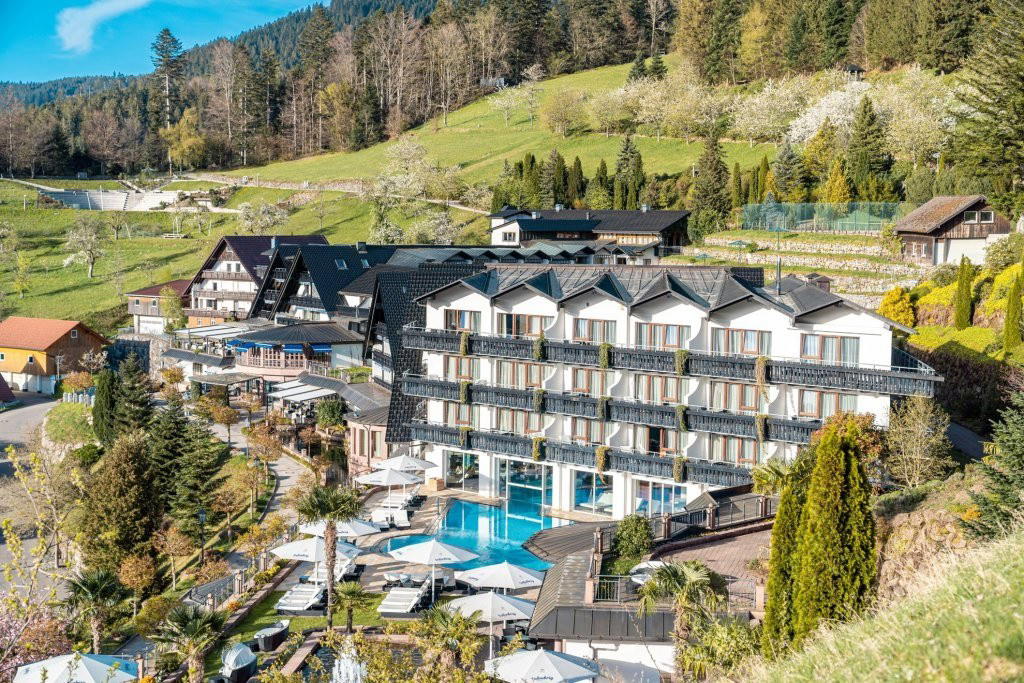

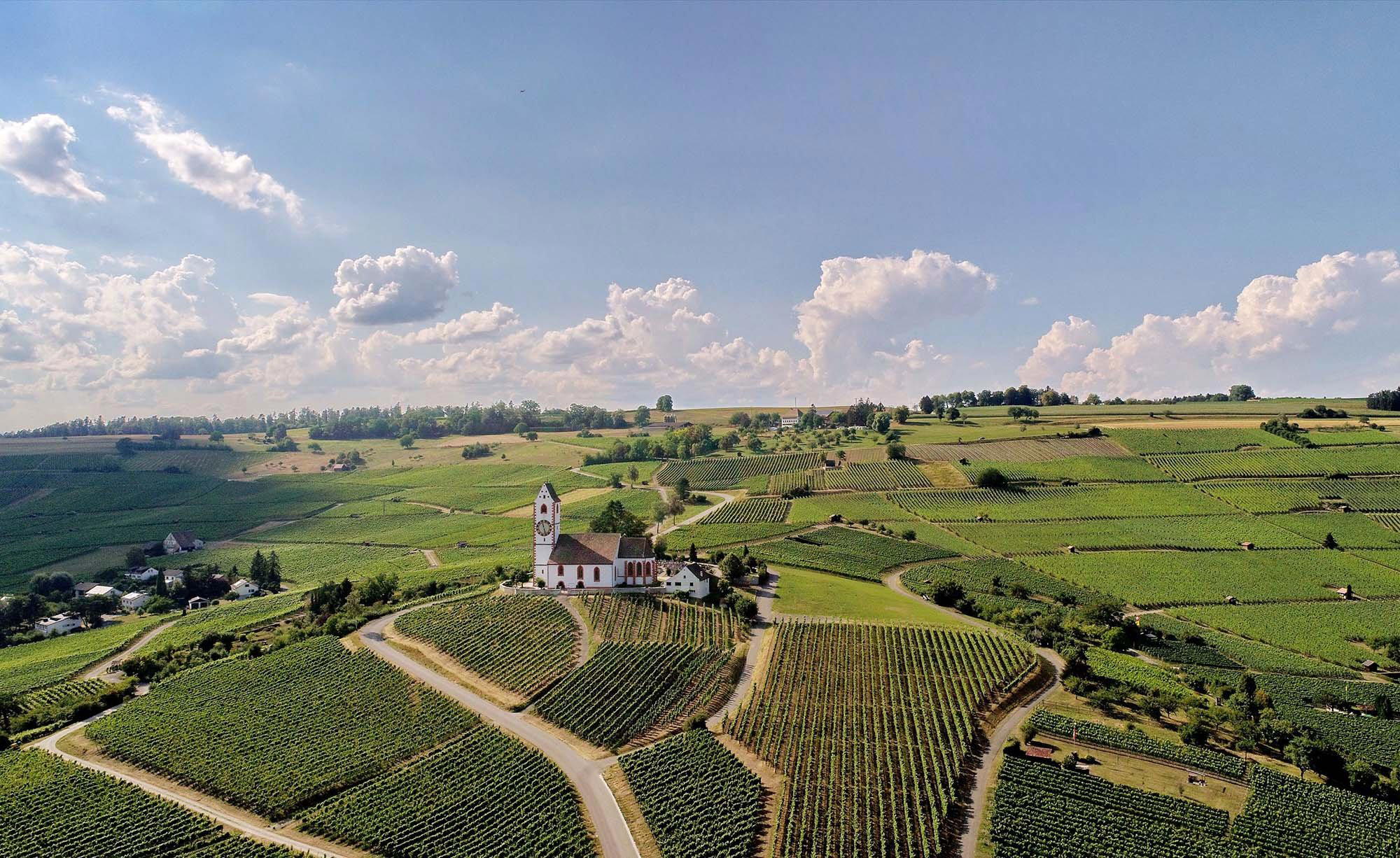
Hofgut Hohenkarpfen
The wine
- Wine program
- Curated wine list
- Extensive wine list
- Beer program
Details
- Elegant
- Scenic
- Quiet
- Sophisticated
- Romantic
- Date Night
- Business Dinner
- Special Occasion
- Celebration
- Terrace
- Panoramic View
- Historic Building
- Hotel Restaurant
- Garden
- Extensive Wine List
- Beer Program
- Local Sourcing
- Mountain
- Garden
- A La Carte
- Set Menu
- Wine
- Beer
- Vegetarian Friendly
- Vegan Options
- Gluten Free Options
- Allergy Accommodating
Minimalist yet warm, with tasteful restoration of historic timber architecture, artistic décor throughout, and refined yet relaxed atmosphere; dining available on terrace with spectacular valley views or in intimate interior spaces.