
On the Rhine's edge at Reichenaustraße 51, Anglerstuben sits above Constance's angling club with a Michelin Plate and a menu that puts freshwater fish at the centre. The kitchen draws on excellent regional ingredients and offers two five-course evening menus alongside à la carte options, all paired with a carefully curated selection of German wines. A small summer terrace faces the river and its jetties.
Pearl is the En Primeur Club membership app — saves, bookings, and concierge access live there. Same editors, same standards.
- Address
- Reichenaustraße 51, 78467 Konstanz, Germany
- Phone
- +49 7531 8180487
- Website
- anglerstuben.com
- Directions
- Get directions
 Saves & bookings on Pearl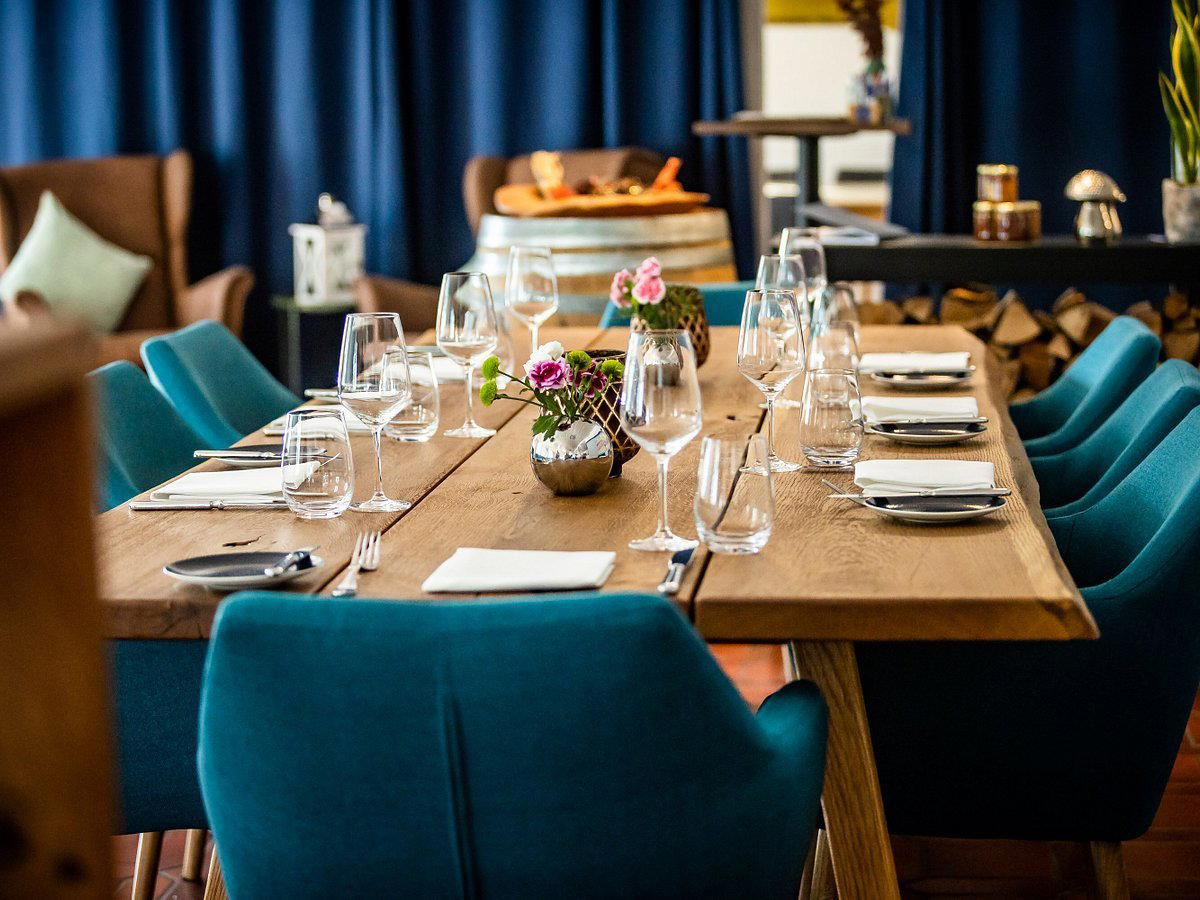
Where the Rhine Defines the Kitchen
Anglerstuben is a restaurant in Konstanz serving Regional German Fish Cuisine at a €€€ price point. Approach Anglerstuben from Reichenaustraße and the building gives little away. The exterior is plain, the address is functional, and the angling club occupying the ground level signals something more workmanlike than ceremonial. That contrast is part of what makes the restaurant interesting: the dining room above operates at a level of culinary precision that the façade deliberately withholds. On the banks of the Rhine, where the water runs between Lake Constance and the Swiss border, this kind of low-profile placement is almost a statement in itself. The setting shapes the food in ways that a more conspicuous address could not.
This is the organizing logic of freshwater-focused regional cooking at its most direct. In the Baden-Württemberg tradition, proximity to a body of water has historically meant access to ingredients that inland kitchens cannot replicate without compromise. At Anglerstuben, fish is not a section of the menu but the centrepiece of the entire kitchen program. The restaurant's literal position above the angling club is not incidental, it reflects a sourcing relationship with the river and lake system that anchors the cooking in the landscape immediately outside the window.
The Sourcing Argument for Freshwater Fish
German freshwater fish occupies a complicated place in the country's food culture. It is taken seriously in the south, particularly around the Bodensee (Lake Constance), which supports populations of Felchen (whitefish), pike-perch, and perch, yet it rarely achieves the visibility that North Sea seafood commands in media coverage of German dining. Anglerstuben operates squarely within the Bodensee tradition, where the fish arriving in the kitchen can be measured in hours from water to plate rather than days from coast to city. That proximity changes the cooking fundamentally: the margin for error narrows, and the opportunity for finesse widens.
The Michelin Plate-recognised designation reflects exactly this kind of disciplined, ingredient-led approach. A Michelin Plate signals cooking worth a detour without carrying the full star apparatus, it sits in a tier occupied by kitchens that prioritize substance over spectacle. At the €€€ price point, Anglerstuben positions itself above the direct regional options along the Constance waterfront, such as Brasserie Colette Tim Raue and Papageno zur Schweizer Grenze at the €€ tier, but it operates at a different register from the two-star ambition of Ophelia. It is a kitchen focused on getting the ingredient right rather than constructing elaborate frameworks around it.
The Format: Menus and the Case for the Business Lunch
In the evening, the kitchen offers two five-course menus alongside à la carte options, a format common across German restaurants operating at this tier, where fixed menus allow the kitchen to manage sourcing precisely and reduce waste from daily catch variations. The choice between two menus gives diners some navigational agency without fragmenting the kitchen's focus. This is a practical expression of the sourcing philosophy: the fish available on a given evening shapes what appears on the menu, not the reverse.
On weekdays, the restaurant offers a Business Lunch. In cities and towns where this format survives, and it is under pressure across Germany as work patterns shift, it functions as one of the more democratic ways to access serious cooking at a reasonable cost. The Business Lunch at Anglerstuben is specifically worth noting because the same kitchen and ingredient sourcing applies; the format changes, the quality does not.
A children's menu is available.
The German Wine List: A Deliberate Constraint
The decision to stock only German wines is editorial rather than merely patriotic. Germany's wine output has expanded dramatically in ambition and variety over the past two decades: the Rheingau and Mosel produce Rieslings of considerable range and age-worthiness, while Baden, the wine region geographically closest to Constance, grows Pinot Noir (Spätburgunder) and Chardonnay in conditions that increasingly command international attention. A list confined to German wines at a restaurant of this ambition requires genuine curation to work, and the selection here is reported to be outstanding. That word carries weight in context: a German-only list that leans into regional Baden bottlings alongside the country's established appellations gives the pairing program a coherence that an international list often lacks when applied to freshwater fish.
For context on what serious wine programs look like elsewhere in the German dining scene, the kitchens at Schwarzwaldstube in Baiersbronn and Restaurant Haerlin in Hamburg operate at higher star levels with correspondingly international cellars. Anglerstuben's choice to stay within Germany's borders is a smaller, more pointed argument.
Service and the Summer Terrace
Service at Anglerstuben is described as friendly and attentive, a pairing that sounds modest until considered against the formality that sometimes accompanies restaurants operating at this price level. In the regional dining culture of Baden-Württemberg, warmth in service is not incidental but part of what distinguishes the Gasthauskultur tradition from more metropolitan models of fine dining. The restaurant sits within that tradition even as it exceeds its typical culinary ambitions.
In summer, the small terrace facing the Rhine and its jetties earns the restaurant's most specific recommendation. A riverside terrace in Constance during the warmer months, with the water visible and the Swiss shore not far beyond, offers the kind of environmental context that indoor dining cannot replicate. The terrace is small, which means securing a table requires planning ahead, arriving without a reservation during summer evenings is unlikely to succeed.
Getting There and Planning Your Visit
Anglerstuben is located at Reichenaustraße 51, 78467 Konstanz, on the western approach toward Reichenau Island. The restaurant provides a small number of its own parking spaces, which removes a common friction point for drivers visiting this stretch of the Rhine bank. For those arriving from the wider Constance area, RIVA and the other dining options in the city centre are accessible by car or public transport, but Anglerstuben's specific location rewards a dedicated journey rather than an impromptu stop.8 across 517 reviews provides a broad-base confidence signal that the cooking consistently delivers on its promise.
Constance's position on the German-Swiss border makes it a natural base for combining dining at this level with access to the Bodensee wine region via local wineries and curated experiences.
For comparison with regional cuisine programs elsewhere in the German-speaking world, Fahr in Künten-Sulz and Gannerhof in Innervillgraten operate in a similar ingredient-led tradition, while ES:SENZ in Grassau, JAN in Munich, Aqua in Wolfsburg, CODA Dessert Dining in Berlin, and Vendôme in Bergisch Gladbach represent the range of ambition across Germany's Michelin-recognized dining scene.
Comparable Venues
Comparable venues nearby, for context on price, style, and recognition.
| Venue | Cuisine | Price | Awards | Notes |
|---|---|---|---|---|
| AnglerstubenThis venue — the venue you are viewing | Regional German Fish Cuisine | $$$ | Michelin Plate | Not listed |
| Brasserie Colette Tim Raue | Modern French Brasserie | $$$ | Michelin Plate | Altstadt |
| Papageno | Classic Mediterranean Fine Dining | $$$$ | Michelin Plate | Stadt Konstanz |
| Papageno zur Schweizer Grenze | Modern Central European Fine Dining | $$$ | Michelin Plate | Konstanz Innenstadt |
| RIVA | Regional European with Mediterranean Influences | $$$ | Michelin Plate | Petershausen-Ost |
| Villagio | Italian & Mediterranean | $$ | Not listed | Constance |
Recognition history
Dated appearances from independent guides and award organizations, with the underlying list record or original source where available.
Michelin Plate
Michelin
Michelin Plate
Michelin
Michelin Plate
Michelin
Continue exploring
More in Constance
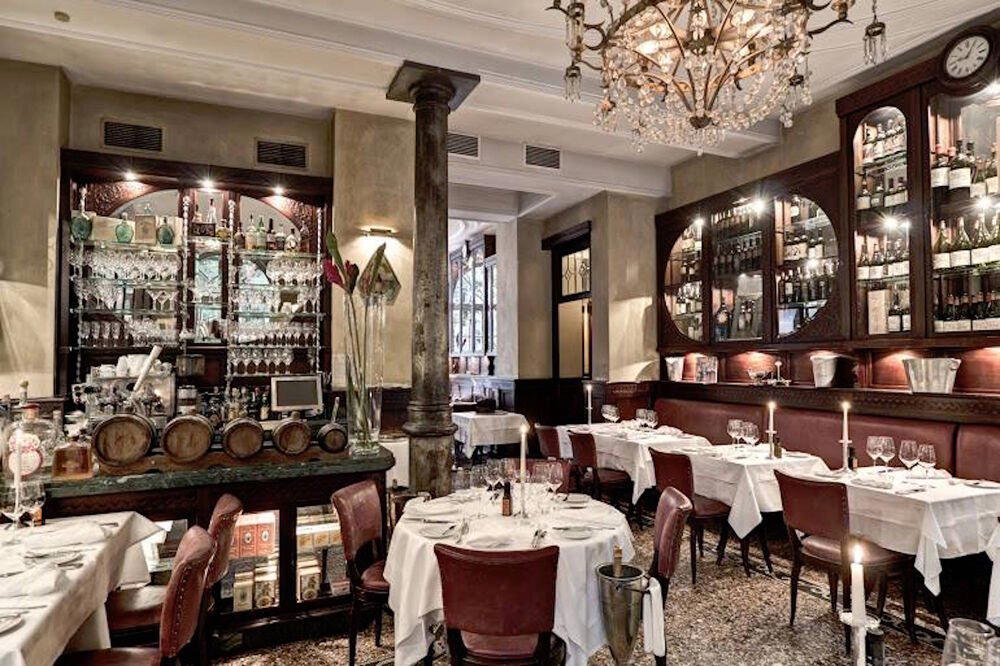
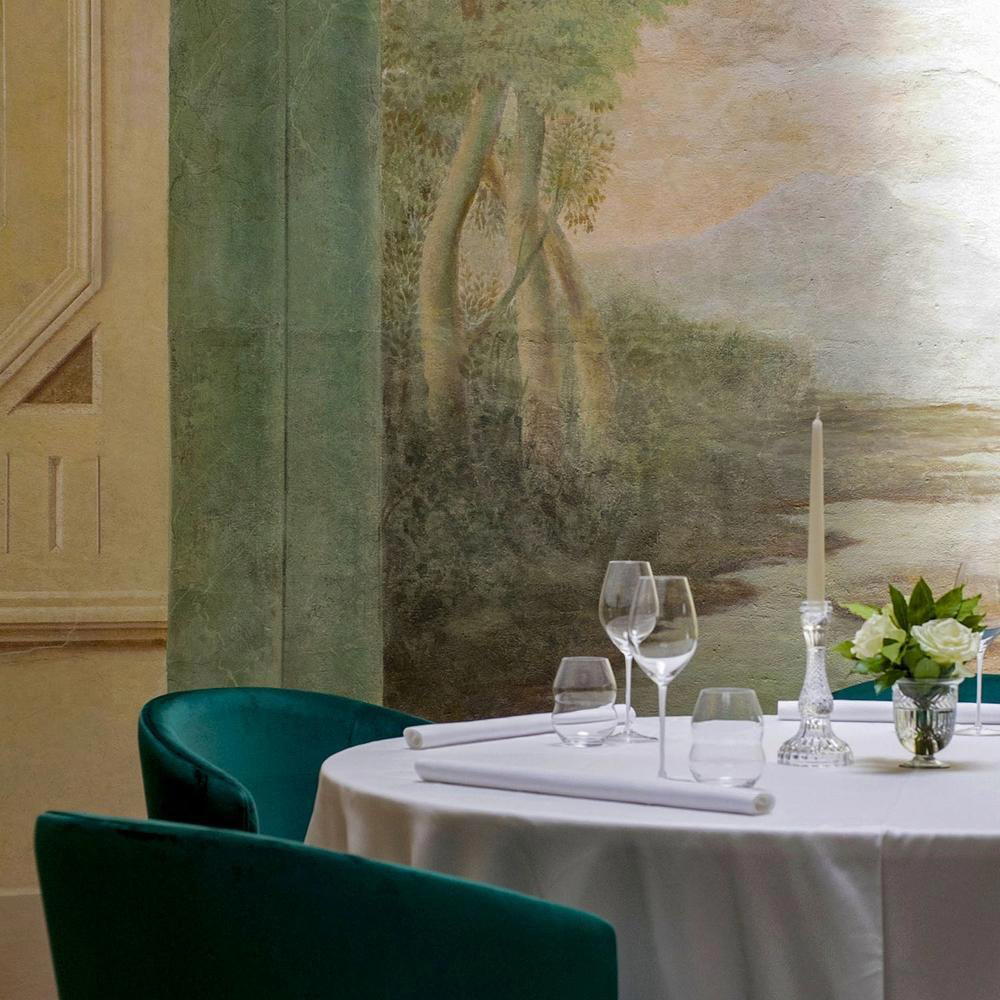
Restaurants in Constance
Browse all →
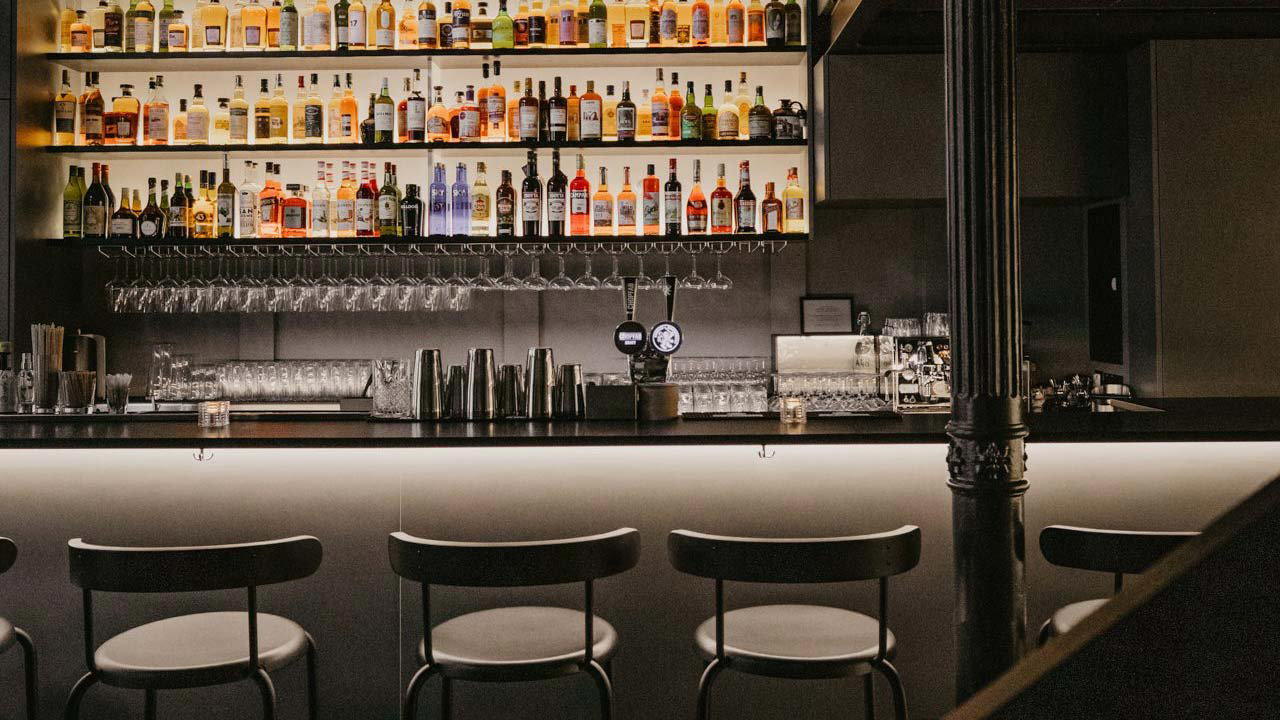
Bars in Constance
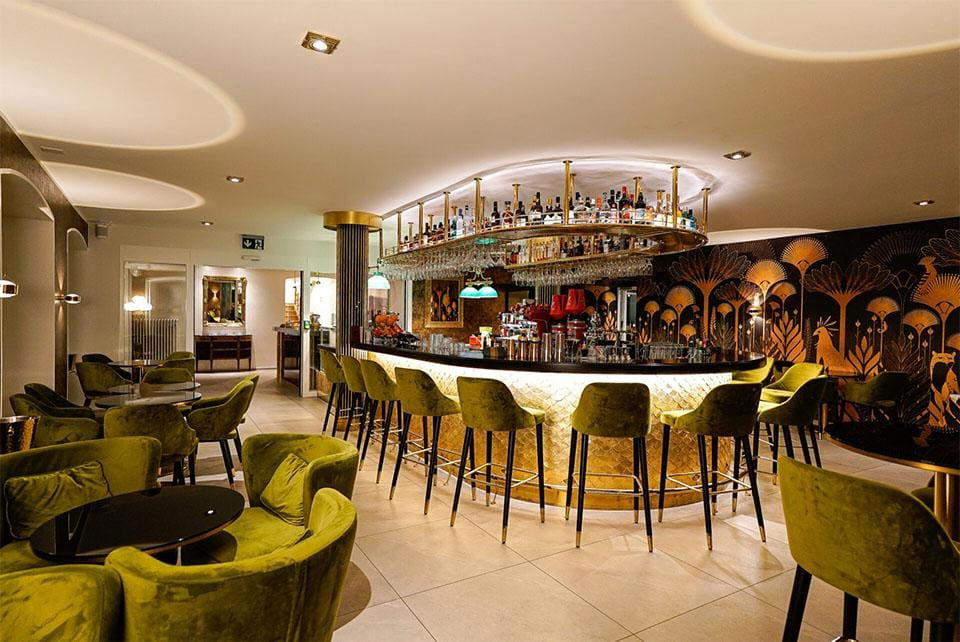
Browse all →
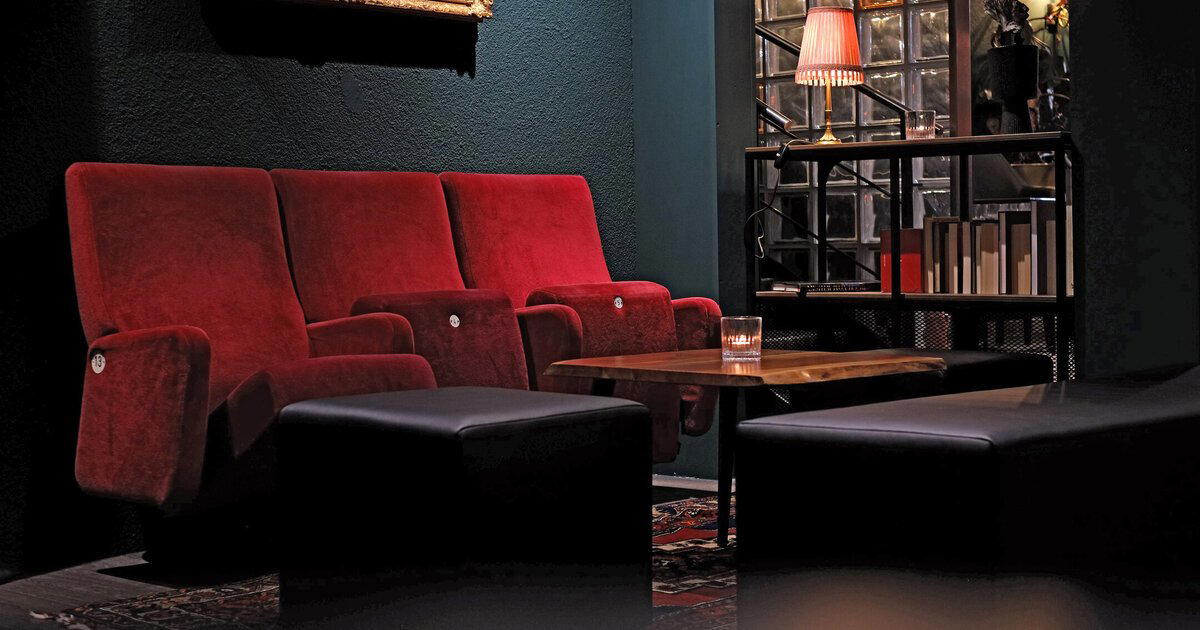
Hotels in Constance
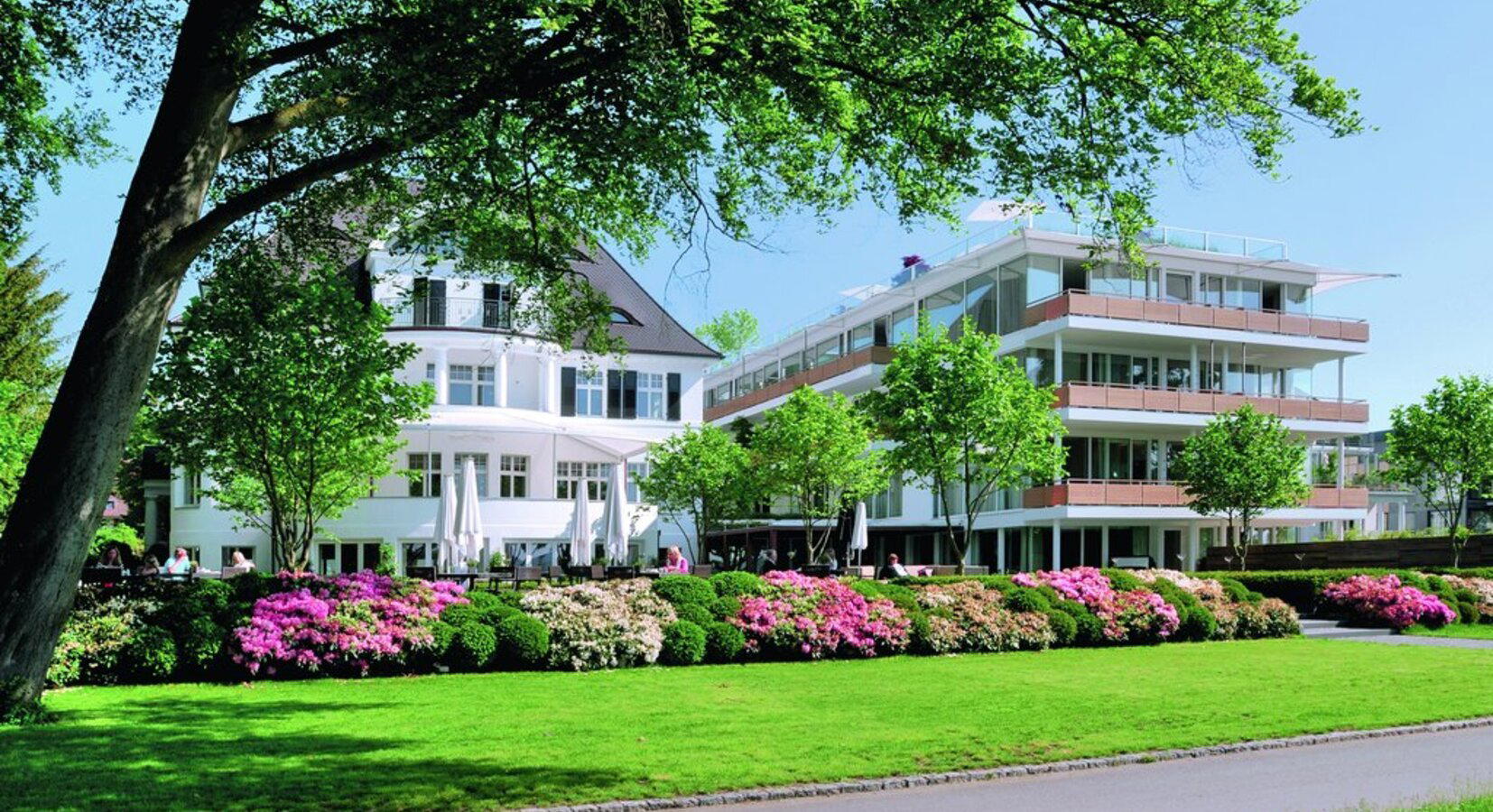
Browse all →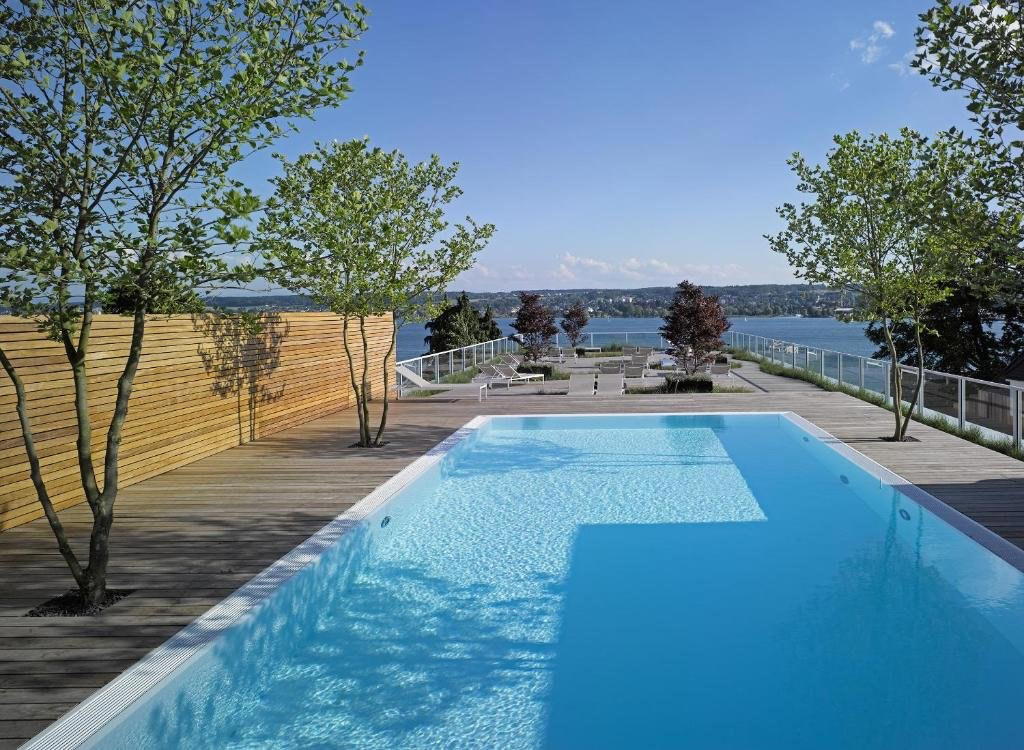
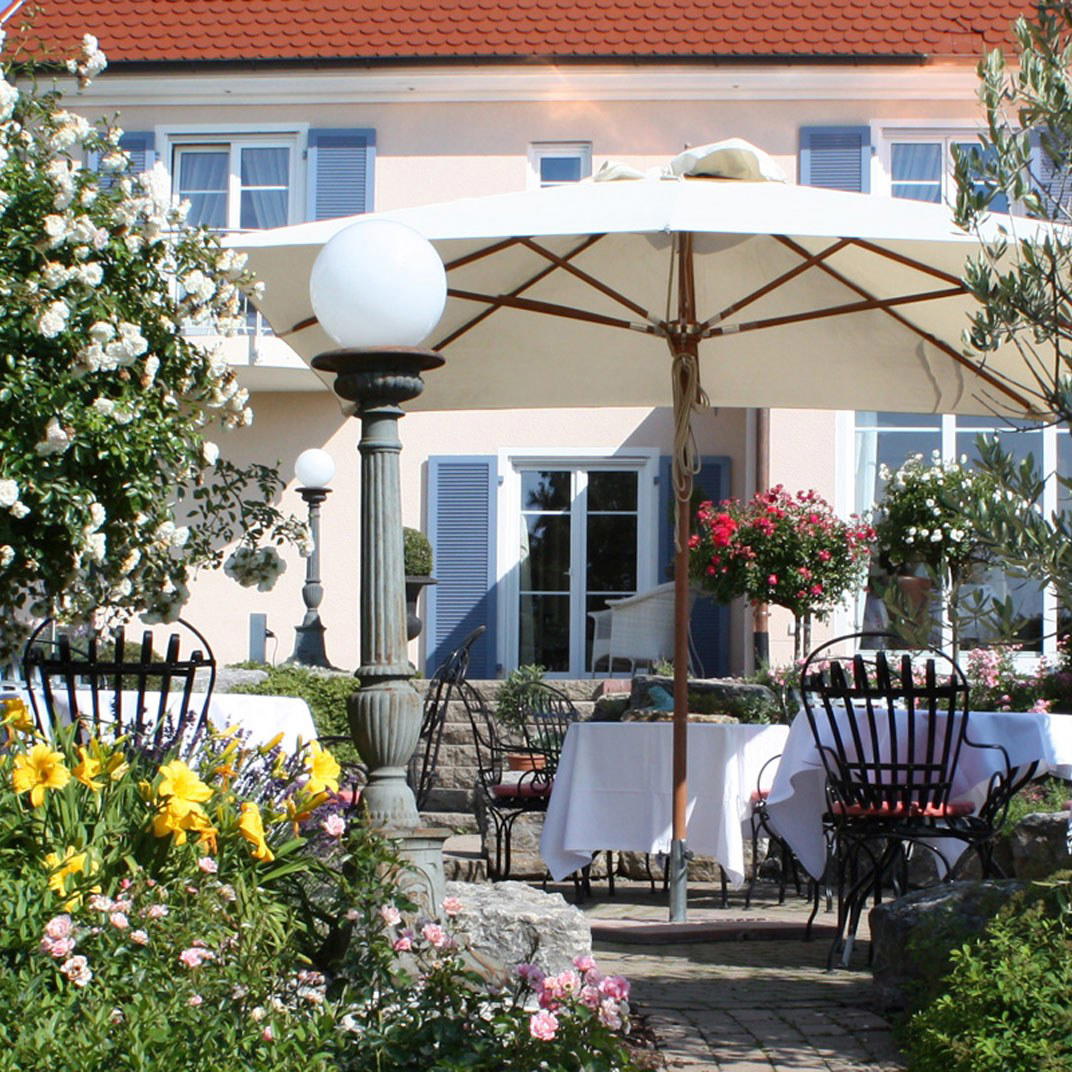

At a Glance
- Cozy
- Elegant
- Intimate
- Scenic
- Date Night
- Business Dinner
- Special Occasion
- Waterfront
- Terrace
- Extensive Wine List
- Local Sourcing
- Waterfront
Current opening hours
- Monday
- Closed
- Tuesday
- 11:30 AM–2 PM, 6–11 PM
- Wednesday
- 11:30 AM–2 PM, 6–11 PM
- Thursday
- 11:30 AM–2 PM, 6–11 PM
- Friday
- 11:30 AM–2 PM, 6–11 PM
- Saturday
- 6–11 PM
- Sunday
- Closed
Hours can change for holidays and private events. Last verified .
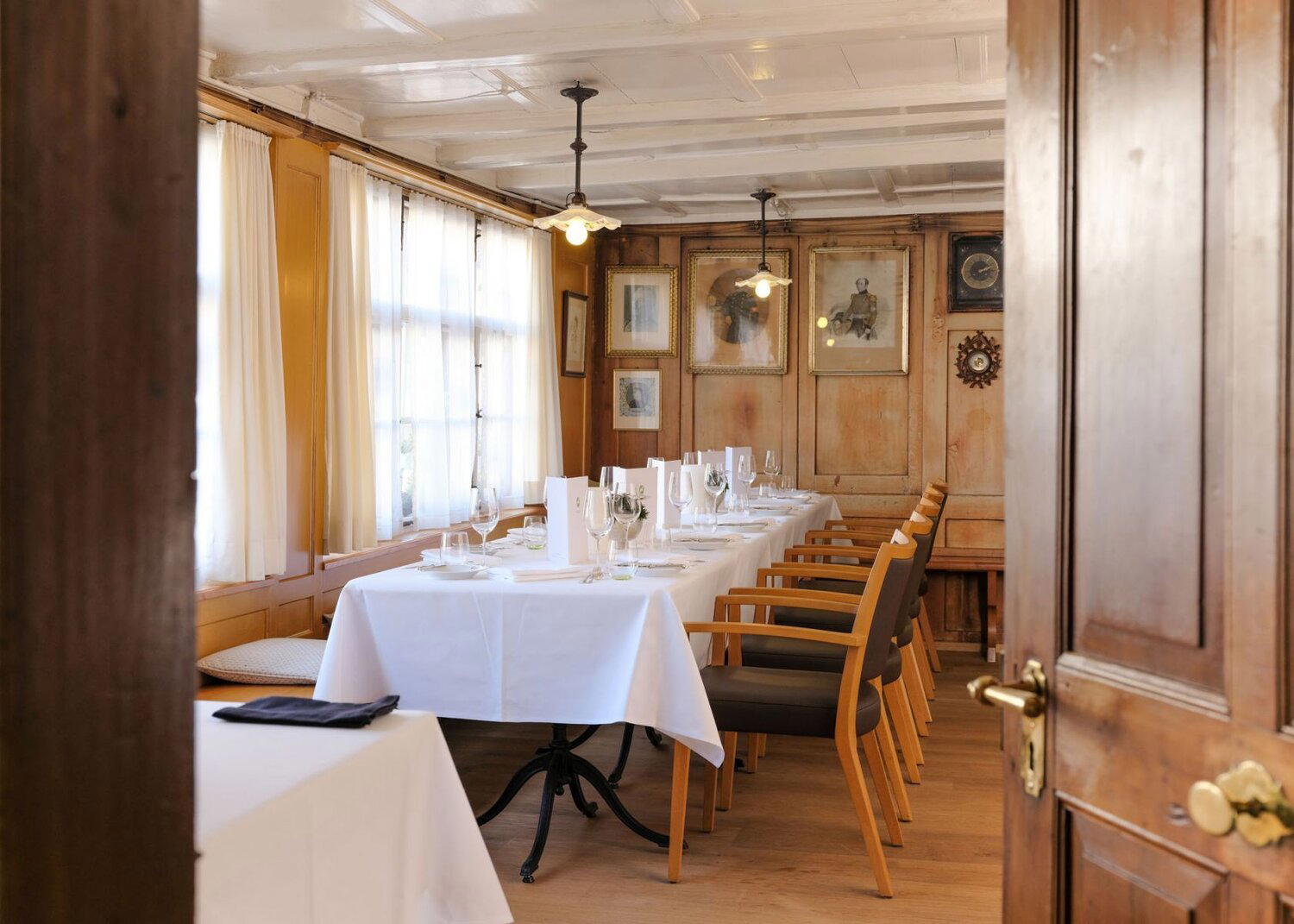
Warm woods and restrained lighting create a comfortable, private dining room with a quiet, relaxed atmosphere.