Himali Bistro
Himali Bistro brings Himalayan cooking to Burlingame's Broadway corridor, sitting within a mid-Peninsula dining scene that spans everything from Italian small plates to American seafood. The restaurant occupies a distinct cultural niche on a street that rewards exploration. For those tracing South Asian and high-altitude cuisines through the Bay Area, it represents a specific and deliberate stop.
 Discover on Pearl
Pearl is the En Primeur Club membership app — saves, bookings, and concierge access live there. Same editors, same standards.
- Address
- 1251 Broadway, Burlingame, CA 94010
- Phone
- +16509314763
- Website
- himalibistro.com
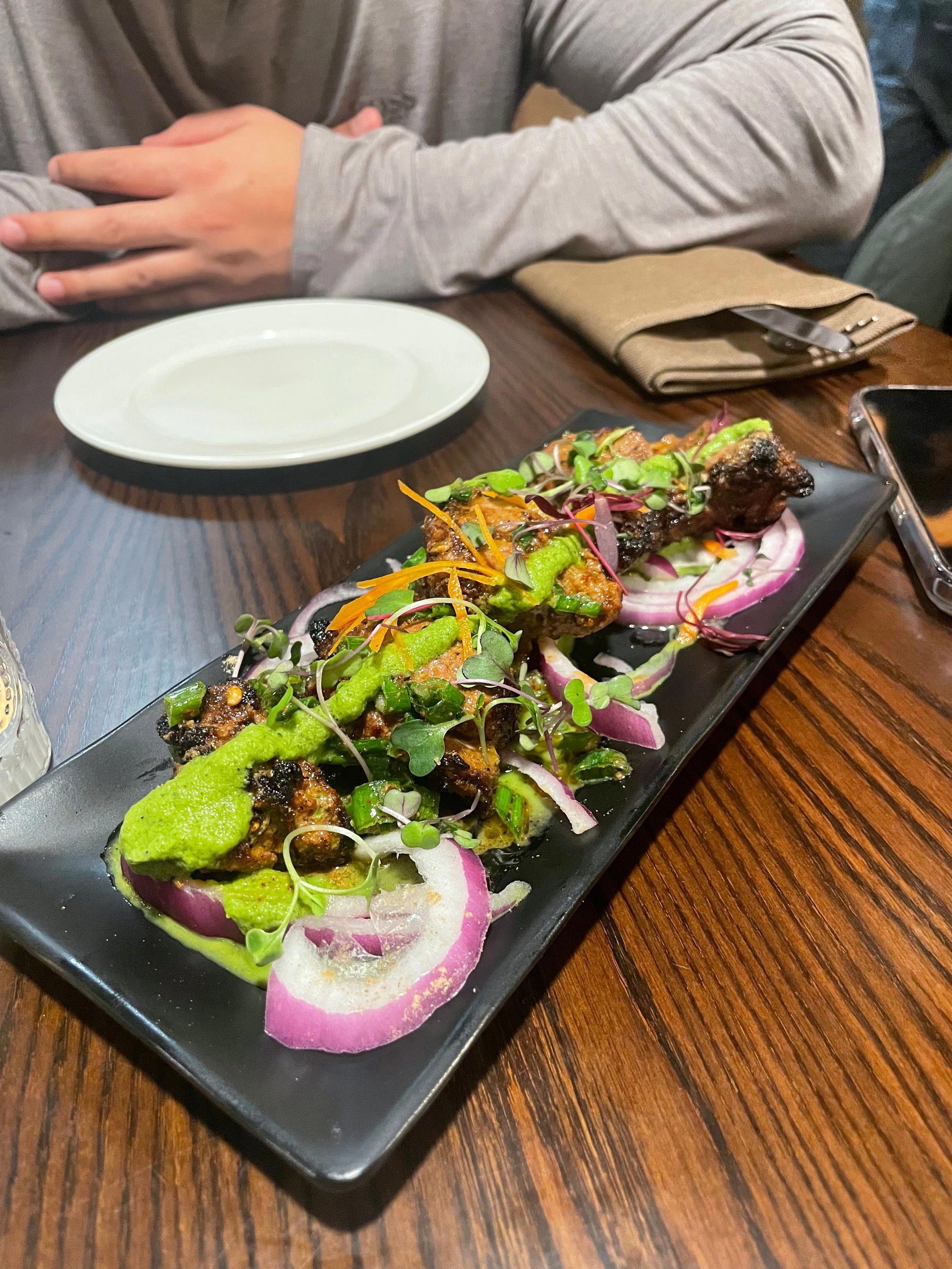
Broadway's Himalayan Presence
Burlingame's Broadway strip has long functioned as the mid-Peninsula's most accessible dining corridor: a walkable block set where the city's residential density meets its commercial core, and where cuisines from across the globe have found footholds alongside American standbys. The strip hosts Bistro Arancini, Broadway Grill, and Max's of Burlingame, among others, creating a range that skews toward comfort and familiarity. Himali Bistro at 1251 Broadway is a casual, mid-priced restaurant serving Authentic Nepali & Indian Himalayan Cuisine in Burlingame.
That specificity matters. Himalayan cuisine as a category covers a geographically vast and culturally layered region, the cooking traditions of Nepal, the Tibetan plateau, the hill states of northern India, and Bhutanese influence all converge under this loose umbrella. What distinguishes the food as a category is not just altitude or geography but a set of culinary techniques and flavor commitments that differ sharply from the better-known South Asian restaurant formats that dominate American cities: heavier use of warming spice blends, momo dumplings as a structural staple, lentil-based soups with particular textural weight, and meat preparations shaped by mountain pastoral traditions rather than lowland subcontinental cooking.
The Cultural Architecture of Himalayan Cooking
To understand why a Himalayan bistro in a Bay Area suburb carries more editorial weight than its modest address might suggest, it helps to understand how the cuisine fits into the broader geography of South Asian food in the United States. Indian-inflected restaurants dominate the category in most American markets, with Bangladeshi, Sri Lankan, and Pakistani cooking occupying a secondary tier of recognition. Nepali and Tibetan cooking remain genuinely underrepresented: a handful of cities, New York, Boston, parts of California, hold most of the dedicated Himalayan kitchens, and even within those cities the format sits at a fraction of the volume commanded by North Indian or Punjabi establishments.
The Bay Area has the demographic density and the culinary curiosity to sustain niche South and Central Asian formats, but the concentration of Himalayan restaurants still sits heavily in San Francisco proper and the East Bay. The Peninsula's options are thinner. In that context, a Himalayan kitchen on Broadway in Burlingame serves a regional function beyond its immediate neighborhood: it is one of relatively few access points for this specific culinary tradition between San Francisco and San Jose. Visitors looking for a fuller sense of the Peninsula's range should cross-reference Rasa, which addresses Indian cooking more broadly.
Momos, Dal, and the Logic of the Menu
The structural backbone of any serious Himalayan kitchen is the momo, a steamed or fried dumpling with Central Asian ancestry that has become Nepal's defining street food export. Where the xiao long bao or the Georgian khinkali function as markers of culinary identity for their respective traditions, the momo serves the same role for Nepali and Tibetan cooking: its wrapper thickness, its filling balance, its dipping sauce, each signals something about where on the Himalayan spectrum a kitchen positions itself.
Beyond dumplings, the Himalayan kitchen's credibility typically rests on dal bhat, a lentil soup and rice combination that is less a dish than a daily ritual in Nepal, with regional variations in spice, consistency, and accompaniment that can differ dramatically by altitude and ethnic community. The thukpa noodle soup, drawing on Tibetan influence, and the use of timur (Sichuan pepper grown in Nepal's hills) as a primary aromatic mark the cooking's northern and high-altitude orientation, distinguishing it from the warmer, richer spice profiles of lowland South Asian traditions.
What the culinary tradition itself demands is that these structural categories, momo, dal, timur-inflected preparations, form the frame through which any Himalayan kitchen earns or loses its credibility. Restaurants operating in this format outside their home geography have to negotiate that authenticity question directly.
Where Himali Bistro Sits in the Bay Area Food Map
The Bay Area restaurant hierarchy, at its upper register, skews toward tasting-menu formats and farm-to-table frameworks. Lazy Bear in San Francisco, Single Thread Farm in Healdsburg, and The French Laundry in Napa define what the region signals at the premium tier. Further afield, institutions like Le Bernardin in New York City, Alinea in Chicago, Providence in Los Angeles, Addison in San Diego, Blue Hill at Stone Barns in Tarrytown, The Inn at Little Washington, Atomix in New York City, Emeril's in New Orleans, and 8½ Otto e Mezzo Bombana in Hong Kong anchor a global reference frame that helps clarify what different restaurant tiers are actually competing for.
Himali Bistro operates in a different register entirely, and that is not a criticism, it is a category observation. The bistro format in ethnic cuisine serves a different cultural function than the tasting-menu format: it is about access, neighborhood anchoring, and the transmission of a food tradition to a community that might otherwise have no direct route to it. In a suburb where the dining default is comfort American or casual Italian, a Himalayan kitchen expands the available culinary vocabulary in a way that a fifth Italian trattoria would not.
Planning Your Visit
Himali Bistro is located at 1251 Broadway in Burlingame, California 94010. For a fuller map of the dining options along and around Broadway, our full Burlingame restaurants guide covers the range by category and format.
Himali Bistro is open Monday through Thursday and Sunday from 11 AM to 9 PM, and Friday and Saturday from 11 AM to 10 PM. Reservations are recommended.
Pricing, Compared
Comparable venues nearby, for context on price, style, and recognition.
| Venue | Cuisine | Price | Awards | Notes |
|---|---|---|---|---|
| Himali BistroThis venue — the venue you are viewing | $$ | , | ||
| Sakae Sushi & Grill | Downtown Burlingame, Japanese Sushi | $$ | , | |
| Ristorante Rocca | $$$ | , | Burlingame, Northern Italian with California influences | |
| Bistro Arancini | Broadway, Italian Bistro | $$ | , | |
| Broadway Grill | $$$ | , | Downtown Burlingame, European-Inspired American Steakhouse | |
| Kaiseki Saryo Hachi | Burlingame, Kaiseki | $$$$ | , |
Continue exploring
More in Burlingame
Restaurants in Burlingame
Browse all →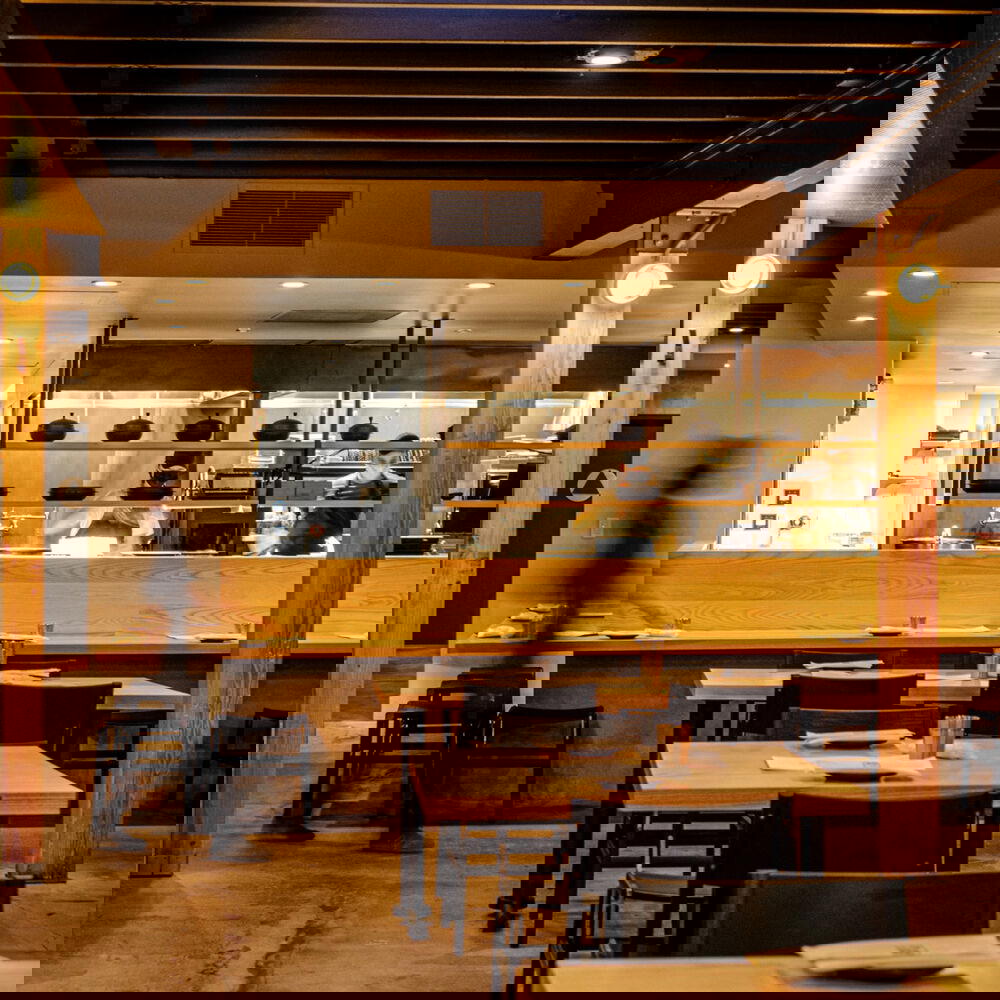
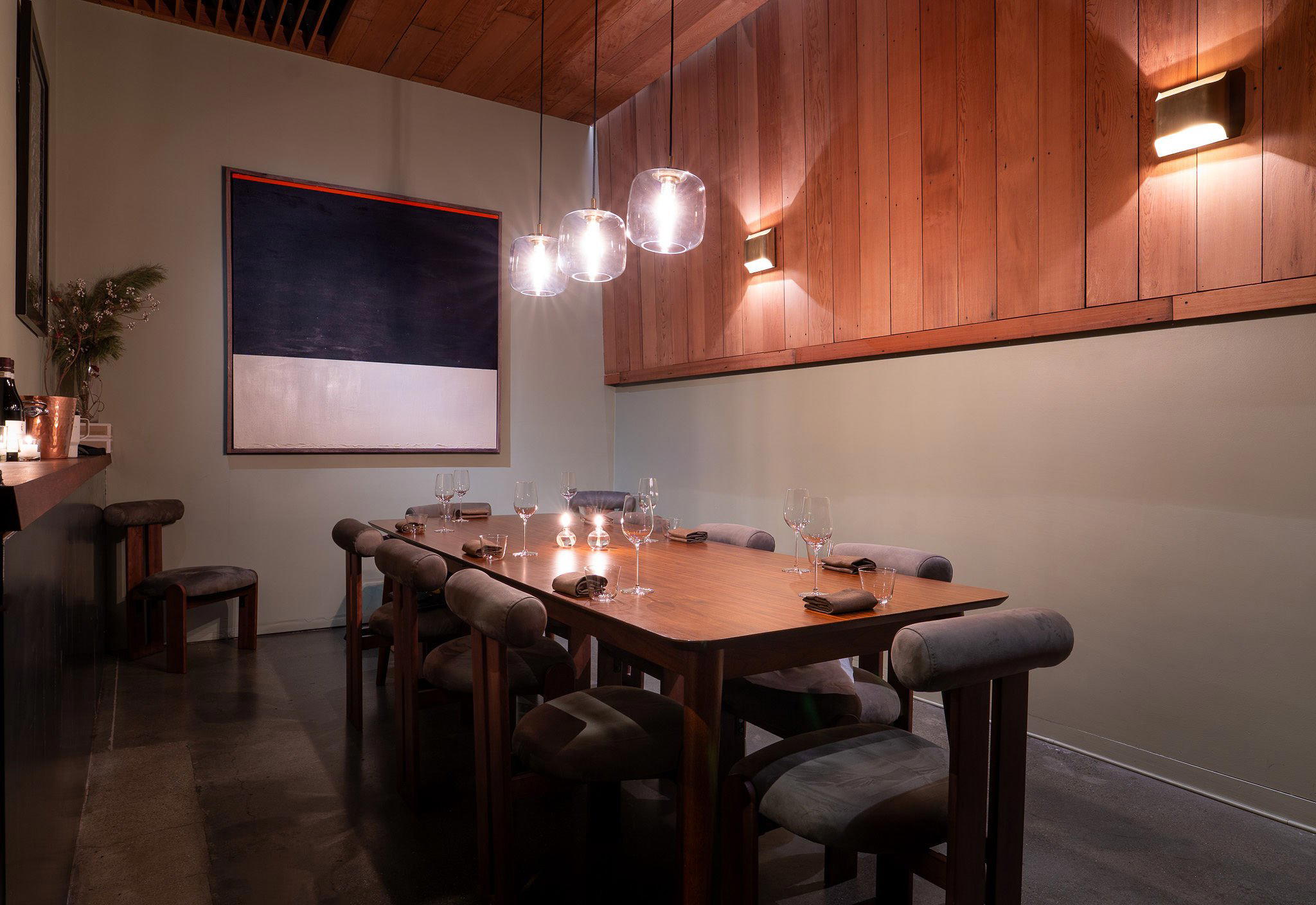
Bars in Burlingame
Browse all →
Hotels in Burlingame
Browse all →


At a Glance
- Modern
- Cozy
- Casual Hangout
- Group Dining
- Standalone
- Craft Cocktails
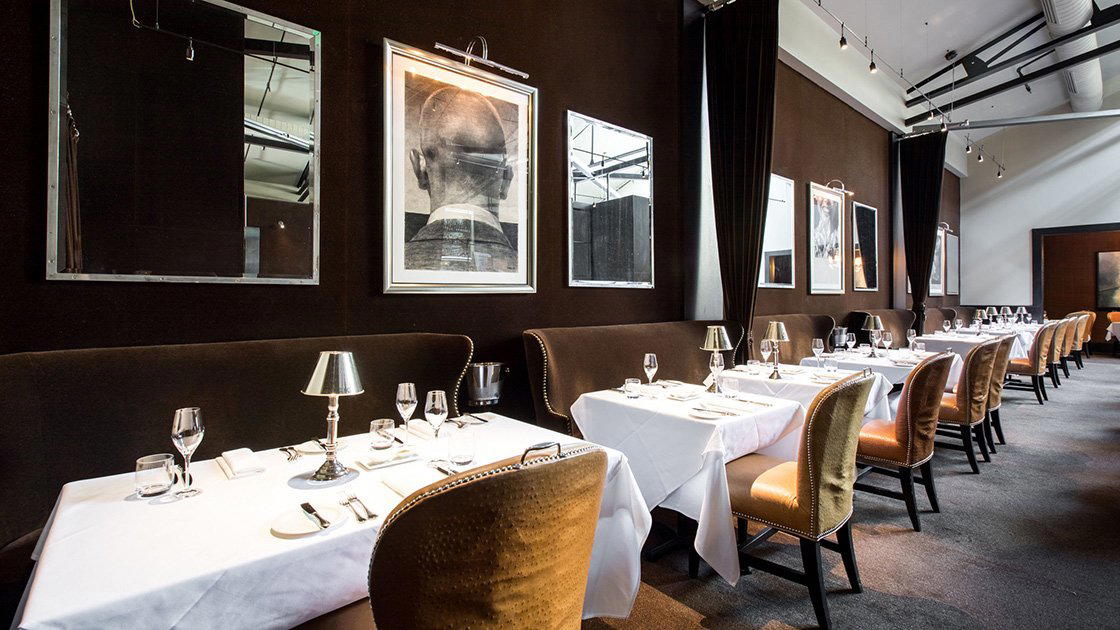
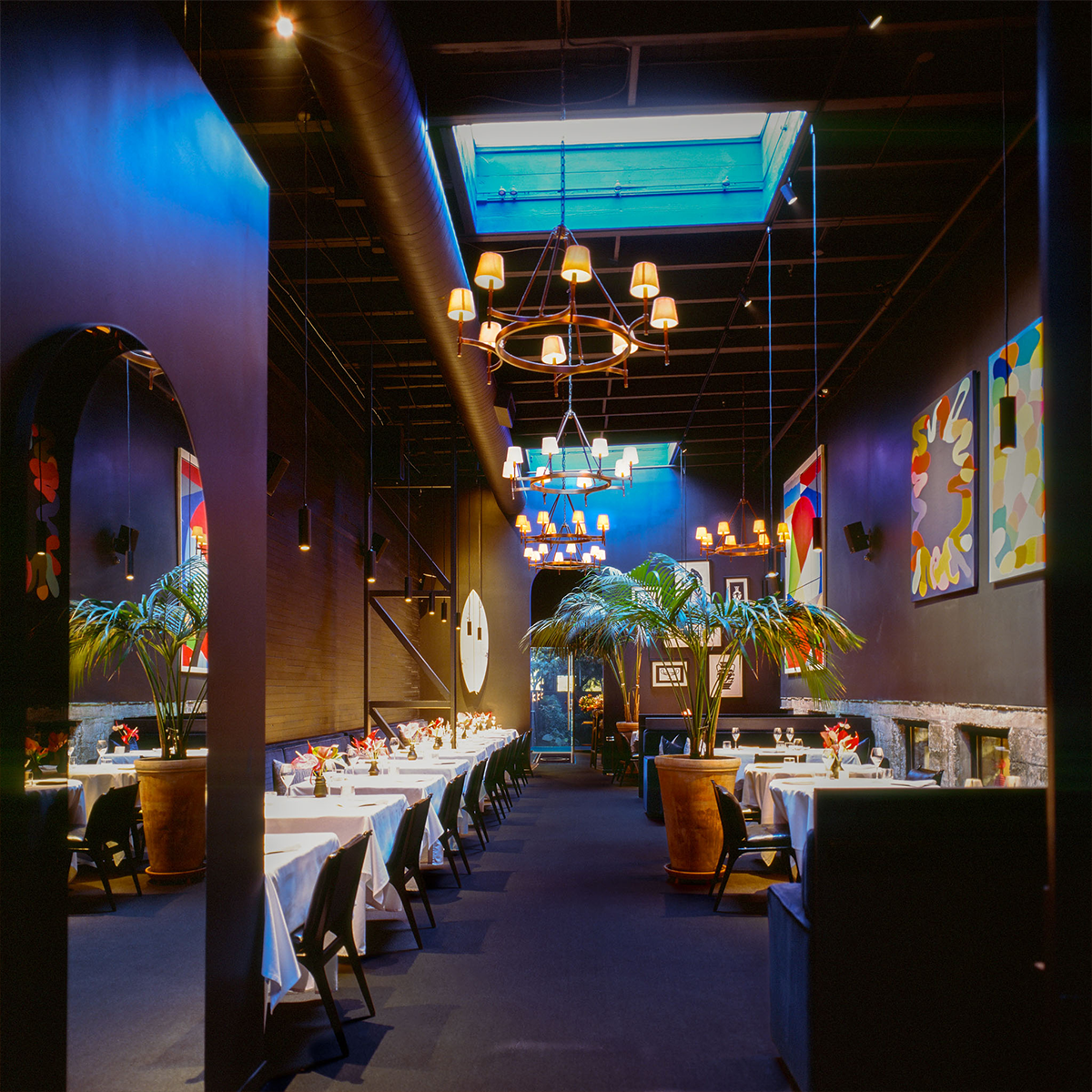
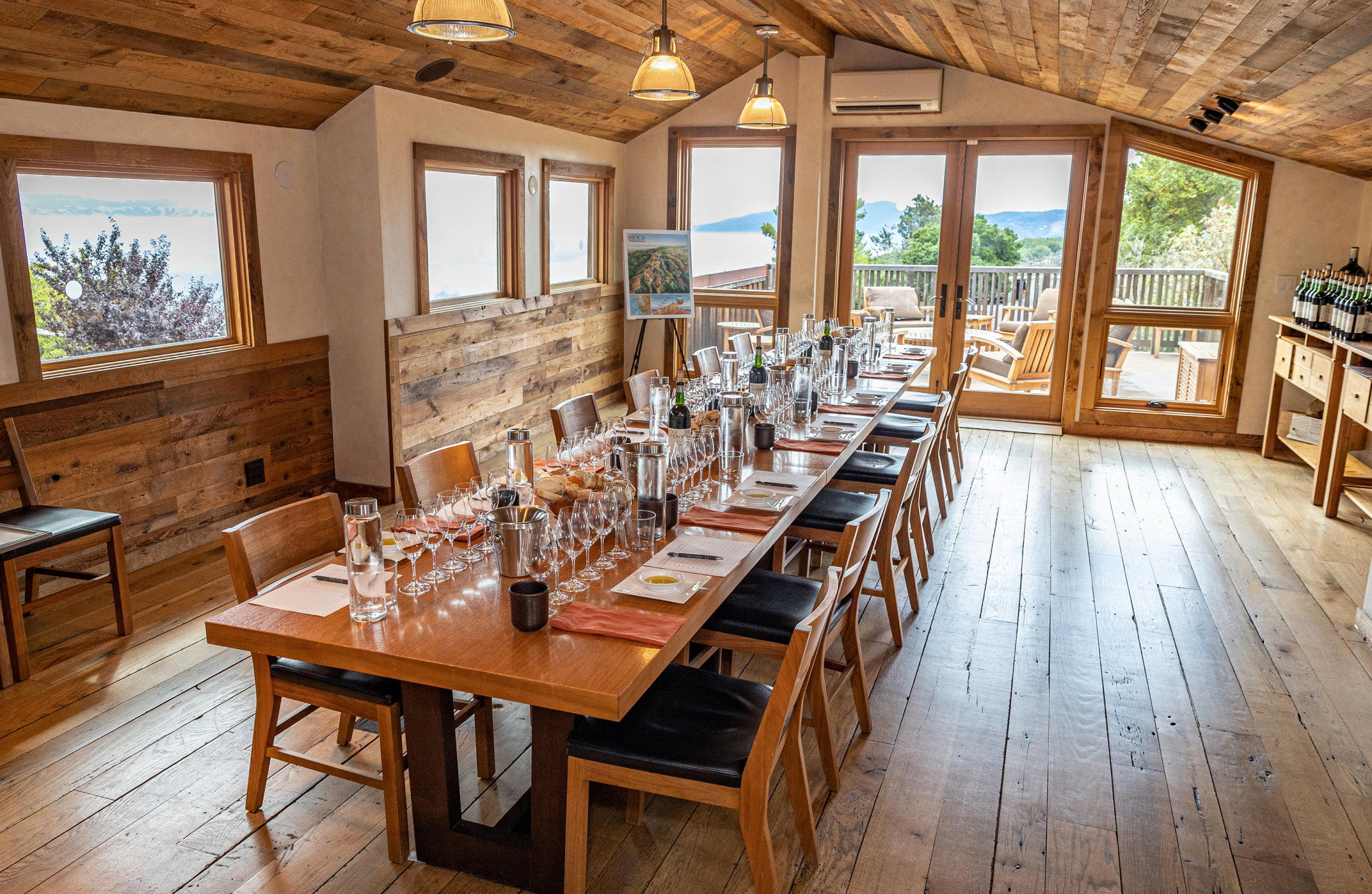
Modern restaurant with warm, inviting atmosphere designed to evoke the essence of the Himalayan mountains through traditional spices and contemporary presentation.