Hiko Sushi
Hiko Sushi on National Boulevard sits within the tier of serious Los Angeles sushi counters that operate on restraint rather than spectacle — where the fish does the talking and the room stays deliberately spare. Located in West LA's quieter commercial corridor, it draws a committed local following that treats the address as something of an open secret in a city crowded with omakase options.
Pearl is the En Primeur Club membership app — saves, bookings, and concierge access live there. Same editors, same standards.
- Address
- 11275 National Blvd, Los Angeles, CA 90064
- Phone
- +13104737688
- Website
- hikosushila.com
- Directions
- Get directions
 Saves & bookings on Pearl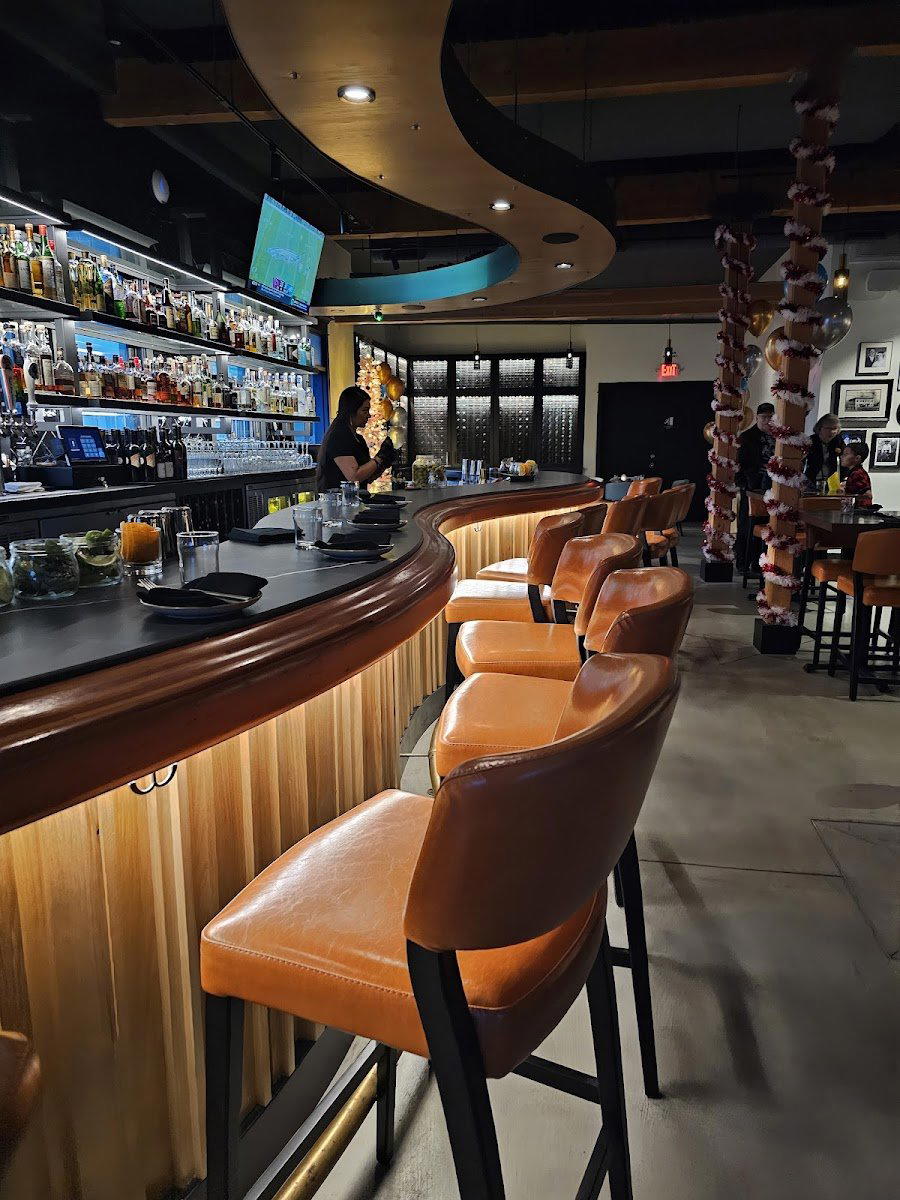
The West LA Sushi Counter, in Context
Los Angeles has more serious sushi per square mile than any American city outside of New York, and the competition for attention at the higher end is genuinely fierce. The city's Japanese dining culture, built over decades through successive waves of immigration and shaped by California's proximity to the Pacific, has produced a tier of counters that operate on terms closer to Tokyo than to the Americanized rolls that still dominate the lower rungs. Hiko Sushi on National Boulevard sits inside that more serious bracket, in a stretch of West LA that rewards the kind of diner who looks past address prestige in favour of what arrives in front of them. It is the kind of place that our full Los Angeles restaurants guide returns to when mapping the city's most committed sushi options — not because it announces itself loudly, but because it doesn't need to.
National Boulevard runs through a commercial corridor that most out-of-towners pass through without stopping. That geographic modesty is, in some respects, the point. The counters and rooms that have built the strongest reputations in LA's premium Japanese dining scene are rarely found in the most tourist-trafficked zip codes. Hayato operates out of a strip mall in the Arts District. The pattern is consistent: the address matters less than the sourcing, the technique, and the discipline at the counter. Hiko fits that model.
What the Setting Communicates
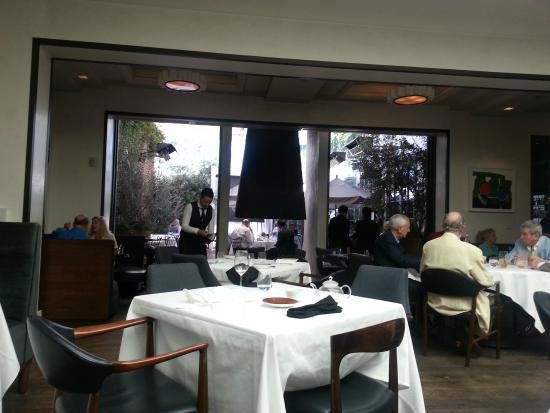
Walk into the room on National and what you encounter is a deliberate absence of distraction. The environment of serious sushi counters in this city has largely rejected the design-forward maximalism that defines so much of the premium dining tier in Los Angeles. Somni leans into theatrical presentation; Kato operates with a polished precision that references its broader ambitions in contemporary Asian cooking. Hiko's register is different. The room speaks the grammar of the traditional Japanese counter, where the visual vocabulary is fish, wood, and the hands working in front of you. The absence of fuss is itself a statement about where the priorities lie.
That kind of physical restraint is a cultural inheritance, not a design trend. Traditional Edomae sushi — the Tokyo-rooted style that forms the technical backbone of serious nigiri counter culture, was built around the relationship between a single piece of fish and a precise portion of vinegared rice, served directly and eaten immediately. The theatrics, such as they exist, are in the execution: the angle of the cut, the temperature of the rice, the degree of aging or marination applied to each piece. Rooms that let that tradition breathe tend to strip out competing visual noise. Hiko reads that way.
Where It Sits in the LA Premium Tier
The premium end of Los Angeles dining has bifurcated over the last decade. On one side sit the ambitious multi-course tasting experiences at places like Providence, which has held two Michelin stars, or Osteria Mozza, which anchors a different register entirely, Italian, designed around conviviality and a long wine list. On the other side sit the counter formats, the omakase rooms, and the venues where the experience is more intimate and the price of admission buys access to a specific, narrow kind of expertise. Hiko belongs to the counter tradition rather than the large-format tasting room.
Nationally, the serious sushi counter has become a recognisable category in American fine dining. Le Bernardin in New York City represents the European-derived seafood fine dining tradition; the Japanese counter tradition is structurally different, built on a direct relationship between chef and diner with minimal kitchen intermediation. The same distinction plays out when you compare the multi-course American formats at Alinea in Chicago, The French Laundry in Napa, or Single Thread Farm in Healdsburg with what a sushi counter offers. The counter model is purposefully narrower in format, which is precisely what gives it its integrity.
Other cities have developed their own versions of this tier. Addison in San Diego represents the California fine dining tradition through a different lens entirely. Atomix in New York City applies a similarly rigorous counter discipline to Korean cuisine. The underlying logic, small seats, high-sourcing standards, a direct relationship between the person preparing the food and the person eating it, is consistent across these formats, even when the culinary tradition differs.
The Cultural Roots of What's Served
Edomae sushi as a tradition originated in pre-refrigeration Tokyo, where the techniques applied to fish (curing, aging, vinegaring, gentle warming) were not affectations but necessities developed to work with what the Tokyo Bay offered and to preserve quality across a service. The style that serious American sushi counters now practise is a direct descendant of those techniques, filtered through the specific sourcing conditions of the American West Coast. California's access to Pacific fish varieties, alongside the established import infrastructure for Japanese-sourced product, gives the city's leading counters a range that their East Coast equivalents sometimes lack. That sourcing reality is part of what makes the LA counter scene function at the level it does.
The cultural weight of that tradition is part of what distinguishes the serious counter from the broader category of Japanese restaurants. It is a format built on precision and repetition, where mastery is expressed through consistency rather than novelty. That stands in deliberate contrast to the innovation-led model that defines much of the American fine dining tier, from Lazy Bear in San Francisco to Blue Hill at Stone Barns in Tarrytown. At the sushi counter, the question is not what you are doing differently this season but how precisely you are executing a known standard.
Planning a Visit
Hiko Sushi is at 11275 National Boulevard, Los Angeles. Visitors coming from outside the immediate West LA area should treat parking as a variable: the commercial corridor can be tight depending on time of day, and public transport connections to this stretch are limited. For practical booking information, opening hours, and current pricing, visiting the venue directly is advisable, as these details are subject to change. As a category note, serious sushi counters at this level in Los Angeles generally operate with limited seats and require advance reservations; last-minute walk-ins at the counter tier are rarely viable. Building lead time into your planning is standard practice for any venue in this bracket, whether in LA, New York, or elsewhere.
Continue exploring
More in Los Angeles
Restaurants in Los Angeles
Browse all →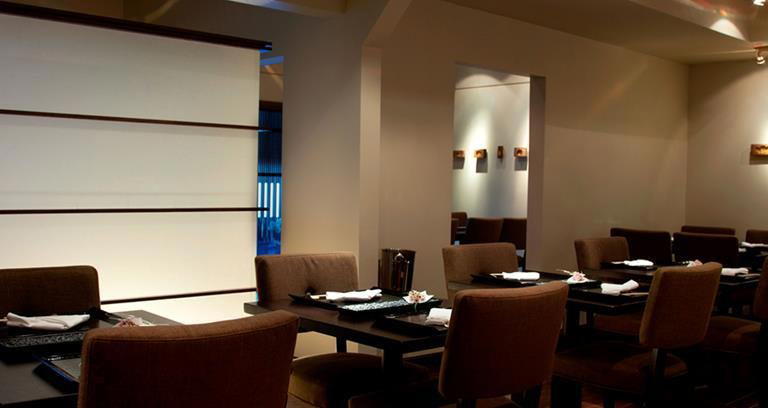
Bars in Los Angeles
Browse all →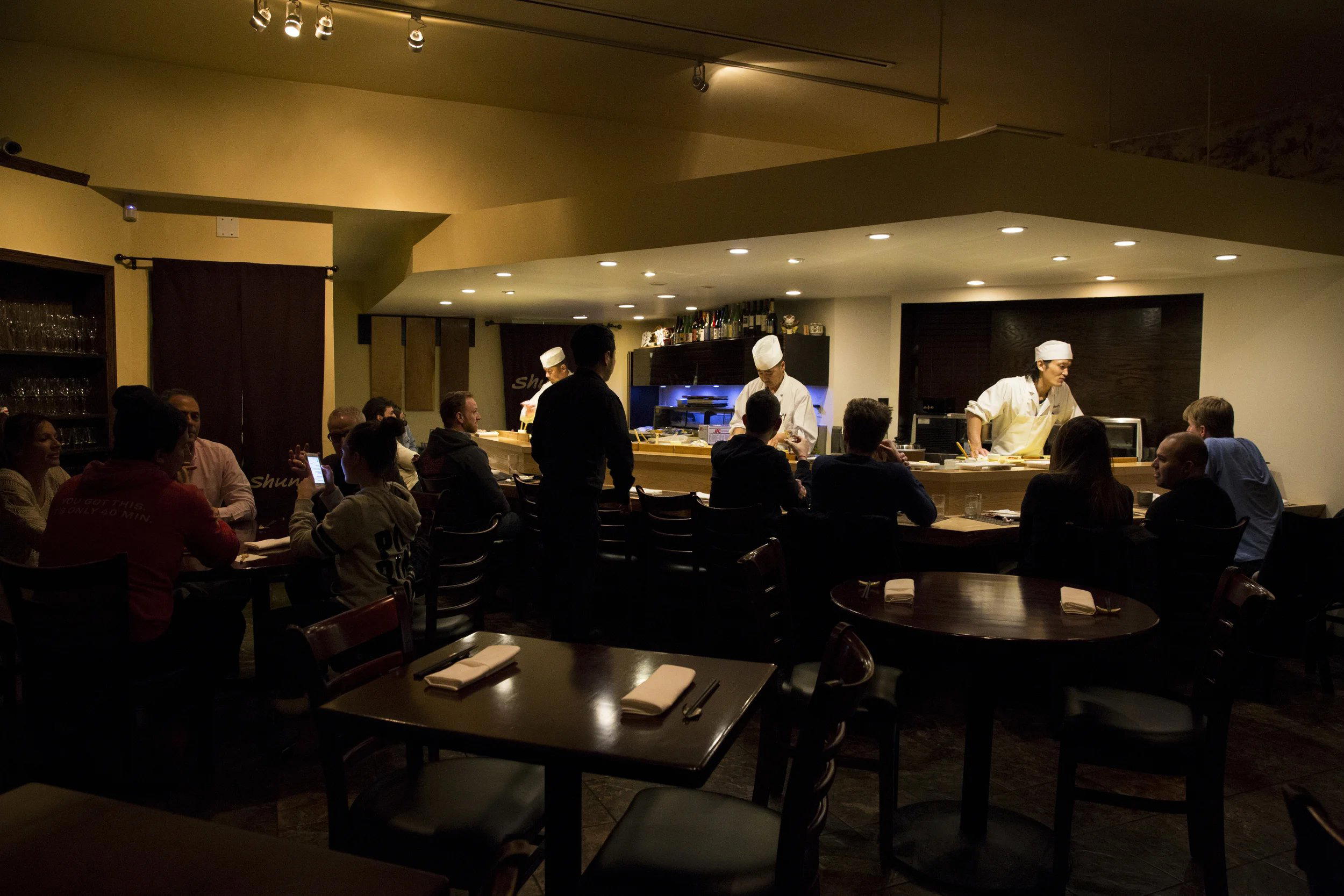
Hotels in Los Angeles
Browse all →
Wineries in Los Angeles
Browse all →
At a Glance
- Intimate
- Classic
- Date Night
- Special Occasion
- Chefs Counter
- Sake Program
Current opening hours
- Monday
- 12:15–2 PM, 6–9 PM
- Tuesday
- 12:15–2 PM, 6–9 PM
- Wednesday
- 12:15–2 PM, 6–9 PM
- Thursday
- 12:15–2 PM, 6–9 PM
- Friday
- 12:15–2 PM, 6–9 PM
- Saturday
- Closed
- Sunday
- Closed
Hours can change for holidays and private events. Last verified .
No-frills, basic atmosphere focused on the sushi craftsmanship with a personable family service.
Know Before You Go
- Getting there
- 11275 National Blvd, Los Angeles, CA 90064