
Hikage is a seven-seat ramen counter in Kawasaki’s Saiwai Ward, selected for Tabelog 100 Ramen Kanagawa 2025 after earlier Tabelog 100 Ramen East selections from 2021 through 2023. The appeal is not breadth but focus: a small counter, no reservations, cash-only payment, and a local ramen culture that treats lunch and dinner as disciplined, quick-service craft rather than occasion dining.
Pearl is the En Primeur Club membership app — saves, bookings, and concierge access live there. Same editors, same standards.
- Address
- 4 Chome-16-2 Minamikase, Saiwai Ward, Kawasaki, Kanagawa 212-0055, Japan
- Website
- tabelog.com
 Saves & bookings on Pearl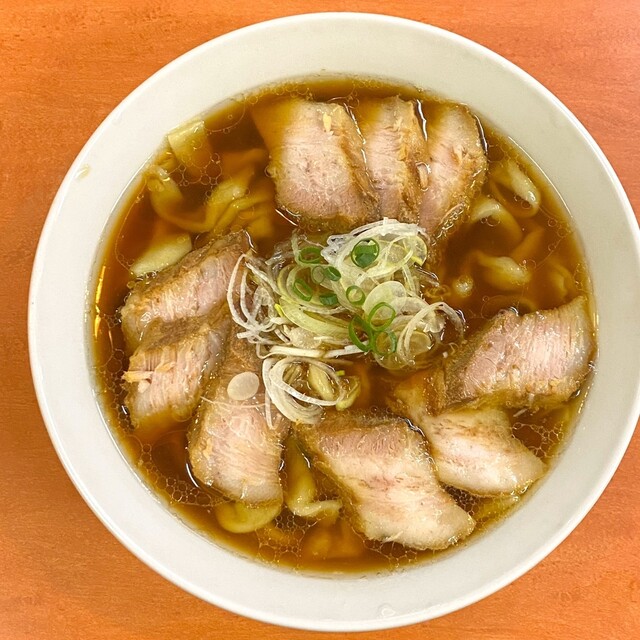
Approaching a serious suburban ramen counter in Japan rarely feels theatrical. The signal is usually scale: a narrow frontage, a short queue if timing is unlucky, and a room built around the counter rather than around lingering. In Kawasaki, that grammar matters. The city sits between Tokyo and Yokohama, but its ramen culture is not simply a spillover from either; it rewards small shops that can serve office workers, neighbourhood regulars, and railway-line diners with the same controlled pace.
Hikage belongs to that compact end of the spectrum. The room runs on seven counter seats, a format that changes the meal before the bowl arrives. Ramen at this scale is less about menu sprawl than sequencing: customers arrive, eat, leave, and make room for the next person. That rhythm is part of why high-performing ramen shops in Japan can feel closer to sushi counters in discipline than to casual noodle bars abroad, even when the price remains everyday by Japanese dining standards.
A Kawasaki counter in the serious ramen tradition
Kanagawa’s ramen map has long been shaped by commuting corridors, port-city appetites, and the pull of Tokyo media. Kawasaki adds its own tension: industrial history, dense residential wards, and stations that move diners quickly across the Tama River. In that setting, a seven-seat counter in Saiwai Ward reads as a local specialist rather than a destination built for spectacle.
The public recognition supports that reading. Hikage was selected for Tabelog 100 Ramen Kanagawa 2025, following Tabelog 100 Ramen Kanagawa 2024 and Tabelog 100 Ramen East selections from 2021 through 2023. For a shop that opened in 2021, that run places it inside a competitive regional category where consistency carries more weight than novelty. Tabelog’s 3.82 score also puts it above the level of casual discovery and into the bracket where ramen-focused diners will cross neighbourhood lines.
This is the useful way to understand the shop: not as a luxury restaurant, and not as an all-purpose family dining room, but as a compact ramen counter with sustained regional recognition. In Kawasaki, that places it alongside other tightly focused, lower-price specialists rather than broader-format restaurants. Buta Boshi, also in Kawasaki, sits in a similar budget band, while Malini South Indian & Fusion moves into a higher dinner range. The comparison is less about cuisine than diner decision: quick counter craft versus a broader restaurant meal.
Why the small-room format matters
Ramen’s cultural force in Japan comes from compression. A bowl can carry regional broth traditions, noodle texture, seasoning balance, and shop identity, but the service format stays direct. The counter is not an aesthetic flourish; it is the operating system. With seven seats, every extra minute matters, and the diner’s role is clear: arrive prepared, order decisively, eat while the bowl is at its intended temperature, and move on.
That makes Hikage better suited to diners who understand ramen as a focused stop rather than a long social meal. The no-reservations format reinforces the point. It also changes planning for visitors staying in central Tokyo or Yokohama: this is a targeted Kawasaki detour, not a flexible fallback if a large group needs a table. The nearest station is Shin-Kawasaki, with onward local access by bus or on foot depending on route choice, so timing should be treated with the same care as the meal itself.
The practical constraints sharpen the editorial case. There is no private room, private use is unavailable, and payment is cash-only, with credit cards, electronic money, and QR code payments not accepted. Parking is unavailable. None of that is unusual for a small ramen counter in Japan, but it is useful intelligence for travellers who are used to card-first dining and reservation-led planning. The shop is also non-smoking, which aligns it with the cleaner, tighter counter style that has become standard among serious contemporary ramen rooms.
For wider Kawasaki planning, the city rewards mixing categories rather than chasing a single list. A ramen counter can sit in the same itinerary as bakeries, cafés, casual Japanese restaurants, and bars, provided the day is built around transport reality. Nearby editorial options include (Shoku) Vietnam, Belmatine, Boulangerie Metier Pa-ku shiti musashi kosugi za ga-den, and C'EST UNE BONNE IDEE!. For the broader city edit, use our full Kawasaki restaurants guide, plus the separate Kawasaki hotels guide, Kawasaki bars guide, Kawasaki wineries guide, and Kawasaki experiences guide.
How it fits a Japan dining itinerary
For travellers building a Japan dining route, Hikage offers a useful counterpoint to the reservation-heavy meals that dominate international planning. Ramen shops like this are democratic in price but demanding in etiquette and timing. The reward is cultural fluency: understanding how much seriousness Japan can put into a meal that lasts minutes rather than hours.
That fluency travels well across cities. A Kawasaki ramen stop can sit beside coastal dining such as -Grilled beef Sukiyaki- KAMAKURA TANUKIAN 鎌倉 たぬき庵 in Kamakura, Tokyo casual rooms like. 鮪と炭火焼き うお炭 秋葉原店 in Tokyo, or farther domestic stops including.cafe in Osaka.know in Kumamoto, [Curry Senmon Ten] Maruyama Kyoju. in Sapporo, and [ki:] in Kyoto. For readers tracking Japanese food culture abroad, Jōdo Saké Bar in Los Angeles and Onigiri Time in Pasadena show how specific formats change once they leave Japan.
The editorial verdict is restrained but clear: Hikage is for diners who value tightly run ramen counters and regional recognition over comfort padding. The seven-seat format, repeated Tabelog 100 selections, and cash-only, no-reservation setup point to a shop that asks for planning but not ceremony. In Kawasaki, that is precisely the point.
Budget Reality Check
Nearby venues at a similar price tier for orientation.
| Venue | Cuisine | Price | Notes |
|---|---|---|---|
| Hikage | Saiwai-ku, Ramen shop in Shin-Kawasaki | $ | Not listed |
| Ramen Kan 2 Ya Kawasaki ten | Not listed | $ | .null, Yokohama Iekei pork-soy sauce ramen |
| San San Nana | Not listed | $ | Kawasaki Station area, Tsukemen & ramen shop |
| Sumiyoshiya Sohonten | Not listed | $ | Kawasakidaishi, Traditional Japanese sweets café (kuzumochi, soba & udon) |
| Men Goya Techi | Not listed | $ | Musashi-Shinjo, Miso Ramen & Mazemen Shop |
| Buta Boshi | Not listed | $ | Nakahara-ku (Motosumiyoshi Area), Ramen & Tsukemen Shop |
Recognition history
Dated appearances from independent guides and award organizations, with the underlying list record or original source where available.
Tabelog 100 #31 · No. 31
Tabelog · Tabelog 100 - Ramen - KANAGAWA - 2025











At a Glance
- Cozy
- Intimate
- Solo
- After Work
- Casual Hangout
- Family
- Standalone
Current opening hours
- Monday
- Closed
- Tuesday
- 11:30 AM–2:30 PM, 6–8 PM
- Wednesday
- 11:30 AM–2:30 PM, 6–8 PM
- Thursday
- 11:30 AM–2:30 PM, 6–8 PM
- Friday
- 11:30 AM–2:30 PM, 6–8 PM
- Saturday
- 11:30 AM–2:30 PM, 6–8 PM
- Sunday
- 11:30 AM–2:30 PM, 6–8 PM
Hours can change for holidays and private events. Last verified .
A compact, counter-only neighborhood ramen shop with just seven seats, a casual and efficient atmosphere, and the lively feel of a popular local spot that often draws lines.