Hern

The Good Food Guide GFG Very Good
Our verdict
A suburban Leeds address with minimal signage and no website, Hern fills most nights on the strength of its cooking alone. Cordon Bleu-trained chef Rab Adams, with fine dining experience under Gordon Ramsay and Josh Overington, runs a short carte on Wednesdays and a four-course set menu Thursday to Saturday, using local and seasonal ingredients at prices that make the quality-to-cost ratio the main event.

Pearl is the En Primeur Club membership app, where members save venues, book tables and use the concierge.
The menu
What to order
- Focaccia
- Venison with smoked beetroot
- Squash risotto
- Poached pears with artichoke custard
- Fried polenta fingers
The Suburban Counter That Earns Its Place Among Leeds's Serious Restaurants
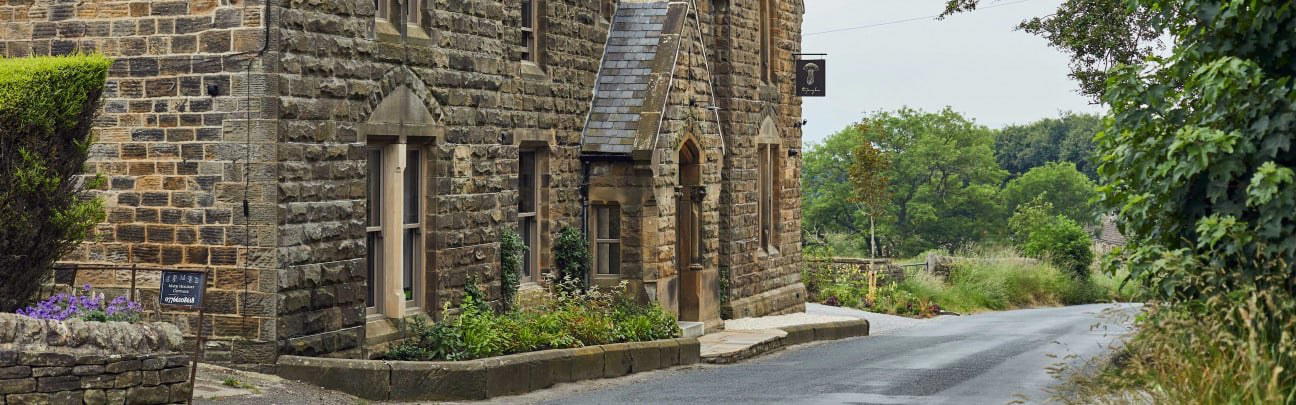
Stainbeck Corner, in the Chapel Allerton stretch of LS7, is the kind of address that filters out the incurious. A row of local shops, nothing to announce itself from the pavement, no menu card in the window, no opening times displayed. The signage at Hern is minimal to the point of deliberate concealment, and that restraint signals something about what happens inside: a dining room that fills most nights not through visibility but through reputation.
Among the restaurants competing for attention across Leeds, that positioning is uncommon. The city has strong mid-market restaurant culture, with operations like Ox Club anchoring the meats-and-grills tier and newer arrivals such as Casa Susanna, Dastaan Leeds, Eat Your Greens, and emba building a varied, confident scene. Hern sits outside the city-centre footprint entirely. The suburban location is part of the proposition: low overhead, short supply lines, prices held at a level that makes the quality-to-cost ratio the real draw.
What the Parmo Tells You About the Kitchen
The chicken parmo, a Teesside institution, breaded escalope under béchamel and block Cheddar, born in Middlesbrough and enshrined in post-pub ritual along Linthorpe Road, is not the kind of dish that appears on menus where chefs are trying to signal ambition. It is precisely the kind of dish that appears on menus where chefs are confident enough not to need to. At Hern, the parmo arrives with tender chicken, decent cheese, and asparagus alongside, built to match the portion weight of any Teesside original while using better ingredients throughout. That move, treating a northern working-class dish as a reference point rather than something to distance oneself from, is a more honest expression of regional cooking than most restaurants in any price tier manage.
The same logic runs through the rest of the menu. Batavia lettuce with a green goddess dressing of yoghurt, lemon, anchovy, and herbs, finished with pangrattato and finely grated Ribblesdale cheese, is a dish that works because it is direct. Mascarpone, sprouting broccoli, black olives, and chilli on fresh toast is simple without being slight. Fried polenta fingers, crisped hard and served hot alongside pesto, function exactly as a snack should. Freshly baked focaccia, the bread programme apparently tracing back to a period when the kitchen's chef ran a wholesale bakery, is pillowy and present. Sea bass with red pepper sauce and marinated courgettes, and a lemon posset with strawberries and elderflower granita are dishes calibrated to the season without making a declaration of it.
None of this is complicated food. The complication, in kitchens that operate like this one, is in sourcing, timing, and restraint. Local and seasonal ingredients, low waste, and sustainability are the infrastructure of the cooking rather than the marketing language around it. The British Isles has a longer tradition of this kind of neighbourhood restaurant than it is generally given credit for, and operations like Hand and Flowers in Marlow or Moor Hall in Aughton demonstrate what happens when classical discipline is applied to regional materials at the higher end. Hern operates at a different price register but shares the underlying premise: that the quality of British produce is an argument in itself, and it does not need obscuring.
The Training Behind the Simplicity
Cordon Bleu training followed by time in the kitchens of Gordon Ramsay and Josh Overington is a formation that sits inside a particular British fine dining tradition: French technique as the foundation, with the personal accent arriving later. The kitchens associated with that lineage tend to produce cooks who understand classical structure and then choose which parts to retain. At Hern, the choice appears to be rigorous technique applied to unflashy ideas at a neighbourhood scale. The resulting kitchen operates on a short carte on Wednesdays and a four-course set menu Thursday through Saturday, a format that keeps the weekly production manageable and the output consistent.
That structure places Hern in a category of specialist-tier neighbourhood restaurants that have become one of the more interesting segments of British eating. At the formal end of the country's restaurant spectrum, destination addresses like L'Enclume in Cartmel, Gidleigh Park in Chagford, and Waterside Inn in Bray operate with the full apparatus of fine dining. Internationally, the classical French tradition that informs much of British professional cooking runs from Le Bernardin in New York to The Ledbury in London. Hern is not competing in that tier, and it is not trying to. Emeril's in New Orleans built a different version of that neighbourhood anchor model at the American end of the spectrum, the ambition to root serious cooking in a specific place rather than abstract it upward.
The Wine List, the Service, and the Room
The wine list at Hern is short and arranged by character rather than region, a practical choice for a small operation that allows the list to function as a guide rather than a reference document. Sharp, helpful service completes the picture. Neither the list nor the service are incidental, in a room this size, working at this price point, both need to carry weight without adding overhead. A short list arranged by character is a format that demands knowledge from the person explaining it, which means service and the list function together.
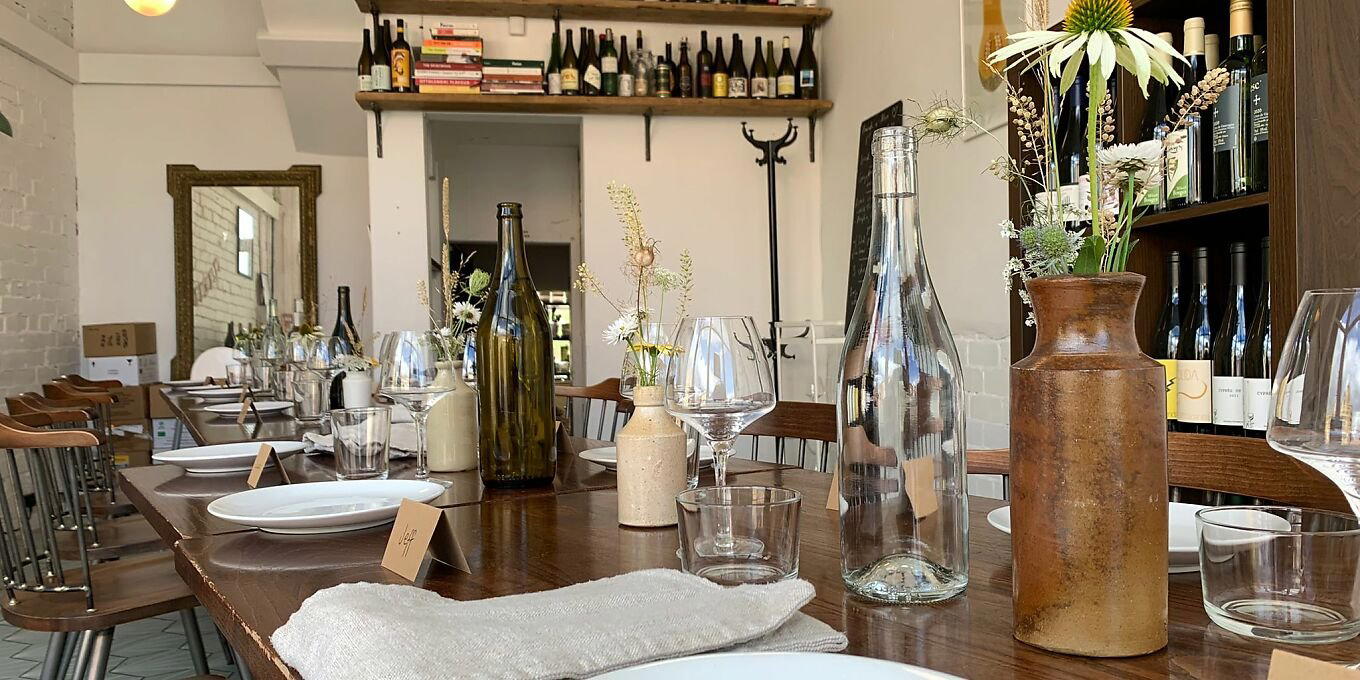
The room itself is small. That scale is what makes the consistent bookings, full most nights, a meaningful data point. This is not a restaurant that survives on volume. The economics of a small suburban room with keen pricing depend on repeat custom, word of mouth, and cooking that makes the case for itself on the plate without requiring promotional infrastructure around it.
Planning Your Visit
Hern is at Stainbeck Corner, 5 Leeds LS7 3PG. The kitchen operates a short carte on Wednesdays and a four-course set menu from Thursday through Saturday. Given that the room fills most nights and there is no website or posted booking information, contacting the restaurant directly, or arriving with flexibility on midweek timing, is the practical route. Chapel Allerton is accessible from Leeds city centre, and the surrounding neighbourhood offers a low-key entry point away from the centre's busier dining corridors. For a wider picture of where Hern sits in the city's restaurant offer, see our full Leeds restaurants guide. Planning a stay or a longer visit can be informed by our Leeds hotels guide, and the city's drinking and bar programme is covered in our Leeds bars guide. For a broader picture of the city's food and drink offer, our Leeds wineries guide and our Leeds experiences guide round out the options.
Frequently asked questions
What distinctions does Hern have?
Hern has received recognition including: Tucked away among a row of suburban shops, Hern is easy to miss and there's nothing outside to suggest it is even a restaurant. No menu, no opening times, and even the signage is minimal – as discreet and modest as chef/patron Rab Adams him….
What's the address for Hern?
Hern is located at Stainbeck Corner, 5, Leeds LS7 3PG, United Kingdom, Leeds.
What do people recommend at Hern?
Dishes that come up repeatedly include the fried polenta fingers (served hot from the fryer with pesto), the 'chicken parmo', a kitchen-refined take on the Middlesbrough takeaway staple, and a lemon posset finished with strawberries and elderflower granita. Batavia lettuce with a green goddess dressing of yoghurt, lemon, anchovy and herbs, finished with pangrattato and Ribblesdale cheese, is also a consistent talking point. The freshly baked focaccia, which connects to chef Rab Adams's earlier wholesale bakery years, tends to arrive at the table and disappear quickly.
How far ahead should I plan for Hern?
Hern is full most nights despite minimal outside signage and no obvious street presence at Stainbeck Corner, LS7. Booking ahead by at least a week or two is advisable, particularly for the Thursday-to-Saturday four-course set menu when demand is highest. The Wednesday carte service may offer slightly more flexibility, but given the room's small size, walk-ins are a risk.
What's Hern best at?
The kitchen's strength is making straightforward, clean cooking feel considered without tipping into self-conscious refinement. Chef Rab Adams, Cordon Bleu-trained and a former Gordon Ramsay and Josh Overington alumnus, keeps the menu short and ingredient-led, with local and seasonal sourcing built into the approach rather than announced. At keen prices for the quality on the plate, the four-course set menu format from Thursday to Saturday is where that discipline shows most clearly.
Can Hern adjust for dietary needs?
The venue data does not confirm specific dietary accommodation policies. Given the short, tightly edited menu, a four-course set on Thursday through Saturday and a carte on Wednesdays, it is worth contacting Hern directly at Stainbeck Corner, 5 Leeds LS7 3PG before booking to discuss any requirements. The kitchen's low-waste, seasonal approach suggests a degree of flexibility, but that should not be assumed.
Is Hern in Leeds connected to a bakery background, and does that show in the food?
Yes. Chef-patron Rab Adams ran his own wholesale bakery before opening Hern at Stainbeck Corner, LS7, and the bread course reflects it directly: the focaccia is freshly baked and, by multiple accounts, noticeably better than the bread baskets that appear at many comparable Leeds restaurants. It is a small but telling detail about how Adams's full professional history feeds into the menu, not just the fine-dining years under Ramsay and Overington.
Price and Recognition
Comparable venues nearby, for context on price, style, and recognition.
| Venue | Cuisine | Price | Awards | Notes |
|---|---|---|---|---|
| HernThis venue (the venue you are viewing) | Modern British Seasonal Tasting Menu | $50–100 | The Good Food Guide GFG Very Good | Not listed |
| V&V | Modern British Fine Dining | $50–100 | We're Smart World 4 Radishes | city centre, Modern British Fine Dining |
| Shears Yard | Modern British Brasserie | $50–100 | The Good Food Guide GFG Good | The Calls, Modern British Brasserie |
| The Empire Cafe | Modern British Rotisserie | $20–30 | Not listed | City Centre, Modern British Rotisserie |
| North Star Coffee Shop | Not listed | $10–20 | Not listed | Leeds Dock, Specialty Coffee & Brunch Cafe |
| Dastaan Leeds | Modern Regional Indian | $50–100 | Not listed | West Park, Modern Regional Indian |
Recognition history
Dated appearances from independent guides and award organizations, with the underlying list record or original source where available.
The Good Food Guide GFG Very Good
The Good Food Guide
Hern
Featured Guides




Continue exploring
More in Leeds
Restaurants in Leeds
All restaurants in Leeds →



Details
- Cozy
- Intimate
- Rustic
- Quiet
- Date Night
- Celebration
- Special Occasion
- Standalone
- Natural Wine
- Farm To Table
- Organic
- Natural Wine
- Local Sourcing
- Zero Waste
- Set Menu
- Tasting Menu
- A La Carte
- Natural Wine
- Homemade Sodas
- Vegetarian Friendly
- Allergy Accommodating
- Organic Focus
Current opening hours
- Monday
- Closed
- Tuesday
- Closed
- Wednesday
- 6–9 PM
- Thursday
- 6–9 PM
- Friday
- 6–9 PM
- Saturday
- 12–2 PM, 5:30–9 PM
- Sunday
- 12–3 PM
Hours can change for holidays and private events. Hours as of .
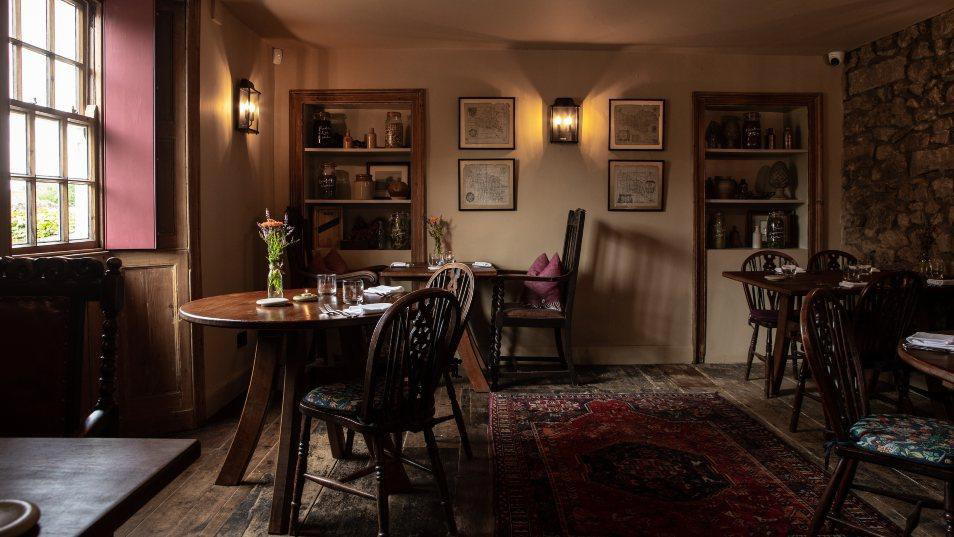
Warm, intimate, and unpretentious with exposed brick walls, minimal decor, simple furnishings, and a DIY homely aesthetic that feels like dining in someone's conservatory; the small 22-cover dining room encourages conversation without formality.