Dastaan Leeds
Our verdict
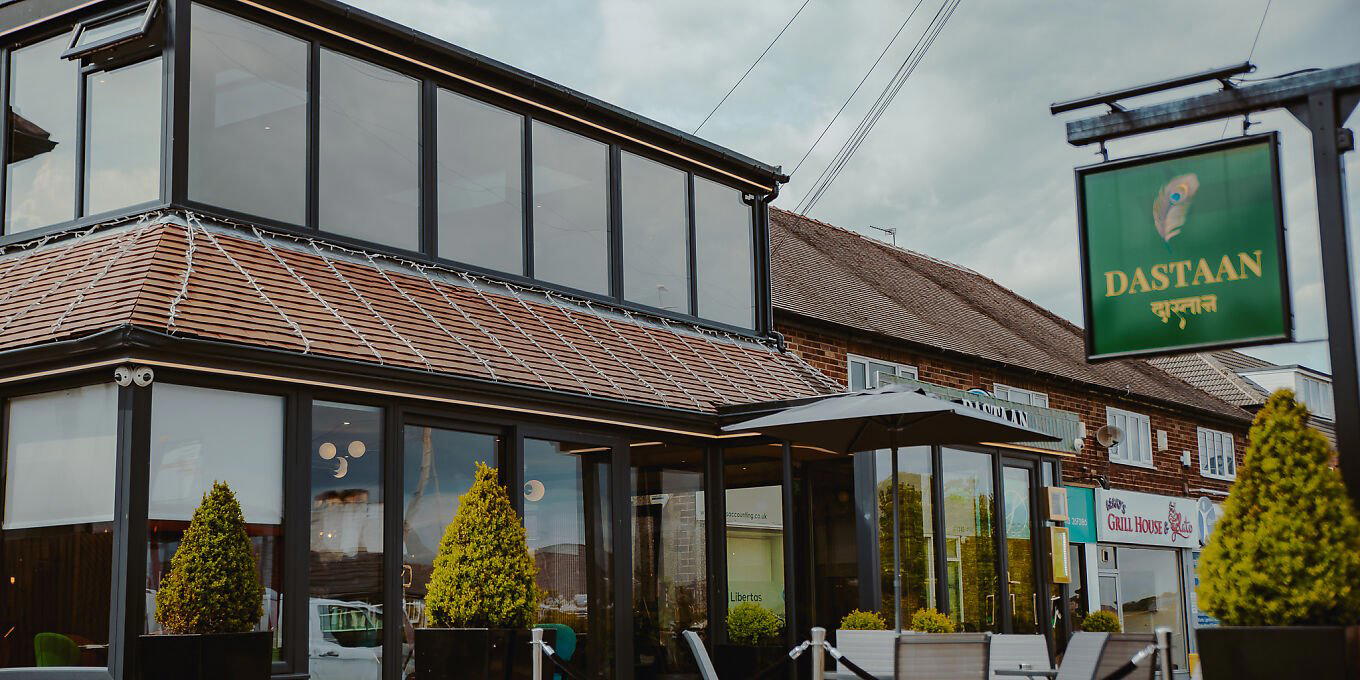
Dastaan Leeds occupies a residential stretch of Otley Road in Adel, north Leeds, where the Indian subcontinent's cooking traditions are taken seriously rather than softened for the high street. The kitchen draws on the depth and regional specificity of South Asian cuisine at a remove from city-centre formulas. For Leeds diners willing to travel beyond the ring road, it represents a more considered point on the city's Indian dining spectrum.

Pearl is the En Primeur Club membership app, where members save venues, book tables and use the concierge.
The menu
What to order
- Samosa chaat
- Prawn malabar curry
- Pistachio kulfi
- Lamb handi
North Leeds and the Question of Suburban Indian Dining
The most thoughtful Indian restaurants in British cities have rarely been the ones closest to the centre. From Southall's Punjabi specialists to Birmingham's Sparkbrook corridor, the pattern repeats: serious subcontinental cooking tends to anchor itself in neighbourhood settings where rents permit the margin to source carefully and where a local clientele provides the repeat custom that sustains a kitchen over years. Dastaan Leeds, at 473 Otley Road in Adel, fits that pattern. The address puts it well north of the city core, in the kind of semi-suburban stretch where a restaurant has to earn its following through the plate rather than through footfall.
Leeds itself has undergone a significant broadening of its restaurant culture over the past decade. The city now holds a range of ambitious independent operations across cuisines and price points, from fire-focused meats at Ox Club to the bold Mexican register of Casa Susanna and the evolving proposition at emba. Within that growing field, the question of where Indian cuisine sits, and at what level of ambition, remains genuinely open. Dastaan occupies a position on Otley Road that asks diners to make a deliberate trip, which already signals something about the kind of experience it is pitching for.
The Cultural Weight Behind the Cuisine
Indian cooking in Britain carries a complicated legacy. The curry house model, which dominated British high streets from the 1960s onward, was itself a particular adaptation: Bangladeshi and Pakistani restaurateurs meeting British palates with a standardised, accessible repertoire. That model built an industry but also flattened the extraordinary regional diversity of the subcontinent into a set of broadly familiar sauces and formats. The correction, when it came, arrived through a generation of restaurants that began to reinstate specificity: the distinction between a Chettinad pepper preparation and a Kashmiri wazwan, between the fermented rice crepes of Tamil Nadu and the tandoor-centred breads of the Northwest Frontier.
Dastaan, whose name translates from Urdu as "story" or "tale," signals its intent through language before a dish arrives. The Urdu word positions the kitchen within a particular cultural inheritance, one that draws on the Mughal-inflected cooking of North India and Pakistan, with its emphasis on slow-cooked meats, aromatic whole spices, and the kind of layered preparation that does not compress into a thirty-minute service window. This strand of South Asian cuisine is among the most technically demanding in the world: the dum pukht method alone, in which food is sealed and cooked in its own steam, requires precise heat management and timed intervention that has no shortcut.
What Adel Offers That the City Centre Cannot
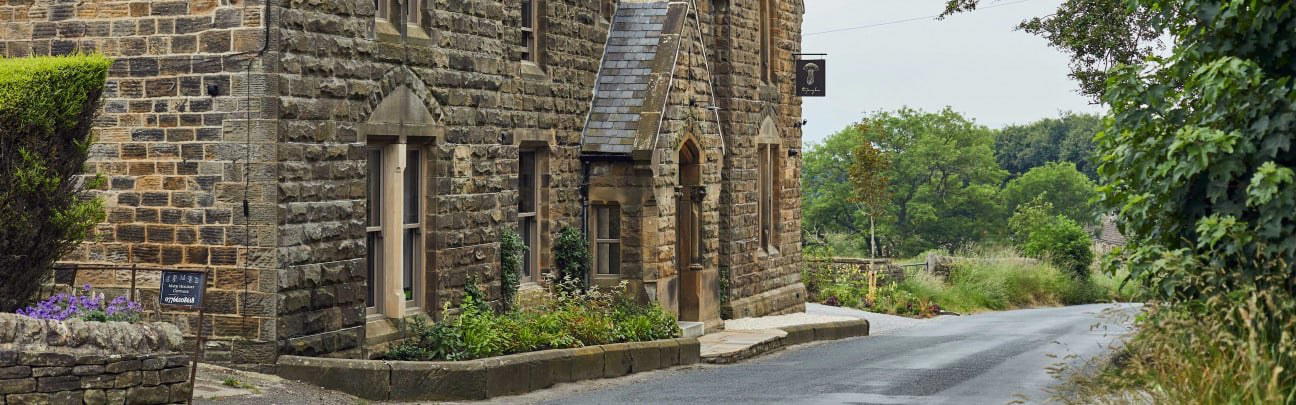
The physical environment on Otley Road in Adel is domestic in scale. The approach is residential, the streetscape quiet, and the setting lacks the theatrical infrastructure of a city-centre dining room. This is not incidental. Restaurants in this tier of neighbourhood operation tend to build their atmosphere from within: the scent of tempering spices, the warmth of a room that is genuinely used by locals, the absence of the ambient noise generated by a venue filling two hundred covers a night. The experience is more likely to feel like eating in a house than in a hospitality complex, which for South Asian cooking is historically appropriate. The communal table and the shared dish are structural features of the cuisine, not decorative ones.
For Leeds residents in the LS16 postcode and the surrounding north Leeds suburbs, Dastaan is within direct reach by car. Those travelling from the city centre should allow for the Otley Road route, which can be slow at peak times. The restaurant's location in a residential parade means street parking is generally available, though booking ahead is advisable to avoid a wasted journey.
Placing Dastaan in Leeds and in the Wider Picture
When assessing where Dastaan sits relative to the highest tier of UK restaurant ambition, the reference points are instructive even if the categories differ. The restaurants that have defined modern British fine dining, whether L'Enclume in Cartmel, Moor Hall in Aughton, or CORE by Clare Smyth in London, share a commitment to sourcing specificity and technique-led cooking that sits outside mass-market conventions. The more relevant comparison for Dastaan is what has happened to ambitious Indian cooking in London and the regions: the emergence of restaurants willing to commit to a regional identity, a specific culinary tradition, and a level of preparation that positions the cuisine alongside European fine dining rather than beneath it.
Beyond the UK, the ambition benchmark is set by the level of technical precision seen at venues like Atomix in New York City, which has demonstrated what happens when a non-European culinary tradition is taken to its highest possible expression without apology or accommodation. South Asian cuisine has the depth to sustain that approach. Whether Dastaan pursues it at that intensity is a question the dining room answers more readily than any external description.
For those building a full sense of what Leeds offers beyond restaurants, our Leeds hotels guide, bars guide, and experiences guide map the wider picture. The full Leeds restaurants guide covers the city's independent scene in detail, and for those exploring further afield, the Leeds wineries guide documents the growing regional drinks offer.
Planning Your Visit
Dastaan Leeds is at 473 Otley Road, Adel, Leeds LS16 7NR. Given the restaurant's neighbourhood setting and the nature of the cuisine, a reservation is sensible, particularly on weekend evenings when the local following is at its most consistent. The Adel location is most easily reached by car from central Leeds; the Otley Road corridor runs directly north from the city. Those travelling from further afield will find the restaurant sits outside the city's congestion points, which makes the drive more manageable than routes into the centre. Arrival in daylight gives a clearer sense of the residential context, though the restaurant's character is primarily established once inside.
Frequently asked questions
What's Dastaan Leeds's location?
Dastaan Leeds is located at 473 Otley Rd, Adel, Leeds LS16 7NR, United Kingdom, Leeds.
How does Dastaan Leeds differ from Indian restaurants closer to Leeds city centre?
Dastaan's address at 473 Otley Road, Adel, LS16 7NR places it well north of the city centre, in a residential stretch where the dining room dynamic is closer to a neighbourhood local than a destination restaurant. That distance from the centre tends to attract a regular, returning clientele rather than passing trade, which historically correlates with kitchens that cook to a consistent standard rather than to volume. The Leeds Indian dining scene has precedent for this: some of the most focused operators in the city have always been found in the suburbs rather than in the centre.
What should I eat at Dastaan Leeds?
Dastaan's kitchen operates in Adel, North Leeds, away from the generic curry house circuit that still dominates closer to the city centre. The restaurant's focus is on considered Indian cooking rather than broad menu coverage, so ordering across several dishes rather than anchoring to a single main gives the clearest read of what the kitchen does. Specific menu details are best confirmed directly with the restaurant before your visit.
Do I need a reservation for Dastaan Leeds?
Given the residential scale of Otley Road in Adel and the restaurant's neighbourhood following, booking ahead is the sensible approach. Suburban Indian restaurants with a strong local reputation tend to fill midweek as well as at weekends, particularly for dinner. Contact Dastaan at 473 Otley Road, Adel, Leeds LS16 7NR to check availability.
What's the defining dish or idea at Dastaan Leeds?
The defining idea at Dastaan is the decision to operate from Adel rather than from Leeds city centre, a choice that shapes both the atmosphere and the ambition. North Leeds has produced some of the most focused Indian cooking in the region precisely because the suburban format removes the pressure of high-footfall, quick-turn dining. The kitchen's approach reflects that quieter, more deliberate context.
Cost and Credentials
Comparable venues nearby, for context on price, style, and recognition.
| Venue | Cuisine | Price | Awards | Notes |
|---|---|---|---|---|
| Dastaan LeedsThis venue (the venue you are viewing) | Modern Regional Indian | $50–100 | Not listed | Not listed |
| Tharavadu | Authentic Keralan | $20–30 | SquareMeal UK Top 100 Restaurants #97 · The Good Food Guide GFG Good | City Centre, Authentic Keralan |
| Wen's | Authentic Home-Cooked Chinese | Not listed | Not listed | North Street, Authentic Home-Cooked Chinese |
| The Highland Laddie | Modern British Gastropub | $30–50 | Not listed | Burley, Modern British Gastropub |
| Zucco | Modern Italian Small Plates | $30–50 | The Good Food Guide GFG Good | Meanwood, Modern Italian Small Plates |
| The Owl | Modern British Gastropub | $50–100 | Not listed | Mustard Wharf, Modern British Gastropub |
Continue exploring
More in Leeds
Restaurants in Leeds
All restaurants in Leeds →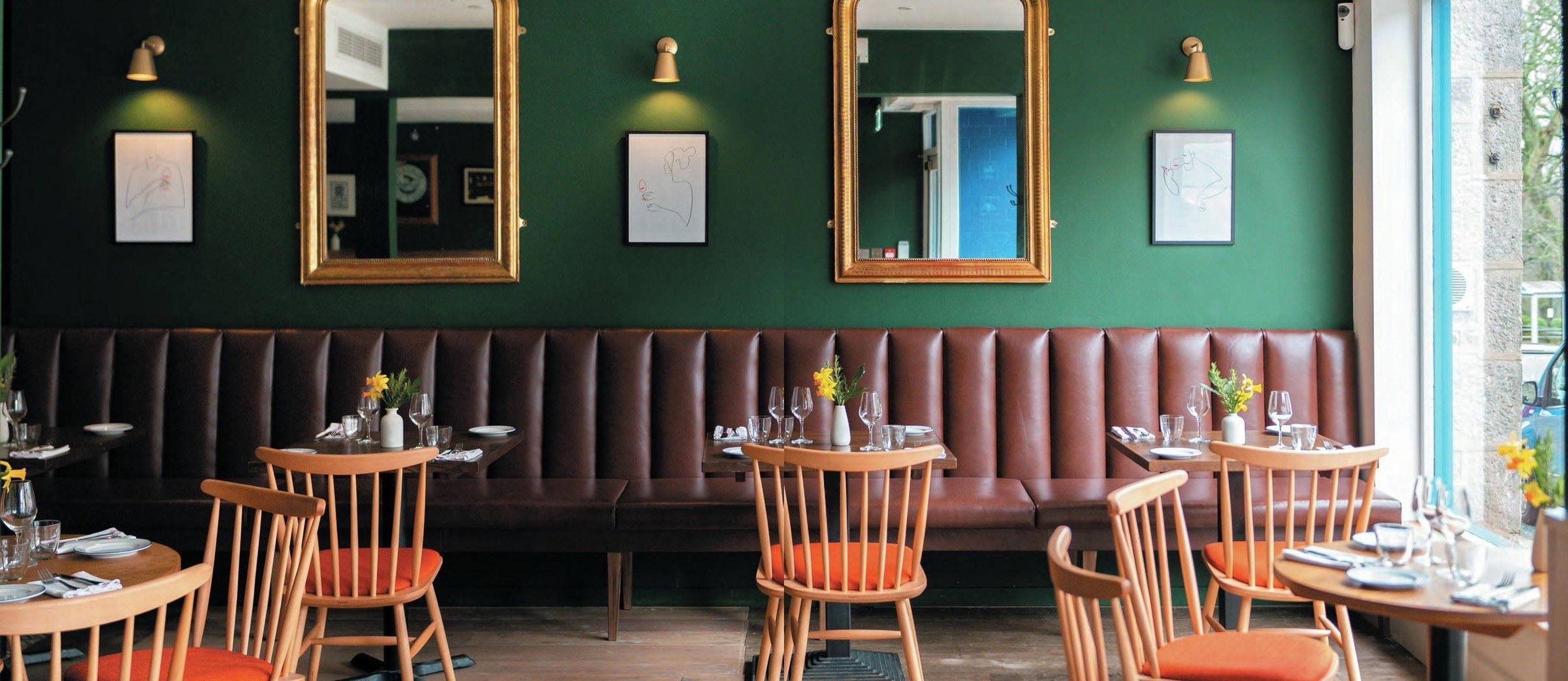
Details
- Elegant
- Intimate
- Sophisticated
- Date Night
- Special Occasion
- Group Dining
- Celebration
- Open Kitchen
- Extensive Wine List
- Tasting Menu
- A La Carte
- Vegetarian Friendly
- Vegan Options
Current opening hours
- Monday
- 5–10:30 PM
- Tuesday
- 5–10:30 PM
- Wednesday
- 5–10:30 PM
- Thursday
- 5–10:30 PM
- Friday
- 5–10:30 PM
- Saturday
- 12:30–10:30 PM
- Sunday
- 12:30–10:30 PM
Hours can change for holidays and private events. Hours as of .
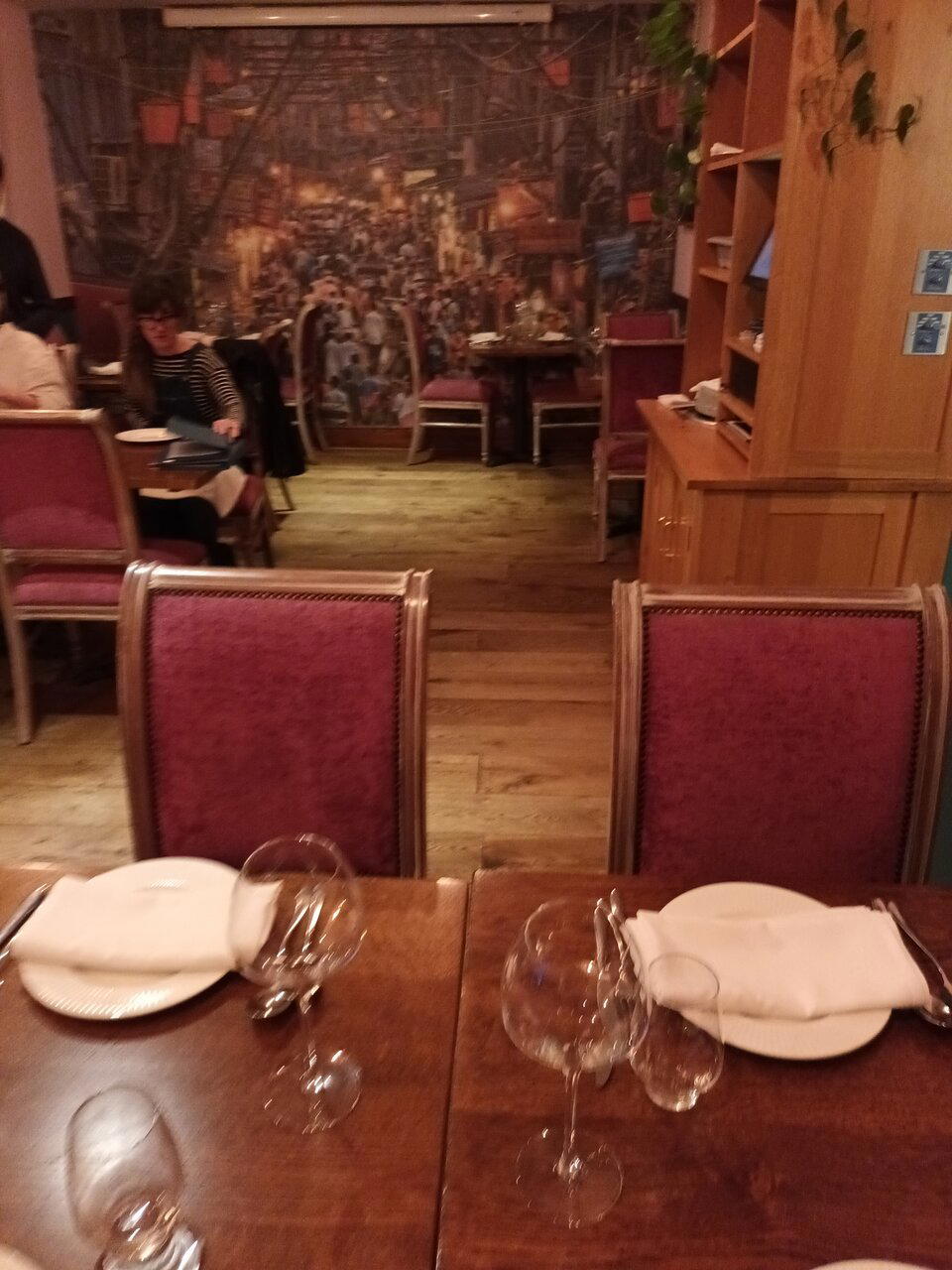
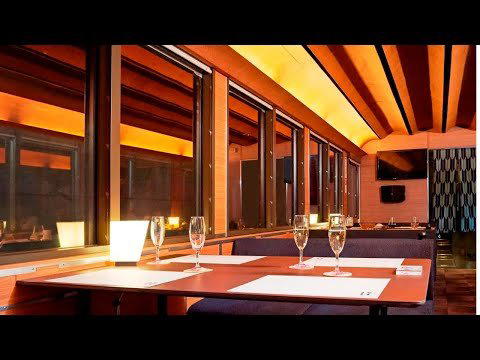
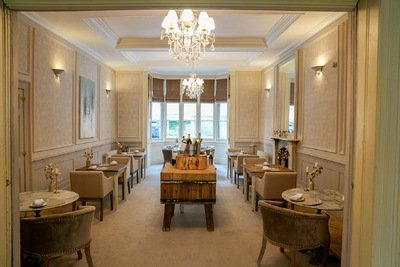
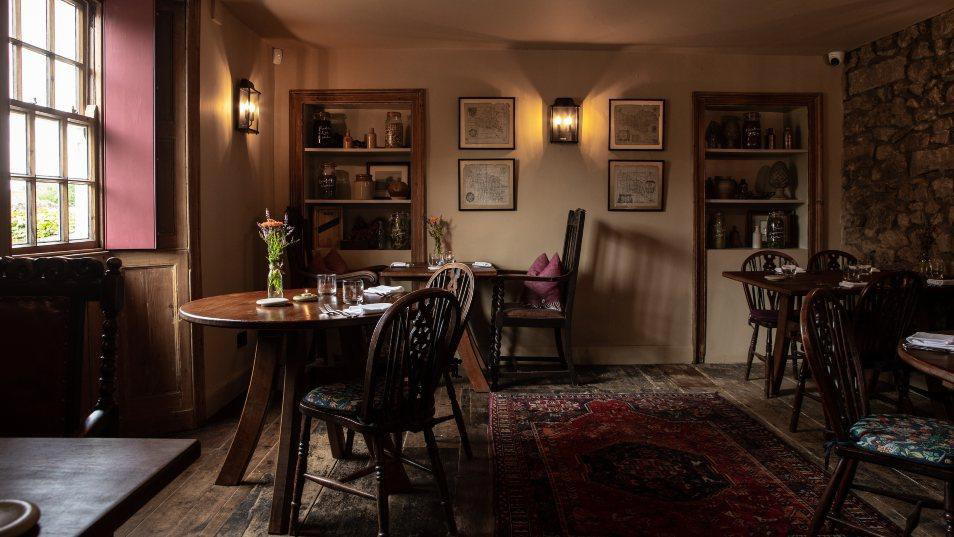
Stylish and welcoming with delightful decor, relaxed yet professional atmosphere, and intimate seating.