Helm by Josh Boutwood
Helm by Josh Boutwood belongs in Manila’s small, serious dining conversation, where tasting-menu ambition meets a city supplied by islands, farms, fisheries, and a fast-changing appetite for contemporary Filipino cooking. The draw is not spectacle but focus: a chef-led room using local provenance and technical restraint to argue that Manila can host a modern table without copying imported luxury codes.

Pearl is the En Primeur Club membership app — saves, bookings, and concierge access live there. Same editors, same standards.
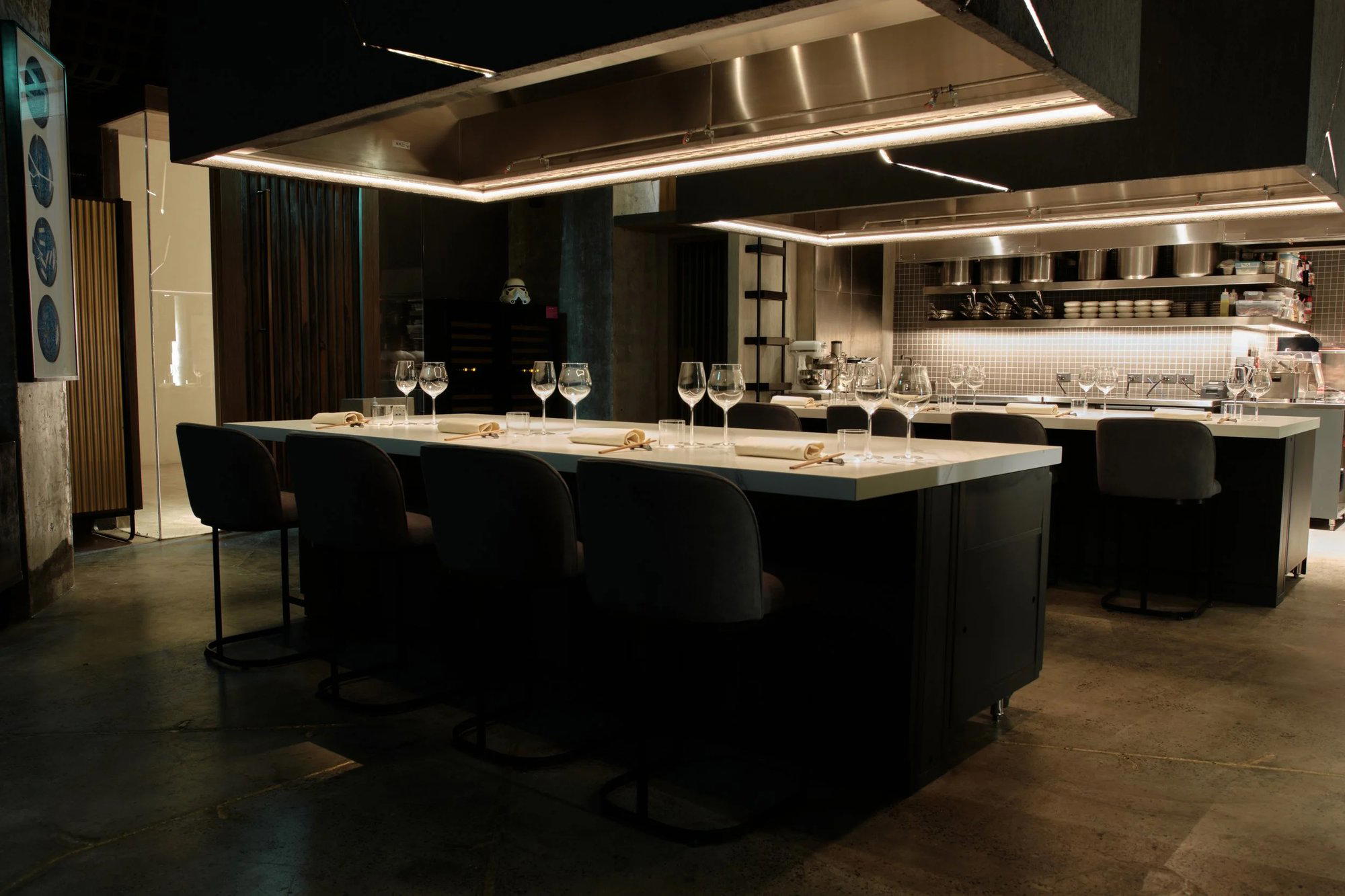
Approaching a serious dining room in Manila often means passing through the city’s layered signals: hotel lobbies, private developments, late traffic, mall corridors, security desks, and the sudden quiet of a room built for concentration. Helm by Josh Boutwood fits that newer Manila rhythm, where the meal is framed less by old colonial dining ceremony than by the precision of a contemporary restaurant: fewer distractions, tighter pacing, and a closer reading of the dining experience.
The useful way to read this address is through Manila itself. The city sits within reach of varied regional produce, seafood routes, cacao and coffee cultures, and a pantry shaped by vinegar, smoke, coconut, rice, tropical fruit, and long preservation traditions. Contemporary restaurants here can either treat those references as decoration or build a meal around them with discipline. Helm by Josh Boutwood is positioned in that broader conversation: a modern Manila table where place matters because the city’s dining identity is no longer satisfied by imported luxury alone.
Manila's modern dining scene is moving from status dining to ingredient argument
For years, premium dining in the Philippine capital leaned heavily on international formats: hotel dining rooms, counters, steak rooms, and clubby spaces designed for corporate spending. That tier still matters, but a different current has become more interesting. The city now rewards restaurants that can translate local context into a contemporary grammar without turning the plate into a tourism slogan. The question is not whether an ingredient is Filipino; it is whether the kitchen gives it structure, context, and restraint.
That distinction matters in Manila because the surrounding food culture is already fluent in acidity, char, fat, fermentation, sweetness, and rice as a foundation rather than garnish. A serious room working in this city has to compete with memory as much as with other restaurants. A sauce, broth, cured element, or grilled note may carry a reference diners understand before anyone explains it. The stronger modern tables use that familiarity as pressure, not as nostalgia.
Helm by Josh Boutwood sits inside that pressure point. The name signals a personality-led project, but the more important story is the category: Manila restaurants that ask diners to pay attention to sequence, texture, and sourcing in a city where generosity has often been measured by abundance. This is a tighter proposition. It suits diners who want to see how a Manila dining room can behave under a contemporary, controlled format rather than those looking for a broad survey of local classics.
The room suits diners who want concentration, not a long social sprawl
The experience-first appeal here is focus. Manila can do grand dining rooms, family tables, and late-night hospitality with ease, but a more composed format changes the tempo. Conversation narrows. Courses arrive with more structure than a shared spread. The meal becomes cumulative, with each plate expected to justify its place in the progression. That format is not automatically better than the city’s communal traditions; it is simply a different tool, and it works when the kitchen has a clear point of view.
Ingredient-aware dining also has a practical advantage in the Philippines: seasonality is less about four neat European chapters and more about rain, heat, fisheries, harvest windows, and supply relationships. A restaurant built around place has to adapt to that uneven calendar. In Manila, that can make the stronger meals feel specific to the city even without overtly announcing themselves as Filipino. The plate may be technical, but the logic can remain local: acidity for heat, smoke for depth, starch for grounding, fruit for contrast, and seafood treated as a central asset rather than an afterthought.
The critical read is simple. The restaurant is for diners who want Manila’s contemporary dining scene at its more deliberate end. It is less useful for a casual family meal where range, flexibility, and ease matter more than pacing. It makes more sense as a focused dinner for guests interested in how the city’s produce and culinary memory can be edited into a modern format.
How to place it within a wider Manila itinerary
Manila rewards planning by district and mood. A serious dinner can sit alongside a broader circuit of restaurants, hotels, bars, and cultural stops rather than carry the whole trip. For a wider dining map, start with Our full Manila restaurants guide, then compare the city’s hotel base through Our full Manila hotels guide and drinking options in Our full Manila bars guide. The broader archive also tracks adjacent categories through Our full Manila wineries guide and Our full Manila experiences guide.
Readers building a food-led Philippines route can widen the frame through Manila and beyond by comparing the restaurant with other dining rooms, hotel restaurants, relaxed cafes, destination tables, and compact counter-style formats across the city and the wider region. Keep the comparison practical: look at pacing, formality, setting, and how much of the evening you want the restaurant itself to carry.
The editorial verdict is measured but clear: this is a Manila reservation for diners interested in source, sequence, and restraint. In a city where hospitality often announces itself through generosity, the more compelling move here is concentration.
Comparable Spots, Quickly
Comparable venues nearby, for context on price, style, and recognition.
| Venue | Cuisine | Price | Awards | Notes |
|---|---|---|---|---|
| Helm by Josh BoutwoodThis venue — the venue you are viewing | Modern Creative Fusion | $$$$ | Michelin 2 Star | Not listed |
| iai | Modern Japanese Sushi Kappo Omakase | $$$$ | Michelin Plate | Bonifacio Global City |
| Cabel | Filipino Heritage (Luzon, Visayas, Mindanao) | $$ | Bib Gourmand | San Miguel |
| Blackbird Makati | International Fusion | $$$ | Michelin Plate | Ayala Triangle |
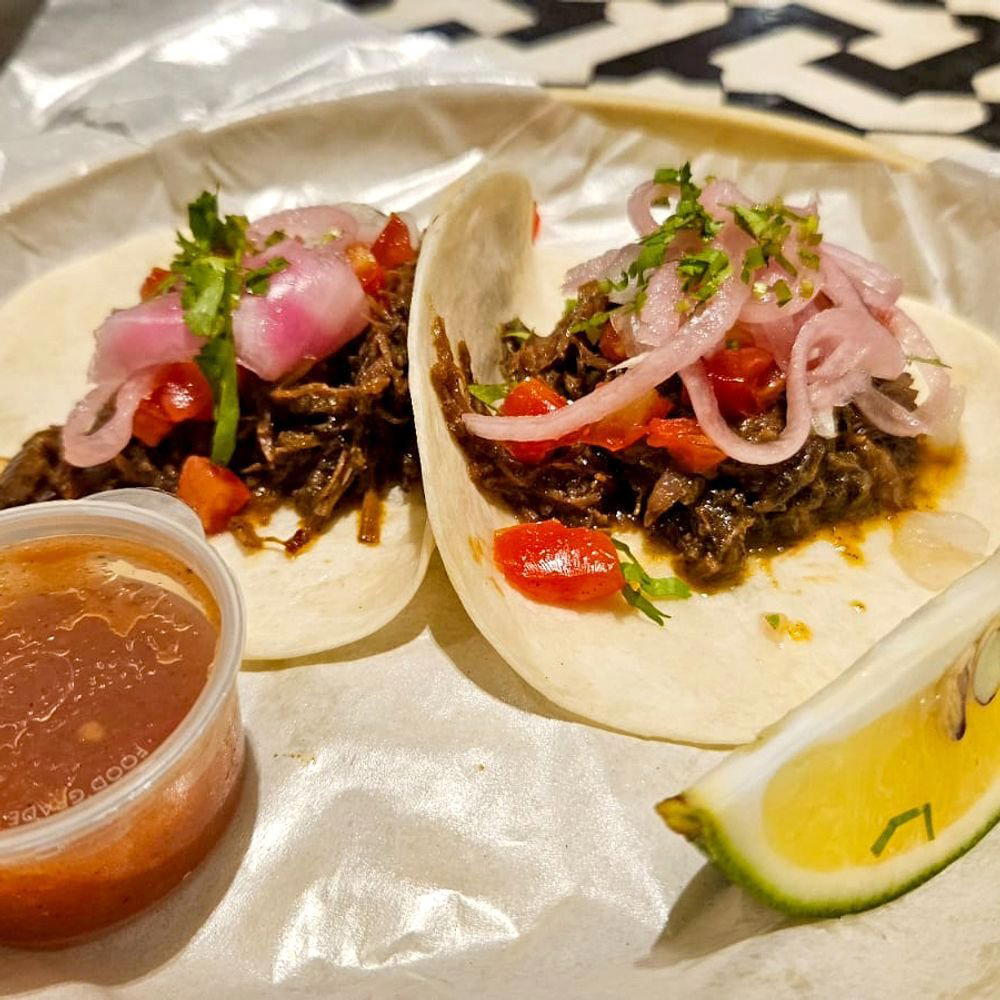
| El Poco Cantina (Malate) | Casual Mexican Taqueria | $ | Michelin Plate | Malate |
| Agni by Mantra | Modern Regional Indian | $$$ | Not listed | Makati |
At a Glance
- Sophisticated
- Modern
- Minimalist
- Intimate
- Elegant
- Date Night
- Special Occasion
- Chefs Counter
- Open Kitchen
- Extensive Wine List
- Local Sourcing
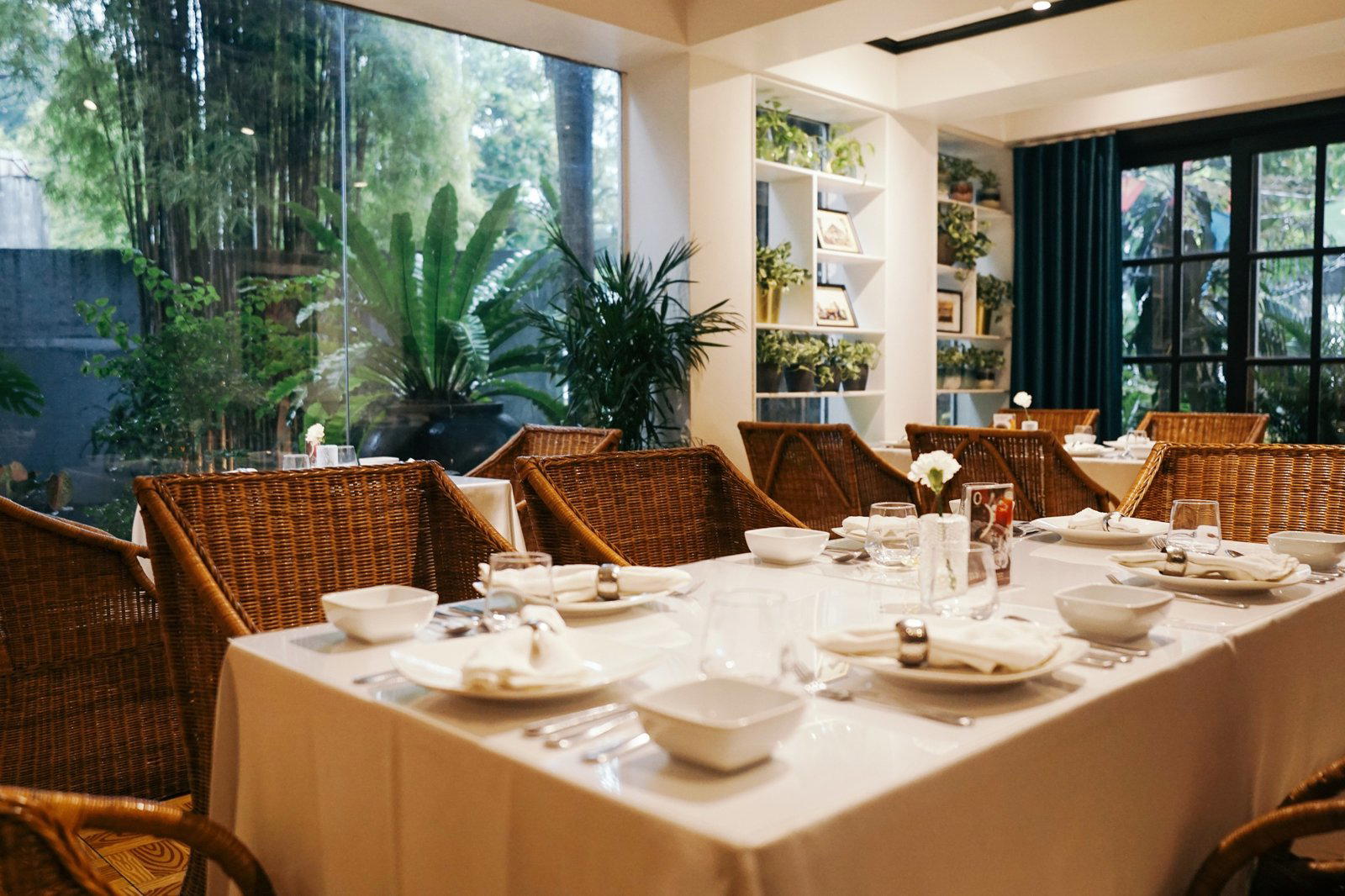
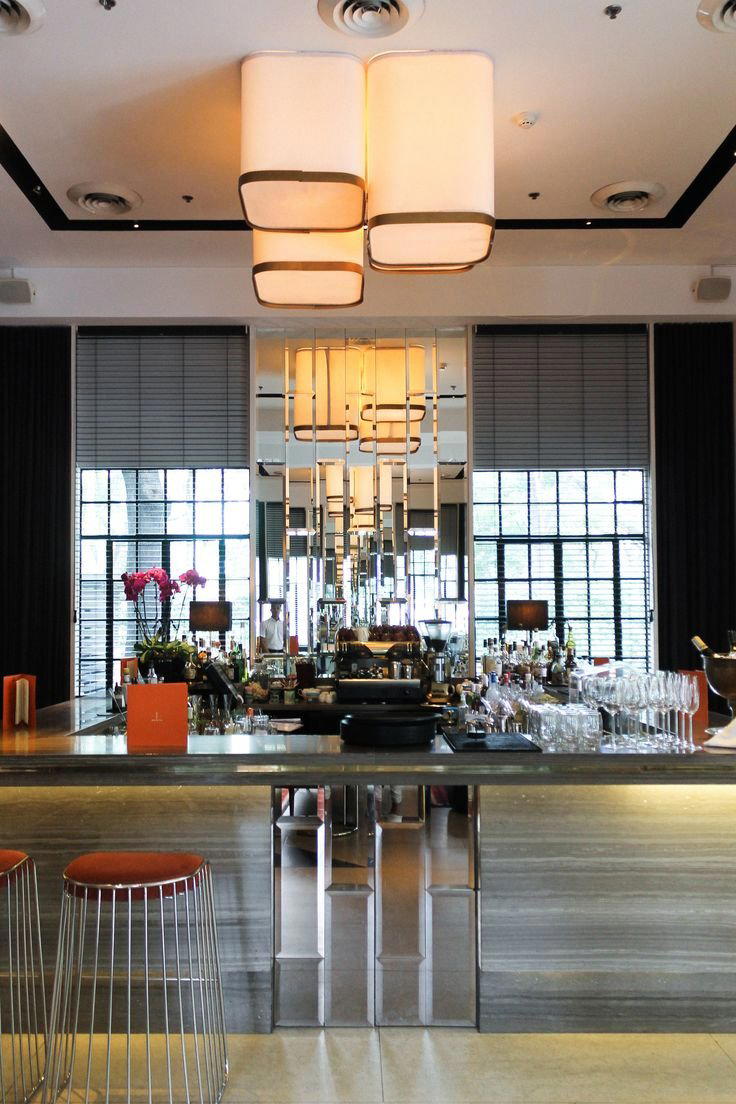
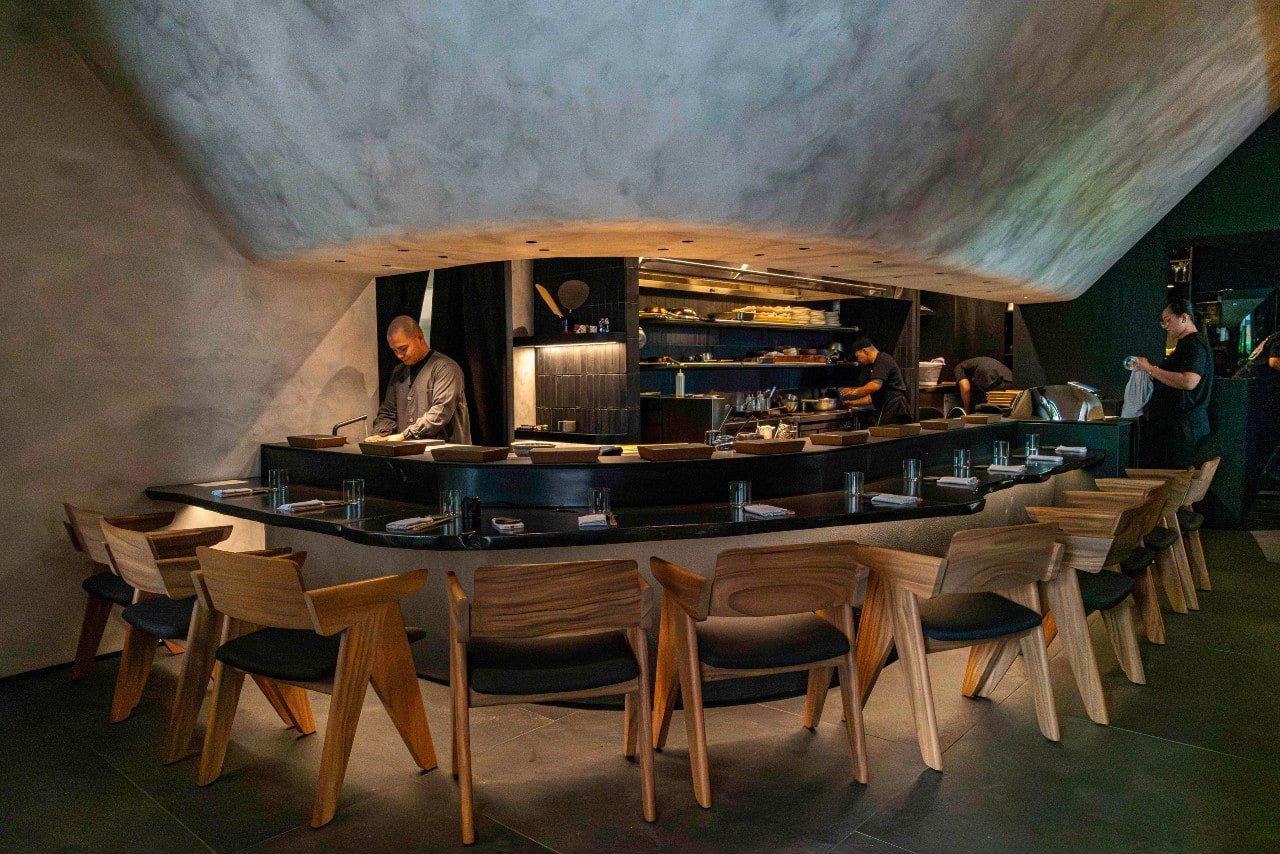
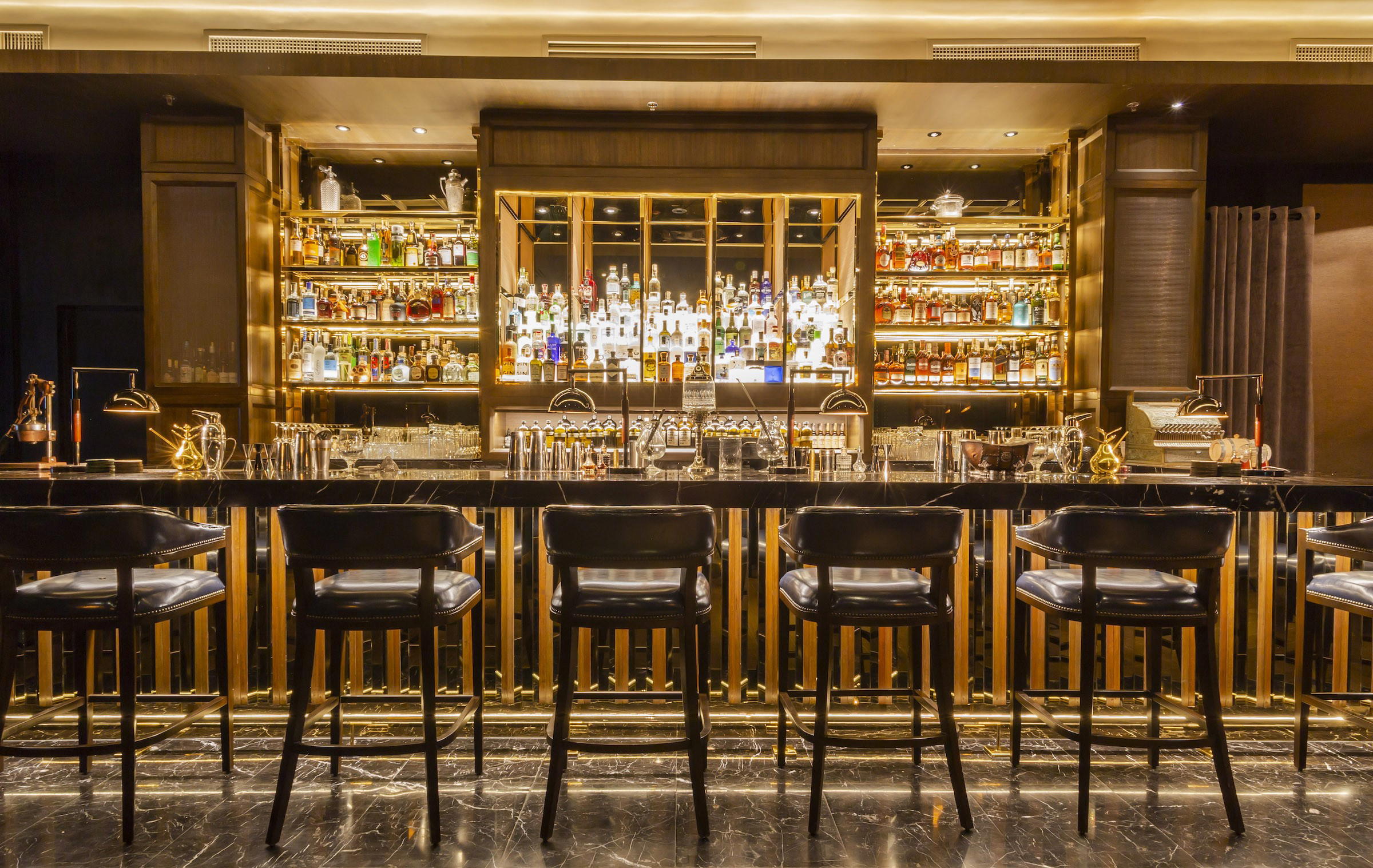
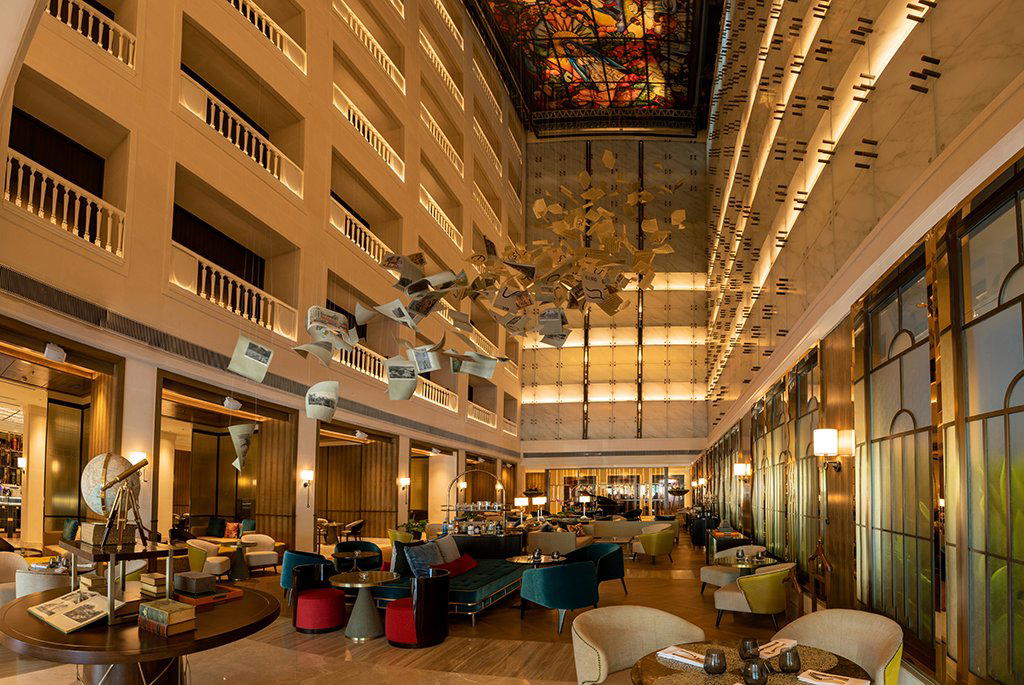
Minimalist design in black, copper, and grey with warm, professional service and interactive open-kitchen theater.