On Rruga Sami Frashëri, Hayal Et sits within Tirana's expanding meat-focused dining scene, drawing locals who treat a proper grilled meal as a structured social event rather than a quick stop. The address places it in a part of the city where neighbourhood restaurants still operate on Albanian time, unhurried and unapologetic. For visitors calibrating their way through Tirana's dining options, it represents the unadorned end of the spectrum.
Pearl is the En Primeur Club membership app — saves, bookings, and concierge access live there. Same editors, same standards.
- Address
- 8R78+F7M, Rruga Sami Frashëri, Tiranë 1001, Albania
- Phone
- +355688090530
- Website
- hayal-et.com
- Directions
- Get directions
 Saves & bookings on Pearl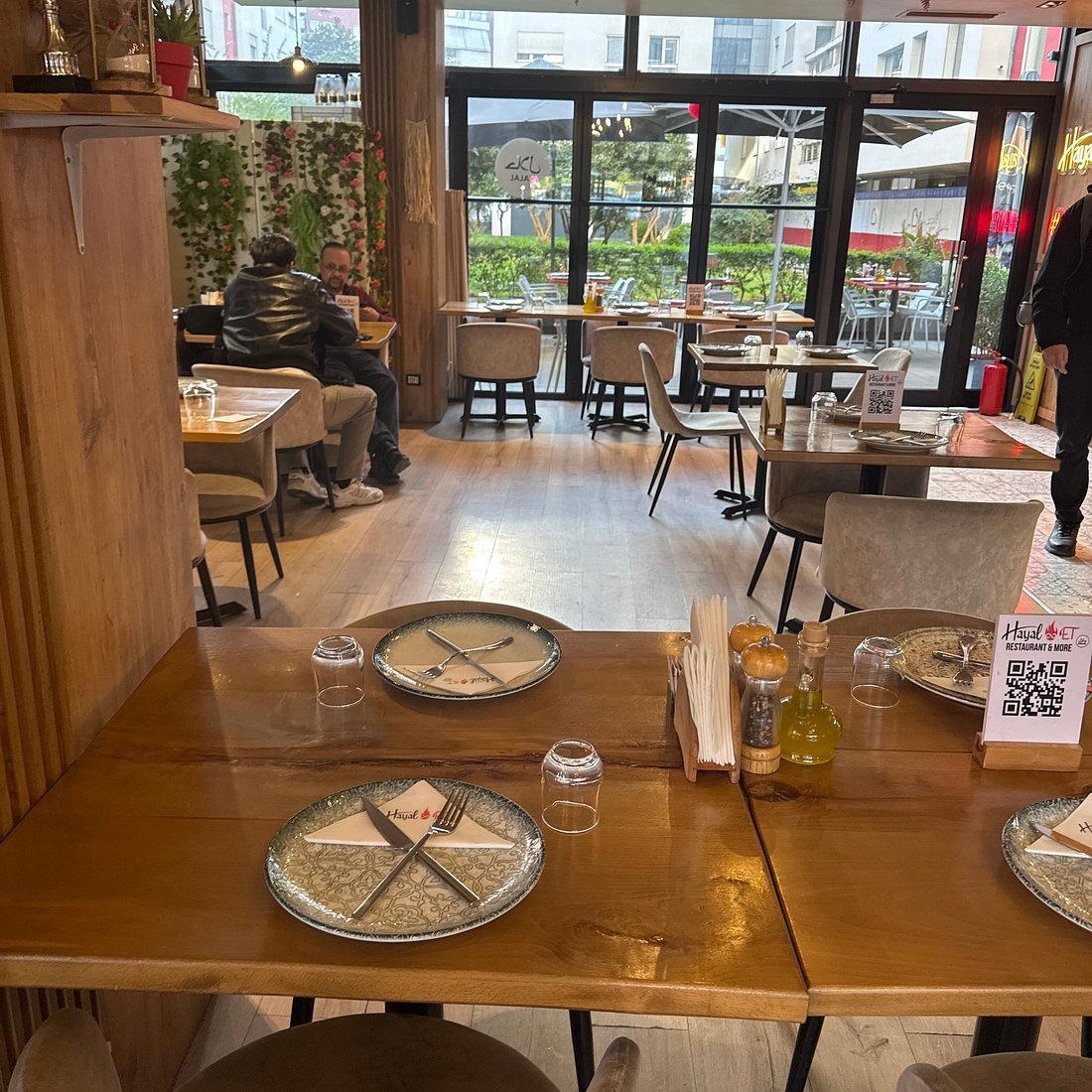
The Ritual Before the Plate
In Tirana, the act of eating grilled meat is rarely just about the food. It carries a social architecture that visitors sometimes mistake for informality: the slow arrival of bread, the shared table, the deliberate ordering sequence where cold dishes and salads precede the main event by design, not accident. Hayal Et is a Turkish Grill & Steakhouse at 8R78+F7M, Rruga Sami Frashëri, Tiranë 1001, Albania, with a recommended reservation policy, casual dress, and an average price of about $25 per person. On Rruga Sami Frashëri, Hayal Et operates within this tradition. The street itself is a working residential and commercial corridor rather than a curated dining district, which means the restaurant draws a crowd that is local by default, not by tourism board intention.
That distinction matters when reading a place like this. Tirana's dining scene has shifted over the past decade between restaurants building toward an international reference frame and those that remain anchored to Albanian meal customs. Hayal Et's address on Sami Frashëri places it in the latter category, where the rhythm of a meal is set by the kitchen's pacing and the table's conversation, not by a tasting menu clock. Compare that positioning to Mullixhiu (Albanian Farmhouse), and you see two different ambitions occupying the same city.
How the Meal Moves
Albanian meat-focused dining follows a structure that rewards patience. The table fills incrementally: pickled vegetables, yogurt, a tomato and onion salad dressed simply with oil, arrive before any serious protein. This isn't filler, it's the opening movement of a meal that builds rather than peaks immediately. Grilled meats, when they arrive, are assessed on their own terms: the char, the fat rendering, the seasoning. Bread is a working utensil throughout, not a courtesy gesture cleared away before the main course.
For a visitor accustomed to a Western tasting sequence or the precision of high-concept menus at places like Atomix in New York City or Alinea in Chicago, the Albanian approach can feel different at first. The pace is social rather than performance-driven. Dishes are placed at the centre of the table, portions are sized for sharing, and the expectation is that you will linger. At a neighbourhood restaurant on Sami Frashëri, that expectation is not merely tolerated, it is enforced by the ambient culture of the room.
This is the dining ritual that defines Hayal Et's context. The meal is a communal event with a loose but real structure. Understanding that structure before you sit down changes the experience considerably. If you arrive expecting a single-plate format with courses formally separated, you will misread what is being offered.
Where It Sits in Tirana's Dining Geography
Tirana's restaurant options now span a range that would have seemed implausible fifteen years ago. At one end, places like EJAA Mediterranean and Chakra Restorant position themselves toward a Mediterranean-influenced, design-conscious register. At the other, neighbourhood addresses maintain a direct relationship with Albanian cooking that predates the city's recent cosmopolitan shift. Capital Restaurant Piceri represents another node in this network, balancing local familiarity with broader accessibility.
For visitors interested in how Albanian meat traditions compare across the country, the Tirana context is worth extending outward. Temi Albanian Food in Berati and Mapo Restaurant in Gjirokastra show how the same grilling and sharing customs translate into different regional registers, shaped by local ingredients and smaller-city rhythms. The tradition is consistent; the expression shifts with geography. Even Arti Zanave in Shkoder demonstrates how northern Albanian cooking carries its own inflections within the broader national framework.
Within Tirana specifically, the meat-restaurant category has grown more competitive. KOPE Steak House has pushed the category toward a more internationally legible format, with the kind of steak-house reference points that read clearly to visitors arriving with Western dining expectations. The restaurant's positioning on Sami Frashëri suggests a different orientation: neighbourhood-anchored, operating within local dining customs rather than translating them for outside consumption.
Reading the Room
There is a specific intelligence required for eating well at this type of restaurant. The menu, wherever it exists in written form, is often a starting point for conversation rather than a definitive document. In many Albanian neighbourhood restaurants, the kitchen's output on a given day reflects what arrives from suppliers that morning, what has sold out by evening, and what the cook considers worth making that week. Arriving with flexibility rather than a fixed target order tends to produce better results.
The broader context of Albanian meat cooking is worth holding in mind here. The tradition draws on Ottoman-influenced grilling techniques, regional livestock practices, and a seasoning culture that favours restraint over complexity. Salt, heat, and quality of the base ingredient carry most of the load. This is a culinary approach that has more in common with the source-and-grill philosophy of producers in the Balkans and Anatolia than with the butter-and-reduction logic of classical French kitchens. It is, in that sense, less forgiving of weak raw material and less reliant on technique to compensate for it. For comparison with European fine-dining at its most classical, Alain Ducasse at Louis XV in Monte Carlo represents the opposite pole: elaborate technique applied to already-excellent ingredients. Albanian neighbourhood grilling strips that equation down to its barest form.
Planning a Visit
Rruga Sami Frashëri is a central Tirana address, accessible on foot from the main Blloku district, which remains the city's primary concentration of bars and restaurants. For visitors building a broader itinerary, our full Tirana restaurants guide maps the city's dining options across format, price point, and neighbourhood. Those extending their Albania trip beyond the capital will find relevant context in our coverage of Taverna E Miqësisë in Rrethi I Vlores and Pizzeria Da Fabio in Lezha, both of which show how Albanian hospitality operates in smaller coastal and regional centres.
Reservation is recommended, particularly outside weekend peak hours. Arriving earlier in an evening service, before the table turnover pressure builds, tends to allow for the kind of unhurried meal this format rewards. Dress is casual; the room is not one that signals otherwise.
Cuisine and Awards Snapshot
Comparable venues nearby, for context on price, style, and recognition.
| Venue | Cuisine | Price | Notes |
|---|---|---|---|
| Hayal EtThis venue — the venue you are viewing | Turkish Grill & Steakhouse | $$ | Not listed |
| Chakra Restorant | Indian Fusion | $$ | Millennium Garden |
| EJAA MEDITERRANEAN | Authentic Albanian & Italian Mediterranean | $$ | Mustafa Qosja |
| Capital Restaurant Piceri | Albanian-Italian Pizzeria | $$ | 21/Dhjetori |
| Mullixhiu | Modern Albanian Farm-to-Table | $$$ | Grand Park area, Artificial Lake |
| KOPE Steak House | Italian Steakhouse | $$$ | Rruga E Bogdanëve |

At a Glance
- Cozy
- Lively
- Family
- Group Dining
- Casual Hangout
- Live Music
- Open Kitchen
- Terrace
- Local Sourcing
- Street Scene
Current opening hours
- Monday
- 10 AM–1 AM
- Tuesday
- 10 AM–1 AM
- Wednesday
- 10 AM–1 AM
- Thursday
- 10 AM–1 AM
- Friday
- 2 PM–1 AM
- Saturday
- 10 AM–1 AM
- Sunday
- 10 AM–1 AM
Hours can change for holidays and private events. Last verified .
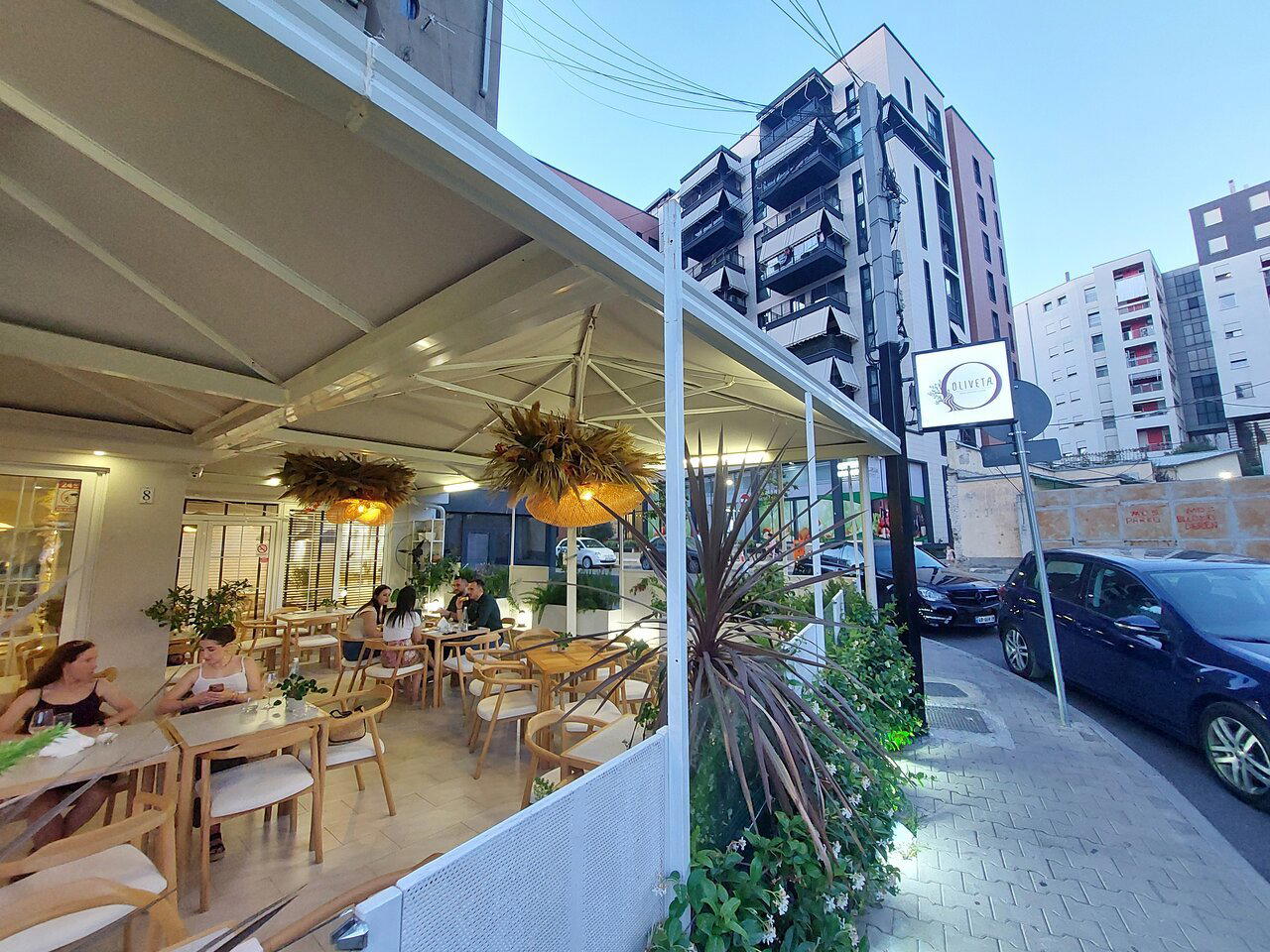
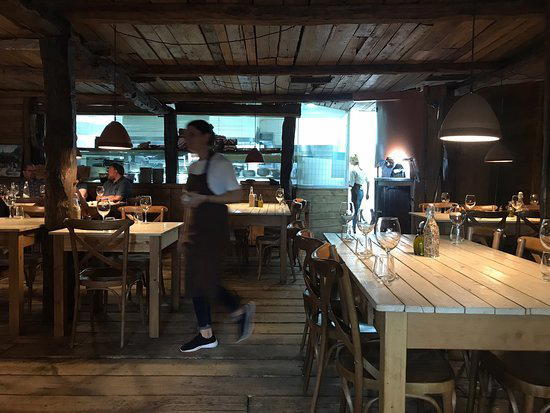
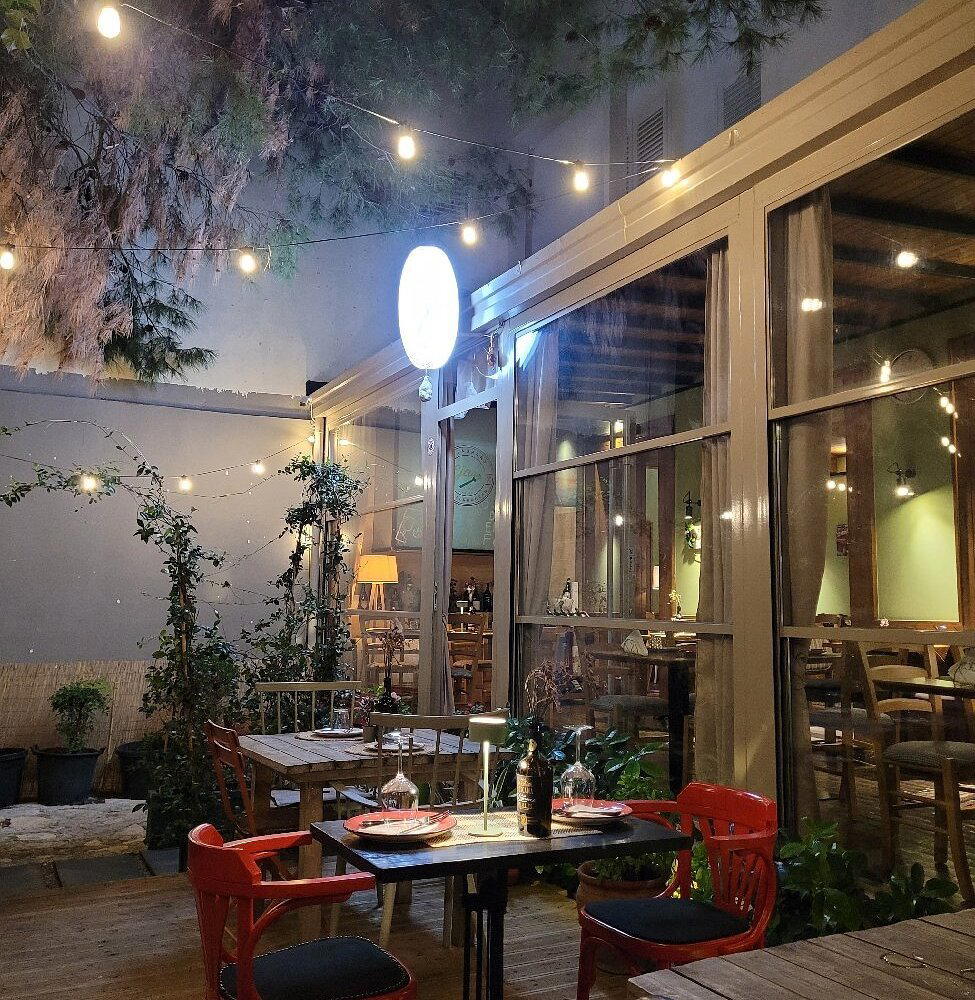
Warm, welcoming, and family-friendly atmosphere with cozy and relaxing vibes.