Taverna E Miqësisë
Our verdict
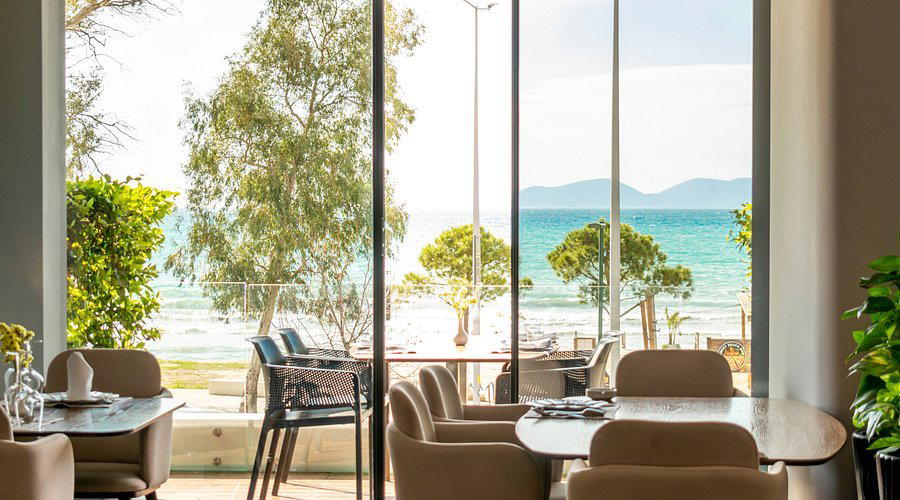
In the Vlorë region of southern Albania, Taverna E Miqësisë draws on the agricultural and coastal traditions that have defined this stretch of the Ionian coast for generations. The kitchen works within a culinary framework where proximity to source — local farms, fishing boats, and mountain producers — shapes what lands on the table. For travellers working through Albania's emerging dining scene, it represents the kind of grounded, regionally specific eating that the country does with quiet confidence.

Pearl is the En Primeur Club membership app — saves, bookings, and concierge access live there. Same editors, same standards.
- Address
- 9401
- Directions
- Get directions
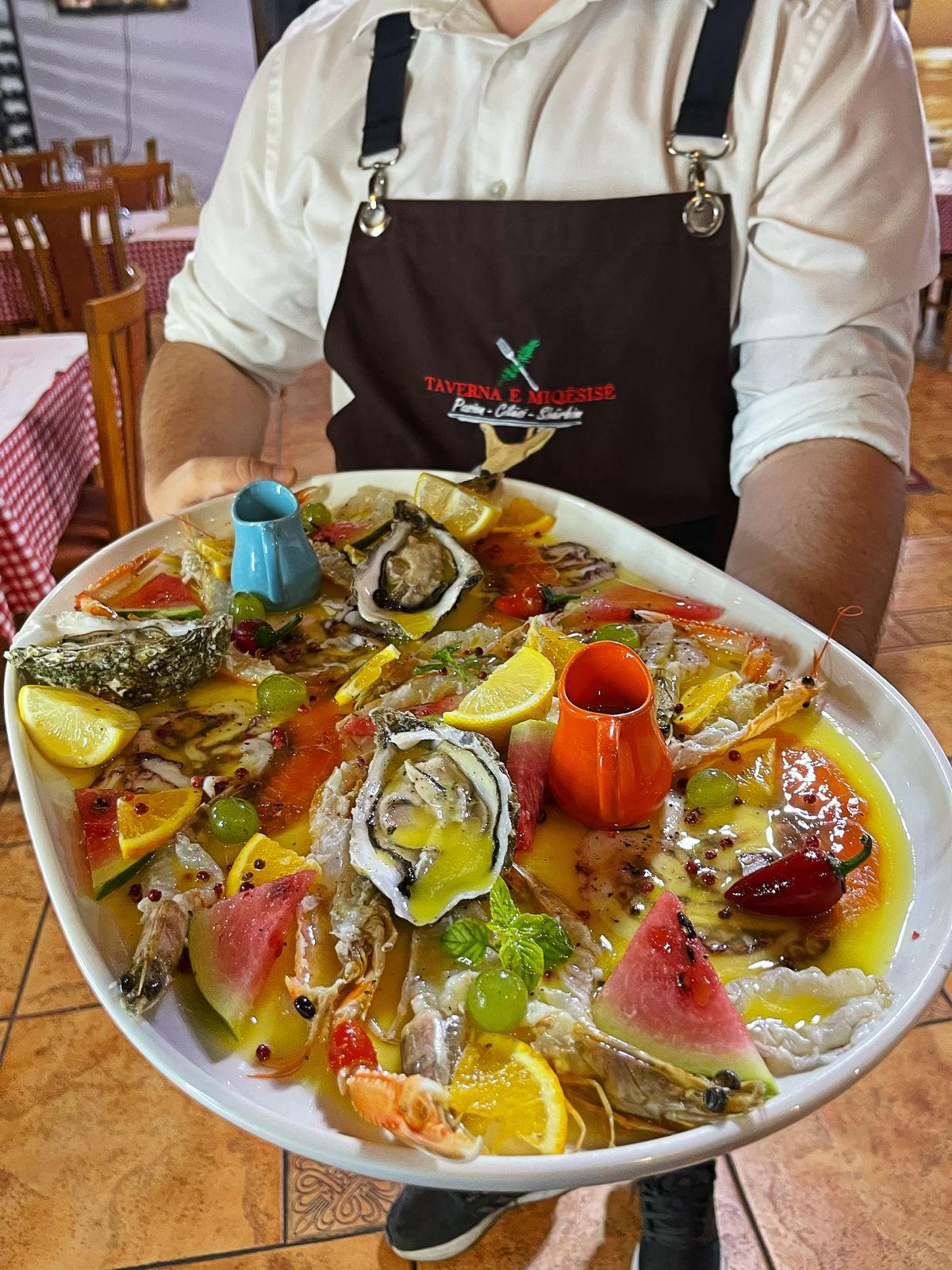
Where the Ionian Coast Meets the Table
The Vlorë region occupies a particular position in Albanian food culture: coastal enough to draw from the Ionian Sea's daily catch, inland enough to have sustained a serious agricultural tradition through olive groves, vineyards, and small-plot vegetable farming. Tavernas in this part of Albania tend to operate as extensions of that geography rather than departures from it. Taverna E Miqësisë sits within that broader pattern, in a dining culture where the supply chain is short by design and the menu reflects what the surrounding land and water are producing at any given moment.
That sourcing logic is not a marketing position here — it is simply how cooking has worked in this corner of the Balkans for a long time. Albanian taverna culture predates the contemporary farm-to-table framing that Western restaurants spend considerable effort communicating. In the Vlorë region specifically, proximity to ingredient sources is the structural norm, not a differentiator. What matters is what a kitchen does with that proximity: the discipline of seasonal restraint, the willingness to let primary ingredients carry the dish, and the accumulated knowledge of how to prepare them.
The Sourcing Logic of Southern Albanian Cooking
Southern Albania's ingredient profile is unusually coherent. The Ionian coast produces fish and seafood that move quickly from water to kitchen. The hinterland around Vlorë has long supplied olive oil — the region's olive cultivation is among the most established in the country, as well as wild herbs, soft cheeses from grazing flocks, and seasonal vegetables that follow a Mediterranean growing rhythm. The mountains that frame the region add a further dimension: dried legumes, cured meats, and foraged ingredients that reflect a different, older pantry.
This is the ingredient context within which Albanian taverna cooking operates. Dishes built on byrek (layered pastry with cheese or greens), grilled freshwater and saltwater fish, lamb preparations slow-cooked with aromatics, and vegetable dishes dressed in the region's own olive oil are not novelties, they are the structural vocabulary of the cuisine. A taverna in this tradition is not experimenting with that vocabulary; it is executing it with whatever the season and local producers have made available.
For travellers comparing Albanian dining to other Balkan or Mediterranean traditions, the closest reference points are the simpler, ingredient-led tavernas of Greece's mainland provinces or the konoba culture of the Dalmatian coast, places where the quality of the experience hinges almost entirely on ingredient quality and preparation discipline, rather than technique or presentation elaboration. Restaurants like Aponiente in El Puerto de Santa María or Aqua in Wolfsburg represent the opposite end of the ingredient-sourcing spectrum, where provenance is communicated through elaborate technical frameworks. Albanian taverna culture communicates the same commitment through simplicity and directness.
Vlorë as a Dining Region
Rrethi I Vlores, the Vlorë district, has not developed the kind of structured dining scene that draws international food media attention. That is partly a function of Albania's broader tourism trajectory, which has accelerated only in the past decade, and partly a reflection of the region's own character: it is a place that has fed itself well for a long time without needing to explain itself to outsiders. The taverna format is the dominant dining mode here, and it operates on a local economy of trust, regulars who know the kitchen, producers who supply it, and a rhythm of eating that follows seasonal availability rather than fixed menus.
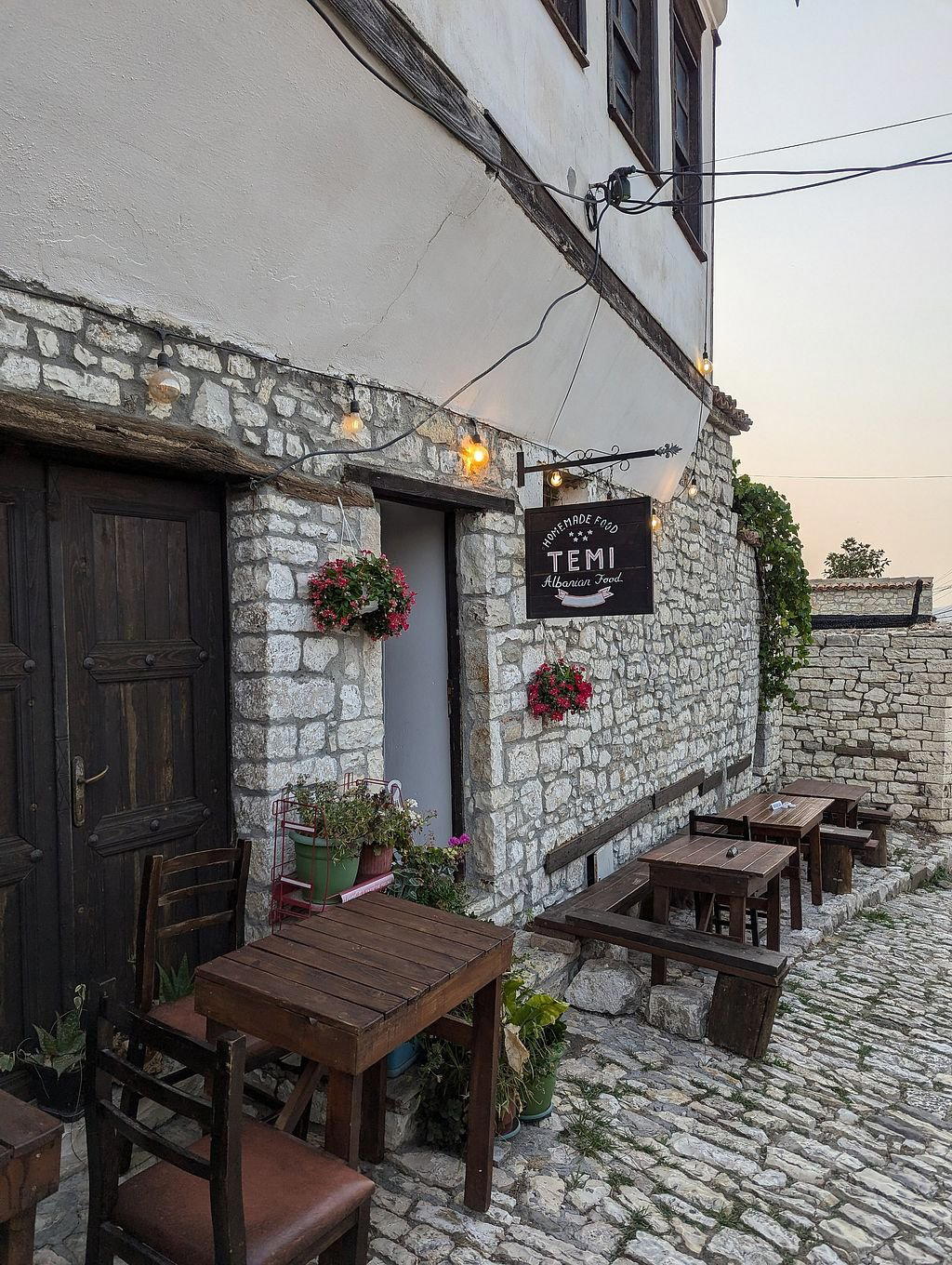
For context on how Albanian dining varies by region, Temi Albanian Food in Berati represents the inland, Ottoman-inflected cooking tradition of the central highlands, while Mapo Restaurant in Gjirokastra operates within the culinary identity of Albania's UNESCO-listed stone city, where the cooking skews toward preserved and slow-cooked preparations. Arti Zanave in Shkoder reflects the northern Albanian tradition, distinct in its reliance on lake fish and mountain dairy. Vlorë sits in the southern coastal register, sharing ingredients and technique with Greek-influenced traditions without being reducible to them.
For a broader overview of eating in this part of the country, our full Rrethi I Vlores restaurants guide maps the options across price points and formats. Closer to the waterfront, The Yacht Restaurant represents a different register of the local dining scene, with a format and setting oriented toward the marina crowd.
Planning a Visit
Vlorë is most accessible from Tirana via the SH4 highway, a drive of roughly two to two and a half hours depending on traffic through the mountain passes. The region's dining culture peaks in the summer months, when the Ionian coast draws a significant domestic tourism wave from Tirana and Durrës, and ingredient availability is at its broadest. Shoulder season, late April through June and September through October, tends to offer the most coherent eating conditions: smaller crowds, active fishing, and the tail end of spring produce or the beginning of autumn harvests. Those planning a wider Albanian food itinerary might pair a Vlorë stay with visits to Capital Restaurant Piceri in Tirana or, further afield, Pizzeria Da Fabio in Lezha for a different regional register.
Contact details and booking information for Taverna E Miqësisë are not currently listed through centralized reservation systems, which is typical for tavernas operating in this format and region. Direct contact through local accommodation providers or in-person enquiry on arrival is the standard approach for this tier of the Albanian dining scene.
Frequently asked questions
Where do I go for Taverna E Miqësisë?
Taverna E Miqësisë is located at 9401, Rrethi I Vlores.
Is Taverna E Miqësisë worth visiting if you're travelling through Vlorë rather than staying?
The Vlorë district is roughly two to two and a half hours from Tirana via the SH4 highway, making it a realistic stop on a southern Albanian road route rather than a dedicated detour. Taverna E Miqësisë, located in Rrethi I Vlores, fits the regional dining pattern: locally sourced, seasonal, and outside the circuits that attract international food media. For travellers already moving through the area, that combination of accessibility and regional specificity makes it a coherent lunch or dinner stop.
What's the best thing to order at Taverna E Miqësisë?
Taverna E Miqësisë sits in the Vlorë district, where the Ionian catch arrives daily and inland valleys supply fresh herbs and vegetables. The kitchen's strength is in that coastal-to-table sourcing logic, so seafood preparations rooted in southern Albanian tradition are the most grounded choices.
What's the best way to book Taverna E Miqësisë?
No booking website or phone number is currently listed for Taverna E Miqësisë at address 9401 in Rrethi I Vlores. For tavernas of this type in the Vlorë district, visiting in person or asking locally for current contact details tends to be the most reliable approach. Arrival outside peak summer season also reduces the likelihood of a wait.
What's Taverna E Miqësisë best at?
The taverna operates within a southern Albanian coastal tradition where the kitchen draws from both the Ionian Sea and the surrounding agricultural hinterland. That dual sourcing — fresh seafood alongside regional vegetables and herbs — defines what tavernas in the Vlorë district do well. Taverna E Miqësisë sits within that same framework, making it a grounded option for local, ingredient-led cooking.
Do they accommodate allergies at Taverna E Miqësisë?
No allergy or dietary accommodation policy is documented for Taverna E Miqësisë in Rrethi I Vlores. Southern Albanian taverna cooking typically centres on a small number of fresh, minimally processed ingredients, which can make it easier to discuss specific requirements directly with the kitchen. Confirming in person at address 9401 before ordering is the most practical step.
Comparison Snapshot
| Venue | Cuisine | Price | Awards | Notes |
|---|---|---|---|---|
| Taverna E MiqësisëThis venue — the venue you are viewing | Not listed | Not listed | Not listed | Not listed |
| Mullixhiu | Modern Albanian Farm-to-Table | $10–20 | La Liste Top Restaurants | Albanian Farmhouse |
| The Yacht Restaurant | Seafood, Mediterranean, and Italian | Not listed | Not listed | Not listed |
| Capital Restaurant Piceri | Albanian-Italian Pizzeria | $10–20 | Not listed | Not listed |
| Chakra Restorant | Indian Fusion | $20–30 | Not listed | Not listed |
| Mapo Restaurant | Traditional Albanian | $10–20 | Not listed | Not listed |
Continue exploring