On a quiet street in central Tirana, Oliveta Restaurant sits within the city's growing conversation about Albanian ingredients and how to treat them. The address on Rruga Ndreko Rino places it away from the main boulevard noise, in the kind of neighbourhood where restaurants earn regulars rather than tourists. A place to know before the wider world catches up.
Pearl is the En Primeur Club membership app — saves, bookings, and concierge access live there. Same editors, same standards.
- Address
- Rruga Ndreko Rino 8, Tiranë 1001, Albania
- Phone
- +355684141442
- Website
- wolt.com
- Directions
- Get directions
 Saves & bookings on Pearl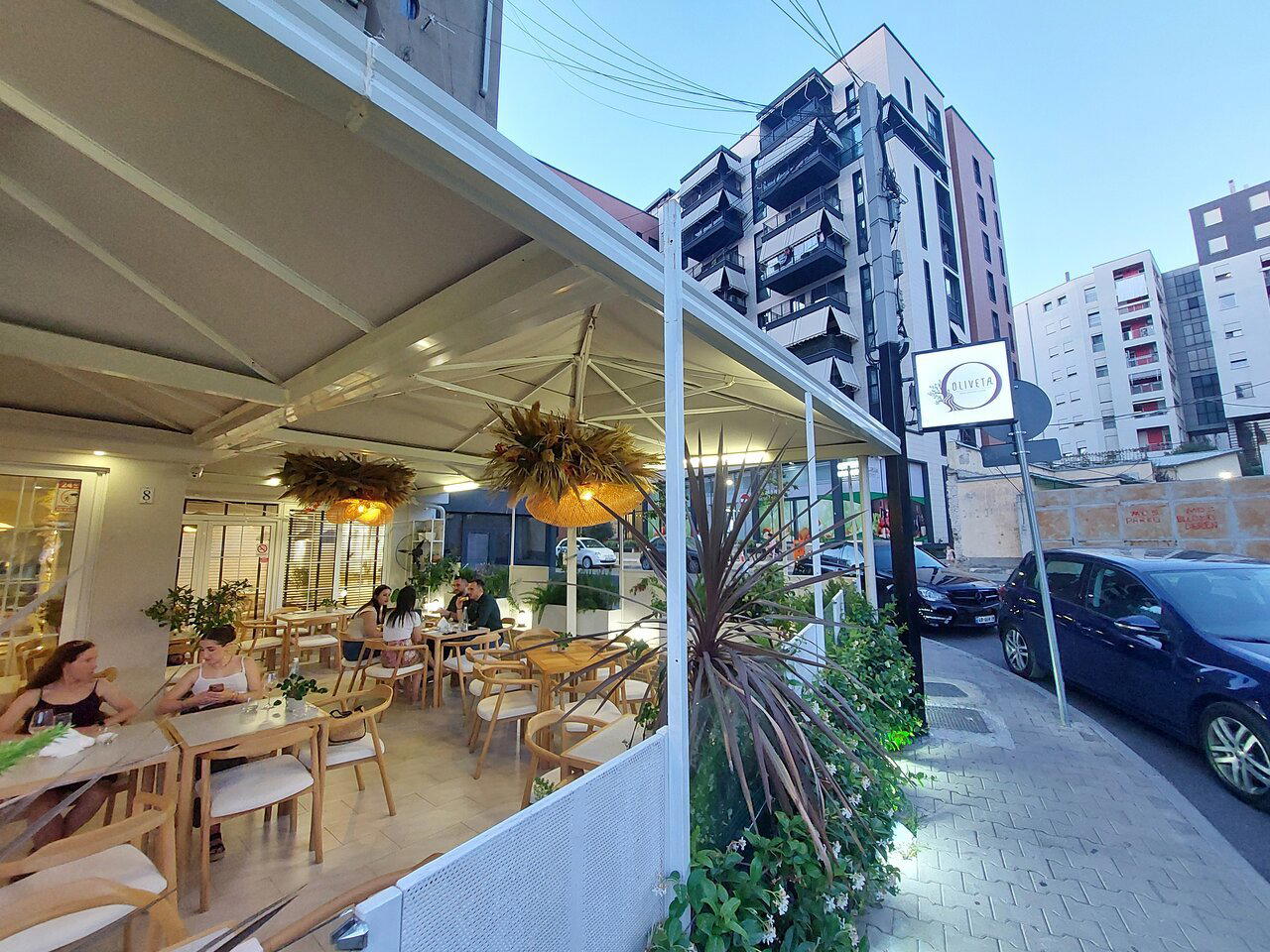
A Quiet Address in a City Finding Its Culinary Voice
Tirana's restaurant scene has been reorganising itself for the better part of a decade. The city that once defaulted to grilled meat and byrek is now producing kitchens that take Albanian produce seriously on its own terms, rather than dressing it in borrowed European formats. The shift is uneven, and particularly interesting tables are rarely the loudest ones. Oliveta Restaurant is a Modern Greek restaurant in Tirana, Albania, with. Oliveta Restaurant, on Rruga Ndreko Rino in central Tirana, belongs to the quieter end of that spectrum: a street-level address that draws from the neighbourhood rather than from the city's main hospitality corridor along Bulevardit Dëshmorët e Kombit.
Approaching from the side streets, the area has the texture of a residential quarter that has absorbed a handful of small independents without losing its character. That context matters for understanding what Oliveta is doing. Restaurants in this part of Tirana are not competing for walk-in tourist traffic. They are building a regular clientele from the surrounding blocks, which tends to produce a more considered, less performative kind of hospitality.
The Source Question: Where Albanian Ingredients Come From
One consequential shift in Albanian dining over the last several years has been a reassessment of local supply chains. For a long time, the better-regarded kitchens in Tirana imported heavily from Italy and Greece, treating proximity to those culinary traditions as a mark of quality. That logic has been quietly dismantled by a generation of producers and cooks who recognised that Albania's geography, a country that runs from Adriatic coastline through fertile lowland plains to highland grazing, produces ingredients that do not need a passport to be worth serious attention.
Olive oil is the clearest example. Albanian olive cultivation is among the oldest in the region, with trees in the south that predate recorded viticulture in many European countries. The oil that comes from Berat, Vlora, and the Myzeqe plain has a character shaped by altitude, soil composition, and harvest timing that distinguishes it from the mass-produced oils that dominated Albanian restaurant tables a decade ago. A restaurant named Oliveta signals, at minimum, an awareness of that tradition.
The broader ingredient context for Tirana's better independent restaurants includes mountain herbs from the Accursed Alps region, freshwater fish from Lake Ohrid and Lake Shkodra, and lamb from highland flocks whose grazing patterns produce a flavour profile that has no exact equivalent in the Italian or Greek traditions that Albanian cooking is so often measured against. For comparison, Temi Albanian Food in Berati has built its identity around precisely this kind of regional specificity, and Arti Zanave in Shkoder approaches northern Albanian produce with a similar seriousness. Oliveta sits within that same broader movement, rooted in Tirana but drawing on a supply tradition that extends well beyond the capital.
Tirana's Independent Restaurant Tier
The city's dining options now span a wider range than most visitors expect. At one end, the Blloku neighbourhood hosts international concepts and high-volume restaurants that trade on atmosphere and accessibility. At the other, a smaller cohort of independents operates with tighter menus, closer producer relationships, and a more deliberate pace. Oliveta's address on Rruga Ndreko Rino places it in the latter category, geographically and temperamentally. This is not a restaurant positioning itself against the international hotel dining rooms, in the way that EJAA Mediterranean or KOPE Steak House occupy more explicitly premium territory. It is a neighbourhood-scale operation that happens to sit inside a city where neighbourhood-scale operations are becoming one interesting category to follow.
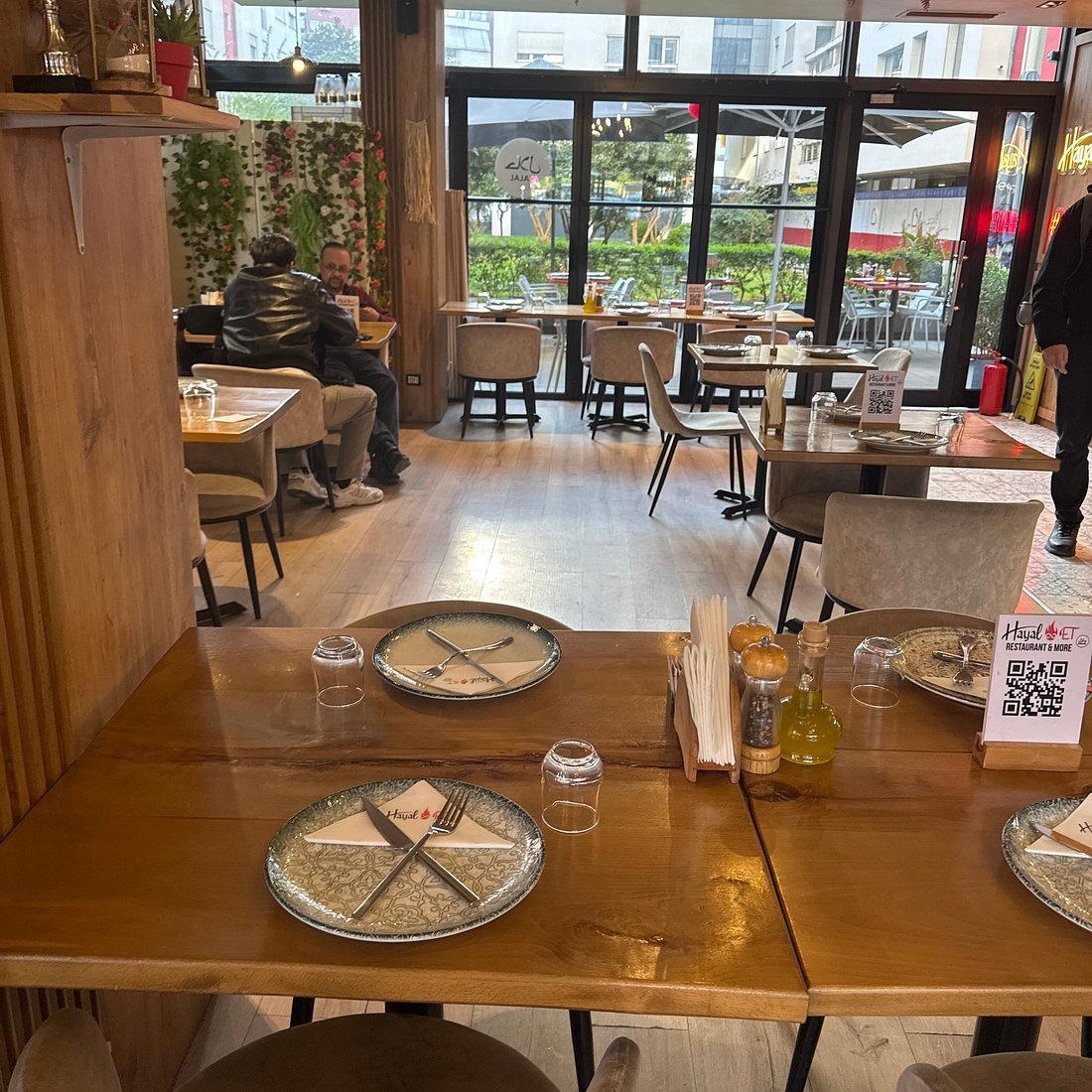
For context on the range Tirana now offers, Capital Restaurant Piceri covers the pizza and casual end, while Chakra Restorant represents the city's engagement with South Asian formats. Hayal Et sits in the grilled meat tradition. Oliveta operates at a different register, one where the provenance of an ingredient is as much the point as how it is cooked.
Albanian Dining Beyond the Capital
Understanding Oliveta requires understanding that Tirana is only one node in a broader Albanian food geography. The country's most characterful cooking often happens outside the capital: in the Ottoman-era streets of Gjirokastra, along the Adriatic in Lezha, or at waterfront tables in the Vlora region. Tirana's better independents have learned to draw from all of these, functioning as a kind of editorial filter for the country's ingredient diversity. When that works well, eating in a central Tirana restaurant becomes a way of tasting Albania's geography in compressed form.
For visitors building a broader picture of where Albania sits in the European dining conversation, the full Tirana restaurants guide maps the city's options across categories and price points. The comparison with Mediterranean peers, the kind of technique-driven sourcing you find at Alain Ducasse's Louis XV in Monte Carlo or the produce-first philosophy at work in ambitious American formats like Lazy Bear in San Francisco, remains instructive not because Albania is replicating those models but because it is developing its own version of the same underlying argument: that local supply chains, when taken seriously, produce cooking that travels nowhere but arrives somewhere specific.
Planning a Visit
Oliveta Restaurant is at Rruga Ndreko Rino 8, Tiranë 1001. The address is walkable from central Tirana's main points of reference, though the street itself is quiet enough that a map is worth checking before you set out. Specific booking details, hours, and contact information are not publicly consolidated at the time of writing, so arriving with some flexibility or checking directly through local sources is advisable.
A Quick Peer Check
Comparable venues nearby, for context on price, style, and recognition.
| Venue | Cuisine | Price | Notes |
|---|---|---|---|
| Oliveta RestaurantThis venue — the venue you are viewing | Modern Greek | $$$ | Not listed |
| KOPE Steak House | Italian Steakhouse | $$$ | Rruga E Bogdanëve |
| Hayal Et | Turkish Grill & Steakhouse | $$ | Rruga Sami Frashëri |
| Chakra Restorant | Indian Fusion | $$ | Millennium Garden |
| Capital Restaurant Piceri | Albanian-Italian Pizzeria | $$ | 21/Dhjetori |
| Mullixhiu | Modern Albanian Farm-to-Table | $$$ | Grand Park area, Artificial Lake |

At a Glance
- Modern
- Elegant
- Cozy
- Romantic
- Date Night
- Business Dinner
- Group Dining
- Family
- Special Occasion
- Terrace
- Standalone
- Extensive Wine List
- Local Sourcing
Current opening hours
- Monday
- 12–11 PM
- Tuesday
- 12–11 PM
- Wednesday
- 12–11 PM
- Thursday
- 12–11 PM
- Friday
- 12–11 PM
- Saturday
- 12–11 PM
- Sunday
- 12–11 PM
Hours can change for holidays and private events. Last verified .
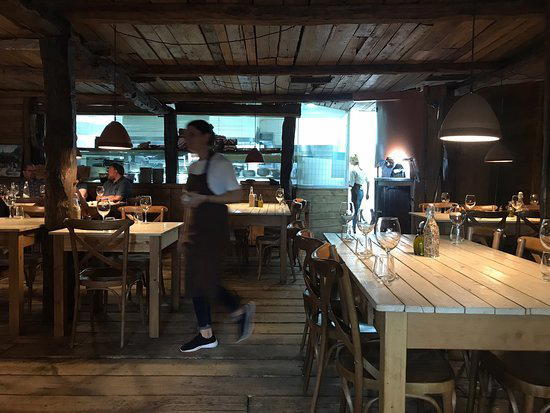
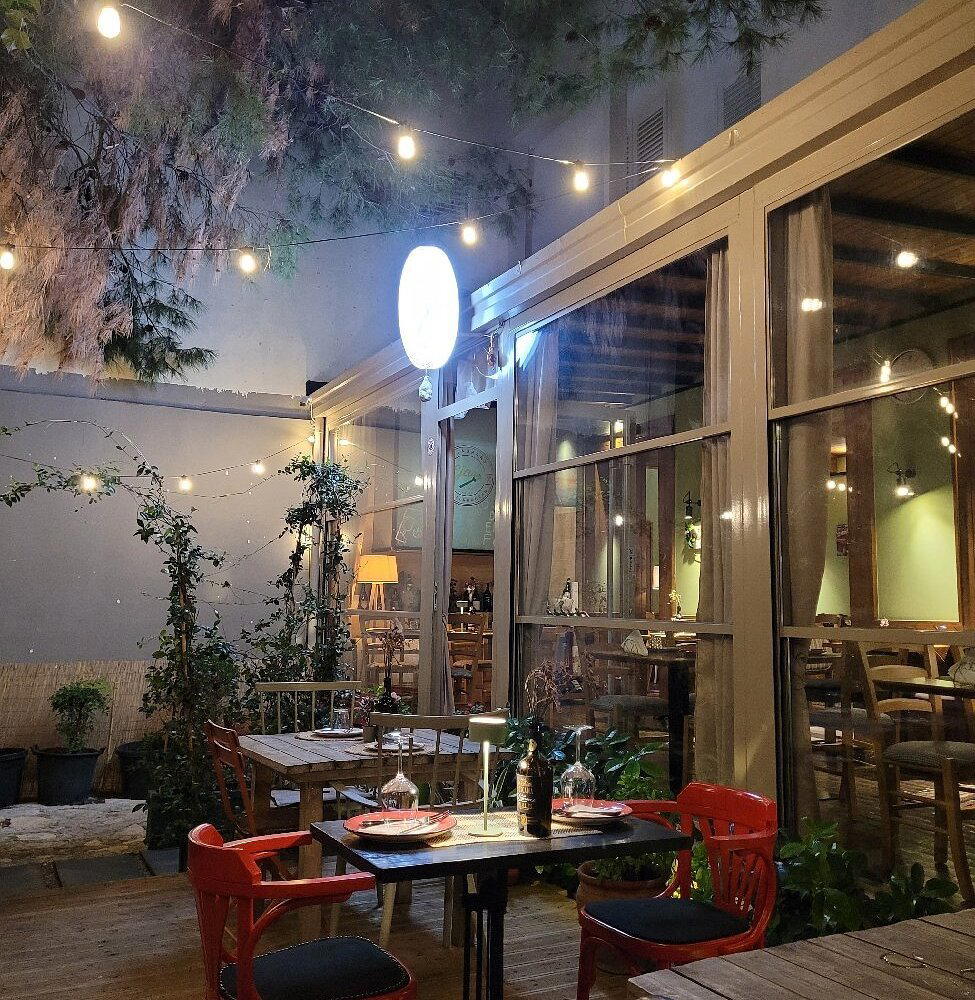
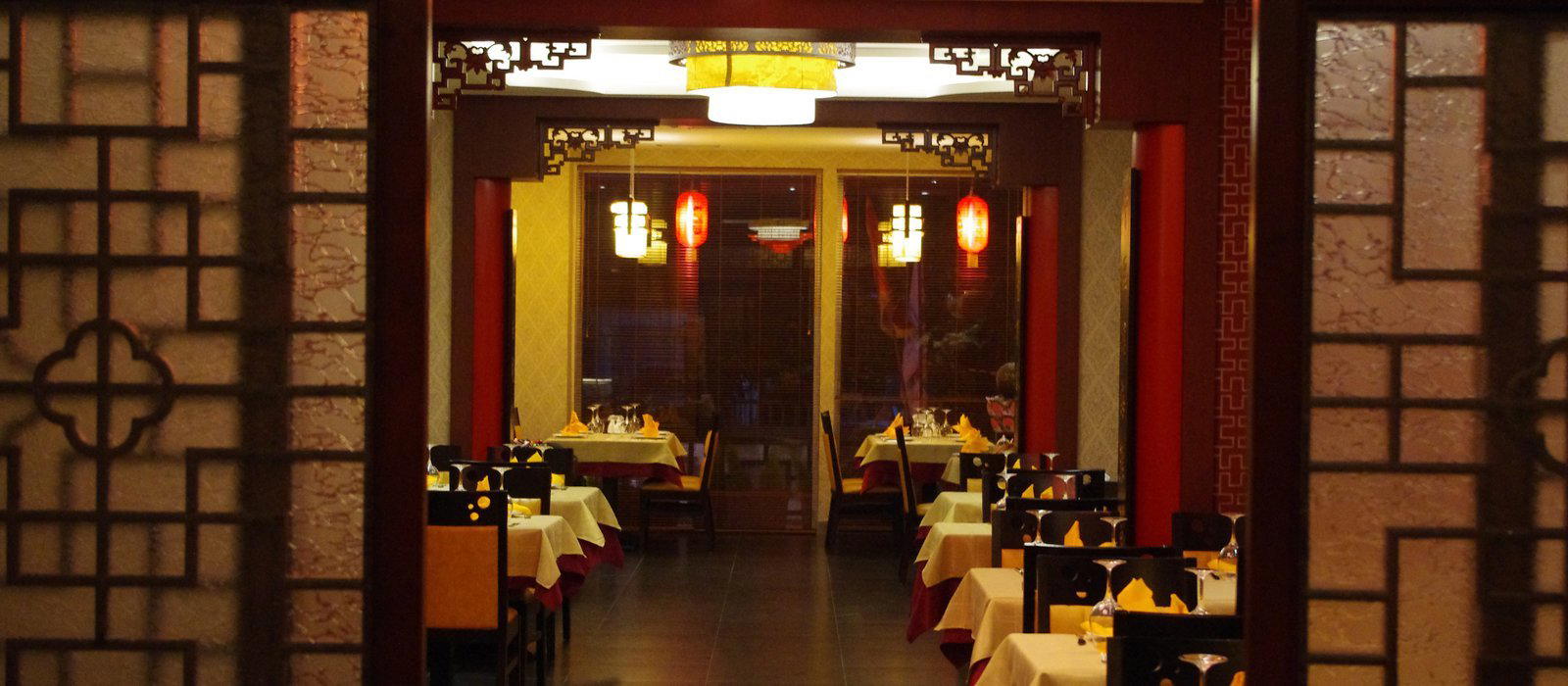
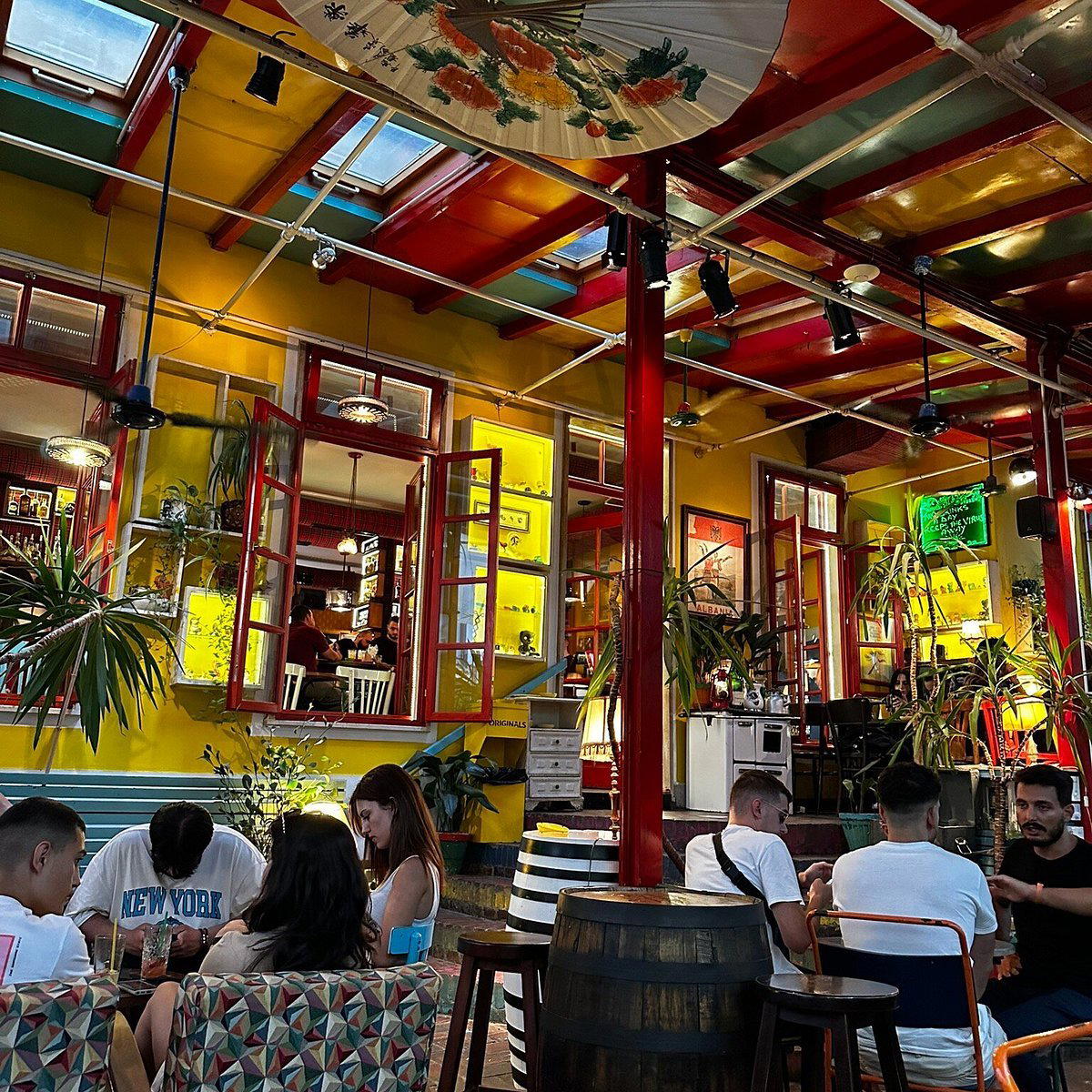
Warm and welcoming with contemporary design that blends modern aesthetics with traditional hospitality; well-maintained, clean space with elegant presentation and a relaxing vibe.