Oriental City sits on Rruga Themistokli Gërmenji in central Tirana, representing the city's growing appetite for Asian cuisine in a dining scene long dominated by Mediterranean and Balkan traditions. The restaurant occupies a distinct position in the Albanian capital, where east-meets-west concepts remain relatively scarce. Visitors looking to step outside Tirana's default of grilled meats and byrek will find it a useful reference point.
Pearl is the En Primeur Club membership app — saves, bookings, and concierge access live there. Same editors, same standards.
- Address
- Rruga Themistokli Gërmenji, Tiranë, Albania
- Phone
- +355 4 228 8888
- Directions
- Get directions
 Saves & bookings on Pearl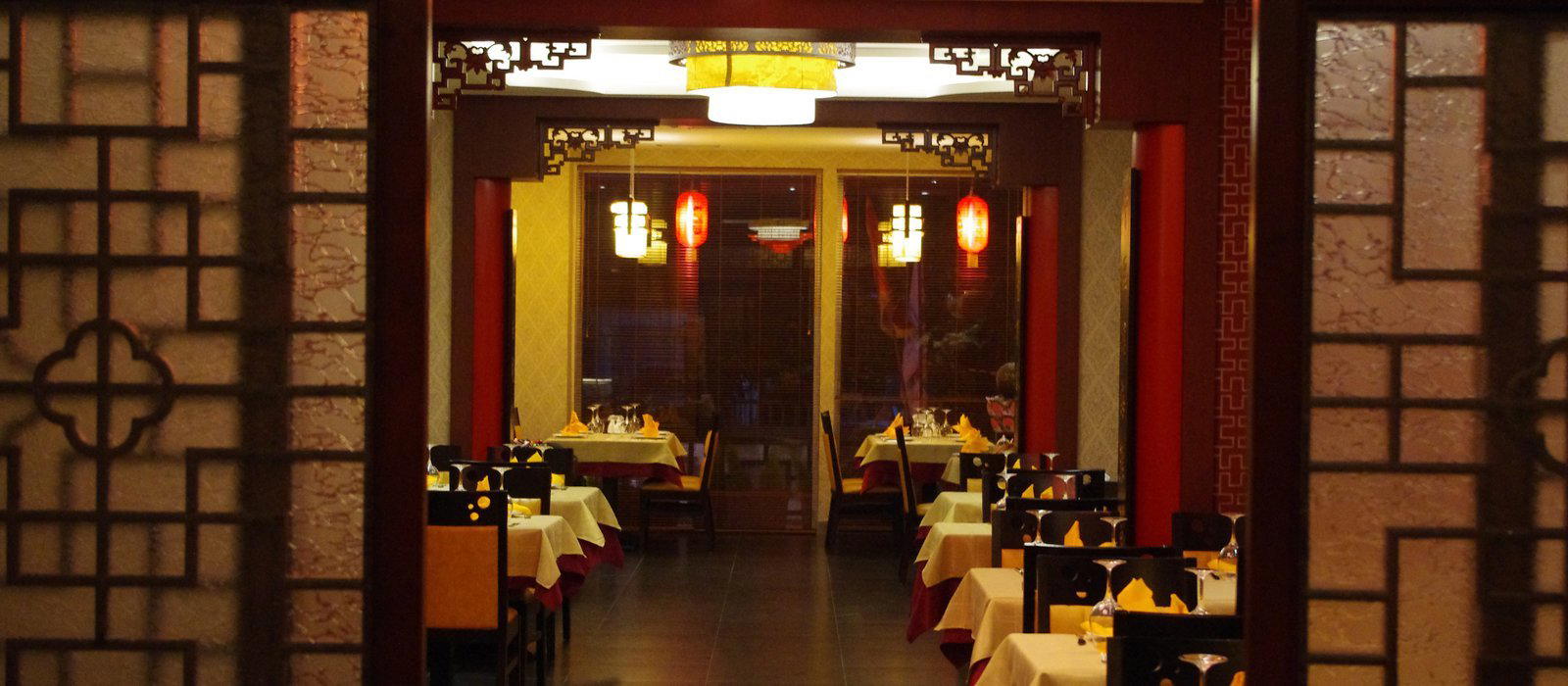
Where Tirana's Dining Curiosity Turns East
Tirana has spent the past decade building a restaurant culture that reaches beyond its Ottoman and Mediterranean inheritance. The city's central boulevards and side streets now hold a wider range of cuisines than they did even five years ago, and that expansion has been uneven, driven more by neighbourhood ambition than by any coordinated hospitality investment. Against that backdrop, a venue trading under the name Oriental City on Rruga Themistokli Gërmenji signals something specific: a deliberate step toward the kind of Asian-inflected dining that remains comparatively thin in the Albanian capital.
In most Balkan capitals, the arrival of pan-Asian or East Asian restaurants follows a recognisable pattern. A city's dining scene reaches a certain density of Italian, Balkan grill, and Mediterranean formats, and then a second wave begins filling the gaps. Tirana is in the middle of that transition. The majority of its recognisable restaurant categories still lean toward the Adriatic and the Aegean, with EJAA Mediterranean and steakhouse concepts like KOPE Steak House representing well-established demand. Oriental City operates in a less crowded lane.
The Cultural Weight of 'Oriental' Cuisine in a Post-Communist City
Albania's culinary isolation during the communist period (which ended only in 1991) left the country with a food culture that developed largely on domestic terms. Byrek, tavë kosi, fergese, and grilled meats anchored the national table, with influences absorbed slowly from Italy and Greece in the decades that followed. Asian cuisine, in any of its regional forms, arrived later and spread more slowly here than in Western European capitals where Chinese, Thai, and Japanese restaurants had been operating for generations.
That context matters when assessing what a venue like Oriental City represents. It is not competing in a saturated market. It is, instead, part of a first-generation expansion of non-European dining options in a city whose food culture is still forming its international vocabulary. Whether the kitchen leans toward Chinese, Southeast Asian, Japanese, or a broader pan-Asian format shapes everything from the sourcing challenges to the guest base, and Tirana's import infrastructure for specialty Asian ingredients is not yet comparable to that of Istanbul, Athens, or Zagreb.
For travellers arriving from cities where Asian dining is structurally embedded, the frame of reference needs adjusting. The relevant comparison is not against London's Chinatown or Singapore's hawker centres, but against what a city of Tirana's size and history can credibly sustain. By that measure, the presence of a dedicated Asian restaurant on a central Tirana street is a meaningful data point in the city's ongoing culinary development.
Rruga Themistokli Gërmenji and the Surrounding Dining Ecosystem
The street address places the restaurant within central Tirana, in proximity to the kind of mixed-use urban fabric that the Albanian capital has been reshaping since the early 2000s. Tirana's centre has moved through several phases of renovation, with pedestrian zones and café strips giving the inner city a walkability it lacked a generation ago. Restaurants in this part of the city benefit from foot traffic that is more consistent than in the outer residential neighbourhoods.
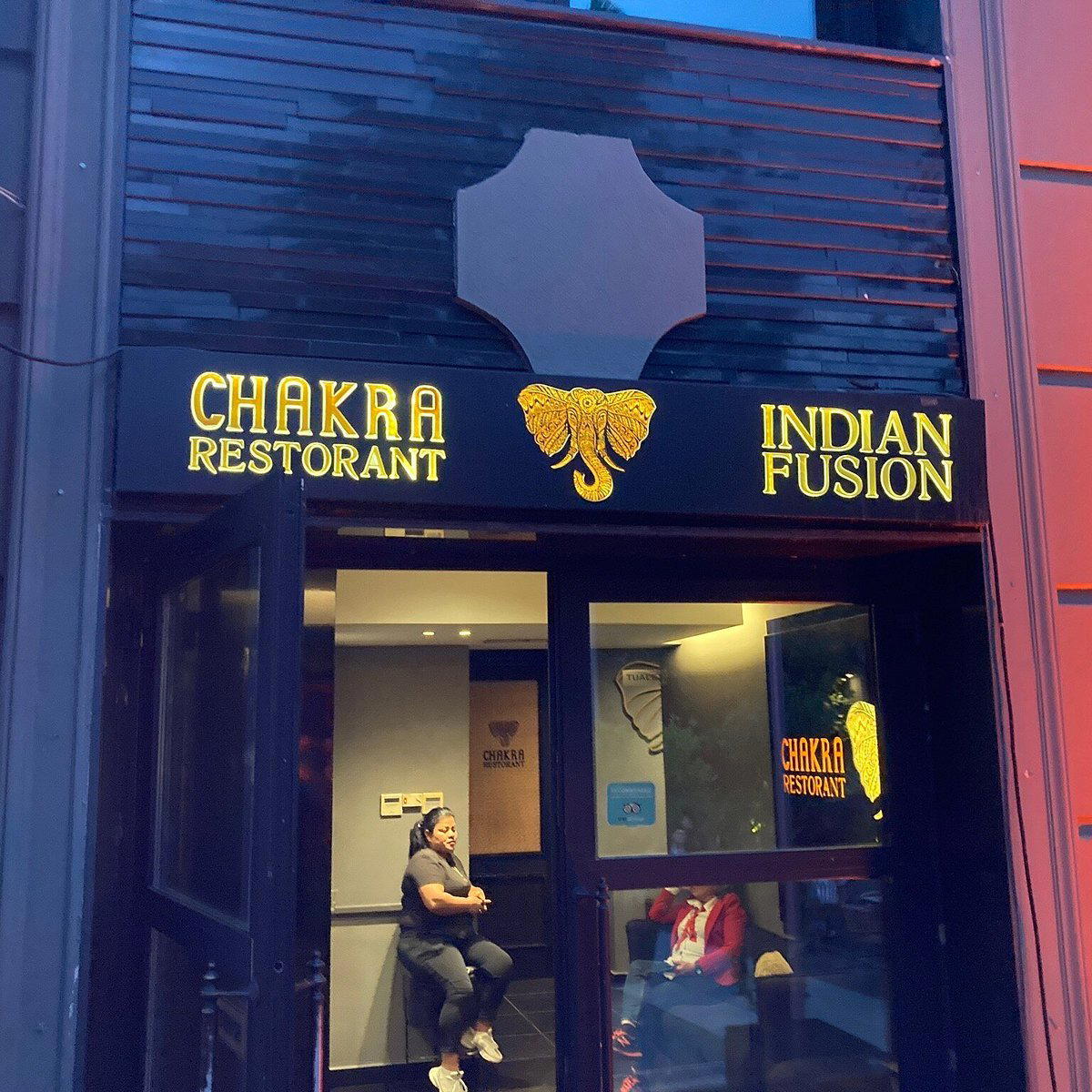
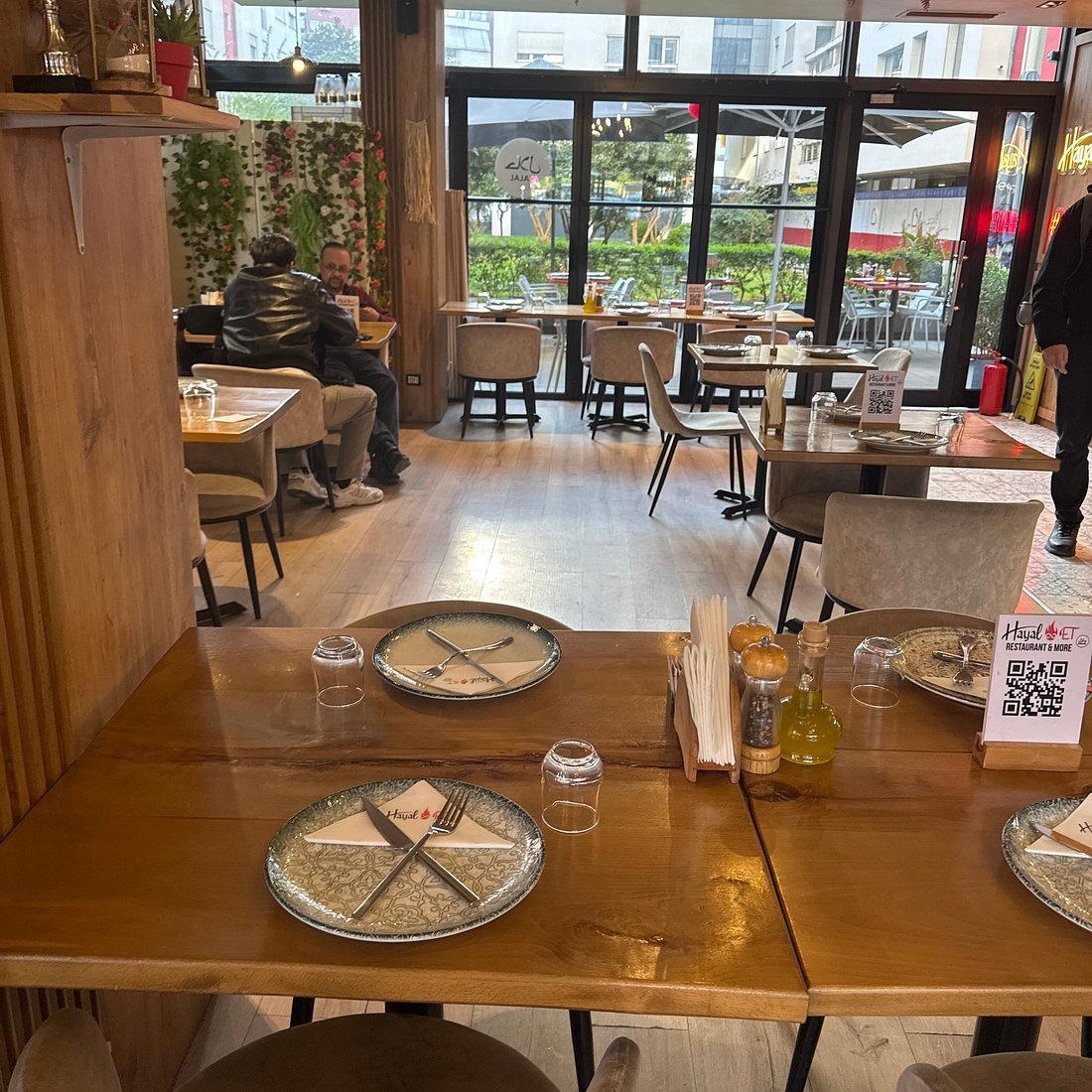
The surrounding dining options span a range of formats. Capital Restaurant Piceri represents the pizza-and-Albanian-staples end of the spectrum, while Chakra Restorant occupies a different position entirely, with its own cross-cultural identity. Hayal Et brings a Turkish steakhouse format that reflects the Ottoman culinary thread still running through Albanian dining habits. The restaurant sits apart from all of these, holding a format that none of the immediate comparable set replicates.
For anyone building a multi-day itinerary across Albania, Tirana functions as the logical base. The city's restaurant options have broadened enough that a traveller can eat differently every evening without exhausting the better options, and venues like Oriental City give that rotation a non-European anchor. Trips that extend beyond the capital should note that Albanian regional cooking has its own depth, with places like Temi Albanian Food in Berati and Mapo Restaurant in Gjirokastra offering more rooted expressions of the national table. The coastal south, reachable via Taverna E Miqësisë near Vlora, and the north, anchored by Arti Zanave in Shkoder, round out a picture of a country whose regional food culture is worth following beyond the capital.
Planning a Visit
The restaurant is located on Rruga Themistokli Gërmenji in central Tirana, accessible on foot from the main Blloku district and the city's central park axis. Tirana's dining culture skews toward late evening meals, with most local restaurants filling between 8pm and 10pm, and the city's relatively low cost of living compared to Western European capitals means that dining out, even at newer or more specialist venues, carries a price structure that most travellers from the EU or North America will find accessible.
Travellers with a broader frame of reference for Asian dining at the higher end of the international spectrum, from Atomix in New York to 8½ Otto e Mezzo Bombana in Hong Kong, will approach the restaurant with different expectations, as they should. Tirana operates in a different register entirely, and the value of a venue like this lies in what it represents within its own city context, not how it measures against Michelin-starred Asian dining elsewhere. The same logic applies to the broader ambition visible across Tirana's restaurant scene, where operators are building something genuinely new rather than replicating formats already dominant in other European capitals. Venues like Alinea in Chicago or Lazy Bear in San Francisco define what formal dining ambition looks like at full expression; Tirana's equivalent energy is quieter and still forming, but it is moving in a clear direction.
Price and Recognition
Comparable venues nearby, for context on price, style, and recognition.
| Venue | Cuisine | Price | Notes |
|---|---|---|---|
| Oriental CityThis venue — the venue you are viewing | near American Embassy, Authentic Chinese | $$ | Not listed |
| EJAA MEDITERRANEAN | Not listed | $$ | Mustafa Qosja, Authentic Albanian & Italian Mediterranean |
| Capital Restaurant Piceri | Not listed | $$ | 21/Dhjetori, Albanian-Italian Pizzeria |
| KOPE Steak House | Rruga E Bogdanëve, Italian Steakhouse | $$$ | Not listed |
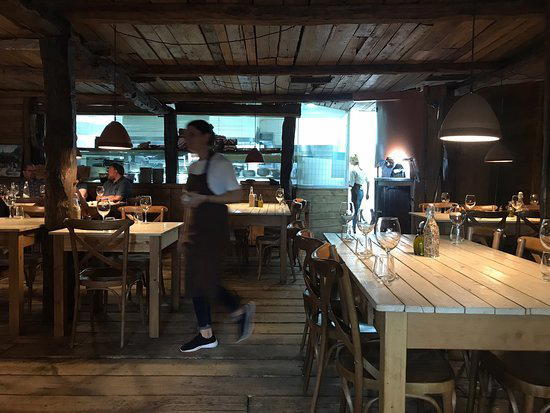
| Mullixhiu | Not listed | $$$ | Grand Park area, Artificial Lake, Modern Albanian Farm-to-Table |
| Chakra Restorant | Millennium Garden, Indian Fusion | $$ | Not listed |

At a Glance
- Classic
- Group Dining
- Family
- Casual Hangout
Current opening hours
- Monday
- 11:30 AM–10:30 PM
- Tuesday
- 11:30 AM–10:30 PM
- Wednesday
- 11:30 AM–10:30 PM
- Thursday
- 11:30 AM–10:30 PM
- Friday
- 11:30 AM–10:30 PM
- Saturday
- 11:30 AM–10:30 PM
- Sunday
- 11:30 AM–10:30 PM
Hours can change for holidays and private events. Last verified .
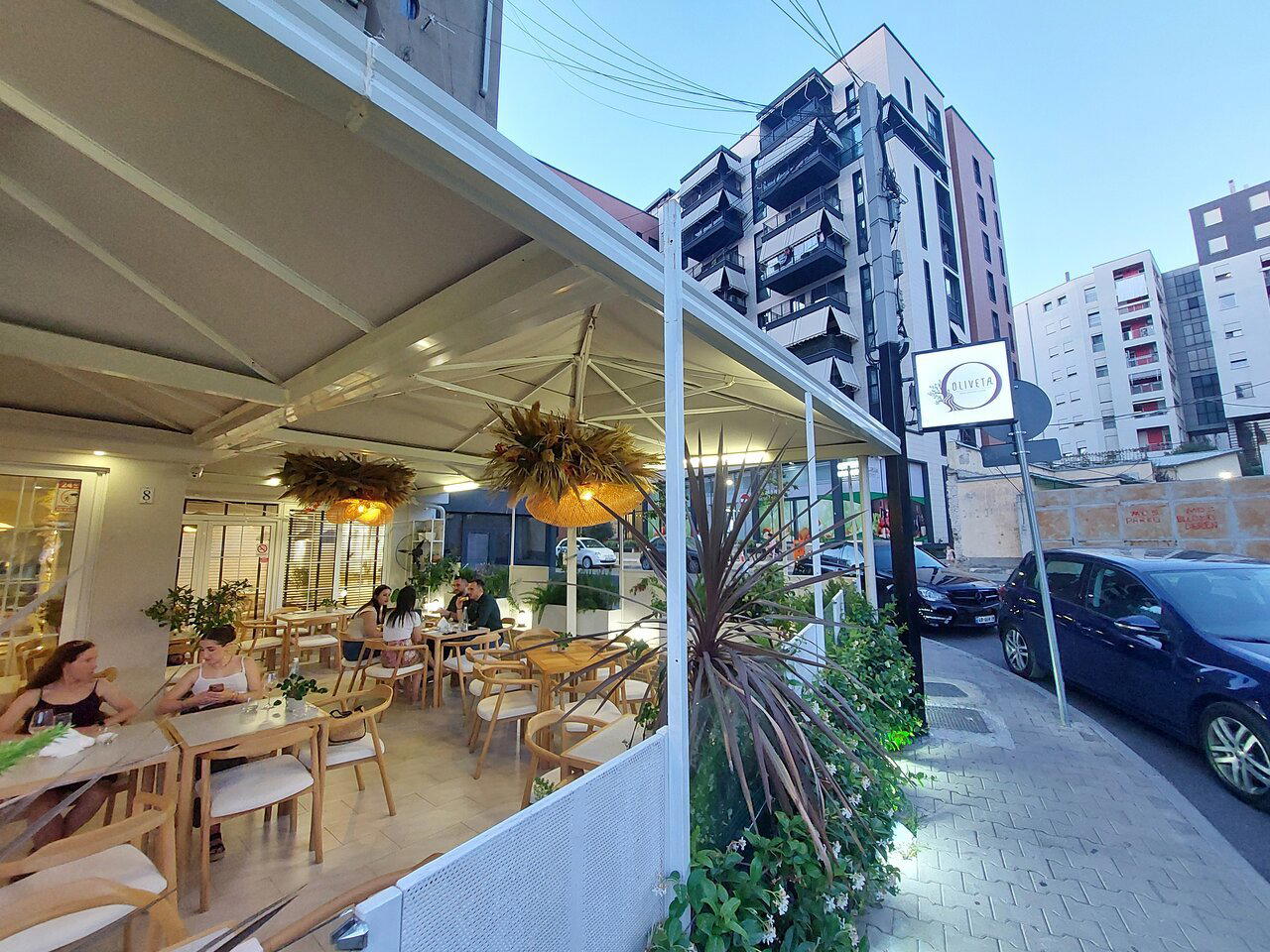
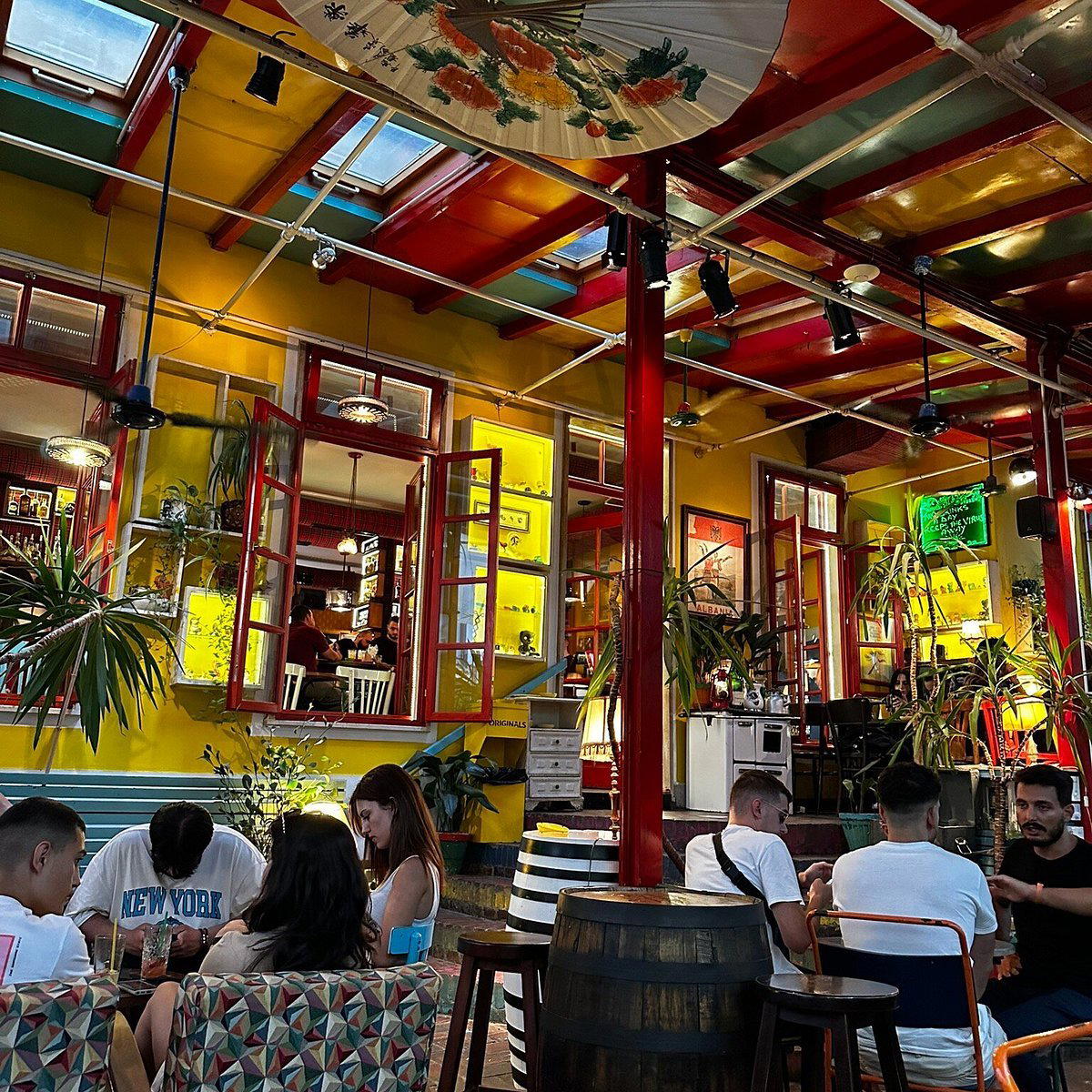
Asian-looking surroundings with a family-run feel.