Mapo Restaurant
Positioned at the edge of Gjirokastra's old bazaar, Mapo Restaurant draws on the produce traditions of the Drino Valley and the stone-city's broader Albanian cooking heritage. For travellers making their way through this UNESCO-listed city, it represents the kind of local table where the sourcing story is inseparable from the plate. See our full Gjirokastra guide for wider context.
Pearl is the En Primeur Club membership app — saves, bookings, and concierge access live there. Same editors, same standards.
- Address
- Sheshi I Celcizit (Qafa e Pazarit), Gjirokastra 6002
 Saves & bookings on Pearl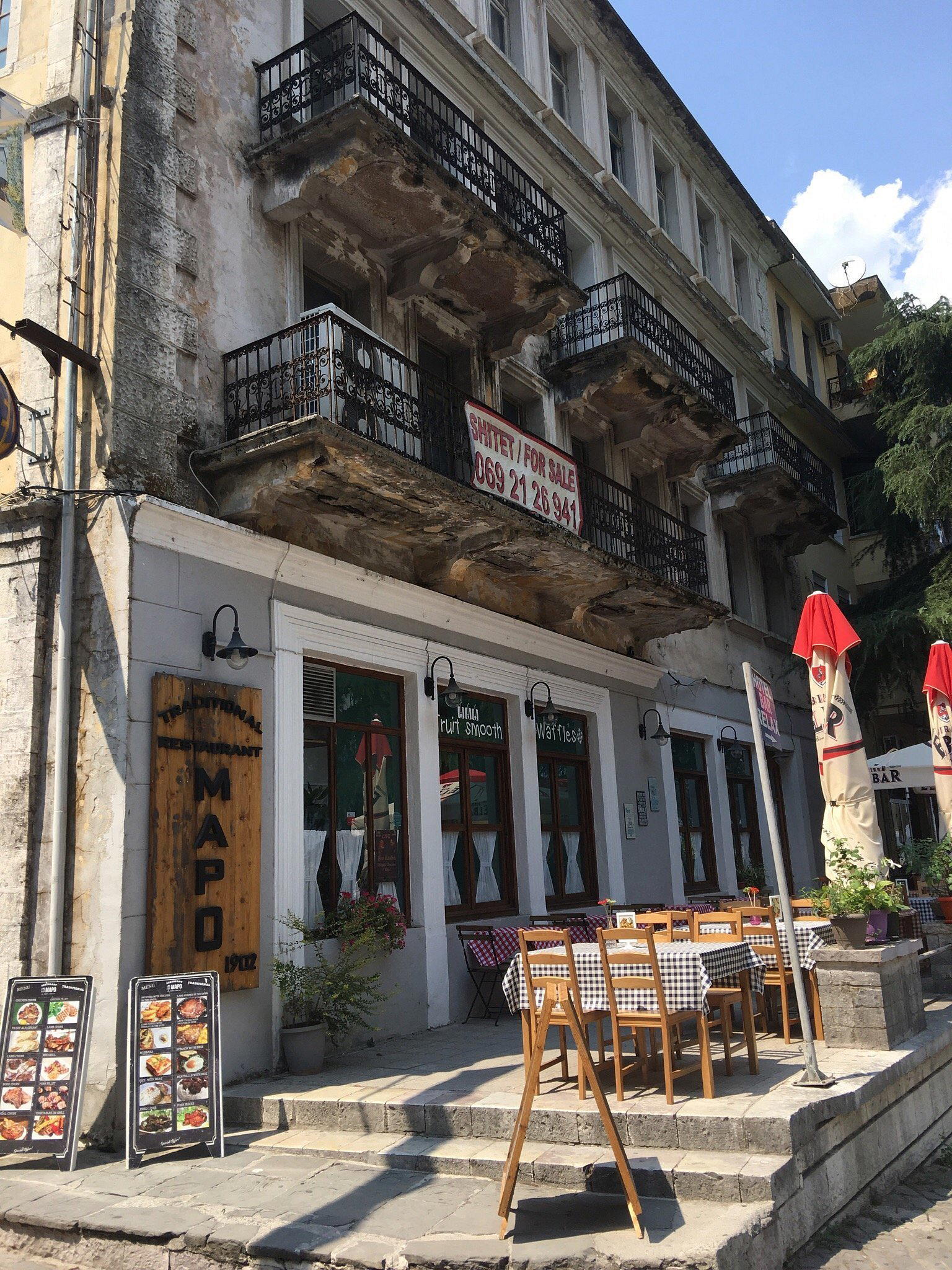
Where the Bazaar Ends and the Kitchen Begins
Gjirokastra's old bazaar quarter does not ease you in gently. The cobblestones rise steeply, the Ottoman-era stone arcades press close on either side, and the air carries the particular mix of wood smoke and dried herb that defines mountain-town Albania. Sheshi I Celcizit, the small square where Mapo Restaurant sits at Qafa e Pazarit, is the point where the market logic of the lower town transitions into the quieter residential lanes climbing toward the citadel. It is, in other words, exactly the kind of address where Albanian cooking has always worked well: close to where ingredients arrive, close to where people gather, with no pretension about the distance between field and fork.
That geographical logic matters more in Gjirokastra than in most Albanian cities. The Drino Valley below the old town is particularly productive agricultural land in the southern highlands, and the broader Gjirokastër prefecture has long supplied the rest of Albania with lamb, dairy, walnuts, and wild herbs. Restaurants in this part of the country do not need to construct a sourcing narrative; the sourcing is simply what happens when you cook here. For visitors more accustomed to tables in Le Bernardin in New York or Alain Ducasse at the Louis XV in Monte Carlo, the contrast is instructive: ingredient proximity here is structural, not a marketing choice.
Albanian Mountain Cooking: The Ingredient Logic
Southern Albanian cuisine is built around a short list of good things used with considerable discipline. Lamb raised on the rocky upland pastures of the Gjirokastër region has a flavour profile shaped by the wild thyme, sage, and mountain grasses the animals graze on. The dairy tradition, particularly fresh white cheese and yoghurt, runs through much of the cooking as both accompaniment and ingredient. Cornbread, slow-baked pies, and offal preparations reflect a kitchen culture that historically wasted little and extracted maximum flavour from everything it had.
This is not the refined modernist cooking found at places like Alinea in Chicago or Atomix in New York, nor does it aim to be. The reference points for tables in Gjirokastra are local: the wood-fired byrek, the slow-braised tave, the grilled offal that have defined communal eating in this part of the Balkans for generations. Visitors who arrive expecting Adriatic seafood will find themselves recalibrating; this is landlocked highland cuisine, and its strengths are entirely different.
Among Gjirokastra's dining options, the broader pattern splits between restaurants serving tourist-adjusted menus around the citadel and a smaller group operating closer to the bazaar where local trade and local cooking habits remain the primary reference. Mapo's position on Sheshi I Celcizit places it within the second category, geographically and conceptually adjacent to where ingredients move through the city rather than where they are displayed for visiting audiences. For comparison across the Albanian south, Taverna E Miqësisë in the Vlorë region represents a coastal variation on similar traditional principles.
Gjirokastra in the Albanian Dining Context
Albania's restaurant scene has developed unevenly. Tirana carries the majority of the country's dining ambition, with addresses like Capital Restaurant Piceri representing the capital's broader shift toward more structured dining. Secondary cities and heritage towns operate at a different register, where the cooking remains closer to domestic tradition and the dining room functions more as an extension of household hospitality than as a formal restaurant in the Western European sense.
Gjirokastra occupies a particular position within this pattern. Its UNESCO World Heritage status, granted for the notable preservation of its Ottoman-era stone architecture, brings a steady stream of international visitors, but the city has not undergone the kind of rapid tourism-driven hospitality development seen in coastal Albania. The result is a dining environment that remains largely shaped by local demand, local produce, and local cooking logic. For a broader look at how Albanian regional restaurants compare,
Elsewhere in the country, regional dining traditions are worth tracking. Temi Albanian Food in Berat offers a comparable study in how a UNESCO-listed Albanian city approaches its own cooking heritage, while Arti Zanave in Shkodër reflects the northern Albanian variation on similar farmhouse principles. The differences between these cities' cooking traditions are more significant than they first appear: the spice use, the meat preparations, and the role of dairy shift noticeably as you move between Albania's distinct geographic zones.
What the Bazaar Address Tells You About the Plate
Restaurants adjacent to traditional markets in Albanian towns tend to operate on a different supply logic than those farther removed. Proximity to the bazaar typically means shorter paths between producer and kitchen, ingredients sourced on the day rather than ordered through distribution chains, and menus that shift with availability rather than holding fixed across seasons.
The bazaar quarter in Gjirokastra has operated as a commercial and social hub since at least the eighteenth century, and the specific square where Mapo sits has historically been a transition point between the market's commercial lower section and the residential upper town. That continuity of place carries practical meaning for a kitchen: the relationships between neighbourhood, supplier, and cook accumulate over time in ways that are difficult to replicate in a purpose-built tourist district.
Planning Your Visit
The old bazaar area, including Sheshi I Celcizit where Mapo is addressed, is most easily reached on foot from the main accommodation cluster in the lower new town;
Quick Comparison
Comparable venues nearby, for context on price, style, and recognition.
| Venue | Cuisine | Price | Notes |
|---|---|---|---|
| Mapo RestaurantThis venue — the venue you are viewing | Traditional Albanian | $$ | Not listed |
| Taverna Tradicionale Kardhashi | Traditional Albanian | $ | Old Bazaar area, Gjirokastra |
| Zaloshnja | Traditional Albanian Grill & Stews | $$ | Lagjja 28 Nentori |
| Pizzeria Da Fabio | Authentic Italian Pizza | $ | Shëngjin |
| Hayal Et | Turkish Grill & Steakhouse | $$ | Rruga Sami Frashëri |
| Temi Albanian Food | Authentic Albanian | $$ | Historic Center |
Continue exploring
More in Gjirokastra
Restaurants in Gjirokastra
Browse all →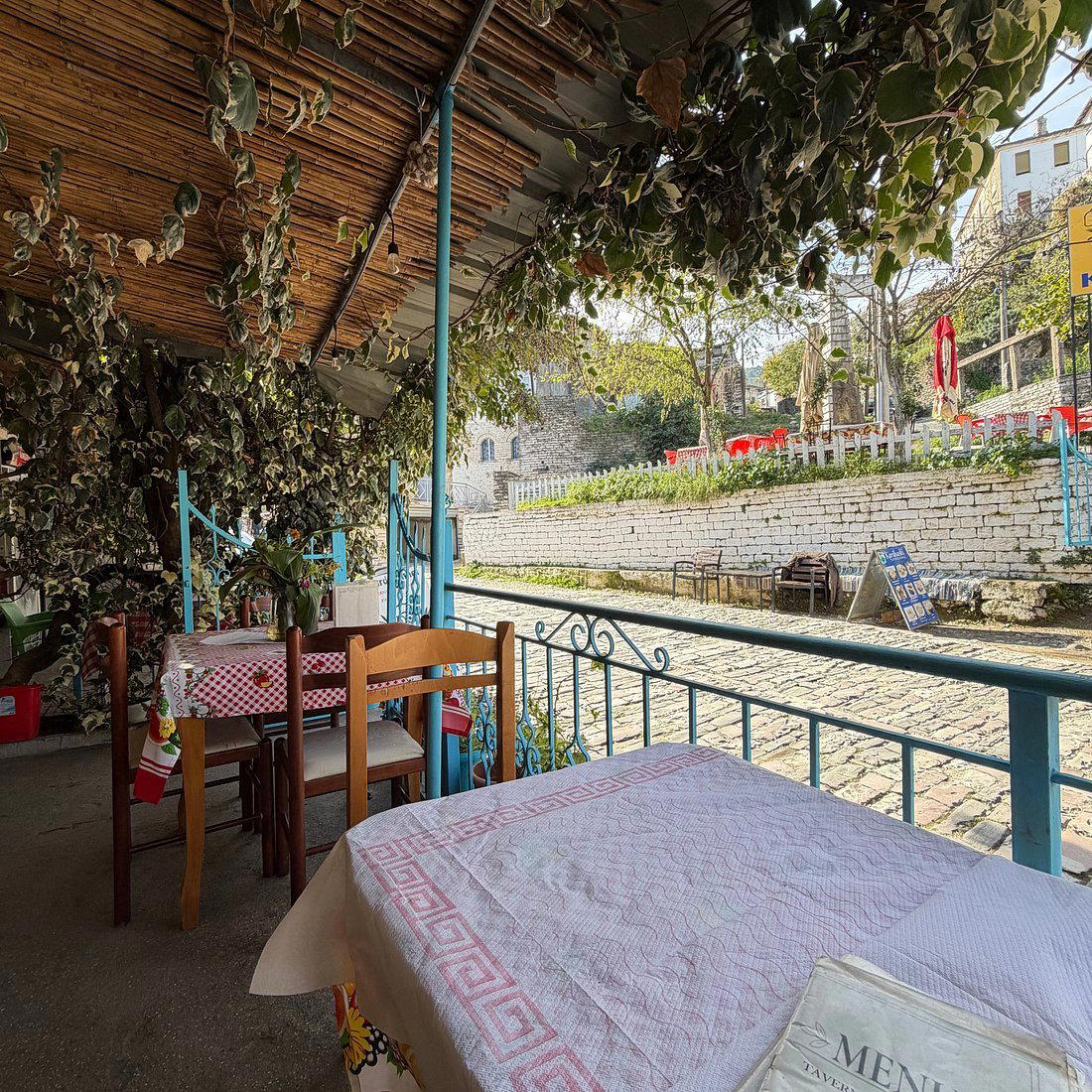
At a Glance
- Rustic
- Cozy
- Scenic
- Family
- Casual Hangout
- Group Dining
- Terrace
- Historic Building
- Street Scene
Casual and welcoming with a charming terrace offering beautiful city views and a pleasant breeze.