Our verdict
Arti Zanave sits in Shkoder, Albania's northern cultural capital, where the dining scene draws on a larder shaped by Lake Shkoder, the Albanian Alps, and centuries of cross-border culinary exchange. For travellers exploring Albania beyond Tirana, it represents a point of entry into a regional food tradition that remains largely uncharted on the international circuit.

Pearl is the En Primeur Club membership app — saves, bookings, and concierge access live there. Same editors, same standards.
- Address
- Shkoder, Albania
- Directions
- Get directions
The menu
What to order
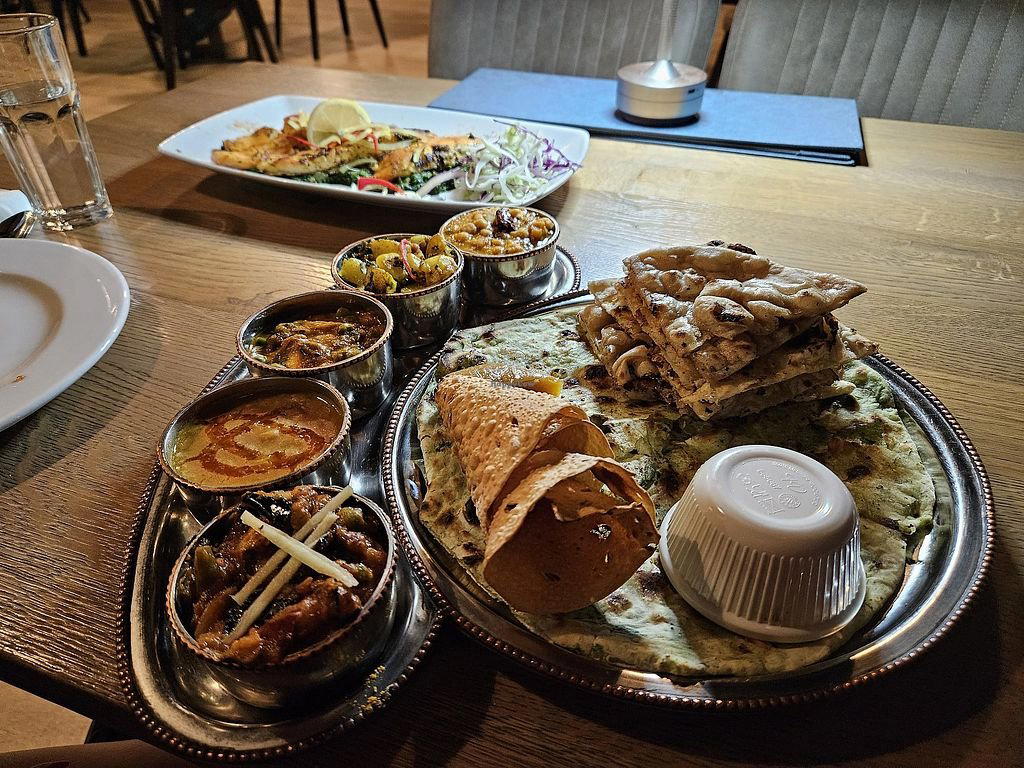
- Stuffed peppers
- Stuffed eggplants
- Oven-baked potatoes
Where the Northern Albanian Table Begins
Shkoder occupies a specific position in Albanian food culture that visitors arriving from the south often underestimate. The city sits at the intersection of the Albanian Alps, the shores of Lake Shkoder (the largest lake in Southern Europe), and the old trade routes that once connected the Adriatic coast to the Ottoman interior. That geography is not incidental to what ends up on local plates: it defines it. Lake fish, mountain herbs, cured meats from highland villages, and dairy traditions that predate modern borders all feed into a regional larder that is distinct from the more Berat- or Gjirokaster-centric southern Albanian cooking that tends to attract the most international attention. Arti Zanave operates within this northern culinary context, drawing on an ingredient base rooted in the countryside and waterways immediately surrounding the city.
For a broader orientation to what Shkoder's dining scene offers across price points and formats, see our full Shkoder restaurants guide.
The Ingredient Logic of the Albanian North
Understanding what arrives at the table in Shkoder requires understanding how northern Albanian food sourcing differs from the patterns you encounter further south. The Albanian Alps, which rise sharply to the northeast of the city, produce a style of highland agriculture that favours sheep dairy, foraged mountain greens, and preserved meats over the olive oil-heavy produce corridor that characterises cooking in Berat or the Vlore coast. Inland lake fishing adds a freshwater dimension rare in the broader Balkan dining context: koran trout, historically specific to the Ohrid-Shkoder lake system, and other endemic species appear in regional kitchens in preparations that have changed little across generations.
This sourcing geography creates a distinct flavour profile. Fat from sheep milk rather than olive oil, bitter wild herbs rather than cultivated aromatics, slow-cooked rather than quickly grilled. The Albanian north aligns more closely with the mountain food traditions of Montenegro and Kosovo than it does with the sunlit coastal cooking often used to represent the country internationally. Venues in Shkoder that take this ingredient logic seriously are doing something that cannot be replicated by any kitchen operating out of Tirana or Gjirokastra, however accomplished those kitchens may be. For comparison, Mapo Restaurant in Gjirokastra represents how the southern tradition handles similar raw material ambitions, while Temi Albanian Food in Berati shows a different regional register again.
Regional Context and the Scene in Shkoder
Albania's restaurant scene has undergone a visible shift over the past decade, with a tier of venues emerging in secondary cities that take local sourcing and traditional cooking formats seriously without converting them into tasting-menu theatre. Shkoder sits at the edge of that movement, still less documented than Tirana's dining corridor but increasingly of interest to the travellers who have exhausted the capital's options. Capital Restaurant Piceri in Tirana gives a useful baseline for where Albanian urban dining sits at a mid-market level; the northern city operates with less polish but often with greater directness of ingredient and tradition.
The comparison set for Shkoder is not the Michelin-starred rooms of Western Europe. Venues like Le Bernardin in New York City, Alinea in Chicago, or Arpège in Paris occupy a different tier of sourcing ambition and technical execution. The relevant frame for Arti Zanave is how northern Albanian hospitality translates food culture that is genuinely place-specific into a format accessible to the visiting traveller, without sanitising it into something generic. That is a different challenge, and a meaningful one. The farmhouse Albanian model, documented in Tirana-adjacent venues like Mullixhiu, offers one approach to this challenge; Shkoder's version tends to be less curated and more embedded in actual local practice.
What to Expect When You Go
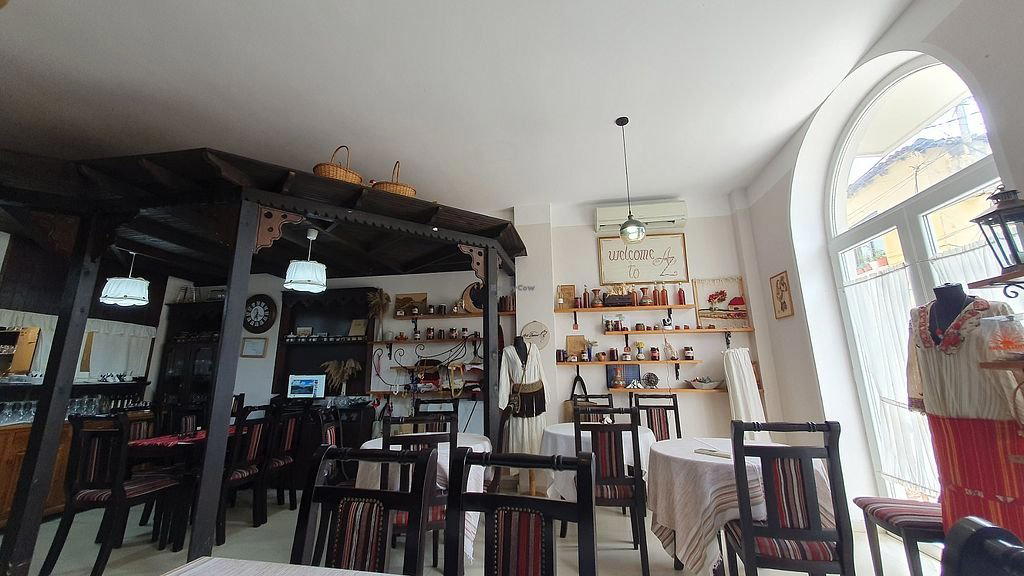
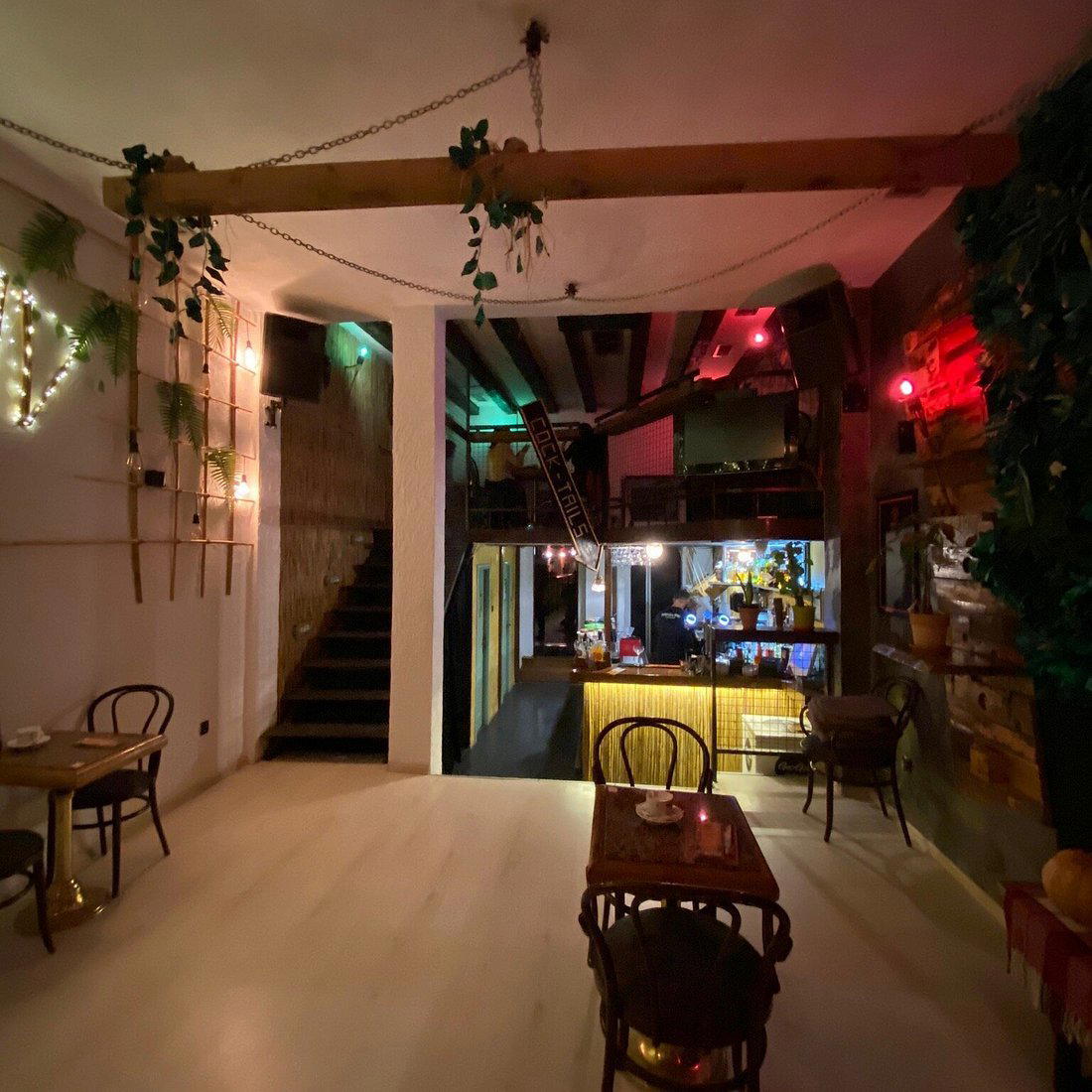
Shkoder's dining culture runs on a different clock from international tourist rhythms. Lunch anchors the day; evening meals often begin later than visitors from northern European cities expect. The physical environment of restaurants in the city tends toward the direct: stone or plastered walls, wooden furniture, a direct relationship between interior and the street or courtyard outside. The atmosphere in venues like Arti Zanave reflects a city that has not yet calibrated its presentation for an international audience, which is partly what makes it worth visiting. The northern Albanian dining experience at this level is hospitality-forward in the traditional sense: food arrives in quantity, and the expectation is communal eating rather than individual tasting portions.
Travellers who have eaten at Taverna E Miqësisë in the Vlore region or Pizzeria Da Fabio in Lezha will recognise the informal register that characterises non-Tirana Albanian dining. Arti Zanave fits that pattern, positioning it as a venue for travellers who want contact with local eating culture rather than a controlled international dining experience. The difference between this and the high-technique precision of, say, Atomix in New York City or Amber in Hong Kong is total, and the comparison only clarifies what makes northern Albanian dining worth seeking out on its own terms.
Planning Your Visit
Shkoder is accessible by road from Tirana in under two hours, and the city's compact centre makes most dining venues walkable from the main accommodation options near the Rozafa Castle area. Because venue-specific booking infrastructure in Shkoder rarely extends to online reservation platforms, arriving in person or calling ahead when possible is the standard approach for securing a table at locally-operated restaurants. The most reliable period for visiting is late spring through early autumn, when the regional produce is at its most varied and the climate along the lake is at its most accommodating. Winters in Shkoder can be cold and wet, which affects both the seasonal menu logic and the general atmosphere of the city's outdoor-oriented dining spaces.
Albania's broader culinary ambition is visible in venues like Aponiente in El Puerto de Santa María (relevant as a model of place-specific ingredient sourcing taken to its logical extreme) or the garden-to-table rigour of Emeril's in New Orleans as a point of contrast in how regional identity can be channelled through a restaurant format. Neither of those comparisons implies equivalence; they clarify what the leading version of place-specific dining looks like, and why Shkoder's ingredient-led northern tradition deserves its own serious attention from travellers who care about those questions.
Frequently asked questions
Is Arti Zanave child-friendly?
Shkoder's dining culture is broadly family-oriented, and restaurants in the city tend to accommodate children without the formality you'd encounter at destination tasting-menu venues. Nothing in the available record for Arti Zanave indicates restrictions on younger diners. Confirm directly when booking, as Albanian meal timings — with lunch as the main event — often suit families better than late evening sittings anyway.
What's the vibe at Arti Zanave?
Arti Zanave sits within Shkoder's emerging tier of venues that take northern Albanian sourcing seriously, which tends to produce a grounded, unhurried atmosphere rather than anything performative. Shkoder itself runs at a different pace from Tirana — meals here are social and extended. Expect a room that reflects the city's character: deliberate rather than designed for spectacle.
How does Arti Zanave fit into Shkoder's broader food scene compared to restaurants elsewhere in Albania?
Shkoder occupies a distinct position in Albanian food culture: geographically and culinarily separated from the Adriatic coastal restaurants and the Tirana bistro circuit that most visitors encounter first. The city's proximity to Lake Shkoder and the Albanian Alps means its kitchens draw from a different larder — freshwater fish, highland dairy, and preserved preparations that don't appear further south. Arti Zanave sits within this northern tradition, making it a reference point for visitors specifically interested in Gheg culinary identity rather than a pan-Albanian or Mediterranean menu.
What's the best thing to order at Arti Zanave?
What's consistent across Shkoder's better kitchens is an emphasis on northern Albanian ingredients — lake fish from Shkoder, aged dairy, and slow-cooked meat preparations rooted in Gheg tradition. Ask staff what's come in that week; in this part of Albania, that question gets a more honest answer than a menu can.
What's the best way to book Arti Zanave?
No phone number or website is currently listed for Arti Zanave. In Shkoder, walk-in culture remains common at local restaurants, particularly for lunch. For dinner, especially on weekends or during summer when the city draws visitors travelling north from Tirana, asking your accommodation to call ahead is the most reliable approach.
Quick Comparison
Comparable venues nearby, for context on price, style, and recognition.
| Venue | Cuisine | Price | Notes |
|---|---|---|---|
| Arti ZanaveThis venue — the venue you are viewing | Traditional Albanian | $10–20 | Not listed |
| Temi Albanian Food | Authentic Albanian | $20–30 | Historic Center |
| Zaloshnja | Traditional Albanian Grill & Mediterranean | $10–20 | Lagjja 28 Nentori |
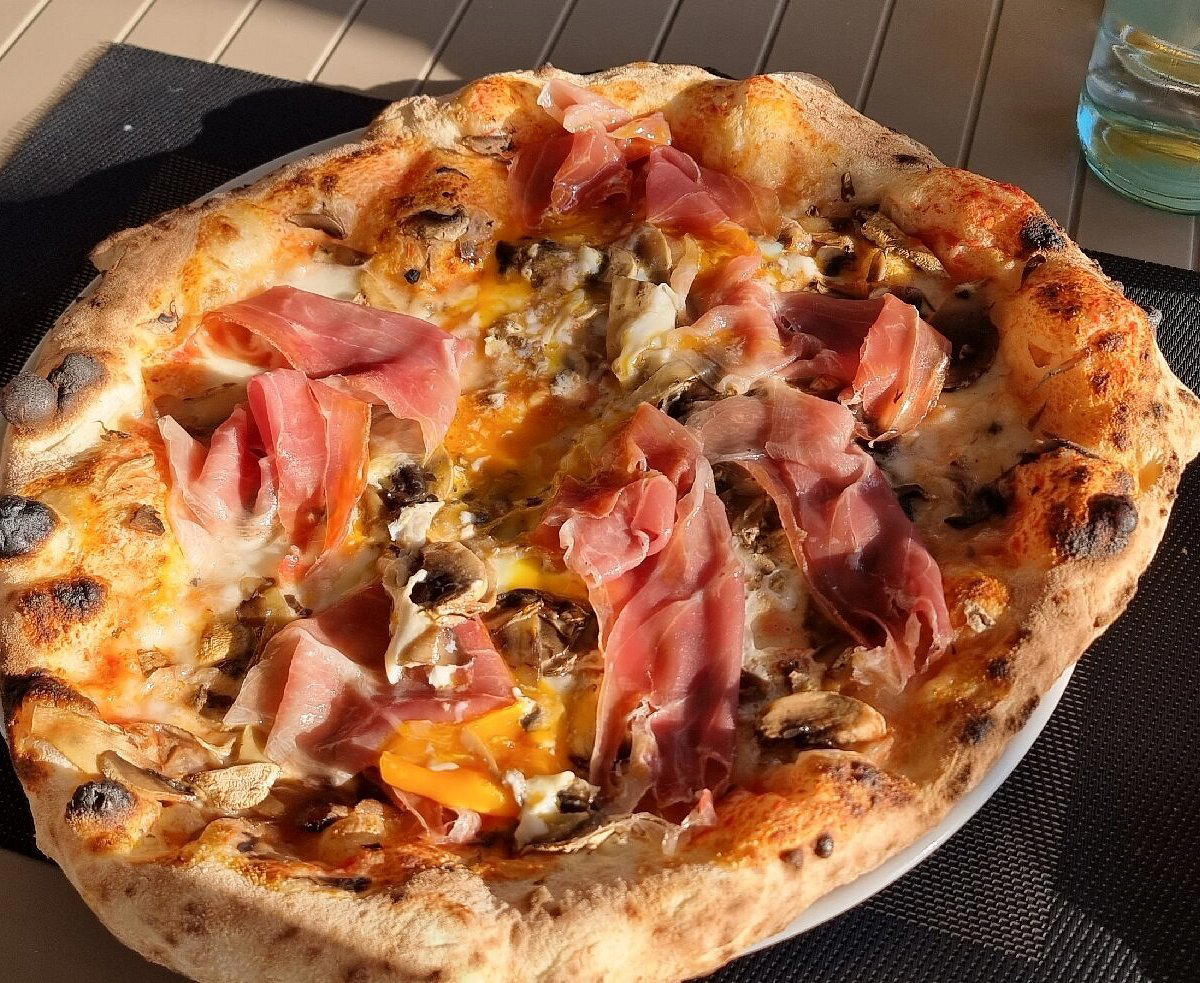
| Capital Restaurant Piceri | Albanian-Italian Pizzeria | $10–20 | 21/Dhjetori |
| Hayal Et | Turkish Grill & Steakhouse | $20–30 | Rruga Sami Frashëri |

Details
- Cozy
- Rustic
- Casual Hangout
- Family
- Standalone
- Local Sourcing
- A La Carte
- Vegetarian Friendly
- Vegan Options
Cozy and warm casual setting with friendly service and home-cooked authenticity.