Havana Central

Our verdict
Havana Central on West 46th Street has held a place on Opinionated About Dining's Cheap Eats in North America list for three consecutive years, reaching #494 in 2025. The kitchen turns out Cuban cooking in the heart of Midtown, with hours that run through late evening seven days a week.

Pearl is the En Primeur Club membership app, where members save venues, book tables and use the concierge.
Cuban Cooking in Midtown: Where Havana Central Fits the Scene
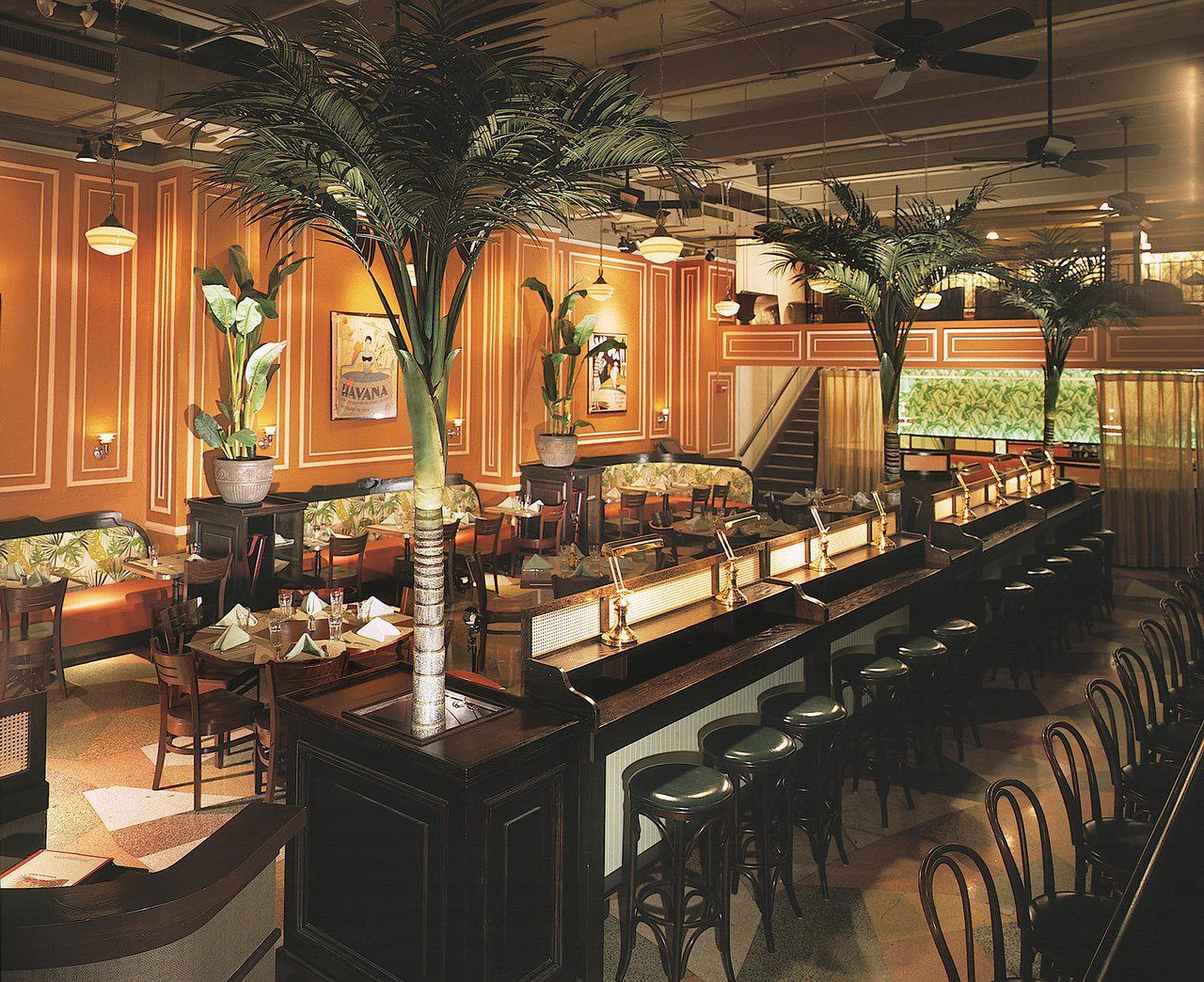
Midtown Manhattan is not, by reputation, where you go looking for regional American or immigrant cooking done with any seriousness. The blocks around West 46th Street exist primarily to service pre-theatre traffic and expense-account lunches, and the dining room formats that survive here tend toward volume over craft. Against that backdrop, Cuban food occupies a particular niche: a cuisine with deep roots in New York's Latino communities, most visibly in East Harlem and the Bronx, but one that has never fully penetrated the Midtown dining conversation the way it has in Miami or even certain pockets of Brooklyn. Havana Central, at 151 W 46th St, has held ground in that gap for long enough to accumulate a track record worth reading seriously.
The restaurant has appeared on Opinionated About Dining's Cheap Eats in North America list for three consecutive years: Recommended in 2023, ranked #501 in 2024, and climbing to #494 in 2025. OAD's Cheap Eats list is crowd-sourced from a community of serious eaters rather than professional critics, which means repeat inclusion reflects sustained quality rather than a single strong season. Chef Jeremy Marrin leads the kitchen. Within the broader context of New York's Cuban offer, that OAD trajectory places Havana Central in a different tier from the fast-casual lunch counters that dominate the cuisine's Midtown presence.
The Cuban Dining Tradition and What It Asks of a Kitchen Team
Cuban cooking in the United States has a long and complicated history. The first major wave of Cuban immigration to New York preceded the post-1959 Miami exodus by decades, and by the mid-twentieth century, Cuban restaurants were a fixture of certain Manhattan neighbourhoods. What the cuisine demands of a kitchen is less technical novelty than it is disciplined execution of a canon: ropa vieja, lechon, black beans and rice, tostones, the slow-braise logic that runs through almost every major dish. The cuisine does not reward improvisation the way that, say, Modern Korean cooking does at places like Atomix, or the way that French technique gets reinvented at Eleven Madison Park. It rewards consistency, seasoning, and the kind of institutional knowledge that comes from a team that has cooked the same dishes long enough to understand their margins.
That team dynamic is where a Cuban restaurant either earns its audience or loses it. The front-of-house role in a high-volume Midtown operation is not decorative: pacing tables against a pre-theatre crowd, managing a dining room that runs from 11:30 am through 10:30 pm on weekdays and until 11:30 pm on Saturdays, communicating the rhythm of the kitchen to a floor that may be turning covers multiple times in a single service.
New York's Cuban dining scene splits roughly into three registers. At one end sit the fast-casual operations serving lunch crowds in the garment district and Midtown side streets. At the other, in terms of critical attention, is the kind of destination Cuban cooking you find in Miami, at spots like Cafe La Trova or Chug's Diner, where the cuisine has deeper community roots and a more competitive critical environment. In New York specifically, Café Habana in Nolita occupies a different slot: a neighbourhood fixture with a younger, more casual demographic and a narrower menu focus.
Havana Central sits between those poles. The OAD Cheap Eats ranking places it in the same evaluative framework as serious value-driven restaurants across North America, not in competition with the city's Michelin-starred rooms. Those rooms, whether the seafood counter at Le Bernardin or the omakase format at Masa, operate on entirely different terms of access, price, and expectation. Havana Central's competitive set is the mid-market serious restaurant: places where the cooking is accountable to informed eaters but the format remains accessible without advance planning weeks out.
What to Order, and What the Awards Signal
The OAD recognition across three years anchors Havana Central's strongest claim: that the kitchen's output on Cuban staples is consistent enough to satisfy eaters who visit restaurants with a critical eye. What OAD Cheap Eats recognition implies, based on how that list is compiled, is that the slow-cooked proteins and rice-and-bean combinations that form the backbone of Cuban cooking are being executed at a level that registers with repeat, attentive visitors. The cuisine's canon is the menu; the kitchen's job is to do it accurately and without shortcuts.
For readers considering Havana Central specifically on the strength of its awards position: the jump from Recommended to a numbered rank, and then upward from #501 to #494, is a small but directional signal. Lists of this kind tend to be competitive enough that upward movement is not accidental.
Planning a Visit: Logistics and Timing
Havana Central runs seven days a week, opening at 11:30 am daily. Weekday closing is 10:30 pm; Saturday service extends to 11:30 pm, making it one of the few Cuban options in the area with meaningful late-evening availability. The West 46th Street address places it squarely in the Theatre District, which means the pre-show window between 5:30 and 7:30 pm will see the room at its most pressured. Visitors with flexibility should consider the lunch service or the post-8 pm window on weekdays, when pacing is likely to be more relaxed. For broader planning across Midtown and the city, EP Club maintains guides covering restaurants, bars, hotels, wineries, and experiences across New York City.
For readers using Havana Central as a reference point within a wider tour of American regional cooking, the contrast is instructive. The tasting-menu format at Alinea in Chicago or the farm-driven approach at Single Thread Farm in Healdsburg represent entirely different philosophies of what a kitchen team is trying to accomplish. The French Laundry in Napa, Providence in Los Angeles, Lazy Bear in San Francisco, and Emeril's in New Orleans each operate with different regional anchors and price expectations. Havana Central's value is in what it does within its own frame: Cuban cooking, at accessible prices, in a part of Manhattan that makes that offer genuinely useful.
Frequently asked questions
Which chef is Havana Central associated with?
The chef associated with Havana Central is Jeremy Marrin.
What kind of cuisine does Havana Central serve?
What's the best thing to order at Havana Central?
The OAD Cheap Eats recognition in 2023, 2024, and 2025 points toward the Cuban staples as the kitchen's most consistent output. Those are the dishes that earned the ranking, so ordering along classic lines, rather than any crossover additions, is where the kitchen's credentials sit. Specific current menu items are best confirmed directly at the restaurant on W 46th St.
When is Havana Central open?
Hours at Havana Central: Hours: Monday 11:30 am–10:30 pm Tuesday 11:30 am–10:30 pm Wednesday 11:30 am–10:30 pm Thursday 11:30 am–10:30 pm Friday 11:30 am–10:30 pm Saturday 11:30 am–11:30 pm Sunday 11:30 am–10:30 pm.
Where is Havana Central in New York City?
Havana Central is located at 151 W 46th St, New York, NY 10036, New York City.
Is Havana Central Michelin-listed?
Havana Central has received recognition including: Opinionated About Dining Cheap Eats in North America Ranked #494 (2025); Opinionated About Dining Cheap Eats in North America Ranked #501 (2024); Opinionated About Dining Cheap Eats in North America in Recommended (2023).
What has Havana Central built its reputation on?
Three consecutive years on Opinionated About Dining's Cheap Eats list for North America, ranked #501 in 2024 and climbing to #494 in 2025, is the clearest measure of what the kitchen has earned. In a Midtown block where serious regional cooking is rare, that consistency on Cuban staples at an accessible price point is the core of the reputation. Chef Jeremy Marrin leads the kitchen.
Budget Reality Check
A compact comparison to help you place this venue among nearby peers.
| Venue | Cuisine | Price | Awards | Notes |
|---|---|---|---|---|
| Havana CentralThis venue (the venue you are viewing) | Authentic Cuban | $50–100 | Not listed | Not listed |
| Le Bernardin | French Seafood Fine Dining | $300–500 | 3 Michelin Stars · World's 50 Best #13 | French, Seafood |
| Atomix | Modern Korean Tasting Menu | $300–500 | 2 Michelin Stars · World's 50 Best #7 | Modern Korean, Korean |
| Masa | Seasonal Hokkaido Tempura Omakase | $150–200 | Tabelog 100 #34 | Sushi, Japanese |
| Per Se | French Fine Dining Tasting Menu | $300–500 | 3 Michelin Stars · World's 50 Best #40 | French, Contemporary |
| Eleven Madison Park | Contemporary Plant-Based Fine Dining | $300–500 | 3 Michelin Stars · World's 50 Best #4 | French, Vegan |
Recognition history
Dated appearances from independent guides and award organizations, with the underlying list record or original source where available.
Opinionated About Dining Cheap Eats in North America Ranked #494
Opinionated About Dining
Full recognition history (3 entries)
Opinionated About Dining Cheap Eats in North America Ranked #501
Opinionated About Dining
Opinionated About Dining Cheap Eats in North America in Recommended
Opinionated About Dining