
Tabelog Bronze #99
Our verdict
Hashimotoya puts Osaka’s low-cost curry culture into a tighter, award-noted frame: soup curry, a 16-seat room, and a weekday lunch rhythm in Minamisenba. Its Tabelog Bronze recognition and 4.07 score place it above the city’s usual quick curry stop, while the JPY 1,000–1,999 lunch bracket keeps the experience grounded in Osaka’s everyday dining economy.

Pearl is the En Primeur Club membership app, where members save venues, book tables and use the concierge.
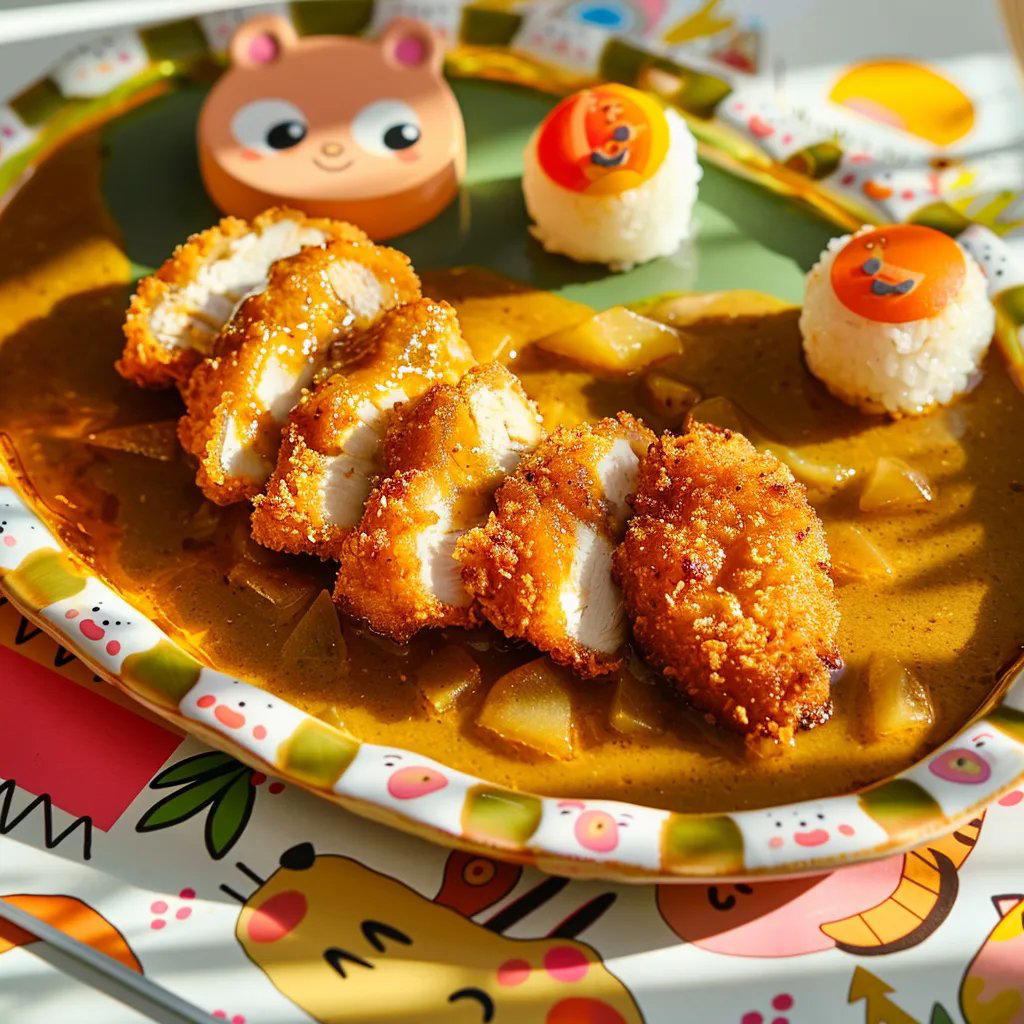
Minamisenba does not announce lunch with ceremony. The district sits between office blocks, small retail frontage, and the steady churn around Nagahoribashi, where a good meal often has to work inside a narrow window. That context matters for Hashimotoya: the room is compact, the format is direct, and the food belongs to a Japanese curry tradition that rewards concentration over spectacle.
Osaka is usually read through takoyaki, okonomiyaki, kushikatsu, and late-night drinking rooms, but curry has its own serious audience here. The city’s curry culture is less about a single canonical style than about variation: roux-based plates, spice-led counters, and soup curry formats that borrow from Hokkaido’s brothier vocabulary while adapting to local lunch habits. Hashimotoya sits in that last lane, where the base matters as much as the garnish and where sourcing is judged through clarity, aroma, and the way vegetables, stock, and spice hold together rather than through luxury ingredients.
Soup curry treated as a disciplined Osaka lunch
Soup curry can be misunderstood by travelers who expect the density of Japanese curry rice. The point is different. A lighter broth format gives more room to ingredient definition: sweetness from vegetables, spice structure, and the clean separation of rice from liquid. In a city where lunch value is fiercely policed, that makes the category demanding. A bowl has to feel complete without leaning on size alone.
The award signal is unusually strong for this tier. Hashimotoya is a Tabelog Award 2026 Bronze winner with a 4.07 score, and its listed category is curry and soup curry. That combination says more than a generic popularity badge. Tabelog’s higher-scoring casual rooms often reflect repeat local judgment, especially in Japan’s budget categories where diners compare dozens of small specialists rather than a handful of formal tasting counters.
The economics sharpen the point. A lunch spend of JPY 1,000–1,999 places the restaurant closer to Osaka’s daily-use specialist culture than to destination fine dining. Against comparison rooms in the city, Restaurant Genchan and Tonkatsu Koshirou sit in higher lunch brackets, while Shigeki Ya occupies a lower one. Hashimotoya works in the middle ground where a precise bowl can carry the weight of a planned detour without asking the diner to turn lunch into an event.
That middle ground is also where ingredient sourcing becomes visible. Soup curry does not hide weak stock or tired vegetables easily; the broth format exposes structure. The appeal here is not a chef’s biography or a dramatic menu narrative, but the discipline of a short-service curry room where the kitchen has little margin for wasted motion. In Osaka, that can be as persuasive as a long tasting menu.
Minamisenba's small-room dining logic
The 16-seat scale, split between counter seating and tables, places the room inside a familiar Japanese urban pattern: small restaurants that depend on turnover, regulars, and a narrow operating rhythm. Counter seats matter in this category because they compress the distance between preparation and eating. For solo diners, that format is practical rather than theatrical; for visitors, it makes the meal legible without needing a long explanation.
Minamisenba is useful terrain for this kind of lunch. It is close enough to Shinsaibashi’s commercial pull to attract diners moving through central Osaka, but it avoids the feel of a restaurant district built only for visitors. That is why the comparison set should not be limited to curry. Osaka’s strongest casual eating often spans formats: the quick public familiarity of 551 Horai (551蓬莱), bakery discipline at 52CHO-ME BAKERY, espresso-and-snack pacing at .cafe, and independent Italian rooms such as a canto (Italian) or 99 Pizza Napoletana Gourmet. The common thread is not cuisine; it is the city’s tolerance for tight formats when the core product is clear.
For travelers building a food day around central Osaka, the useful move is to read Hashimotoya as a daytime specialist rather than a flexible all-purpose restaurant. It suits diners who want a focused lunch before moving toward shopping, coffee, or bars, not groups looking for a long, leisurely table. The room is non-smoking, private rooms are not part of the format, and the scale favors small parties. School-age children are welcome, which broadens the use case, but this remains a compact curry room rather than a family restaurant in the broad suburban sense.
How to place it in an Osaka itinerary
Hashimotoya is strongest as a precise central-Osaka lunch stop: low spend, recognized quality, and a narrow soup-curry focus. That combination gives it a different role from izakaya dining at Shokudo Tanoshi or broader all-day hotel-adjacent formats such as Ampere Coffee & Kitchen. It is closer in spirit to Japan’s small specialist counters, where a single category is refined until the room becomes part of the city’s food map.
Readers comparing Osaka with other Japanese and transpacific casual dining scenes can use it as a reference point. Curry specialists such as [Curry Senmon Ten] Maruyama Kyoju. in Sapporo show how regional curry identities differ; [ki:] in Kyoto.know in Kumamoto, and (Shoku) Vietnam in Kawasaki point to other ways small Japanese rooms organize flavor around focused categories. Beyond Japan, Jōdo Saké Bar in Los Angeles and Onigiri Time in Pasadena show how Japanese formats are translated abroad, often with more explanation and less urban compression.
For a wider plan, use our full Osaka restaurants guide to place lunch alongside dinner, our full Osaka bars guide for the evening, and our full Osaka hotels guide for neighborhood logistics. The broader city file also includes our full Osaka experiences guide and our full Osaka wineries guide. For contrast outside Osaka, specialist Japanese dining takes different forms at -Grilled beef Sukiyaki- KAMAKURA TANUKIAN 鎌倉 たぬき庵 in Kamakura and. 鮪と炭火焼き うお炭 秋葉原店 in Tokyo.
The editorial read is simple: in a city that often turns casual food into civic identity, this is a curry room with enough recognition to justify planning around its narrow window, yet enough price discipline to remain part of everyday Osaka rather than a trophy meal.
Frequently asked questions
Is Hashimotoya suitable for children?
Yes. the public record says children are welcome, with school-age children specifically accepted. Its 16-seat room in Minamisenba and lunch service make it workable for a family stop in Osaka. Check the venue's official channels for the latest details.
What's the overall feel of Hashimotoya?
It is a small, lunch-led room with 16 seats, including 6 counter seats and 10 table seats. The setup is compact and practical rather than formal, and the non-smoking policy keeps the room straightforward.
What days is Hashimotoya closed?
Hours at Hashimotoya: Mon, Tue, Wed, Thu 11:45 - 13:30.
Where do I go for Hashimotoya?
Hashimotoya is located in Osaka.
What do critics highlight about Hashimotoya?
The clearest external signal is the Tabelog Award 2026 Bronze, alongside a score of 4.07. Critics also mark it as a focused curry and soup curry address in Osaka, with lunch priced at JPY 1,000–JPY 1,999.
Can Hashimotoya accommodate dietary restrictions?
Those details are not published. It does note that it is non-smoking and that soup is served until sold out, so diners with specific needs should plan around a limited lunch-only service in Osaka. Check the venue's official channels for the latest details.
Fast Comparison
Nearby venues at a similar price tier for orientation.
| Venue | Cuisine | Price | Awards | Notes |
|---|---|---|---|---|
| HashimotoyaThis venue (the venue you are viewing) | Spice Curry | $10–20 | Tabelog Bronze #99 | Not listed |
| Ramen Chonmage Osaka Tenroku | Japanese Ramen | $10–20 | Not listed | Tenjinbashi |
| Osake to Gohan Taku | Tuna-focused Japanese Izakaya | $20–30 | Tabelog 100 #59 | Kita |
| Kyoto Menya Takei Hankyuu umeda ten | Tsukemen & Ramen | $10–20 | Tabelog 100 #42 | Kita |
| Awagen | Japanese Confectionery | $10–20 | Tabelog 100 #97 | Sumiyoshi |
| Ikemen Tomikura | Creative Udon & Tempura | $10–20 | Tabelog 100 #30 | Shijonawate |
Recognition history
Dated appearances from independent guides and award organizations, with the underlying list record or original source where available.
Tabelog Bronze #99
Tabelog
Full recognition history (2 entries)
Tabelog Bronze
Tabelog
Continue exploring
More in Osaka
Restaurants in Osaka
All restaurants in Osaka →


Bars in Osaka
All bars in Osaka →
Hotels in Osaka
All hotels in Osaka →

Wineries in Osaka
Browse all →
Details
- Intimate
- Cozy
- Elegant
- Solo
- Casual Hangout
- Open Kitchen
- Local Sourcing
- A La Carte
- Counter Dining
- Allergy Accommodating
Current opening hours
- Monday
- 11:45 AM–1 PM
- Tuesday
- 11:45 AM–1 PM
- Wednesday
- 11:45 AM–1 PM
- Thursday
- 11:45 AM–1 PM
- Friday
- Closed
- Saturday
- Closed
- Sunday
- Closed
Hours can change for holidays and private events. Hours as of .
Dimly lit bar-like interior with a calm, sophisticated atmosphere; the aroma of freshly ground spices fills the space when the clay pot is opened.