Our verdict
Harper Woolf occupies a measured position in Riga's emerging fine-dining corridor along Jēkaba iela, where the city's appetite for serious, European-influenced cooking continues to sharpen. Sparse on promotional noise, the address rewards those who pay attention to Riga's quieter culinary signals. For context on the wider scene, our full Riga restaurants guide maps the territory.

Pearl is the En Primeur Club membership app — saves, bookings, and concierge access live there. Same editors, same standards.
- Address
- Jēkaba iela 24, Centra rajons, Rīga, LV-1050, Latvia
- Phone
- +371 20 699 990
- Hours
- Daily 12–10 PM
- Website
- harperwoolf.eu
- Directions
- Get directions
- Booking
- Book on SevenRooms
The menu
What to order
- Dutch croquettes
- Goat cheese espuma
- Marinated oyster mushrooms
Jēkaba iela and the Quiet Register of Riga's Dining Scene
There is a particular quality to the streets running through Riga's Centra rajons in the hours before dinner service. The cobblestones along Jēkaba iela carry a stillness that the Old Town's tourist arteries do not, and it is in precisely this register that a certain tier of Riga restaurant has chosen to operate. These are addresses that do not announce themselves through window graphics or pavement boards. They function through reservation lists, word of mouth, and the slow accumulation of a local reputation that precedes any formal critical verdict.
Harper Woolf, at Jēkaba iela 24, belongs to this category. Its address places it inside a corridor that has quietly become significant for the city's more considered dining options, away from the louder hospitality economy of the central market district and the tourist-facing restaurants along Kalķu and Meistaru. In a city where the premium restaurant tier is still consolidating — contracting around a smaller number of serious kitchens — location choices like this one carry intent.
Where Riga's Fine-Dining Tier Currently Sits
Latvia's restaurant culture has undergone a compression and refinement over the past decade. The middle tier, once thick with generic European bistros, has thinned. JOHN Chef's Hall and Max Cekot Kitchen represent the most visible points of that upper tier, both operating at the €€€€ price level and both drawing on creative, modern cuisine frameworks. 3 Chefs and 3 pavaru restorans occupy overlapping territory, as does Alaverdi, which draws from a distinct culinary tradition. Harper Woolf enters this field at a moment when the consolidation is still active and the competitive positions within it are not yet fully settled.
That context matters because it shapes what a Riga address at this level is actually competing for: a small, repeat-visit clientele of Latvian professionals, Baltic business travellers, and a growing stream of European visitors who arrive with enough culinary reference points to read the room correctly. The restaurants that have secured ground in this tier have done so through consistency and a clearly legible dining identity, not through scale.
The Sensory Conditions of Dining on Jēkaba
Streets of this character in the Centra rajons tend to produce a specific atmospheric set: compressed building frontages, natural stone underfoot, limited ambient noise, and the kind of diffused northern light that makes interiors feel intentional rather than incidental. Restaurants operating here work with those conditions rather than against them.
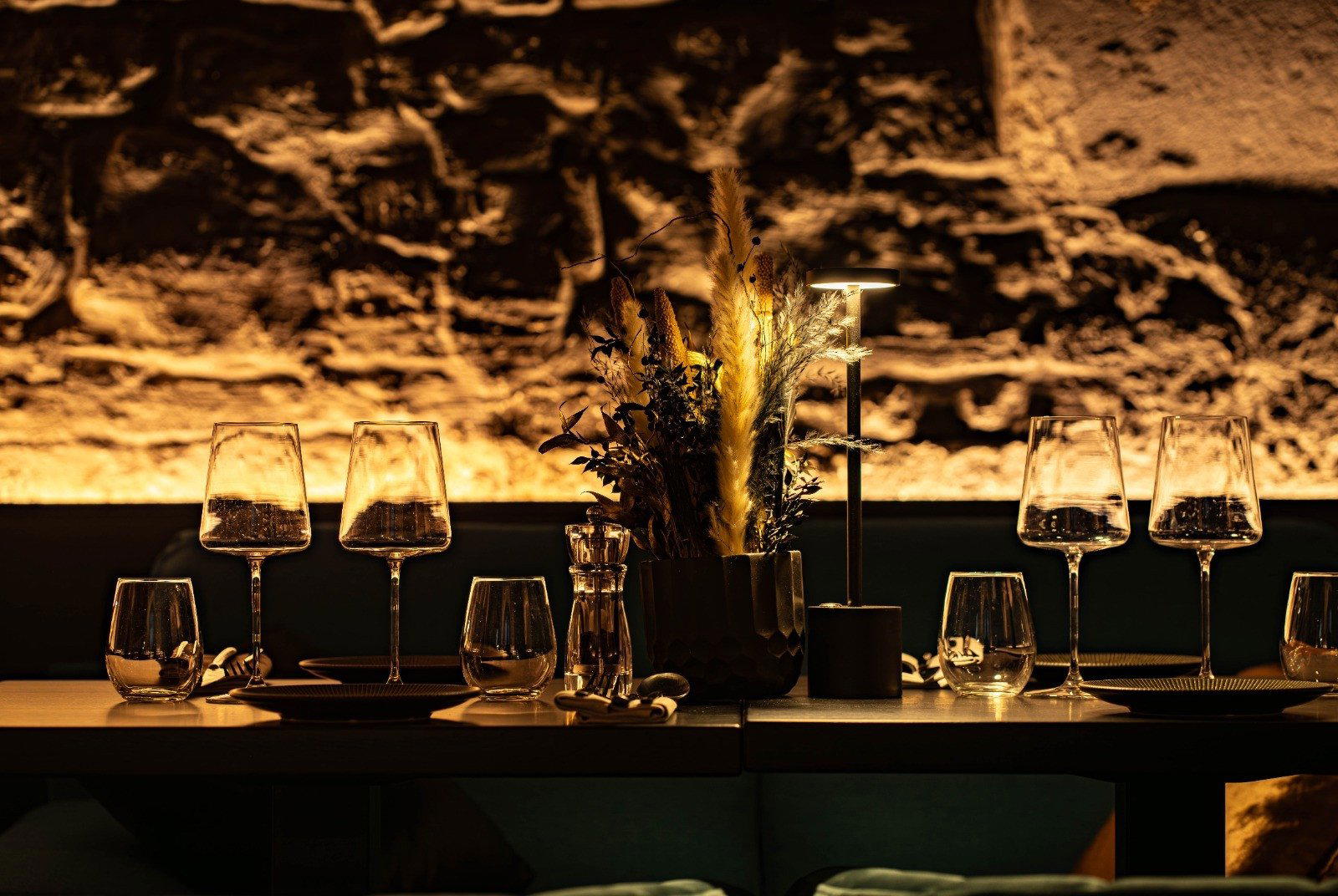
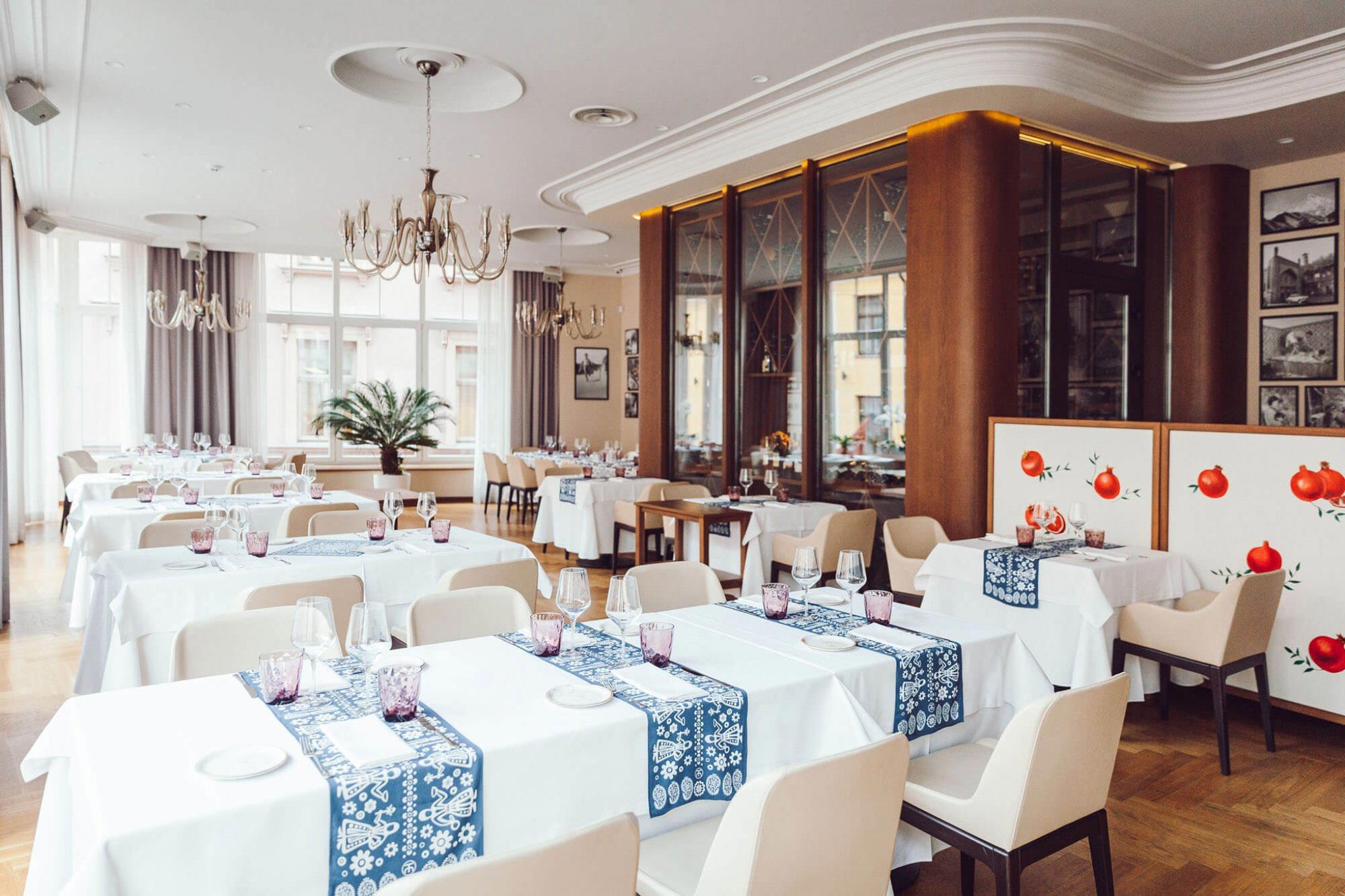
Inside, the dominant sensory register of serious Riga kitchens in this bracket tends toward restraint: materials that age well, acoustics calibrated for conversation, and kitchen visibility that signals confidence rather than spectacle. Whether Harper Woolf follows this architectural grammar precisely is not verifiable from public record at this stage, but the address and positioning are consistent with a kitchen that has made deliberate choices about atmosphere as part of its dining proposition.
The wider Latvia dining scene provides useful comparative context. Beyond Riga, serious kitchens have taken root in smaller cities and towns: Goldingen Room in Kuldiga, Laivas in Jurmala, Kest in Cēsis, and Nurmuiža Restaurant in Lauciene are among the addresses that have shifted the country's dining geography beyond the capital. Ahh-meat in Valmiera, Piano in Liepaja, Pavāru māja in Līgatne, Albatross in Engure, and ZOLTNERS in Tērvete each represent the regional spread of this ambition. Riga remains the gravitational centre, but the capital's restaurants now compete against a wider national reference field than they did five years ago.
Reading the Address as a Signal
In cities with a developing fine-dining tier, address choice functions as a form of positioning statement before a single dish is served. Jēkaba iela 24 is a specific choice: close enough to the Old Town core to capture destination diners, far enough from its loudest concentrations to operate with a different atmosphere. This mirrors a pattern visible in other mid-sized European capitals where the restaurants that have achieved critical traction in the past decade have consistently chosen quieter adjacency over central visibility.
The reference set extends internationally. Kitchens like Le Bernardin in New York City and Atomix in New York City demonstrate what sustained commitment to a positioning looks like over time; Emeril's in New Orleans offers a different model, built on identity as much as technical output. Riga's emerging kitchens are at an earlier stage of that arc, but the structural conditions, a growing international visitor base, a more financially confident local professional class, and increasing Baltic media attention to food culture, are present.
Practical Notes for Planning a Visit
Harper Woolf is located at Jēkaba iela 24 in Riga's Centra rajons, within walking distance of the Old Town's main landmarks and accessible from the central hotel cluster without requiring transport. For a broader orientation to what Riga's restaurant scene currently offers across price tiers and cuisine types, the full Riga restaurants guide provides comparative context across the city's main dining addresses.
Frequently asked questions
Where exactly is Harper Woolf?
Harper Woolf is located at Jēkaba iela 24, Centra rajons, Rīga, LV-1050, Latvia, Riga.
Where exactly is Harper Woolf located in Riga, and how close is it to the Old Town?
Harper Woolf sits at Jēkaba iela 24 in Riga's Centra rajons, a street that runs along the edge of the historic core and is reachable on foot from the Old Town's main landmarks in a matter of minutes. The location places it within the compact zone where Riga's more considered dining addresses have been consolidating over the past decade.
What dish is Harper Woolf famous for?
The address at Jēkaba iela 24 places it within Riga's Centra rajons, a district where kitchen identity tends to reflect the city's broader shift toward refined, locally grounded cooking.
How hard is it to get a table at Harper Woolf?
Riga's Centra rajons has a finite number of serious dining addresses, and restaurants in this part of the city, particularly those on Jēkaba iela near the Old Town, can fill quickly on weekends. Contacting the venue directly to check availability is advisable before planning around it.
What do critics highlight about Harper Woolf?
No published critical reviews are currently indexed for Harper Woolf. Within Riga's developing fine-dining tier, address and positioning carry weight before the room is assessed, and Jēkaba iela 24 is a deliberate choice in a part of the city that draws attention from both local and visiting diners.
Is Harper Woolf allergy-friendly?
Dietary and allergen policies for Harper Woolf are published details are limited. The practical approach is to contact the venue before booking, as most restaurants operating in Riga's Centra rajons at this tier accommodate specific requirements when given advance notice. Check the venue's official channels for the latest details.
Peers in This Market
Comparable venues nearby, for context on price, style, and recognition.
| Venue | Cuisine | Price | Notes |
|---|---|---|---|
| Harper WoolfThis venue — the venue you are viewing | Modern Fusion with Latvian Influences | $30–50 | Not listed |
| Gastronome | Seafood Grill Bar | Not listed | Centrs |
| Three | Modern Latvian Fine Dining | Not listed | Vecpilsēta |
| Biblioteka Number One | Modern Latvian | $50–100 | Centrs |
| Mamma Mia Mediterranean Restaurant | Authentic Italian-Mediterranean | $20–30 | Centrs |
| KITSCHen | Modern European with Local Flavors | $20–30 | Centrs |
Details
- Cozy
- Elegant
- Sophisticated
- Modern
- Date Night
- Special Occasion
- Group Dining
- Hotel Restaurant
- Open Kitchen
- Craft Cocktails
- Local Sourcing
- Sustainable
- Small Plates
- A La Carte
- Vegan Options
Current opening hours
- Monday
- 12–10 PM
- Tuesday
- 12–10 PM
- Wednesday
- 12–10 PM
- Thursday
- 12–10 PM
- Friday
- 12–10 PM
- Saturday
- 12–10 PM
- Sunday
- 12–10 PM
Hours can change for holidays and private events. Last verified .
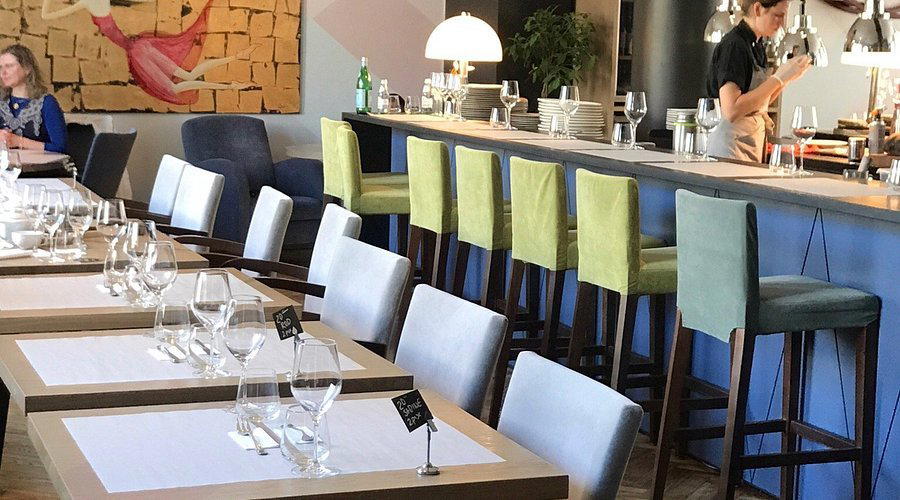
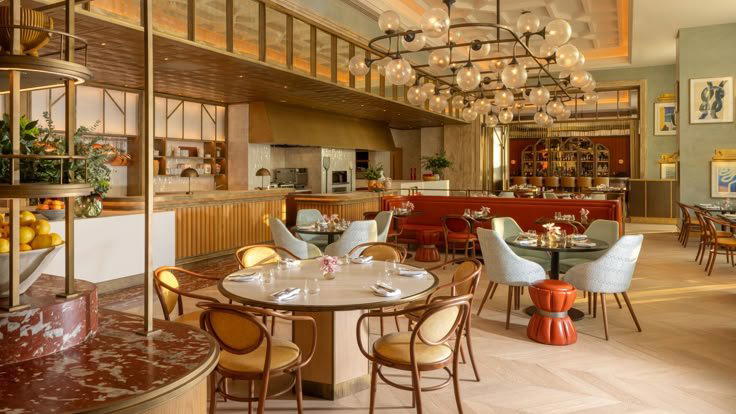
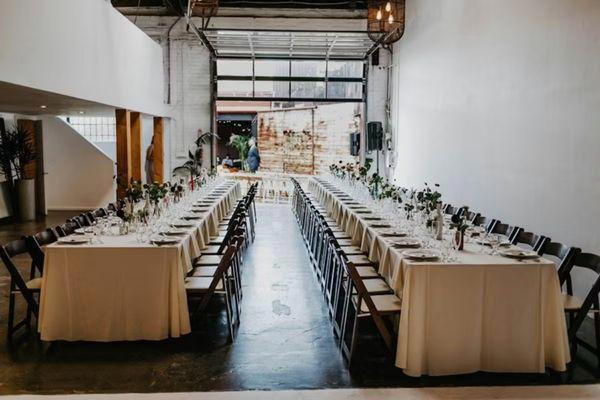
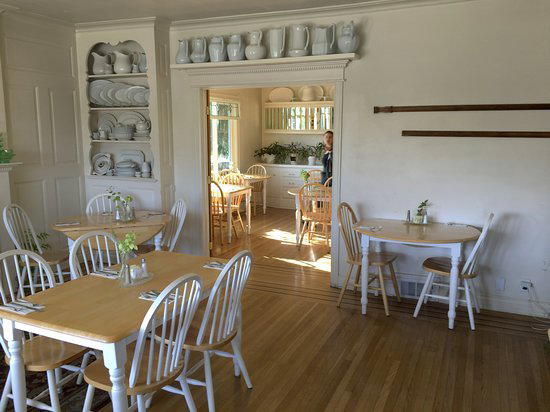
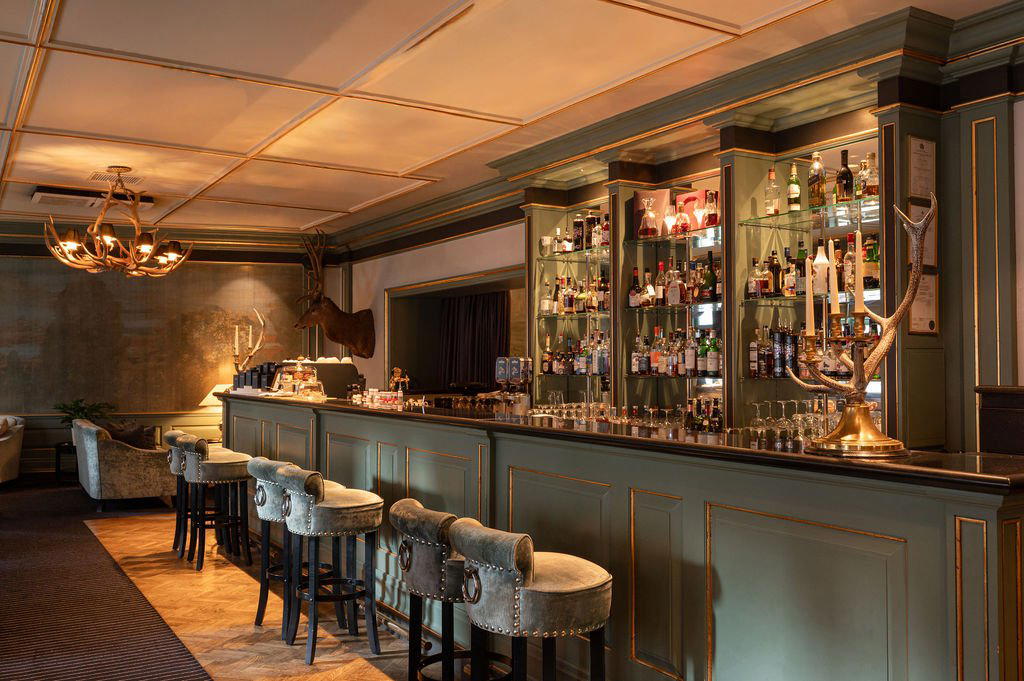
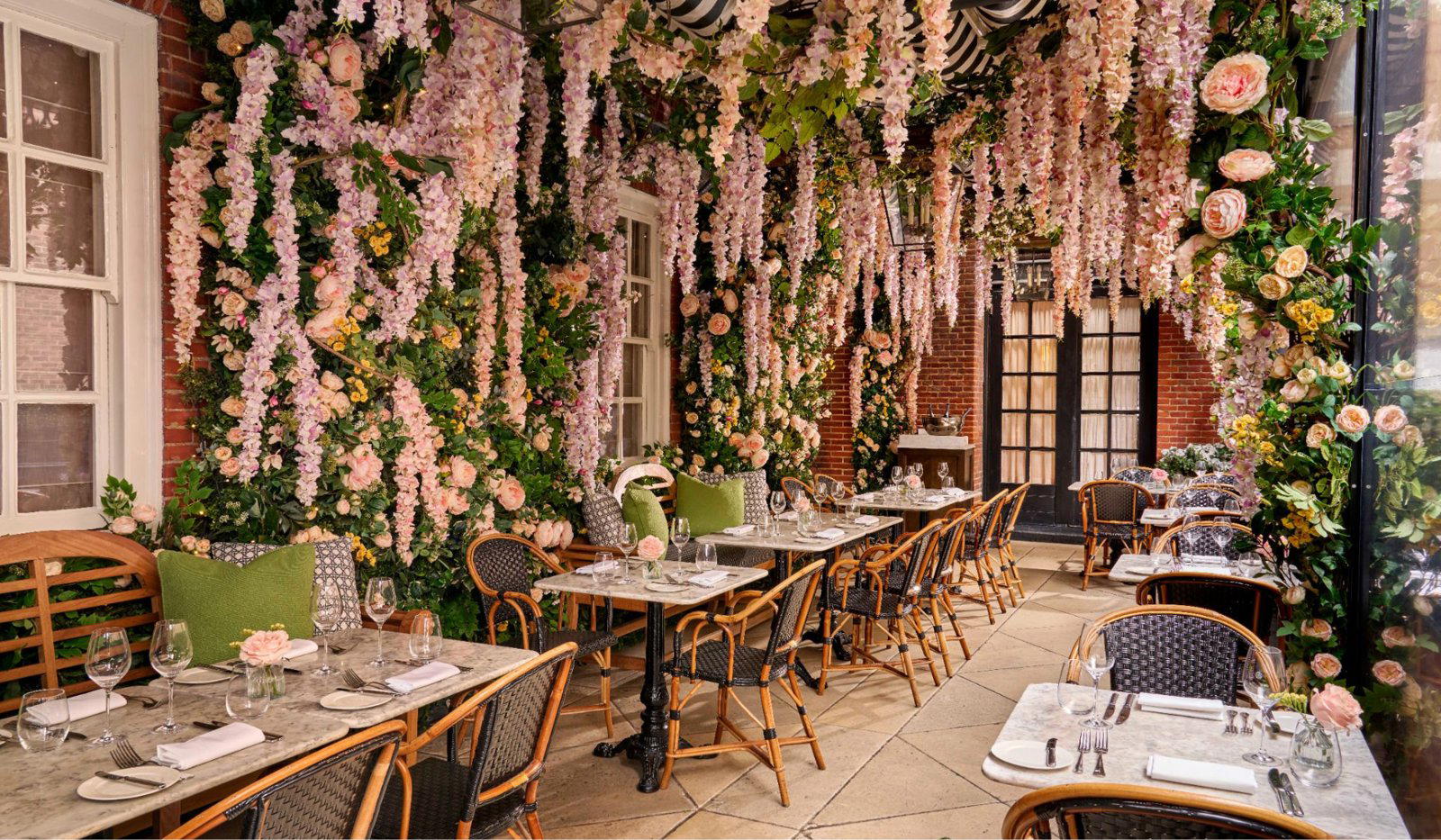
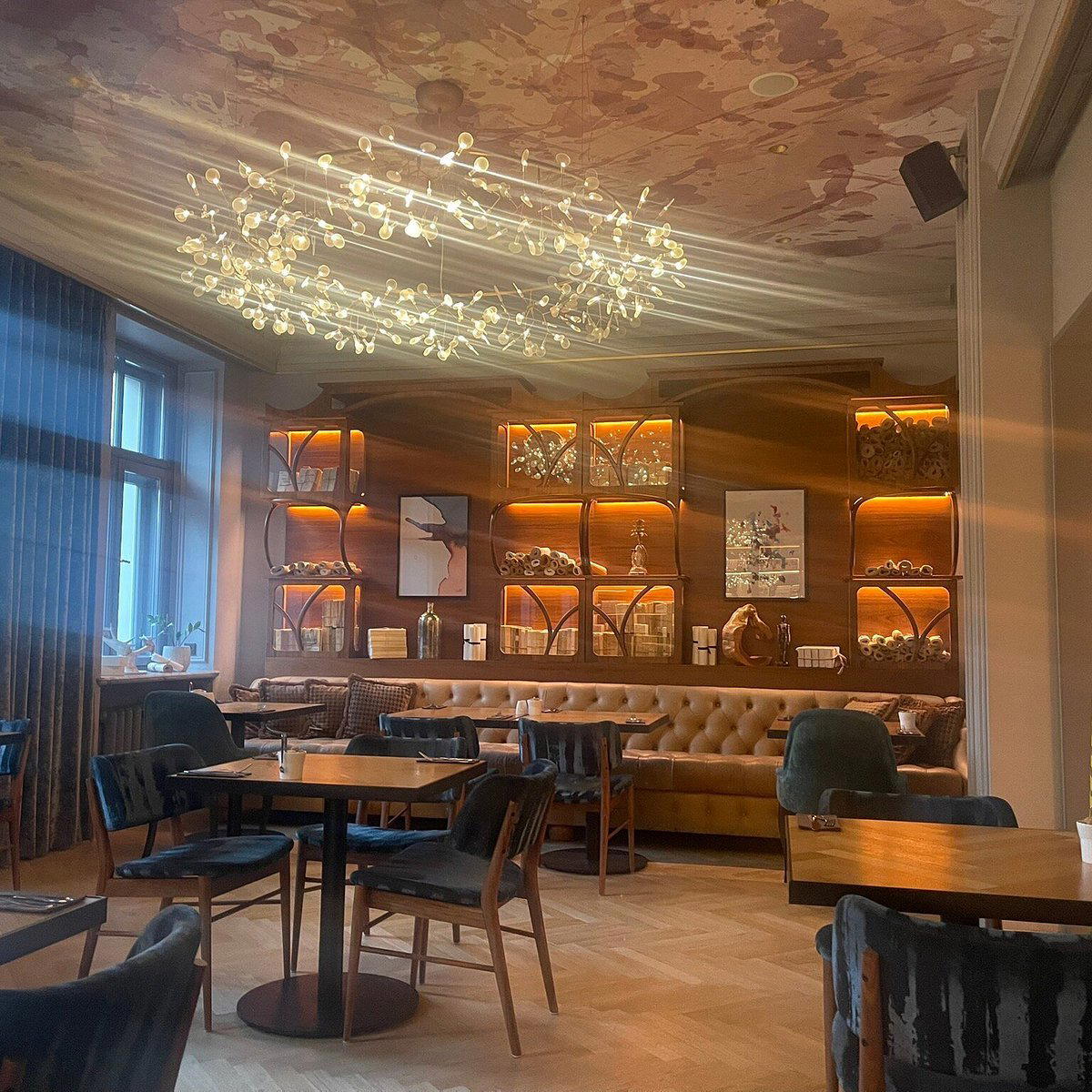
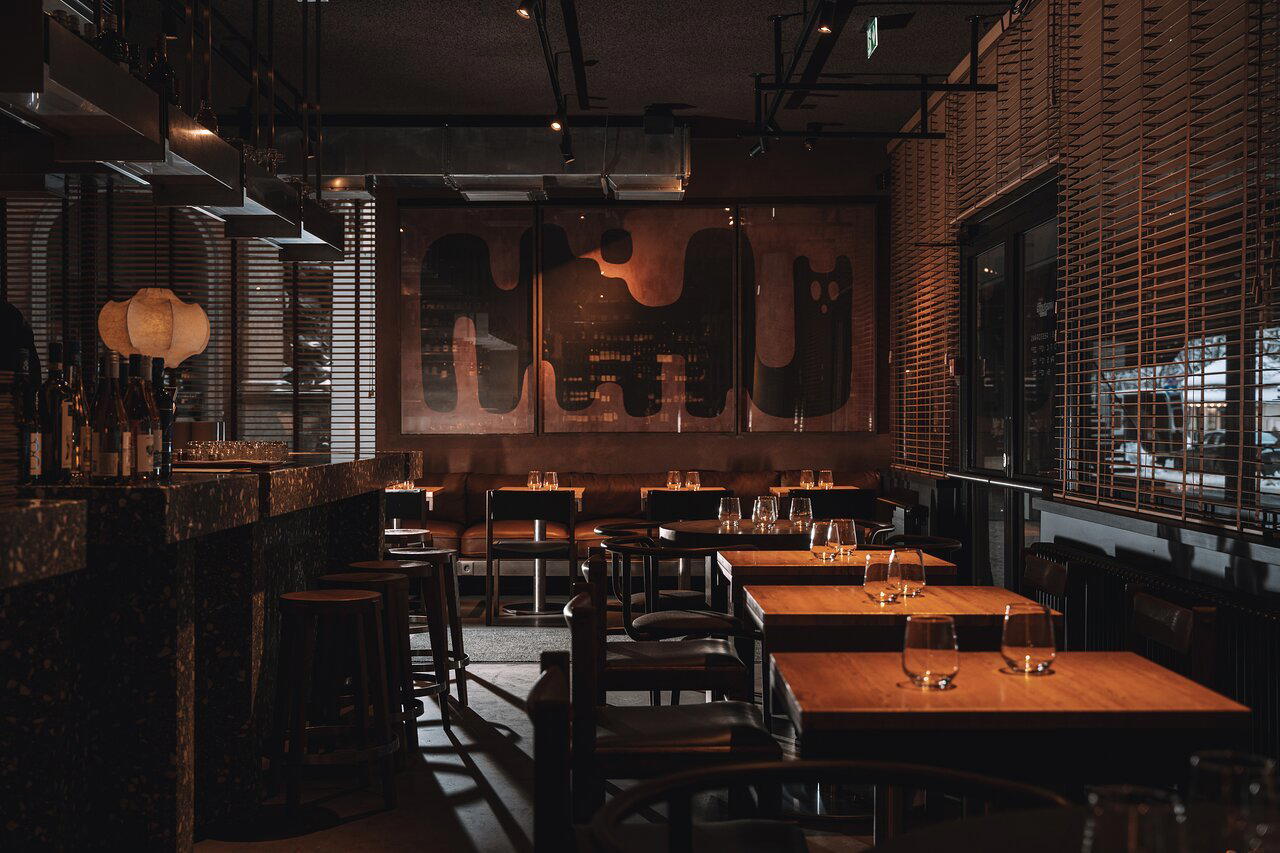
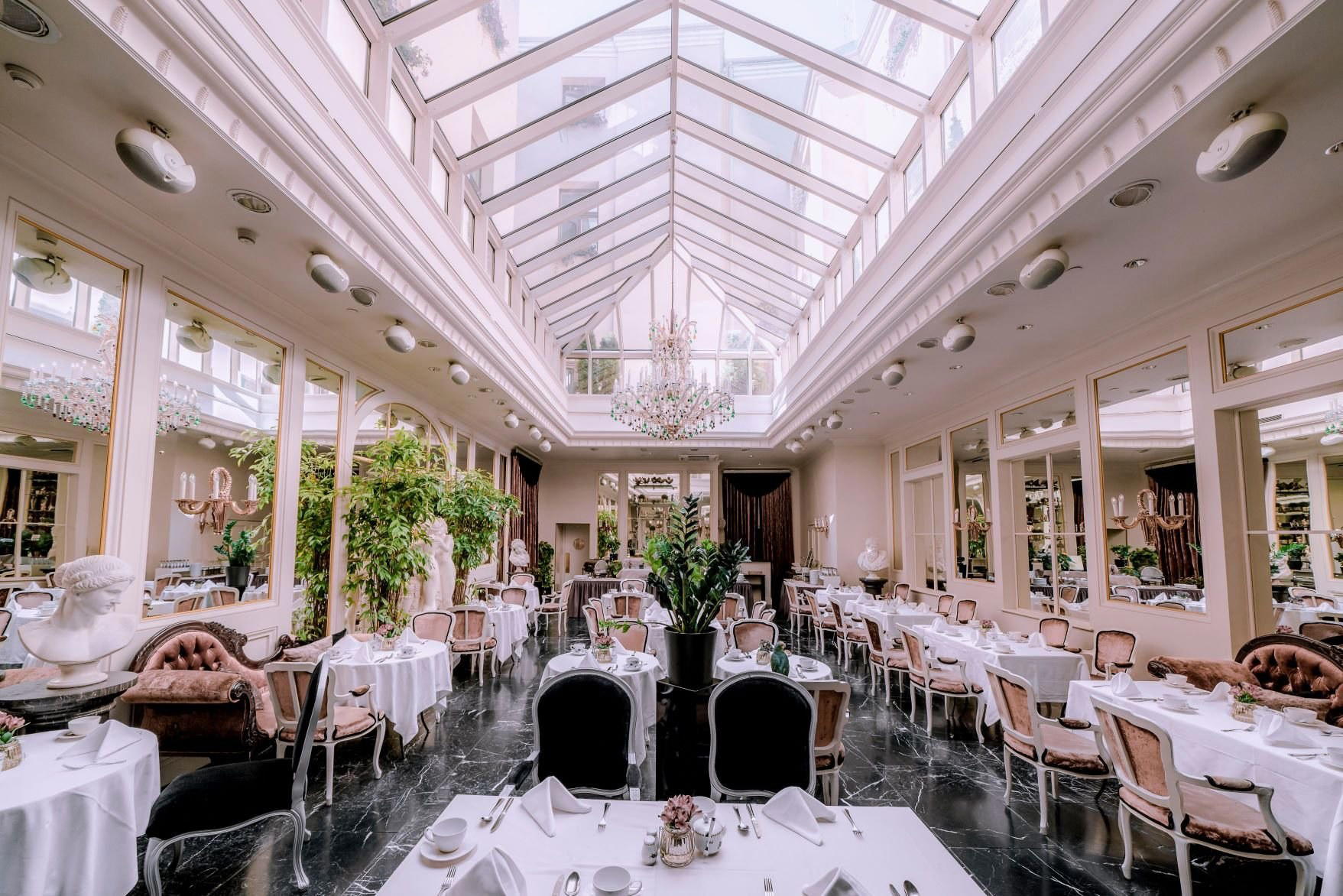
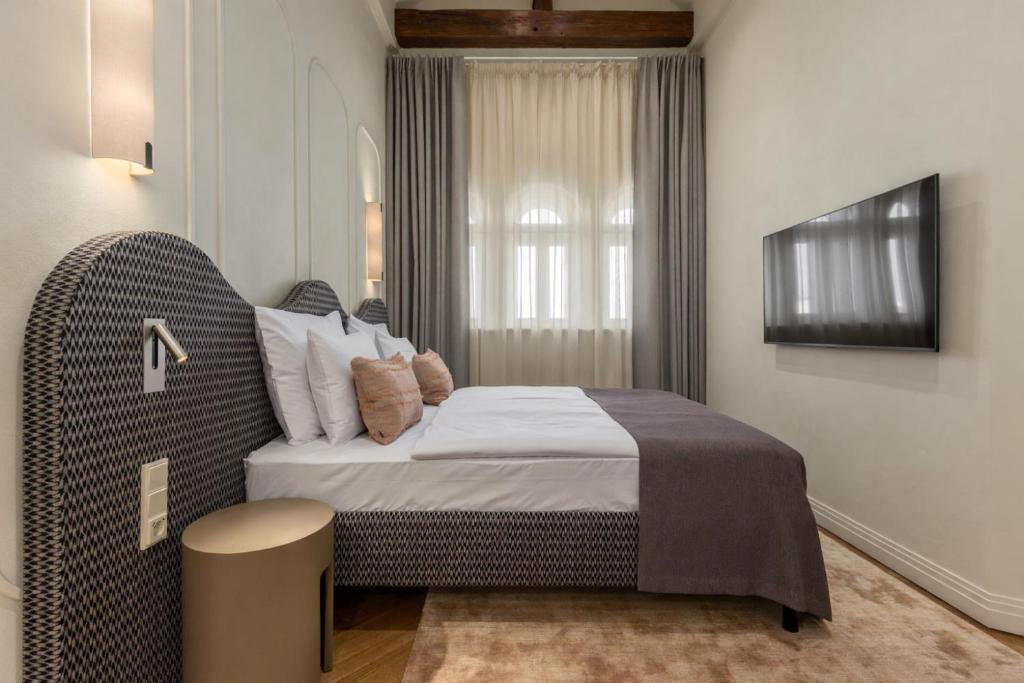
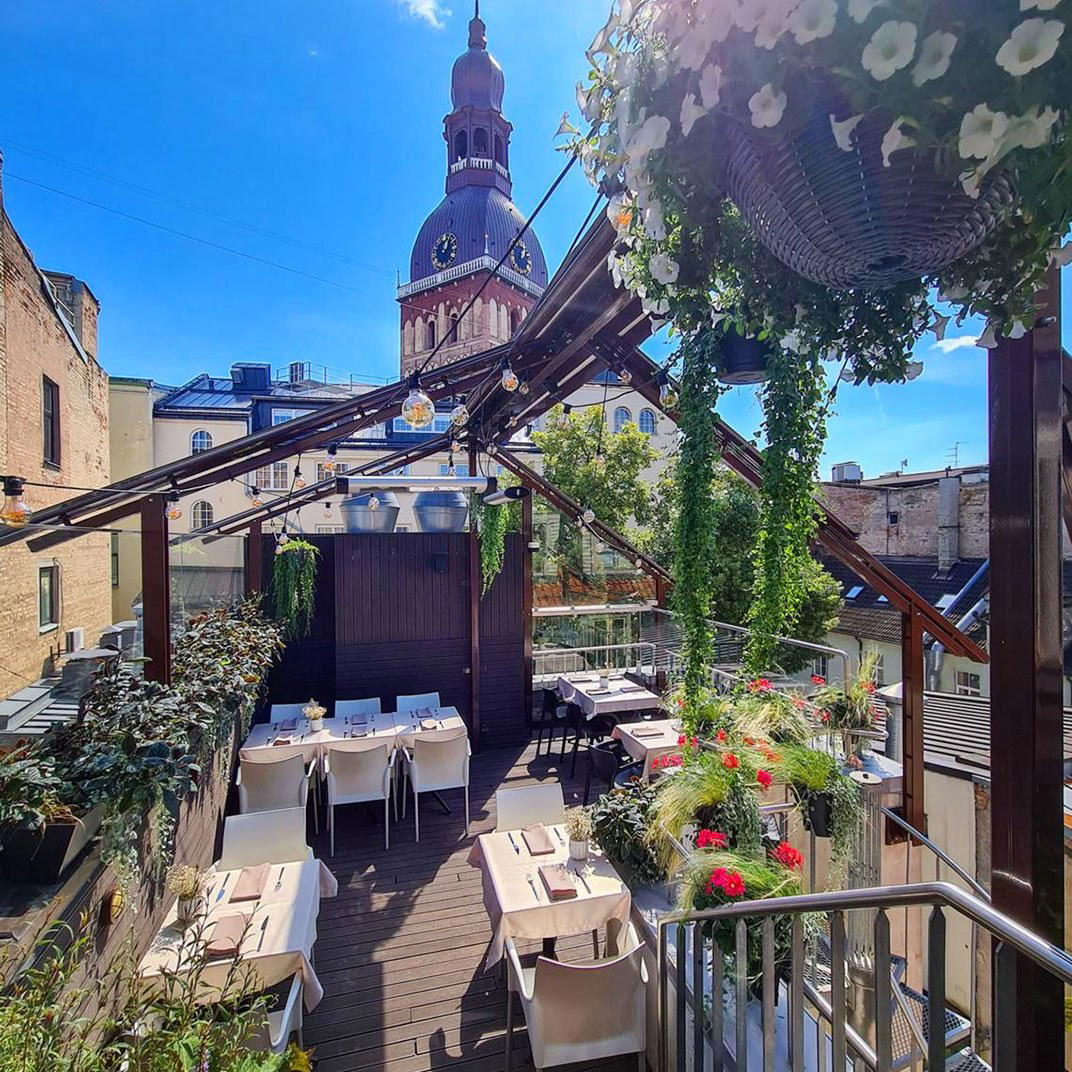
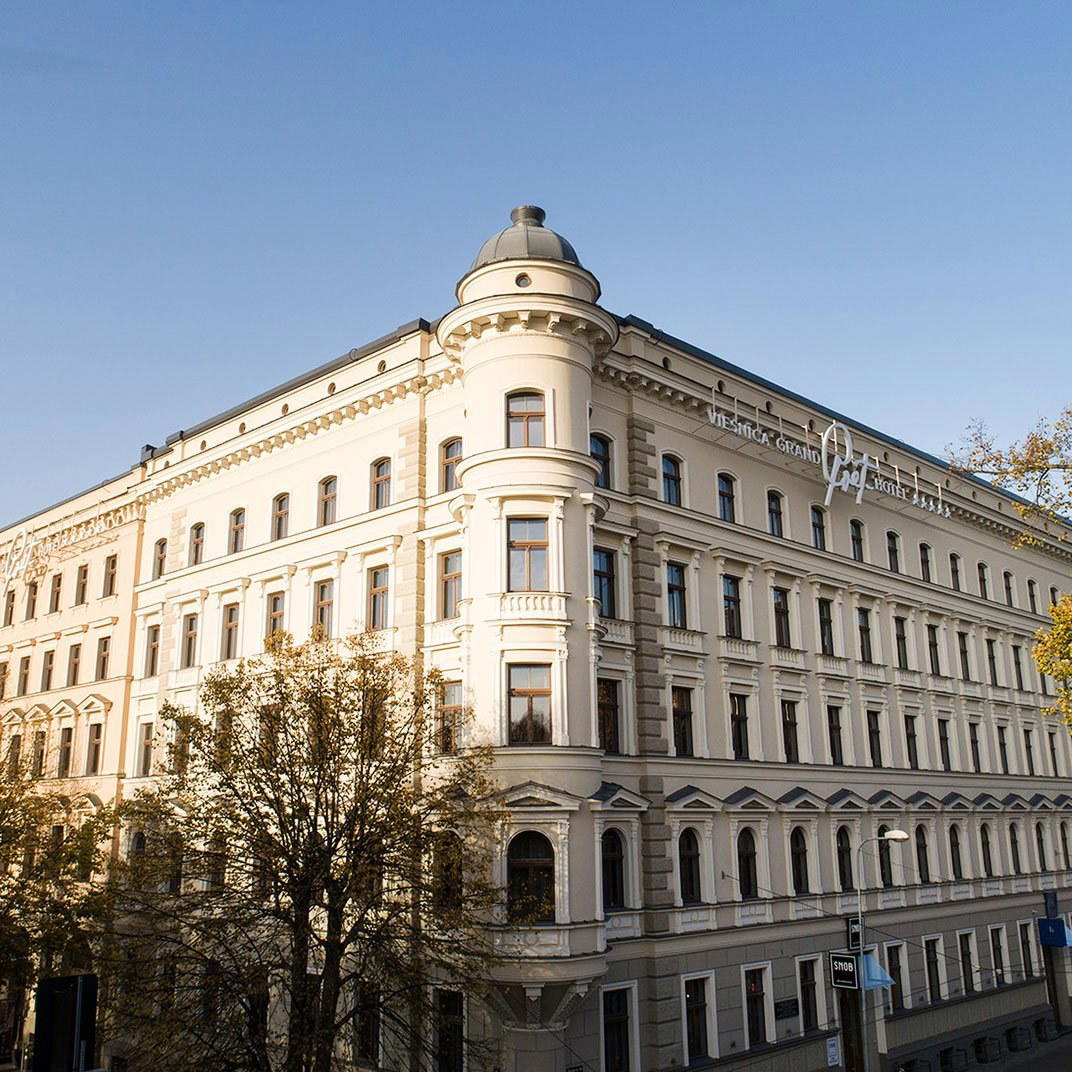
Warm, communal atmosphere blending timeless and contemporary design with sophisticated, inviting elegance.