Our verdict
This listing is retired after a June 2026 status audit found the place inactive at its stored address.
- Address
- Kaleju street 3, Riga, LV-1050, Latvia
- Phone
- +37126660060
- Website
- restaurant3.lv
- Directions
- Get directions
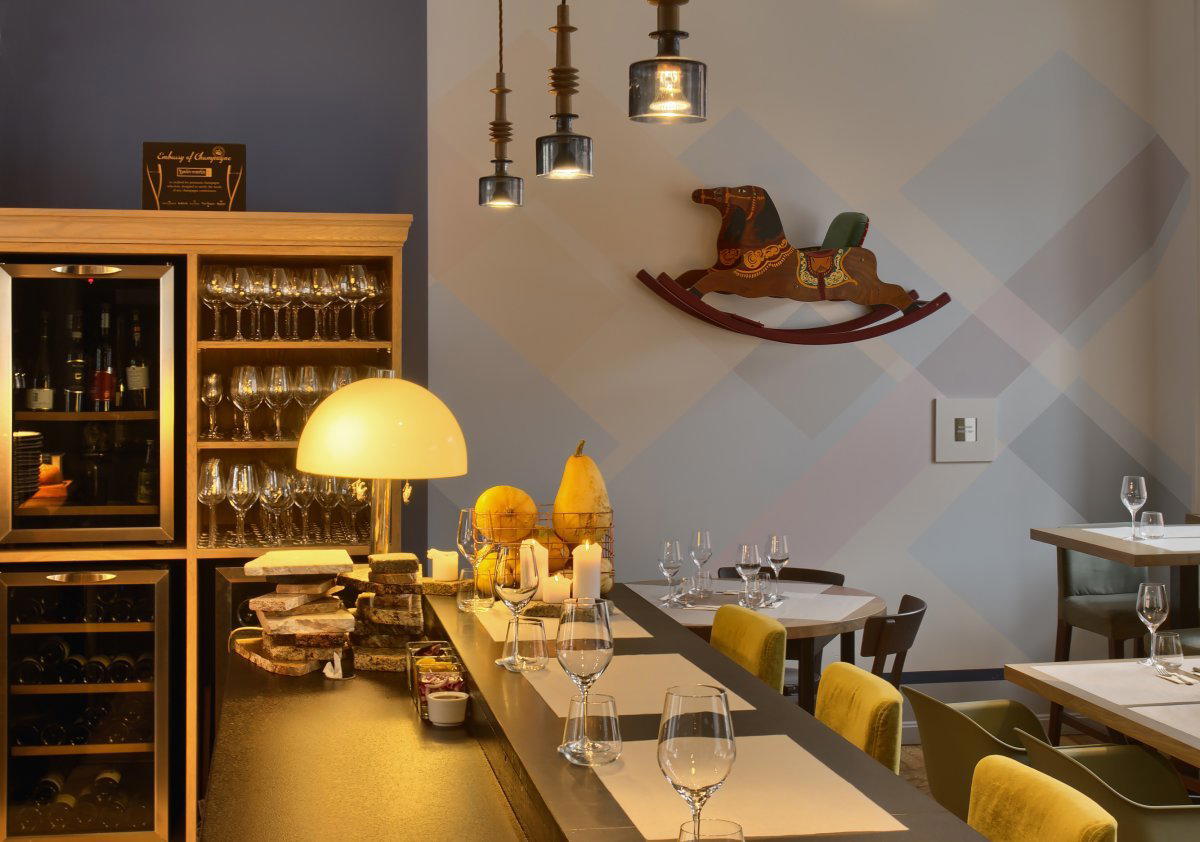
Kaleju Street and the Logic of Old Town Dining
Riga's Old Town has always been a study in contradiction. The cobbled streets and Hanseatic facades attract tourists in volume, yet the dining scene that has developed here over the past decade belongs to a different conversation entirely. The serious restaurants along and around the medieval core are not trading on scenery alone. They compete on kitchen credentials, seasonal sourcing, and format discipline in ways that align them with Baltic peers in Tallinn and Vilnius rather than with the café-and-schnitzel circuit that occupies the same postcodes.
Three, at Kaleju street 3, is a restaurant in Riga serving Modern Latvian Fine Dining. What the location does, practically, is place Three inside the densest cluster of ambitious Riga restaurants, which means the city's most informed diners make comparisons easily and competition is direct. That pressure tends to sharpen rather than dilute what a kitchen produces.
The Old Town Tier: Where Three Sits in Riga's Dining Map
Understanding Three requires a working map of how Riga's restaurant scene has stratified. At one end, addresses like Vincents have held a senior position in the city's fine dining conversation for years, providing the kind of institutional reference point that newer openings are measured against. At a more contemporary register, Muusu and Gastronome have attracted attention for kitchen approaches that read as specifically Latvian rather than generically European, drawing on foraged and fermented ingredients with the same confidence that Copenhagen's scene demonstrated a decade earlier. Biblioteka Number One anchors a more accessible, culturally relaxed bracket.
Three occupies a position within this competitive set defined by its Old Town address and the expectations that come with Kaleju street specifically. In a city where geography and ambition map closely onto each other, the postcode carries a signal. Visitors comparing options in central Riga will encounter Three alongside these peers, which means the decision to eat here is made in a context of real alternatives rather than in isolation.
Latvia Beyond Riga: The Wider Scene Three Connects To
Riga does not exist in isolation as a fine dining city. The wider Latvian restaurant scene has matured in ways that are worth understanding if you are spending more than a day or two in the country. JOHN Chef's Hall in Rīga represents a format-led approach to tasting menus that has attracted consistent critical attention. Outside the capital, 36. Line in Jurmala translates Baltic coastal produce into a seafood-forward format that reads differently from what the inland city kitchens produce. Akustika in Valmiera and H.E. Vanadziņš in Cēsis have both established that serious cooking is no longer confined to the capital. MO in Liepaja, Pavāru māja in Līgatne, and ZOLTNERS in Tērvete extend the picture further, each operating with a regional specificity that a Riga-only itinerary would miss.
The context matters for Three because it helps calibrate expectations. Latvian cooking has moved from a post-Soviet reset toward something more confident about its own pantry: dark breads, smoked fish, wild herbs, preserved summer produce used through winter months. Restaurants positioned in the Old Town at Riga's tourist and culinary centre inherit that trajectory whether they lean into it directly or position themselves in contrast to it.
Planning a Visit: What Kaleju Street Asks of You
The Old Town's compact scale is an asset for planning. Kaleju street is walkable from central Riga hotels in under ten minutes, and the neighbourhood's restaurant density means that a dinner at Three can sit alongside drinks at one of the Old Town's bar addresses or a later evening elsewhere without requiring transport.
Reservation is recommended.
Frequently asked questions
Where is Three in Riga?
Three is located at Kaleju street 3, Riga, LV-1050, Latvia.
What makes Three different from other Riga Old Town restaurants at the same address tier?
Three's distinguishing factor is its location at Kaleju street 3, one of the Old Town's more established dining corridors, where the surrounding Hanseatic architecture sets a specific context that newer restaurant districts in Riga cannot replicate. The Riga Old Town tier has stratified considerably over the past decade, with some addresses holding local repeat-visitor loyalty that tourist-facing rooms on the main squares rarely achieve. Three serves Modern Latvian Fine Dining.
What do people recommend at Three?
Three sits at Kaleju street 3 in Riga's Old Town, a part of the city where restaurants succeed or fail on the strength of their kitchen rather than passing foot traffic. Three serves Modern Latvian Fine Dining, and reservations are recommended. The address alone places it within a neighbourhood that draws a repeat-visitor crowd rather than a tourist-only one.
How hard is it to get a table at Three?
Three occupies a compact Old Town address on Kaleju street, a street where the better-regarded rooms do fill on weekends and during Riga's summer peak from June through August. Reservations are recommended, especially for dinner. Midweek slots in shoulder season are typically more accessible at this tier of Old Town dining.
What's Three best at?
Three's position at Kaleju street 3 places it inside Riga's Old Town tier, a category distinct from the city's hotel dining rooms and from neighbourhood spots further afield in Āgenskalns or Miera iela. Old Town restaurants at this address level tend to hold their ground on execution consistency rather than on novelty alone. Specific cuisine strengths are not documented in the current public record.
Can Three adjust for dietary needs?
Three uses a smart casual dress code. For venues at this address tier in Riga's Old Town, communicating requirements at the time of booking rather than on arrival gives the kitchen a stronger chance to accommodate. Contacting Three directly before your visit is the direct approach.
Is Three overpriced or worth every penny?
No price range for Three is in the current public record, which makes a direct comparison to peers like Vincents or the mid-tier Old Town addresses difficult to make with accuracy. Riga's Old Town dining generally runs from around €20 to €60 per person for a full evening depending on the room and format. Checking Three's current menu pricing directly gives you the clearest read before committing.
A Lean Comparison
Comparable venues nearby, for context on price, style, and recognition.
| Venue | Cuisine | Price | Awards | Notes |
|---|---|---|---|---|
| ThreeThis venue — the venue you are viewing | Vecpilsēta, Modern Latvian Fine Dining | Not listed | Not listed | Not listed |
| Domini Canes | Modern Latvian European | Not listed | Not listed | Vecpilsēta, Modern Latvian European |
| Martinelli | Italian Seafood Wine Bar | $30–50 | Not listed | Centrs, Italian Seafood Wine Bar |
| Muusu | Modern European with Latvian Accents | Not listed | Not listed | Vecpilsēta, Modern European with Latvian Accents |
| Casa Nostra | Authentic Italian | $20–30 | Not listed | Centrs, Authentic Italian |
| Gutenbergs Terrace | Modern European Grill | Not listed | Star Wine List | Vecpilsēta, Modern European Grill |
Continue exploring
More in Riga
Bars in Riga
Browse all →
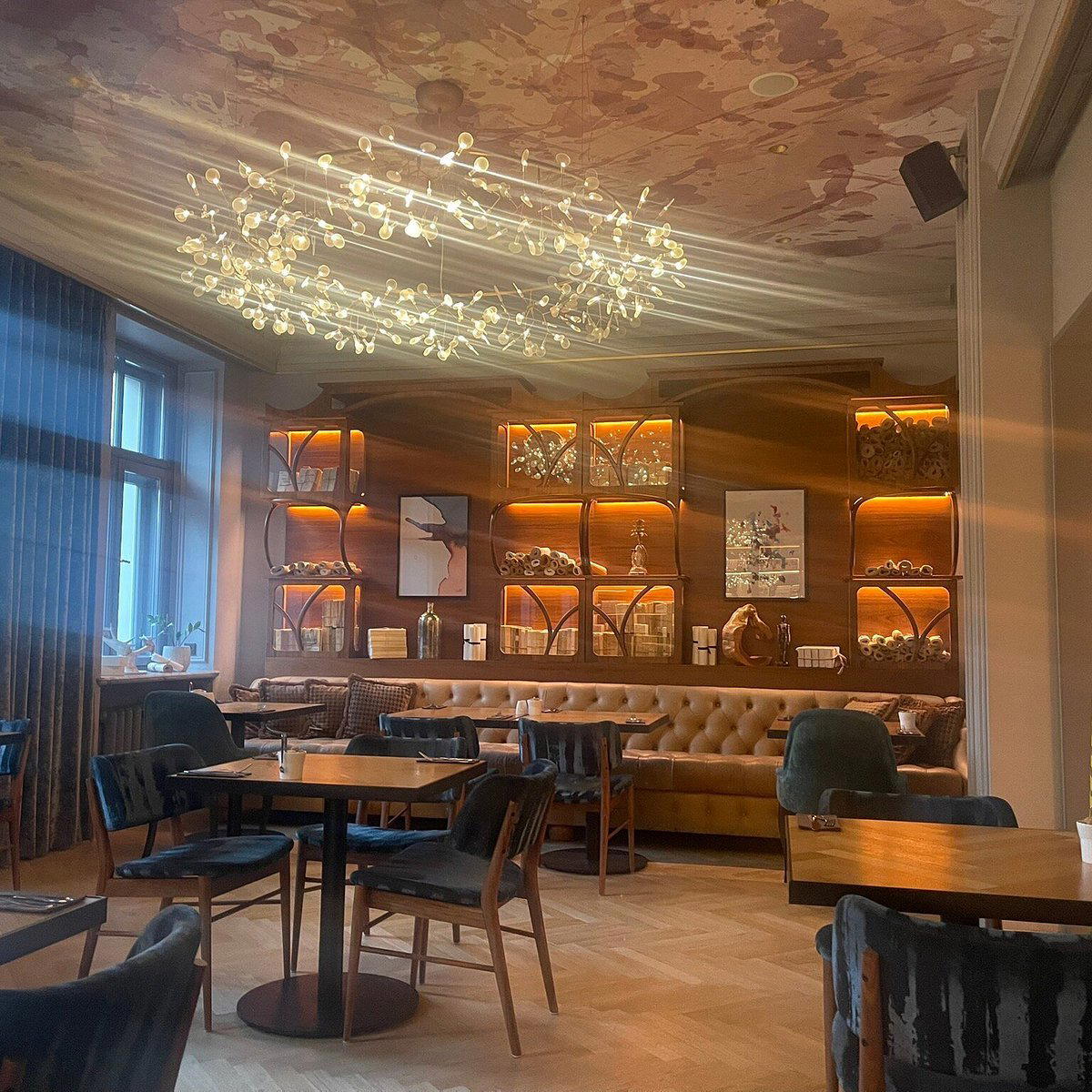
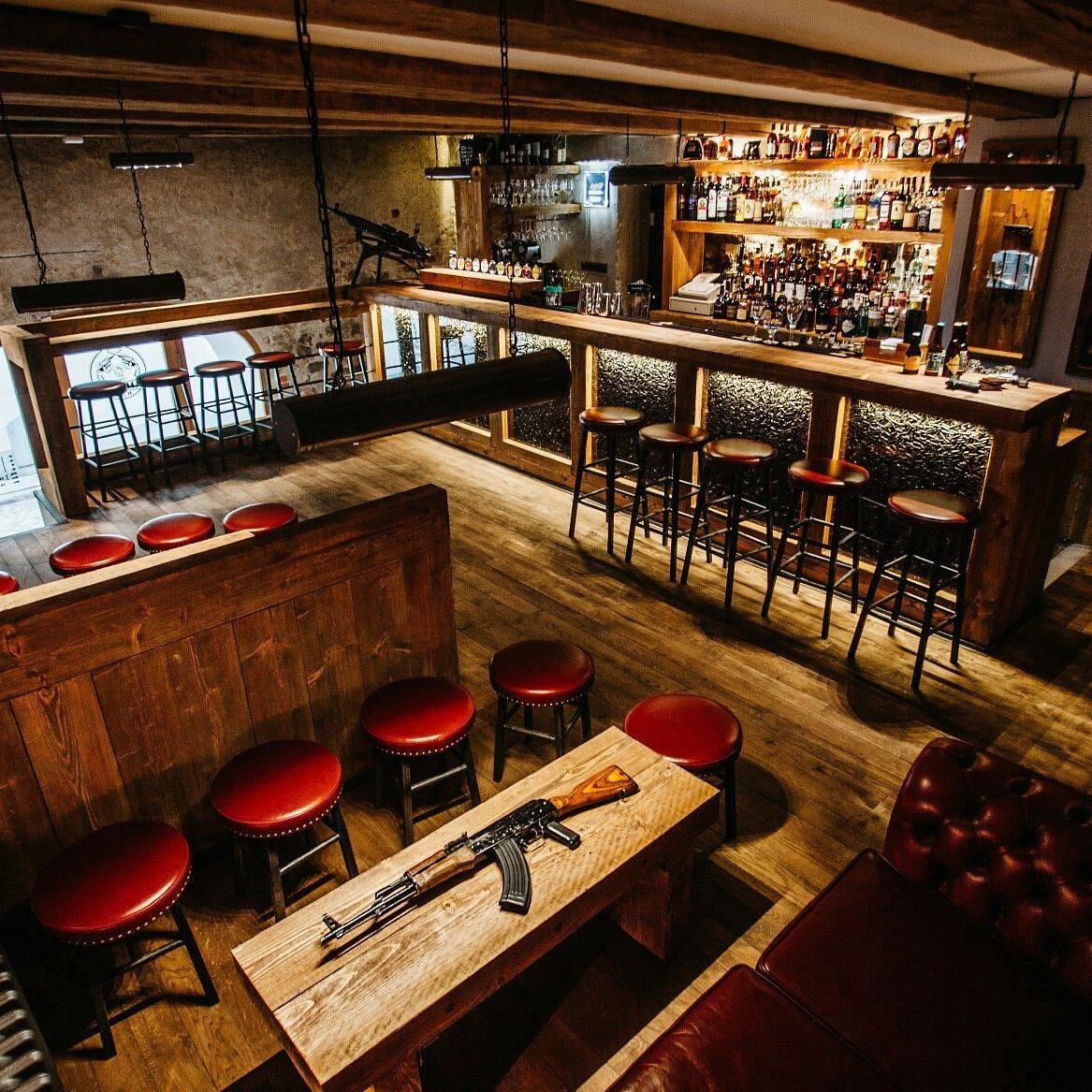
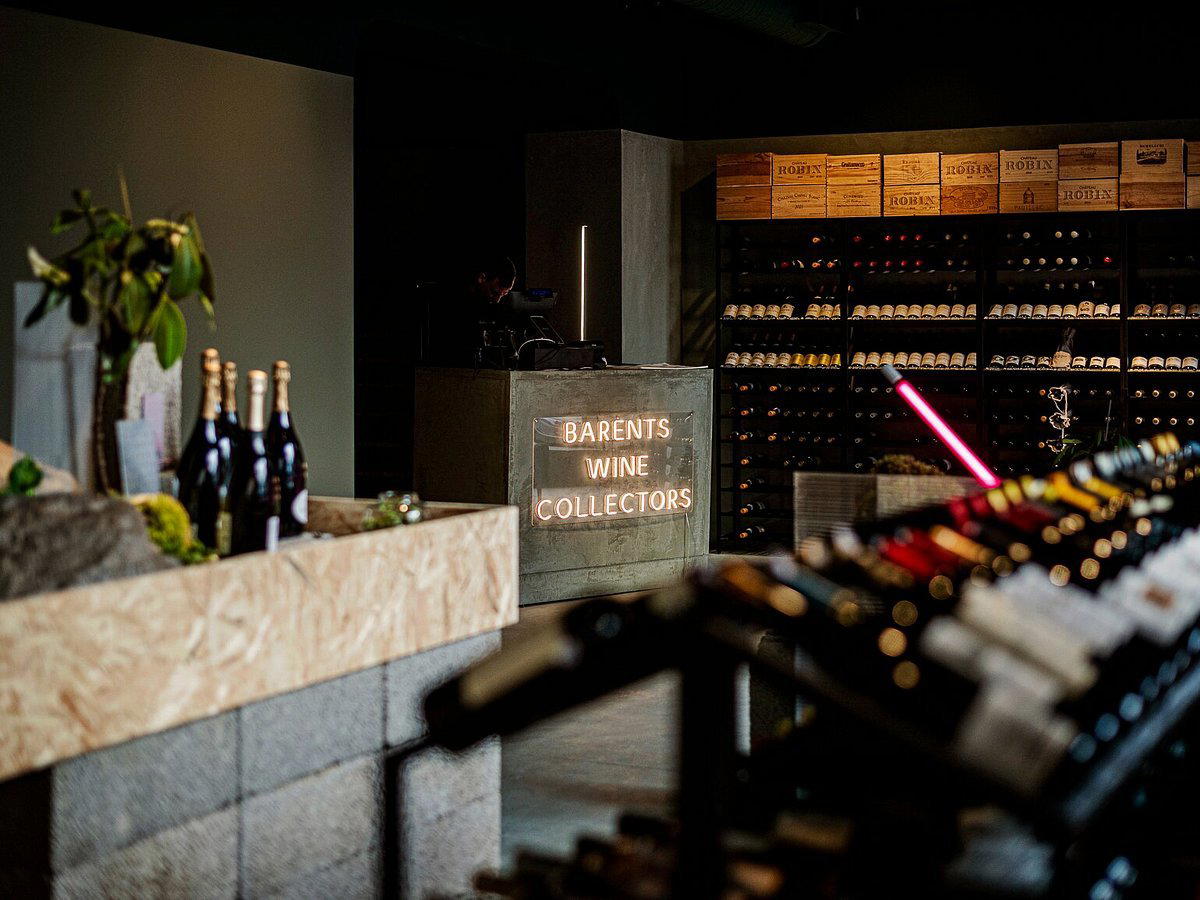
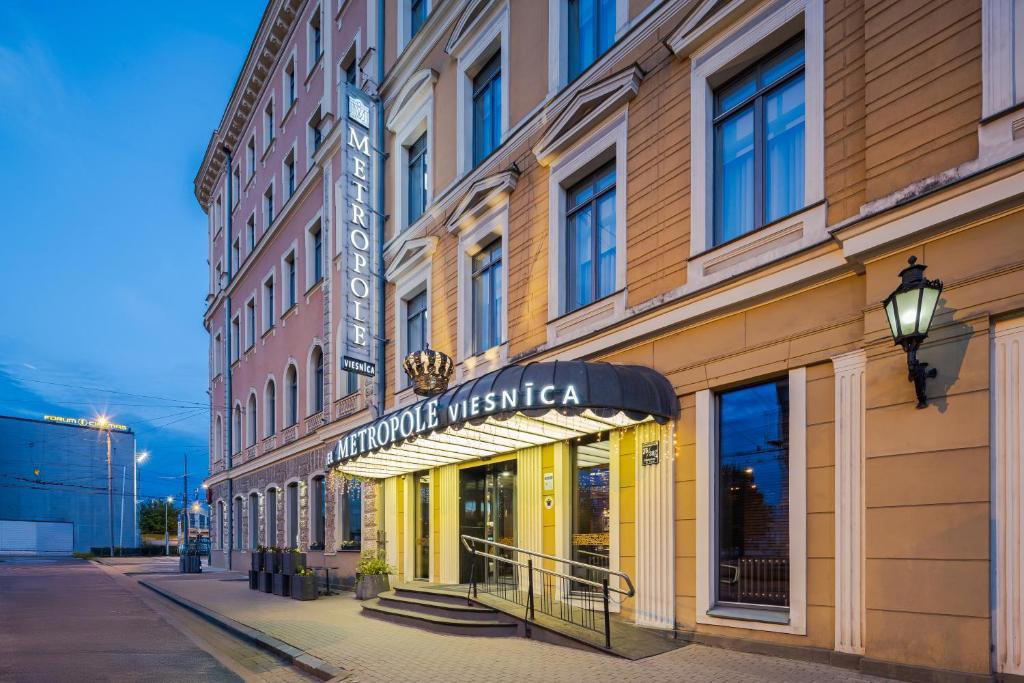
Details
- Modern
- Cozy
- Elegant
- Trendy
- Date Night
- Special Occasion
- Group Dining
- Open Kitchen
- Extensive Wine List
- Local Sourcing
- Street Scene
- Tasting Menu
- A La Carte
- Vegetarian Friendly