
Michelin Bib Gourmand
Our verdict
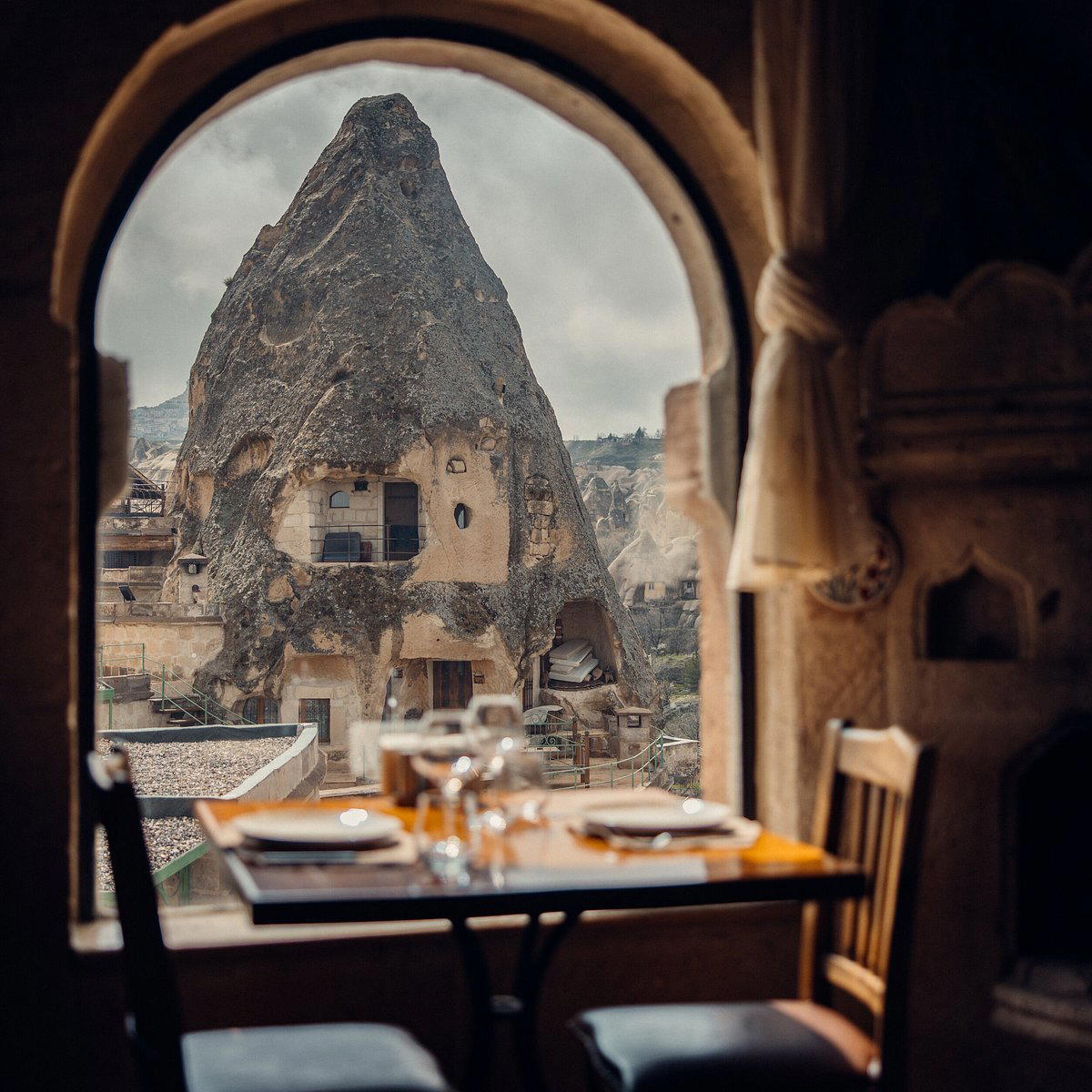
Happena sits on the terraced heights of Göreme within the Kelebek Special Cave Hotel, drawing its menu from Hittite-era Anatolian culinary tradition. Wood-fired lamb, ancient spice combinations, fermented pickles, and honey-and-ginger sauces frame a kitchen that treats archaeological texts as source material rather than decoration. The views across the Cappadocian valleys below are as considered as the food above.

Pearl is the En Primeur Club membership app, where members save venues, book tables and use the concierge.
The menu
What to order
- Lamb neck
- Clay stew
- Fried liver
- Baklava
Above Göreme: Where the Cappadocian Skyline Meets Ancient Anatolia
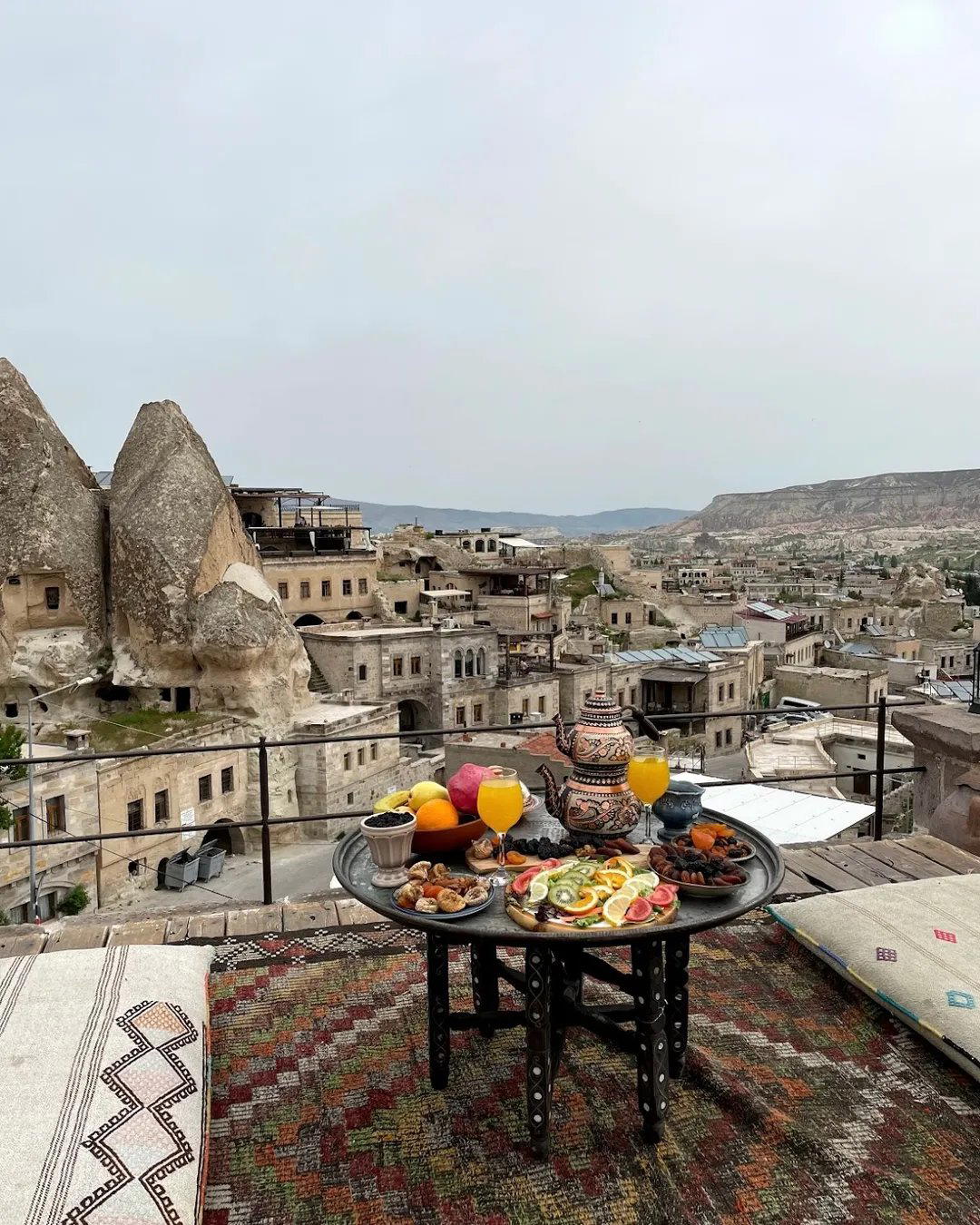
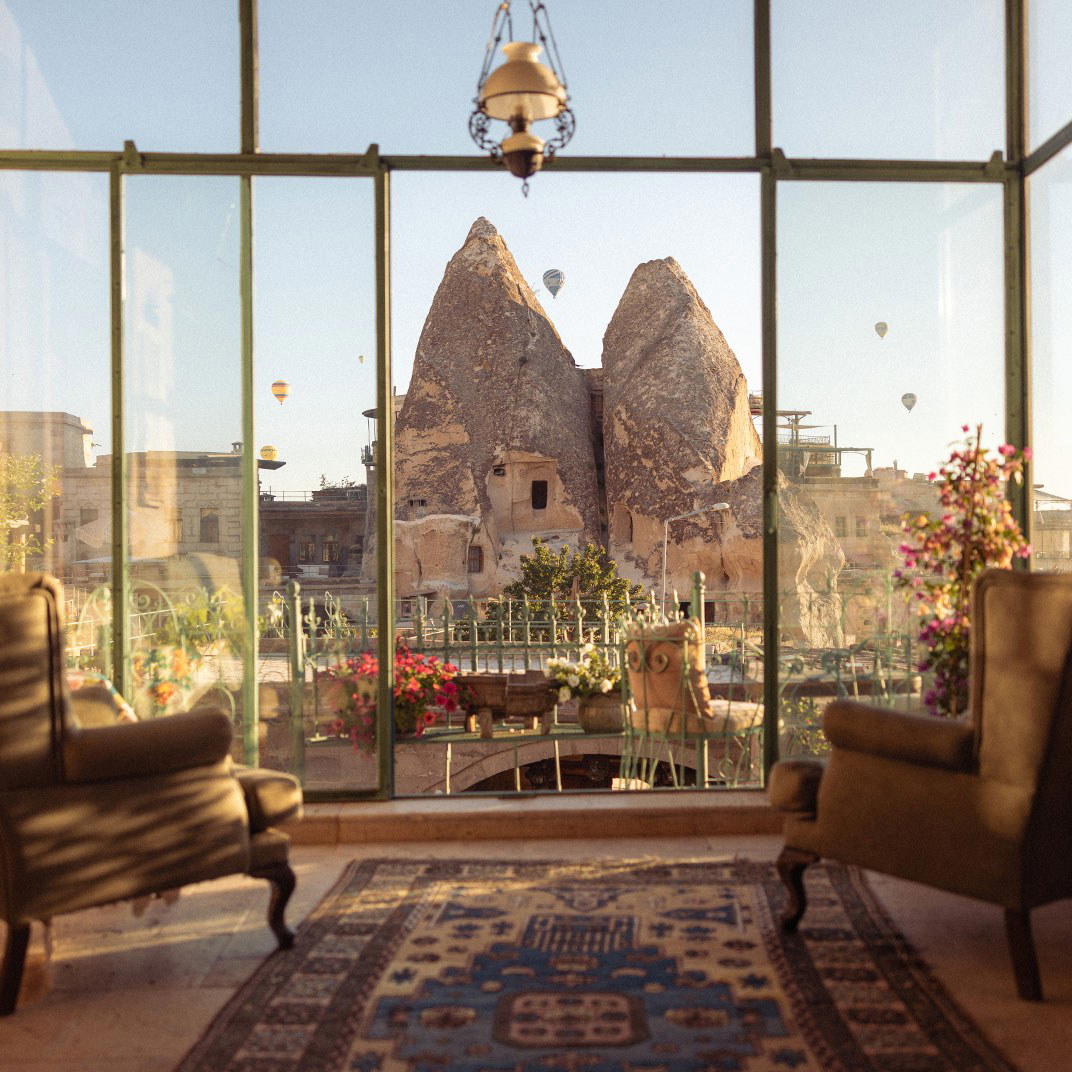
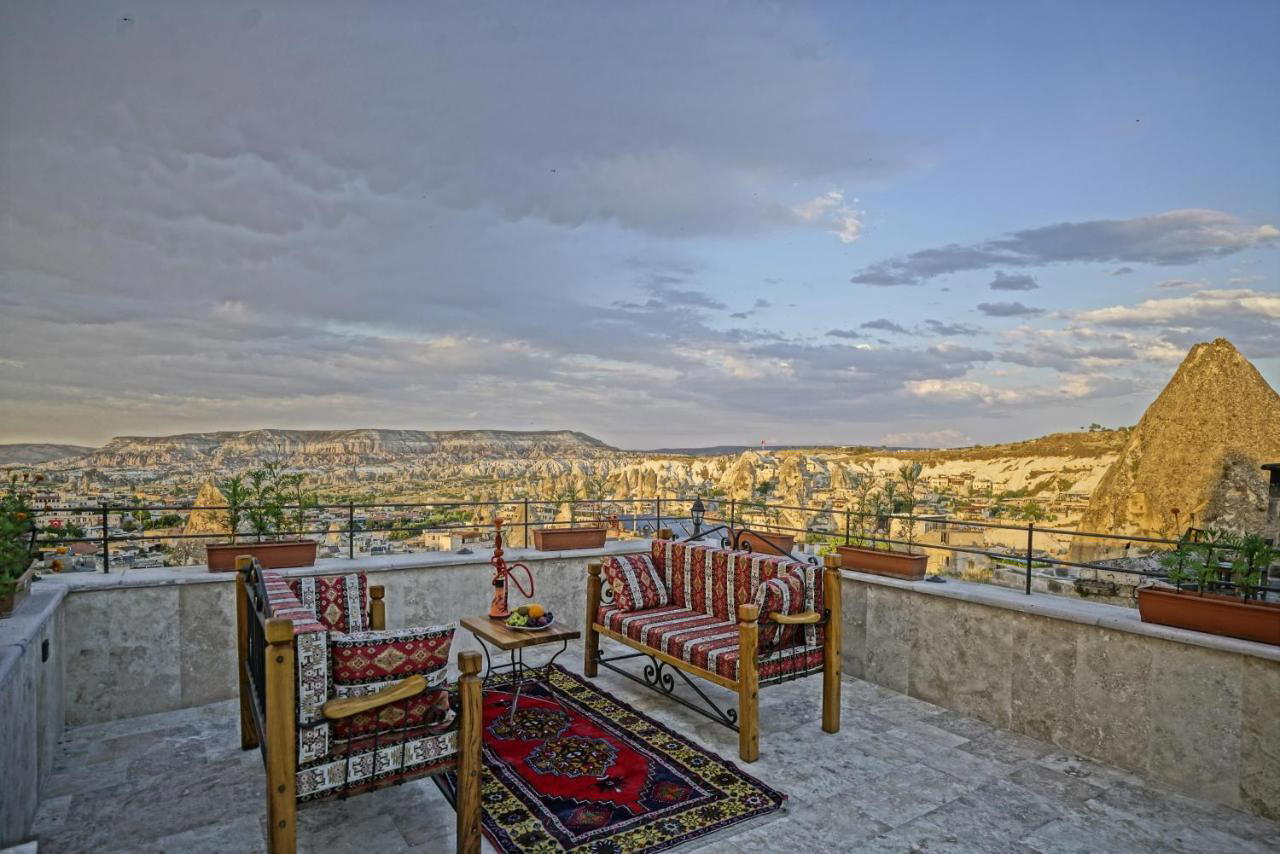
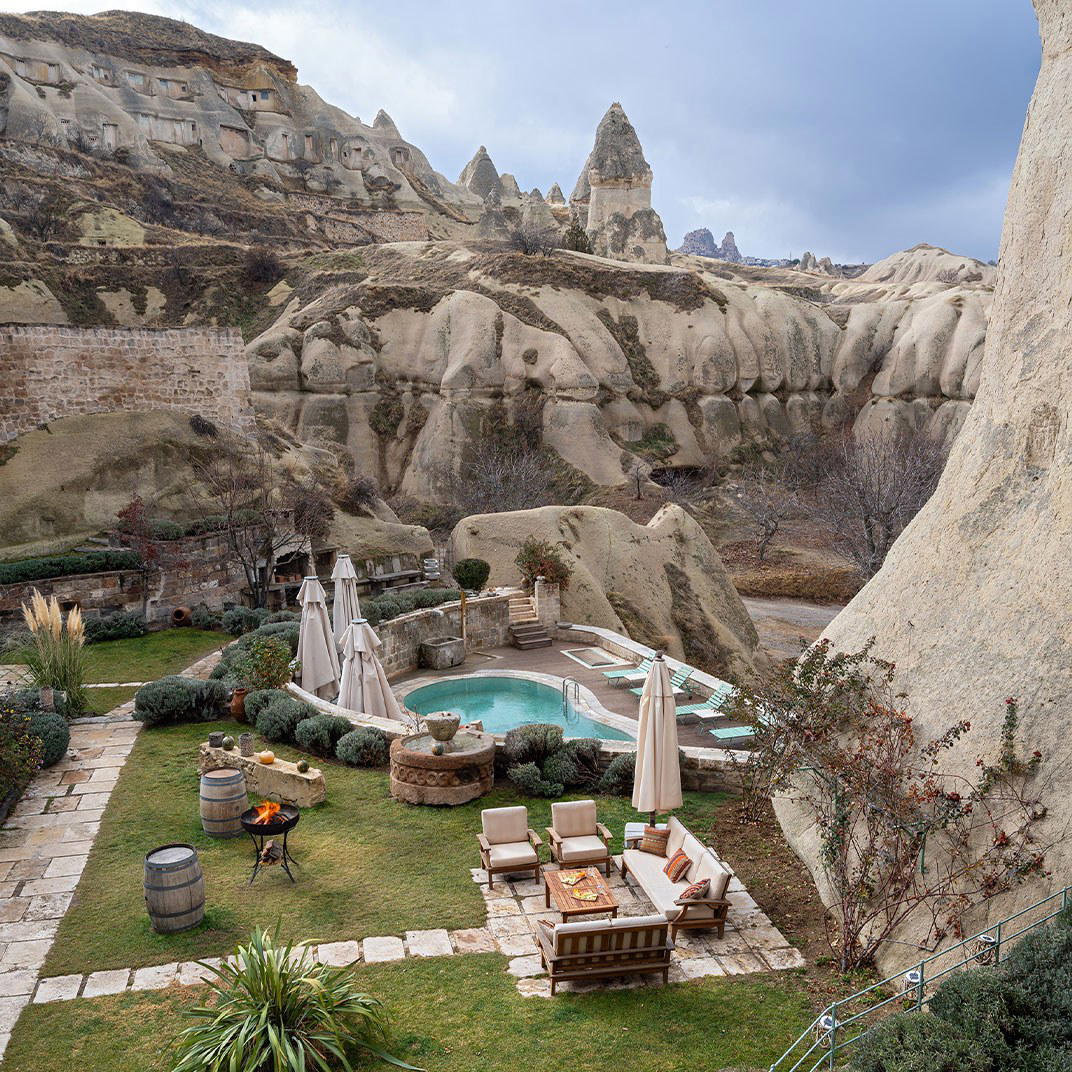
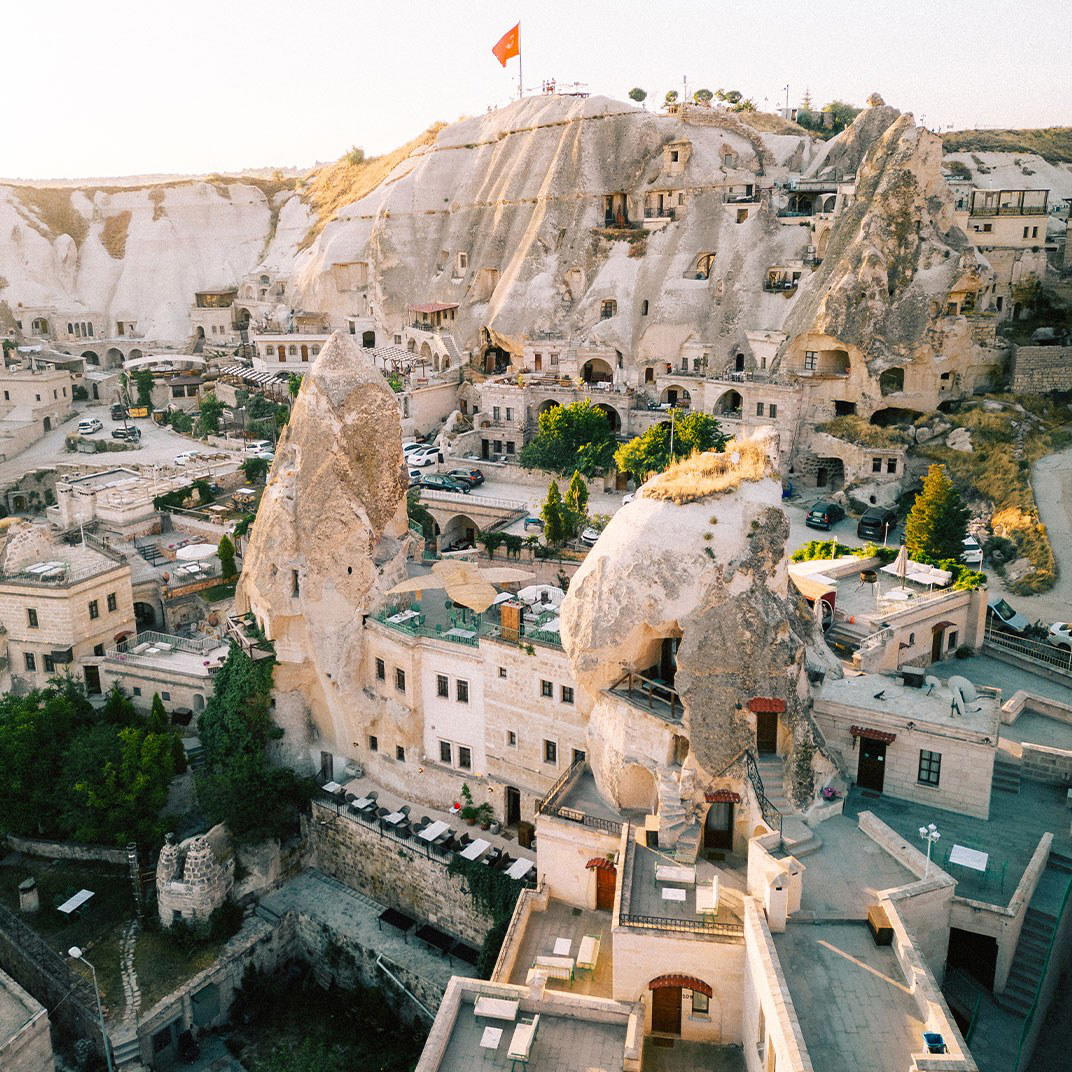
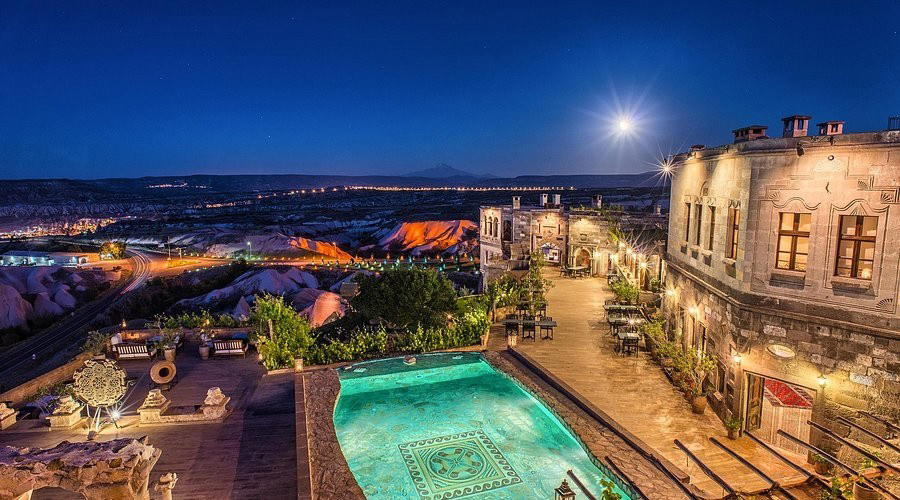
Approach Happena from the winding lanes of Aydınlı Mahallesi and the first thing that registers is elevation, both physical and conceptual. The restaurant occupies higher ground within the Kelebek Special Cave Hotel, and its terraces hang over Göreme with an unobstructed sweep across the volcanic rock formations that have defined this valley for millennia. That setting is not incidental. The visual geography of Cappadocia, carved from Hittite-era civilisation, functions as the opening argument for everything that follows on the plate.
Göreme sits at the compressed heart of Nevşehir province, a region where the cave-dwelling tradition extends well beyond architecture into the logic of how food is grown, stored, and prepared. Fermentation cultures here are old, the use of wood fire is structural rather than fashionable, and the spice routes that passed through Anatolia left permanent marks on local cooking. Happena works within that inheritance, and the terraced dining position reinforces the point before a single dish arrives.
The Hittite Kitchen: Archaeological Sourcing as Editorial Stance
The broader movement in serious restaurant cooking over the past decade has been toward provenance transparency: naming the farm, the breed, the region. Happena takes a longer view. The kitchen draws directly from ancient texts relating to Hittite culinary practice, an Anatolian civilisation whose empire spanned much of modern Turkey from roughly 1650 to 1200 BCE. This is not decorative mythology. The Hittites left detailed administrative and religious records that include references to specific preparations, ritual foods, and the spice combinations that appeared in palace and temple contexts.
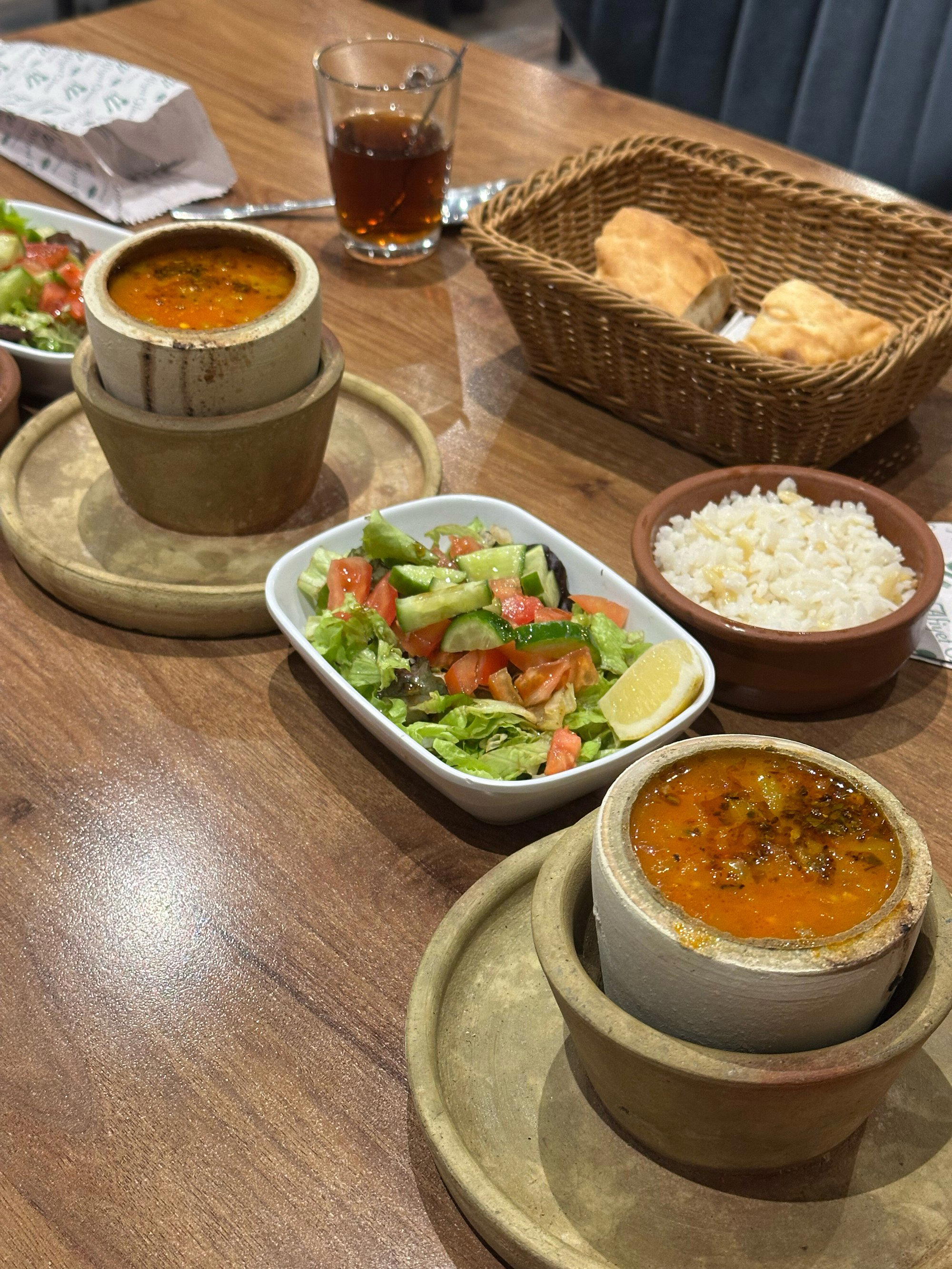
What that means in practice is a menu anchored in ingredients that predate Ottoman influence: preparations built on fermentation, wood-fire technique, honey-based sauces, and spice profiles drawn from the interior Anatolian plateau rather than the coastal trade that shaped Istanbul's kitchen. Lamb cooked over a wood fire until caramelised, then served with pita bread, a honey-and-ginger sauce, and fermented pickles and grapes, is the kind of dish that makes the sourcing logic legible. Each component has a demonstrable lineage. The fermented elements connect to preservation techniques used across the pre-refrigeration civilisations of the region. The honey-and-ginger sauce maps to known Hittite flavour combinations documented in cuneiform texts. The wood fire is simply how meat was cooked, and the kitchen does not pretend otherwise.
This approach places Happena in a small category of Turkish restaurants treating culinary archaeology as a genuine discipline rather than a theme. Restaurants like Turk Fatih Tutak in Istanbul have pushed Turkish fine dining toward contemporary interpretations of Anatolian tradition; Happena's contribution is a more literal archaeological reading, using the cave-hotel setting in Göreme as its natural context. For reference points further afield, the integration of sourcing narrative with specific regional identity is a practice seen at properties like Maçakızı in Bodrum and Narımor in Izmir, though each kitchen applies it against a different geographical and historical background.
The Menu's Reach and What the Setting Adds
The menu at Happena is described as extensive, and the grilled-meat programme forms its structural core. Crisp, wood-fired preparations and tender slow-cooked cuts sit alongside the kind of fermented accompaniments that communicate immediately how seriously the kitchen treats preservation technique. The pickled grapes in particular signal a departure from the standard Anatolian meze spread; grape fermentation in this region has roots in pre-Byzantine winemaking culture, and serving it as a table condiment rather than an afterthought reflects the menu's broader commitment to showing its sourcing work.
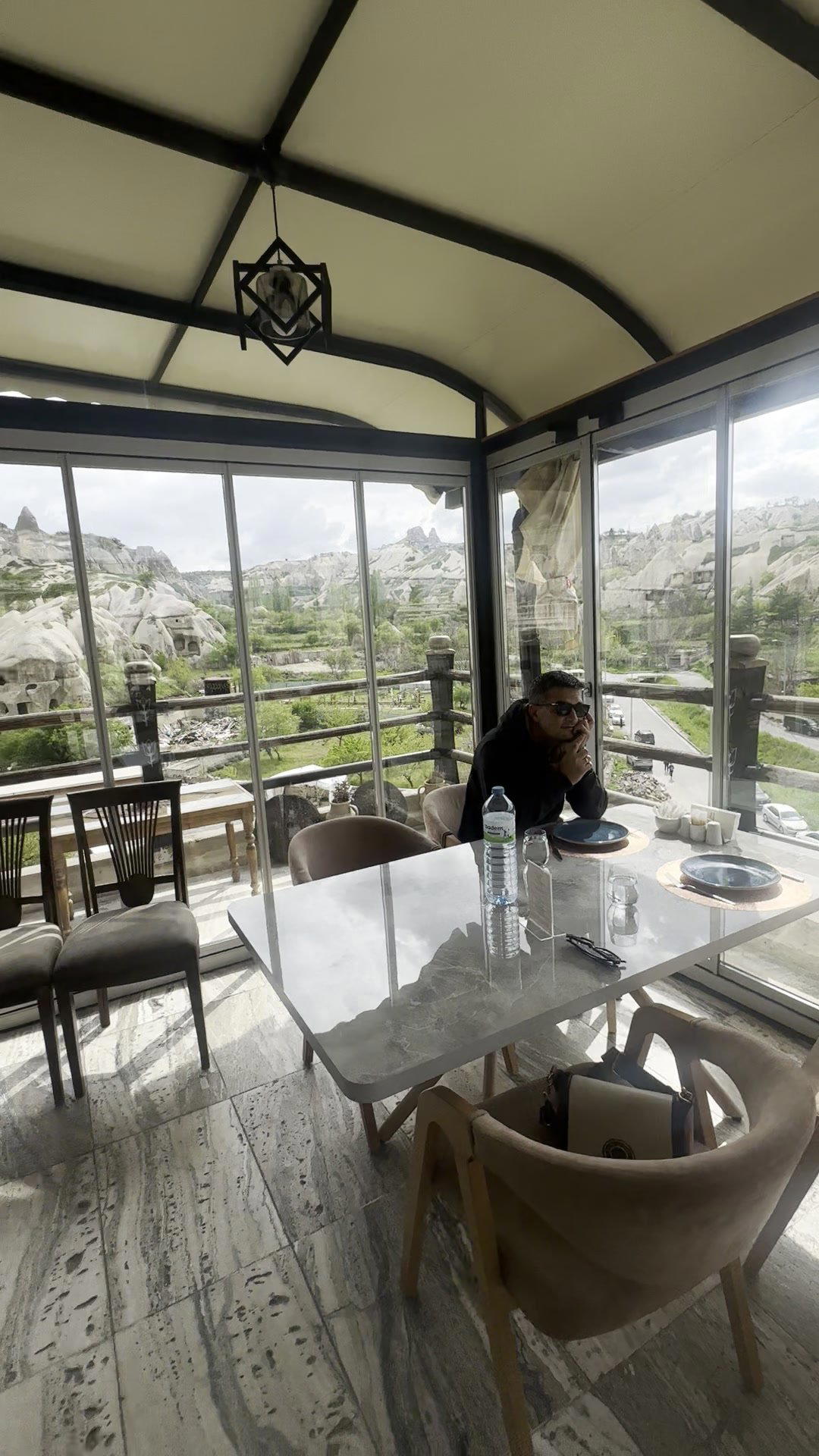
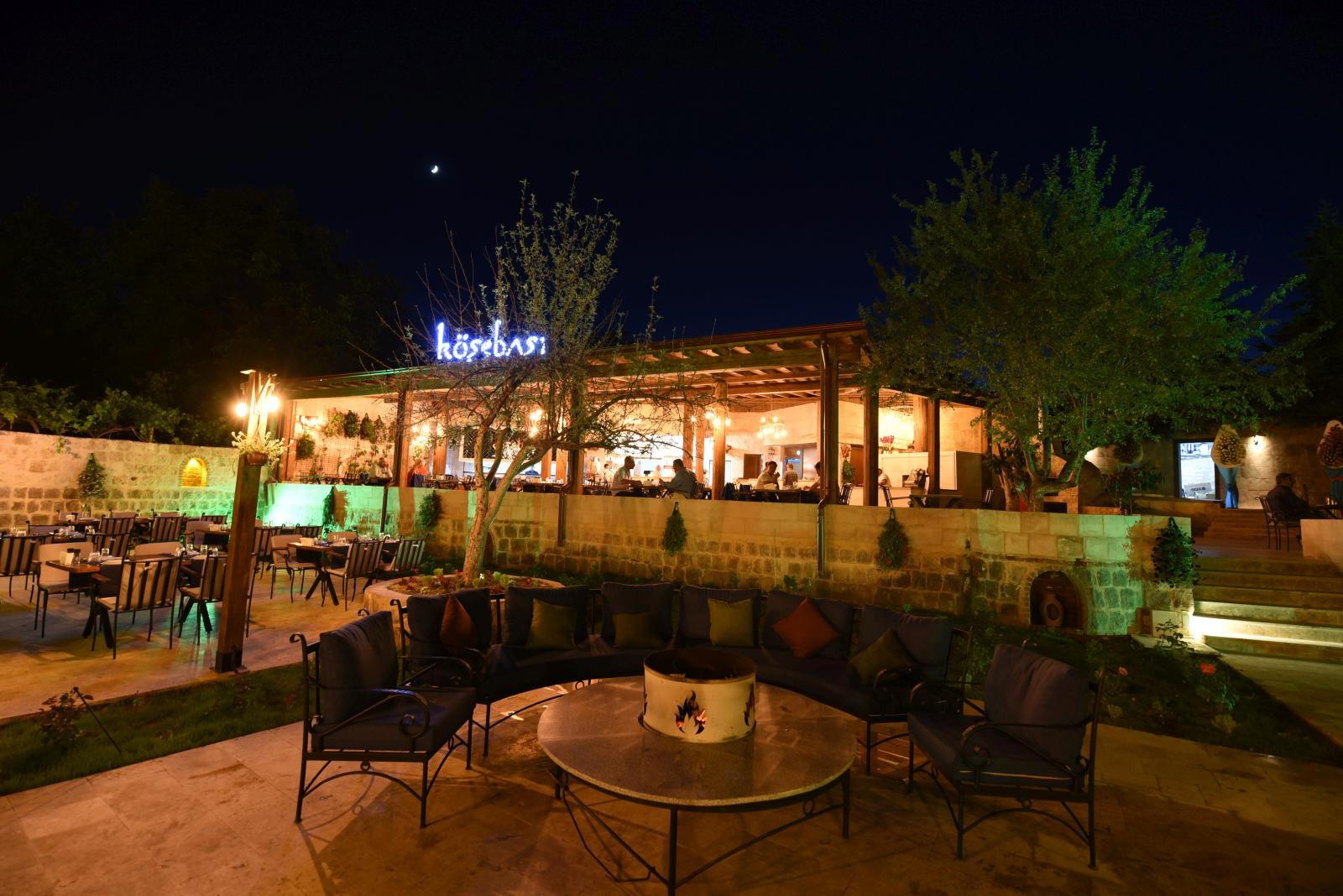
The physical dining environment reinforces the conceptual frame. Cave hotel dining in Cappadocia operates along a spectrum from pure novelty to genuine atmosphere, and Happena's position within the Kelebek Special Cave Hotel places it toward the latter. The traditional architectural elements of the space, the carved volcanic tuff, the terrace that opens to the valley, and the characteristic Göreme skyline visible from table level, function as the room's décor without requiring any additional staging. Visitors to Cappadocia encounter this landscape at ground level constantly; seeing it from above, from a table with food in front of you that connects to the region's oldest layers, produces a different reading of the same geography.
For those building a broader Nevşehir itinerary, Aravan Evi in Ürgüp represents another approach to regional tradition, while Saklı Konak Cappadocia and Uzundere Kapadokya Mutfağı occupy different positions in the local dining picture. Moniq Restaurant and Reserved Restaurant extend the options for those spending multiple evenings in the region. Our full Nevşehir restaurants guide covers the wider field.
Planning Your Visit
Happena is located at Aydınlı Mahallesi, Yavuz Sokak No:1, Göreme, within the Kelebek Special Cave Hotel. Göreme is the most accessible base in Cappadocia for visitors without private transport, and the central neighbourhood is walkable from the majority of cave hotels. Nevşehir Kapadokya Airport serves the region with direct connections from Istanbul, and the transfer to Göreme typically runs around 45 minutes by shuttle or taxi. For those arriving from further afield, connections through Istanbul are the standard routing; 7 Mehmet in Antalya and Ahãma in Göcek are useful reference points for travellers combining southern Turkey with a Cappadocia stop.
Peak season in Göreme runs from April through October, with the spring and autumn shoulder months offering the most manageable visitor volumes. Terrace dining at this elevation means evening temperatures drop sharply after sunset year-round; a layer is advisable regardless of the daytime forecast. Our Nevşehir hotels guide, bars guide, wineries guide, and experiences guide provide the surrounding context for a full stay.
Frequently asked questions
Where is Happena located?
Happena is located at Aydınlı Mahallesi, Yavuz Sokak No:1, Göreme, Nevşehir.
Has Happena won any awards?
Happena has received recognition including: Happena transports your taste buds back to the era of the Hittites, who founded an empire in Anatolia thousands of years ago. Drawing inspiration from ancient texts, the chefs bring this distant past vividly to life on your plate. Expect tr….
What do people recommend at Happena?
The wood-fired lamb is the dish most consistently singled out, slow-cooked until caramelised, served with pita bread, honey and ginger sauce, and fermented pickles and grapes. The broader grilled-meat programme draws equally strong attention, built around traditional Anatolian spices and open-fire technique. The terrace views over Göreme add to the overall draw.
Can I walk in to Happena?
Happena sits within the Kelebek Special Cave Hotel at Aydınlı Mahallesi, Yavuz Sokak No:1, Göreme, which places it slightly above the main village lanes rather than on a high-traffic street. Given the terrace setting and the restaurant's profile among Cappadocia visitors, booking ahead is advisable, particularly during the high season between spring and autumn.
What's the defining dish or idea at Happena?
The kitchen takes its editorial position from Hittite culinary history, drawing on ancient Anatolian texts to shape both flavour combinations and technique. Wood-fire cooking is the structural method, and the lamb preparation, caramelised over open flame, finished with fermented grapes and a honey-ginger sauce, is the clearest expression of that philosophy. It is less a theme-restaurant conceit than a serious sourcing stance.
Can Happena adjust for dietary needs?
The menu at Happena is described as extensive, with grilled meats forming its core programme alongside vegetable-forward accompaniments such as fermented pickles and grapes.
Is Happena suitable for non-Turkish guests unfamiliar with Hittite cuisine?
The menu's reference point, Hittite Anatolia, predates modern Turkish cuisine by millennia, but the cooking itself is grounded in recognisable techniques: wood-fire grilling, spiced meats, fermented condiments. Guests without prior knowledge of the historical context can engage with the food directly through familiar formats like lamb over fire and pita bread. The cave hotel setting at Kelebek, Göreme, provides additional cultural framing for visitors new to the region.
Side-by-Side Snapshot
| Venue | Cuisine | Price | Awards |
|---|---|---|---|
| HappenaThis venue (the venue you are viewing) | Ancient Hittite-Inspired Turkish Cuisine | $30–50 | Michelin Bib Gourmand |
| Moniq Restaurant | Traditional Turkish Cappadocian | Not listed | Michelin Plate |
| Reserved Restaurant | Modern Traditional Turkish | $30–50 | Michelin Plate · Gault & Millau Türkiye 2 Toques |
| Saklı Konak Cappadocia | Traditional Cappadocian Turkish | $20–30 | Michelin Plate |
| Uzundere Kapadokya Mutfağı | Traditional Cappadocian Turkish | $20–30 | Michelin Plate |
Recognition history
Dated appearances from independent guides and award organizations, with the underlying list record or original source where available.
Michelin Bib Gourmand
Michelin
Continue exploring
More in Nevsehir
Details
- Scenic
- Rustic
- Romantic
- Elegant
- Date Night
- Special Occasion
- Celebration
- Terrace
- Panoramic View
- Historic Building
- Extensive Wine List
- Mountain
- Street Scene
- A La Carte
- Vegetarian Friendly
Current opening hours
- Monday
- 1–10:30 PM
- Tuesday
- 1–10:30 PM
- Wednesday
- 1–10:30 PM
- Thursday
- 1–10:30 PM
- Friday
- 1–10:30 PM
- Saturday
- 1–10:30 PM
- Sunday
- 1–10:30 PM
Hours can change for holidays and private events. Hours as of .
Enchanting traditional charm with cozy terrace seating, far-reaching night views, and a relaxed romantic atmosphere.