
Michelin Plate
Our verdict
A Valley View and a Menu Rooted in Anatolian Tradition Approaching Göreme from the ridge above the town, the range of eroded tufa columns and cave-carved facades prepares you for a particular kind of dining context. Cappadocia has long attracted...

Pearl is the En Primeur Club membership app, where members save venues, book tables and use the concierge.
The menu
What to order
- Beef with dried plums
- Manti
- Meze plate
A Valley View and a Menu Rooted in Anatolian Tradition
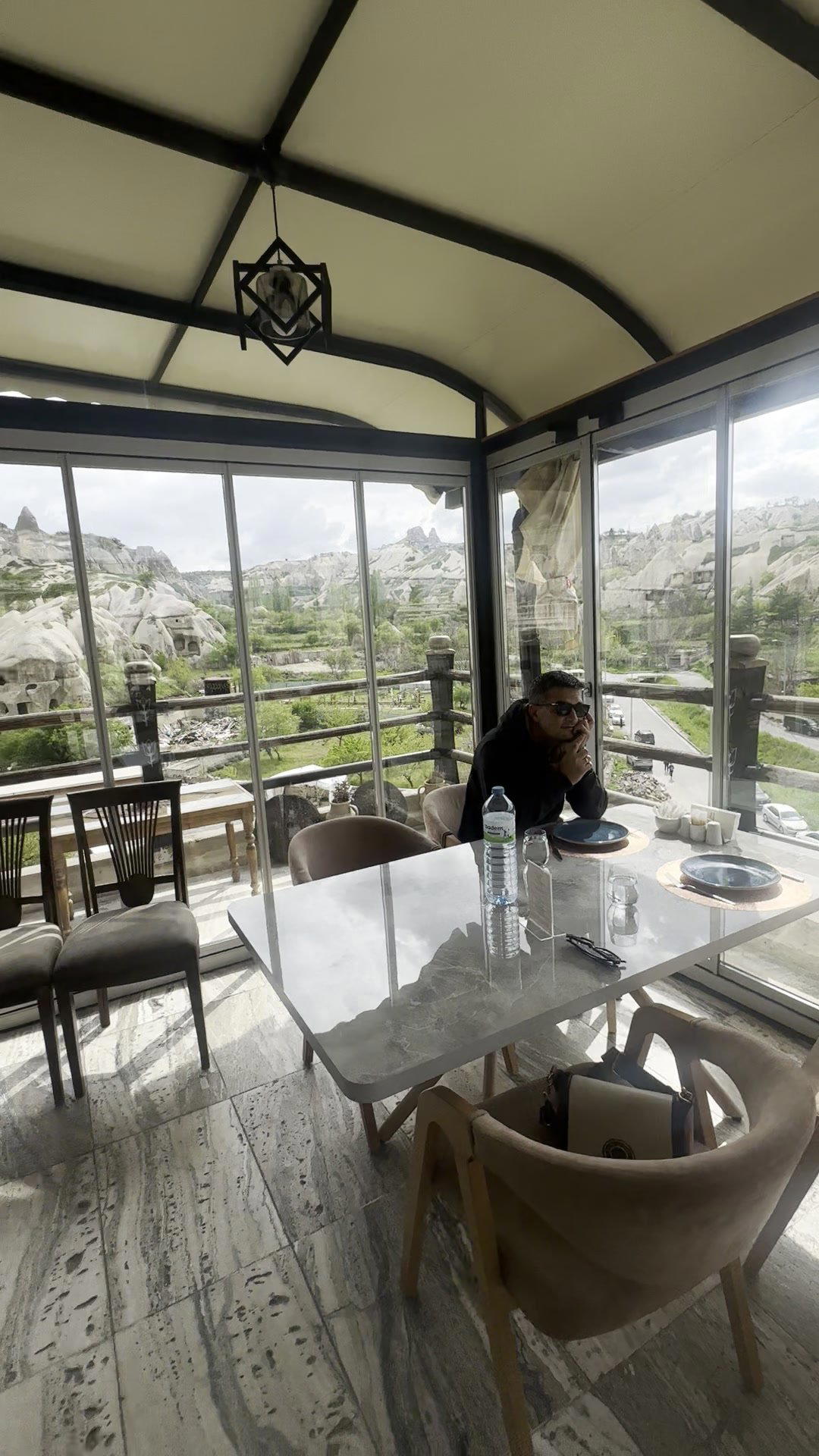
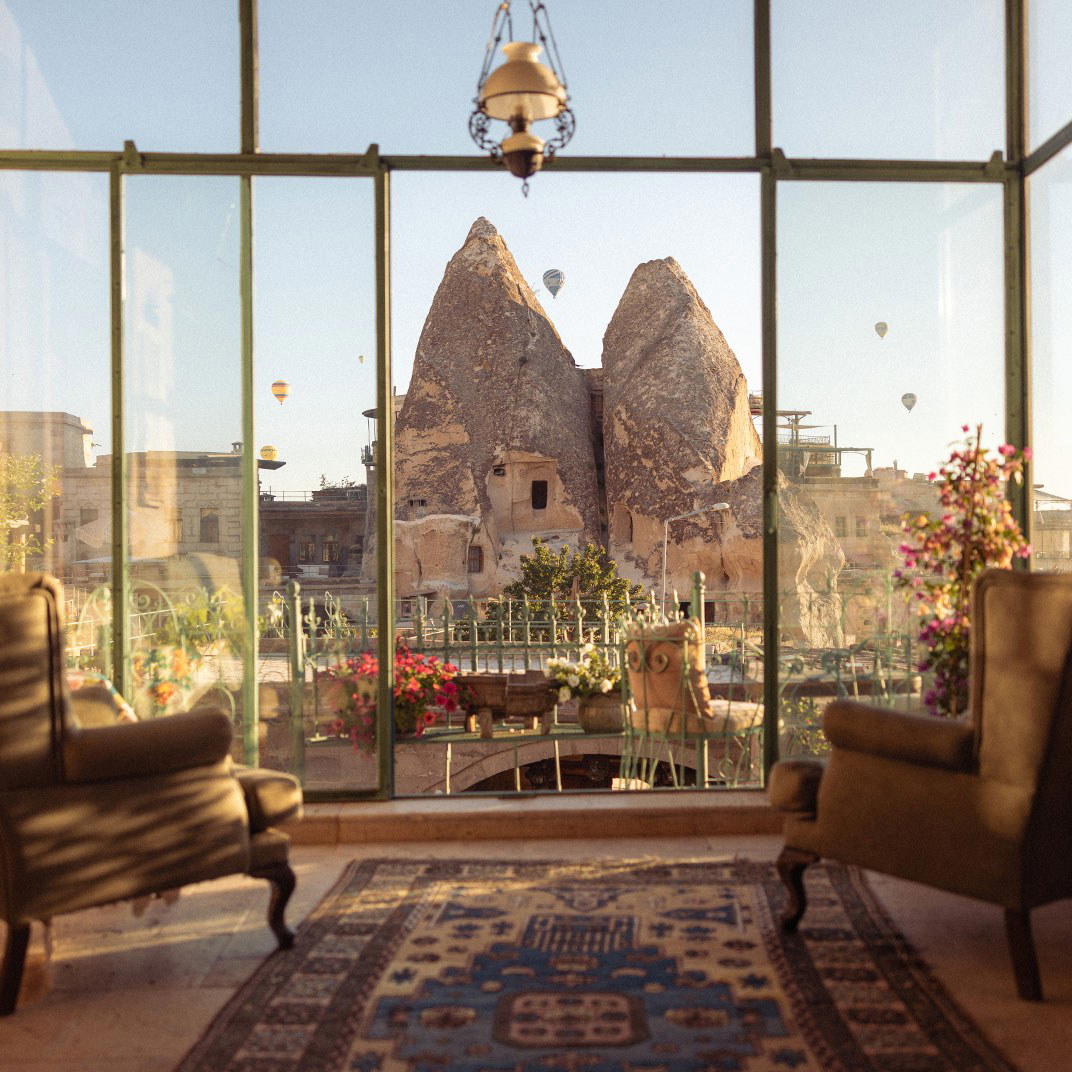
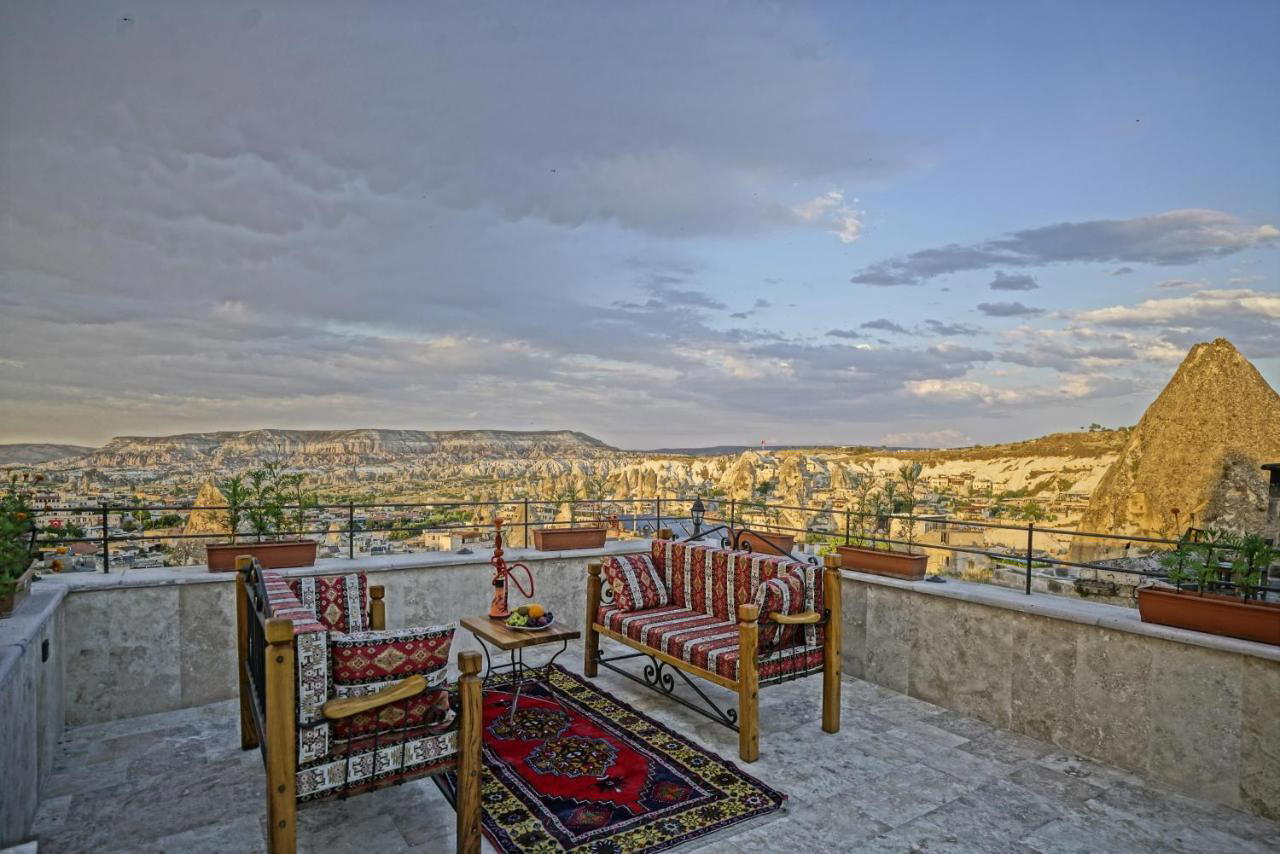
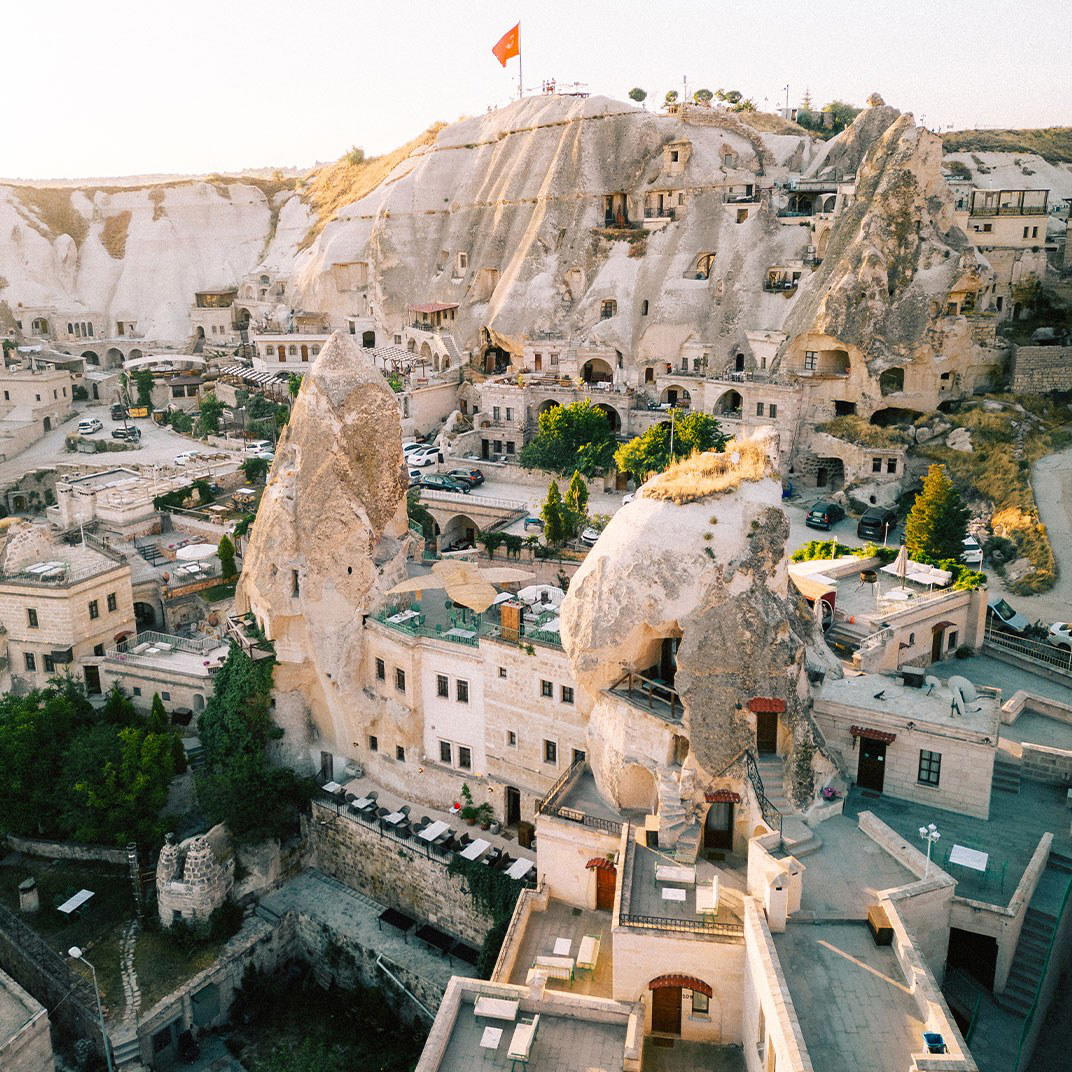
Approaching Göreme from the ridge above the town, the range of eroded tufa columns and cave-carved facades prepares you for a particular kind of dining context. Cappadocia has long attracted restaurants that lean on their setting, the view across the valley doing most of the atmospheric work while the food plays a secondary role. Uzundere Kapadokya Mutfağı, located on the first floor of Şah Saray Cave Suites on Uzundere-1 Sokak, takes a different position: the valley panorama is present, but the kitchen is the primary argument.
The halal kitchen here operates within a culinary framework that Cappadocian restaurants occasionally invoke but rarely execute with real depth: the overlapping tradition of Anatolian home cooking and the broader food culture of the Islamic world. Where many regional restaurants default to grilled meats and generic meze, the menu at Uzundere attempts a more considered architecture, building dishes around dried fruits, slow-cooked aromatics, and the kind of sweet-savory balancing act that connects Central Anatolian food to Persian and Levantine antecedents.
How the Menu Is Built: Sweetness as Structure
The menu's distinguishing characteristic is its deliberate use of sweetness as a structural element rather than a finishing note. A referenced dish of finely sliced beef cooked with dried plums, onion, and herbs served alongside rice with almonds and raisins illustrates this clearly. The combination places the kitchen in a tradition that stretches from Ottoman palace cuisine through to the slow-braised meat dishes of the Anatolian interior, where dried fruit was historically used both as a preservative and as a counterpoint to the earthiness of long-cooked meat. The earthenware bowl in which the dish arrives is not merely decorative; clay vessels retain heat evenly and carry a faint mineral quality that metal cookware does not replicate, a detail consistent with traditional Anatolian serving practice.
Sweet undertone in these preparations is described as subtle and well-balanced, which is the harder technical achievement. The risk in this style of cooking is that the fruit component overwhelms the savory base, producing something closer to a compote than a main course. The balance here appears calibrated rather than accidental, which places the kitchen in a more technically aware tier than casual regional restaurants typically occupy.
Across Turkey, the broader conversation about traditional Anatolian cooking and its relationship to fine dining has accelerated in recent years. Restaurants like Turk Fatih Tutak in Istanbul have drawn international attention to the depth of Turkish culinary heritage, while regional restaurants from Maçakızı in Bodrum to Narımor in Izmir have built serious reputations around local and seasonal sourcing. In that wider context, Uzundere occupies a quieter register: a restaurant in a cave hotel town that is working within a specific religious and cultural food tradition rather than reimagining it for a metropolitan audience.
The Hospitality Framework Before Food Arrives
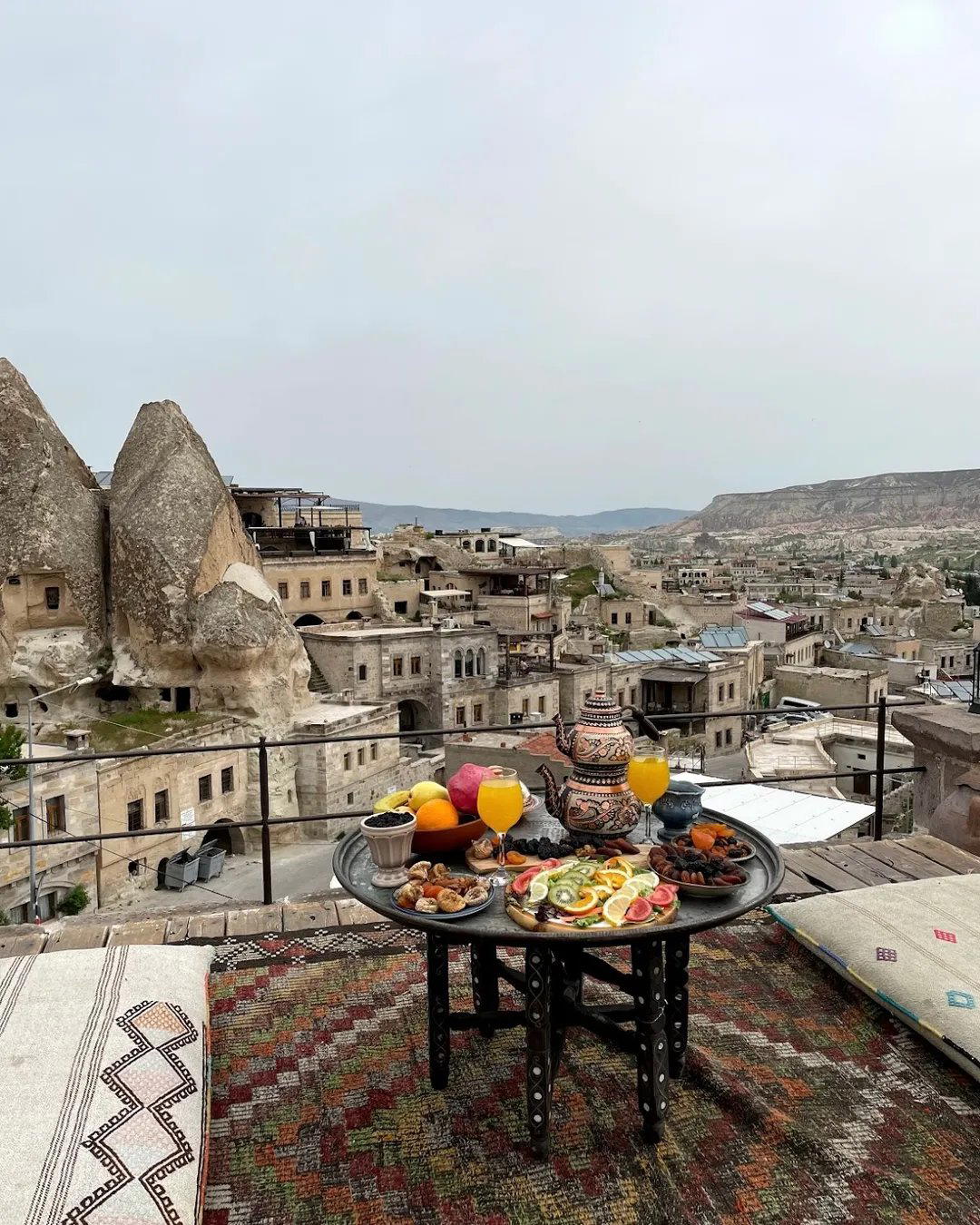
In the tradition of Anatolian guest culture, a meal does not begin with the menu. Diners at Uzundere are welcomed with a complimentary spread of small appetisers alongside sweet beverages before any ordering takes place. This opening gesture is worth reading carefully as a programmatic statement: it signals that the restaurant understands hospitality as an obligation preceding commerce, a framing common in historically rooted Turkish dining but increasingly rare in tourist-facing Cappadocian restaurants where the commercial context often reverses those priorities.
The effect of this structure on the dining experience is practical as well as symbolic. Arriving guests are immediately given something to eat and drink while they orient themselves to the space and the valley view, which removes the awkward liminal period between being seated and the first course arriving. It also establishes a register of generosity that the rest of the meal is measured against.
Setting and Format
The restaurant occupies the first floor of a cave hotel, a physical format common in Göreme and the surrounding villages of Cappadocia, where volcanic rock has been carved into domestic and commercial spaces for centuries. First-floor positioning matters here because it provides unobstructed sight lines across the valley without requiring a rooftop terrace, which in Göreme's dense built environment can sometimes mean looking down onto adjacent rooftops rather than outward toward open landscape.
Practical considerations for visitors: the restaurant observes a dress code that requires legs to be covered, consistent with its identity as a halal establishment. This is stated directly and should be factored into planning. Visitors who arrive at Göreme's central point can reach Uzundere-1 Sokak on foot; the address at No. 1 places it at the start of the street. No phone or website information is available through EP Club's database, which means booking enquiries are leading routed through Şah Saray Cave Suites directly.
For visitors planning a broader itinerary around Göreme and Nevşehir's dining scene, Aravan Evi in Ürgüp represents a useful point of comparison in the regional traditional cooking category. Among Nevşehir restaurants with different formats and approaches, Happena, Moniq Restaurant, Reserved Restaurant, and Saklı Konak Cappadocia each occupy distinct positions in the local scene. EP Club's full Nevşehir restaurants guide covers the range in detail.
Elsewhere in Turkey, 7 Mehmet in Antalya, Agora Pansiyon in Milas, and Ahãma in Göcek each demonstrate how regional Turkish food cultures diverge significantly from the Cappadocian interior tradition. For those using Nevşehir as a base to explore the region's full range of experiences, EP Club also publishes a Nevşehir hotels guide, a Nevşehir bars guide, a Nevşehir wineries guide, and a Nevşehir experiences guide.
Frequently asked questions
Is Uzundere Kapadokya Mutfağı okay with children?
The setting works reasonably well for families. The complimentary welcome spread of small appetisers gives younger diners something immediate, and the relaxed pace of a cave hotel restaurant allows time to settle. The dress code, covered legs required, applies to all guests, so factor that into preparation.
What is the atmosphere like at Uzundere Kapadokya Mutfağı?
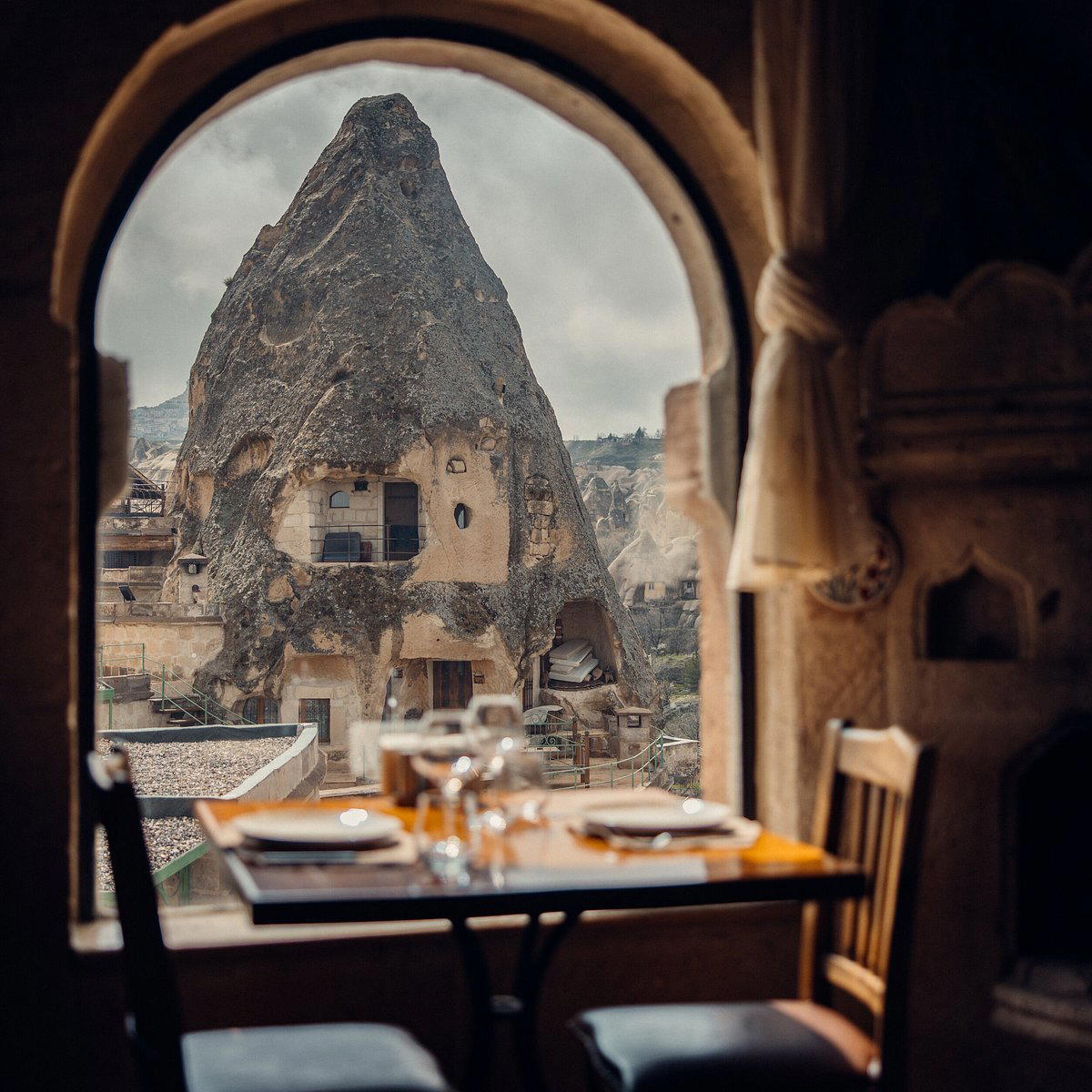
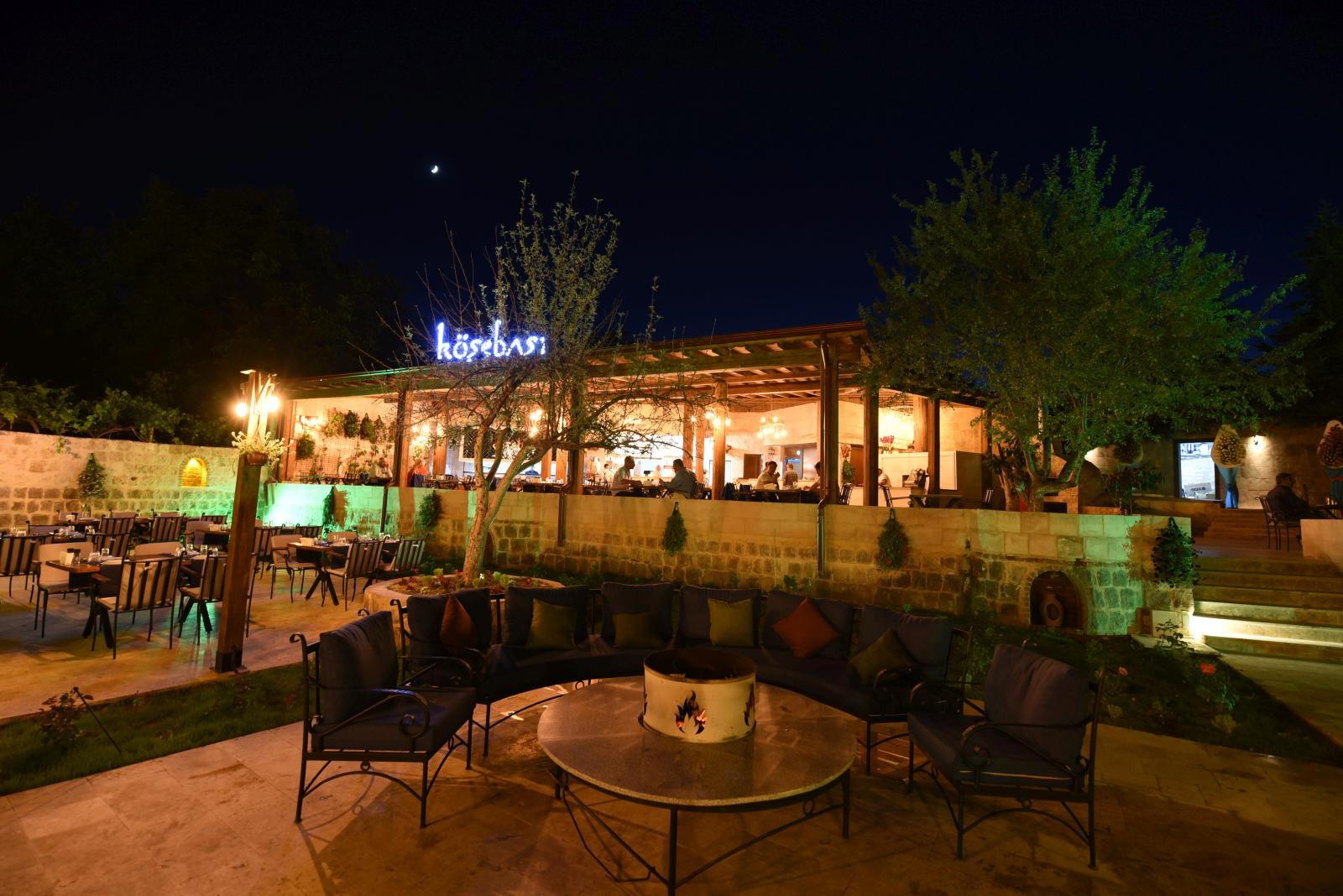
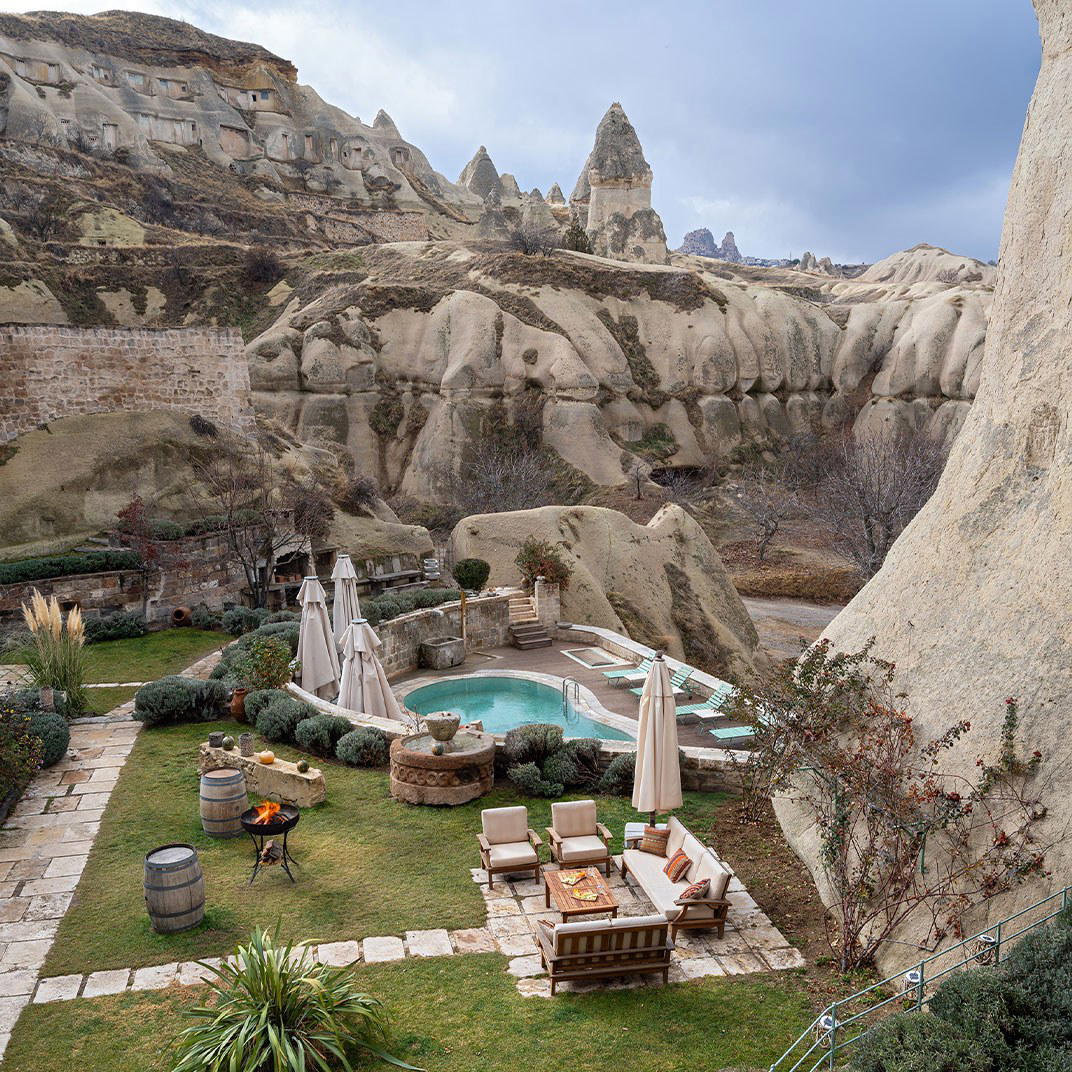
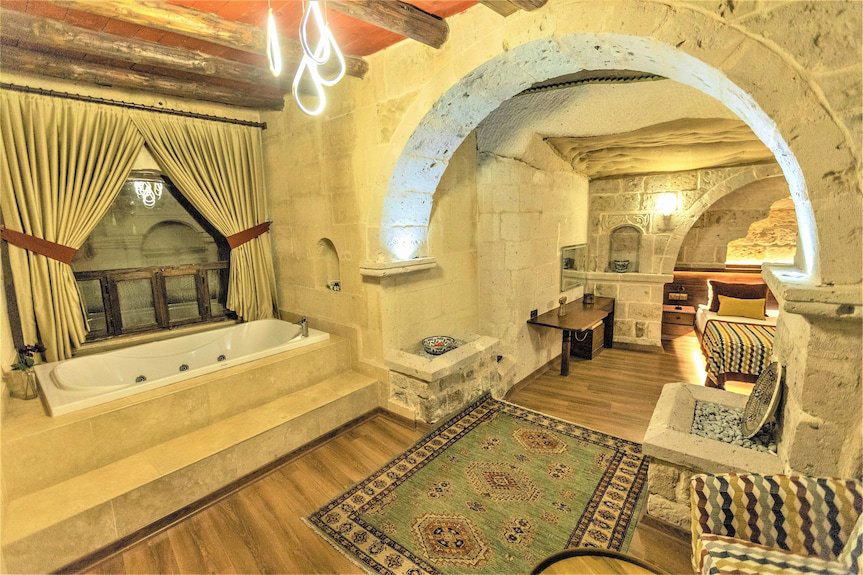
The restaurant sits on the first floor of Şah Saray Cave Suites, a carved cave structure with views across the Göreme valley. The setting is intimate and calm, shaped more by the volcanic geology and halal hospitality traditions than by designed ambience. Evenings, with the valley lit below, give the room particular character.
What awards or recognition does Uzundere Kapadokya Mutfağı have?
Uzundere Kapadokya Mutfağı has received recognition including: Diners are welcomed with a complimentary spread of various little appetisers and sweet beverages, a gesture that immediately reflects the importance placed on hospitality here. This is the cosy halal restaurant on the first floor of Şah Sar….
What dish is Uzundere Kapadokya Mutfağı famous for?
The kitchen's most referenced preparation is slow-cooked beef served in an earthenware bowl with dried plums, onion, and herbs, accompanied by rice with almonds and raisins. The dish draws on Ottoman-era flavour principles where fruit-based acidity and sweetness function as seasoning rather than garnish, a structural approach that defines the menu broadly.
Reputation First
Comparable venues nearby, for context on price, style, and recognition.
| Venue | Cuisine | Price | Awards | Notes |
|---|---|---|---|---|
| Uzundere Kapadokya MutfağıThis venue (the venue you are viewing) | Traditional Cappadocian Turkish | $20–30 | Michelin Plate | Not listed |
| Saklı Konak Cappadocia | Traditional Cappadocian Turkish | $20–30 | Michelin Plate | Uchisar |
| Moniq Restaurant | Traditional Turkish Cappadocian | Not listed | Michelin Plate | Uchisar |
| Seten | Traditional Anatolian Turkish Cuisine | $30–50 | Michelin Plate | Göreme |
| Reserved Restaurant | Modern Traditional Turkish | $30–50 | Michelin Plate · Gault & Millau Türkiye 2 Toques | Uçhisar |
| Happena | Ancient Hittite-Inspired Turkish Cuisine | $30–50 | Michelin Bib Gourmand | Göreme |
Recognition history
Dated appearances from independent guides and award organizations, with the underlying list record or original source where available.
Michelin Plate
Michelin · 2026 Michelin Plate
Continue exploring
More in Nevsehir
Details
- Cozy
- Rustic
- Scenic
- Intimate
- Family
- Date Night
- Celebration
- Special Occasion
- Terrace
- Historic Building
- Panoramic View
- Mountain
- Street Scene
- A La Carte
- Halal
Current opening hours
- Monday
- 8 AM–10 PM
- Tuesday
- 8 AM–10 PM
- Wednesday
- 8 AM–10 PM
- Thursday
- 8 AM–10 PM
- Friday
- 8 AM–10 PM
- Saturday
- 8 AM–10 PM
- Sunday
- 8 AM–10 PM
Hours can change for holidays and private events. Hours as of .
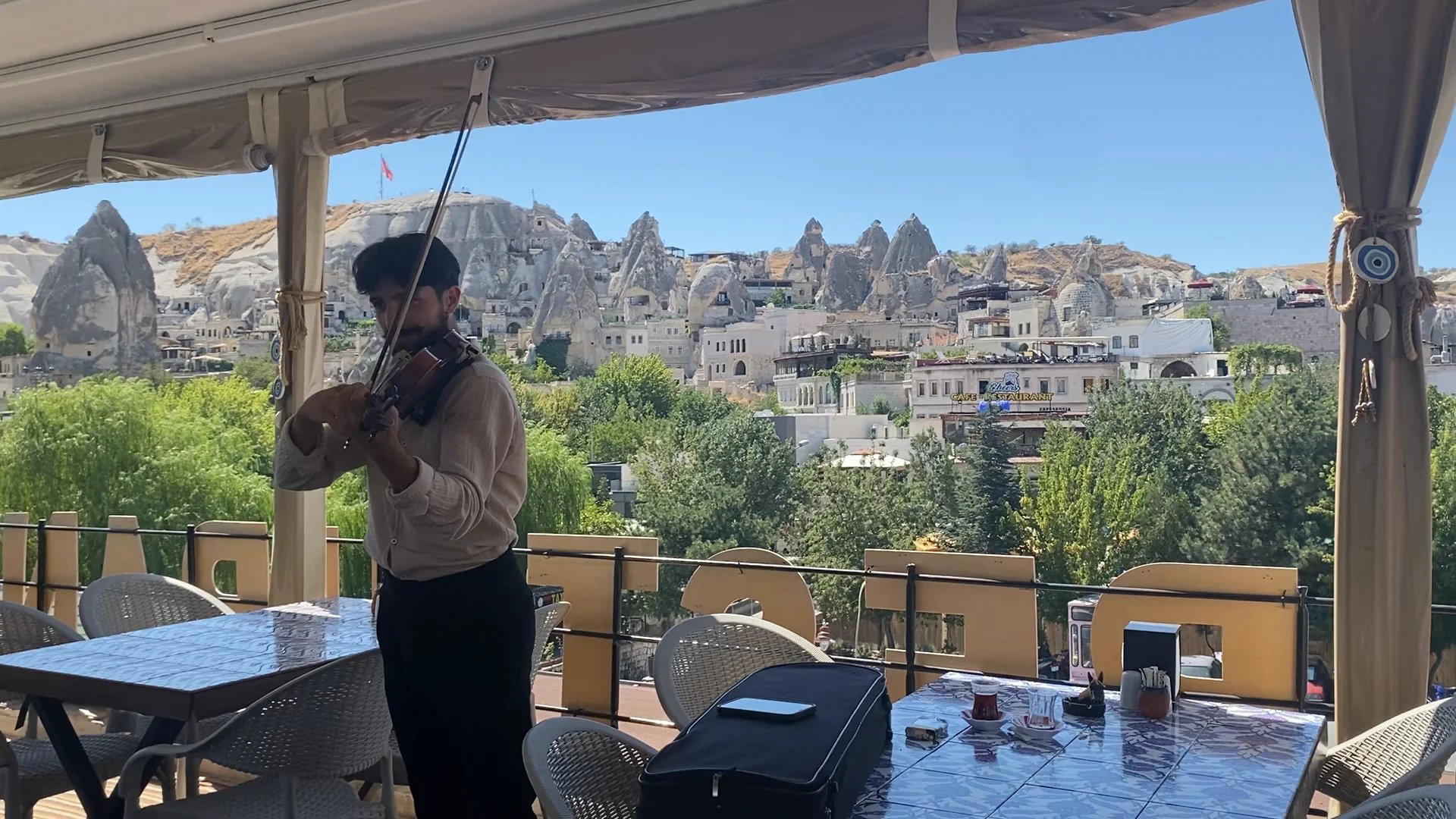
Cozy and relaxing with beautiful terrace views of the valley and fairy chimneys, quiet relaxing music, and warm hospitality.