
Tabelog 100 #57
Our verdict
TOKU-TOKU places Yachiyo’s ramen scene in the serious, low-friction counter tradition: compact room, short daytime service, and a dried-ingredient soup style that rewards attention rather than spectacle. Its repeated Tabelog Ramen EAST “Tabelog 100” selections from 2020 through 2025 make it a notable Chiba address for travellers tracking ramen outside central Tokyo.

Pearl is the En Primeur Club membership app, where members save venues, book tables and use the concierge.
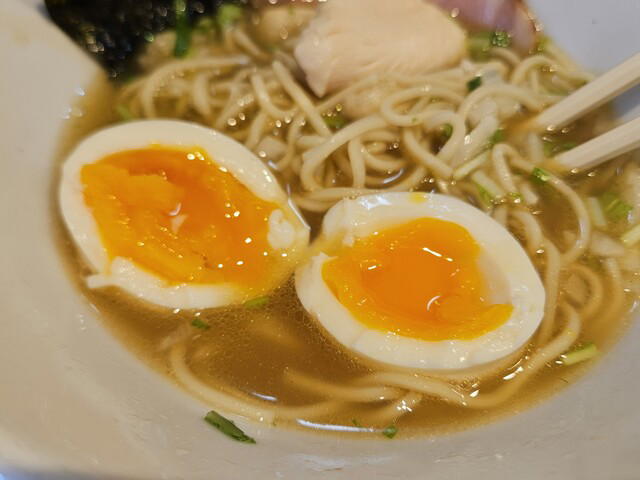
The menu
What to order
- Niboshi soba
- Shoga niboshi soba (ginger niboshi ramen)
Approaching a ramen shop in Yachiyo changes the pace of the meal before the bowl arrives. This is not Ginza, Shinjuku, or a station-mall food floor; the rhythm is local and practical rather than metropolitan. That matters for ramen. Away from central Tokyo’s high-turnover clusters, a modest local stop can operate with a narrower focus, less theatre, and a clearer relationship between the bowl and the people willing to make the trip.
TOKU-TOKU belongs to that category: a local ramen shop with national recognition inside a format that remains modest in spirit. Its public listing places it squarely in ramen, and the appeal is less about spectacle than about a bowl that justifies attention. In Japan, ramen can range from heavy, maximal styles to quieter bowls built around balance and savoury depth. TOKU-TOKU’s value for travellers is that it gives Yachiyo a specific ramen address rather than another generic meal stop.
Ramen focus, without the central Tokyo performance layer
Japan’s ramen culture is often discussed through regional labels, but the more useful distinction for a visit is focus and balance. Some bowls announce themselves with texture and fat; others rely on layering, timing, and restraint. A bowl built this way can read lighter while carrying a firm savoury core, which explains why specialist shops often attract diners who pay close attention to balance rather than excess.
The recognition is not casual. TOKU-TOKU is listed in the 2025 Tabelog Hyakumeiten ramen selection, with a Tabelog score of 3.76 attached to that listing. For a Yachiyo ramen shop, that signal matters: it points to a venue being evaluated beyond simple neighbourhood convenience. It also gives the shop a clearer place in the wider ramen conversation, where central Tokyo addresses often dominate attention and Chiba-area specialists have to earn travel on merit.
That distinction is useful for readers comparing Yachiyo options. hana, also in Yachiyo, may sit in a similarly everyday local-dining frame, but the editorial question is not which name is louder. It is whether the meal should be built around ramen as a narrow craft, or around a broader local restaurant stop. For a ramen-focused itinerary, TOKU-TOKU gives this shop a more specific reason to detour.
A focused room changes how the meal behaves
Ramen shops are not just smaller versions of general restaurants. The format changes the social contract. A focused ramen setting favours quick decisions, solo diners, and pairs who understand that the meal is about the bowl rather than lingering. That directness also keeps the experience close to the kitchen’s pace, a key part of why specialist ramen can feel more exacting than its price category suggests.
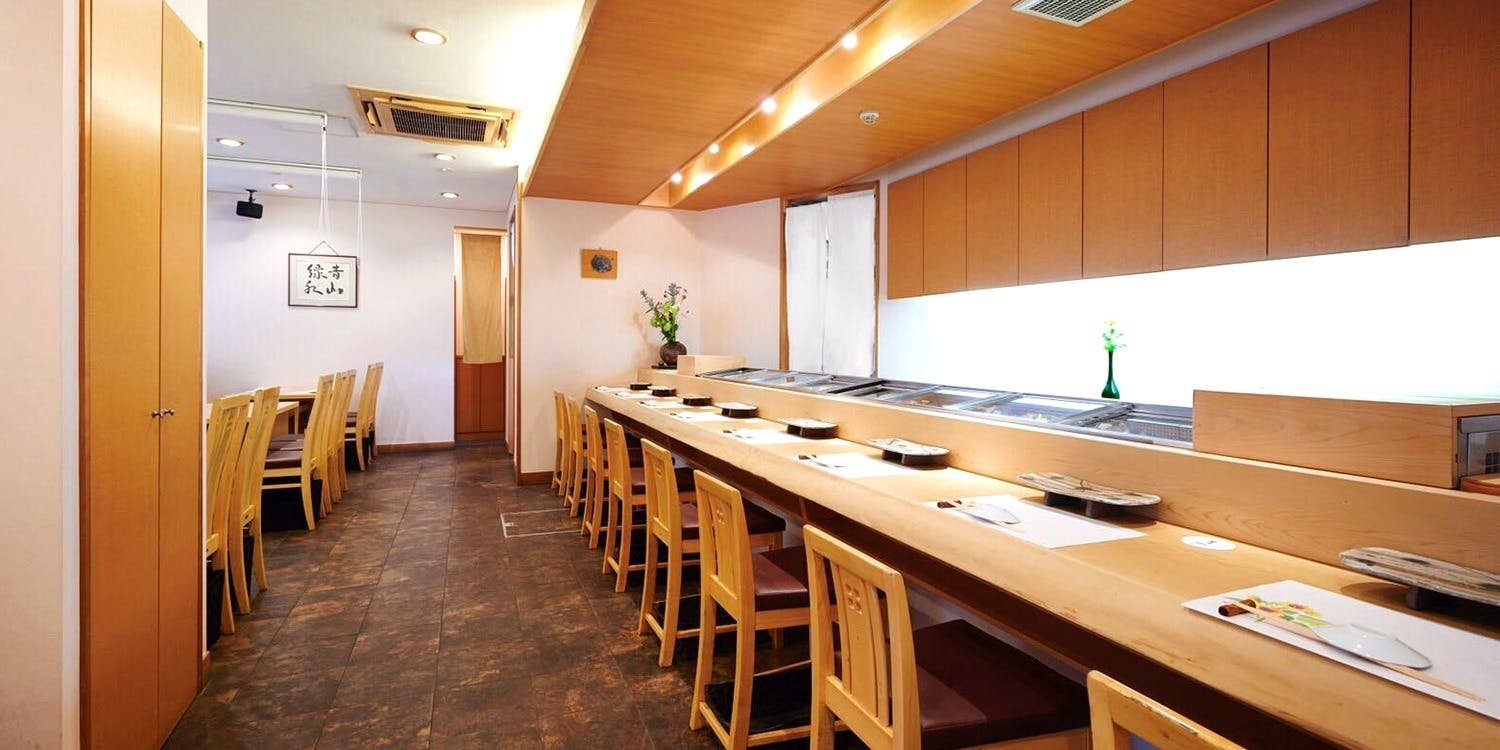
The practical texture is disciplined rather than ceremonial. TOKU-TOKU is best approached as a focused ramen stop, not as a leisurely dining room or a venue designed around extended service. That does not make the experience austere; it makes the priorities clear. The appeal is in the concentration of the meal, the local setting, and the sense that the visit exists to serve ramen efficiently.
Travellers should also plan with the habits of Japanese ramen shops in mind. Confirm current service details before going, carry enough flexibility for waits or limited availability, and treat the visit as part of the experience rather than a reservation-style restaurant appointment. In this category, convenience is rarely the point; the point is whether the bowl gives the journey a reason.
Where it fits in a Yachiyo food day
Yachiyo rewards a different kind of appetite from central Tokyo dining. The city’s stronger food stops are often practical, residential, and locally used, which means the value is in timing and specificity rather than a stacked itinerary of tasting menus and cocktail rooms. For a ramen stop, TOKU-TOKU makes sense as a targeted detour inside Yachiyo rather than as a casual add-on to a luxury restaurant crawl.
The meal works well when treated as a focused ramen plan rather than a flexible all-day option. Because ramen shops can be sensitive to queues, stock, and changing service conditions, the safest approach is to check the latest public listing before visiting and arrive with patience. In a modest local setting, the queue and the pace are part of the format, not an interruption to it.
For broader planning around the area, use Our full Yachiyo restaurants guide alongside the city’s adjacent travel rails: Our full Yachiyo hotels guide, Our full Yachiyo bars guide, Our full Yachiyo wineries guide, and Our full Yachiyo experiences guide. Readers building a wider Japan food map can also compare how specialist formats travel across categories, from other local dining rooms in Yachiyo to unnamed ramen counters, bakeries, casual kitchens, and neighbourhood restaurants elsewhere.
The editorial case is clear: this is ramen for travellers who value ingredient logic, focused service, and credible recognition over central-city convenience. The ramen identity gives the meal its reason; the Yachiyo setting gives it context; the specialist-shop format keeps the experience honest.
Frequently asked questions
Does TOKU-TOKU work for a family meal?
Yes, if the group is comfortable with a ramen-shop format. The listed budget is Dinner: JPY 1,000 - JPY 1,999; Lunch: JPY 1,000 - JPY 1,999, making it approachable, but visitors should check current service details before going.
What is the atmosphere like at TOKU-TOKU?
It is a ramen shop in Yachiyo. The 2025 Tabelog Hyakumeiten recognition points to a focused ramen venue rather than a general-purpose dining room.
What's the pricing like at TOKU-TOKU?
Pricing at TOKU-TOKU is listed as JPY 1,000 - JPY 1,999 JPY 1,000 - JPY 1,999.
What are TOKU-TOKU's hours?
Current hours are not provided here. Check the latest public listing before visiting TOKU-TOKU.
Fast Comparison
Comparable venues by cuisine and price in the same metro.
| Venue | Cuisine | Price | Awards | Notes |
|---|---|---|---|---|
| TOKU-TOKUThis venue (the venue you are viewing) | Niboshi-focused ramen shop | $10–20 | Tabelog 100 #57 | Not listed |
| hana | South Indian Home-Style Cuisine | Not listed | Tabelog 100 #66 | Yachiyo |
| Akasaka Ajiichi | Classic niboshi ramen shop | $1–10 | Tabelog 100 #60 | / Funabashi |
| Menya Ittou | Modern Tokyo tsukemen & ramen | $10–20 | Tabelog 100 #3 | Katsushika |
| 旭がのぼるまで | Miso Ramen | Not listed | Not listed | Susukino |
| 利尻富士町レストハウス | Japanese Lakeside Seafood | Not listed | Not listed | 利尻富士町 |
Recognition history
Dated appearances from independent guides and award organizations, with the underlying list record or original source where available.
Tabelog 100 #57 · No. 57
Tabelog · Tabelog 100 - Ramen - EAST - 2025
Continue exploring
More in Yachiyo
Restaurants in Yachiyo
All restaurants in Yachiyo →









Details
- Cozy
- Intimate
- Solo
- Casual Hangout
- After Work
- Chefs Counter
- Standalone
- A La Carte
- Counter Dining
Current opening hours
- Monday
- Closed
- Tuesday
- Closed
- Wednesday
- 11 AM–2:30 PM
- Thursday
- 11 AM–2:30 PM
- Friday
- 11 AM–2:30 PM
- Saturday
- 11 AM–2:30 PM
- Sunday
- 11 AM–3 PM
Hours can change for holidays and private events. Hours as of .