
Tabelog 100 #22
Our verdict
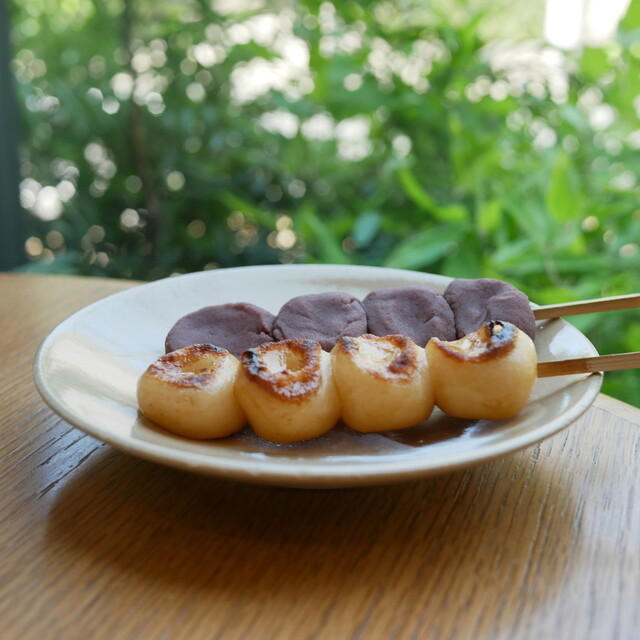
Habutae Dango Honten belongs to Tokyo’s older wagashi rhythm: brief stops, repeat orders, and a narrow sweets-cafe format rather than dessert theatrics. Its 2023 Tabelog 100 selection for Tokyo Japanese traditional sweets and sweets cafes, compact 15-seat room, and take-out service place it in the practical, regular-led side of Nippori eating.

Pearl is the En Primeur Club membership app, where members save venues, book tables and use the concierge.
The menu
What to order
- Habutae dango (anko & shoyu)
- Shizuku-an
- Puti monaka
Around Tokyo’s sweets shops, the city changes register. Counter meals, quick noodles, and late-night rooms give way to wagashi, tea, and something to carry home. Habutae Dango Honten fits that rhythm: small format, - JPY 999 - JPY 999 listed spend, and appeal based less on novelty than repetition, where the regular’s order matters more than the tourist checklist.
Tokyo sweet shops split into department-store gift counters, tea salons, patisserie hybrids, shaved-ice destinations, and local wagashi rooms that work as part cafe, part sweets counter. Habutae Dango Honten belongs to that last group. Its selection for the 2023 Tabelog Hyakumeiten list, in the Japanese traditional sweets and cafe featuring Japanese sweets categories, gives it a public marker, but the clearer clue is the operating format: focused, modestly priced, and built around a category locals understand. In a city that can turn dessert into queue theatre, this remains a compact local ritual.
Tokyo wagashi works on habit, not spectacle
Tokyo is a useful place to read the city’s older food grammar. Around stations and neighborhood shopping routes, daily movement carries memory: commuters, families, walkers, shoppers, and visitors moving through the city. Here, sweets are not an afterthought to dinner. They are a separate stop with their own timing and etiquette, often eaten early, taken home, or folded into a short afternoon break.
Regulars read wagashi shops by category rather than full menus. Dango, seasonal sweets, tea service, and giftable boxes each imply a different use. A sweets cafe does not compete with a longer lunch at Yamada Ya Nishinippori ten, or with the savory rhythm of Teuchi Udon Akau. It competes for a narrower decision: a brief, low-cost stop with enough focus to make the pause feel intentional. That is why the Tokyo setting matters to repeat customers without acting like a destination restaurant script.
The Tabelog score of 3.72 and the 2023 Hyakumeiten selection place Habutae Dango Honten within a recognized Tokyo wagashi cohort. Read those signals carefully. They do not mean luxury, ceremony, or a chef-led tasting format. They point to consistency in a category where small differences in texture, timing, and packaging define loyalty. In Tokyo, that recognition often matters more for sweets shops than a dramatic dining-room narrative.
The regulars' map: sit briefly, carry something out, keep moving
The unwritten menu is a set of uses. Solo diners come because the format allows a short stop without full-meal pressure. Families come because the category is easy to fold into an ordinary day. Friends use it as a pause between stations, shops, and neighborhood walks. The broader sweets-counter rhythm expands the audience beyond seated dining, essential in a city where foot traffic and train timing shape eating patterns.
That practical modesty is part of the appeal. Tokyo has many dessert addresses built for photography and other sweet stops where the dessert break becomes the main event. Habutae Dango Honten occupies a different lane: traditional in feeling, quieter, and tied to wagashi’s everyday place in the city. French Gashi Patissier Chocolatier Inamura Shozo shows another branch of Tokyo sweets culture, where patisserie and chocolatier formats sit beside Japanese confectionery rather than replacing it.
For travelers building a Tokyo eating day, that distinction matters. A wagashi stop before or after a larger meal adds texture without turning every hour into a reservation. The same day might include unnamed Tokyo dining rooms across curry, grilled dishes, noodles, or casual counter formats, but the wagashi stop plays a smaller, sharper role. It resets palate and pace.
The appeal is its straightforward use: a recognized Japanese traditional sweets and sweets-cafe address with modest listed budget and an easy fit between larger plans. Rather than treating it like a long seated meal, use it as a short-stay sweets stop within the city’s larger food-and-travel grid. For broader planning, Our full Tokyo restaurants guide, Our full Tokyo hotels guide, Our full Tokyo bars guide, Our full Tokyo wineries guide, and Our full Tokyo experiences guide place this stop within the city’s larger food-and-travel grid.
How to place it in a Tokyo itinerary
The case for Habutae Dango Honten is not that it replaces a major meal. It adds an older Tokyo register many restaurant-led trips miss. The city’s current dining conversation often favors scarce seats, chef counters, and late-night rooms, but wagashi shops preserve a different discipline: small servings, daytime tempo, repeat purchase, and citywide recognition. The regulars’ perspective is right: the question is not whether the room performs for a special occasion, but whether it fits ordinary movement.
That makes it especially useful in Tokyo, where walking, transit, and small purchases shape the day. Visitors coming from heavier meals or richer formats may find the contrast instructive. Tokyo’s food culture is not only long-form dining; it is also precise, low-cost stops that locals fold into routine. In that sense, this sweets cafe sits closer to the city’s daily pulse than many more expensive rooms.
For comparison within Tokyo, specialist formats can anchor a day in different ways. Himitsu Do points to the shaved-ice side of the city’s dessert culture, while Yakiniku Uguisudanien, Teuchi Udon Akau, and Yamada Ya Nishinippori ten show how savory specialists can define a different kind of stop. Habutae Dango Honten belongs to that logic: go for the category, Tokyo rhythm, and repeat-customer intelligence, not spectacle.
Tokyo rewards diners who leave space between headline meals. This is one of those spaces: a small wagashi stop with formal recognition, modest pricing, and enough local utility to explain why it endures in regular circulation. Treat it as a precise pause, and the city reads better afterward.
In Context: Similar Options
Comparable options at the same price tier.
| Venue | Cuisine | Price | Awards | Notes |
|---|---|---|---|---|
| Habutae Dango HontenThis venue (the venue you are viewing) | Traditional Japanese dango & wagashi teahouse | $1–10 | Tabelog 100 #22 | Not listed |
| Teuchi Udon Akau | Handmade Udon & Izakaya | $20–30 | Tabelog 100 #47 | Arakawa |
| Nezu no Taiyaki | Traditional Taiyaki Shop | $1–10 | Tabelog 100 #2 | Bunkyō |
| Kikumaru | Traditional Japanese sweets café (anmitsu & wagashi) | $1–10 | Tabelog 100 #82 | Taitō |
| Spice Palette | Japanese curry house | Not listed | Tabelog 100 #70 | Taitō |
| Yanagiya | Japanese Confectionery / Taiyaki | $1–10 | Tabelog 100 #12 | Chūō |
Recognition history
Dated appearances from independent guides and award organizations, with the underlying list record or original source where available.
Tabelog 100 #22 · No. 22
Tabelog · Tabelog 100 - Japanese traditional sweets / Japanese sweets cafe - TOKYO - 2023
Continue exploring
More in Tokyo
Restaurants in Tokyo
All restaurants in Tokyo →



Bars in Tokyo
All bars in Tokyo →

Details
- Classic
- Cozy
- Well Known
- Quiet
- Solo
- Casual Hangout
- Family
- After Work
- Historic Building
- Standalone
- Design Destination
- Local Sourcing
- Street Scene
- A La Carte
- Counter Dining
- Tea
- Coffee
Current opening hours
- Monday
- 9:30–11 AM, 12–4:30 PM
- Tuesday
- 9:30–11 AM, 12–4:30 PM
- Wednesday
- 9:30–11 AM, 12–4:30 PM
- Thursday
- 9:30–11 AM, 12–4:30 PM
- Friday
- 9:30–11 AM, 12–4:30 PM
- Saturday
- 10 AM–4:30 PM
- Sunday
- 10 AM–4:30 PM
Hours can change for holidays and private events. Hours as of .
A small, restored historic wagashi teahouse with about fifteen non-smoking seats, quiet and unhurried, where simple wooden furnishings and natural light create a calm, nostalgic atmosphere suited to savoring traditional sweets and tea.