


Set on the lower floor of València's Modernist Mercado de Colón, Habitual is the accessible arm of chef Ricard Camarena's restaurant group, holding a Michelin Plate (2025) for its broad Mediterranean à la carte. The menu revisits archival dishes from Camarena's career alongside market-led vegetable preparations, all at a price point well below the flagship, making it one of the more useful entry points into serious Spanish cooking in the city.
Pearl is the En Primeur Club membership app — saves, bookings, and concierge access live there. Same editors, same standards.
- Address
- Mercado de Colón, Carrer de Jorge Juan, 19, L'Eixample, 46004 València, Valencia, Spain
- Phone
- +34 963 44 56 31
- Website
- habitual.es
- Directions
- Get directions
 Saves & bookings on Pearl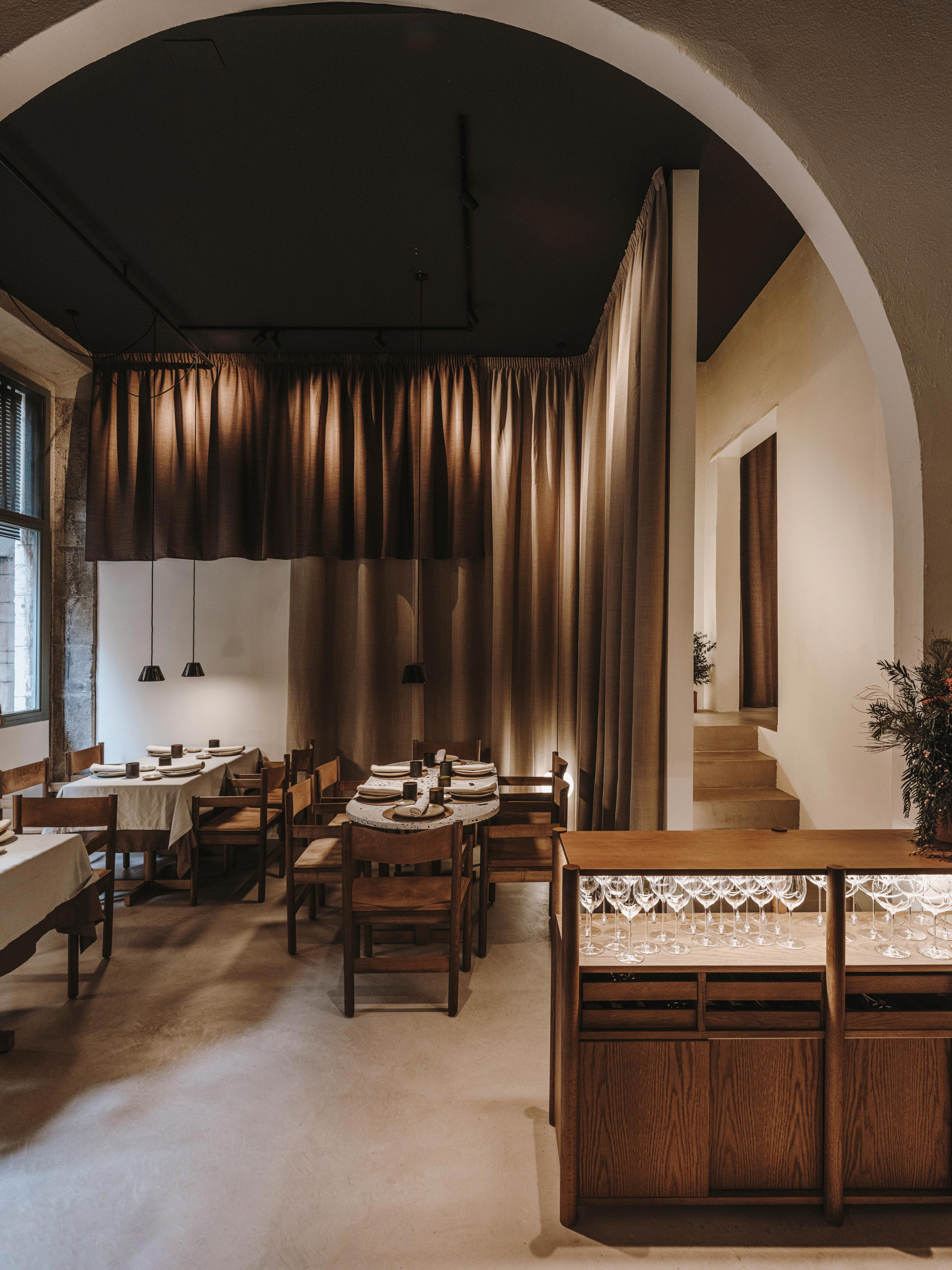
A Market Hall at Midday and Something Different After Dark
The Mercado de Colón is one of L'Eixample's more distinctive civic spaces: a 1916 Valencian Modernist structure by Francisco Mora Berenguer, all ornamental ironwork and arched facades, that stopped functioning as a food market decades ago and has since become a cultural and hospitality destination. The building draws a steady daytime crowd, office workers, weekend browsers, tourists cutting through on the way to the old town. Habitual, positioned on its lower floor, is set up to absorb all of them across a long service window, and the experience of eating there at noon versus eating there at eight in the evening are two noticeably different propositions.
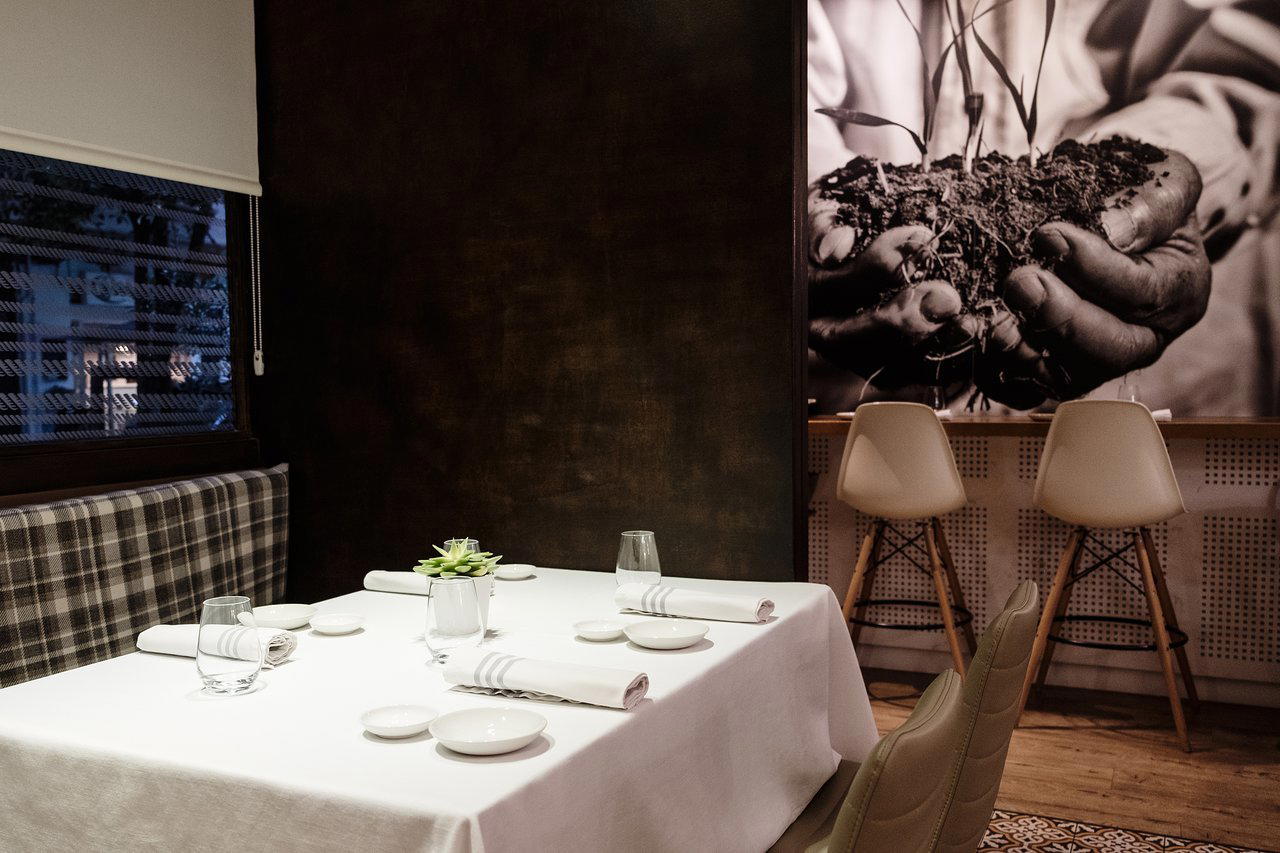
During the day the room runs at a faster tempo. The broad à la carte, one of the more extensive menus in the Camarena group, allows tables to move at their own pace, and the layout accommodates the kind of lunch that might last forty minutes or might stretch to two hours. The building's architecture does significant atmospheric work: the vaulted ceilings and iron detailing create a sense of occasion that a room of this size in a standard commercial block would not achieve. By evening, when the foot traffic around the market thins, the same space reads as a more deliberate dining destination rather than a convivial mid-city pitstop.
Where Habitual Sits in the Camarena Ecosystem
Ricard Camarena runs what is effectively a tiered group in Valencia. At the apex sits Ricard Camarena on Carrer Doctor Sumsi, a restaurant operating at the three-Michelin-star level and in a different conversation entirely in terms of price, format, and booking complexity. Below that sits a middle tier of more accessible addresses, of which Habitual is especially informal and the broadly pitched.
That positioning matters when comparing it to what else exists in the city at the €€ mark. Fierro, Fraula, and El Poblet all operate at higher price points and with tighter, more structured formats. Habitual trades the precision of those experiences for accessibility: more covers, more menu freedom, and a building that functions as a social space as much as a dining room. The restaurant's recognition confirms a kitchen operating above the baseline of casual dining, without placing it in the same bracket as the tasting-menu addresses. It is a useful marker, the guide's signal that the cooking deserves attention even without the ceremony of a starred format.
For a broader sense of what the city's higher-end addresses look like, the full València restaurants guide maps the scene from this price tier upward, including Kaido Sushi Bar for those who want to move outside the Spanish Mediterranean frame entirely. Spain's wider fine-dining circuit, for context, includes addresses like Quique Dacosta in Dénia, El Celler de Can Roca in Girona, Arzak in San Sebastián, Aponiente in El Puerto de Santa María, Azurmendi in Larrabetzu, and DiverXO in Madrid, each operating at a different register from Habitual but illustrating the depth of the country's current restaurant culture. Internationally, Loumi in Berlin and Haubentaucher in Rottach-Egern represent comparable international-inflected menus in European cities, though in different spatial contexts.
The Menu's Logic: Archive and Market
The menu at Habitual operates along two axes. One draws on Camarena's back catalogue, revisiting dishes from earlier stages of his career and presenting them in a less formal context than they originally occupied. This is a pattern that appears in ambitious chef groups internationally, the lower-tier address as a kind of living archive, where well-executed earlier work reaches a wider audience. It gives the menu a depth that purely trend-driven kitchens at this price point rarely achieve.
The second axis is the market. The Mercado de Colón itself no longer sells produce, but Valencia's network of active markets, the Mercado Central most prominently, remains one of the strongest in Spain, and the menu reflects that supply chain. Vegetable preparations take a more prominent role here than at most Spanish casual-dining addresses: braised eggplant dishes, fried green mini peppers finished with egg yolk sauce and cured fish roe, and other preparations where the vegetable is the structural focus rather than a supporting element. This is consistent with a broader shift in Spanish cooking over the past decade, in which the vegetable course has moved from garnish to centrepiece at restaurants ranging from the casual to the formally starred.
International elements flagged in the kitchen's description are present but light-touch, inflections rather than departures. The menu's identity remains Mediterranean, with the Levantine specificity of Valencia's own food culture (olive oil, coastal produce, rice and pulse traditions) as its backbone.
Lunch, Dinner, and How to Approach Each
Lunch-versus-dinner question at Habitual is worth thinking through before booking. At lunch, the building's energy and the looser pace of the service make it well-suited to long, unhurried meals or, equally, to efficient ones. The price point at €€ means a full table of starters and mains for two sits comfortably below the threshold of the city's mid-tier tasting menus. If the goal is to eat well in a genuinely interesting architectural space without committing to a fixed menu, a weekday lunch here is a reasonable first choice.
Evening service shifts the register slightly. The crowd changes, the ambient noise level drops relative to the daytime peak, and the same menu reads as a more considered dinner choice. For visitors using Habitual as an introduction to the Camarena kitchen before booking the flagship, a logical sequencing, an early evening visit works well and leaves room for a drink at one of the bars covered in the full València guide. Those planning a longer stay in the city may also find the València hotels guide, wineries guide, and experiences guide useful for building out the wider itinerary.
Habitual is located at Mercado de Colón, Carrer de Jorge Juan 19, in the L'Eixample district, postcode 46004. The market is walkable from the city centre and accessible by metro. Reservations are recommended, especially for lunch.
Where the Accolades Land
Comparable venues nearby, for context on price, style, and recognition.
| Venue | Cuisine | Price | Awards | Notes |
|---|---|---|---|---|
| HabitualThis venue — the venue you are viewing | Modern Mediterranean | $$ | Michelin Plate | Not listed |
| Haku | Italian-Japanese Fusion Omakase | $$ | Michelin Plate | La Gran Via |
| La Sucursal | Modern Mediterranean Fine Dining | $$$ | Not listed | El Grau |
| Karak | Modern Mediterranean Fusion | $$$ | Michelin Plate | El Mercat |
| Rausell | Traditional Valencian Seafood & Tapas | $$ | Not listed | Arrancapins |
| Nozomi Sushi Bar | Modern Japanese Sushi Bar | $$$ | Michelin Plate | Russafa |
Recognition history
Dated appearances from independent guides and award organizations, with the underlying list record or original source where available.
Macarfi 8 Food Rating
Macarfi
Michelin Plate
Michelin
Michelin Plate
Michelin
We're Smart World 3 Radishes
We're Smart World
Michelin Plate
Michelin
Continue exploring
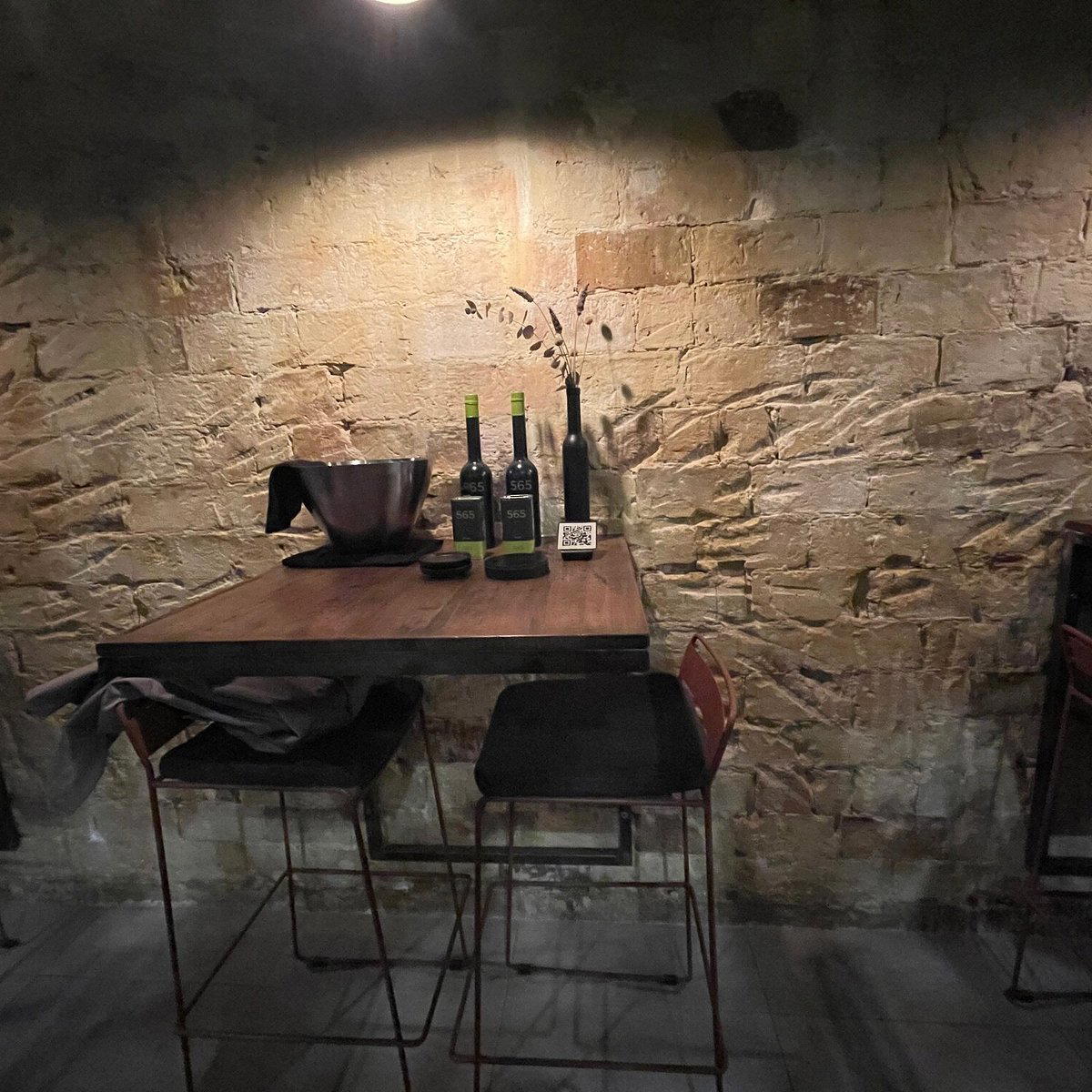
More in València
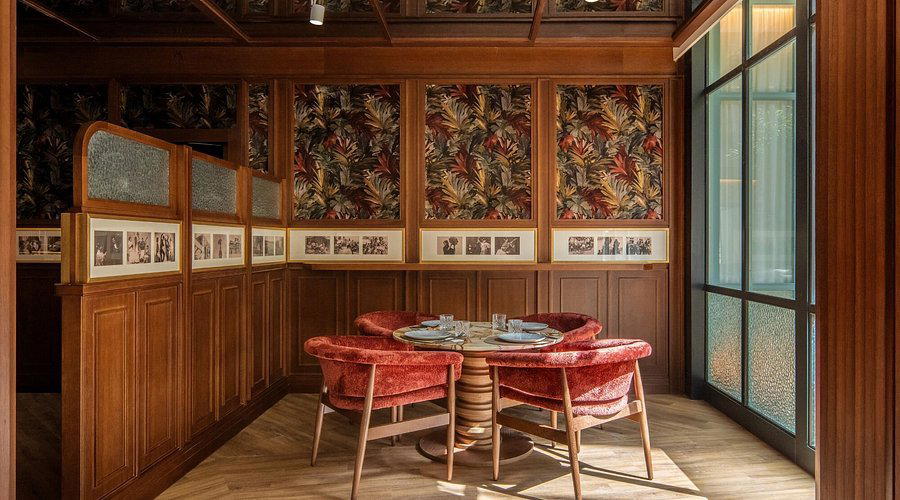
Restaurants in València
Browse all →
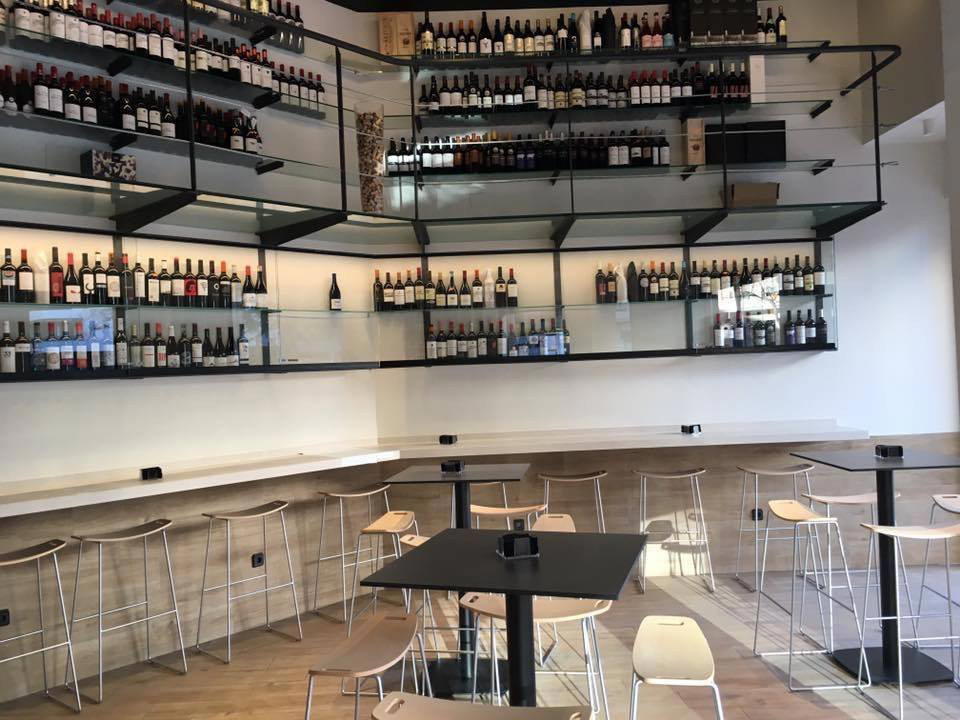
Bars in València
Browse all →
Hotels in València
Browse all →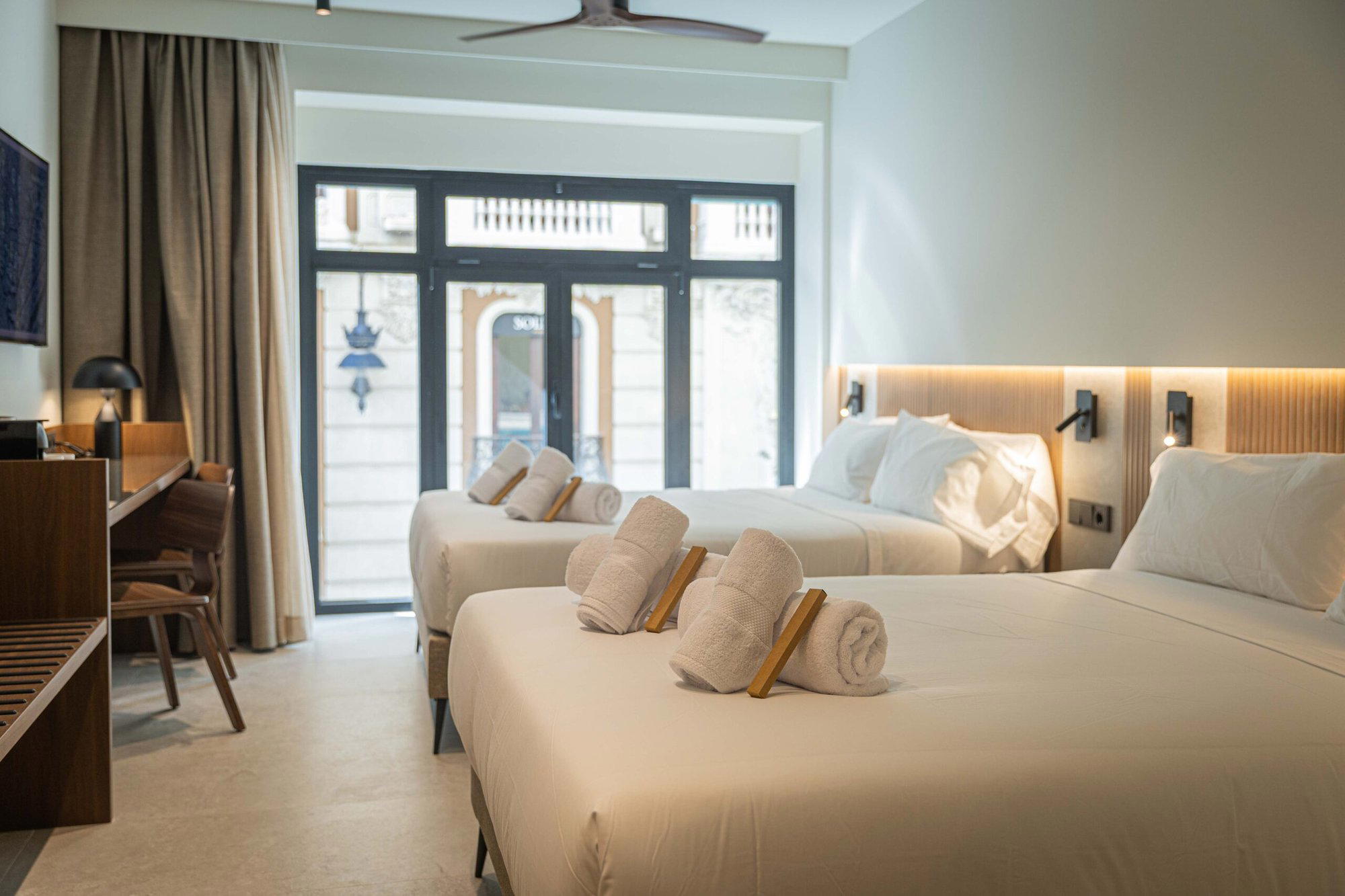
Wineries in València
Browse all →
At a Glance
- Trendy
- Modern
- Elegant
- Sophisticated
- Date Night
- Business Dinner
- Special Occasion
- Open Kitchen
- Historic Building
- Design Destination
- Extensive Wine List
- Natural Wine
- Sommelier Led
- Organic
- Local Sourcing
Current opening hours
- Monday
- 1:30–5 PM, 8–11 PM
- Tuesday
- 1:30–5 PM, 8–11 PM
- Wednesday
- 1:30–5 PM, 8–11 PM
- Thursday
- 1:30–5 PM, 8–11 PM
- Friday
- 1:30–5 PM, 8–11 PM
- Saturday
- 1:30–5 PM, 8–11 PM
- Sunday
- 1:30–5 PM
Hours can change for holidays and private events. Last verified .
Contemporary and refined with artful plating and a curated atmosphere that balances approachability with sophistication.