
Gyoza no Yuta puts Osaka’s dumpling culture in a compact counter format rather than a polished downtown dining room. Its Tabelog 100 Dumplings 2024 selection, take-out service, and modest spend profile make it a useful reference point for travelers comparing neighborhood gyoza with the city’s broader casual-dining strength.
Pearl is the En Primeur Club membership app — saves, bookings, and concierge access live there. Same editors, same standards.
- Address
- 5-1 Tai Nishimachi, Neyagawa, Osaka 572-0020, Japan
- Phone
- +81 72-803-6278
- Website
- gyo-zanoyu-ta.jimdo.com
 Saves & bookings on Pearl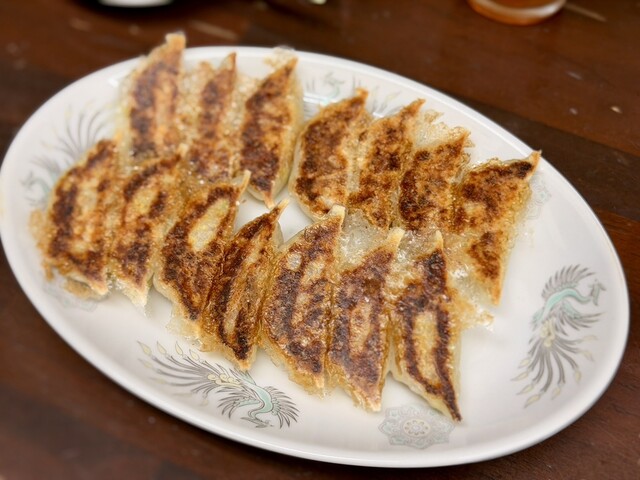
The approach to a serious gyoza shop in Osaka rarely announces itself with ceremony. The clues are smaller: counter seats, a short rhythm of orders, the practical pace of a room built around turnover rather than ceremony. In Neyagawa, that format matters. Gyoza no Yuta belongs to the part of Osaka dining where reputation is earned through repetition, compact service, and a narrow category executed with enough consistency to draw attention beyond the immediate neighborhood.
Osaka’s casual food culture is often flattened into neon shorthand, but the better reading is economic and social. The city has long rewarded places that deliver satisfaction at a restrained spend, from dumplings and noodles to bakery counters and lunch sets. That is why a dumpling specialist here can sit in the same broader conversation as 551 Horai (551蓬莱), a mass-recognition Osaka name, while operating at a far smaller, more local scale. The point is not luxury. The point is whether a short meal can carry enough craft and reliability to justify a detour.
A seven-seat counter in Osaka's value-driven dumpling tier
The value proposition is unusually clear: a narrow dumpling category, counter-led service, and the kind of pricing that keeps the meal in everyday territory rather than special-occasion territory. In Osaka, that puts the restaurant in a competitive band with other focused low-spend rooms such as Ue o Muite, Lamp wakazou, Teuchi Soba Noda, and Soba Kiri Tensho, where the decision is less about spectacle than about category discipline. Gyoza no Yuta’s Tabelog score of 3.61 and selection for Tabelog 100 Dumplings 2024 give the place a public signal that matters in Japan’s crowded casual-dining field.
That recognition is especially useful because gyoza is not a category that benefits from long explanations. The format is direct: dumplings, counter seating, take-out, and a rhythm suited to solo diners, friends, and families. A seven-seat room changes the experience. It compresses the meal, limits lingering, and places the cooking format closer to the diner than in larger Chinese-style restaurants or izakaya settings. For travelers, that intimacy should be read practically rather than romantically: small capacity rewards off-peak timing and flexible plans.
Osaka’s strongest casual specialists often work this way. They keep the premise tight and let the category carry the visit. A bakery such as 52CHO-ME BAKERY, a cafe like .cafe, and an Italian counter-leaning room such as a canto (Italian) all speak to a city where narrow formats can travel well when the execution is credible. Gyoza belongs naturally in that ecosystem: short order, quick satisfaction, low friction.
Why the Tabelog dumpling signal matters here
Tabelog’s Hyakumeiten lists are useful because they separate category specialists from the city’s general restaurant noise. A dumpling selection in 2024 does not make a place formal or rarefied; it identifies a shop that has earned attention within a field where many meals are inexpensive, quick, and highly comparable. That distinction is the editorial point. In a city dense with casual eating, external category recognition helps visitors avoid treating every gyoza counter as interchangeable.
The comparison set also clarifies the decision. Ue o Muite and Teuchi Soba Noda operate in a similar spending bracket but answer a different craving: noodles rather than dumplings. Lamp wakazou sits even lower on spend, again in a casual register. Gyoza no Yuta is for the diner who wants Osaka at its compact, category-specific end rather than a long menu or a high-touch room. The meal is not trying to compete with tasting-menu Osaka. It competes with the city’s efficient specialists, where the check stays controlled and the margin for error is small.
There is also a suburban Osaka dimension. Neyagawa is not the usual first stop for visitors building a food itinerary around Namba, Umeda, or Shinsekai. That lowers the chance of accidental discovery and makes the award signal more relevant. The trip makes sense for travelers already moving through the Keihan corridor, dumpling obsessives comparing regional styles, or repeat Osaka visitors looking beyond central districts. First-time visitors with limited meals may prefer to anchor the broader plan through Our full Osaka restaurants guide, then decide whether a focused gyoza stop fits the route.
How to fit it into a wider Osaka food day
The smartest use of this meal is as a compact stop, not the centerpiece of a full evening. Its counter format and take-out option make it easier to pair with a bakery run, a coffee stop, or a later bar reservation. Osaka rewards that kind of sequencing. A traveler might compare casual rooms across categories during the day, then shift to drinks using Our full Osaka bars guide, or build a longer stay around Our full Osaka hotels guide and Our full Osaka experiences guide. For readers mapping Japanese food more broadly, Our full Osaka wineries guide is less central to this specific meal but useful for separating restaurant planning from drinks-led itineraries.
What makes the stop persuasive is restraint. There is no need to invent a grand narrative around a dumpling counter. The appeal is that Osaka’s lower-cost specialist culture can produce meals with enough recognition to stand beside pricier categories in editorial importance. A seven-seat gyoza shop with take-out, a non-smoking room, family-friendly use, and a 2024 dumpling award says something precise about the city: value here is not a euphemism for compromise. It is often the organizing principle.
For wider Japan comparisons, the same logic appears across small-format dining: single-category focus, controlled spend, and neighborhood specificity. See how that plays out at -Grilled beef Sukiyaki- KAMAKURA TANUKIAN 鎌倉 たぬき庵 in Kamakura. 鮪と炭火焼き うお炭 秋葉原店 in Tokyo.know in Kumamoto, (Shoku) Vietnam in Kawasaki, [Curry Senmon Ten] Maruyama Kyoju. in Sapporo, and [ki:] in Kyoto. The international parallels are different but useful: Jōdo Saké Bar in Los Angeles and Onigiri Time in Pasadena show how Japanese formats travel when they keep the proposition disciplined.
Peers Worth Knowing
Comparable venues to anchor price and recognition.
| Venue | Cuisine | Price | Notes |
|---|---|---|---|
| Gyoza no YutaThis venue — the venue you are viewing | Japanese Gyoza Specialty Shop | $ | Not listed |
| Menya Hakkaisan | Niboshi-focused Ramen Shop | $ | Takatsuki |
| Kadoya | Japanese sweets cafe (wagashi, kakigori & ice cream) | $ | Asahi |
| KUCHE | Modern KURO-style ramen & tsukemen | $ | Higashiyodogawa |
| NAKAGAWA Wazu | Niboshi-focused Ramen Counter | $ | Higashiyodogawa |
| Washington Shokudo | Standing Japanese bar (tachinomi izakaya) | $ | Miyakojima |
Recognition history
Dated appearances from independent guides and award organizations, with the underlying list record or original source where available.
Tabelog 100 #7 · No. 7
Tabelog · Tabelog 100 - Dumplings - 2024
Continue exploring
More in Osaka
Restaurants in Osaka
Browse all →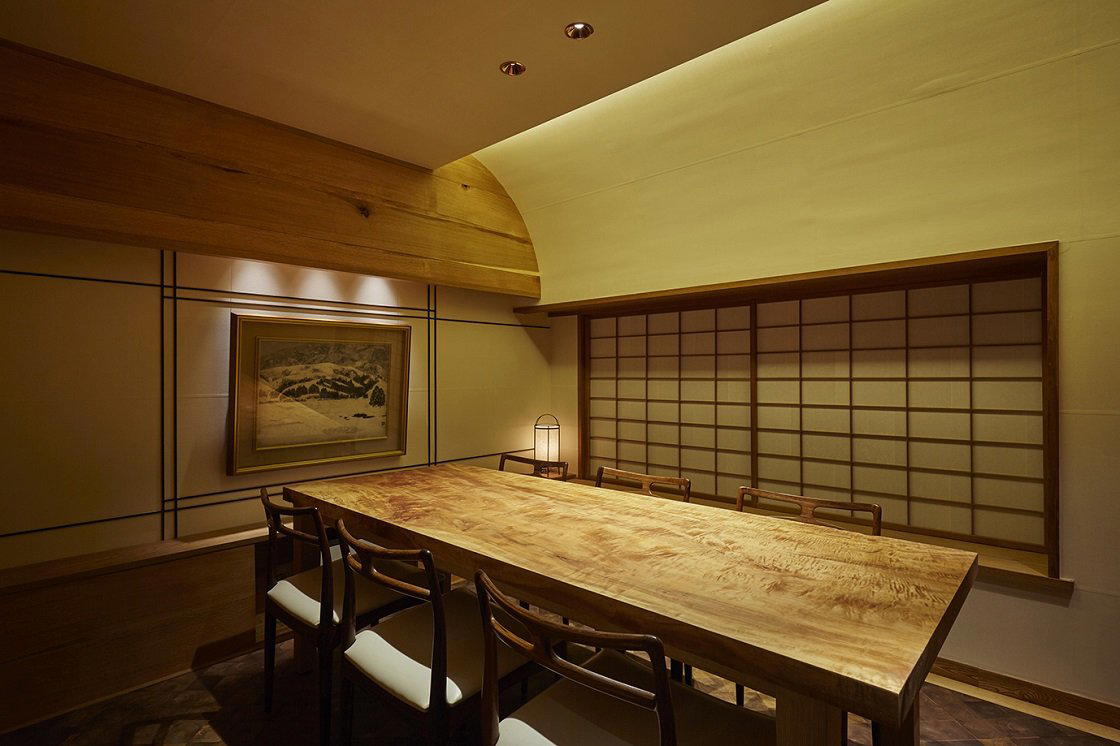




Bars in Osaka
Browse all →




Hotels in Osaka
Browse all →

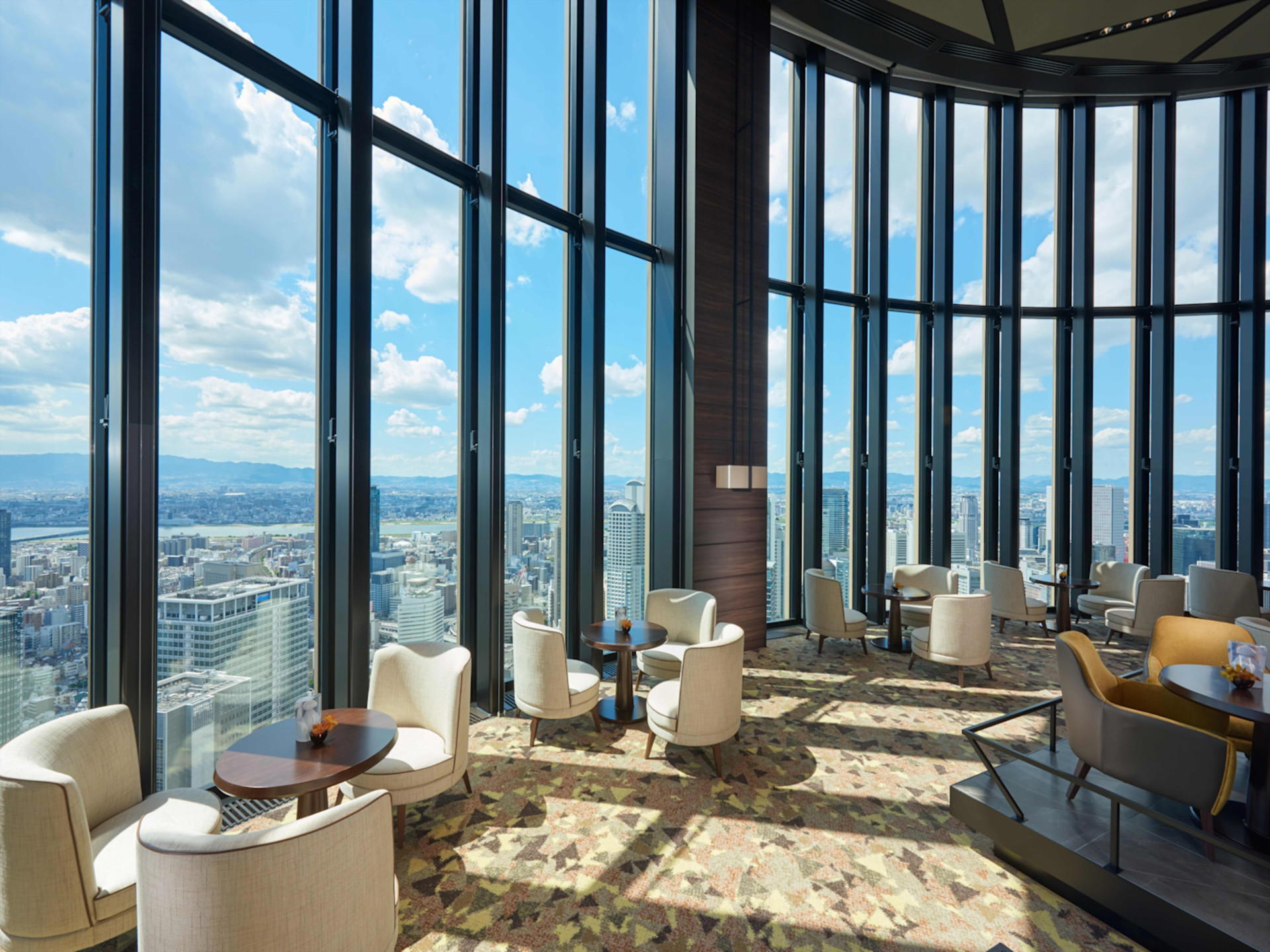


Wineries in Osaka
Browse all →
At a Glance
- Cozy
- Lively
- Solo
- Casual Hangout
- After Work
- Family
- Standalone
- Beer Program
Current opening hours
- Monday
- Closed
- Tuesday
- 11 AM–3 PM, 4–9 PM
- Wednesday
- 11 AM–3 PM, 4–9 PM
- Thursday
- 11 AM–3 PM, 4–9 PM
- Friday
- 11 AM–3 PM, 4–9 PM
- Saturday
- 11 AM–3 PM, 4–9 PM
- Sunday
- 11 AM–3 PM, 4–9 PM
Hours can change for holidays and private events. Last verified .
Casual, compact local gyoza shop with a simple, no-frills interior focused on the counter and tables around the open cooking area, creating a bustling yet relaxed neighborhood feel.