
Tabelog 100 #41
Our verdict
Gyoza Bo Butahakkai sits in Asagaya’s neighborhood dining orbit rather than Tokyo’s luxury restaurant circuit, which is precisely its appeal. The draw is dumplings, Chinese hot pot, private rooms, takeout, and a regulars’ rhythm backed by Tabelog 100 Dumplings selection in 2019, 2021, and 2024, plus Michelin Guide Bib Gourmand recognition from 2016 to 2023.

Pearl is the En Primeur Club membership app, where members save venues, book tables and use the concierge.
The menu
What to order
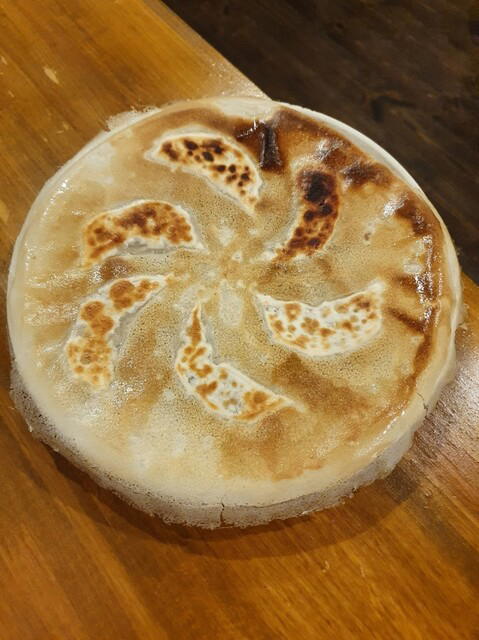
- Crispy pan-fried gyoza with star anise
- Steamed vegetarian gyoza
- Sichuan-style spicy boiled dumplings
- House hot pot course with vegetables, seafood, and meat
Approach Tokyo with an eye beyond the city’s polished restaurant choreography and you find commuters, small counters, family tables, and places built on repeat custom, not spectacle. Gyoza Bo Butahakkai fits a Tokyo category visitors often underrate: the specialist room where a focused format carries the evening. Dumplings are the point, but the larger story is Tokyo’s practical, social dining culture, useful after work, with friends, or as a family table rather than a staged tasting menu. It was selected for Tabelog 100 Dumplings in 2019, 2021, and 2024, and its Michelin Guide Bib Gourmand run from 2016 through 2023 places it in Tokyo’s value-focused tier.
Tokyo has plenty of high-spend dining, and names such as Asagaya BIRD LAND, Satoburi DA, Sato Burian, SATO Briand Nigo, and Shunsuke place the city in a wider conversation about serious restaurants. Gyoza Bo Butahakkai works in another lane. Its JPY 3,000 to JPY 3,999 dinner range makes it about repeatable pleasure rather than ceremony. In Tokyo, loyalty often forms around places that solve one craving with discipline.
Dumplings as a neighborhood habit, not a tasting-menu performance
The restaurant’s recognition explains why it travels beyond local word of mouth. It is listed in the 2024 Tabelog Hyakumeiten selection, with a published score of 3.66 and a dinner budget of JPY 3,000 to JPY 3,999. Those signals point to consistency, clear format, and small technical differences: filling, wrapper, heat, timing, and the confidence to keep dumplings central.
The menu extends beyond one plate. Listed categories include dumplings, Chinese cooking, and Chinese hot pot, giving the restaurant more range than a single-order stop while keeping the center of gravity clear. Regulars can use it as a quick dumpling-led meal, a longer table meal, or a group dinner around shared dishes. The best approach is to treat it as a focused Tokyo room rather than a broad survey of everything the city can do.
This room does not need a long pre-dinner explanation. Its appeal is practical repetition: dumplings, supporting Chinese dishes, and the kind of focused cooking that rewards return visits. Rather than chasing spectacle, the meal reads through texture, seasoning, heat, and pacing. Details like that reveal the real audience: diners who want something dependable enough to fold into ordinary Tokyo life.
Why Tokyo changes the way this room reads
Tokyo gives the restaurant a different temperature from the city’s most formal dining rooms. The city supports izakaya, compact specialist restaurants, local drinking rooms, and focused counters that reward familiarity. A dumpling house in Tokyo does not need glamour; it needs to be useful, consistent, and easy to revisit.
The format reinforces the point. Gyoza Bo Butahakkai reads as a social, casual restaurant rather than a stage-managed fine-dining performance. That makes it useful for diners who want a meal with shape and identity without turning the evening into a high-pressure reservation. Its category listing keeps the focus on dumplings, Chinese dishes, and Chinese hot pot.
There is a quiet accessibility story too. A restaurant like this works because it can serve different moods: a direct dumpling craving, a relaxed dinner, or a practical stop within a larger Tokyo eating week. The draw is not excess detail or theatrical service. It is the infrastructure of a place that can become part of a routine.
Comparisons should stay precise. Asagaya BIRD LAND speaks to another Tokyo counter tradition. Satoburi DA and the Sato Burian orbit belong to a pricier register. Gyoza Bo Butahakkai is lower spend, dumpling-led, socially flexible, and still supported by third-party recognition. For a Tokyo eating week, that contrast is more useful than chasing only high-price reservations.
How to plan the meal without overcomplicating it
Plan around the restaurant’s straightforward appeal: a focused dumpling-led meal in Tokyo at a published dinner budget of JPY 3,000 to JPY 3,999. Because the room has enough recognition to draw diners beyond regulars, it is sensible to check current booking and opening details directly before going. Keep the plan flexible, especially if you are building the evening around other Tokyo dining.
The restaurant is in Tokyo. Specific access, opening hours, and day-to-day service details should be confirmed with the restaurant or current listing before travel, since those practical points can change. There is no need to over-script the visit: the most reliable strategy is to treat Gyoza Bo Butahakkai as a focused Tokyo stop for dumplings, Chinese dishes, and Chinese hot pot.
Know Before You Go
- Recognition: 2024 Tabelog Hyakumeiten listing, with a published score of 3.66.
- Spend: Dinner is listed at JPY 3,000 to JPY 3,999.
- Format: Dumplings, Chinese dishes, and Chinese hot pot.
- Planning note: Check current booking and opening details before going.
- Group note: The category range makes it suitable for a more social meal as well as a focused dumpling stop.
For a broader Tokyo plan, pair this dinner with sharper city contrasts across other Tokyo dining rooms. Use the full Tokyo restaurants guide for the wider dining map, then cross-check the city through the full Tokyo hotels guide, full Tokyo bars guide, full Tokyo wineries guide, and full Tokyo experiences guide.
Travelers extending the same specialist-food logic beyond Tokyo can look for similarly focused dining rooms in other cities: places where one clear format, a narrow craving, and repeat custom matter more than spectacle. The lesson from Gyoza Bo Butahakkai is portable even when the details remain specific to Tokyo.
Frequently asked questions
How much does it cost to eat at Gyoza Bo Butahakkai?
Pricing at Gyoza Bo Butahakkai is listed as JPY 3,000 - JPY 3,999.
How do I find Gyoza Bo Butahakkai?
Tokyo.
Should I book Gyoza Bo Butahakkai in advance?
Advance planning makes sense here, especially because Gyoza Bo Butahakkai carries 2024 Tabelog Hyakumeiten recognition in Tokyo. Check current booking details directly before going.
What is Gyoza Bo Butahakkai known for?
Gyoza Bo Butahakkai is known for dumplings, Chinese dishes, and Chinese hot pot in Tokyo.
Price and Positioning
Comparable venues for orientation by cuisine and category.
| Venue | Cuisine | Price | Awards | Notes |
|---|---|---|---|---|
| Gyoza Bo ButahakkaiThis venue (the venue you are viewing) | Gyoza & Chinese hot pot | $30–50 | Tabelog 100 #41 | Not listed |
| Sichuan Hashoku | Traditional Sichuan Chinese | Not listed | Tabelog 100 #66 | Taitō, Traditional Sichuan Chinese |
| Ren Shan | Creative Chinese countryside cuisine | $30–50 | Tabelog 100 #11 | Minato, Creative Chinese countryside cuisine |
| Kin Fuku Hong Kong Bishoku | Hong Kong / Cantonese Chinese | $50–100 | Tabelog 100 #35 | Chiyoda, Hong Kong / Cantonese Chinese |
| Asia Kappou Rengetsu | Gyoza-focused Japanese-Chinese dumpling house | $20–30 | Tabelog 100 #13 | Minato, Gyoza-focused Japanese-Chinese dumpling house |
| Chinkai Rou | Traditional Chinese dumpling house & izakaya | $20–30 | Tabelog 100 #15 | Shinagawa, Traditional Chinese dumpling house & izakaya |
Recognition history
Dated appearances from independent guides and award organizations, with the underlying list record or original source where available.
Tabelog 100 #41 · No. 41
Tabelog · Tabelog 100 - Dumplings - 2024
Continue exploring
More in Tokyo
Restaurants in Tokyo
All restaurants in Tokyo →



Bars in Tokyo
All bars in Tokyo →







Details
- Cozy
- Lively
- Intimate
- Casual Hangout
- After Work
- Group Dining
- Family
- Solo
- Open Kitchen
- Private Dining
- Standalone
- Sake Program
- Beer Program
- A La Carte
- Small Plates
- Counter Dining
- Family Style
- Sake
- Shochu
- Beer
- Wine
- Vegetarian Friendly
Casual and cozy neighborhood hideout with a relaxed, slightly bustling atmosphere, counter seats facing the open kitchen, simple tables, and an intimate tatami room upstairs—more about great gyoza and hot pot than polished decor.