Gu's Dumplings
On Krog Street in Inman Park, Gu's Dumplings occupies a specific and underserved niche in Atlanta's dining scene: Northern Chinese cooking served in a neighborhood better known for farm-to-table American fare. The dumplings are the anchor, but the broader menu draws from a tradition where wheat, not rice, defines the plate. Atlanta's Chinese food story is still being written, and Gu's is one of the more consequential entries in that conversation.
Pearl is the En Primeur Club membership app — saves, bookings, and concierge access live there. Same editors, same standards.
- Address
- 99 Krog St NE, Atlanta, GA 30307
- Phone
- +14045276007
- Website
- gusdumplings.com
- Directions
- Get directions
 Saves & bookings on Pearl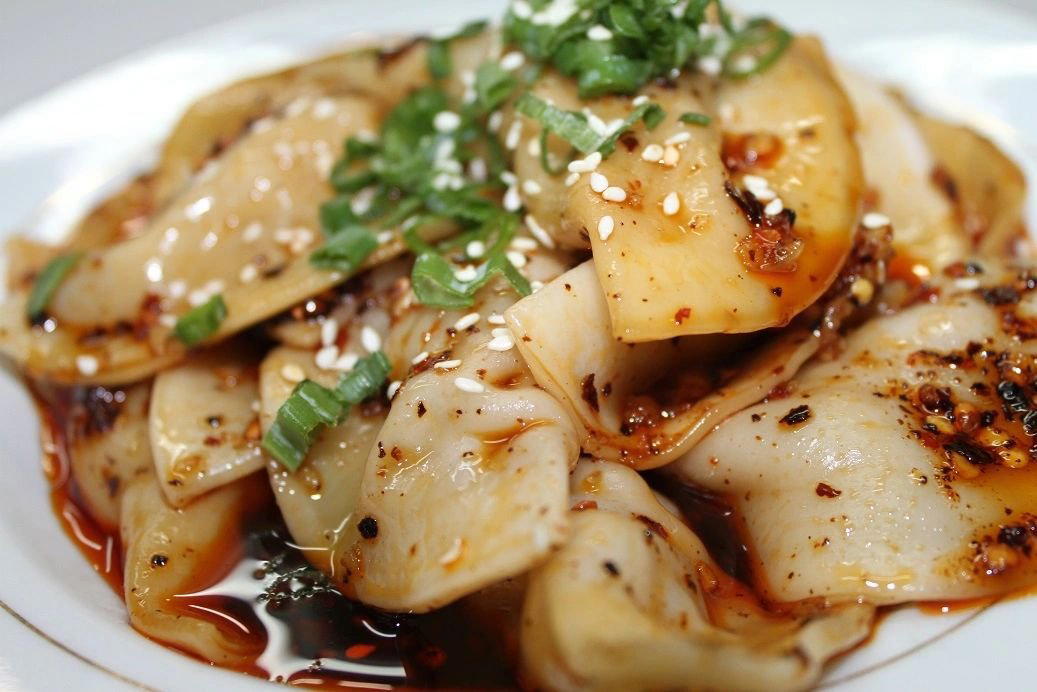
Krog Street and the Case for Northern Chinese in Atlanta
Inman Park's Krog Street corridor runs between renovated warehouses and weekend foot traffic that leans heavily toward craft beer and New American cooking. The address at 99 Krog St NE puts Gu's Dumplings inside a market hall environment where the competition is eclectic and the clientele is habituated to browsing rather than destination dining. That context matters, because Northern Chinese food — built around hand-folded dough, braised proteins, and wheat-forward staples rather than the rice-and-stir-fry shorthand most American cities default to — is doing something categorically different from its neighbors here.
Atlanta's broader dining scene in 2024 is weighted toward a handful of recognizable formats. The $$$$ tasting menu tier is represented by places like Bacchanalia, Atlas, and Lazy Betty, all operating inside the Modern American or European fine dining tradition. The Japanese counter format has its own serious entries in Hayakawa and Mujō. What the city has historically lacked is a widely accessible, quality-focused entry point into the Northern Chinese tradition, the kind of cooking that defines daily life in Beijing and Shandong but rarely gets a serious platform in American cities outside of a few dense Chinese-American enclaves. Gu's sits in that gap.
What Northern Chinese Cooking Actually Looks Like on the Plate
The dumpling is an obvious anchor for any restaurant carrying that name, but the Northern Chinese tradition it belongs to is worth understanding in some depth. This is a cuisine shaped by cold winters and agricultural patterns very different from the subtropical south of China: wheat dumplings, hand-pulled noodles, lamb and pork as the dominant proteins, and techniques like pan-frying and steaming that concentrate flavor rather than dispersing it into sauces. The xiao long bao model that most American diners know from Shanghainese restaurants is a cousin to this tradition, not its representative. Northern dumplings tend to be larger, more robustly filled, and less dependent on the soup-burst theatrical moment that has made soup dumplings a social media fixture.
In American cities, this cooking has often been underrepresented at the quality tier that the format warrants. The dumpling specifically has been a casualty of the economics of Chinese-American restaurant culture: priced low, treated as a starter rather than a centerpiece, and rarely given the sourcing or technique attention that a comparable Italian pasta dish would receive in the same city. The broader American food conversation has been correcting for this slowly, Chicago's Alinea-era fine dining boom didn't do much for it, and even New York's Le Bernardin-level prestige ecosystem has only recently started taking Chinese regional cooking seriously through venues like Atomix, which applies Korean fine dining rigor that has adjacent implications. Atlanta is working through the same recalibration at its own pace.
The Krog Street Market Format and How It Shapes the Experience
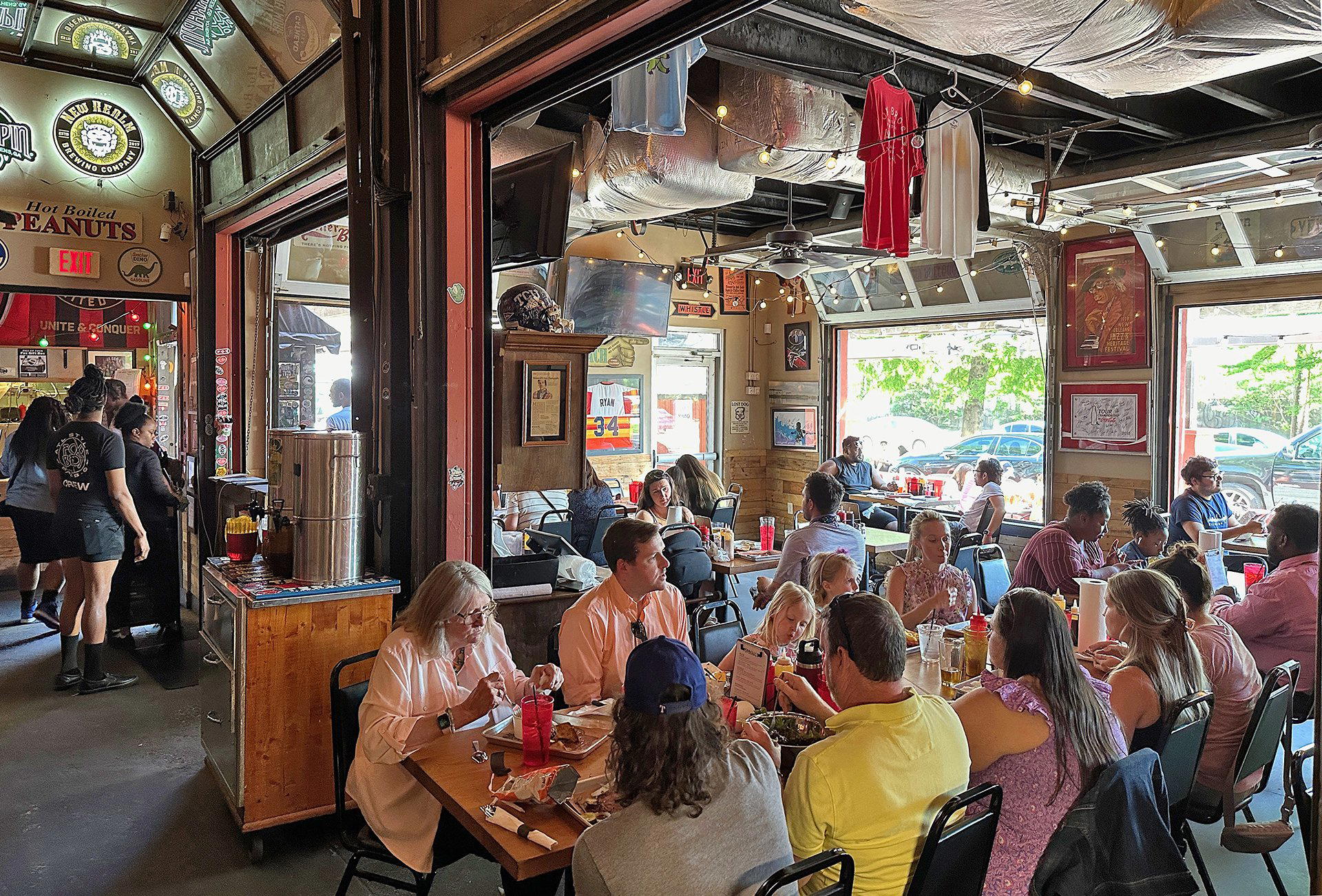
Market hall dining carries its own sensory logic. Sound travels differently in shared-roof environments: the ambient noise floor is higher, the boundaries between kitchens and dining areas are porous, and the visual experience of watching food move from open prep stations to tables is part of the offering rather than incidental to it. At Gu's, that format positions the dumpling-making process, if visible from the dining area, as part of what justifies the visit. The smell of pork fat and sesame oil in a contained market hall space is a different register entirely from the same smells in a white-tablecloth room.
The Krog Street address also means the venue participates in one of Atlanta's more functional food neighborhoods. Inman Park has density: walk-up accessibility, proximity to the BeltLine, and a resident population with above-average appetite for variety. It is not a dining destination in the way that Buckhead is for expense-account meals, but it generates consistent foot traffic from a demographic that has moved past defaulting to familiar formats. That's the right audience for a restaurant making an argument about Northern Chinese cooking.
Atlanta's Emerging Chinese Food Conversation
To understand where Gu's Dumplings sits in Atlanta's broader food story, it helps to look at what the city's dining ecosystem has prioritized. The prestige tier has been almost entirely dominated by American and European formats. The tasting menu tradition exported from kitchens like The French Laundry, Blue Hill at Stone Barns, and Single Thread Farm has shaped what Atlanta diners expect from a serious meal. The cities that have done the most to bring Chinese regional cooking into a comparable tier of attention, San Francisco, New York, Los Angeles, have either immigrant population density or a food media ecosystem willing to treat Chinese restaurants with the same critical seriousness as French or Japanese ones.
Atlanta is building that ecosystem incrementally. Venues like Gu's are part of that process: they hold a specific position in the regional food story that won't be obvious from a single visit but accumulates meaning over time as the city's palate diversifies. The parallel in New Orleans would be a similar venue pulling a regional American tradition into a context where it hadn't previously been given proper attention, as Emeril's did for Louisiana cooking in a different era. In Los Angeles, Providence and Addison in San Diego have shown how regional specificity can anchor a restaurant's identity across years of operation. Gu's makes a comparable bet on Northern Chinese specificity in a city still deciding what its food identity looks like at scale.
For a wider view of where Gu's fits among Atlanta's current dining options, see our full Atlanta restaurants guide, which covers everything from the tasting menu tier to neighborhood standbys across the city's distinct dining corridors. The San Diego comparison is also instructive through Addison, and the Washington, D.C. model through The Inn at Little Washington, both of which show how regional specificity sustains long-term restaurant identities. For international reference, 8 1/2 Otto e Mezzo Bombana in Hong Kong demonstrates the tier that serious Chinese-adjacent dining can reach when given the same critical attention as European formats. Finally, Lazy Bear in San Francisco shows how a communal dining format in a market hall-adjacent setting can build a serious reputation over time.
Know Before You Go
- Address: 99 Krog St NE, Atlanta, GA 30307
- Location: Krog Street Market, Inman Park
- Cuisine: Northern Chinese, dumpling-focused
- Phone: Not publicly listed, check the Krog Street Market website for current contact information
- Booking: Walk-in format typical of market hall venues; arrival timing matters more than advance reservations at this format
- Parking: Krog Street Market has an attached lot; the BeltLine access point nearby makes foot or bike arrival viable from several Inman Park blocks
How Gu's Dumplings Atlanta compares with similar nearby venues.
| Venue | Cuisine | Price |
|---|---|---|
| Superica | Tex-Mex | $$ |
| Fred's Meat & Bread | American | $ |



At a Glance
- Lively
- Casual
- Trendy
- Casual Hangout
- Family
- Open Kitchen
Current opening hours
- Monday
- 11 AM–9 PM
- Tuesday
- 11 AM–9 PM
- Wednesday
- 11 AM–9 PM
- Thursday
- 11 AM–9 PM
- Friday
- 11 AM–10 PM
- Saturday
- 11 AM–10 PM
- Sunday
- 11 AM–9 PM
Hours can change for holidays and private events. Last verified .
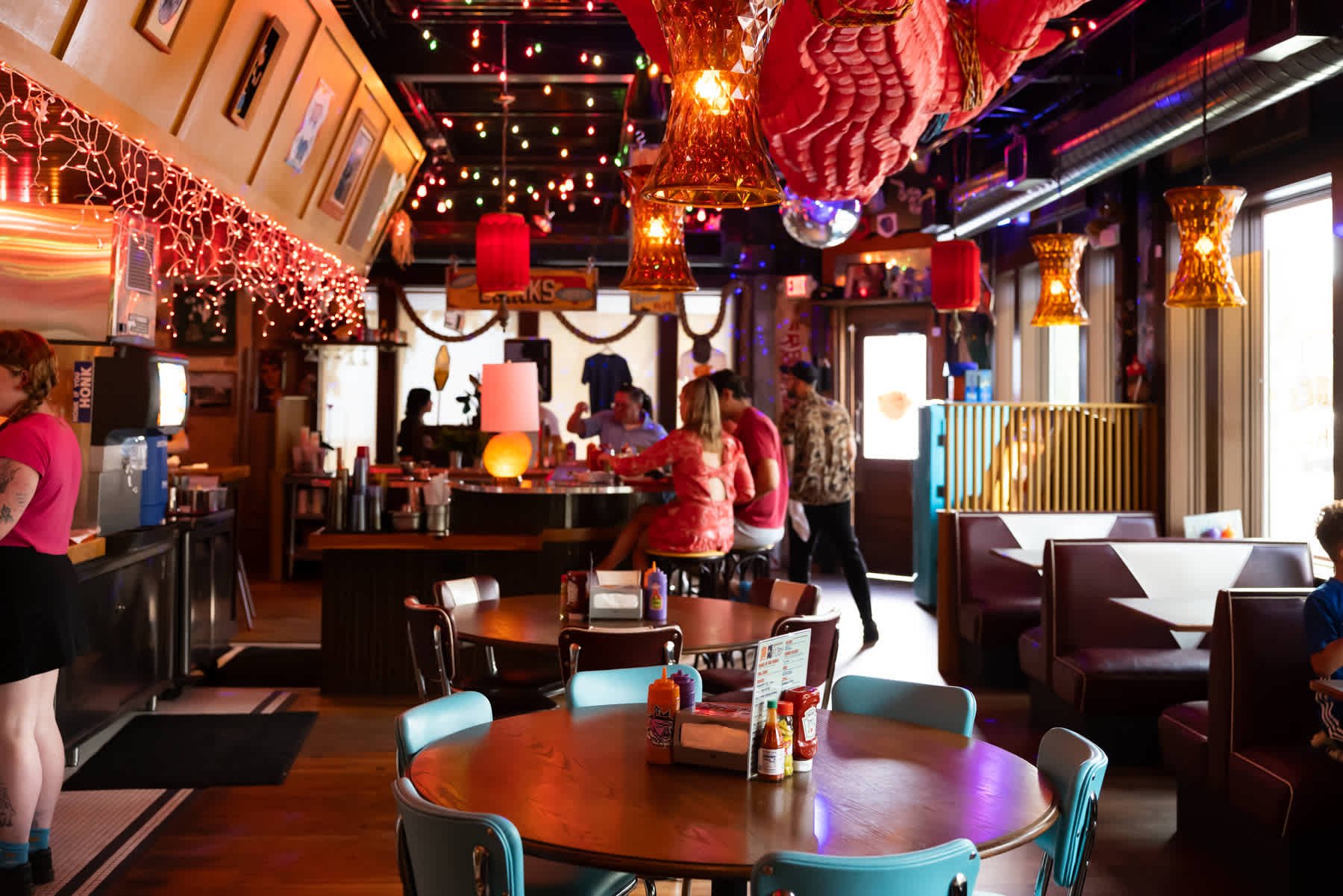
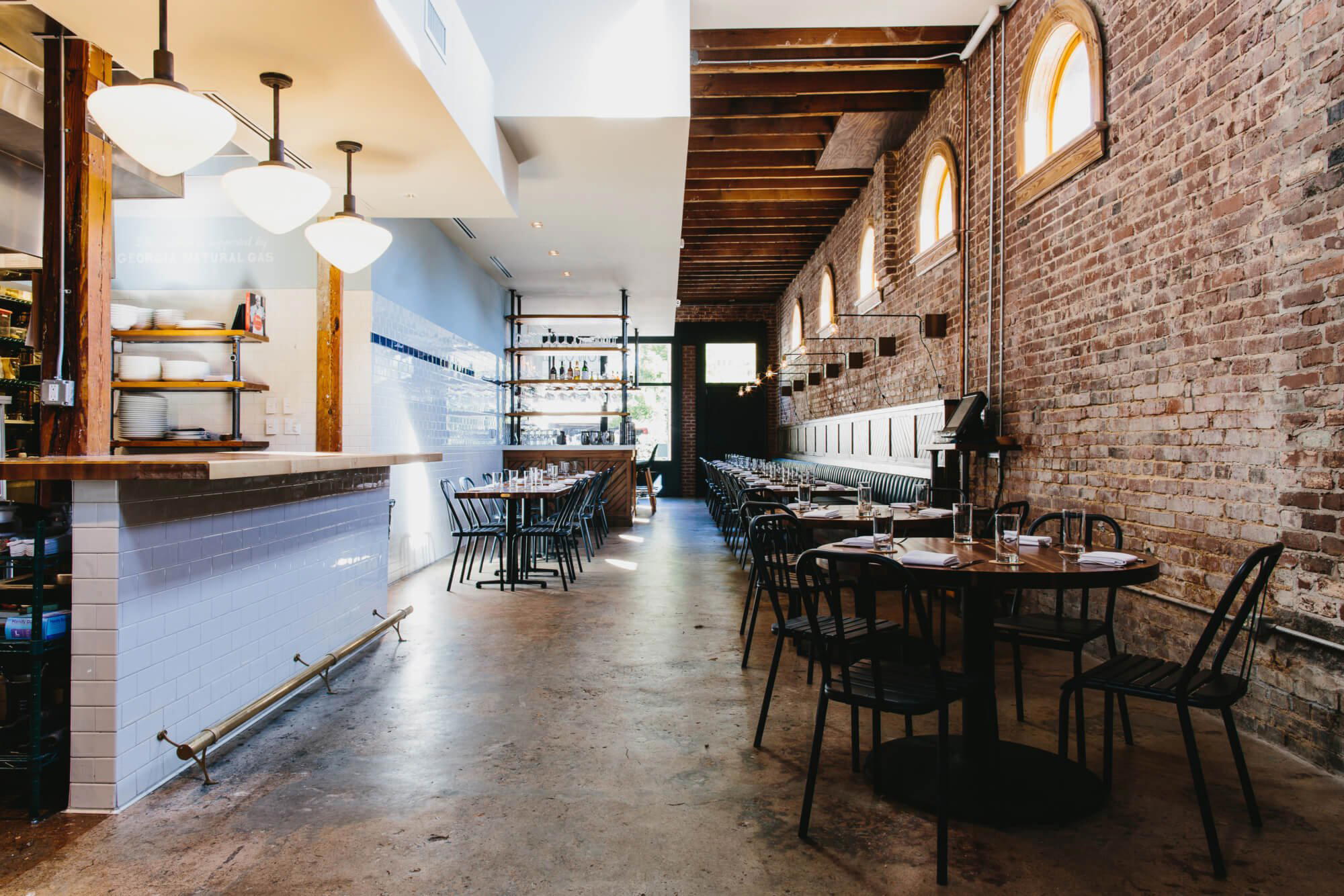
Casual market-hall setting focused on quick Sichuan dumplings and noodles rather than a formal full-service dining room.
Know Before You Go
- Getting there
- 99 Krog St NE, Atlanta, GA 30307