Gui Steakhouse



Michelin Plate · World's Best Steaks 50 Best #31 · Wine Spectator Award of Excellence
Our verdict
Situated on 8th Avenue at the edge of Times Square, Gui Steakhouse bridges the American steakhouse tradition with Korean culinary technique under Chef Sungchul Shim. The menu moves from Alaskan king crab at the raw bar through USDA Prime and Japanese wagyu steaks finished with Maldon salt, alongside dan dan noodles and wagyu fried rice. Pre-theater convenience and genuine kitchen ambition coexist here more credibly than the address might suggest.

Pearl is the En Primeur Club membership app, where members save venues, book tables and use the concierge.
The menu
What to order
- King size prime rib
- Bone-in ribeye
- Double cut bacon
Where the American Steakhouse Meets Korean Fire
Times Square dining has long carried a reputational penalty. The density of tourists, the pressure of theater schedules, and the economics of high-footfall real estate have historically produced menus that prioritize throughput over craft. Gui Steakhouse, at 776 8th Avenue, arrived with a different proposition: a steakhouse format rooted in American tradition but restructured through Korean culinary logic, in a room designed to hold its own beyond the theater-crowd context that surrounds it.
That restructuring is substantive rather than cosmetic. The menu does not simply drop Korean garnishes onto conventional cuts. Instead, fire and fermentation operate as organizing principles across the entire program, from the raw bar through to the meat courses and the side dishes. What results is a format that sits at a crossroads in New York's broader steakhouse conversation, a category that has been absorbing international technique for years without always achieving coherence. Here, the integration reads as intentional rather than opportunistic.
The Menu Architecture
The sequence begins at the raw bar, where Alaskan king crab anchors the cold section before the kitchen pivots toward its primary subject. The steak program draws from two distinct supply chains: USDA Prime domestic cuts and Japanese wagyu, a pairing that allows the kitchen to demonstrate range within the same category rather than simply offering a single house style. The aged steaks arrive with a defined sear and grill marks, finished with Maldon salt rather than compound butters or elaborate saucing. That restraint is a deliberate editorial statement about the quality of the raw material.
The choice to finish with Maldon rather than sauce signals confidence in the product itself, a posture more common in Tokyo-influenced counters than in the traditional American chophouse. Compare that approach with what the highest-tier New York dining rooms are doing with protein: at Le Bernardin, fish receives a similarly minimal finishing touch, the technique existing to clarify rather than to add. The philosophy translates across categories when the sourcing supports it.
Beyond the steaks, the menu extends into two parallel registers. Traditional American plates, flounder and grilled chicken among them, sit alongside Korean-inflected preparations: dan dan noodles (borrowing the Sichuan format through a Korean lens) and wagyu fried rice, which repurposes the premium protein from the main event into a textural contrast at the table. This dual structure gives the kitchen range and gives the diner a reason to return without exhausting the menu on a single visit.
Chef Sungchul Shim and the Collaborative Frame
The format's coherence reflects the work of Chef Sungchul Shim, whose background anchors the Korean-American synthesis at the center of Gui's identity. In a dining room where the menu spans raw shellfish, aged domestic beef, imported wagyu, and fermentation-forward sides, the kitchen's ability to maintain consistent quality across those registers depends on tight internal collaboration. Front-of-house sequencing matters considerably when a table might move from a king crab opener through two different grades of steak to a bowl of fried rice without losing the thread of the meal.
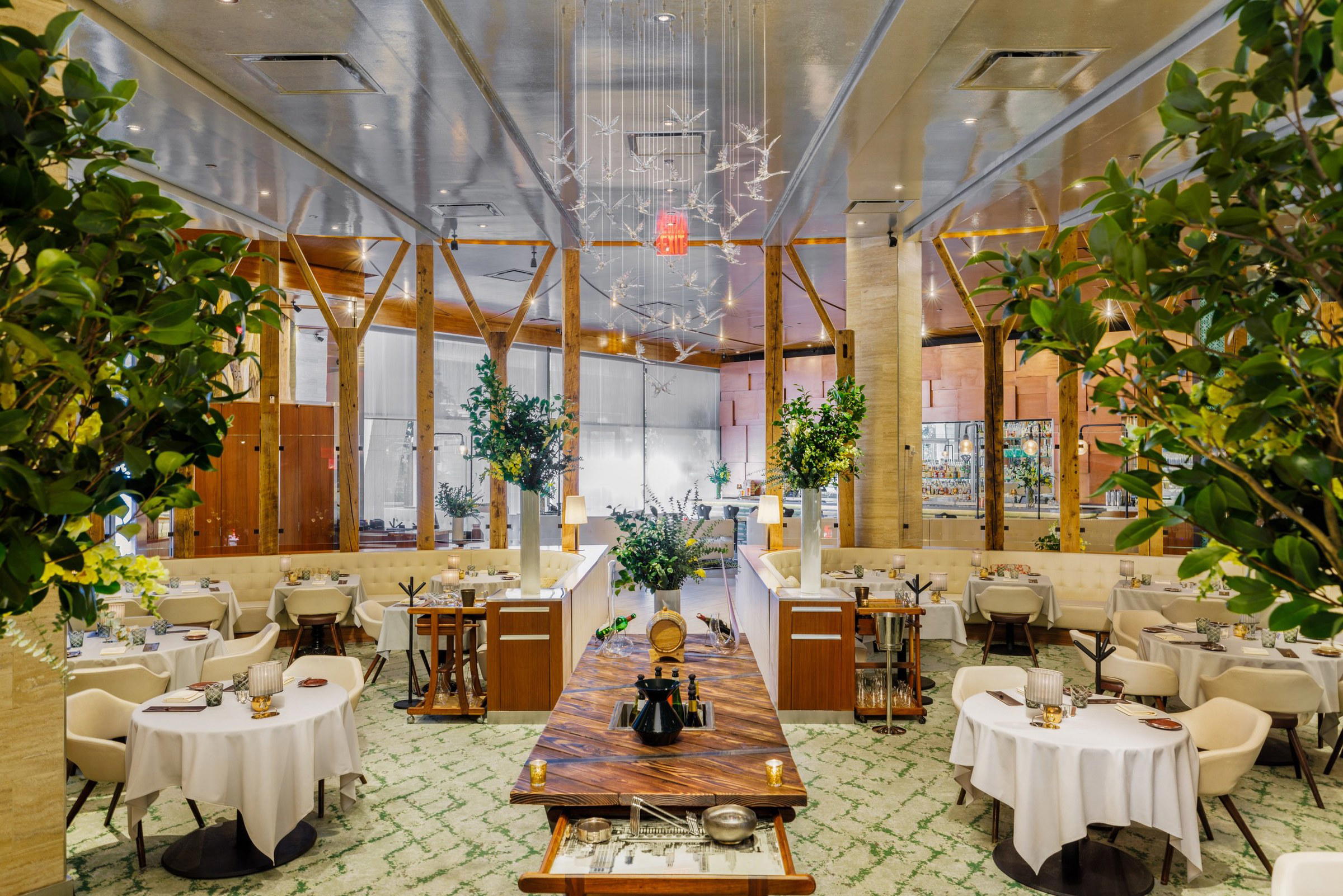
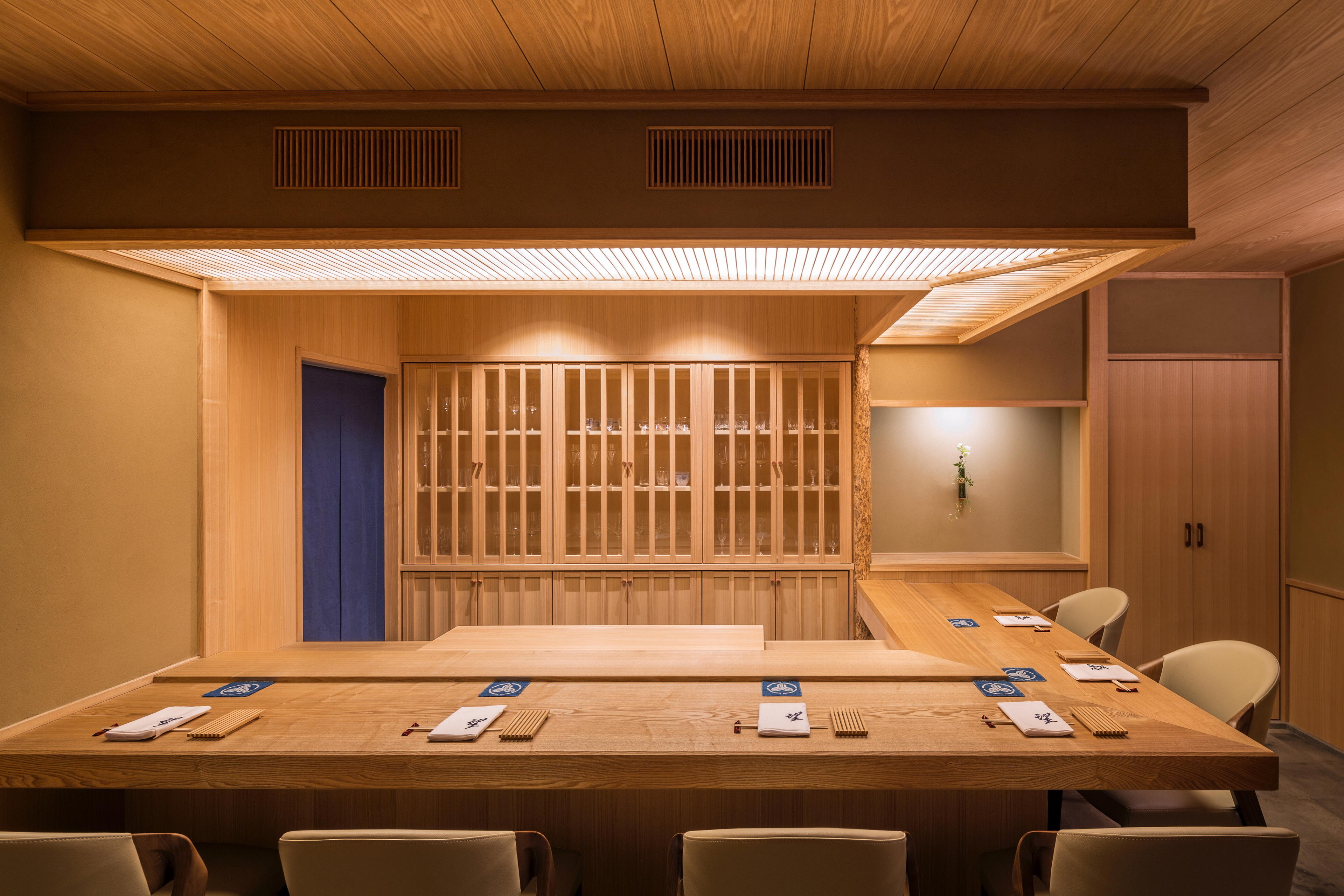
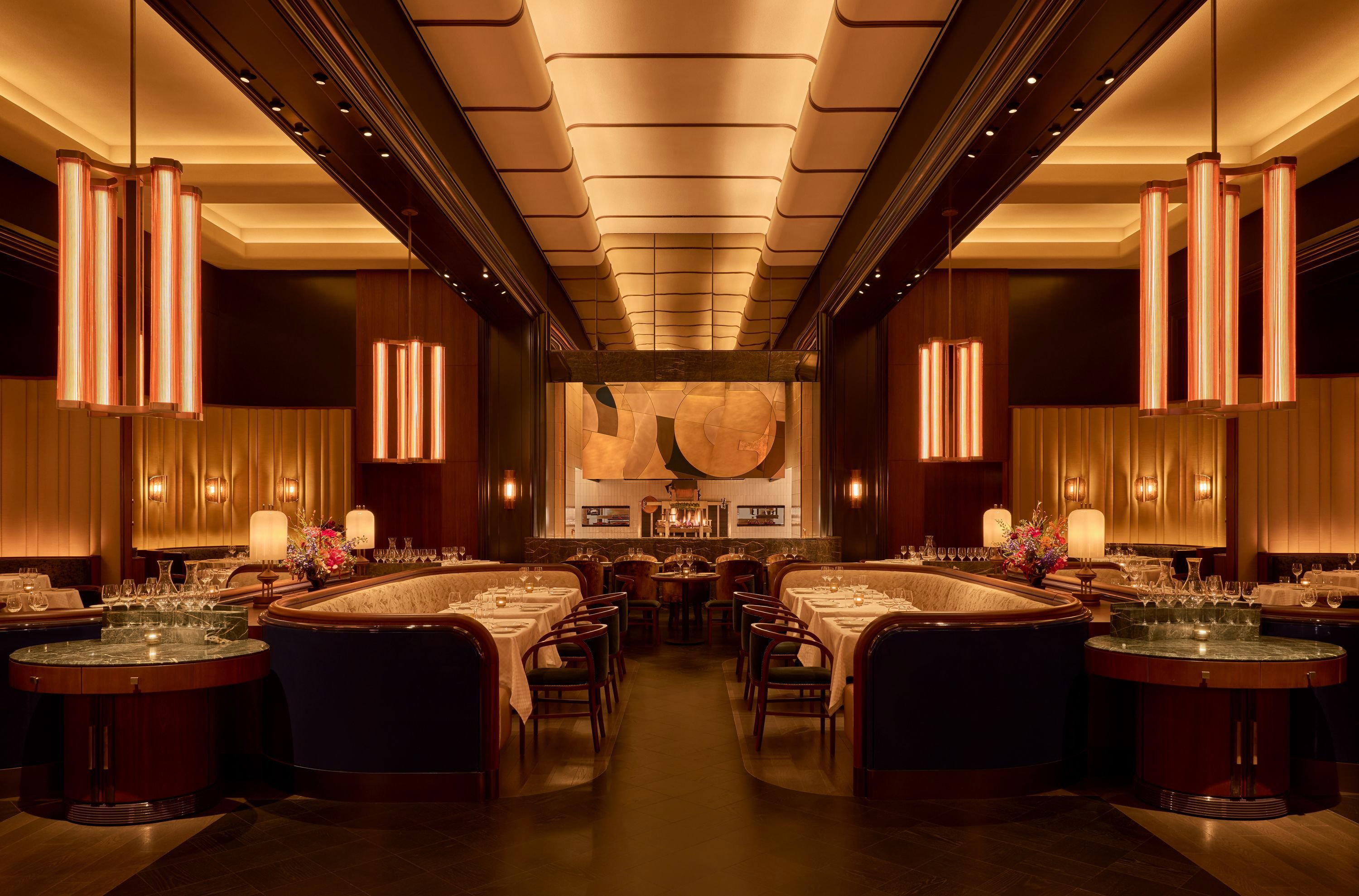
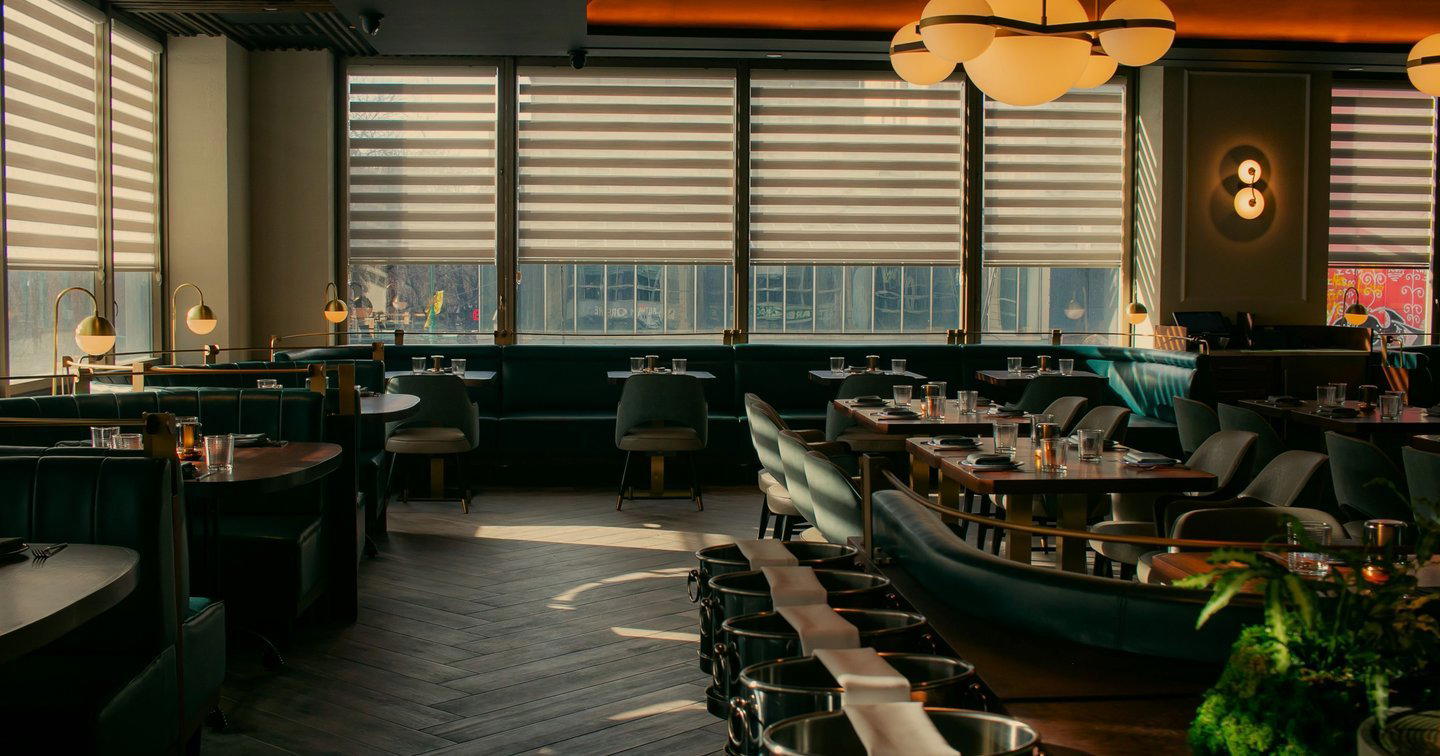
That kind of cross-menu navigation places demands on the service team beyond what a conventional steakhouse requires. The room's sleek design, calibrated for the mid-town business and theater audience, supports a pacing format where the front-of-house team plays an active role in guiding the order rather than simply taking it. New York's most technically integrated dining rooms, places like Atomix in its modern Korean format or Eleven Madison Park in its plant-forward register, demonstrate that service architecture is as much a part of the product as what arrives on the plate.
Placing Gui in the New York Steakhouse Context
New York's steakhouse category has bifurcated. On one side sit the traditional chophouses, defined by volume, consistency, and the institutional weight of decades of operation. On the other, a smaller cohort has emerged that treats the steakhouse format as a canvas for technique-led rethinking, importing ideas from Japanese, Korean, and South American traditions to produce something that competes on craft rather than nostalgia. Gui belongs in the second group.
The wagyu component places it in a conversation with Japanese-influenced dining rooms across the city, a category that has expanded considerably as New York diners have become more fluent in the grade distinctions between domestic USDA Prime and imported A5. Meanwhile, the Korean fermentation thread connects it to a broader movement in New York's restaurant scene that has refined Korean technique from accompaniment to architectural principle. The contrast with a purist Japanese approach, such as what Masa represents in its counter format, or the classical French protein handling at Per Se, underlines how deliberately Gui occupies a middle position: neither tradition in isolation, but both in conversation.
Across the country, similar conversations are happening in different registers. Alinea in Chicago has long interrogated what fine dining format means. Lazy Bear in San Francisco applies a collaborative, communal frame to ambitious cooking. The French Laundry in Napa and Single Thread Farm in Healdsburg each represent a different answer to the question of what American fine dining can absorb from outside its own tradition. Gui's answer, specific to New York's density and its theater-district address, is grounded and commercially legible without abandoning its ambitions. Internationally, the conversation about fire-led precision extends to rooms like 8½ Otto e Mezzo Bombana in Hong Kong and the classical rigor of Alain Ducasse at Louis XV in Monte Carlo, where the precision applied to sourcing and execution sets a comparable standard. On the American Gulf Coast, Emeril's in New Orleans and Providence in Los Angeles reflect parallel efforts to hold craft ambition within accessible formats.
Planning Your Visit
Gui Steakhouse sits at 776 8th Avenue, a short walk from most of the major Broadway and off-Broadway houses, which makes it a practical anchor for pre- or post-theater dining without requiring a show booking as justification. The sleek room and menu depth support a standalone dinner. Given the Times Square location and the dual pull of theatergoers and destination diners, securing a reservation in advance is the prudent approach, particularly on weekends and matinee-to-evening transition windows. For a broader picture of where Gui sits within New York's dining options, see our full New York City restaurants guide, as well as our guides to New York City hotels, bars, wineries, and experiences.
Frequently asked questions
Is Gui Steakhouse award-winning?
Gui Steakhouse has received recognition including: Dining in the heart of Times Square isn't always a good bet, but Gui Steakhouse changes the narrative. A natural choice for pre- or post-theater dining, it's also worth a trip without show tickets to experience their traditional steakhouse ….
Where exactly is Gui Steakhouse?
Gui Steakhouse is located at 776 8th Ave, New York, NY 10036, New York City.
What do people recommend at Gui Steakhouse?
The aged steaks finished with Maldon salt are the kitchen's centerpiece, with Japanese wagyu and USDA Prime cuts driving most of the conversation. The Alaskan king crab from the raw bar is a strong opening move, and the wagyu fried rice and dan dan noodles represent the Korean-inflected side of the menu that sets Gui apart from conventional chophouses.
Should I book Gui Steakhouse in advance?
Given its position at 776 8th Avenue, within walking distance of most Broadway and off-Broadway houses, Gui draws steady pre- and post-theater traffic that tightens availability on performance nights. Booking ahead, particularly for weekend evenings, is the practical move. Walk-ins may find more success at off-peak times.
What's Gui Steakhouse best at?
The synthesis of American steakhouse form and Korean culinary technique is what defines Gui's identity under Chef Sungchul Shim. The steaks arrive with a deep sear and a restrained finish, Maldon salt, no heavy sauce, while dishes like dan dan noodles and wagyu fried rice demonstrate that the Korean influence runs through the full menu, not just the grill.
What if I have allergies at Gui Steakhouse?
The menu spans shellfish (Alaskan king crab), wheat-containing preparations (dan dan noodles), and various proteins, so guests with allergies to shellfish, gluten, or soy should flag their requirements when booking or upon arrival. check the venue's official channels at 776 8th Ave, New York, NY 10036 to discuss specific dietary needs before your visit.
Cuisine-First Comparison
| Venue | Cuisine | Price | Awards | Notes |
|---|---|---|---|---|
| Gui SteakhouseThis venue (the venue you are viewing) | Korean-Inspired Steakhouse | $100–150 | Michelin Plate · World's Best Steaks 50 Best #31 | Not listed |
| Le Bernardin | French Seafood Fine Dining | $300–500 | 3 Michelin Stars · World's 50 Best #13 | French, Seafood |
| Atomix | Modern Korean Tasting Menu | $300–500 | 2 Michelin Stars · World's 50 Best #7 | Modern Korean, Korean |
| Masa | Seasonal Hokkaido Tempura Omakase | $150–200 | Tabelog 100 #34 | Sushi, Japanese |
| Per Se | French Fine Dining Tasting Menu | $300–500 | 3 Michelin Stars · World's 50 Best #40 | French, Contemporary |
| Eleven Madison Park | Contemporary Plant-Based Fine Dining | $300–500 | 3 Michelin Stars · World's 50 Best #4 | French, Vegan |
Recognition history
Dated appearances from independent guides and award organizations, with the underlying list record or original source where available.
Michelin Plate
Michelin
World's Best Steaks 50 Best Steakhouses in North America #31
World's Best Steaks
Wine Spectator Award of Excellence
Wine Spectator