Grand Food Depot
Our verdict
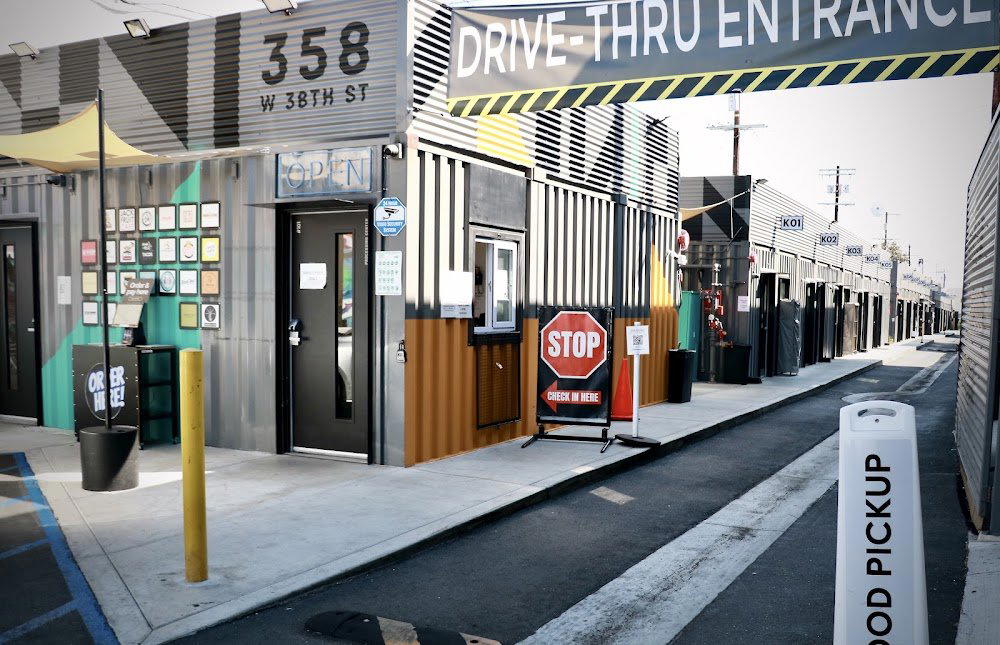
Grand Food Depot occupies a corner of South Los Angeles at 358 W 38th St, a neighbourhood where food culture runs deep and the gap between institution and discovery remains genuinely narrow. The venue sits in a part of the city that rewards the reader willing to move beyond the obvious West Side circuit. For those tracking how Los Angeles eating is changing at street level, this address belongs on the itinerary.

Pearl is the En Primeur Club membership app, where members save venues, book tables and use the concierge.
South Los Angeles and the Food Culture That Precedes the Hype
The stretch of West 38th Street that runs through South Los Angeles is not the address most food media reaches for first. That instinct to overlook it is, historically, the mistake. South LA has produced food traditions, neighbourhood institutions, and community-rooted cooking formats that later appeared, refined and repackaged, in the restaurants now earning column inches in Eater and the Los Angeles Times. Grand Food Depot, at 358 W 38th St, sits inside that longer story. Understanding what this address represents requires reading the neighbourhood before reading the menu.
South LA's food character is shaped by decades of demographic layering: Black American cooking traditions that trace directly to the Great Migration, Central American and Mexican culinary presence that intensified through the latter half of the twentieth century, and more recently a generation of younger operators returning to the area with more formal training and sharper sourcing discipline. The result is a district where the food on offer ranges from the deeply vernacular to the quietly ambitious, often within the same block. Grand Food Depot sits within that range, and the context matters for calibrating expectations in both directions.
How This Part of the City Reads Against the Wider Los Angeles Dining Pattern
Los Angeles dining in 2024 has stratified sharply. At the top of the market, the city's best-capitalised restaurants have pulled away from the middle tier in terms of both price and format complexity. Providence, with its long-running Michelin recognition in the Contemporary Seafood category, operates at a level of resource intensity that most neighbourhood operators cannot approach. Kato and Hayato represent a different kind of ambition: small-format, deeply considered, priced at the $$$$ tier and booking weeks or months out. Somni pushes further into progressive territory. Osteria Mozza holds its position through consistency and brand recognition built over years.
What that upper tier does not do is anchor a neighbourhood like South LA. The addresses that hold communities together, that serve as informal civic infrastructure as much as eating establishments, operate differently. They answer to foot traffic and repeat custom rather than reservation algorithms and destination diners. Grand Food Depot's location places it in that second category, and that category has its own logic, its own standards, and its own reasons to seek it out.
For comparison with what the format looks like in other American cities: Emeril's in New Orleans made its name in a city where neighbourhood food culture was already foundational to local identity, and that grounding was part of what gave it longevity. Bacchanalia in Atlanta operates in a similarly community-rooted food city where the relationship between neighbourhood and restaurant is understood differently than it is in New York or San Francisco.
Cultural Roots and What They Imply for the Table
South LA's food traditions are not ornamental. The cooking that has emerged from this part of the city over generations reflects real material conditions: ingredients sourced locally from discount grocers and ethnic markets, techniques passed through households rather than culinary programmes, flavour profiles calibrated for communities rather than critics. That is not a limitation. It is a different kind of rigour, and it produces food that often reads as more direct and less mediated than its fine-dining counterparts further west and north.
The cultural significance of this area's food extends nationally. Southern American food traditions carried north and west during the Great Migration took root in neighbourhoods exactly like this one, and their influence on American cooking broadly, including on the New American format now used at places like Lazy Bear in San Francisco and Blue Hill at Stone Barns in Tarrytown, is documentable even if rarely acknowledged in the source footnotes. Eating in South LA is, among other things, a way of reading that history at the point of origin rather than at one remove.
Positioning Within Los Angeles and the National Conversation
The venues that attract the most attention in the national food press, from Alinea in Chicago to The French Laundry in Napa to Single Thread Farm in Healdsburg and Le Bernardin in New York City, share a common set of structural features: tasting menus or highly controlled formats, significant price points, and booking systems designed for advance planning. They reward a specific kind of reader: someone with time, resources, and willingness to organise a trip around a reservation.
Grand Food Depot at 358 W 38th St sits in a different relationship to that reader. It is not competing for the same customer, and the decision to seek it out is a different kind of decision. It is the decision to read a city laterally rather than vertically, to move through neighbourhoods rather than between reservation highlights. That kind of itinerary building is increasingly what separates sophisticated food travel from box-checking tourism. For the full picture of how Los Angeles dining maps across its neighbourhoods and price tiers, our full Los Angeles restaurants guide provides the wider frame.
For comparison with what ambitious neighbourhood-anchored eating looks like at the top of the market in other cities, Addison in San Diego, The Inn at Little Washington, and Atomix in New York City each demonstrate how a specific kind of neighbourhood commitment, combined with formal culinary ambition, produces a different result than destination-venue formula. 8 1/2 Otto e Mezzo Bombana in Hong Kong shows the same logic operating at the international level.
Planning Your Visit
Readers should verify current operating details directly before visiting.
| Venue | Format | Price Tier | Booking Lead Time |
|---|---|---|---|
| Grand Food Depot | Neighbourhood depot/market format (unconfirmed) | Not confirmed | Walk-in likely |
| Kato | New Taiwanese tasting menu | $$$$ | Weeks in advance |
| Hayato | Japanese kaiseki | $$$$ | Weeks to months in advance |
| Osteria Mozza | Italian, à la carte | $$$ | 1-2 weeks recommended |
Frequently asked questions
What should I eat at Grand Food Depot?
What the South LA address does signal is a food environment shaped by Central American, Mexican, and Black American cooking traditions. If those traditions inform the menu, the approach is to order what is made daily rather than what appears on a permanent printed card. In neighbourhood-format venues across South LA, the leading guide is what staff are moving fastest.
What is the ideal way to book Grand Food Depot?
Based on the address type and South LA neighbourhood format, walk-in is the working assumption. If you are visiting during a weekend when the area sees higher foot traffic, arriving earlier in the day is a practical hedge. Calling ahead, if contact details are available at time of visit, is the most reliable option before making a dedicated journey.
What makes Grand Food Depot worth seeking out?
The case for this address is less about a specific award or tasting menu format and more about what it represents in the wider Los Angeles food map. South LA has a food culture that predates and in many ways prefigures what later became fashionable further west. An operator at 358 W 38th St is working in a tradition with real depth. For a reader whose Los Angeles itinerary currently runs only between West Hollywood, Silver Lake, and the Westside, this address represents the part of the city that those circuits miss.
Is Grand Food Depot the kind of place that features in Los Angeles food guides?
South LA venues at this address type are consistently underrepresented in mainstream food media relative to their actual significance in the city's eating culture. The neighbourhood's food operators have rarely needed press coverage to sustain business, which means many remain unknown to visitors arriving with a standard recommended list. That gap between media visibility and community standing is itself an argument for seeking out the address independently rather than waiting for it to appear in a round-up.
Comparable Spots
Comparable venues nearby, for context on price, style, and recognition.
| Venue | Cuisine | Price | Awards | Notes |
|---|---|---|---|---|
| Grand Food DepotThis venue (the venue you are viewing) | Multi-Cuisine Food Hall | Not listed | Not listed | Not listed |
| Sora | Turkish-Asian Fusion | $50–100 | Not listed | Farmer Market |
| Kye's | Health-Focused Fusion Burritos | Not listed | Not listed | Sawtelle |
| Cafe 2001 | Japanese-European Café | $20–30 | LA Times 101 Best Restaurants #49 | Arts District |
| Escala | Colombian-Korean Fusion | $20–30 | Not listed | Wilshire Center |
| ABL Hollywood | Jamaican-Chinese Fusion | $30–50 | Not listed | Hollywood |
Continue exploring
More in Los Angeles
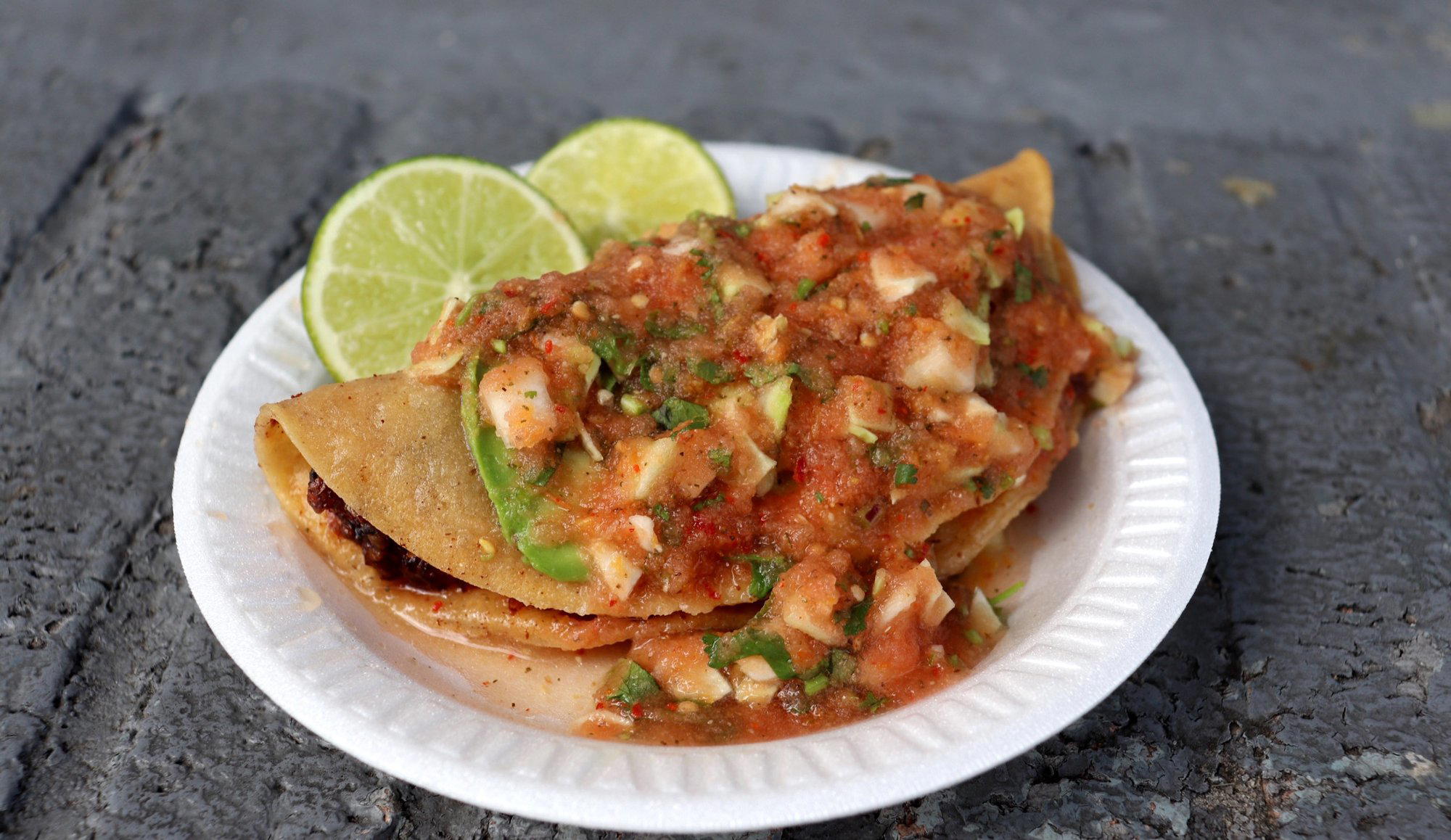
Restaurants in Los Angeles
All restaurants in Los Angeles →
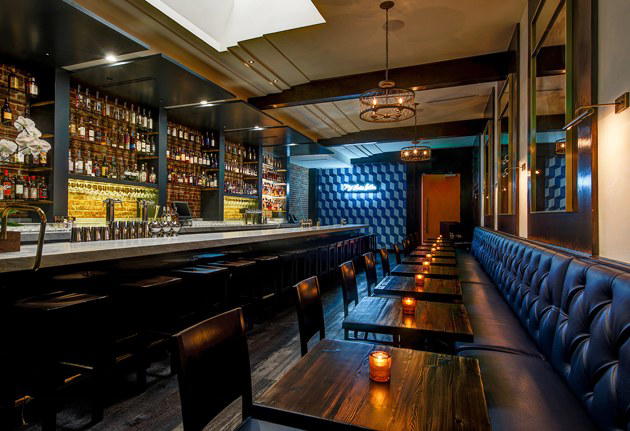
Bars in Los Angeles
All bars in Los Angeles →
Hotels in Los Angeles
All hotels in Los Angeles →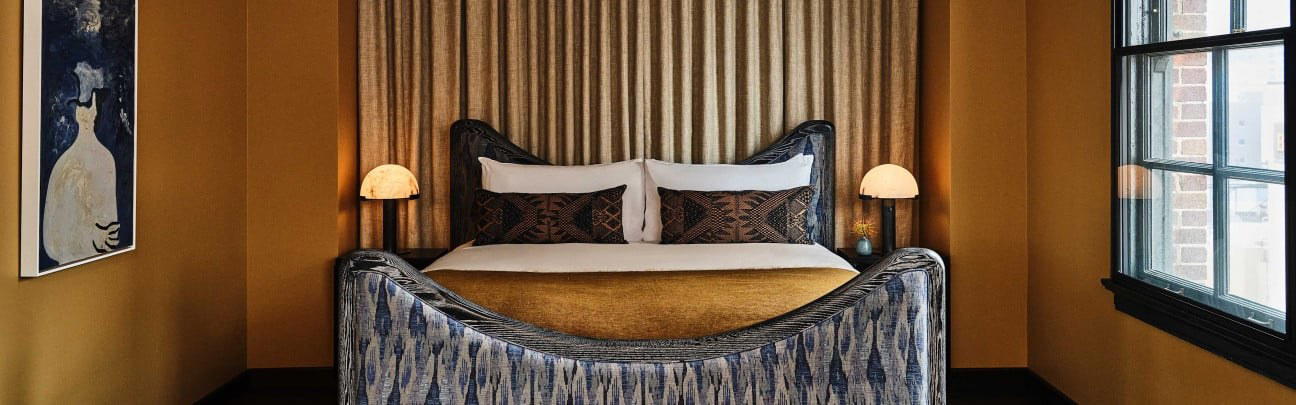

Wineries in Los Angeles
All wineries in Los Angeles →

Details
- Modern
- Lively
- Casual Hangout
- Group Dining
- Open Kitchen
- A La Carte
Current opening hours
- Monday
- 9 AM–1 AM
- Tuesday
- 9 AM–1 AM
- Wednesday
- 9 AM–1 AM
- Thursday
- 9 AM–1 AM
- Friday
- 9 AM–1 AM
- Saturday
- 9 AM–1 AM
- Sunday
- 9 AM–1 AM
Hours can change for holidays and private events. Hours as of .
Pickup-only with no indoor seating, atmosphere varies from quiet to lively for people on the go.